
Cobra Stretch : .Reverse Desk Posture
Open the front body and reverse the hunch of daily life.
Cobra Stretch targets the anterior chain—stretching the abs, chest, and hip flexors that drag you down—allowing your spine to stack to its full potential.
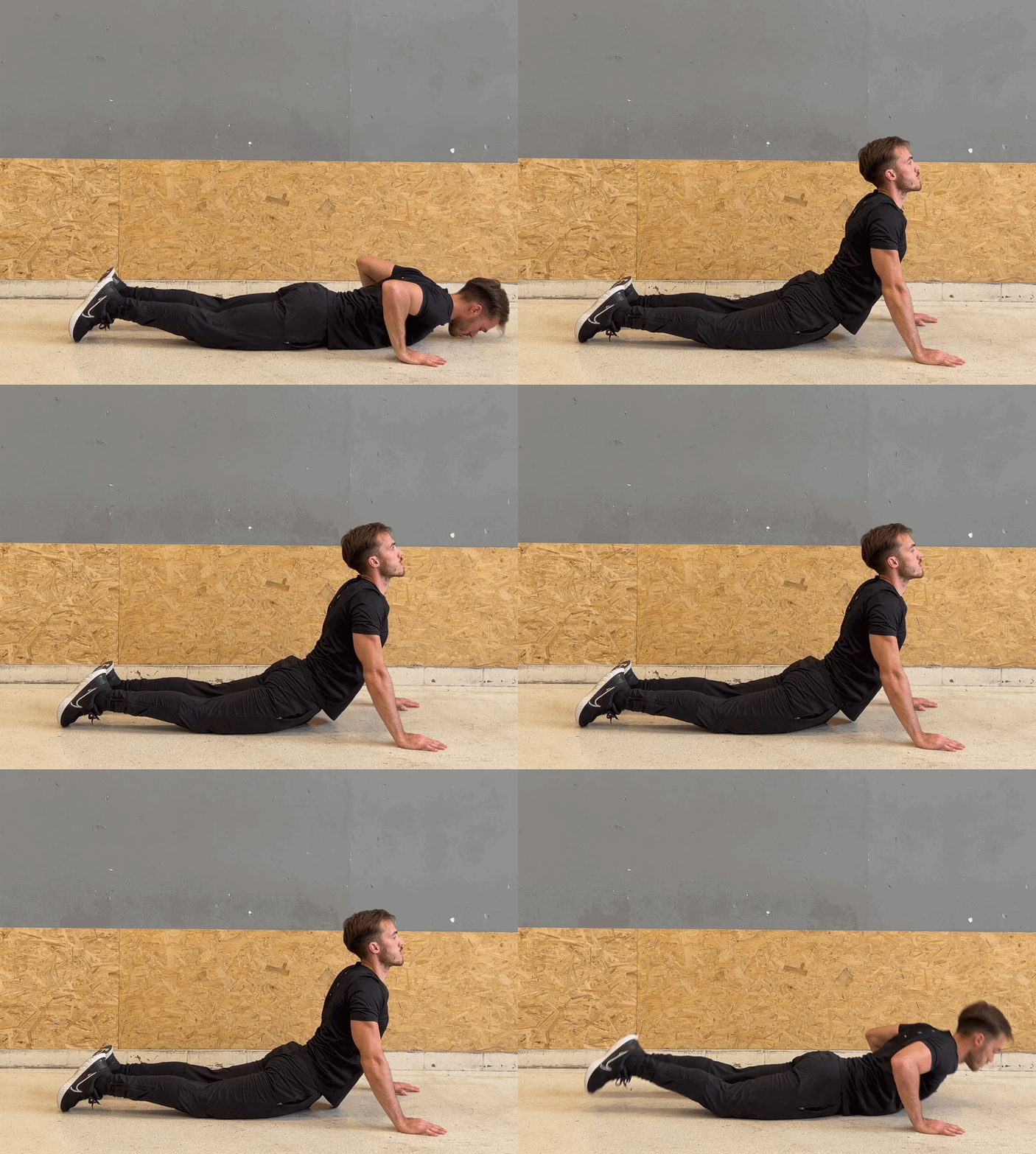
How to · How To Do The Cobra Stretch
Think of this as "peeling" your chest off the floor to open the front line of your body.
- Prone Setup: Lie flat on your stomach with legs straight and tops of feet pressing into the mat. Place hands under your shoulders, elbows bent close to your sides.
- Gentle Lift: Press lightly into your hands to peel your head and chest off the floor. Keep the elbows bent and shoulders relaxed away from your ears.
- Full Extension: Straighten your arms to lift the chest higher, drawing shoulders down and back. Sternum reaches forward and up. Keep your pelvis and legs grounded.
- Breathe and Hold: Breathe into the belly and chest, feeling the stretch along the abdominals and hip flexors. Avoid crunching the neck backward.
- Lower Down: Slowly lower yourself back to the mat with control to reset for the next rep.
- “Think long neck, not crunched neck.”
- “Shoulders down, heart forward.”
- “Keep the hips glued to the floor.”
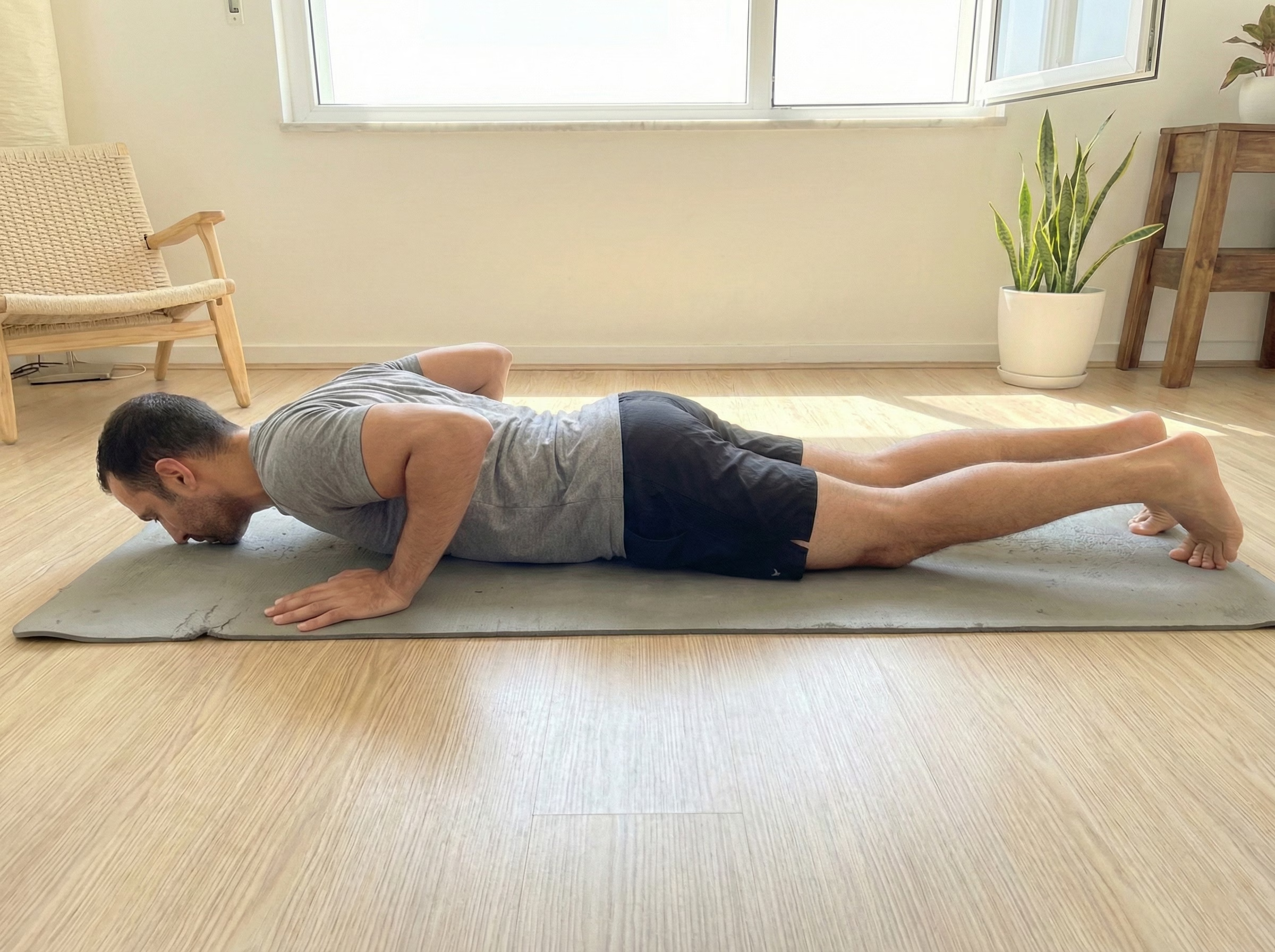
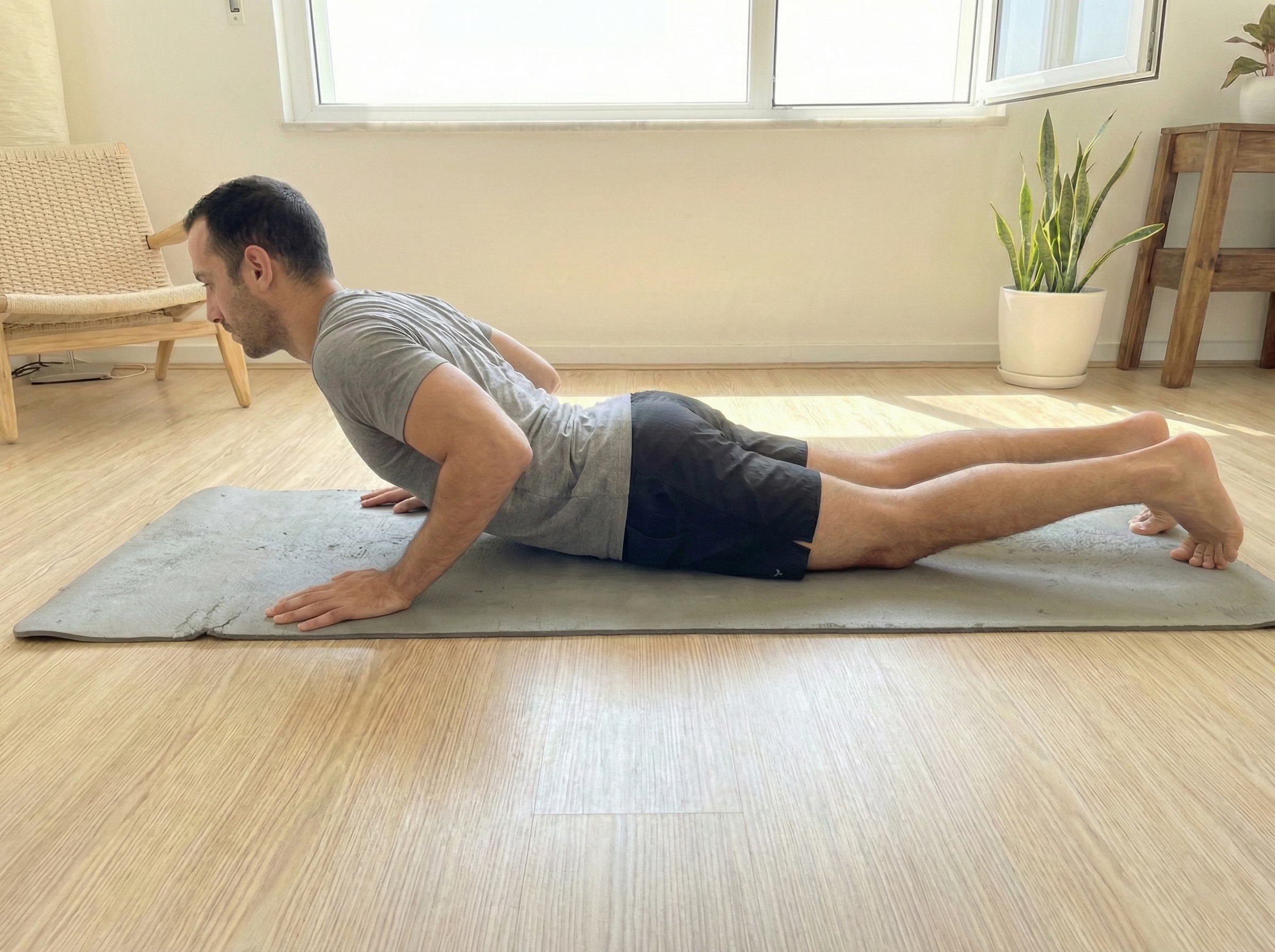
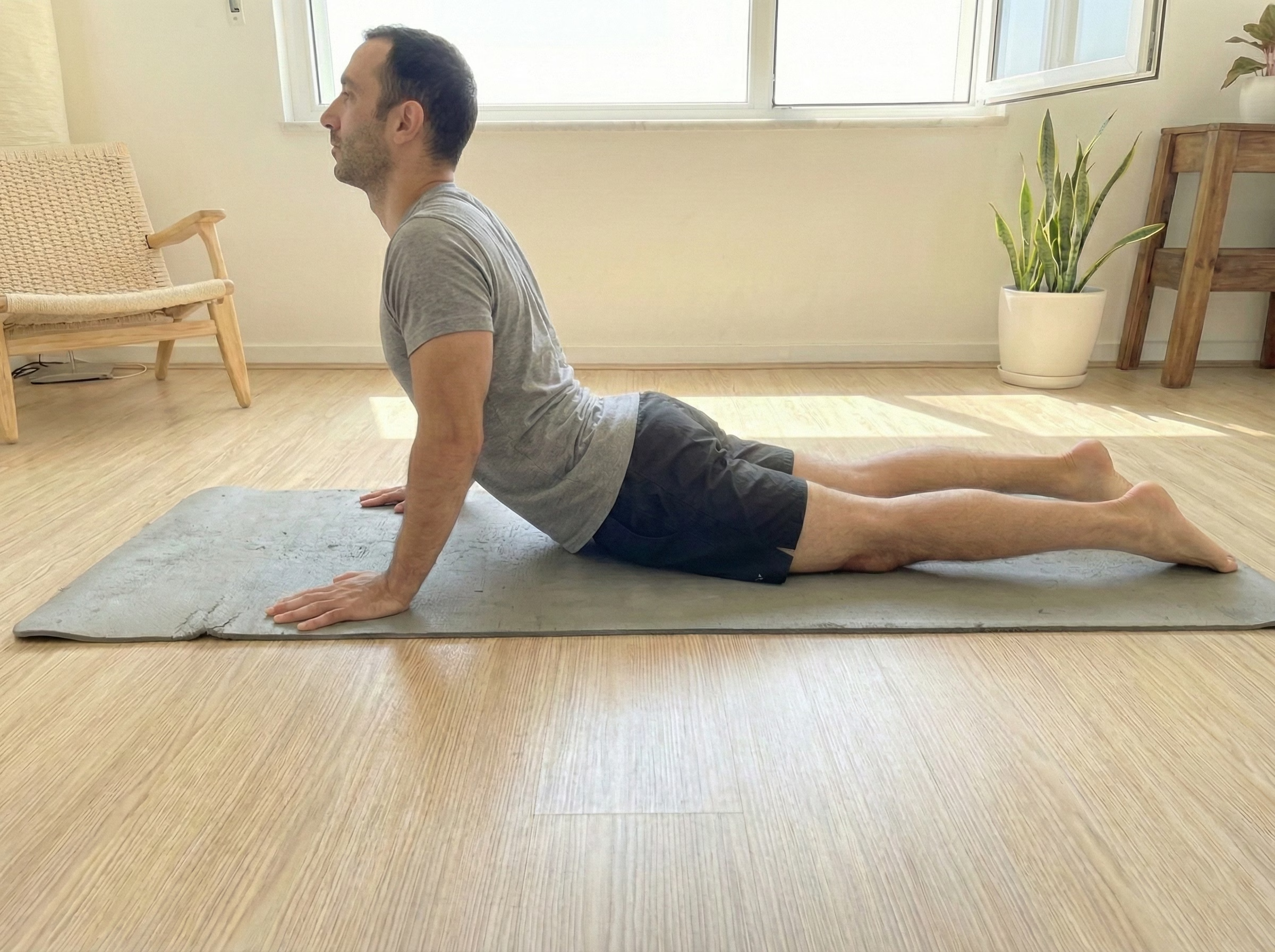
Flow & Sets · Reps, Sets & Frequency (Height-Focused)
Consistency is key to reversing years of slouching and sitting.
Tip: In the Height app, pair this with forward folds (like Child's Pose) to keep the spine balanced.
Variations · Scaled For Your Back
Adjust the height of the lift based on your flexibility and lower back comfort.
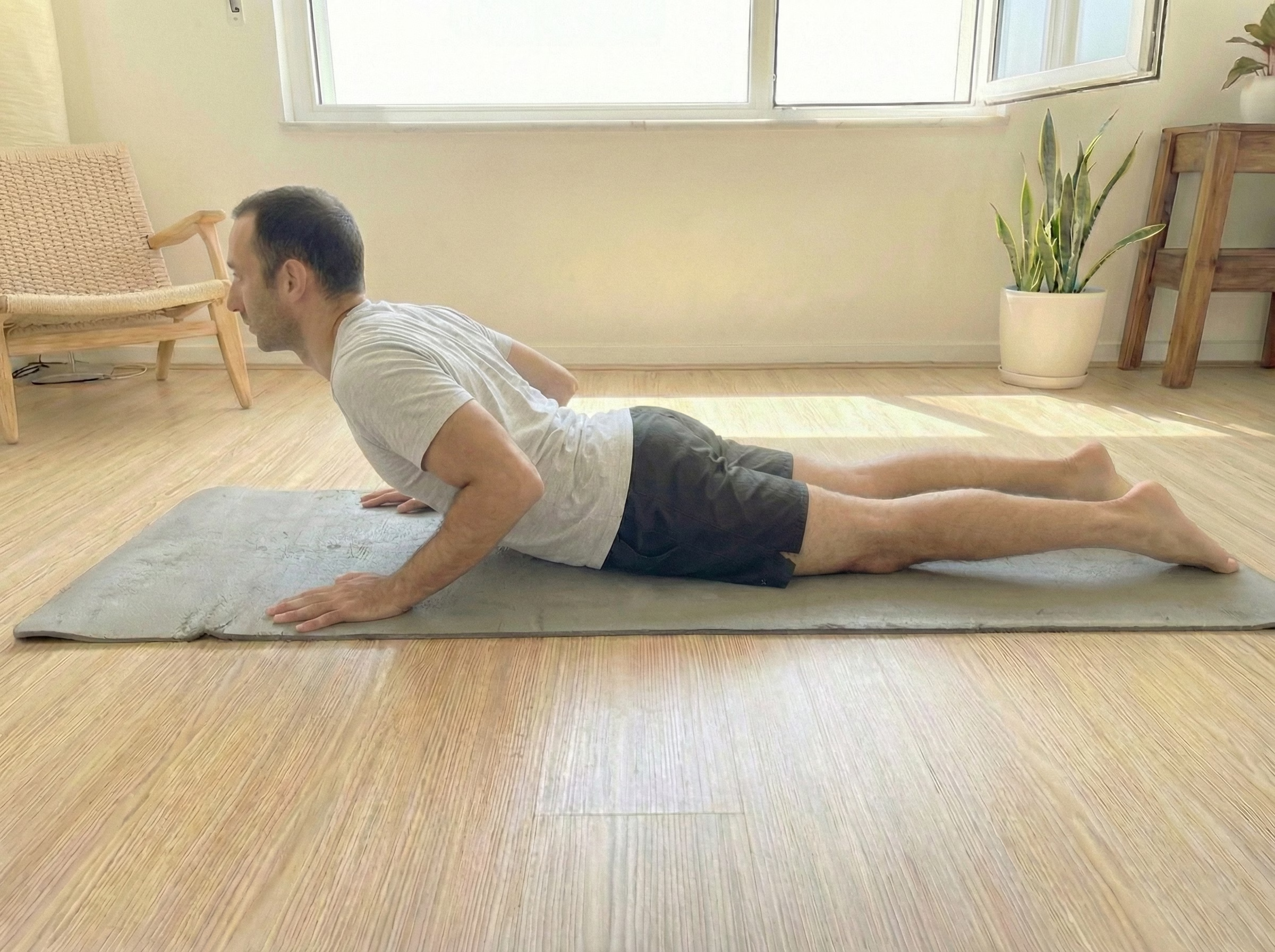
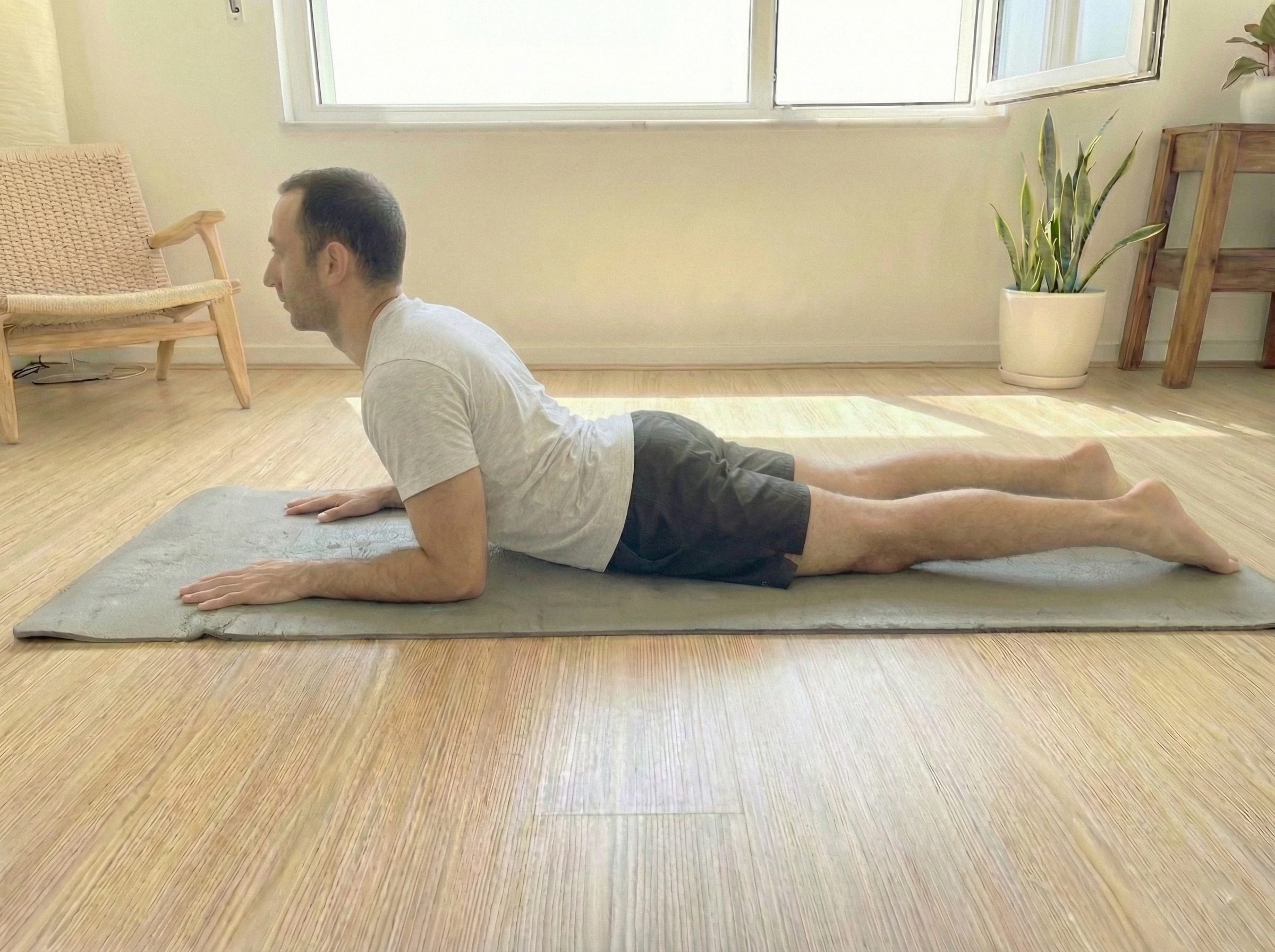
Height Impact · How Cobra Supports Your Height Line
- Chronic sitting shortens the hip flexors and abdominals, pulling your torso forward and down.
- Cobra Stretch lengthens this "front line," allowing the spine to naturally stack back over the pelvis without effort.
- By opening the chest, you reduce the kyphotic (hunchback) curve in the upper back, instantly adding visual height.
- Long-term consistency helps reclaim 0.5–1.0 cm lost to poor posture and spinal compression.
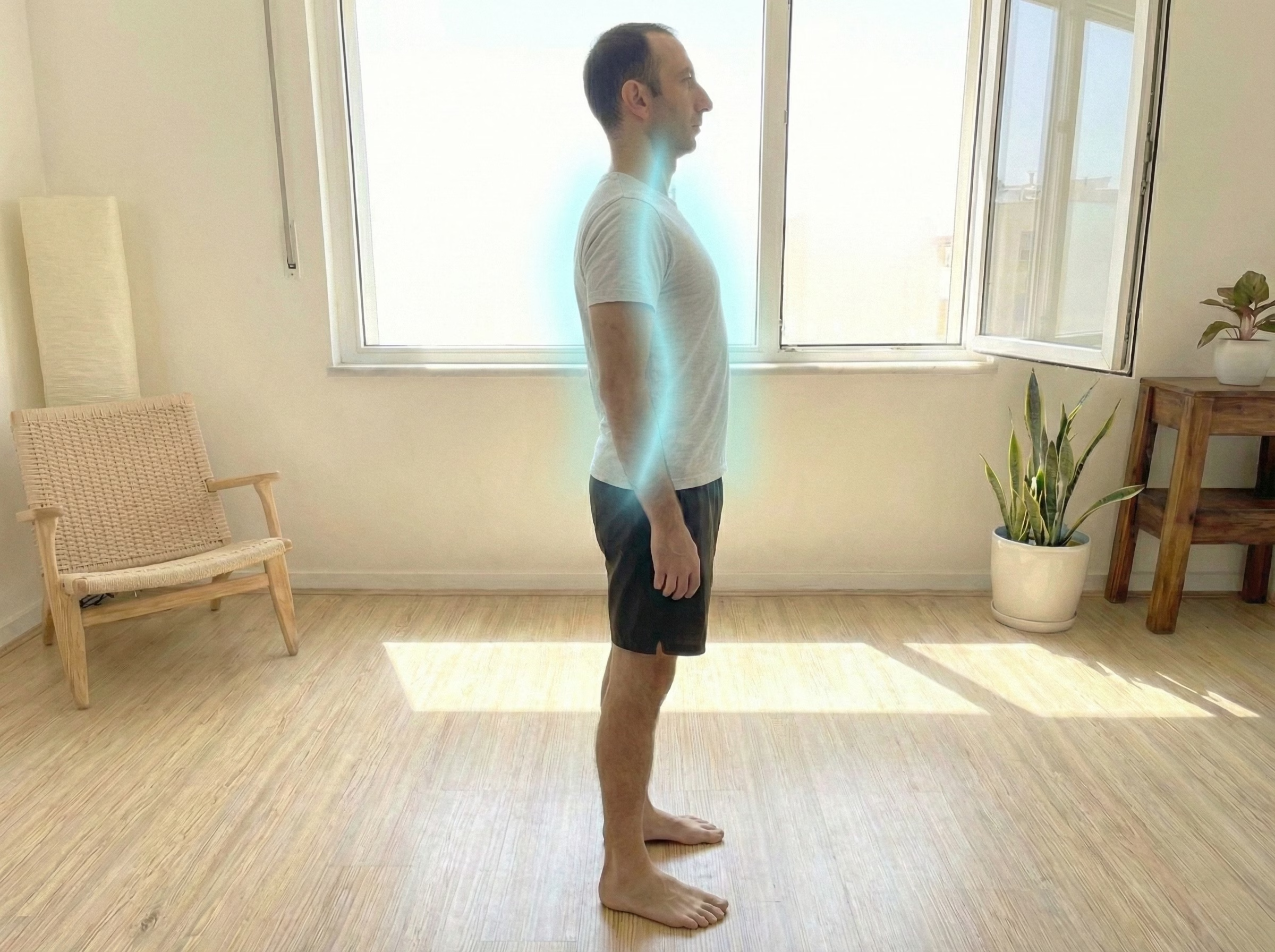
Panel 1 – Tall Chest Posture
Standing upright after the backbend work: chest is open, shoulders back but not forced. A soft light blue glow highlights the front of the spine from lower abdomen through the chest, showing how opening the front body supports vertical height.
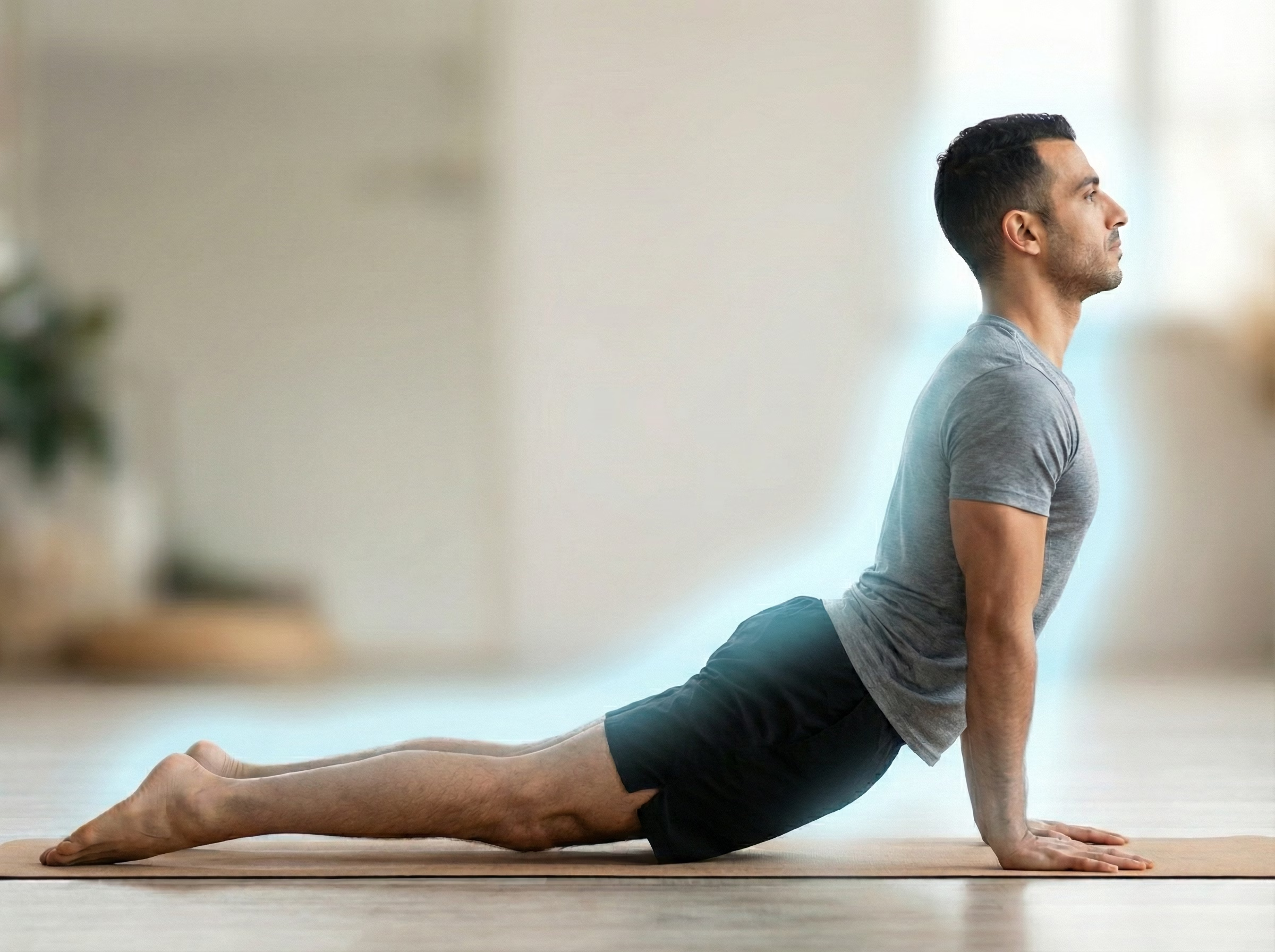
Panel 2 – Balanced Curvature
A side view showing smooth spinal curves: not hunched, not over-extended. A soft light blue glow runs along both the front and back of the torso, emphasizing the balanced extension and alignment needed for maximum height.
Form & Safety · Key Technique Cues, Precautions & Common Mistakes
- Keep the pelvis glued to the mat; don't lift the hips.
- Draw shoulders down and back, away from the ears.
- Reach the sternum (breastbone) forward, not just up.
- Squeeze the glutes lightly to protect the lower back.
Backbends are powerful but must be respected.
- If you feel sharp pinching in the lower back, lower your chest immediately.
- Pregnancy: Modify or avoid deep belly-down poses (consult a pro).
- Spondylolisthesis or acute disc issues: Stick to very low, supported variations.
- Locking elbows out forcefully when the back isn't ready.
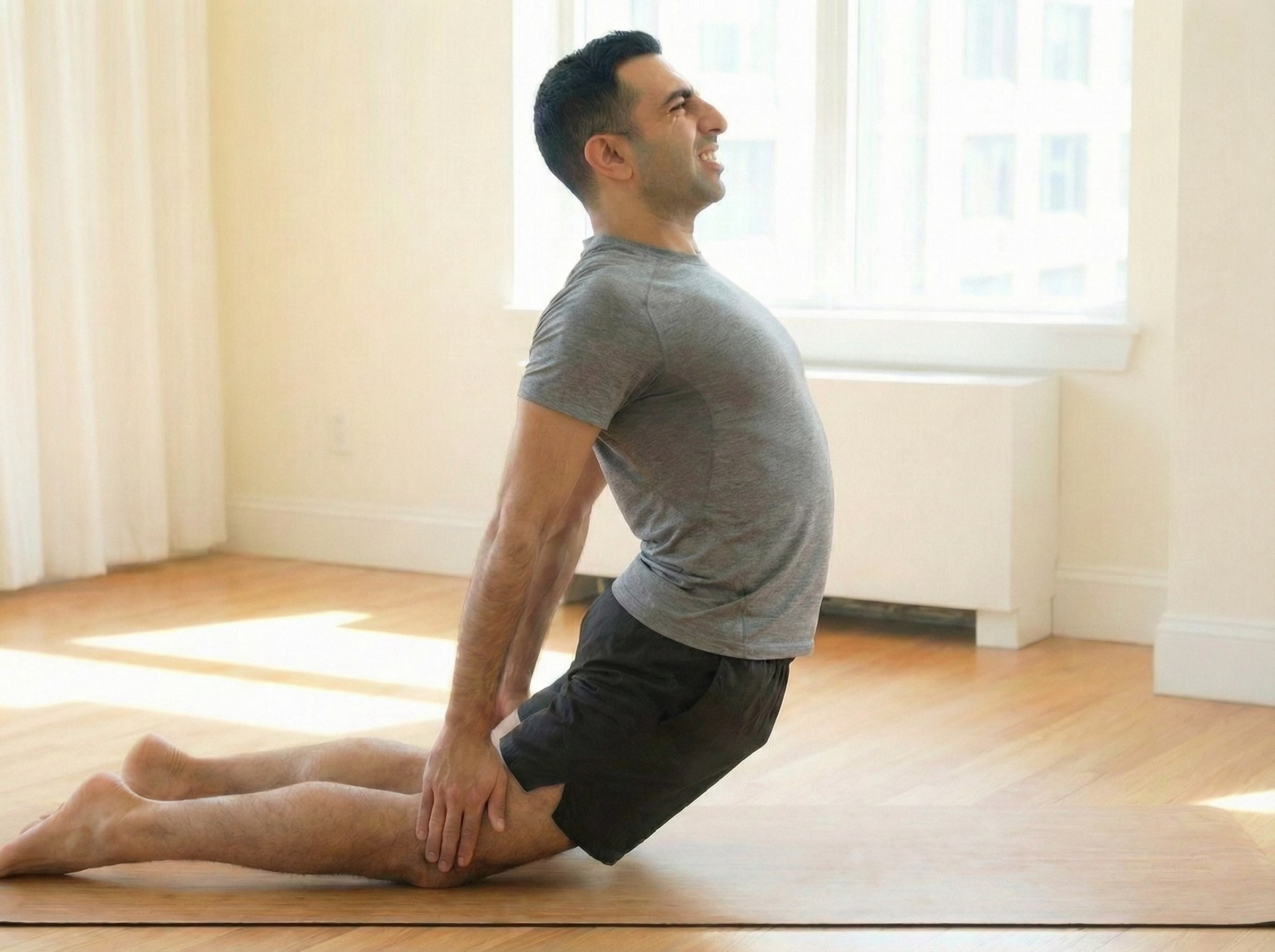
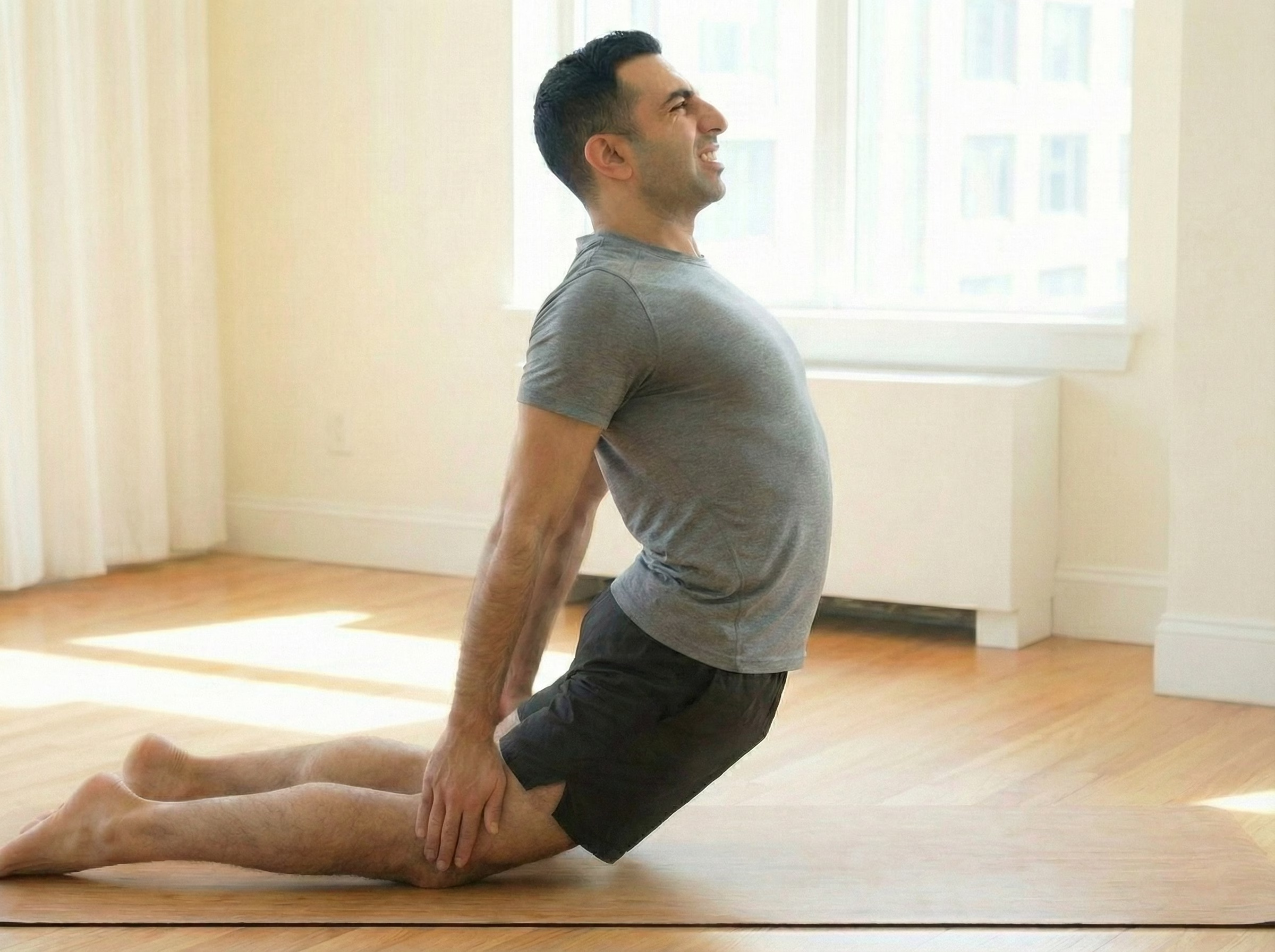
- Throwing the head back and crunching the neck.
- Hiking shoulders up to the ears (turtle shell).
- Letting the legs fly up off the floor.
Why it steals height: This compresses the lumbar spine instead of lengthening the front body. You want a smooth arc, not a hinge point in your lower back.
Why it steals height: It creates tension in the cervical spine and disconnects the head from the rest of the body's alignment. Keep the neck long to grow tall.
Pair With · Best Exercises to Pair With Cobra
Balance this backbend with forward folds and decompression:
After performing extension (Cobra), it's excellent to follow up with gentle flexion (Child's Pose) to neutralize the spine.
FAQ · Common Questions About Cobra Stretch
-
Q1 Does Cobra Stretch actually make you taller? ›It helps you maximize your *existing* height. By stretching the front of the body (which is often tight from sitting), you allow your spine to uncurl and stack vertically. You aren't growing bone, you are reclaiming lost posture.
-
Q2 I feel this in my lower back. Is that wrong? ›A gentle compression is normal, but sharp pain is not. If it hurts, you are likely lifting too high or not engaging your core. Lower your chest, tighten your glutes slightly, and focus on lengthening forward rather than bending backward.
-
Q3 How long should I hold it? ›Start with 15–30 seconds. Focus on deep breathing while you hold. If you prefer reps, do 5–10 slow lifts, inhaling up and exhaling down.