
Spinal Twist Stretch : .Release Deep Spinal Tension
Twist away back stiffness, decompress the spine, and unlock better rotation.
The Supine Spinal Twist uses gravity and leverage to gently wring out tension and create space between the vertebrae in your mid-back, immediately improving your ability to stand tall.
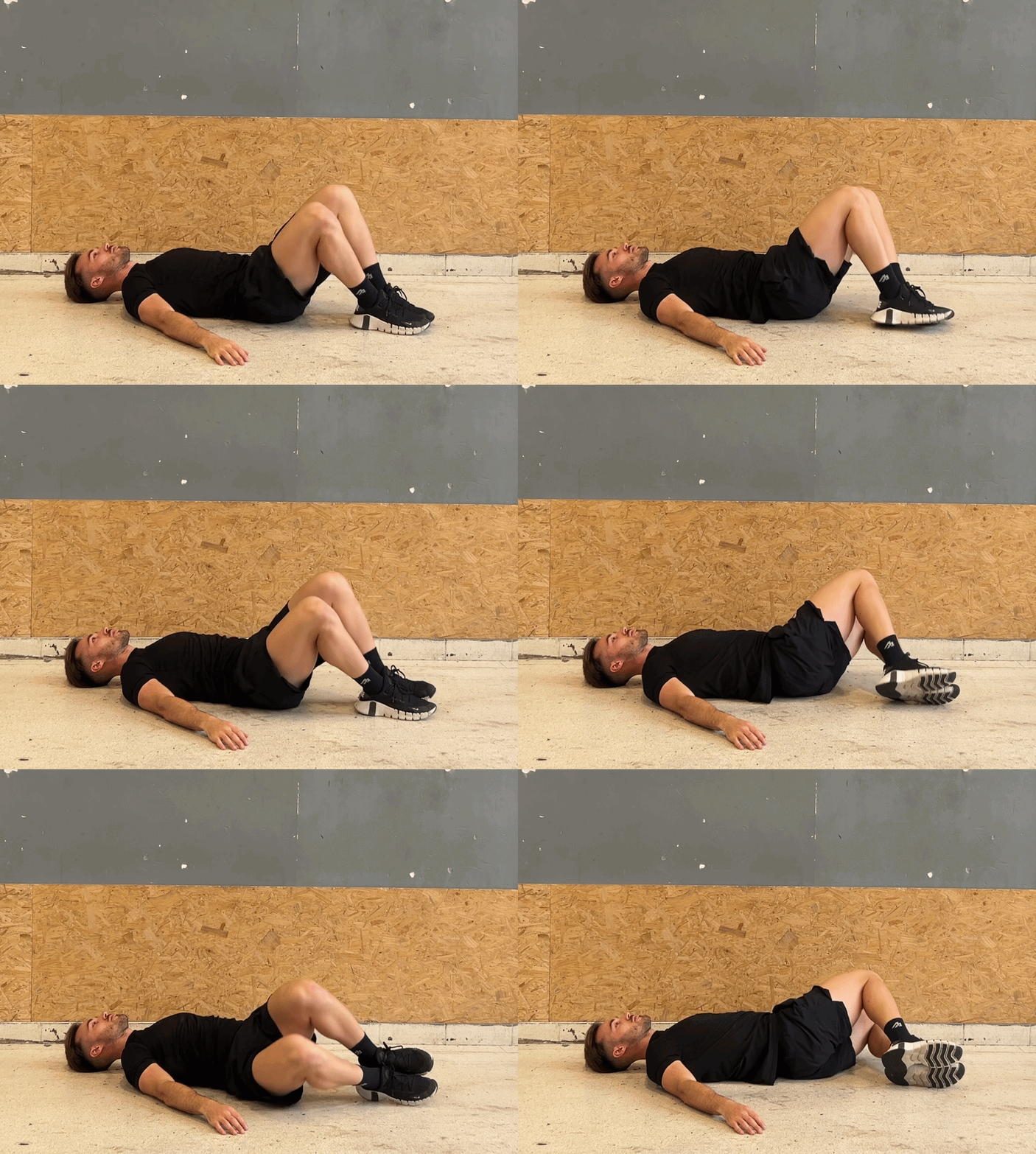
How to · How To Do the Spinal Twist Stretch
The goal is to gently stretch the side of the torso and decompress the spine, without forcing the twist.
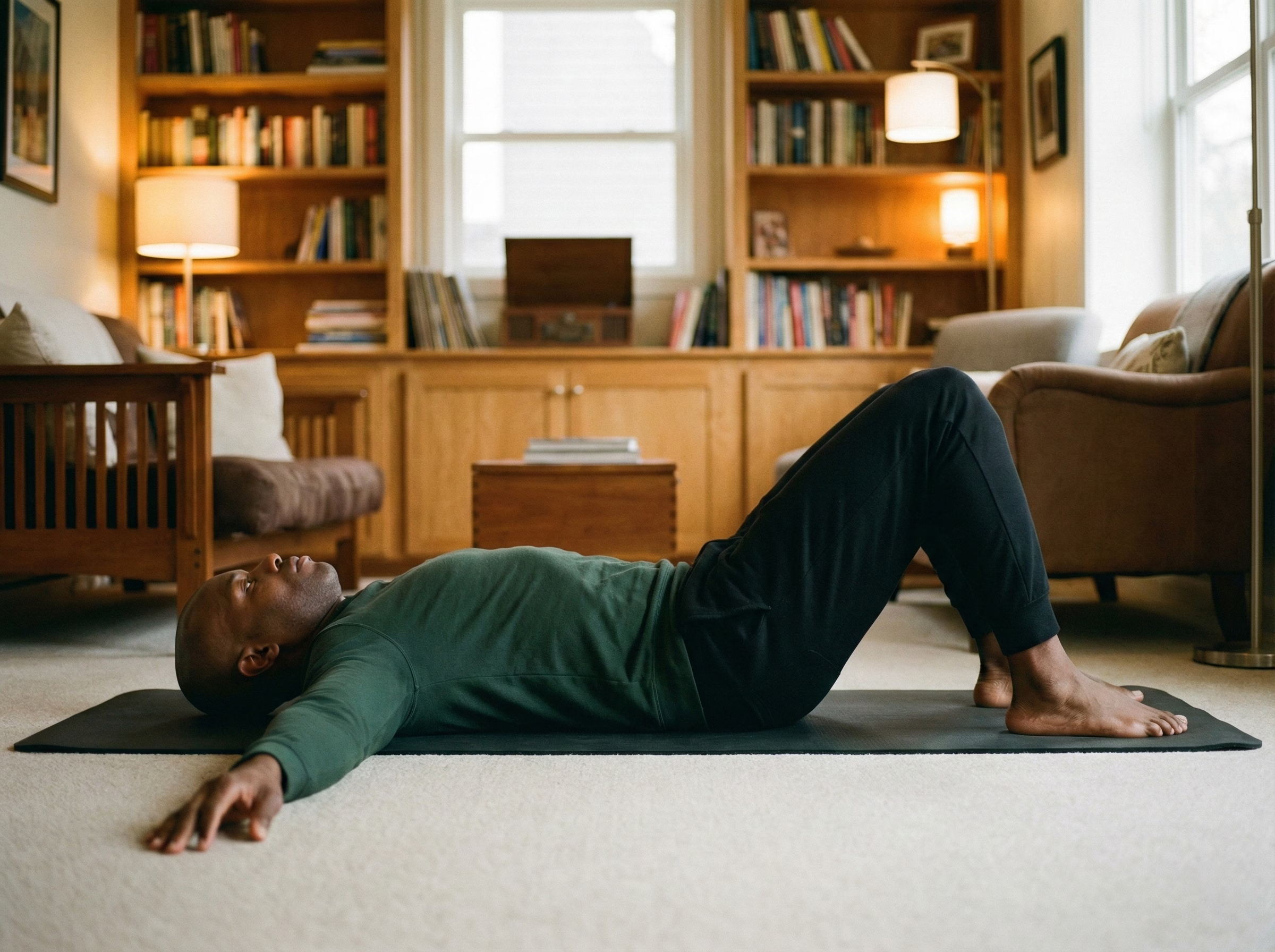
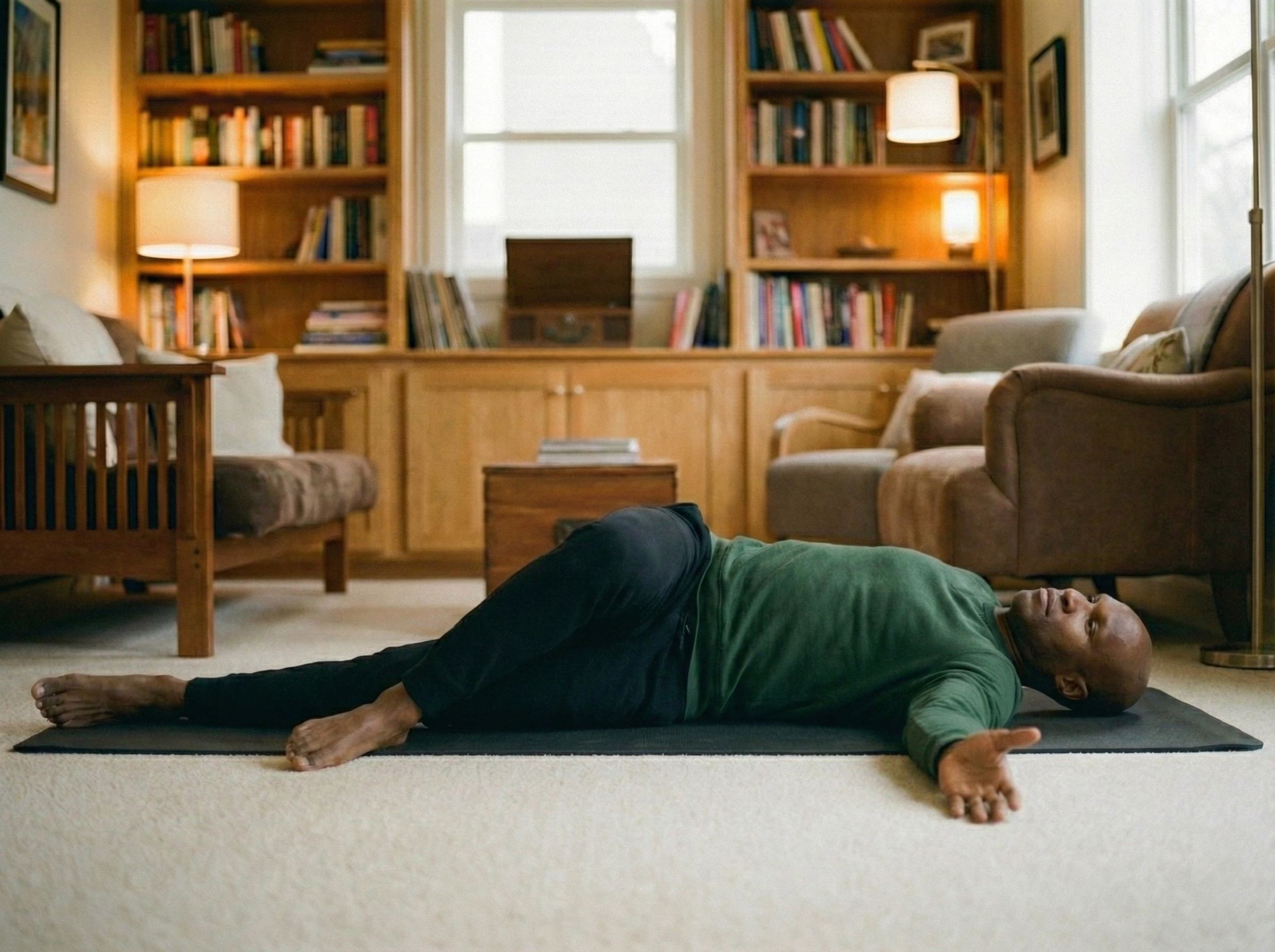
- Supine Setup: Lie flat on your back on a mat, arms stretched out into a 'T' shape. Bend your knees, keeping your feet flat on the floor. This establishes a stable, neutral base.
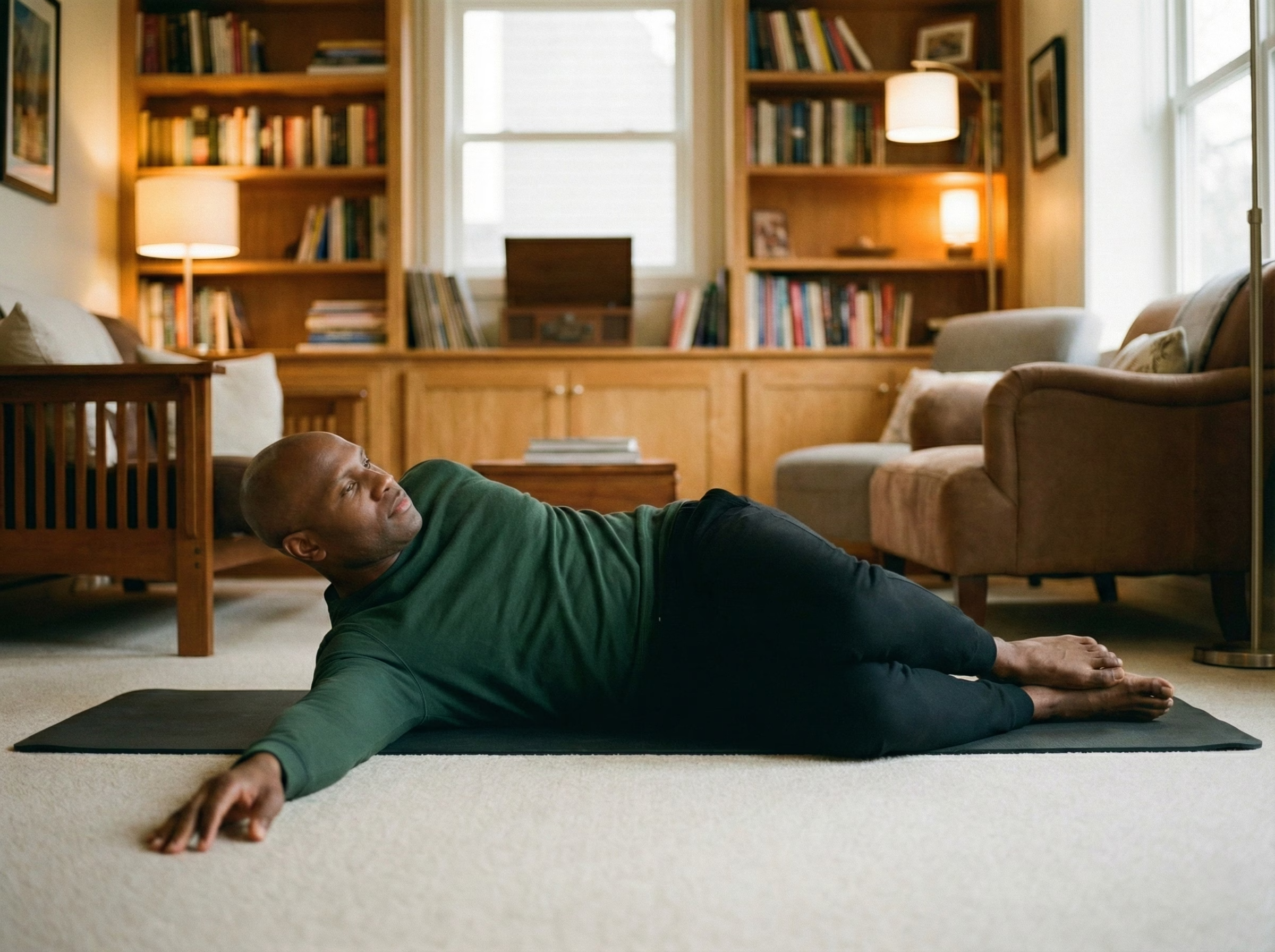
- Initiate the Twist: Keeping both shoulders anchored to the mat, lift your hips slightly and gently drop both bent knees completely over to one side (e.g., to the left). Focus on rotating the mid-spine (thoracic area), not just the lower back.
- Add the Head Turn: To deepen the decompression and gentle stretch through the neck and upper spine, slowly turn your head to look over the opposite shoulder (e.g., if knees are left, turn head right).
- Hold and Breathe: Hold the position for the prescribed time (30-60 seconds). Use your exhale to relax deeper into the twist, trying to melt the opposite shoulder closer to the floor with each breath.
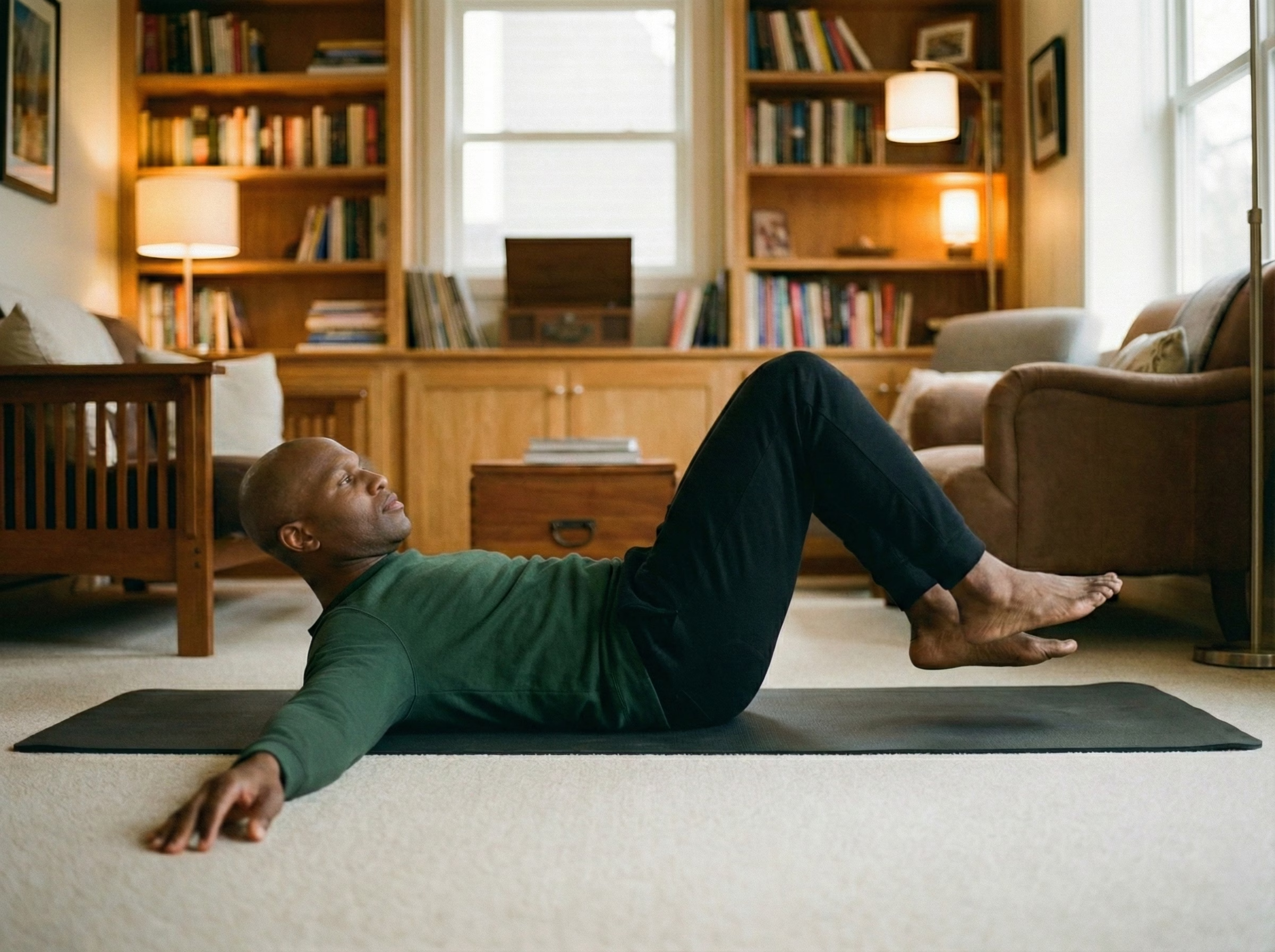
- Controlled Transition: To switch sides, bring your head back to center, then use your core strength to slowly lift your knees back through center. Repeat the process for the other side.
- “Prioritize keeping your shoulders flat over getting your knees to the floor.”
- “Breathe deep into your ribs to enhance the twist.”
- “Aim for relaxation, not force.”
Holds & Sets · Duration, Sets & Frequency (Height-Focused)
Twists are about long, deep breathing and relaxed holds, not fast repetitions.
Tip: The longer the hold, the better the neurological signal for your muscles to release. Don't rush the hold just to "get it done."
Variations · Adjusting the Intensity
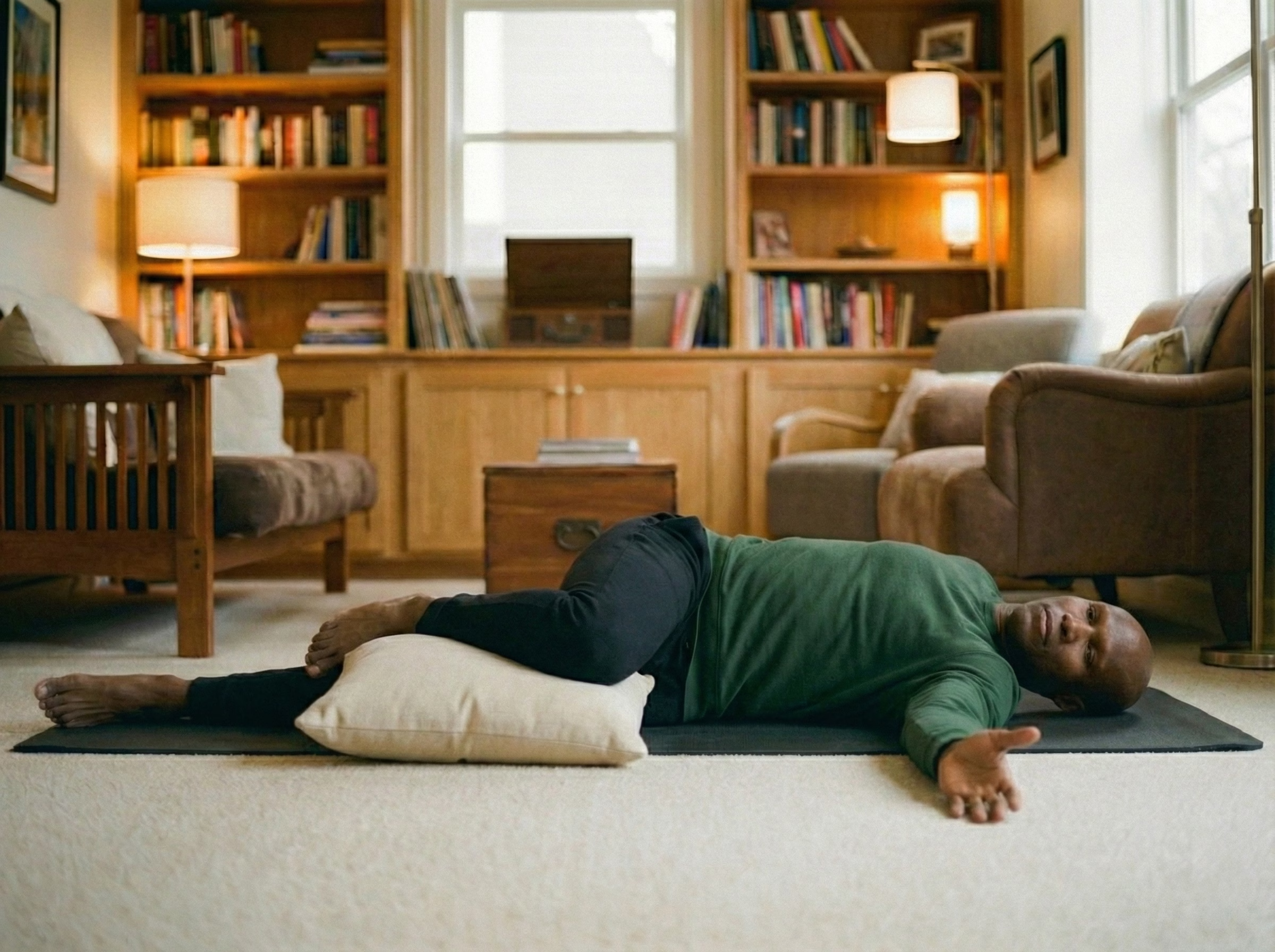
Customize the depth of the twist to match your current spinal mobility and hip tightness.
Height Impact · How the Spinal Twist Supports Your Height Line
- Twisting creates a gentle rotational force that helps "unlock" the small joints in the mid-back (facet joints) that become stiff and compressed when you sit for long periods.
- This decompression and mobility is crucial because a stiff, rigid mid-back is forced to round forward, robbing you of height and causing your head to jut forward.
- By releasing tension in the back and hips, the twist prepares your body to maintain a taller, more upright standing posture with less effort.
- Long-term, combining this with other decompression and core stability moves can help you realistically reclaim around 0.5–1.5 cm from the Spinal Decompression slice by undoing chronic stiffness and slumping.
- The goal is not to force maximum rotation, but to achieve a relaxed, sustained hold where the muscles around the spine release, allowing your vertebrae to stack freely.
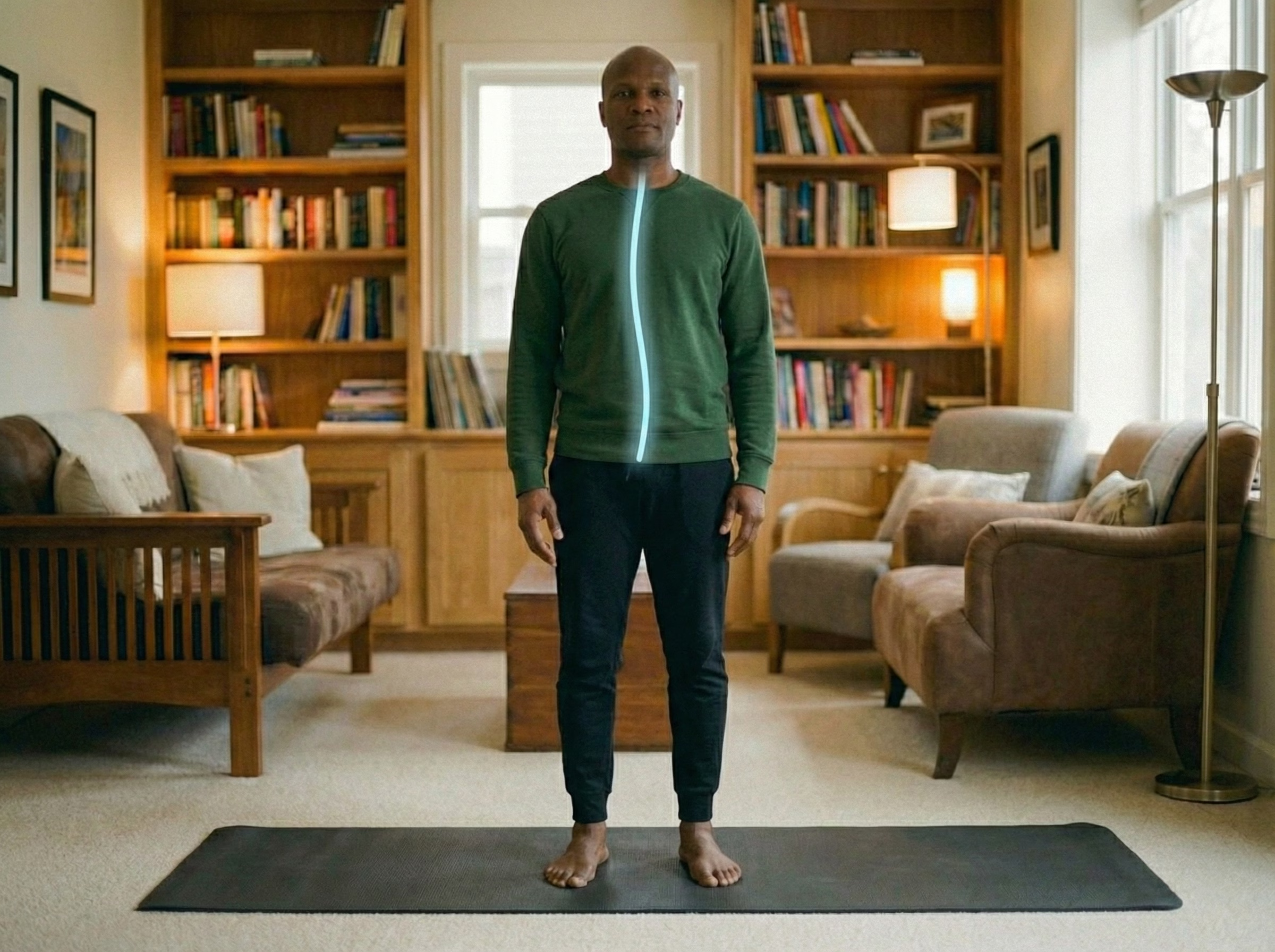
Panel 1 – After-Twist Standing Posture (Front View)
Ultra-realistic front view of Man #02 standing relaxed but tall on the mat in the same living room, feet hip-width, arms by sides, spine subtly elongated, shoulders level, head stacked over torso. Add a soft light blue glow along his spine from tailbone to neck to show the segments freed up by twisting. 4:3 aspect ratio, full body.
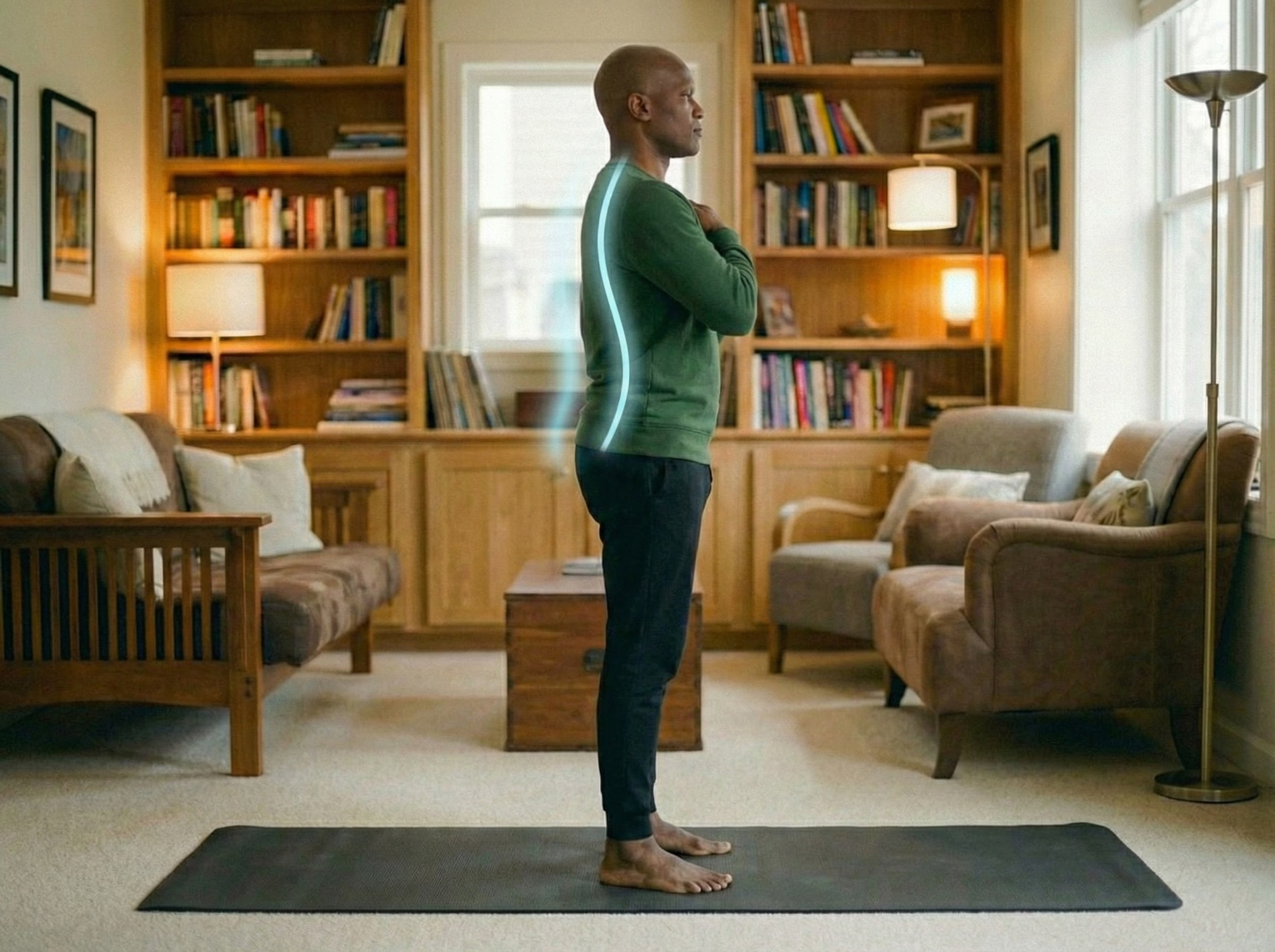
Panel 2 – Side View of Freed Spine
Side view of Man #02 in a gentle upright posture with arms crossed loosely over chest, showing a smoother spinal curve: no excessive rounding or stiffness in mid–lower back. Add a soft light blue glow down the line of his spine and around the lower back area to show decompression and mobility. 4:3 aspect ratio, full body.
Form & Safety · Key Technique Cues, Precautions & Common Mistakes
- Keep both shoulders as flat on the mat as possible throughout the hold.
- Gently turn your head to the opposite side of your knees.
- Use gravity and breathing to deepen the stretch, not muscular force.
- Engage your core slightly when transitioning between sides to protect the low back.
Twists can be powerful but require gentle control, especially in the low back.
- If you have acute sciatica or lower back disc issues, avoid deep rotation or use the supported knee variation.
- Never force the stretch past a point of easy, comfortable tension.
- Stop immediately if you feel sharp, pinching, or electric pain.
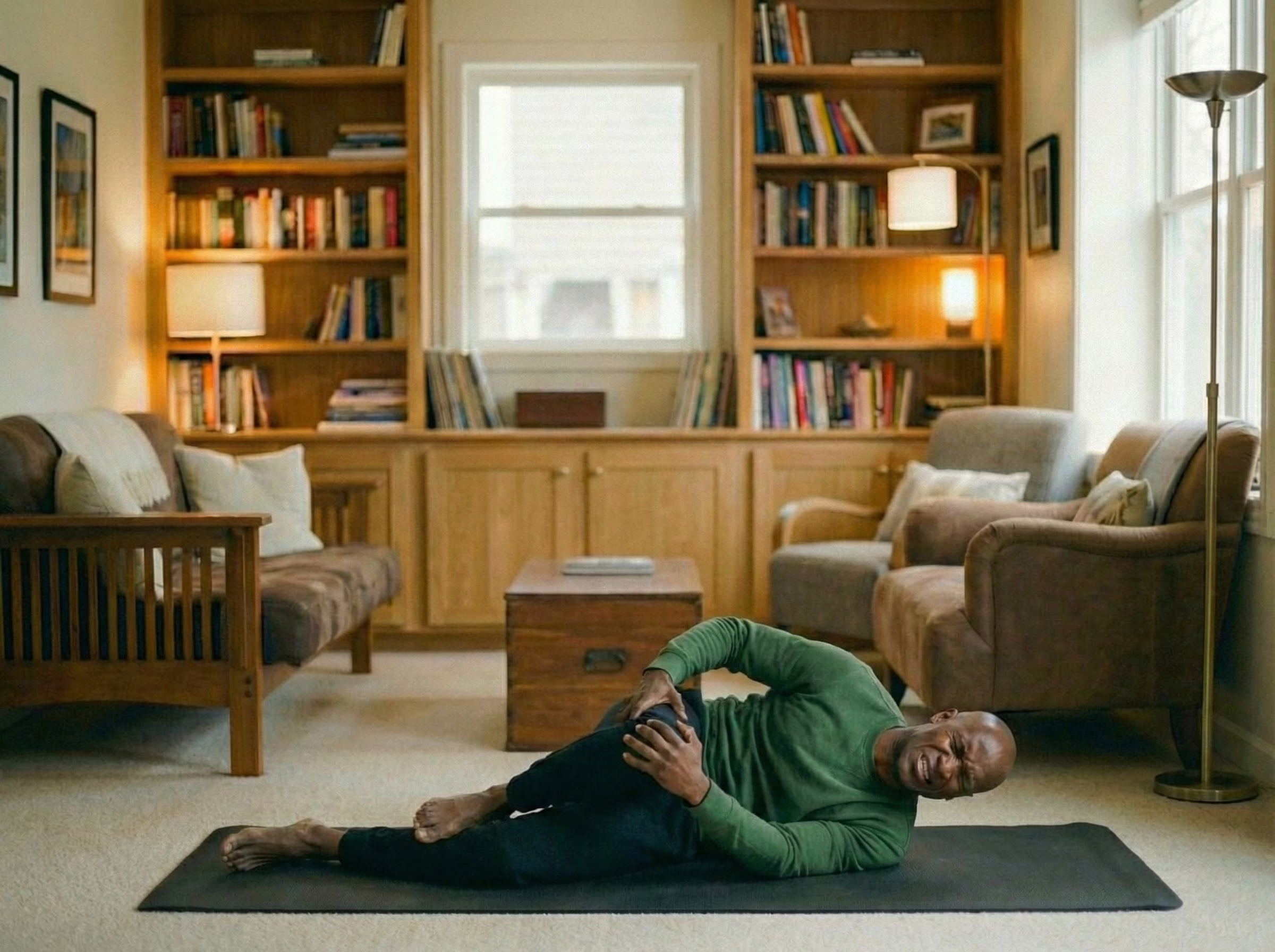
- Lifting the opposite shoulder completely off the mat to get the knees lower.
- Yanking the knee toward the floor with a hand, which can jam the spine.
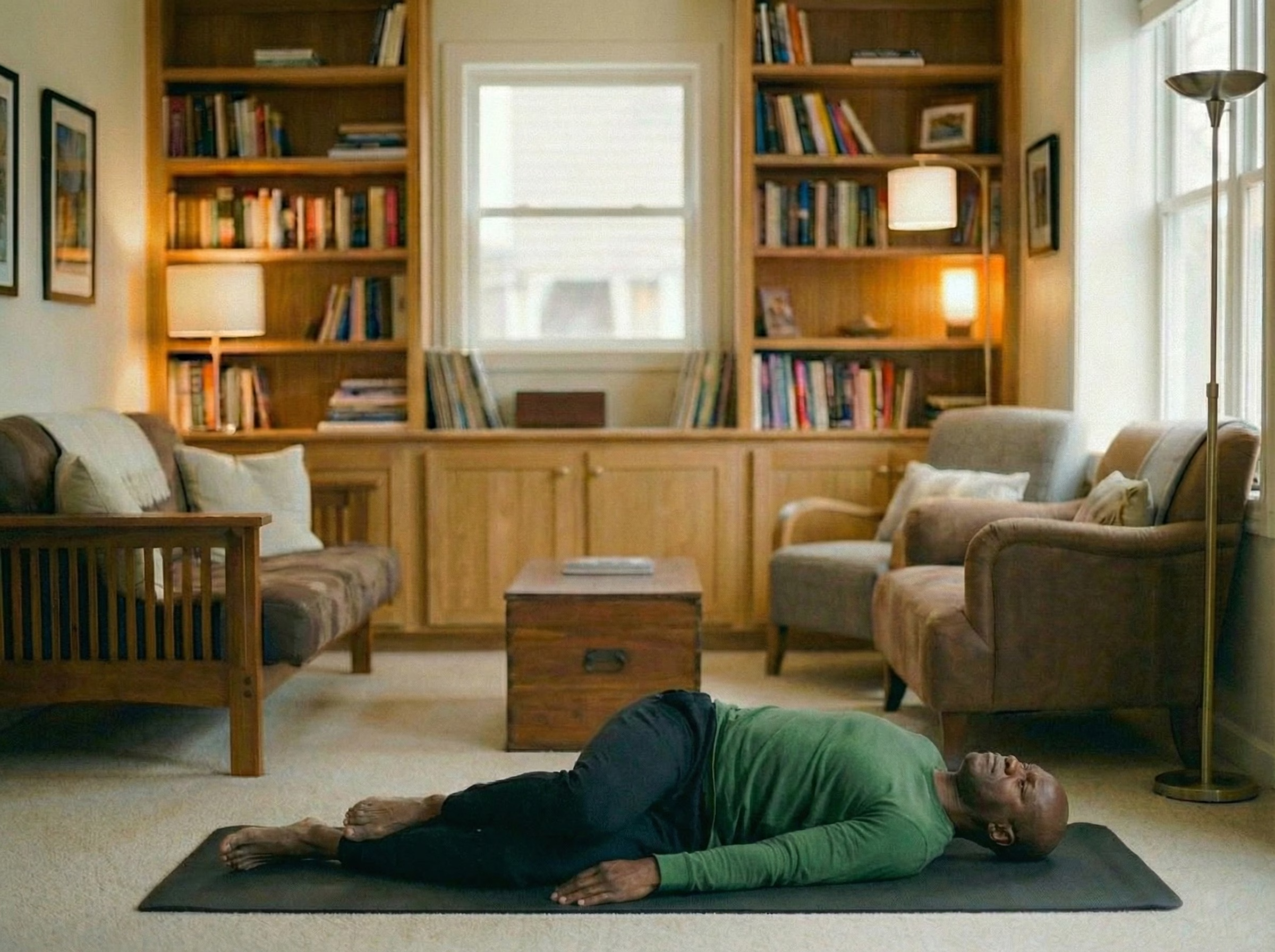
- Only crossing the leg over while the upper back stays flat (twisting only the hip).
- Rushing the transition or the hold; this is a slow, relaxed decompression.
**Why it steals height:** Forcing the twist with muscle or hand strength jams the facet joints together instead of creating space. This hyper-aggressive rotation can tighten the surrounding muscles, achieving the opposite of decompression.
**Why it steals height:** If the upper back and shoulders remain stiff and the head turns the same way as the knees, the movement happens mainly in the hip joint, failing to mobilize the stiff thoracic spine—the primary goal for better posture.
Pair With · Best Exercises to Pair With the Spinal Twist
For the Spinal Decompression pillar, the Spinal Twist works best with:
Follow the Spinal Twist with direct decompression (like the Passive Hang) to leverage the newfound mobility, and then reinforce the spine's new taller position with posture reset drills.
FAQ · Common Questions About the Spinal Twist Stretch
-
Q1 Where should I feel the stretch? ›You should feel a release or stretch along the side of your torso, mid-back, and possibly in the outer hip of the top leg. The feeling should be one of gentle release and decompression, not sharp pain.
-
Q2 My shoulder keeps lifting. Is that okay? ›It's normal for the shoulder to lift slightly as you deepen the twist, but the main goal is to keep it anchored. If your shoulder lifts significantly, it means your spine's mobility limits have been reached. Don't force the knees down further; instead, back off slightly until your shoulder can relax towards the floor.
-
Q3 Can this help with back pain? ›For general stiffness and non-specific tension, yes, the gentle decompression can be highly relieving. However, if you have chronic or acute pain (especially disc-related), consult a professional. Always keep the movement small and comfortable.