
Posterior Pelvic Tilt : .Correct Swayback Posture
Isolate and control the pelvis to reverse swayback and stabilize his core foundation.
The Pelvic Tilt trains him to find the neutral, vertically aligned position of his pelvis by controlling the opposing anterior (arch) and posterior (tuck) tilts. This is vital for eliminating low back compression.
How to · How To Do the Posterior Pelvic Tilt
Practice moving his pelvis between the extreme arch and the full tuck to find the gentle, neutral middle.
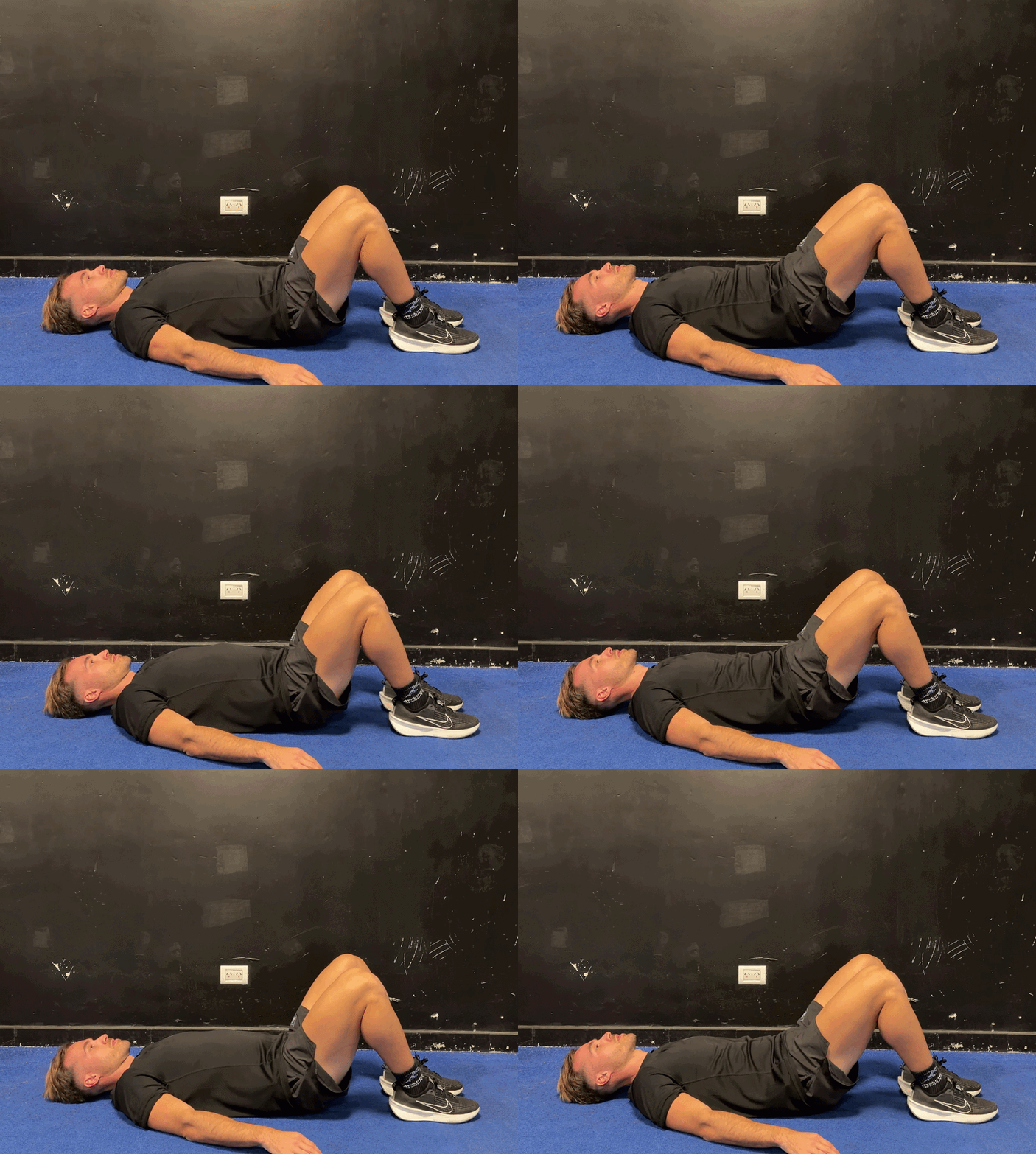
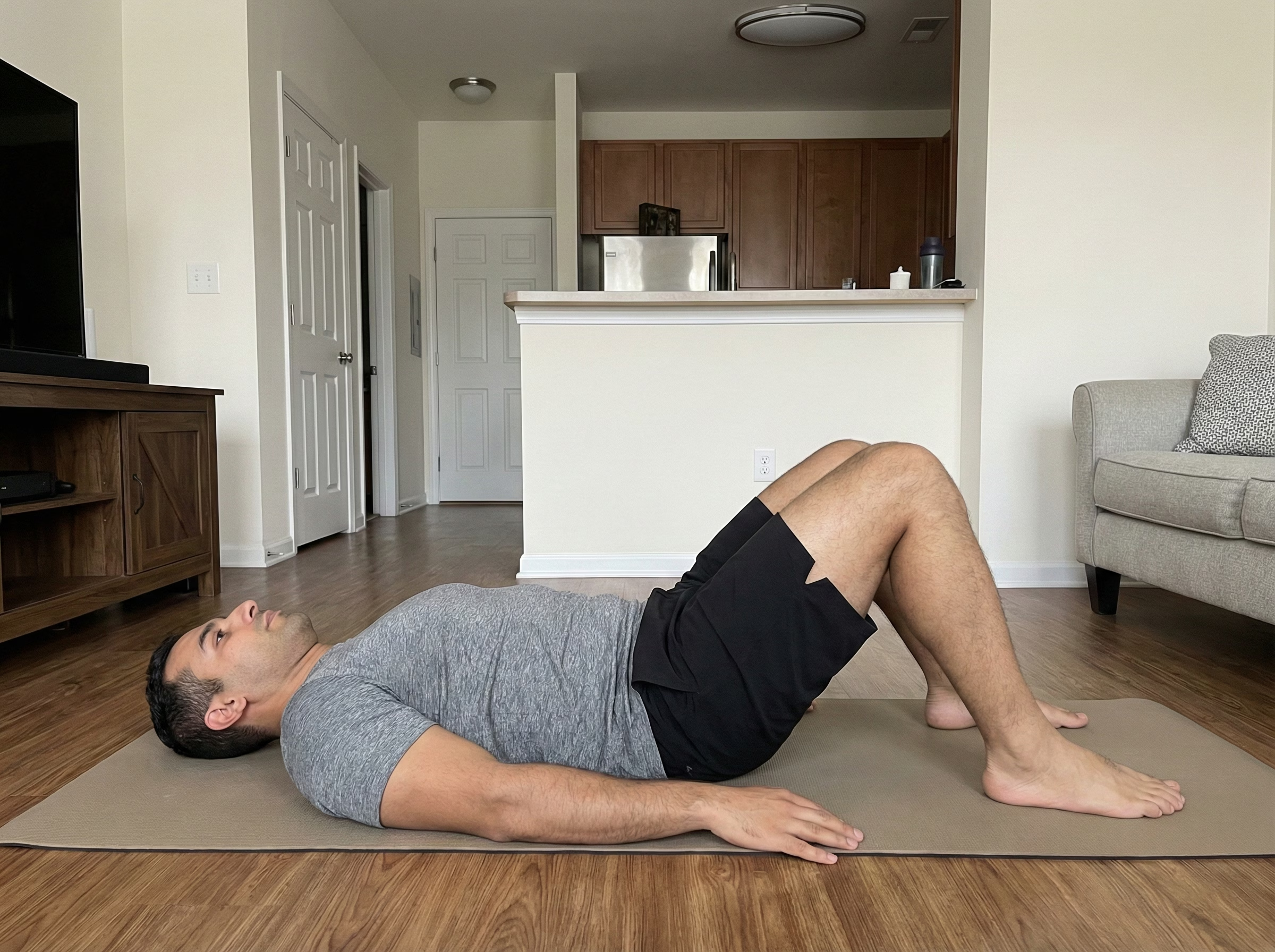
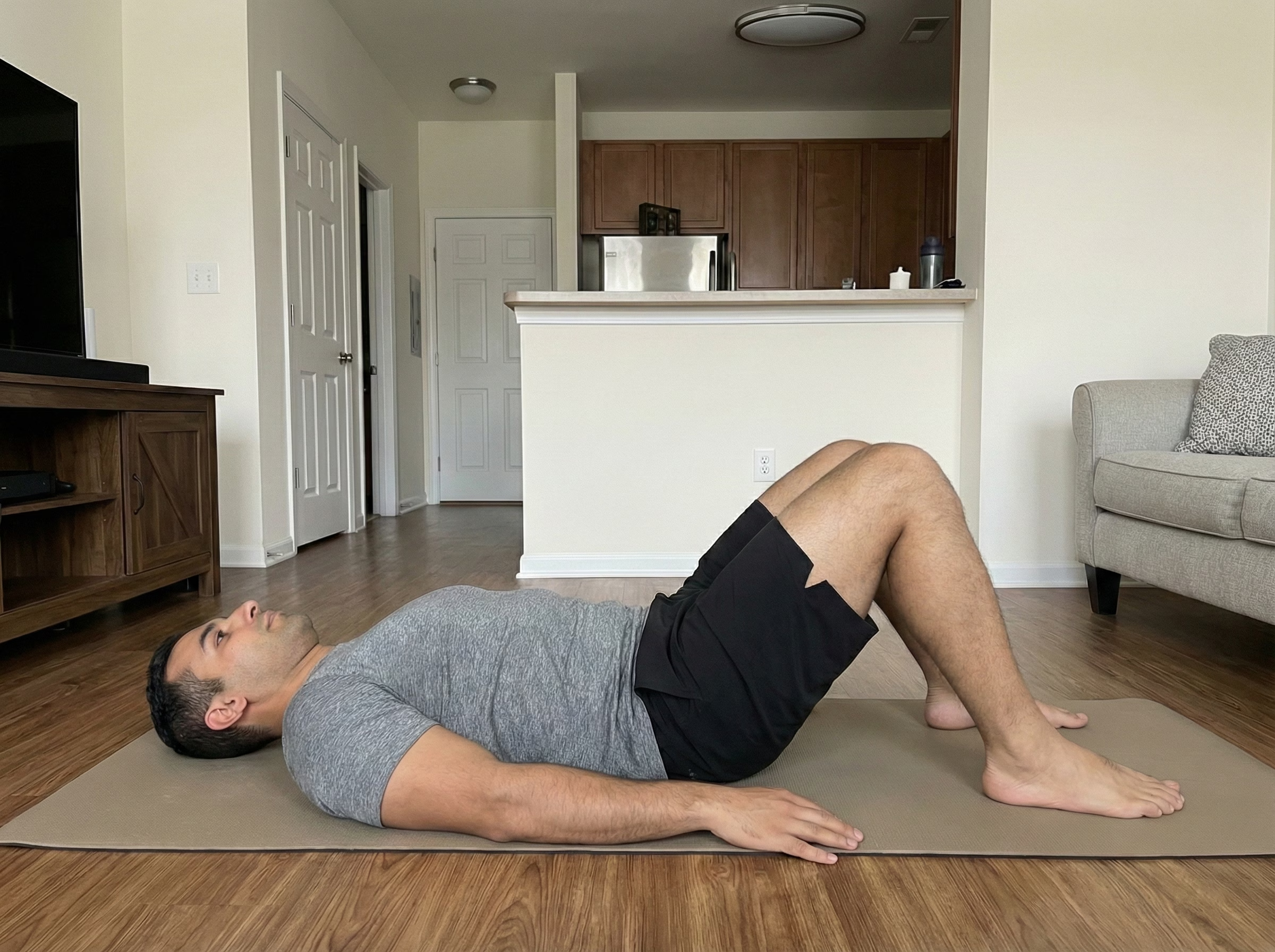
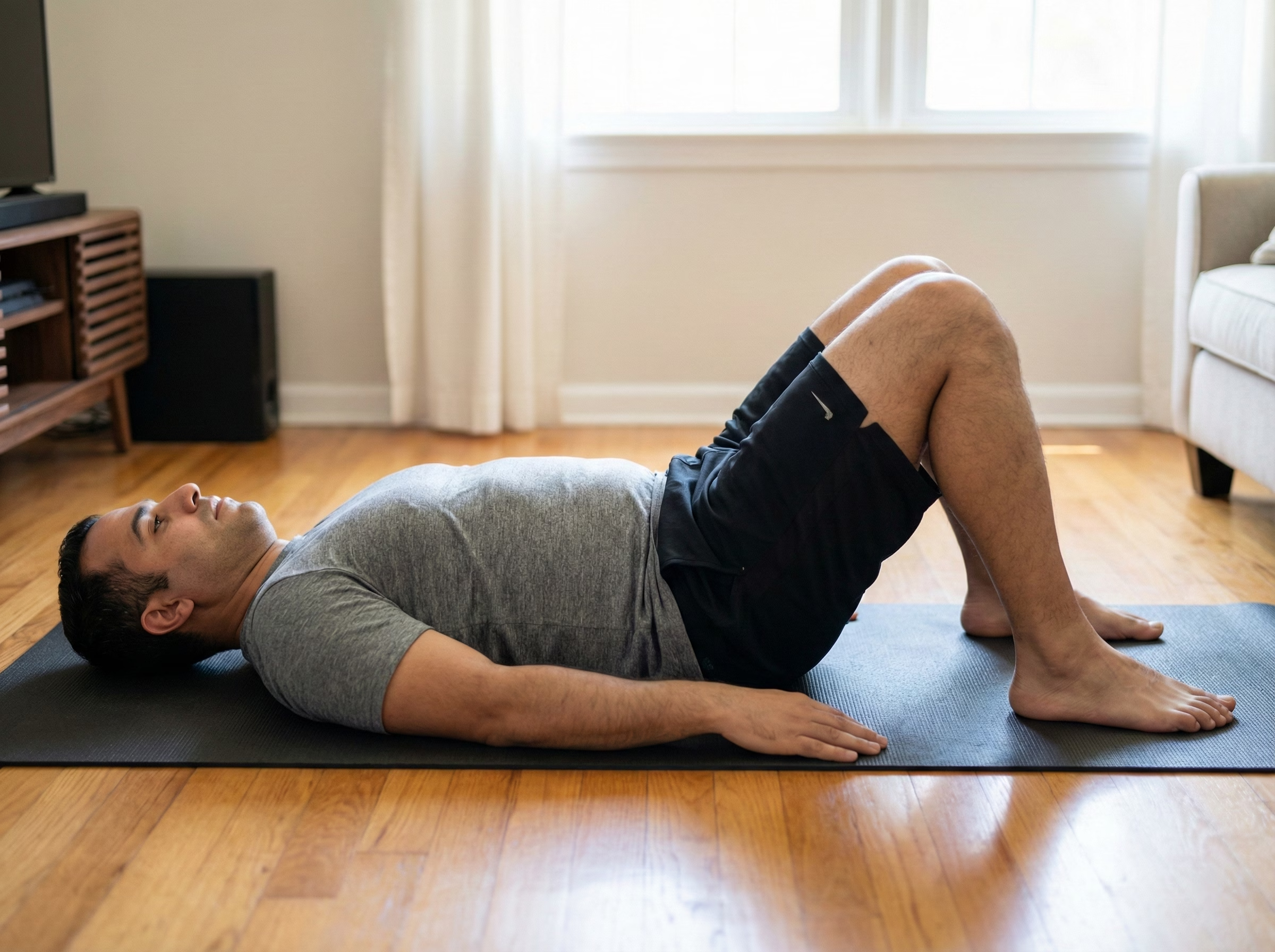
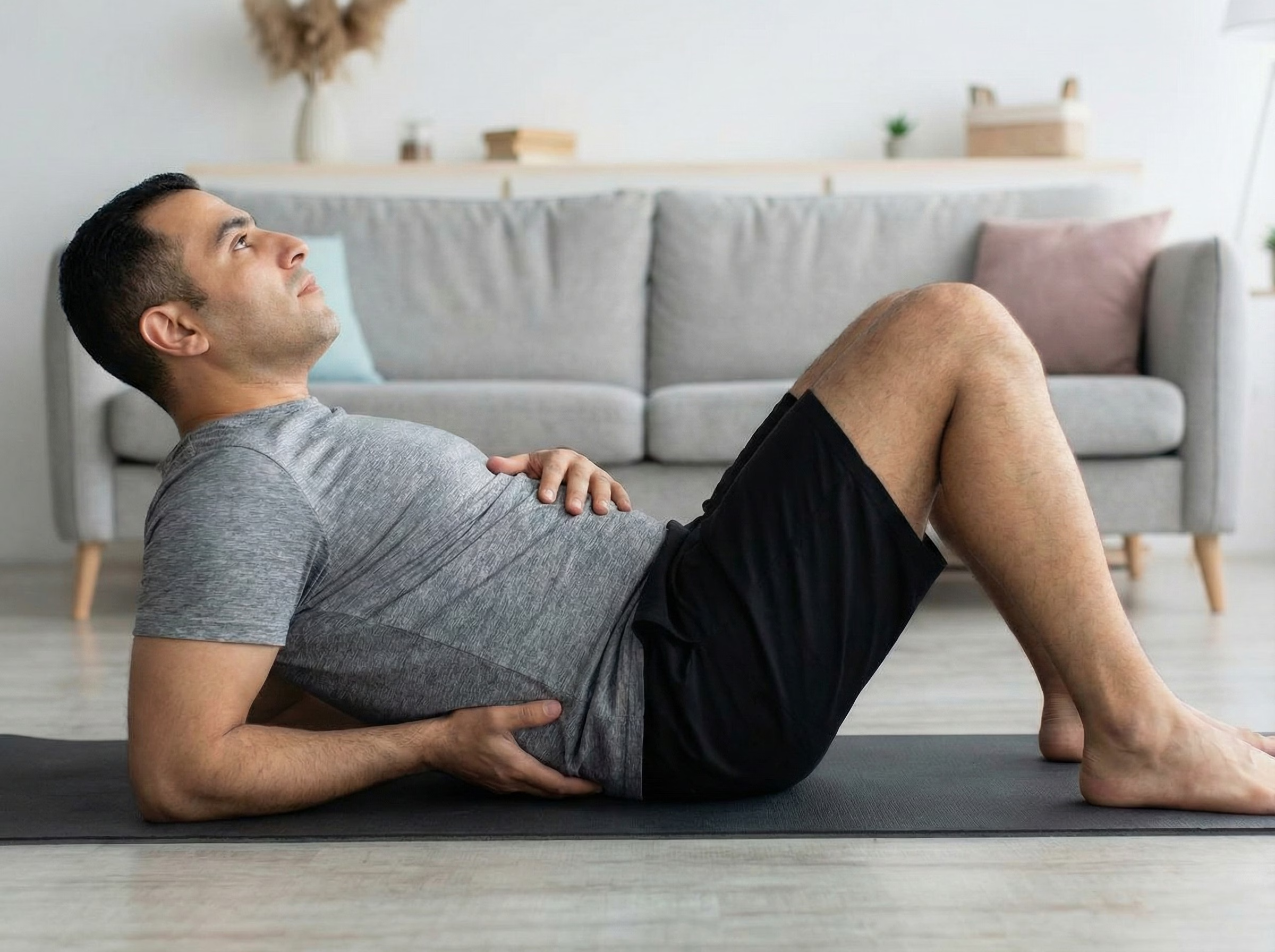
- Supine Neutral Setup: Lie on his back with his knees bent, feet flat hip-width apart. Find his neutral pelvis where there is a small, natural gap under his lower back (like an ant could crawl under).
- Posterior Pelvic Tilt (The Tuck): Gently engage his lower abdominal muscles and glutes to tilt his pelvis backward. This curls his tailbone slightly and flattens his lower back until the gap underneath is gone. This is the corrective position.
- Anterior Tilt (The Arch): From the neutral position, gently tip his pelvis forward, exaggerating the natural arch in his lower back (tailbone feels heavy). Use this as a reference point only—do not strain.
- Rock and Find Neutral: Slowly rock back and forth between the Arch (Anterior) and Tuck (Posterior) positions. Then, stop halfway to find the true **neutral** spine, which he must learn to hold when standing.
- Focus on Isolation: Ensure the movement is isolated to the pelvis and hips; his chest, neck, and shoulders should remain still.
- “Imagine his pelvis is a bowl of water: tilt back to pour it onto his belly button.”
- “Keep his upper back and ribs still—only his pelvis should move.”
- “Perform the tuck gently—it's a light engagement, not a full crunch.”
Holds & Frequency · Reps, Sets, and Weekly Plan (Height-Focused)
Focus on building precise control over the lumbar spine and pelvic movement.
Tip: The most important outcome is finding the **neutral** mid-point between the full arch and the full tuck. This is the posture he needs to maintain when standing tall.
Variations · Scaling for Control and Awareness
Use visual and tactile feedback to enhance his awareness of his pelvis and lower back movement.
Height Impact · How Pelvic Control Reclaims Lumbar Length
- A chronically tipped pelvis (anterior tilt) creates an excessive inward curve in his lower back (swayback), compressing his vertebral discs and making him functionally shorter.
- The posterior pelvic tilt (the 'tuck') actively uses his core muscles to pull his pelvis back into a neutral, vertical position, smoothing out the exaggerated arch and instantly lengthening his lumbar spine.
- This ability to find and maintain pelvic neutrality is the core skill required to transition from a compressed sitting/swayback posture into a maximally tall standing posture (Tadasana).
- It serves as the essential activation drill that must be performed before most strengthening exercises (Glute Bridge, Dead Bug) to ensure he is working his core and glutes in a non-compressive alignment.
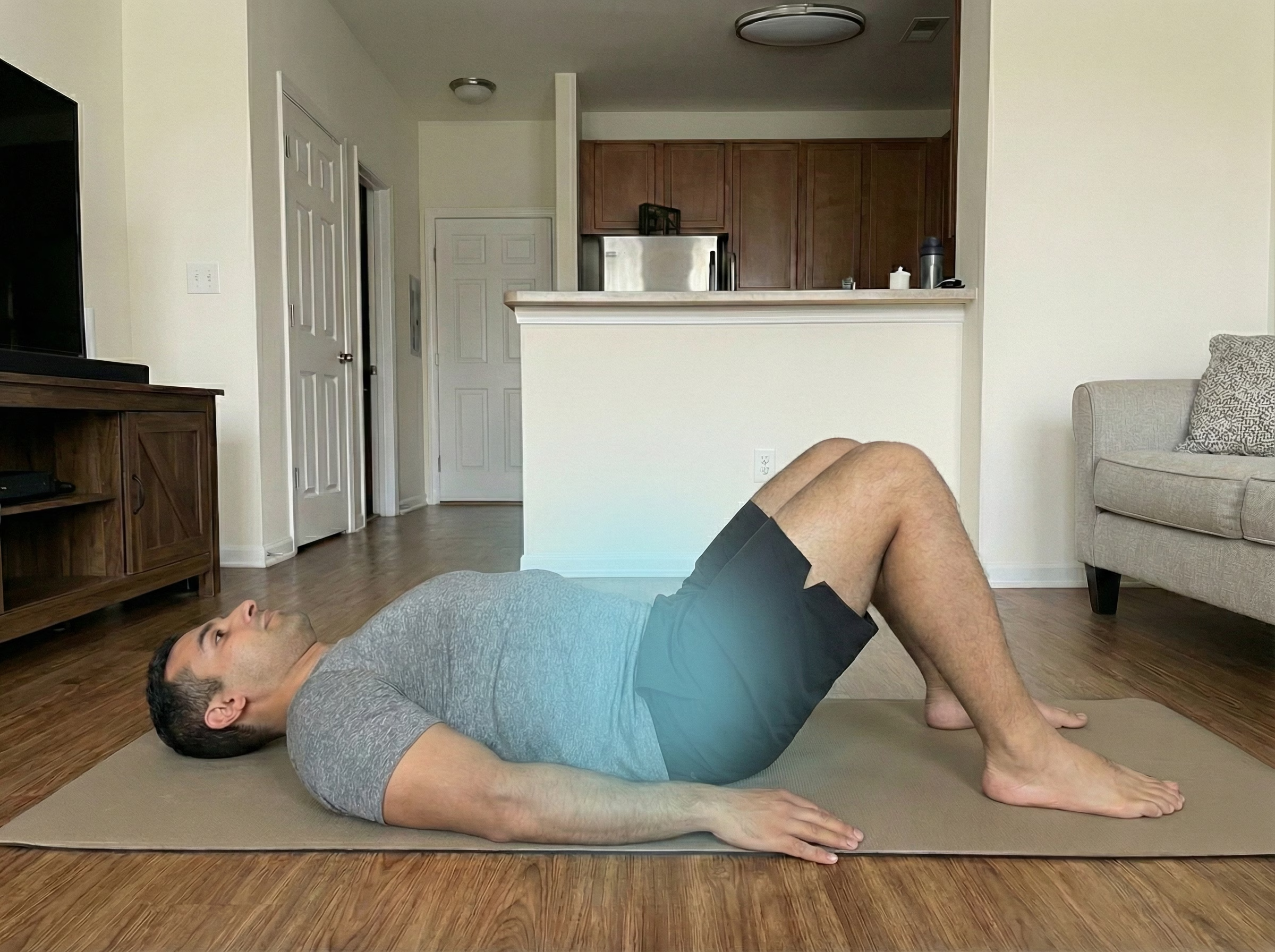
Panel 1 – Pelvis Reset on the Floor
Side view of he mid-tilt: lower back gently flattened, pelvis subtly curling, abs lightly engaged. Add a soft light blue glow over his lower abs, pelvis, and low back to show the reset zone. 4:3 aspect ratio, full body.
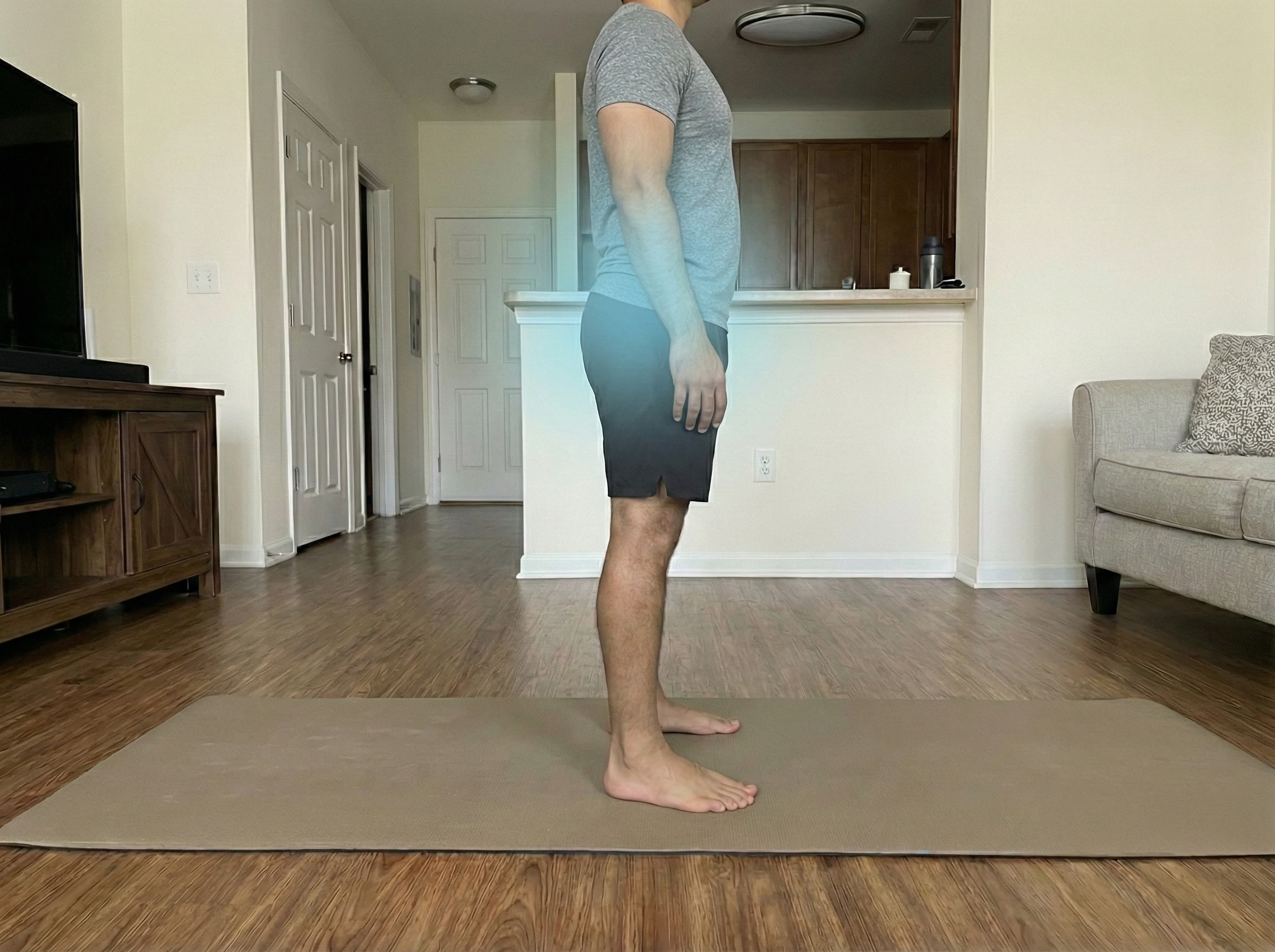
Panel 2 – Standing Out of Swayback
Side view of he standing in neutral posture after pelvic tilt training: glutes lightly active, low back curve moderate, pelvis not tipped forward, ribs stacked above hips, head in line. Add a soft light blue glow across his pelvis and lower spine to show impact on height. 4:3 aspect ratio, full body.
Form & Safety · Key Technique Cues, Precautions & Common Mistakes
- Isolate the movement to the pelvis; his ribs, chest, and head should remain still.
- The posterior tilt is gentle: aim to remove the space under his back, not flatten aggressively.
- Breathe easily throughout; holding his breath indicates he is over-tensing his core.
- Move slowly and deliberately to improve neuromuscular control.
This drill is usually safe, but conscious control is needed for a sensitive low back.
- If he has acute lumbar pain, keep the movement very small (micro-rocks) or only perform the posterior tilt hold.
- Avoid forcefully ramming his back into the floor or clenching his glutes aggressively.
- Stop if he feels any sharp, pinching, or localized low back pain.
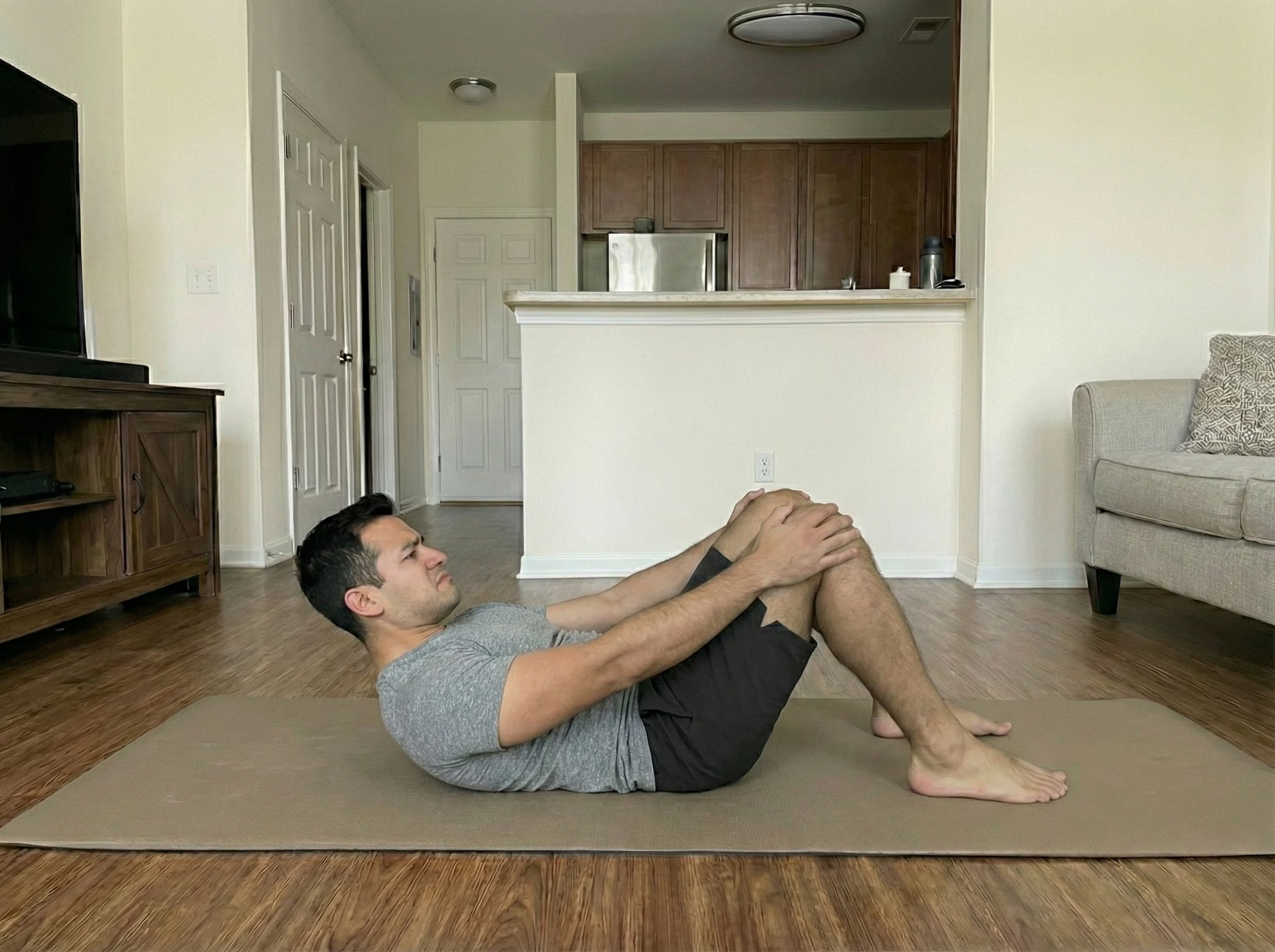
- Slamming his back into the floor or over-tilting (Mistake #1).
- Moving his chest/ribs instead of isolating the pelvis (Mistake #2).
- Holding his breath or letting his neck and jaw tense up.
- Moving too quickly, which prevents his body from learning motor control.
**Why it steals height:** Smashing the back into the floor over-activates superficial muscles and can lead to a rigid, overly tucked posture when standing. The movement should be gentle and controlled to find neutral.
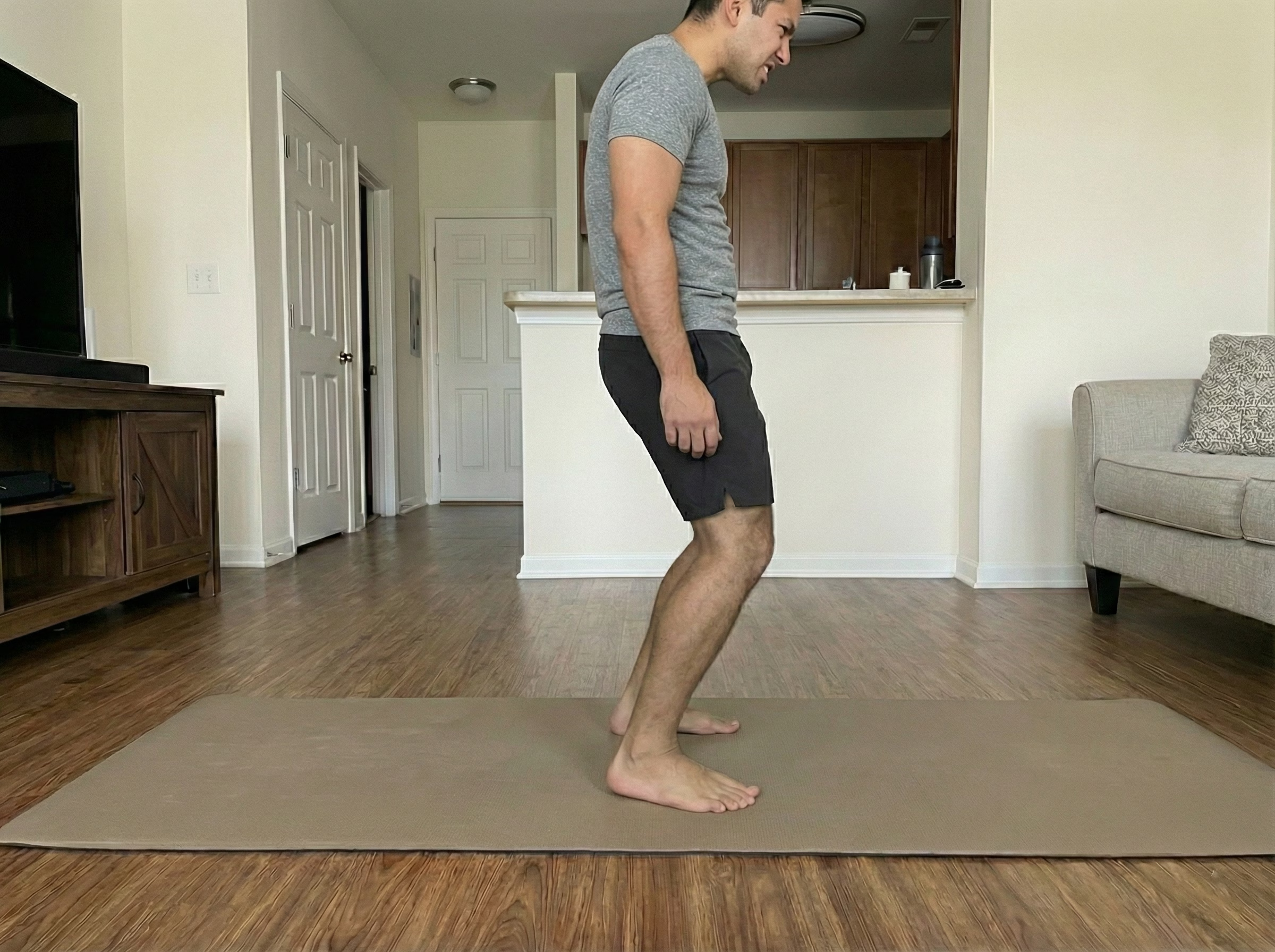
**Why it steals height:** If he moves his ribs, he loses core engagement and spinal isolation. The goal is pelvic control; moving the chest compensates for a weak core and reinforces poor trunk stability.
Pair With · Best Exercises to Pair With the Pelvic Tilt
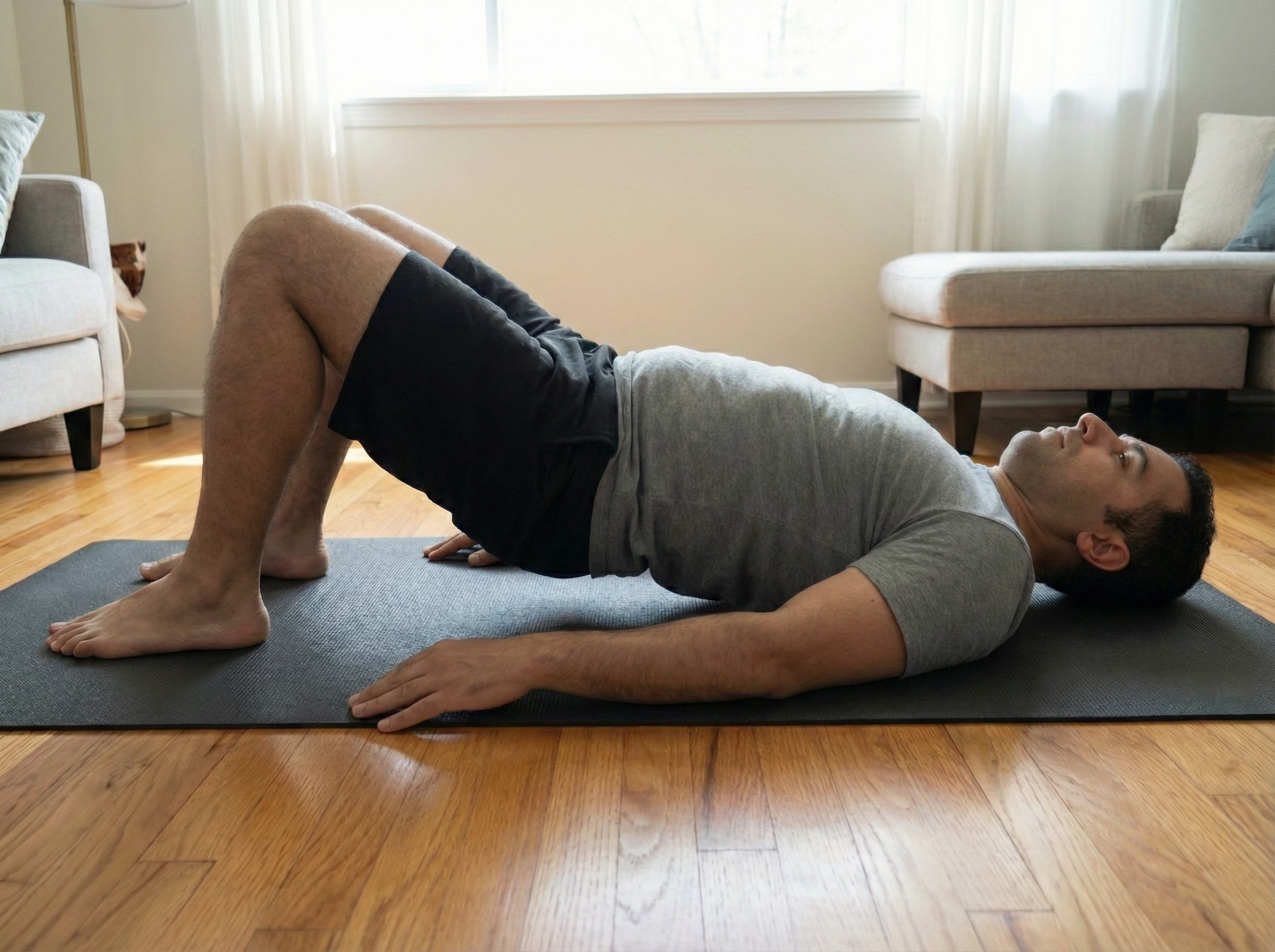
This foundation drill should precede any exercise that requires a neutral spine:
Use the Pelvic Tilt to find his neutral spine, then perform a core drill (Dead Bug or Glute Bridge) to strengthen that position. Finish with Tadasana to translate the stability to standing height.
FAQ · Common Questions About the Pelvic Tilt
-
Q1 He feels his quads (thighs) working when he tucks. Is that wrong? ›The goal is to use the lower abs and deep core. If he feels his thighs working strongly, he is likely over-tucking or pressing down with his feet too hard. He needs to reduce the range of motion and focus on initiating the movement solely with the subtle lower abdominal muscles.
-
Q2 How can he know when he finds the "neutral" middle position? ›Neutral is the point exactly halfway between the full arch (anterior tilt) and the full tuck (posterior tilt). It's the position where his core feels lightly engaged, his low back is neither aggressively flattened nor heavily arched, and he can breathe easily. The Hands-Under-Back Variation helps him feel this spot.
-
Q3 Should he hold the tilt or keep moving? ›He should generally move slowly back and forth (rocking) between the arch and the tuck. This improves the communication between his brain and his core muscles. However, he should hold the final *neutral* position for several seconds before standing up, to lock in the proper alignment.