
Standing Posture Reset : .Reverse Daily Slouching
Re-stack your skeleton against gravity to instantly reclaim lost height.
This isn’t just “standing up straight”—it’s a systematic stacking of joints that stops gravity from compressing you into a shorter shape, training your body to hold its true height unconsciously.
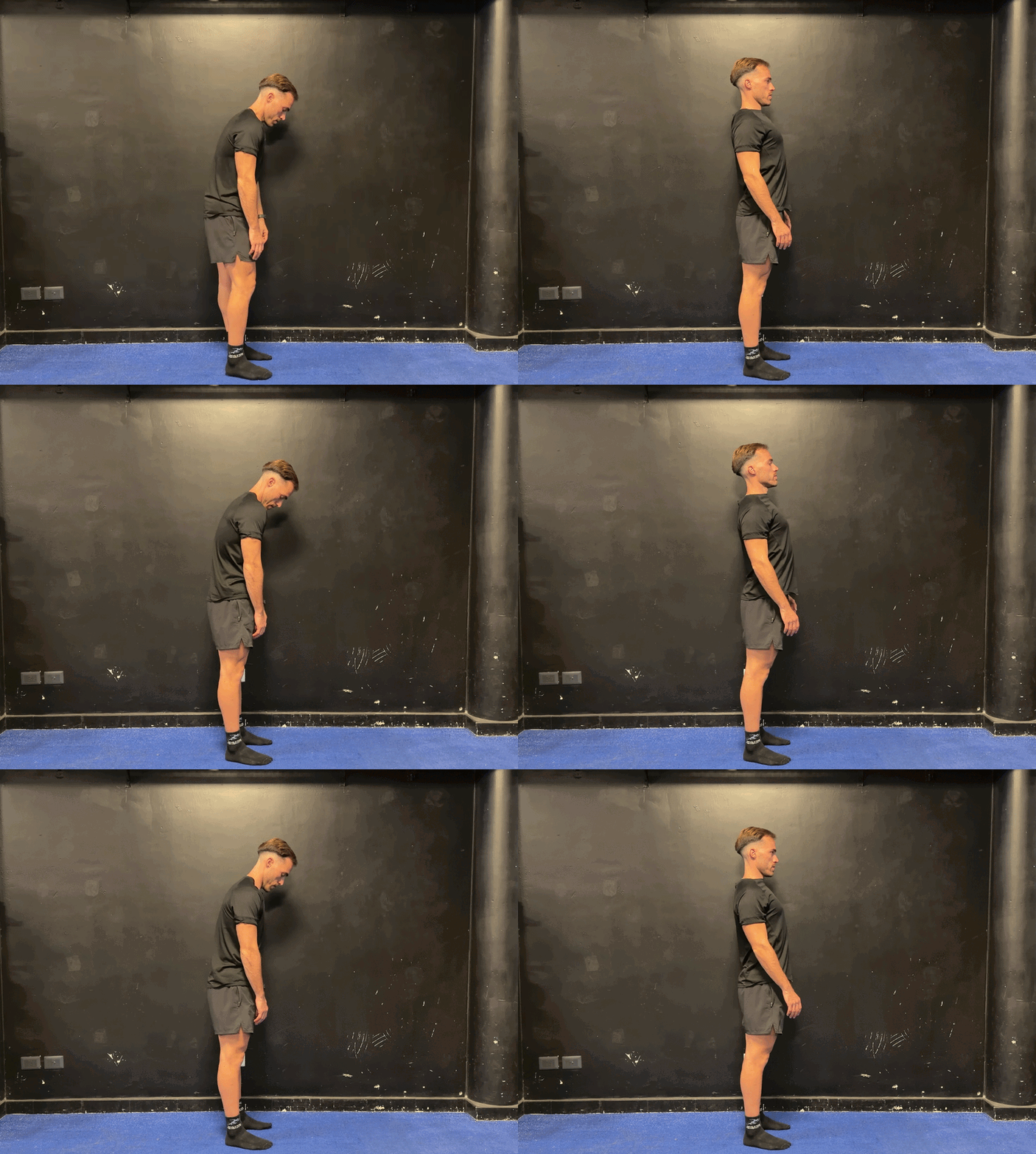
How to · How To Do Standing Posture Reset
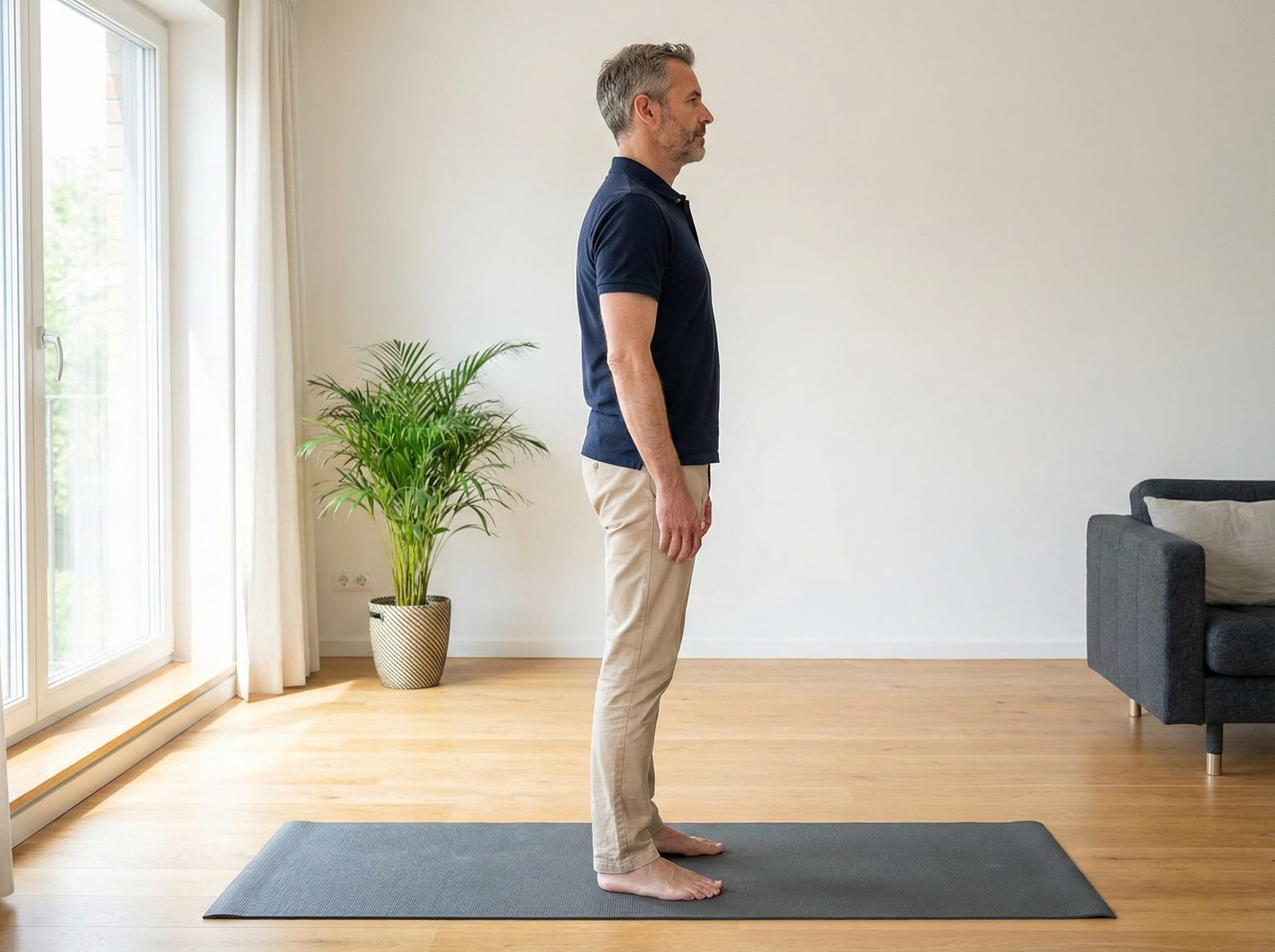
Build your posture from the ground up: Feet, Pelvis, Ribs, Head.
- Base Setup: Stand barefoot with feet hip-width apart and parallel (toes pointing straight ahead). Spread your toes and actively grip the floor to engage the arches. This is your foundation.
- Pelvis & Ribs: Softly bend your knees—don't lock them back. Gently tuck your tailbone slightly to neutralize any excessive curve in the lower back. Then, drop your front ribs down so they stack directly over your pelvis, not flaring out.
- Shoulders: Roll your shoulders up toward your ears, then back, and slide them down your back pockets. Keep your arms loose by your sides with palms facing your thighs.
- Head & Neck: Imagine a string pulling the crown of your head toward the ceiling. Perform a slight "chin tuck"—pulling your chin straight back like you're making a double chin—to lengthen the back of your neck. Your ears should now align perfectly over your shoulders.
- “Feet parallel, knees soft.”
- “Ribs down, crown up.”
- “Lengthen the back of the neck, don't just lift the chin.”
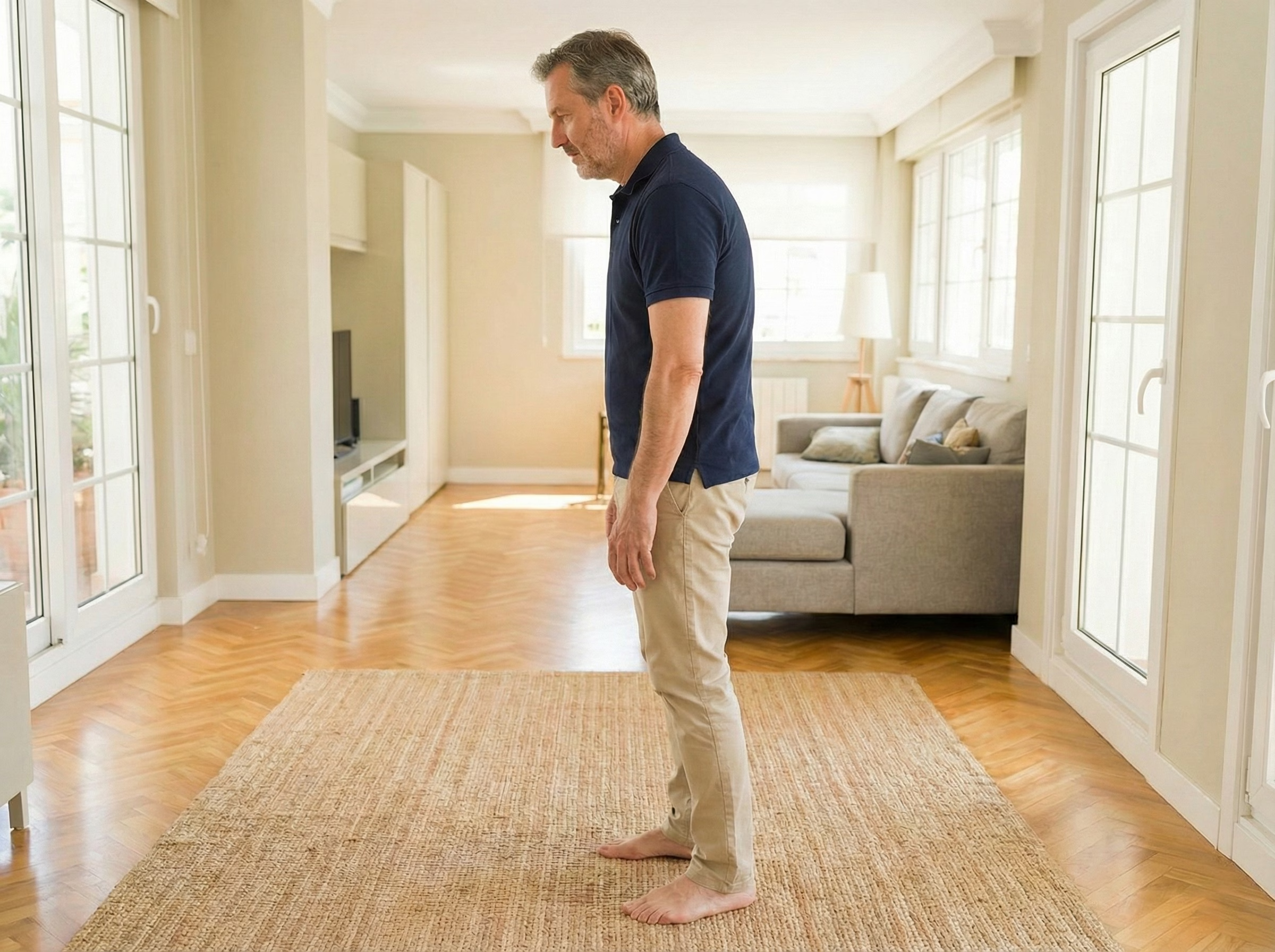
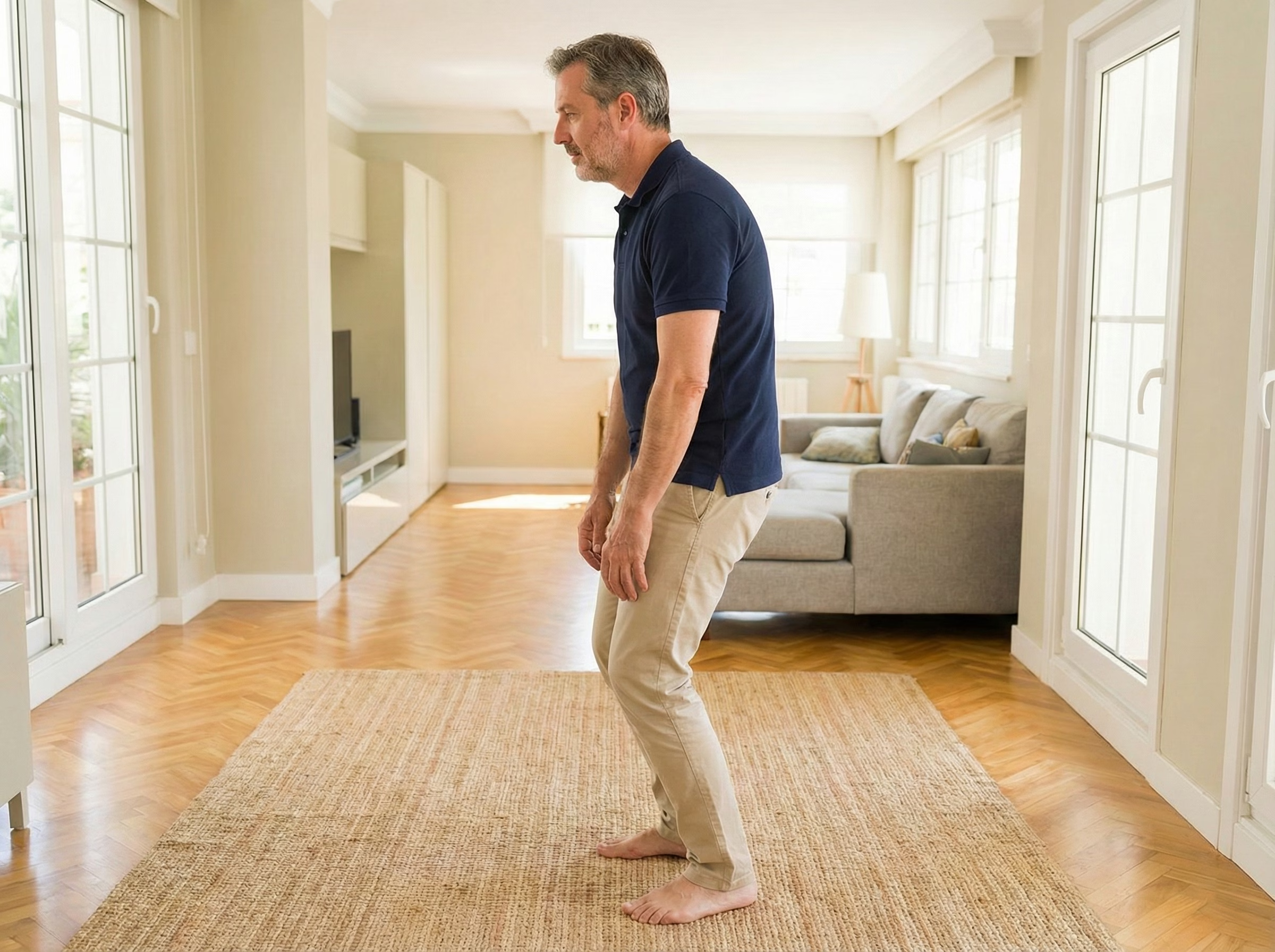
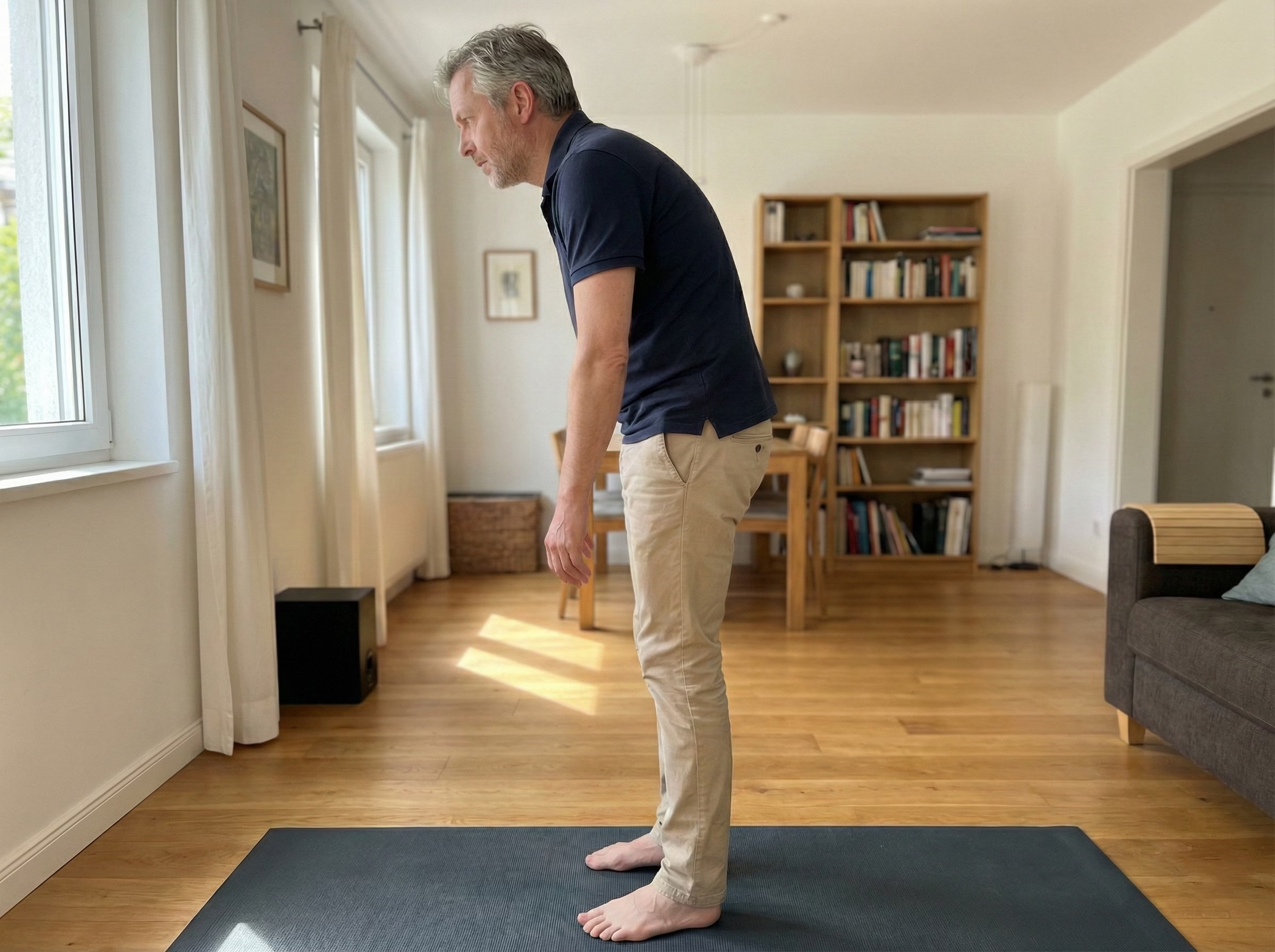
Flow & Sets · Reps, Sets & Frequency (Height-Focused)
Posture is a habit, not just an exercise. Frequency beats intensity here.
Tip: In the Height app, use this as a quick "alignment check" before doing more intense exercises. If you can't stack your joints here, loading them won't help.
Variations · Feedback Variations
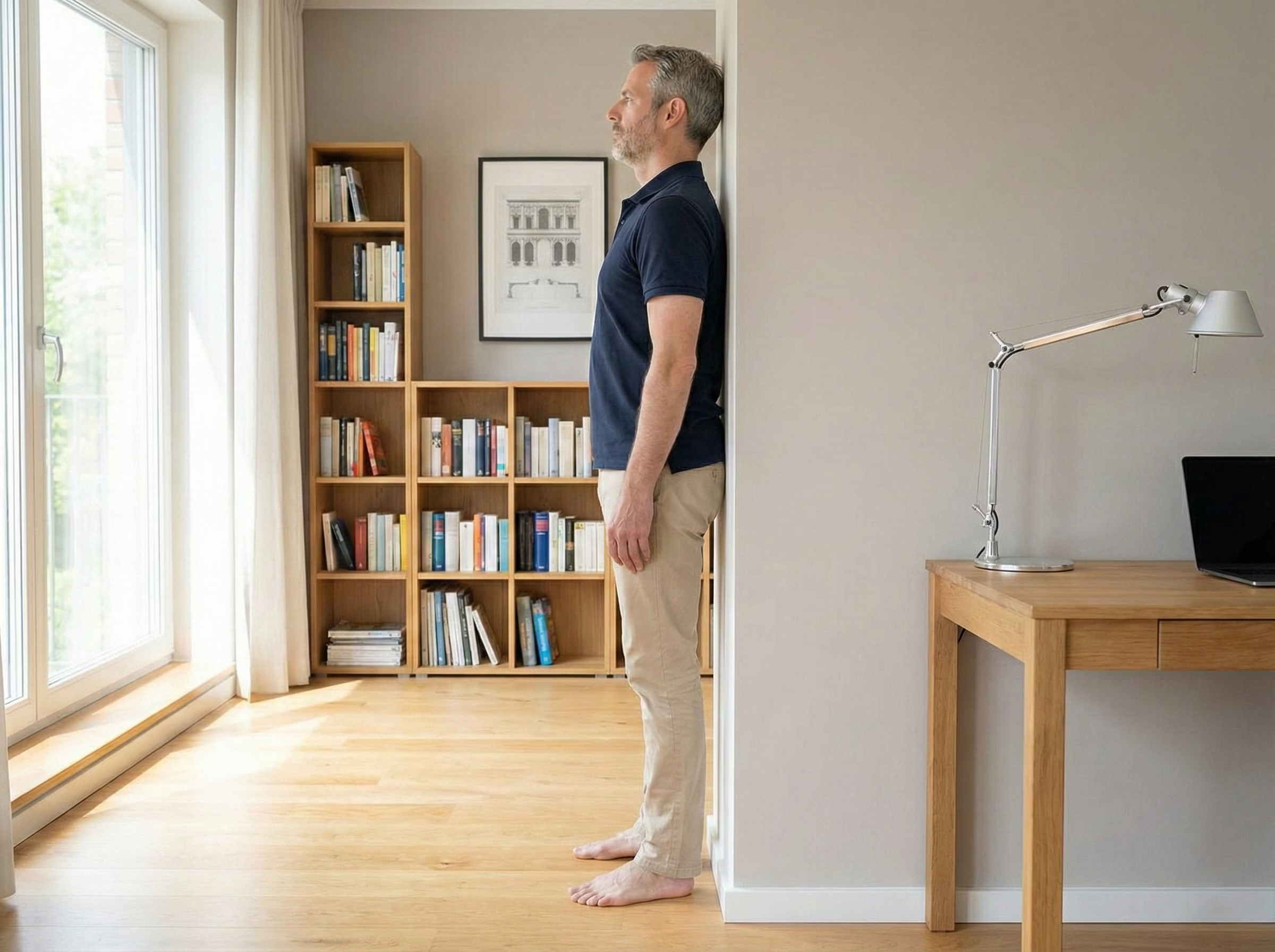
Use the wall to teach your body what "straight" actually feels like.
Height Impact · How Alignment Restores Height
- Visual vs. Actual Height: A slouched posture (kyphosis, forward head) can hide 2–3 cm of height instantly. Restoring the stack reveals the height you already possess.
- Decompression: When joints are stacked (head over spine over pelvis), muscles don't have to work as hard to hold you up, reducing compressive tension on the discs.
- The "Blue Line": Visualizing a glowing blue line running through your center helps brain-body connection, making "standing tall" a subconscious habit rather than a struggle.
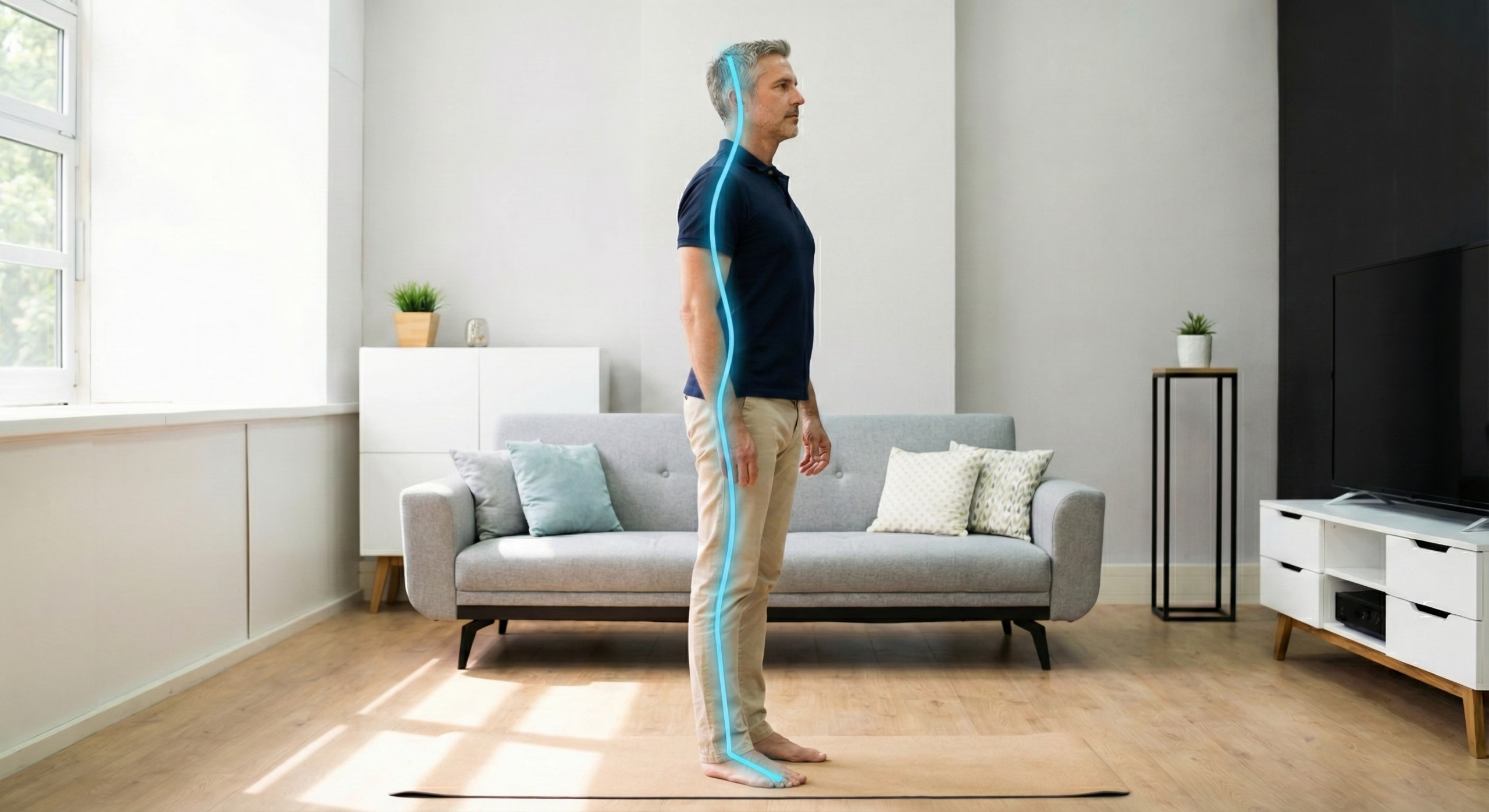
Panel 1 – Before vs. After
On the left, the relaxed slump hides his true stature. On the right, the reset posture
aligns his frame vertically. A soft blue glow highlights the tall, corrected version,
showing exactly where the extra height comes from: the straightened spine.
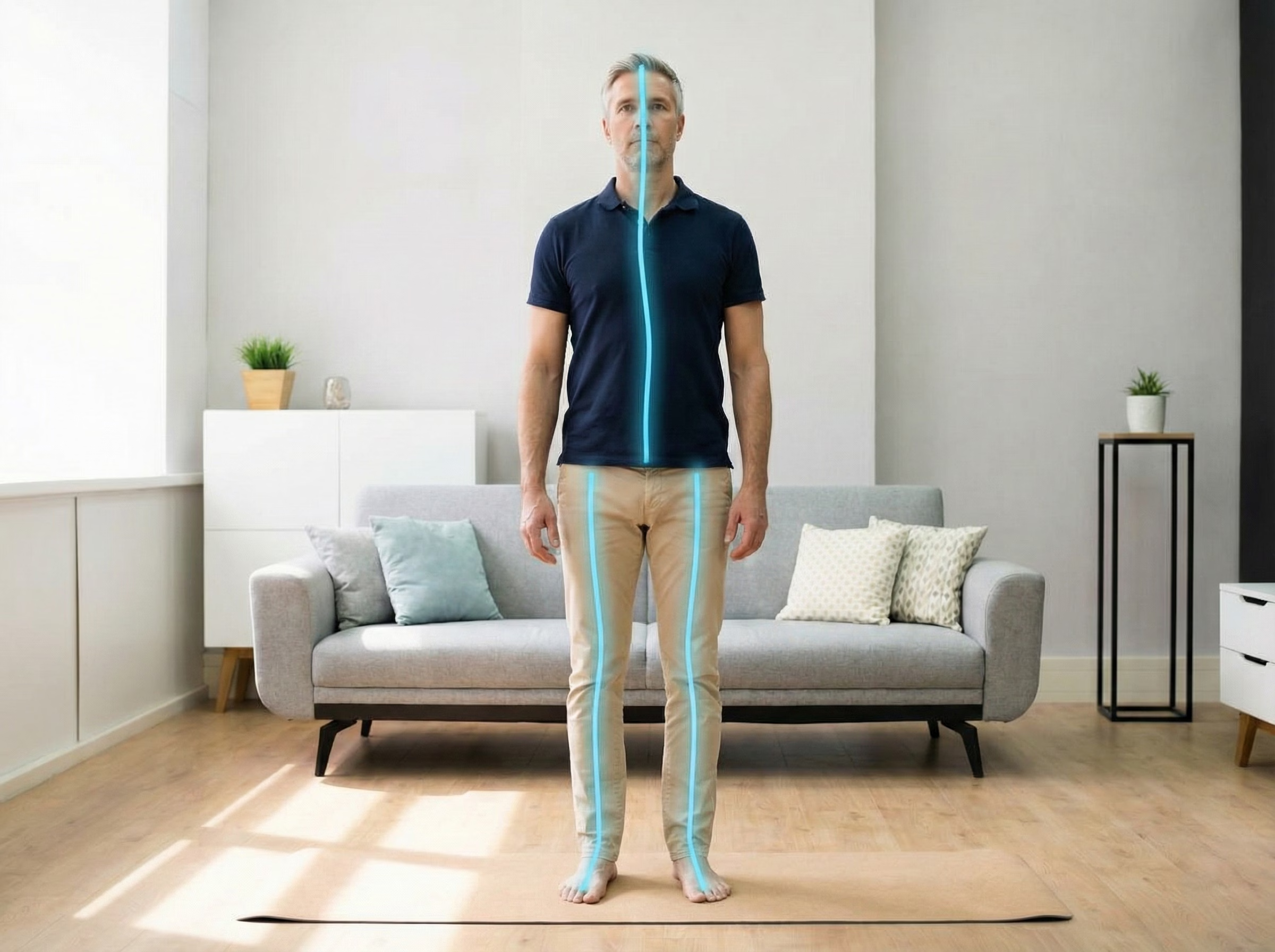
Panel 2 – The Central Axis
From the front, his symmetry is restored. Shoulders are even, hips level, and knees straight.
A blue light glows up his central axis—from ankles through pelvis and sternum to the crown—
illustrating a perfectly balanced skeleton.
Form & Safety · Key Technique Cues, Precautions & Common Mistakes
- "Stack the blocks"—think of your pelvis, ribcage, and head as blocks stacked neatly.
- Keep the chin tucked; don't just tilt the nose up.
- Breathe into your belly; tight chest breathing ruins posture.
- Keep 50% weight in heels, 50% in forefoot. don't lean back.
It will feel "weird" at first—that means it's working.
- You might feel tension in your mid-back muscles as they wake up.
- Your chest might feel "stretched" if you are used to rounding forward.
- Avoid forcing an arch in your lower back; keep the core gently engaged.
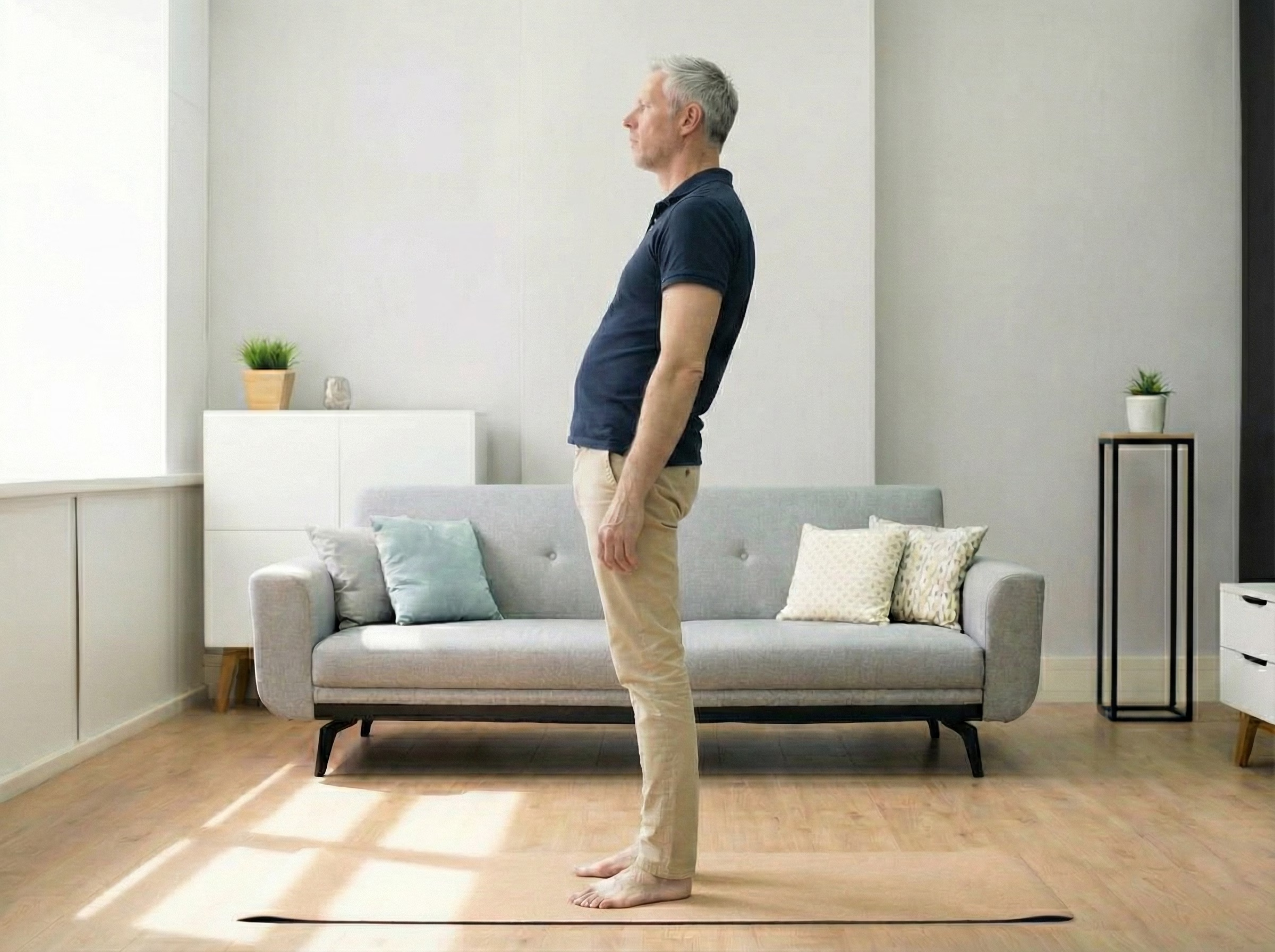
- "The Soldier"—puffing the chest out too far and flaring ribs.
- "The Turtle"—lifting the chin to look taller but compressing the neck.
- Locking the knees backward (hyperextension).
- Holding the breath while trying to stand straight.
Why it steals height: This increases lumbar compression (lordosis) and actually shortens the posterior spine. It’s unsustainable and rigid.
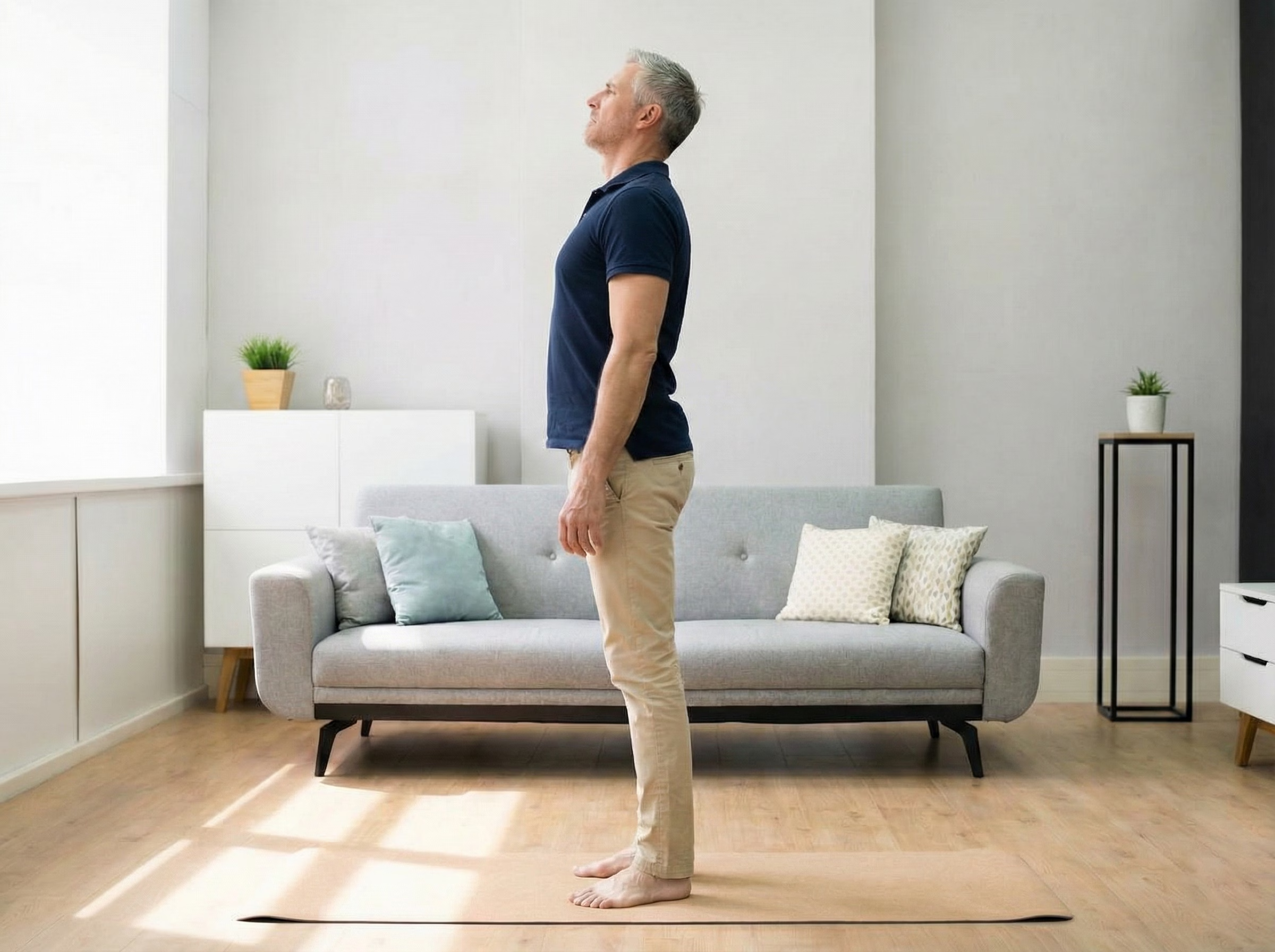
Why it steals height: Lifting the chin shortens the cervical spine (neck) and creates "tech neck" patterns. The goal is to lift the crown, not the chin.
Pair With · Best Exercises to Pair With Posture Reset
For the Alignment pillar, pair this with:
Use Glute Bridges and Dead Bugs to strengthen the core muscles that hold the pelvis neutral, then use Wall Angels to open the shoulders so your Posture Reset becomes your natural default.
FAQ · Common Questions About Posture Reset
-
Q1 Can I do this exercise in shoes? ›You can, but barefoot is much better. Shoes (especially with heel lifts) alter your center of gravity and can mask poor foot mechanics. Feeling the floor helps you engage your arches correctly.
-
Q2 Why does good posture feel so tiring? ›Your postural muscles (deep stabilizers) are likely weak or dormant from years of slouching. Holding them active takes energy at first. With consistency, they get stronger, and this stacked position becomes effortless.
-
Q3 How long until this becomes my natural stance? ›It varies, but typically takes 3–4 weeks of daily conscious practice to reset your proprioception (body sense). Eventually, slouching will start to feel uncomfortable instead of relaxing.