
Wall Chin Tuck : .Align Cervical Spine
Retrain his deep neck flexors to eliminate forward head posture and stack his head correctly.
Forward head posture is one of the biggest thieves of height. The Chin Tuck teaches the subtle muscular control needed to stack his ears directly over his shoulders, restoring length to his neck and upper spine.
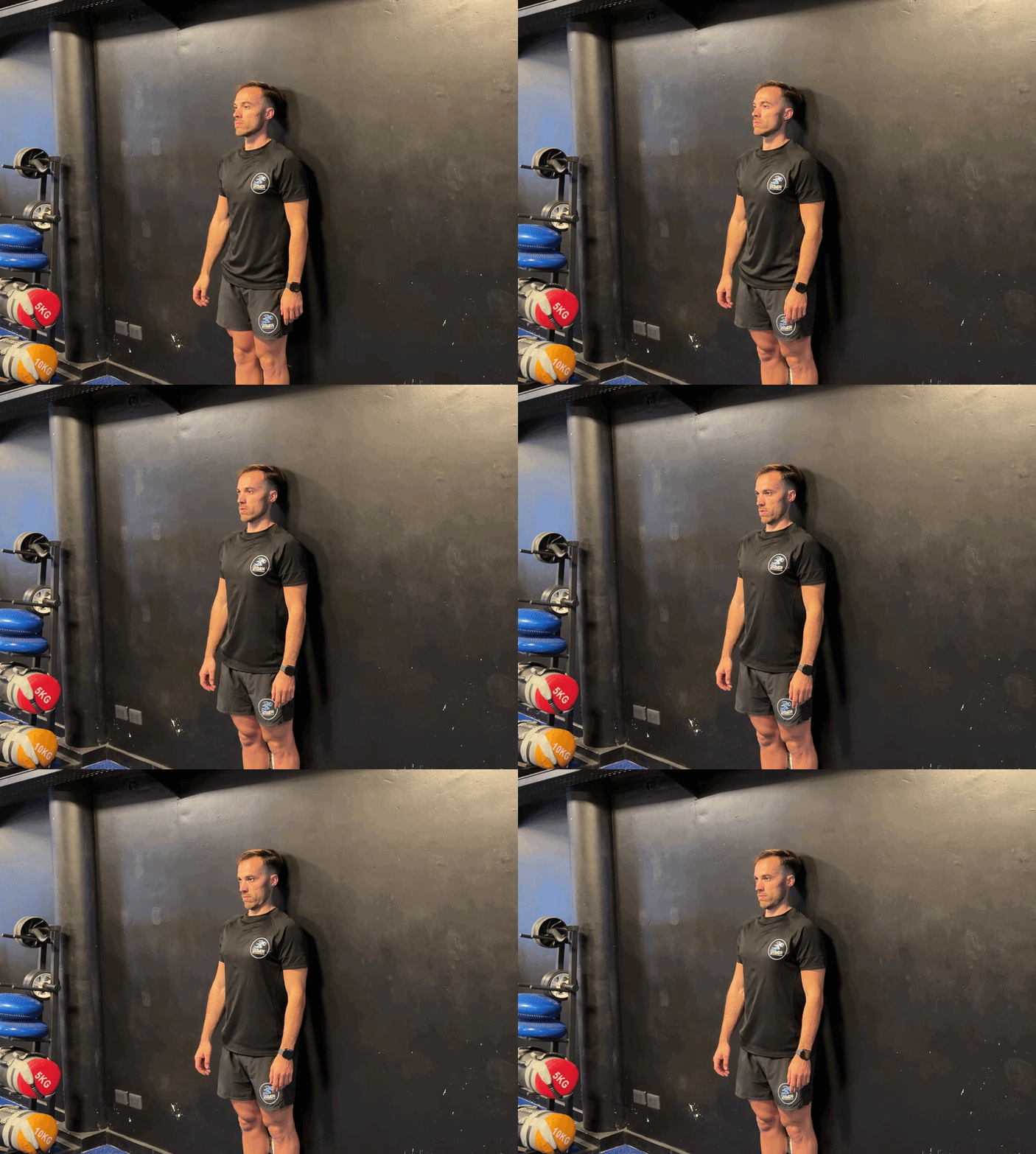
How to · How To Do the Chin Tuck at the Wall
The goal is a smooth, horizontal glide of his head backward, not a downward tilt.
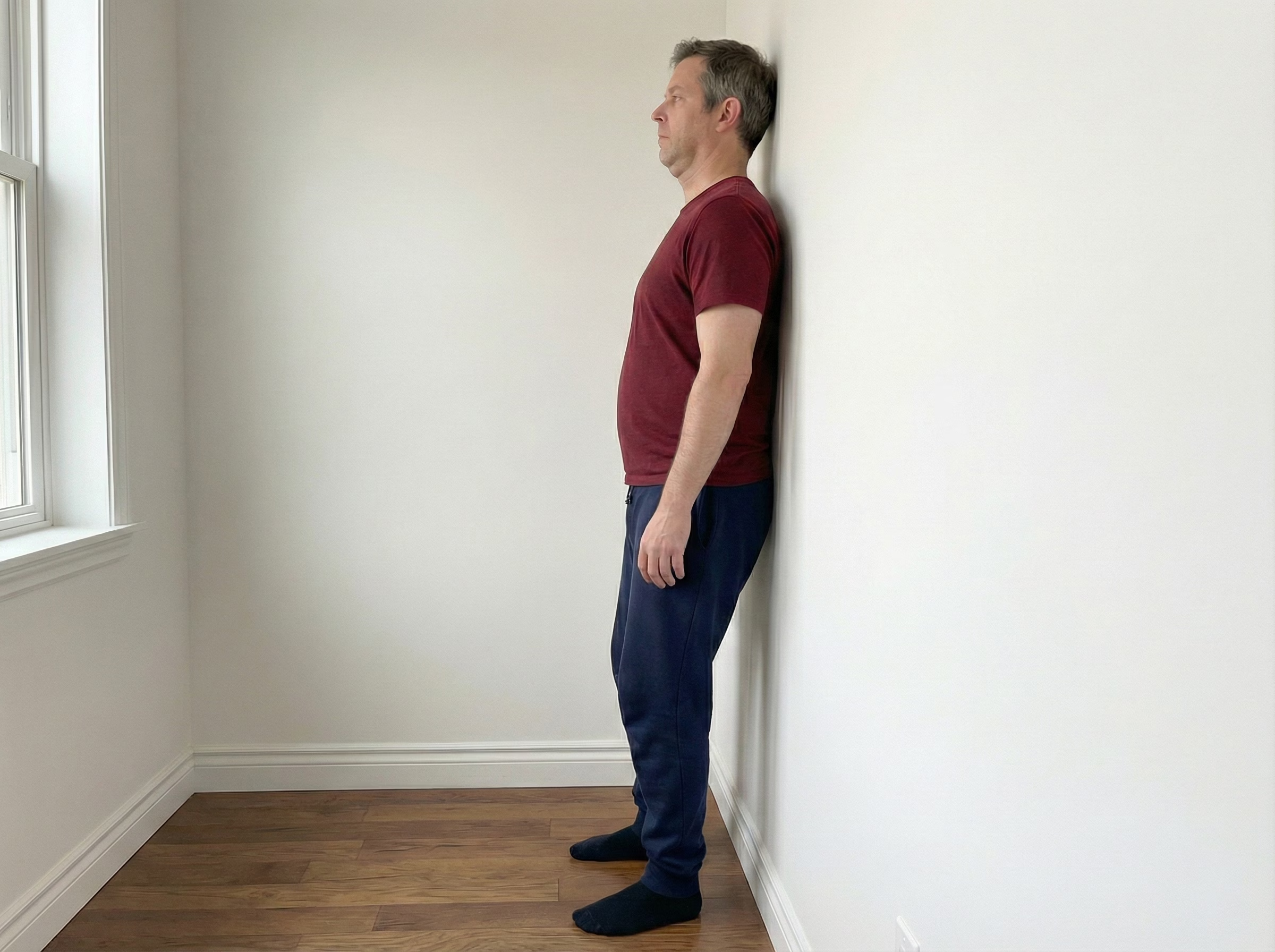
- Wall Stand Setup: Stand with his back to a flat wall. His heels should be a few inches away from the wall. Ensure his pelvis and upper back (thoracic spine) are lightly touching the wall.
- Find Neutral Head Position: If his head does not naturally touch the wall (due to forward head posture), gently guide the back of his head toward the wall without straining. This is his starting position.
- Small Chin Tuck: Gently draw his chin straight back toward his throat, making the back of his head glide smoothly backward until it lightly touches the wall (or further back if it already touches). Imagine creating a subtle "double chin."
- Return to Neutral: Slowly ease his chin and head forward until he returns to his neutral starting position. The movement should be slow, controlled, and focused entirely on the horizontal glide.
- Repeat: Perform 10-15 repetitions per set, focusing on perfect alignment and avoiding any tilting or excessive strain.
- “Imagine his head sliding on a flat shelf—no tipping up or down.”
- “Keep his eyes level and jaw soft throughout the movement.”
- “The movement is small, slow, and focused—it should feel like tiny muscles doing the work.”
Holds & Frequency · Duration, Sets, and Weekly Plan (Height-Focused)
Consistency is paramount, as he is retraining postural muscles that have been weak for years.
Tip: He can also perform this exercise standing in a doorway or without the wall once he master the movement, making it a habit throughout his day.
Variations · Fine-Tuning the Neck Movement
Use variations to simplify the movement or to increase the endurance demand of the deep neck muscles.
Height Impact · How Chin Tucks Restore Vertical Height
- Forward head posture forces the neck and upper spine to create a 'hump' to support the head, resulting in a compressed, curved cervical spine that steals several millimeters of height.
- The chin tuck strengthens the deep neck flexors while stretching the tight suboccipital muscles at the base of the skull, allowing the neck to return to its natural, elongated C-curve.
- Correcting this misalignment is crucial because a misaligned head compromises the ability of his mid and lower spine to stack straight, instantly reinforcing a shorter, rounded posture.
- By establishing proper head stacking, he ensures that the height gained from spinal decompression is not immediately lost due to poor neck carriage.
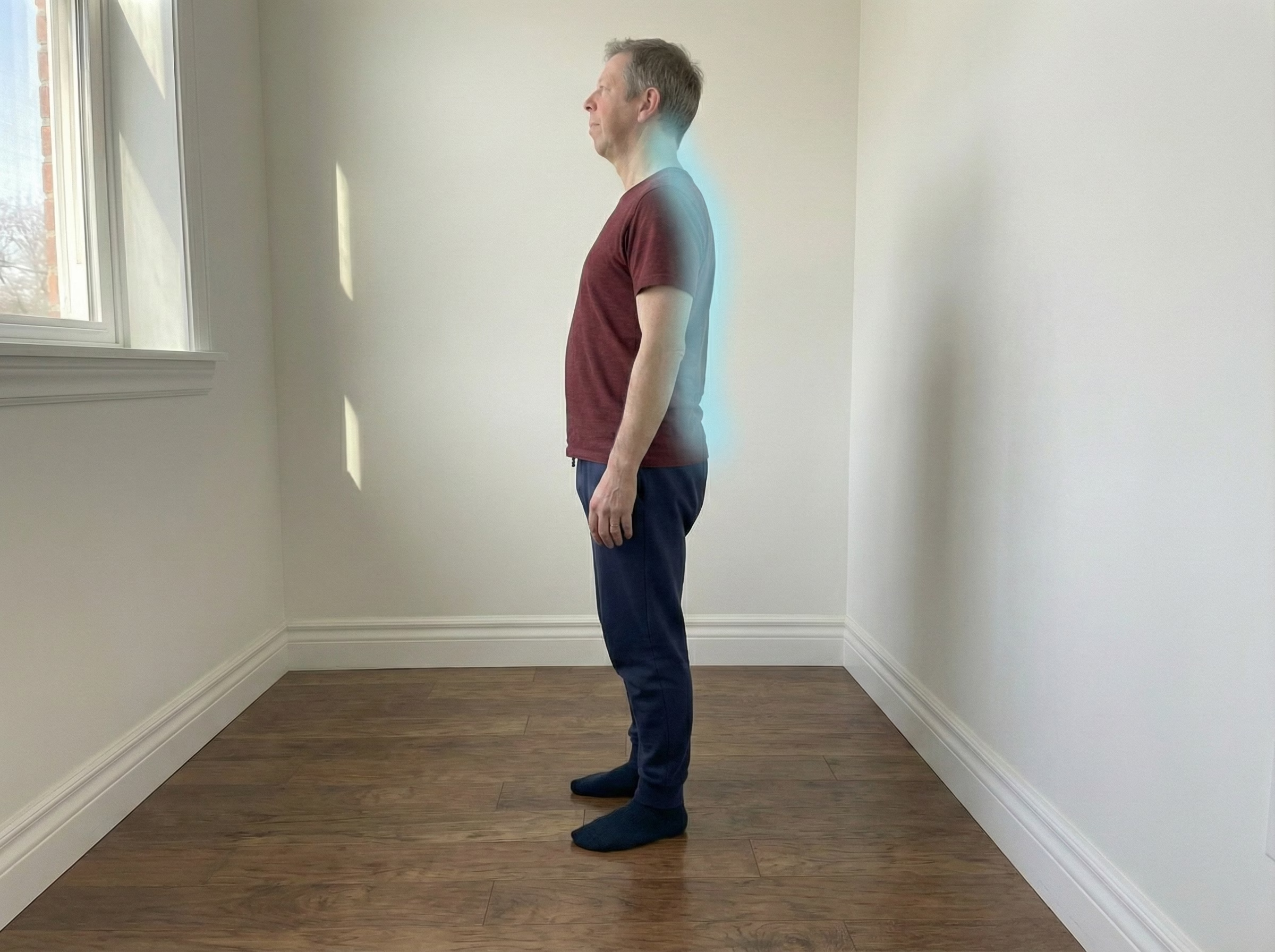
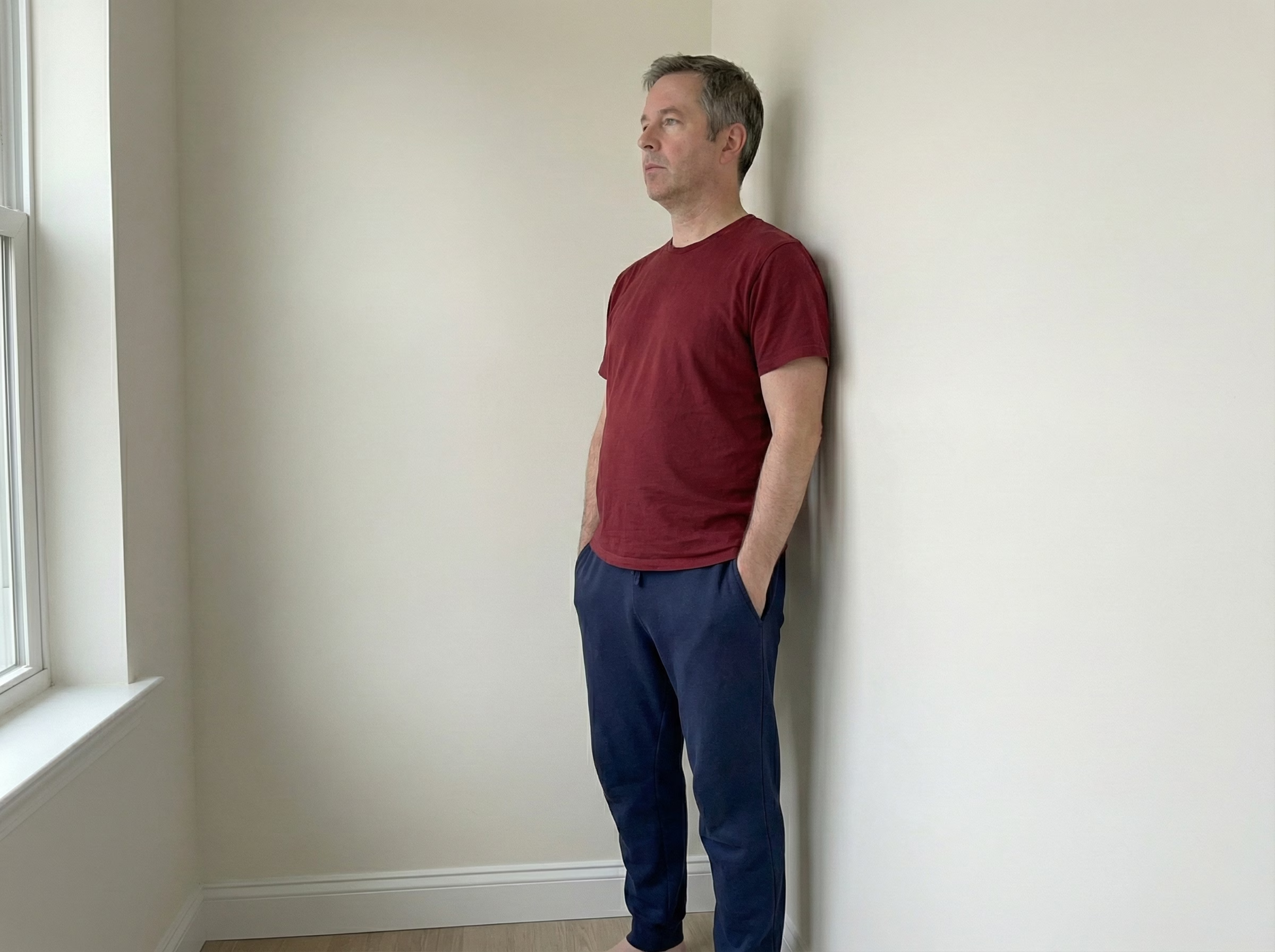
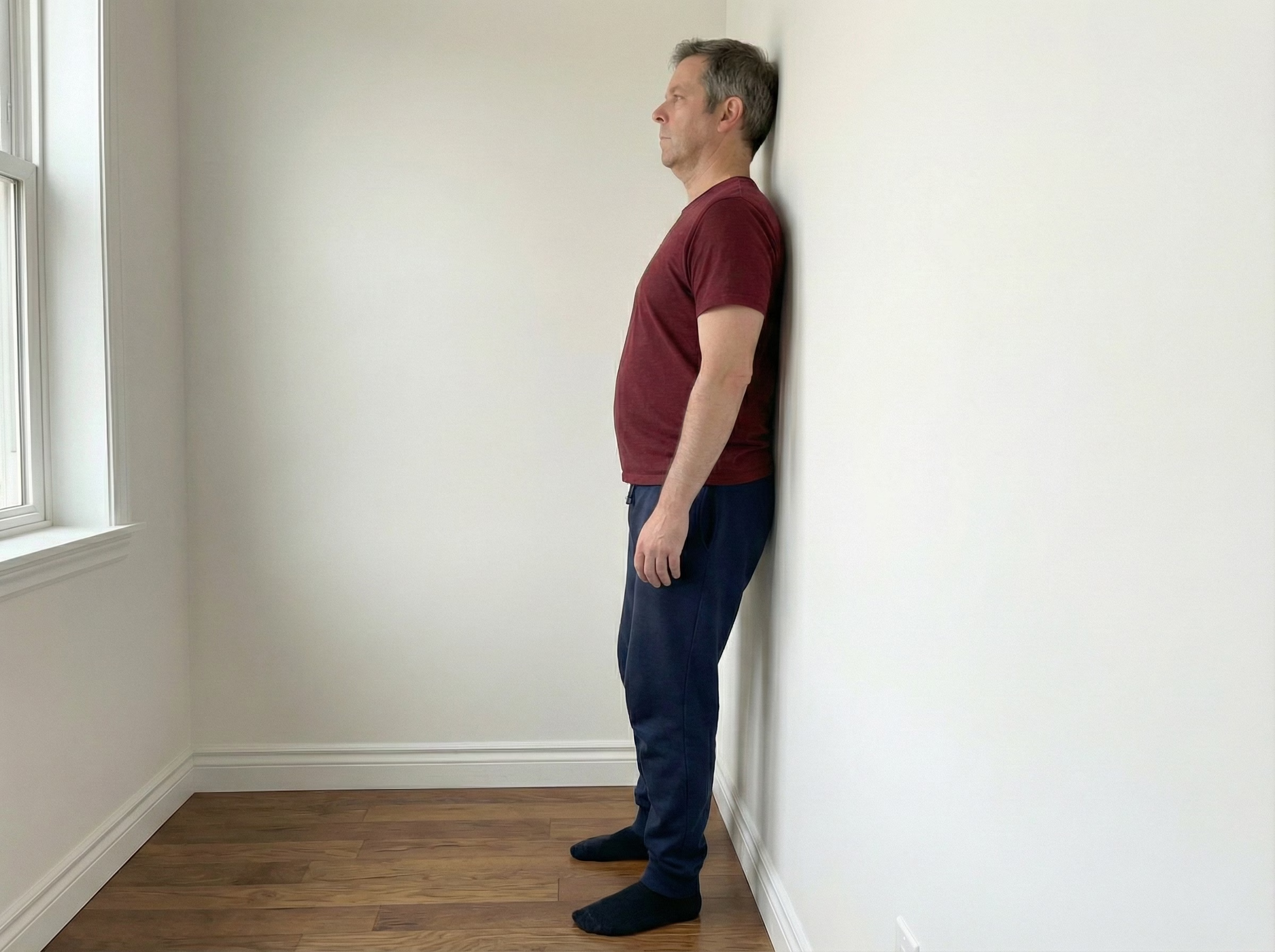
Panel 1 – Side View Neck Alignment
Side view of he standing slightly away from the wall in everyday posture: ears directly over shoulders, neck long, no forward-head, shoulders relaxed. Add a soft light blue glow from upper thoracic spine through back of the neck and up to base of skull to show improved head/neck alignment. 4:3 aspect ratio, full body.
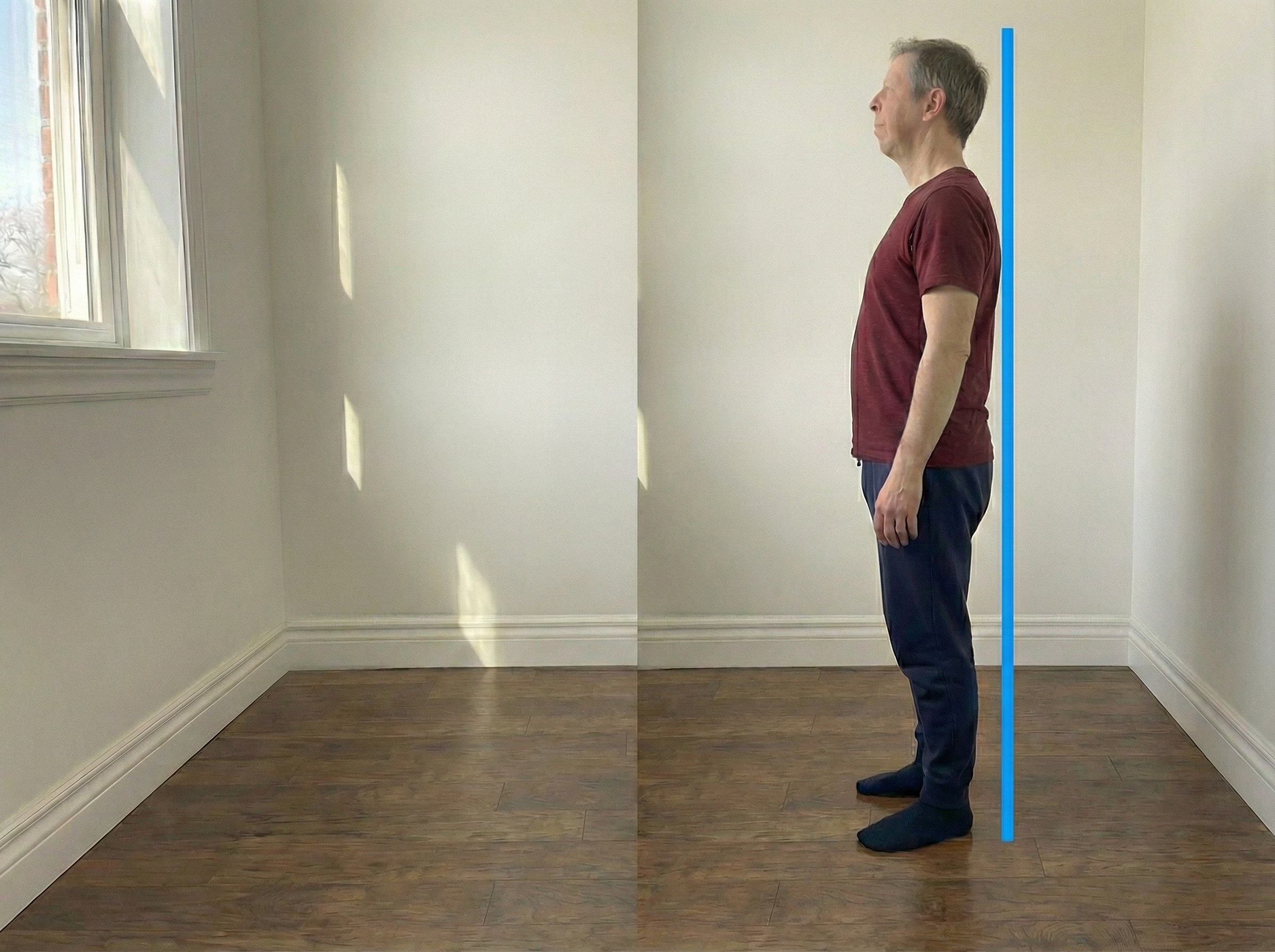
Panel 2 – Before vs After Neck Posture
Single frame showing two side views of he: on the left, pronounced forward-head posture with chin jutted out; on the right, corrected stacked posture after chin tuck training. Add a soft light blue glow along the neck and upper spine only on the corrected version. 4:3 aspect ratio, both full bodies visible.
Form & Safety · Key Technique Cues, Precautions & Common Mistakes
- Ensure his head glides straight back (axial movement), without tilting his chin up or down.
- Keep his jaw and shoulders relaxed—the movement should feel subtle and controlled.
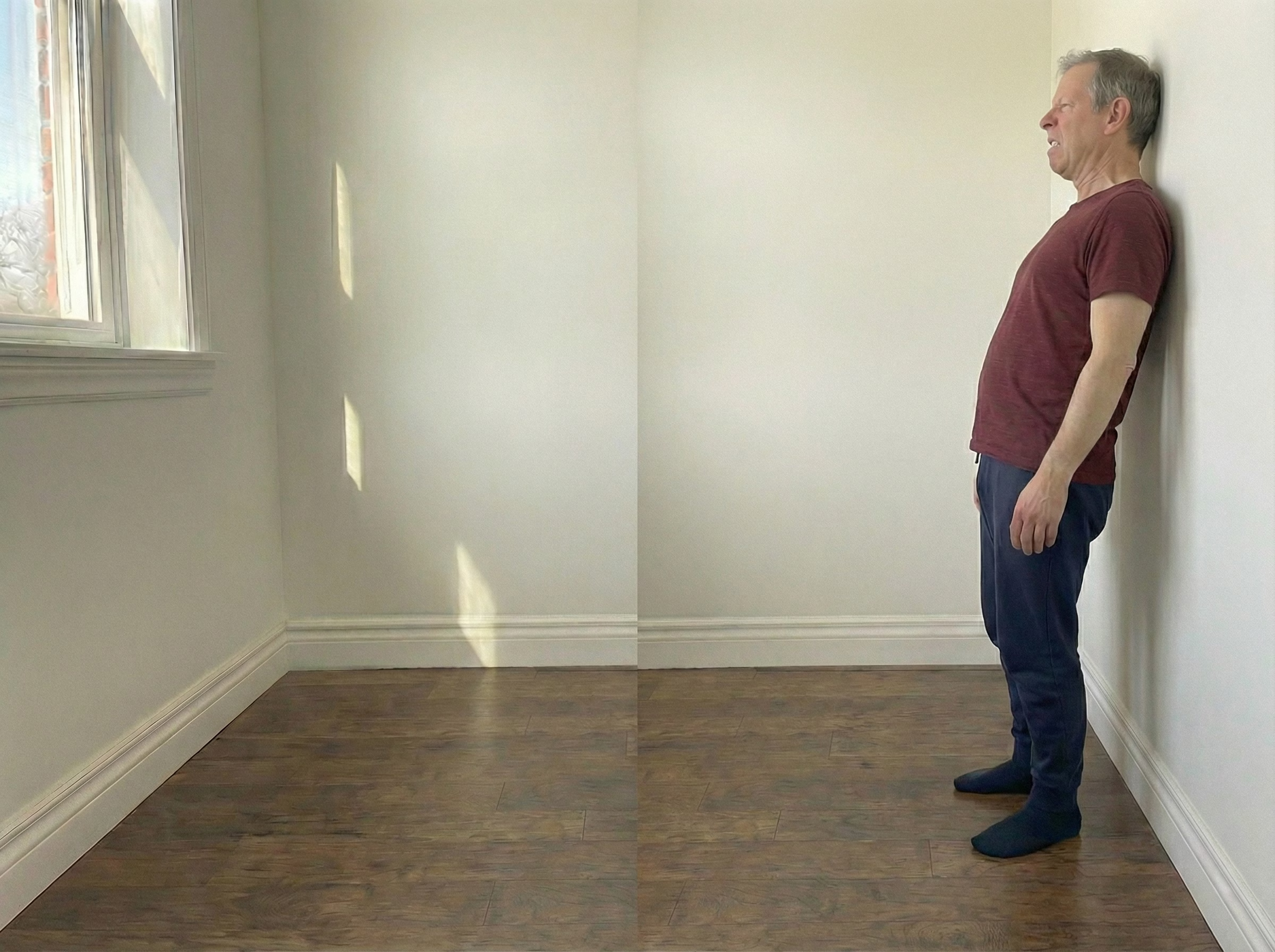
- The wall is a guide; he should not forcefully jam his head into it.
- Focus on activating the muscles deep in the front of his neck, not the large muscles in the back.
This exercise is generally safe, but should be done gently to avoid strain.
- If he experiences sharp neck pain or dizziness, stop the movement immediately.
- Avoid if he has acute whiplash or severe cervical disc issues (consult a professional).
- Keep the movement small—it’s about quality of muscle activation, not large range of motion.
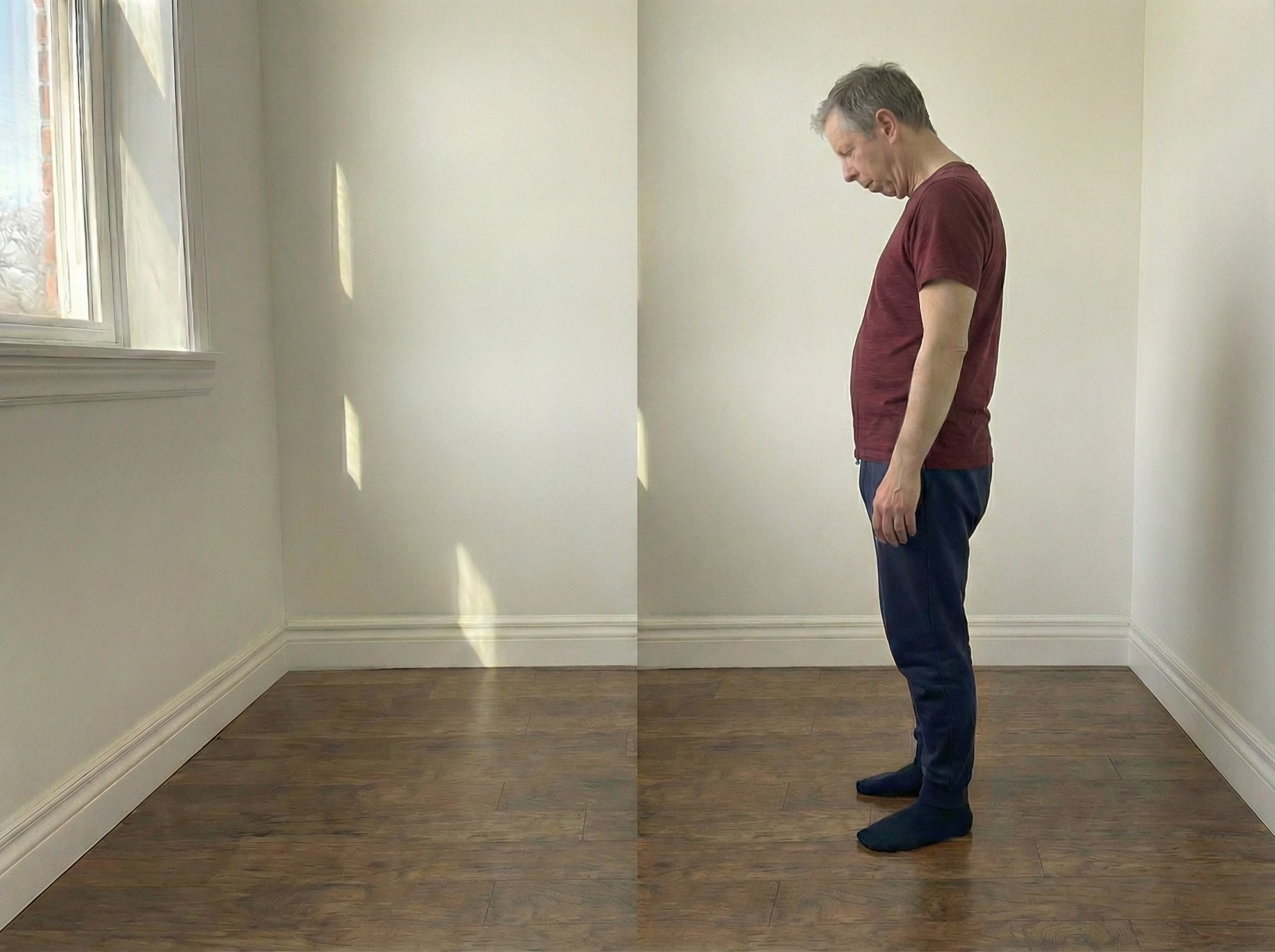
- Tilting his head down (chin dropping to chest) instead of gliding straight back.
- Straining or clenching his teeth and jaw while attempting the tuck.
- Overdoing the tuck, causing his neck muscles to tense excessively or his shoulders to shrug.
- Allowing his lower back to arch as he tries to flatten his neck against the wall.
**Why it steals height:** This mistake strengthens the wrong muscles (superficial neck muscles) and reinforces a compressed, flexed neck position, directly opposing the goal of achieving vertical length.
**Why it steals height:** Excessive force activates the large, superficial neck muscles (SCM, upper traps), which leads to tension and compression, instead of strengthening the deep, postural muscles needed for effortless alignment.
Pair With · Best Exercises to Pair With the Chin Tuck Wall
Chin tucks work best when paired with drills that address the alignment of the shoulders and torso:
Use the Chin Tuck to reset the neck and head alignment, then immediately follow with Tadasana or Wall Angels to reinforce the correct posture through his entire spine and shoulders.
FAQ · Common Questions About the Chin Tuck Wall
-
Q1 Why is keeping his spine straight so crucial in this stretch? ›The goal of the Chin Tuck is to mobilize his hips for proper *pelvic* alignment. If he rounds his back to fold deeper, he moves the stretch to his hamstrings and ligaments while reinforcing the exact spinal slouch (flexion) he needs to fix for better standing height. A long spine ensures the stretch targets the hips correctly.
-
Q2 Should he push his knees down with his hands or elbows? ›He can use gentle, controlled pressure from his elbows or hands to deepen the stretch, but he should never use excessive force or bounce. The key is to keep the pressure steady and use his exhale to relax into the stretch. Aggressive pushing risks irritating his knee joints or hip ligaments.
-
Q3 He feels the stretch more in his lower back than his hips. What's wrong? ›This means his lower back is rounding. His hips are likely too tight to allow a clean forward hinge. He should revert to the Elevated Butterfly variation (sit on a cushion) to tilt his pelvis forward, which will allow him to maintain a straight spine and direct the stretch correctly into his inner thighs and hips.