
Hip Flexor Stretch : .Align the Pelvis
Release chronically tight hip flexors that pull his pelvis into an anterior tilt (swayback).
This is the single most effective stretch for lengthening the Psoas and Quadriceps—muscles which shorten from sitting, forcing his spine to arch and collapse his vertical posture.
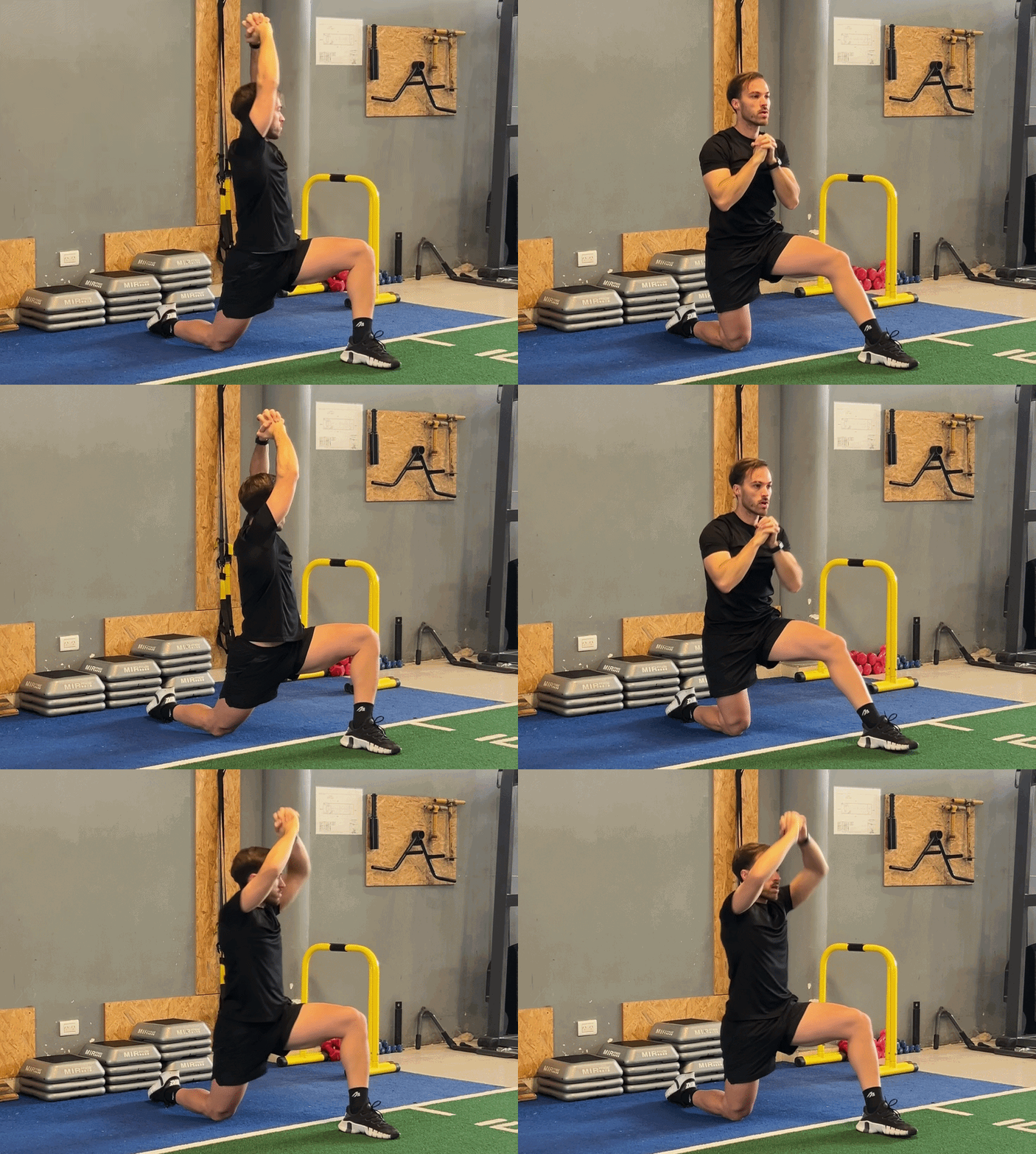
How to · How To Do the Half-Kneeling Hip Flexor Stretch
The stretch is controlled by his pelvic tilt, not how far he pushes his knee forward.
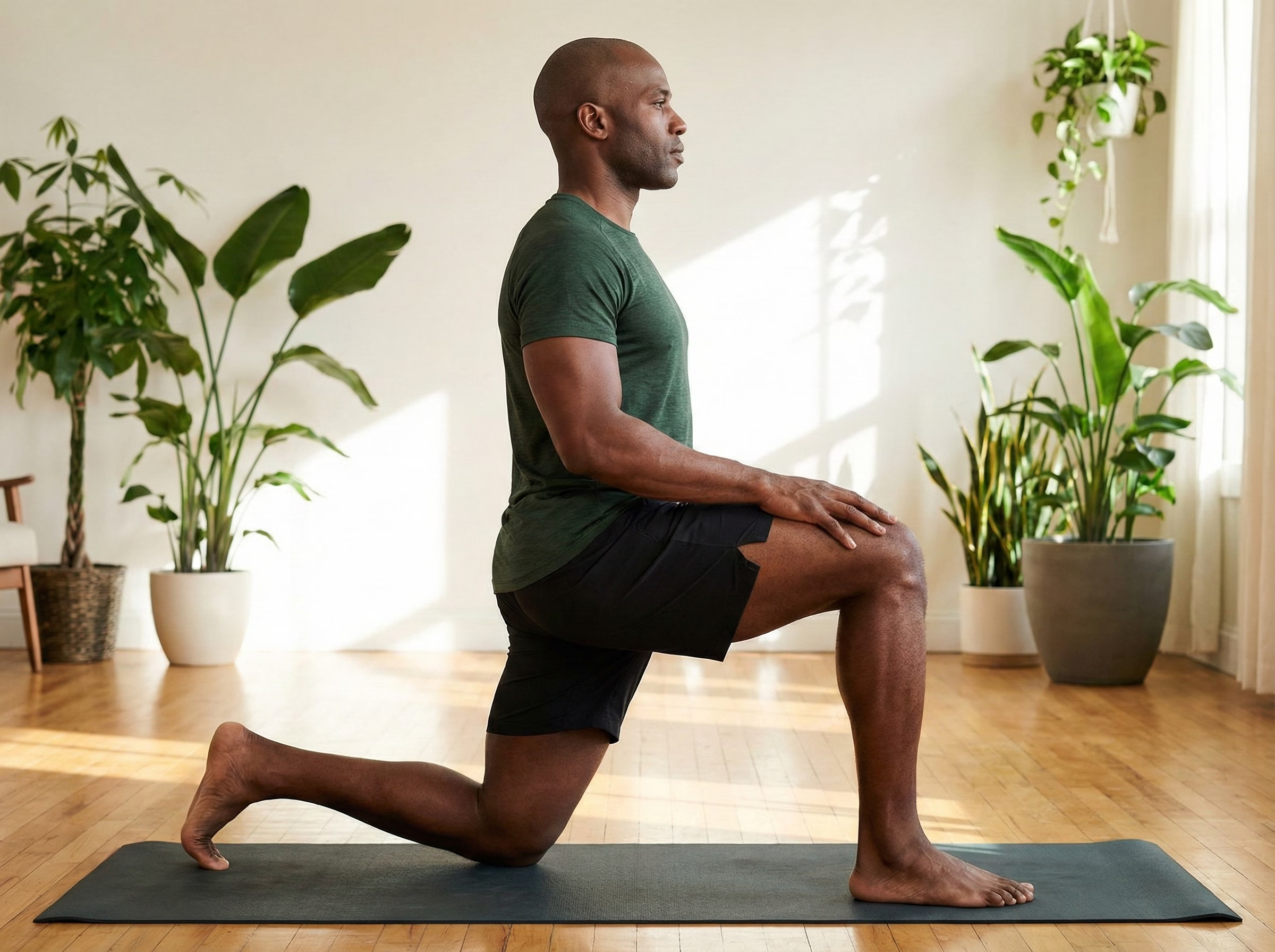
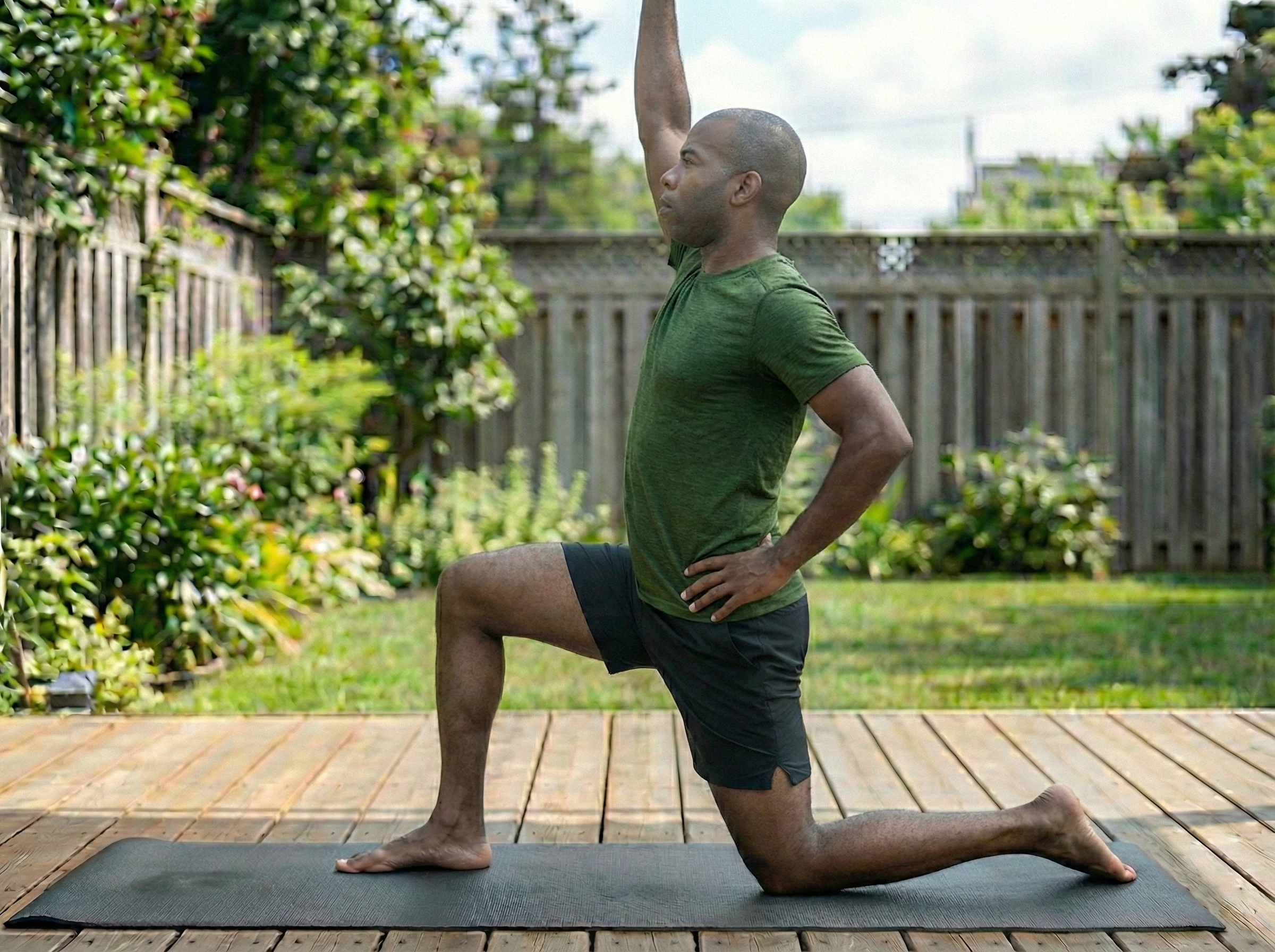
- Half-Kneeling Setup: Start in a half-kneeling position: one knee (e.g., left) on the mat (use a cushion if needed), and the front foot (right) flat with the knee at 90 degrees. Ensure his torso is tall and upright.
- Forward Hip Shift (Engage Glutes): Gently perform a posterior pelvic tilt (tuck his tailbone under slightly) and squeeze the glute on the side of the kneeling leg (left glute). Maintain this tuck as he slowly shifts his hips forward a few inches.
- Find the Stretch: He should feel a moderate stretch high up in the front of the hip and thigh of the kneeling leg (left side). If he feels it only in his low back, he is arching too much and needs to tuck his pelvis harder.
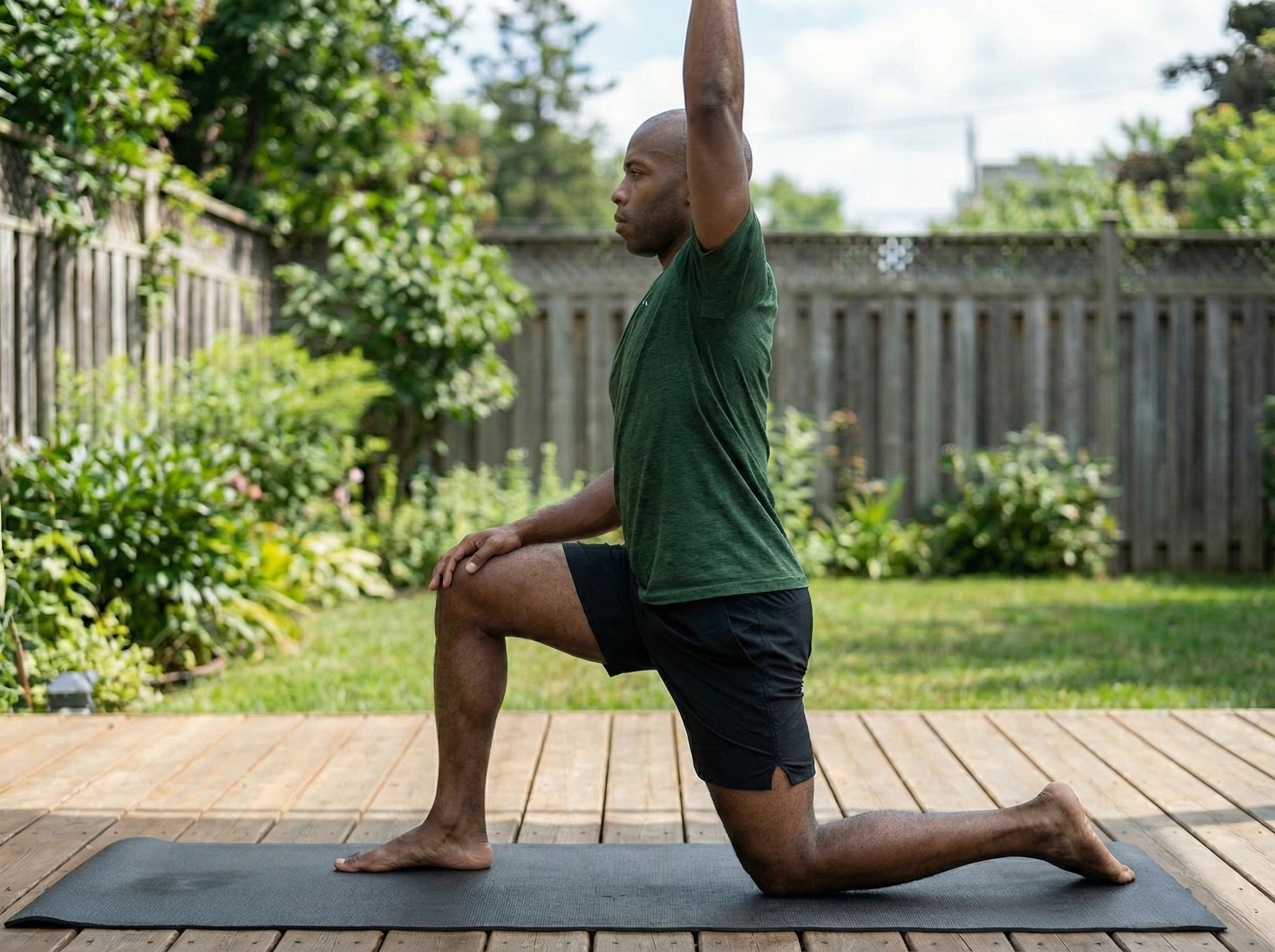
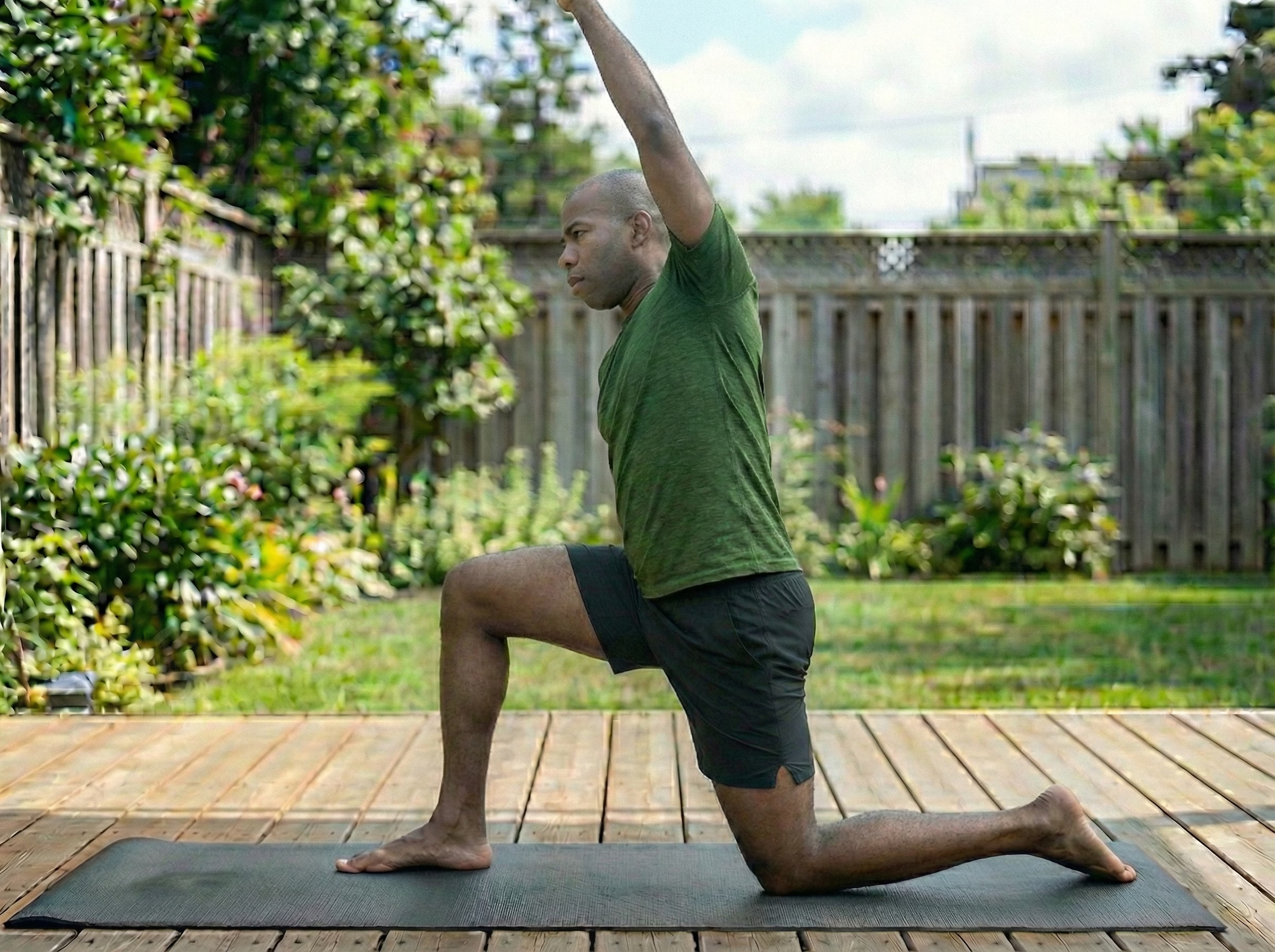
- Reach Overhead (Deepen): To intensify the stretch and target the Psoas muscle, reach the arm corresponding to the kneeling leg (left arm) straight overhead and slightly over his front ear. This creates a long vertical line from his knee to his hand.
- Hold and Switch: Hold the stretch for 30–60 seconds, maintaining the pelvic tuck and breathing deeply. Slowly switch sides and repeat the sequence.
- “The main secret is the pelvic tuck—tuck it and squeeze the back glute.”
- “Keep his ribs stacked directly over his pelvis; don't let his chest flare out.”
- “The stretch should be felt high and deep in the hip, not in the lower back.”
Holds & Frequency · Duration, Sets, and Weekly Plan (Height-Focused)
Sustained holds are needed to achieve lasting change in chronically short hip flexors.
Tip: He should practice the basic stretch (Variation 1) daily, and only introduce the deep overhead reach (Step 3) when he can maintain the pelvic tuck without lower back pain.
Variations · Scaling the Hip Flexor Stretch
Options to control the intensity of the stretch or to integrate the hip flexor release with upper body length.
Height Impact · How Hip Flexor Release Unlocks Height
- Chronically tight hip flexors (especially the Psoas) are linked directly to his low back. They pull the pelvis down and forward (anterior tilt) when he stands.
- This forward tilt forces his lower back to arch excessively (swayback), creating a compressive curve that steals vertical length from his lumbar spine.
- By lengthening these tight muscles, he allows his pelvis to naturally return to a neutral alignment, which eliminates the arch and allows his spine to stack fully and vertically.
- The release of these muscles is essential for allowing other exercises, like Glute Bridges and Tadasana, to effectively stabilize and hold his newly gained spinal length.
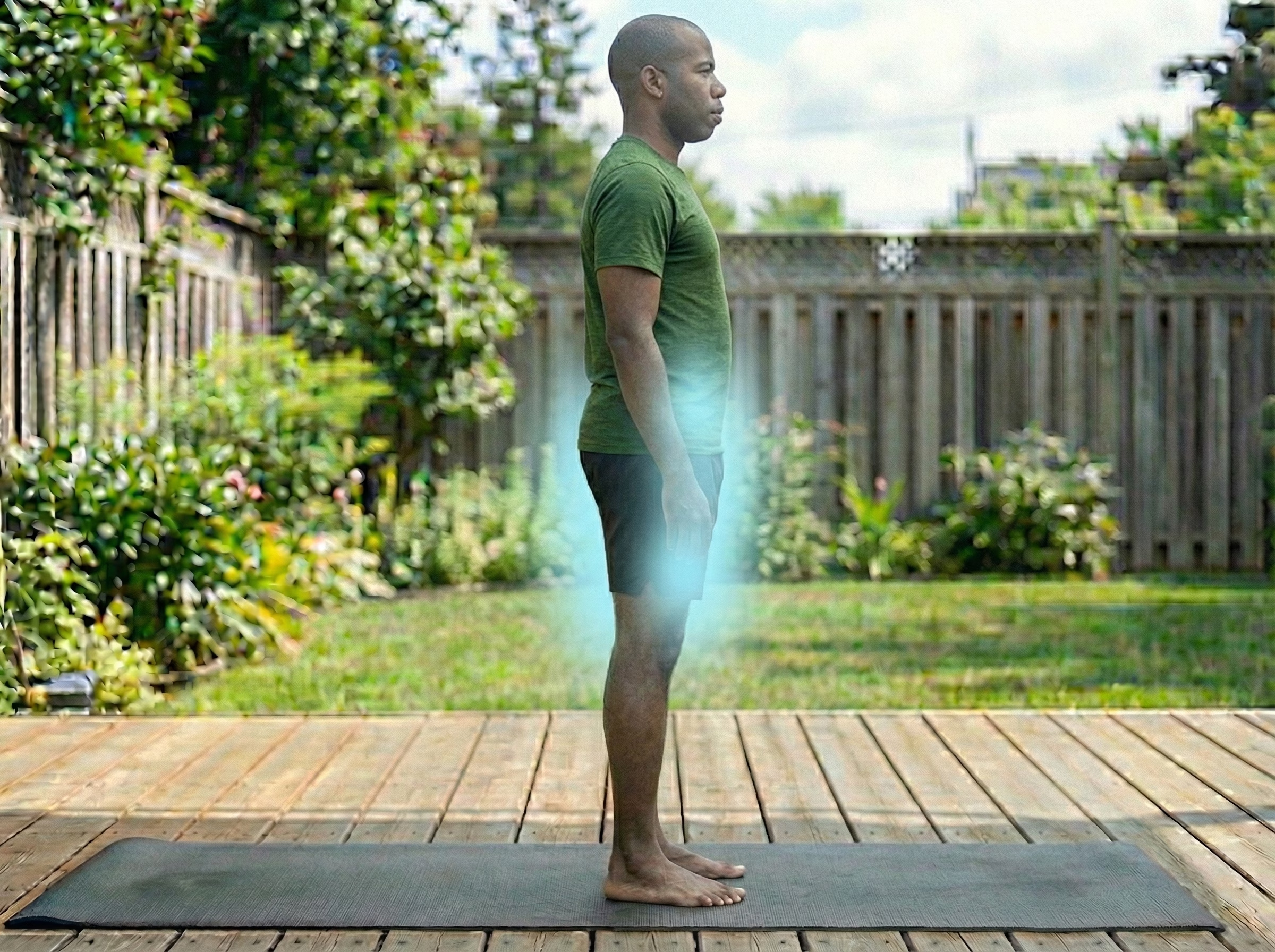
Panel 1 – Standing Posture with Free Hip Flexors
Side view of he standing tall: no tight hip-flexor tilt, pelvis neutral, thigh line vertical, chest relaxed and open. Add a soft light blue glow across the front of both hips, thighs and lower abdomen to show the released hip flexors supporting upright posture. 4:3 aspect ratio, full body.
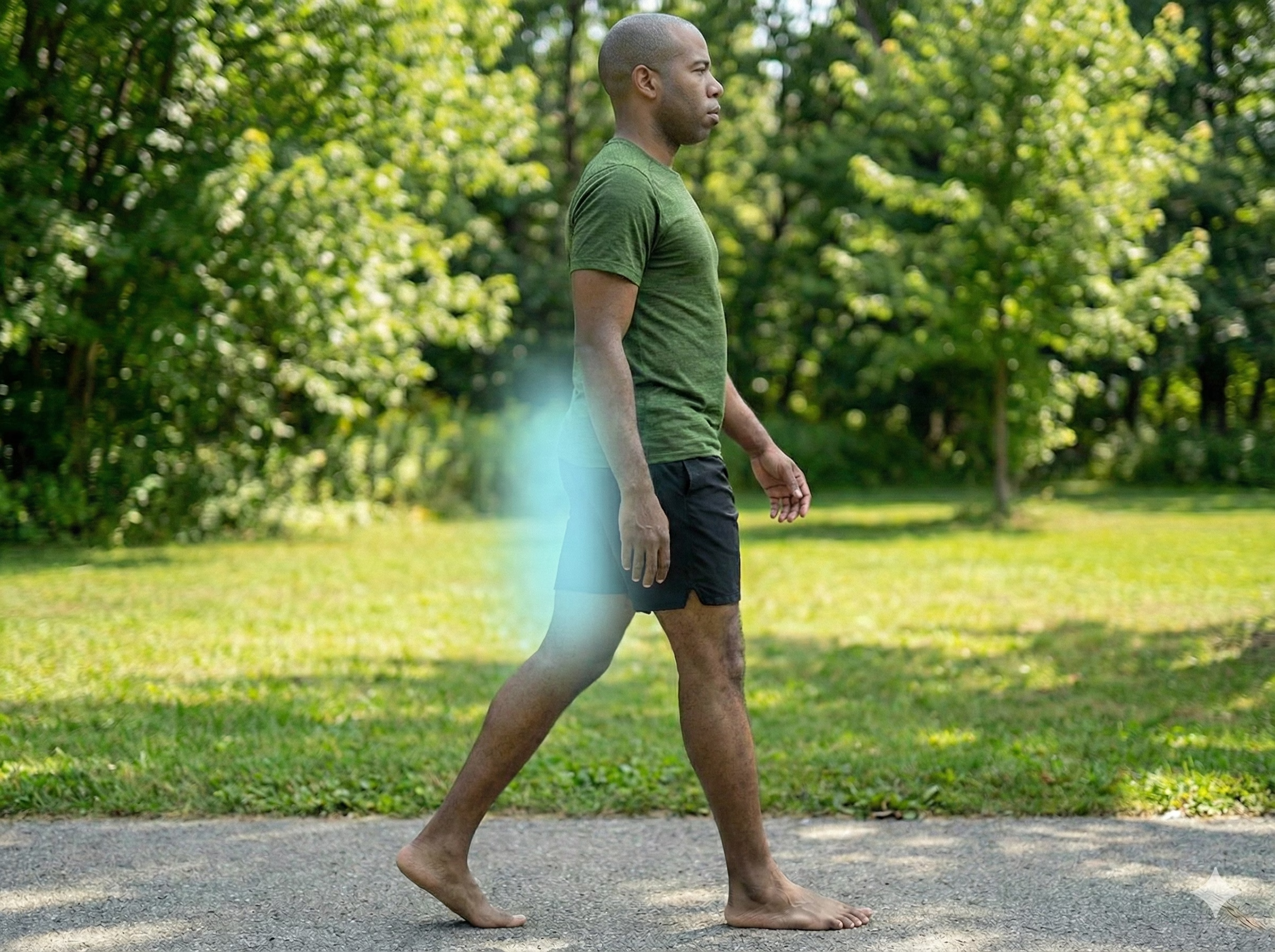
Panel 2 – Walking Stride with Open Hip
Side or three-quarter view of he mid-step, one leg behind him with hip extending smoothly, torso upright, no forward-lean compensation. Add a soft light blue glow along the front hip and thigh of the trailing leg. 4:3 aspect ratio, full body.
Form & Safety · Key Technique Cues, Precautions & Common Mistakes
- Engage a strong posterior pelvic tilt (tuck his tailbone) before shifting forward.
- Squeeze the glute of the kneeling leg throughout the stretch to maintain the tuck.
- Keep his torso tall and his ribs stacked over his hips—avoid arching his back.
- Hold statically for the duration; avoid bouncing or pulsing into the stretch.
This exercise should be treated as a gentle, targeted release, not an aggressive push.
- If he feels pain in his knee cap, place a cushion or folded mat under the kneeling knee.
- Stop if he feels any sharp pain in his lower back, which indicates he has lost the pelvic tuck.
- Avoid if he has acute knee or hip joint inflammation or pain.
- Pushing his hips forward while arching his low back (Mistake #1), which compresses his spine.
- Leaning his torso forward over the front knee, which prevents the stretch in the hip flexor.
- Losing the pelvic tuck, allowing his lower back to take over the tension.
- Shifting his front knee too far forward, straining the patellar tendon.
**Why it steals height:** Arching his back reinforces the very anterior pelvic tilt and swayback posture he is trying to fix. This compresses his lumbar spine and causes stiffness, directly negating the vertical height benefit.
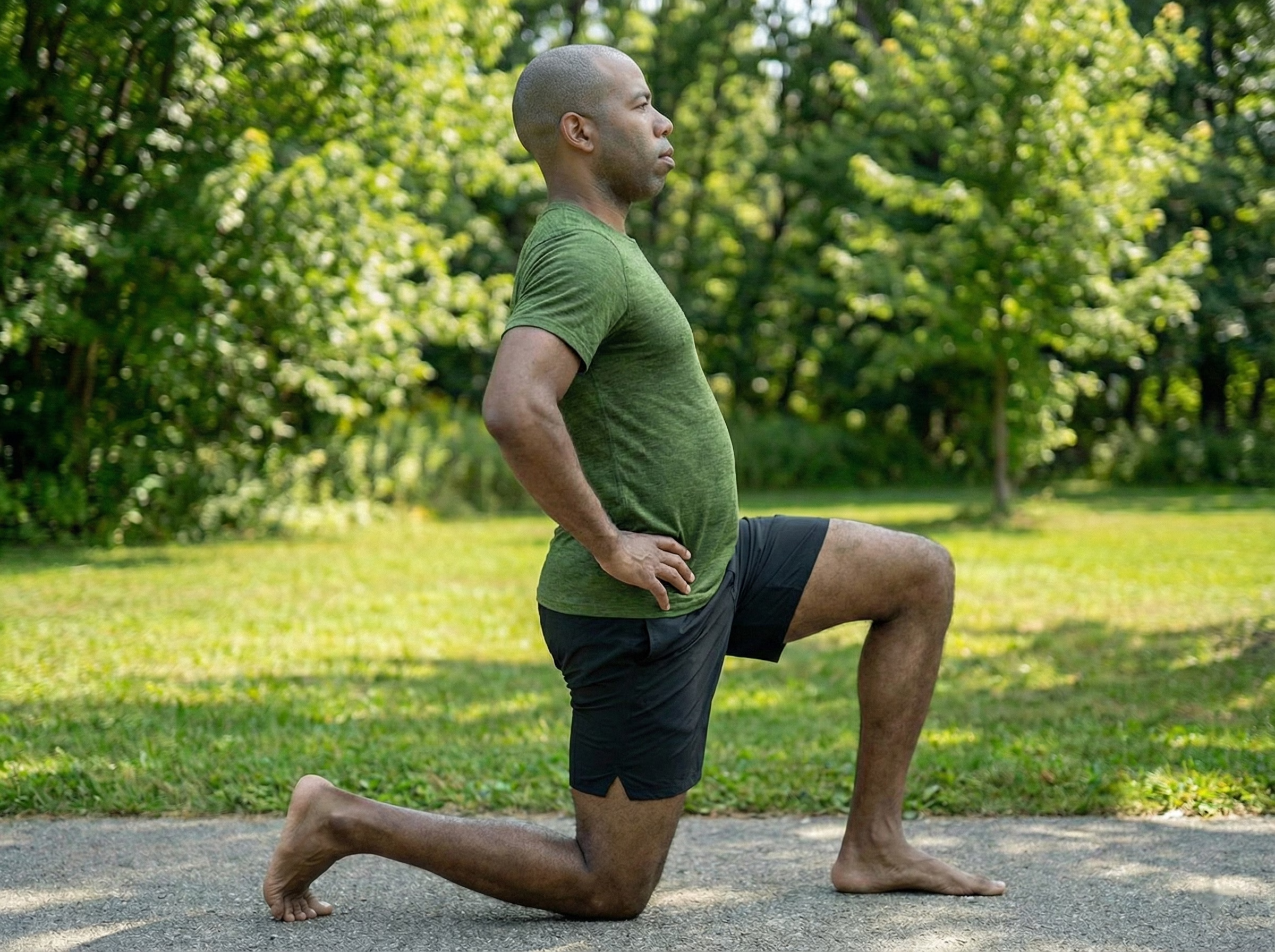
**Why it steals height:** Leaning forward reduces the demand on the hip flexor and allows the front of his thigh to relax. This fails to achieve the necessary length in the hip needed to pull his pelvis back into a neutral posture.
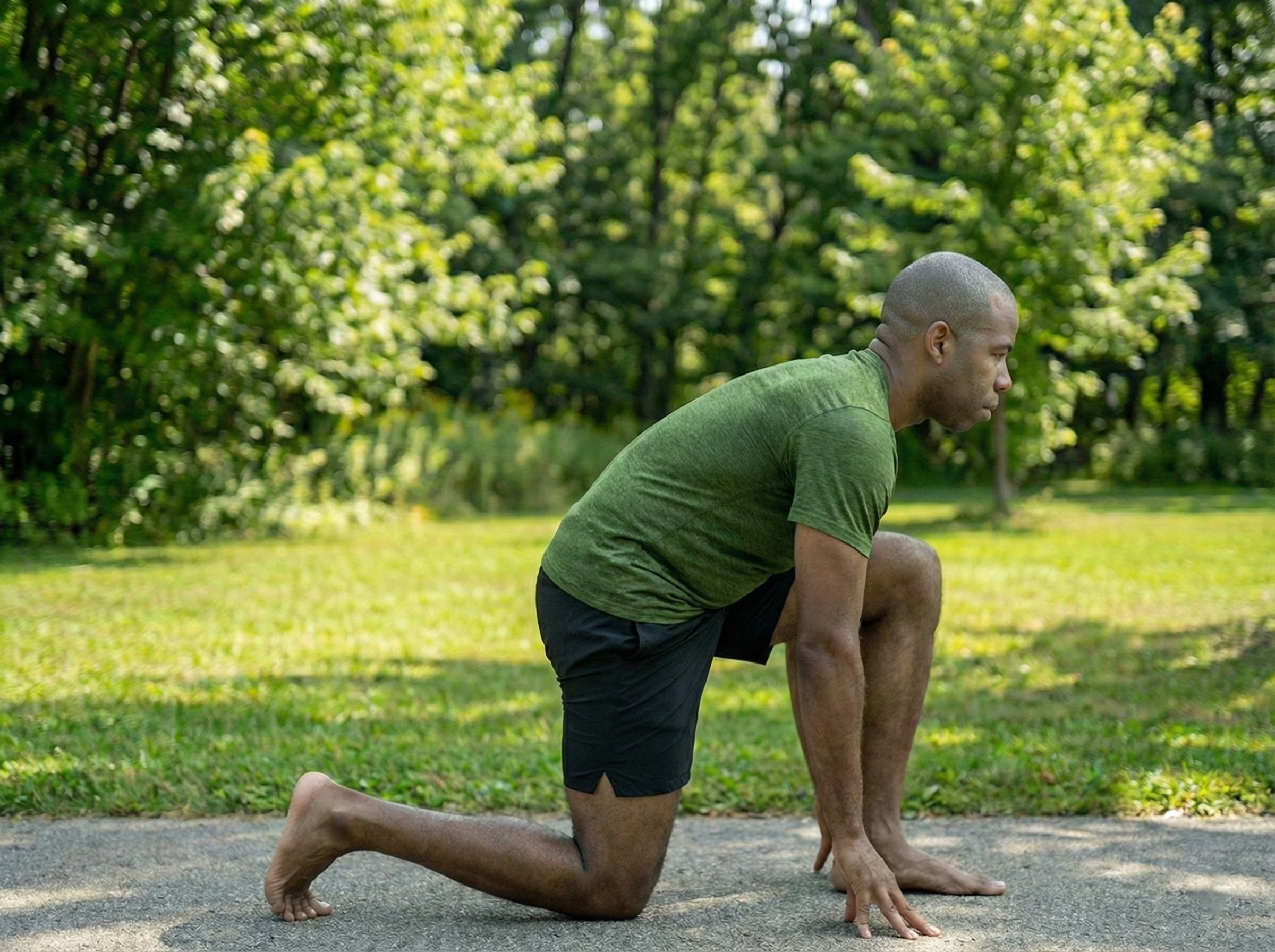
Pair With · Best Exercises to Pair With the Half-Kneeling Hip Flexor Stretch
Pair this stretch with core activation drills that teach his body to hold the new neutral pelvis position:
Release the tight hip flexors first (this drill), then use glute and core drills (Glute Bridge, Dead Bug) to stabilize his newly neutral pelvis. Finish with a standing posture drill (Tadasana) to reinforce the tall alignment.
FAQ · Common Questions About the Half-Kneeling Hip Flexor Stretch
-
Q1 He feels the stretch in his quadriceps (thighs), not his hip. Is that okay? ›Yes, that is completely normal. The Quadriceps is one of the hip flexor muscles this stretch targets. As his flexibility improves, the stretch will move higher and deeper into his hip crease. The important thing is that he maintains the posterior pelvic tilt (tuck) to keep his low back neutral.
-
Q2 How can he keep his torso tall without arching his back? ›He needs to focus on a *double check*: First, squeeze the glute of the kneeling leg and tuck his pelvis (posterior pelvic tilt). Second, actively draw his lower ribs down toward his belt line. If he lets his ribs flare out, his back will arch, and he loses the stretch.
-
Q3 How is this better than the standing quad stretch? ›The standing quad stretch easily allows him to arch his back and lose the pelvic alignment, making it inefficient. The Half-Kneeling position forces him to maintain a neutral spine (if he uses the pelvic tuck), isolating the hip flexors and making the stretch far more effective for postural improvement.