
Butterfly Stretch : .Open Tight Hips
Release internal hip tension that forces his pelvis to tuck or tilt, leading to slouching.
The Butterfly Stretch is a simple but essential exercise for opening the inner thighs and groin, which often stiffen from sitting. This unlocks the neutral pelvic position needed for a tall spine.
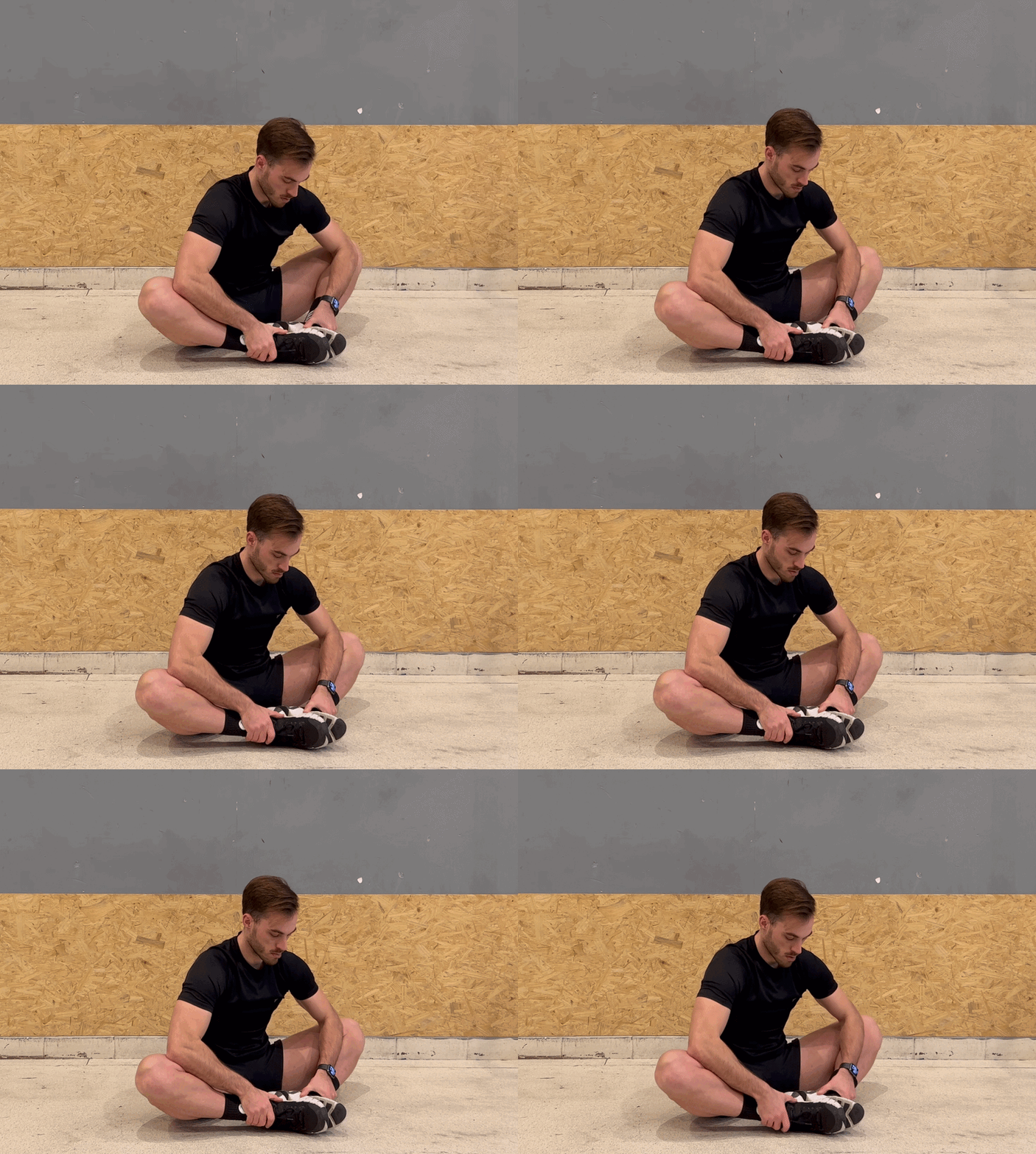
How to · How To Do the Butterfly Stretch
The goal is a gentle, sustainable stretch in the inner thigh while maintaining a long spine.
- Seated Setup: Start sitting tall on his mat with both legs extended straight out in front. Ensure he is sitting right on his sit bones (ischial tuberosities).
- Feet Together Position: Bend his knees and bring the soles of his feet together. Pull his heels as close to his groin as comfortable, allowing his knees to drop outward. Keep his spine upright in this position.
- Forward Hinge Stretch: Grip his feet or ankles lightly. Keeping his spine long and straight, slowly hinge forward from his hips (not his waist/chest). His chest should move toward his feet.
- Deepen the Stretch: If he needs more depth, he can gently press his elbows into his inner thighs, pushing the knees slightly further toward the floor. Stop the moment he feels a sharp or painful pull.
- Hold and Release: Hold the deep stretch for 30–60 seconds, using his breath to relax the inner thigh muscles. Slowly sit back up to exit the stretch.
- “Lead with his chest, not his chin, to keep his spine long.”
- “If his low back rounds, sit back up—a long spine is more important than a deep fold.”
- “Keep the stretch feeling active, not painful—use his breath to deepen.”
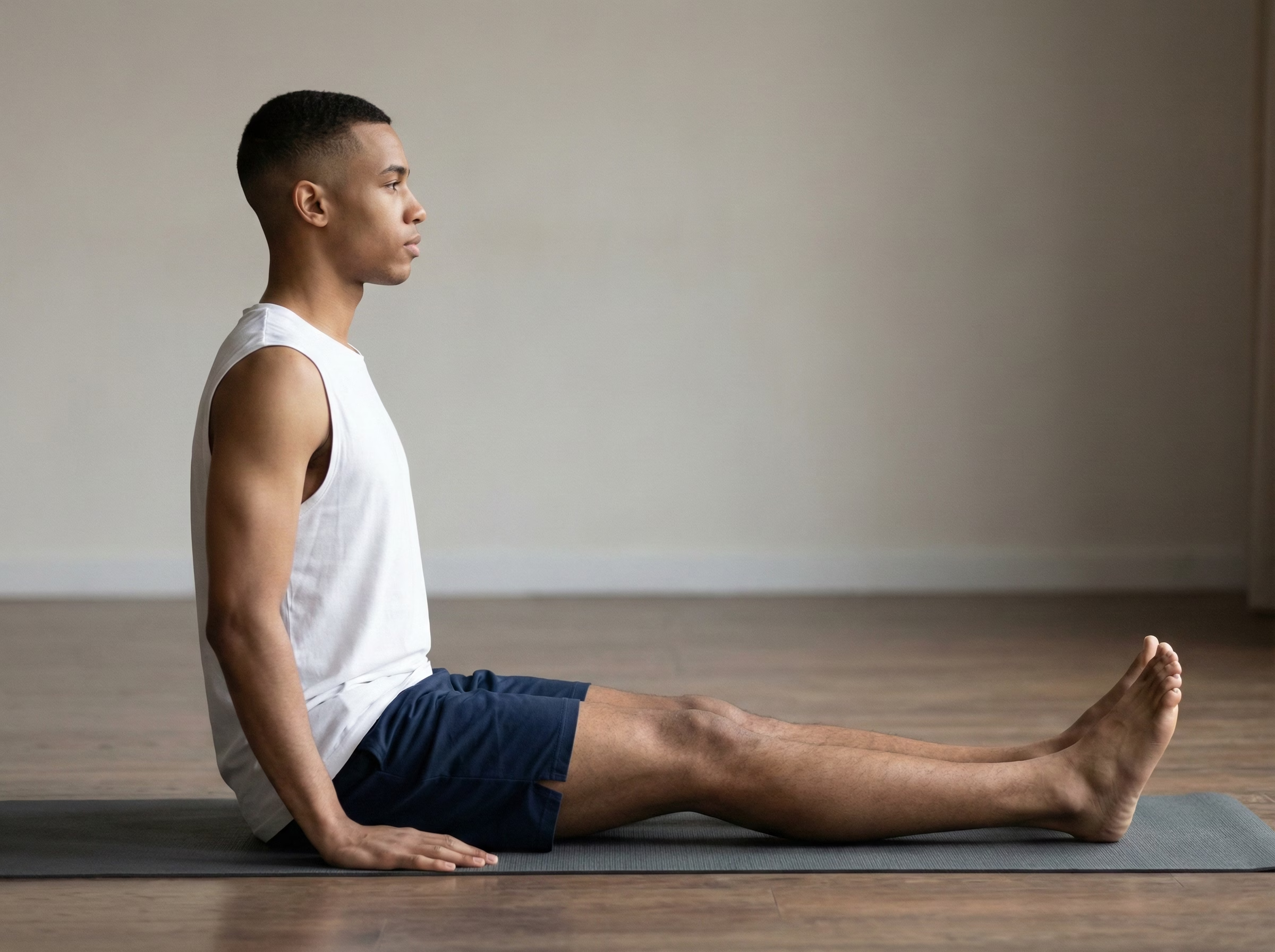
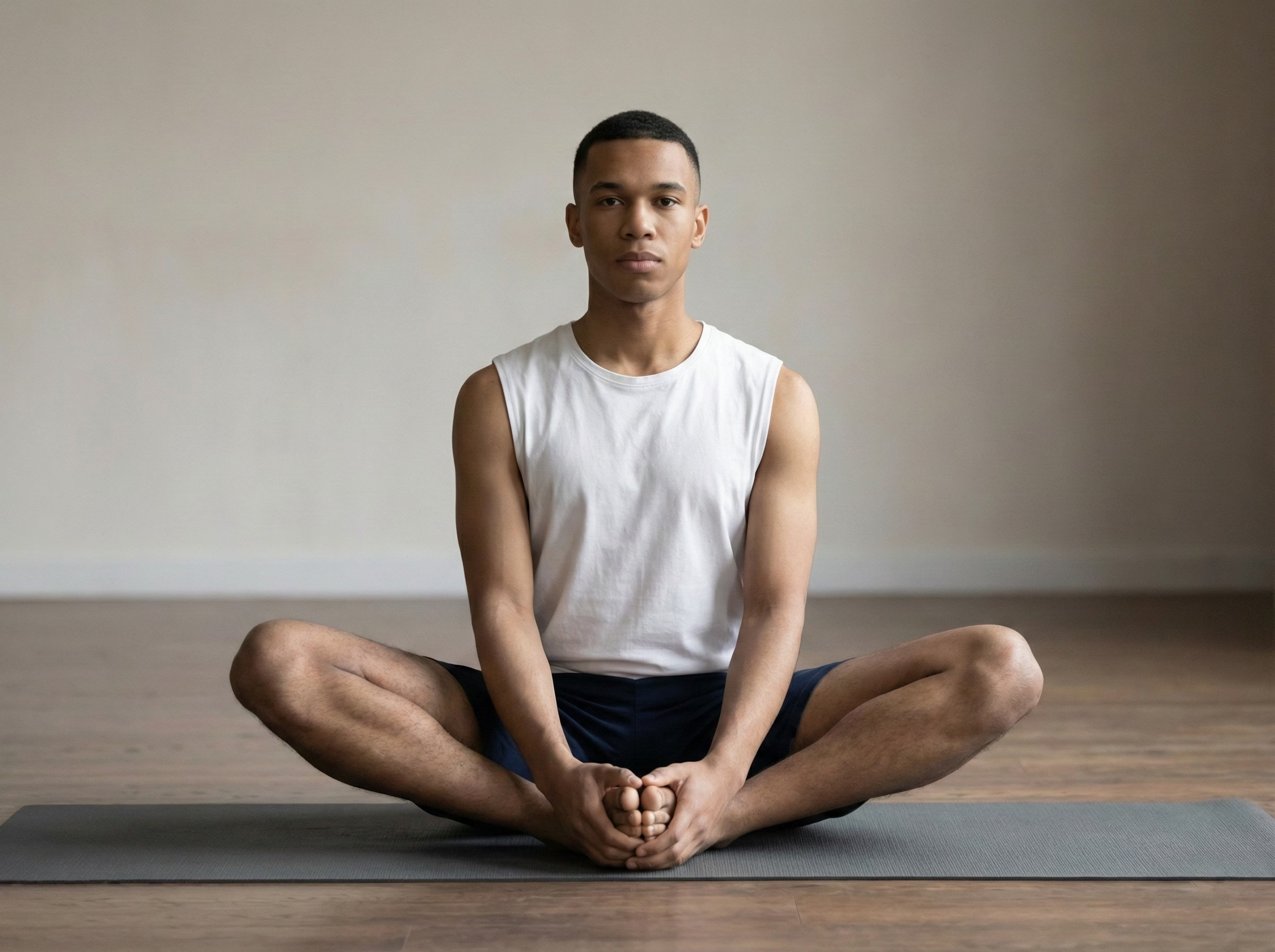
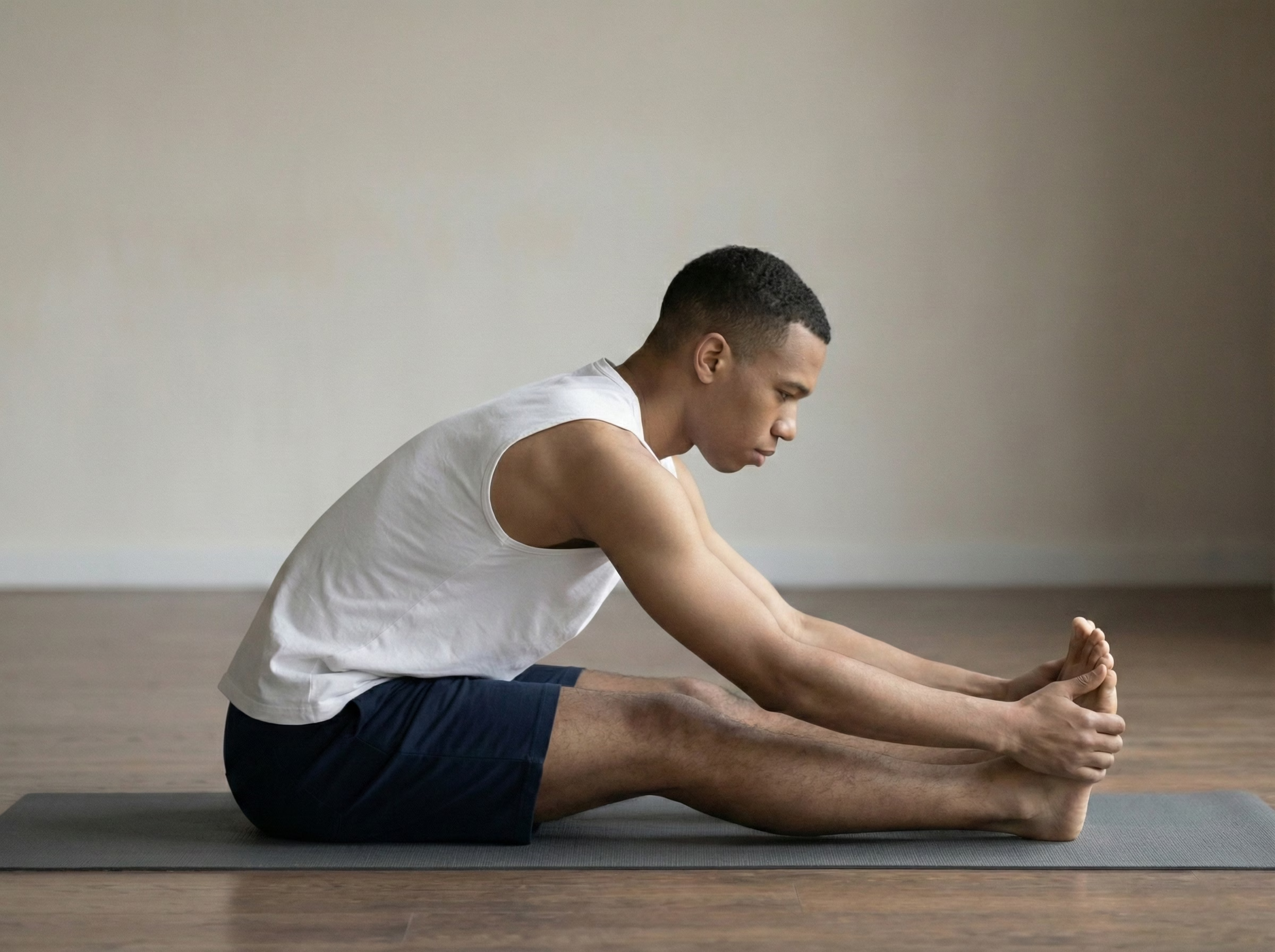
Holds & Frequency · Duration, Sets, and Weekly Plan (Height-Focused)
Long, relaxed holds are best for hip mobility and releasing deep connective tissue.
Tip: If his main goal is height, he must focus on keeping his spine long as he hinges, not rounding over. The goal is pelvic mobility, not hamstring flexibility.
Variations · Scaling the Stretch and Focus
Adjust his setup to target the stretch differently or make a deep forward fold easier to perform with a straight spine.
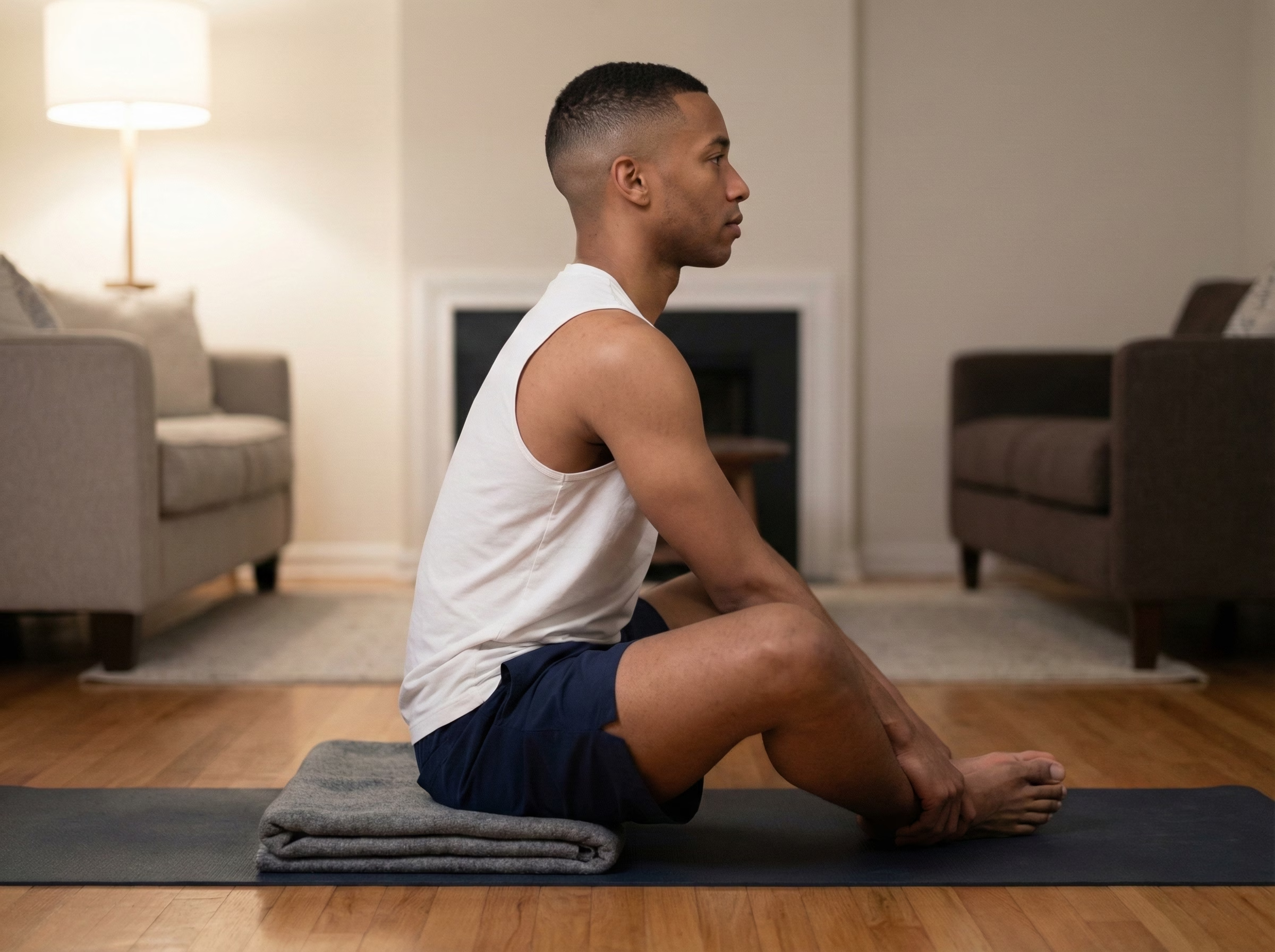
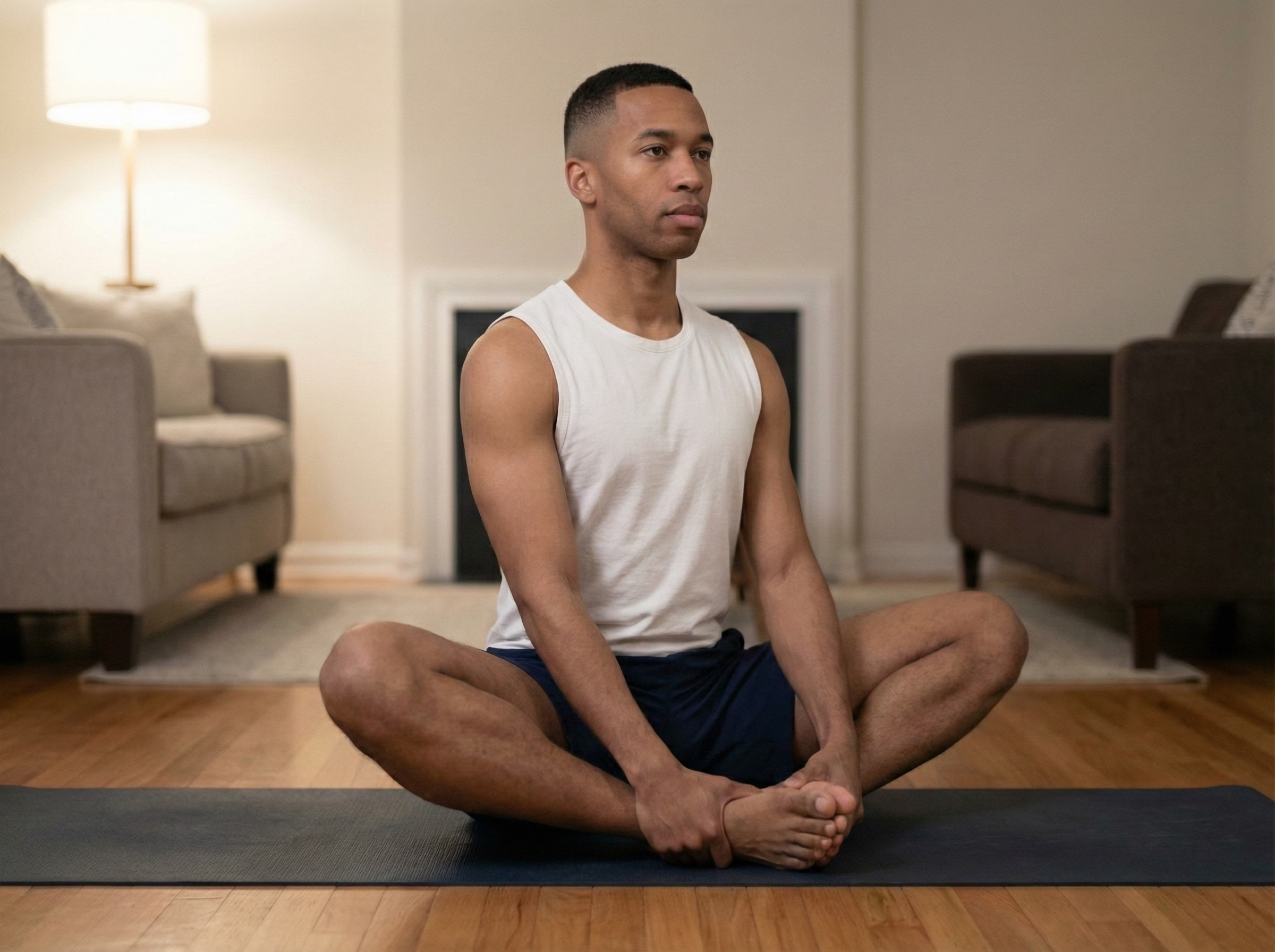
Height Impact · How Hip Mobility Enables a Tall Spine
- When the adductors (inner thighs) and hip flexors are chronically tight, they create a strong pull on the pelvis, preventing it from sitting in a neutral, vertical position when he stands.
- This tension often forces the low back to round or the pelvis to excessively tuck/tilt, which instantly shortens the lumbar curve and compresses the spine.
- By improving hip internal and external rotation and flexibility, the Butterfly Stretch allows the pelvis to "float" neutrally between the hips, providing the foundation for the spine to stack tall naturally (Tadasana).
- Hip mobility is an essential precursor to core stability; he can't stabilize a tall spine if the base (pelvis/hips) is stuck in a compromised position.
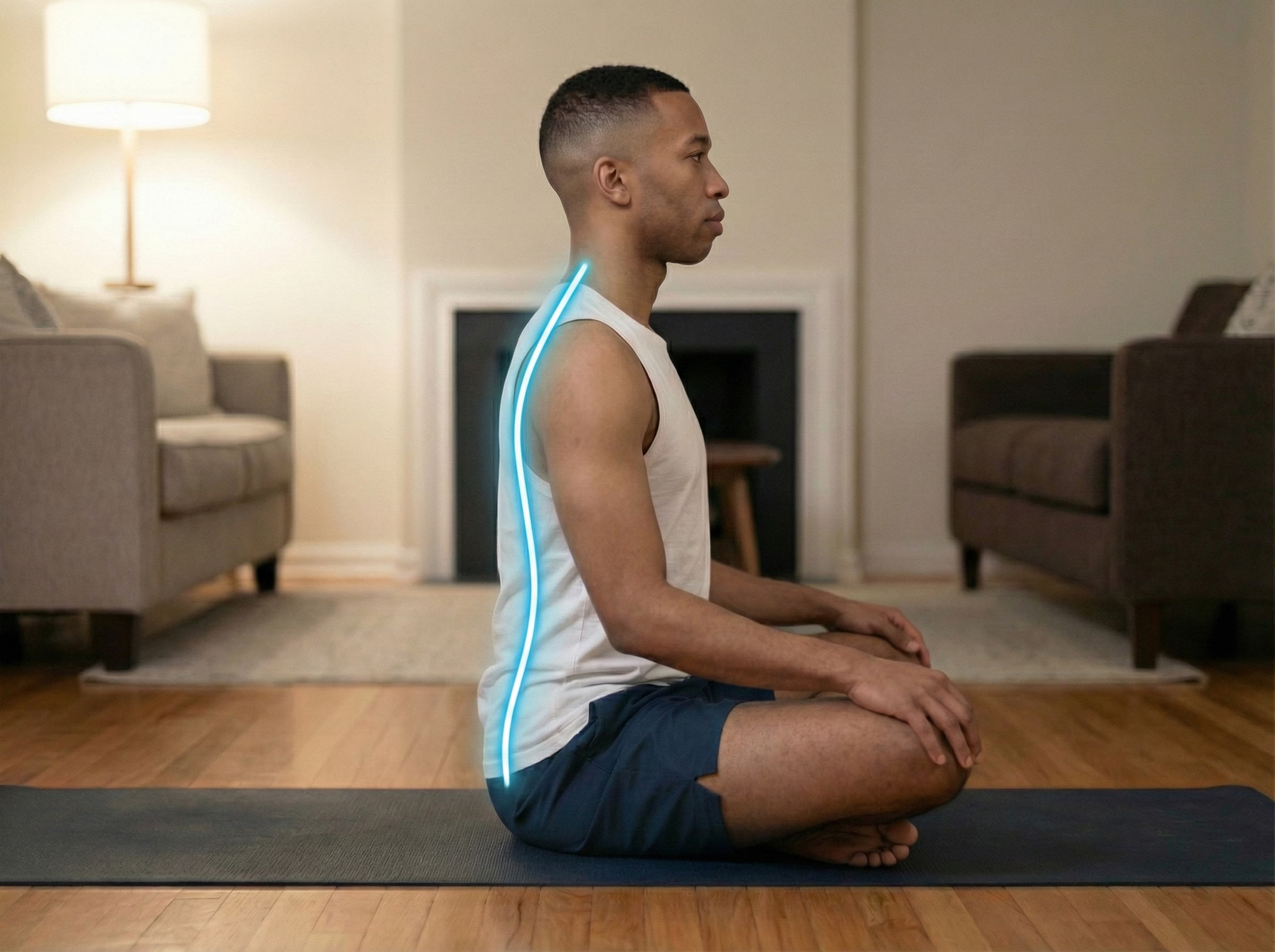
Panel 1 – Upright Seated Posture After Stretch
Side view of he sitting cross-legged on the mat after stretching, spine tall, pelvis neutral, shoulders relaxed, head stacked over torso. Add a soft light blue glow around his hips, inner thighs and lower spine to show how open hips help him sit taller. 4:3 aspect ratio, full body.
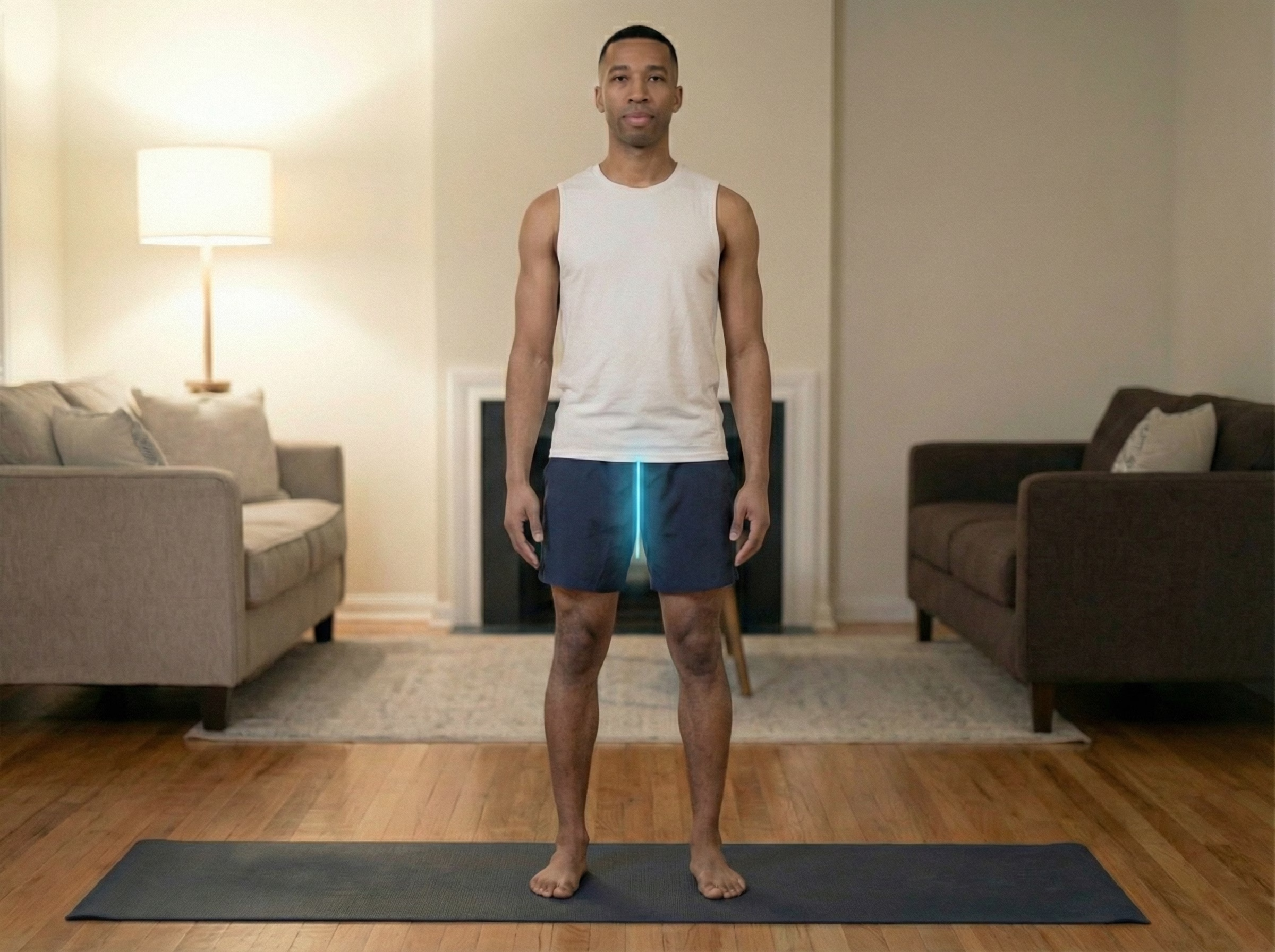
Panel 2 – Standing with Freer Hip Line
Front view of he standing on the mat, feet hip-width, knees tracking over toes, hips level, posture relaxed but tall. Add a soft light blue glow over his groin, inner thighs and pelvic region to show the improved hip mobility supporting his standing height. 4:3 aspect ratio, full body.
Form & Safety · Key Technique Cues, Precautions & Common Mistakes
- Always sit tall, maintaining the natural curve of his lower back before hinging.
- Hinge forward from the hips, initiating the movement with the chest, not the shoulders.
- Pull his heels as close as his mobility allows, but prioritize keeping his knees wide.
- Hold a comfortable, steady stretch; avoid bouncing or jerky movements.
Butterfly is low risk, but care should be taken to protect the knees and low back.
- If he has knee pain, place pillows or blocks under his knees for support.
- Never force the knees down with violent pushing; use gentle pressure from his hands/elbows.
- Avoid if he has acute groin, hip flexor, or knee ligament injuries.
- Rounding the lower back excessively while attempting to fold deeper.
- Letting the feet drift far away from the groin (which turns it into an ankle stretch).
- Using his elbows or hands to aggressively push his knees down to the floor.
- Bouncing in the stretch, which can irritate tendons and ligaments.
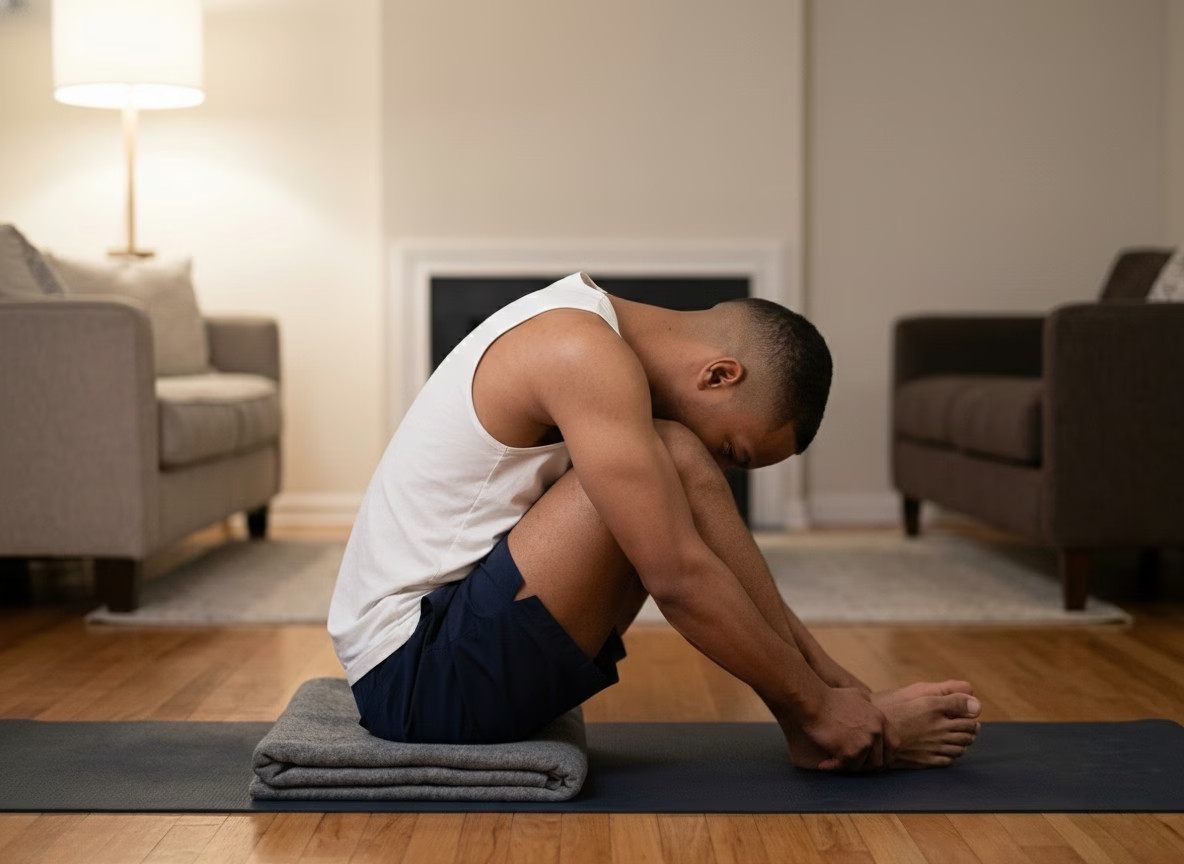
**Why it steals height:** Collapsing the spine rounds the lumbar region and actively compresses the mid-back. This entirely defeats the purpose of restoring a neutral spine, and the stretch is felt in the back and hamstrings, not the hips.
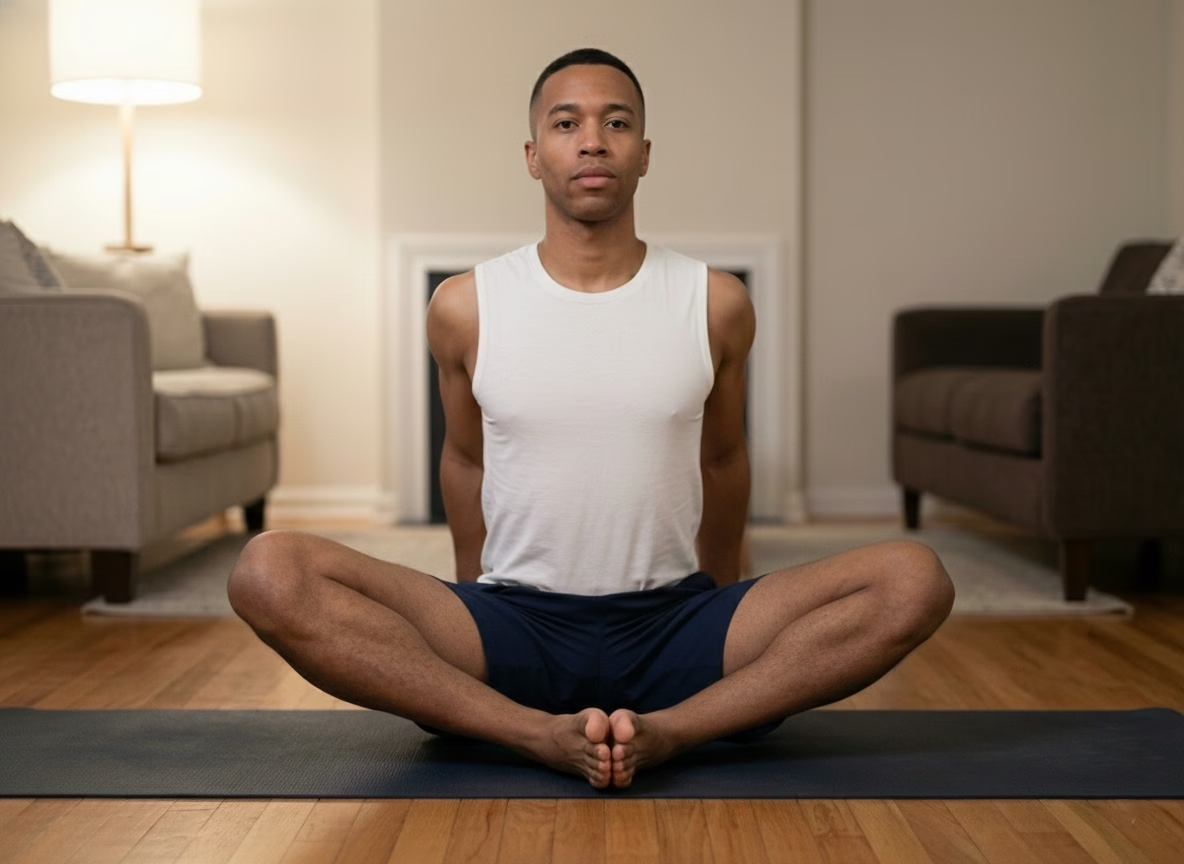
**Why it steals height:** If the feet are too far, the hips are not positioned to stretch the inner thigh effectively. The lack of hip engagement means he gains no mobility benefit necessary to neutralize his pelvis for standing tall.
Pair With · Best Exercises to Pair With the Butterfly Stretch
Pair Butterfly with drills that activate the core stability or teach tall posture once the hips are open:
Use Butterfly to *release* the hips, then immediately use core stabilization (Dead Bug, Glute Bridge) to teach the pelvis how to hold a neutral position, locking in his vertical gains.
FAQ · Common Questions About the Butterfly Stretch
-
Q1 Why is keeping his spine straight so crucial in this stretch? ›The goal of the Butterfly is to mobilize his hips for proper *pelvic* alignment. If he rounds his back to fold deeper, he moves the stretch to his hamstrings and ligaments while reinforcing the exact spinal slouch (flexion) he needs to fix for better standing height. A long spine ensures the stretch targets the hips correctly.
-
Q2 Should he push his knees down with his hands or elbows? ›He can use gentle, controlled pressure from his elbows or hands to deepen the stretch, but he should never use excessive force or bounce. The key is to keep the pressure steady and use his exhale to relax into the stretch. Aggressive pushing risks irritating his knee joints or hip ligaments.
-
Q3 He feels the stretch more in his lower back than his hips. What's wrong? ›This means his lower back is rounding. His hips are likely too tight to allow a clean forward hinge. He should revert to the Elevated Butterfly variation (sit on a cushion) to tilt his pelvis forward, which will allow him to maintain a straight spine and direct the stretch correctly into his inner thighs and hips.