
Wall Calf Stretch : .Fix Foundation Alignment
Release tight calves and Achilles tendons to instantly improve knee, hip, and spinal alignment.
Tight calves and lower legs force the knees and pelvis to compensate, leading to anterior pelvic tilt and poor posture. This stretch restores the foundational mobility needed for a perfect vertical stack.
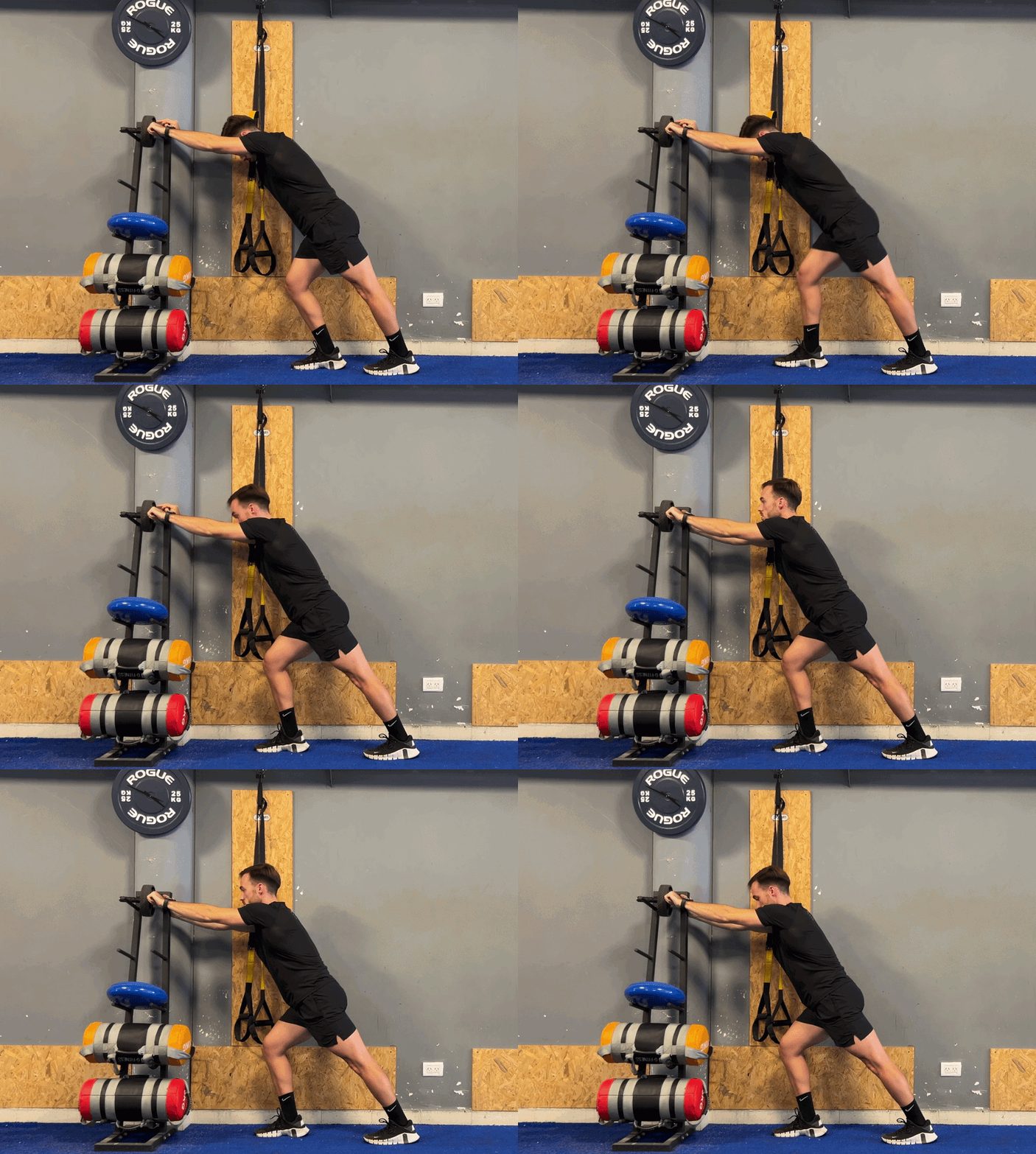
How to · How To Do the Wall Calf Stretch
This involves two distinct positions to target the upper (gastrocnemius) and lower (soleus) calf muscles.
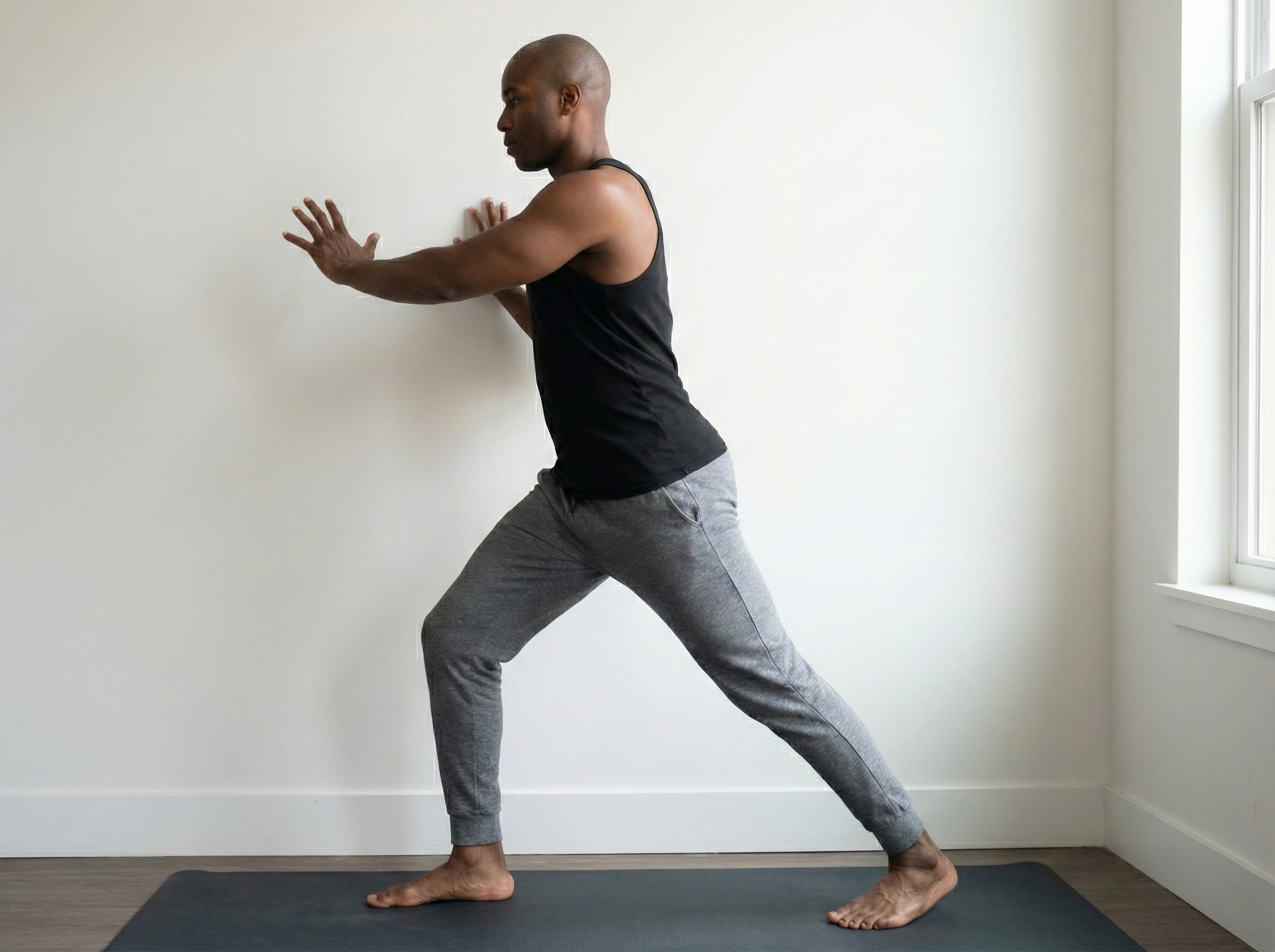
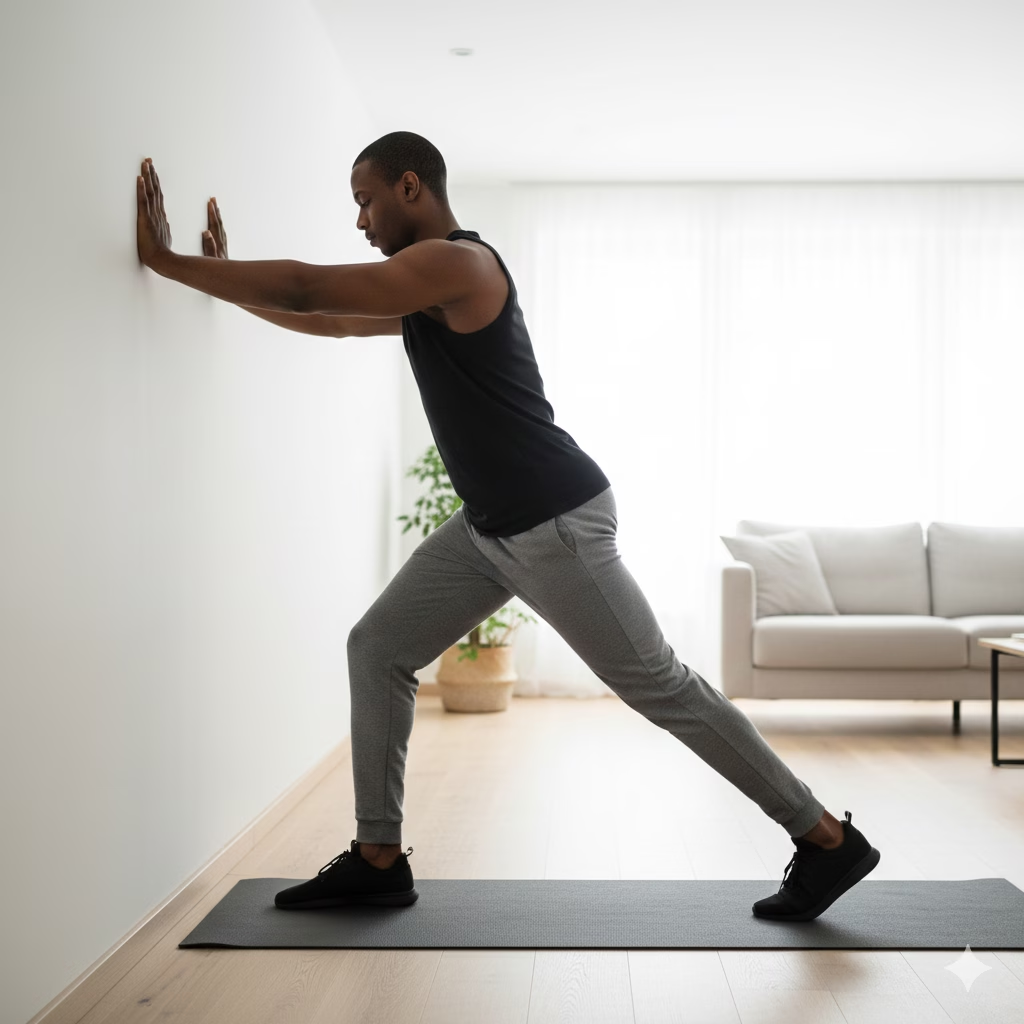
- Staggered Stance Setup: Stand facing a wall, placing his hands flat against the wall at chest height. Step one leg back (the stretching leg) and one leg forward (the supporting leg). Both feet should point straight toward the wall.
- Straight-Knee Calf Stretch (Upper Calf): Keep his back leg straight and his heel firmly pressed into the floor. Shift his body weight forward by bending his front knee until he feels a deep stretch in the upper part of his back calf. Hold this position for 30–60 seconds.
- Bent-Knee Calf Stretch (Lower Calf/Achilles): From the same staggered stance, slightly bend his back knee, ensuring his heel remains down. Lean his weight forward again until he feels the stretch move lower, toward his Achilles tendon and soleus muscle. Hold for 30–60 seconds.
- Focus on the Line: Throughout both stretches, ensure his back foot points straight forward and his back heel stays anchored. His torso should lean forward in one piece, avoiding a hunched back.
- Switch Sides: Repeat the full sequence (straight knee, then bent knee) on the opposite leg.
- “The back foot must point straight ahead to avoid twisting the knee.”
- “Keep the back heel heavy and rooted—lift the arch if he has to, but not the heel.”
- “Only shift forward far enough to feel tension, never pain.”
Holds & Frequency · Duration, Sets, and Weekly Plan (Height-Focused)
Long, consistent static holds are necessary to lengthen the dense calf tissues effectively.
Tip: Calves are very strong and dense. He needs the 30-60 second hold to overcome the neural resistance and achieve genuine tissue lengthening.
Variations · Targeting Different Calf Muscles
The knee position is key to isolating the major muscles in the lower leg.
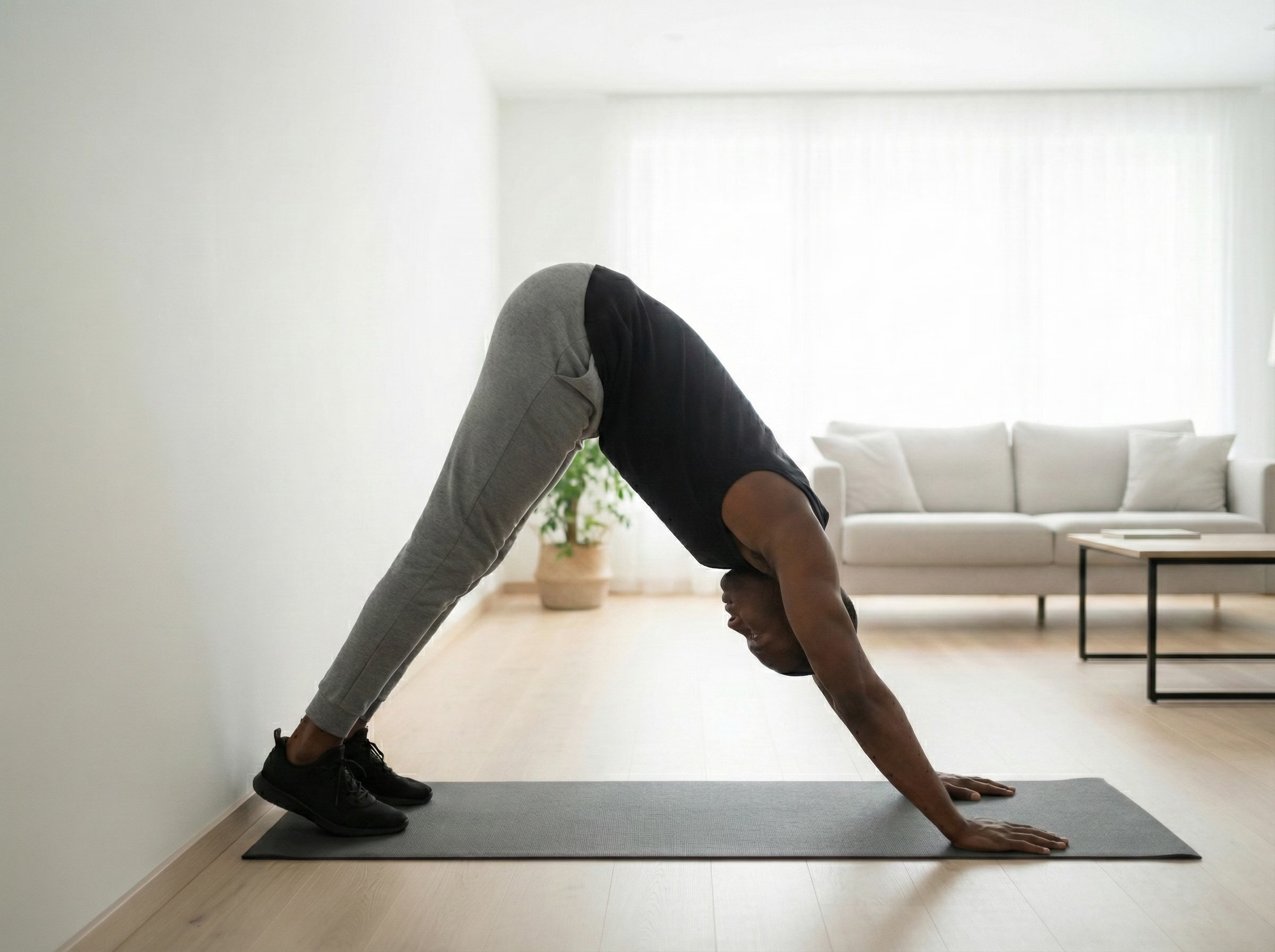
Height Impact · How Lower Leg Flexibility Improves Posture
- Tight calves often pull the heel up, leading to knee hyper-extension (locked knees) and forcing the pelvis to tilt forward (anterior pelvic tilt).
- This forward pelvic tilt creates an excessive arch in the lower back (swayback), which is a shorter, compressed spinal position that steals height.
- By ensuring the calves and Achilles are flexible, he can comfortably plant his entire foot on the ground, allowing his knees and hips to stack neutrally beneath his torso when he stands.
- A flexible base prevents the body from relying on compressive compensation patterns, providing the stable foundation needed to hold a tall, decompressed posture throughout the day.
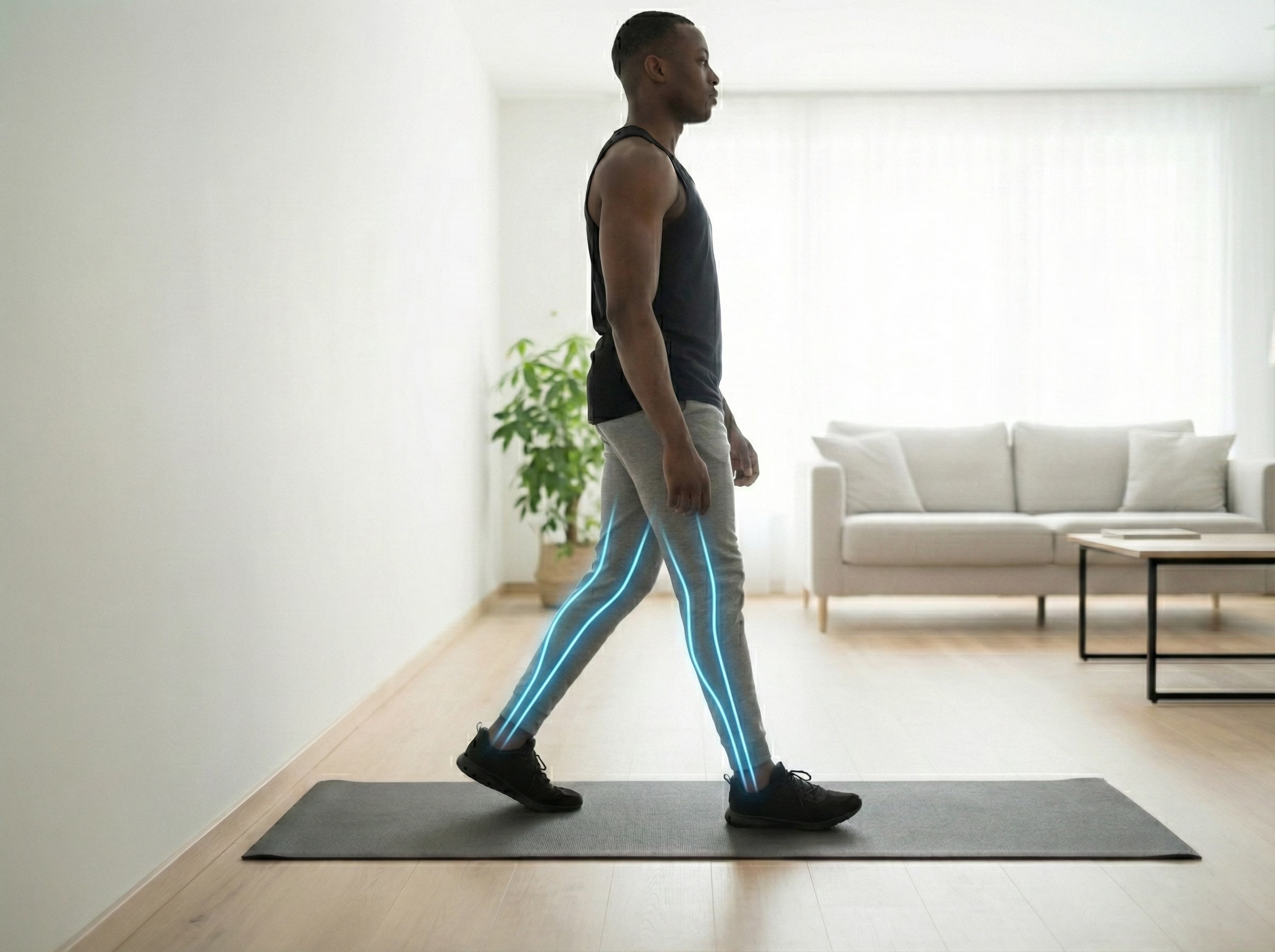
Panel 1 – Smooth Stride Posture
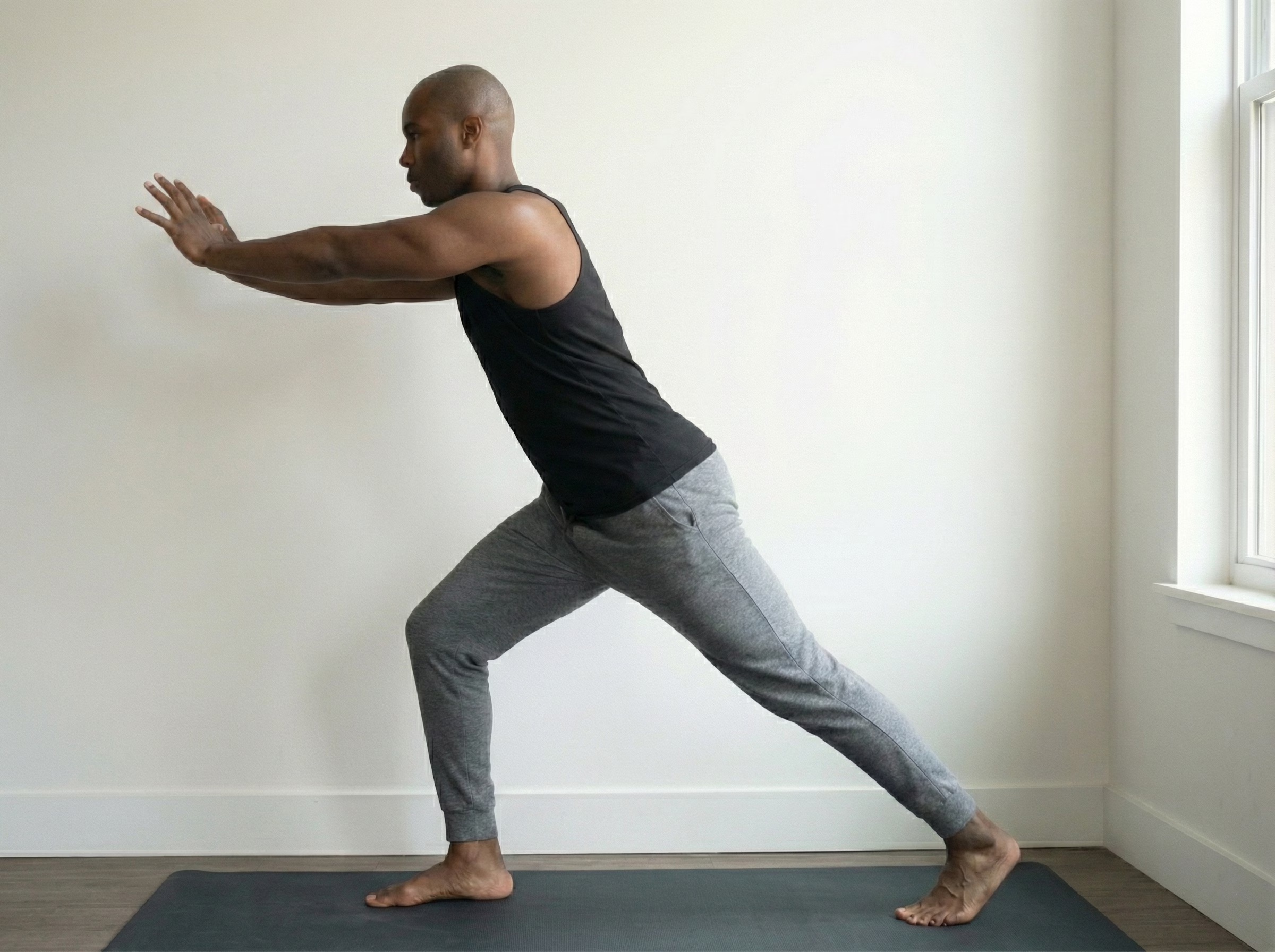
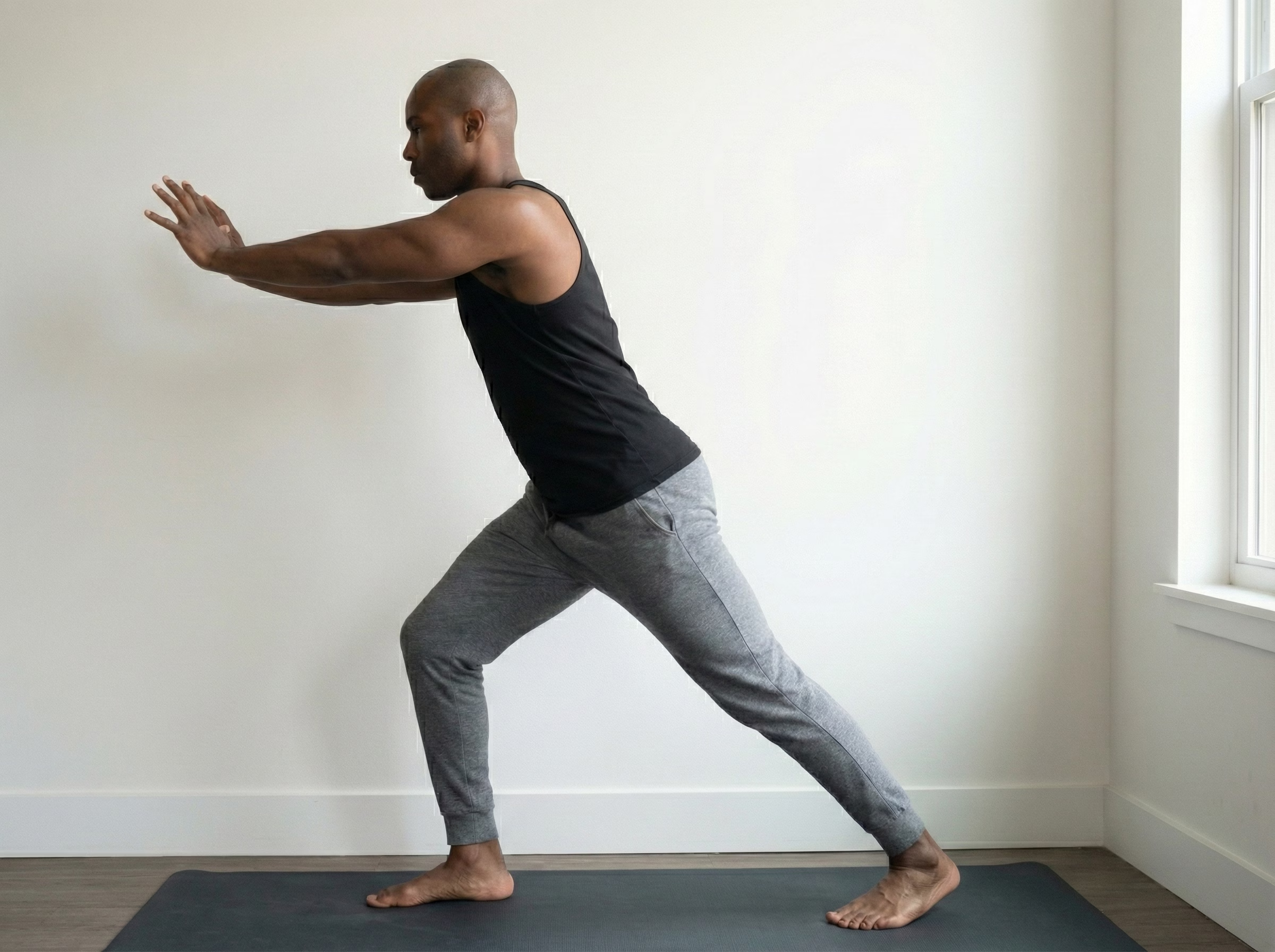
Side view of he taking a small walking step on the mat, front heel landing, back heel just lifting, ankles moving freely, torso upright and balanced over feet. Add a soft light blue glow around both calves and ankles to show improved lower-leg mechanics helping posture. 4:3 aspect ratio, full body.
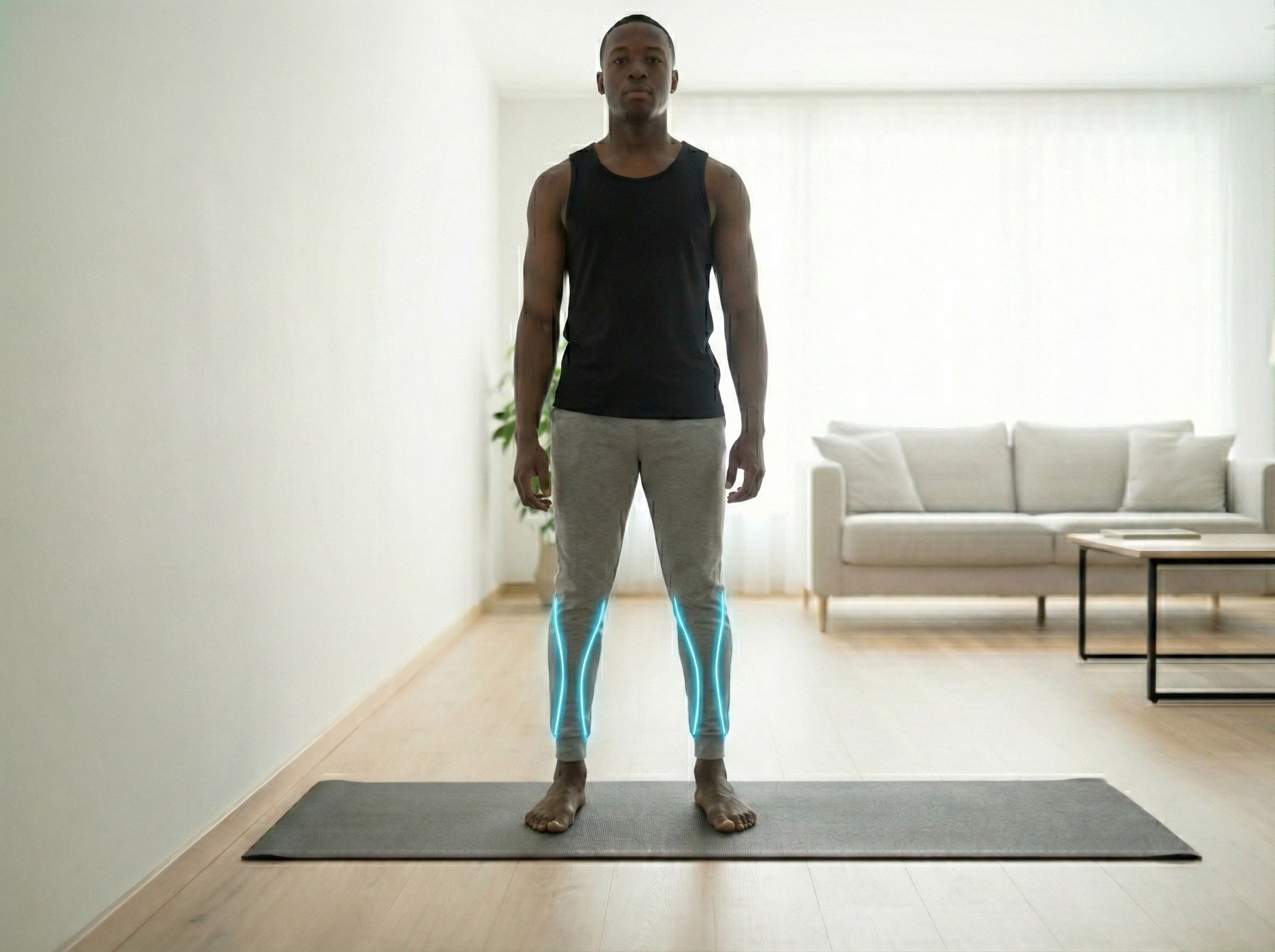
Panel 2 – Standing Tall with Heels Flat
Front or side view of he standing in a relaxed posture near the wall, both heels fully on the floor, knees straight but not locked, hips stacked, chest open. Add a soft light blue glow around his ankles, calves, and lower shins to connect calf flexibility to a stable, tall stance. 4:3 aspect ratio, full body.
Form & Safety · Key Technique Cues, Precautions & Common Mistakes
- Keep his back heel rooted firmly to the floor at all times, no matter how deep the stretch.
- Ensure his back foot and knee point straight forward—avoid turning the foot out.
- Shift his entire body weight forward to load the stretch efficiently.
- Hold the stretch passively for the full duration (30-60 seconds) without bouncing.
This stretch is safe, but avoid pushing through sharp heel or Achilles pain.
- If he has Achilles tendonitis or plantar fasciitis, keep the stretch very gentle and consult a professional.
- Never allow the heel to lift, as this introduces shear forces into the knee and ankle joints.
- Avoid if he has acute knee or ankle injuries.
- Lifting his back heel to gain more stretch depth (the heel must stay down).
- Turning his back foot outward, which misaligns the knee and ankle.
- Rounding his lower back; he should lean from his ankles/hips, keeping his spine straight.
- Bouncing or pulsing in the stretch, which irritates tendons.
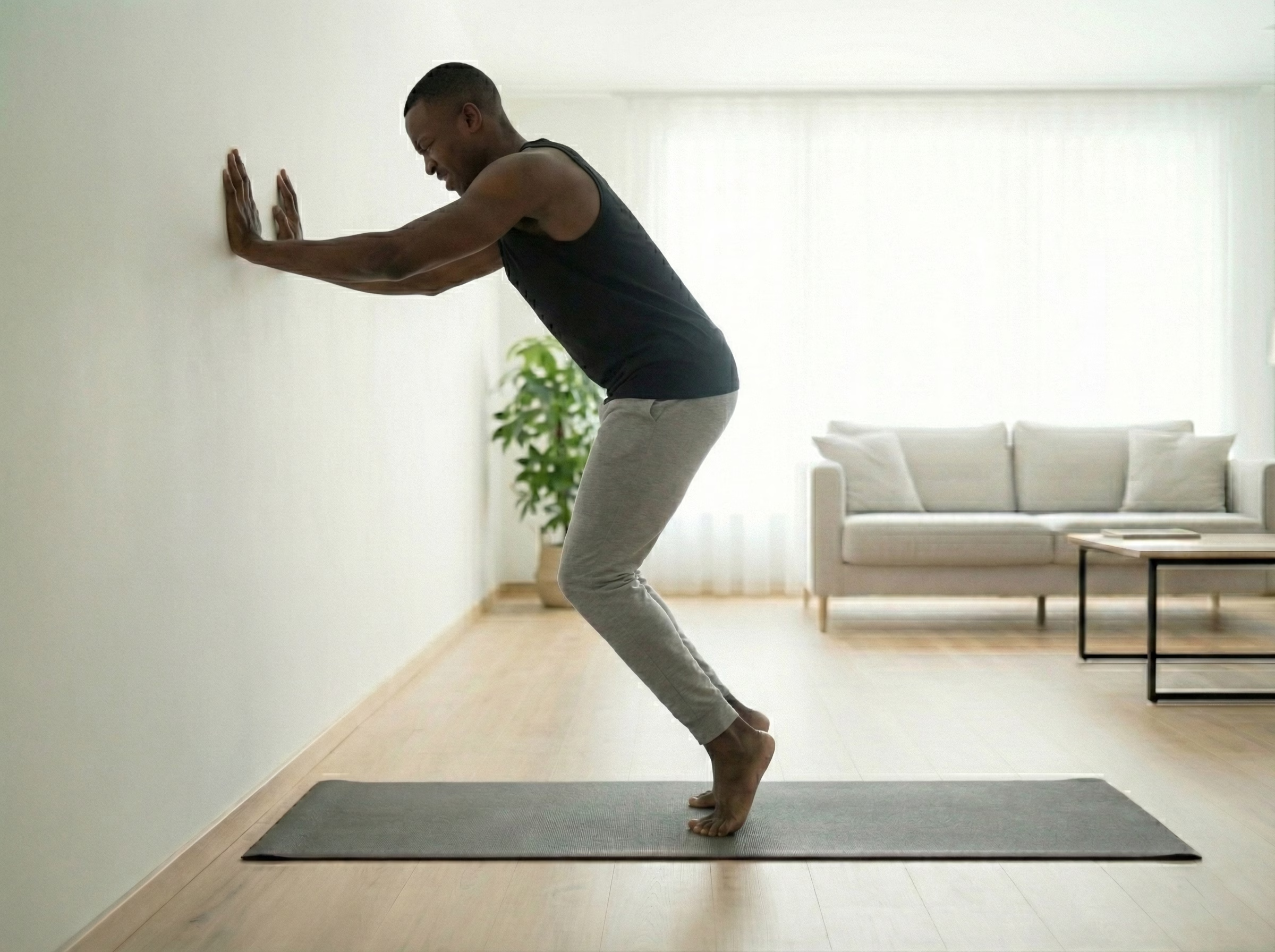
**Why it steals height:** The moment the heel lifts, the stretch is lost, and he is compensating for lack of mobility. This position fails to lengthen the calf, thus preserving the stiffness that compromises his overall vertical alignment.
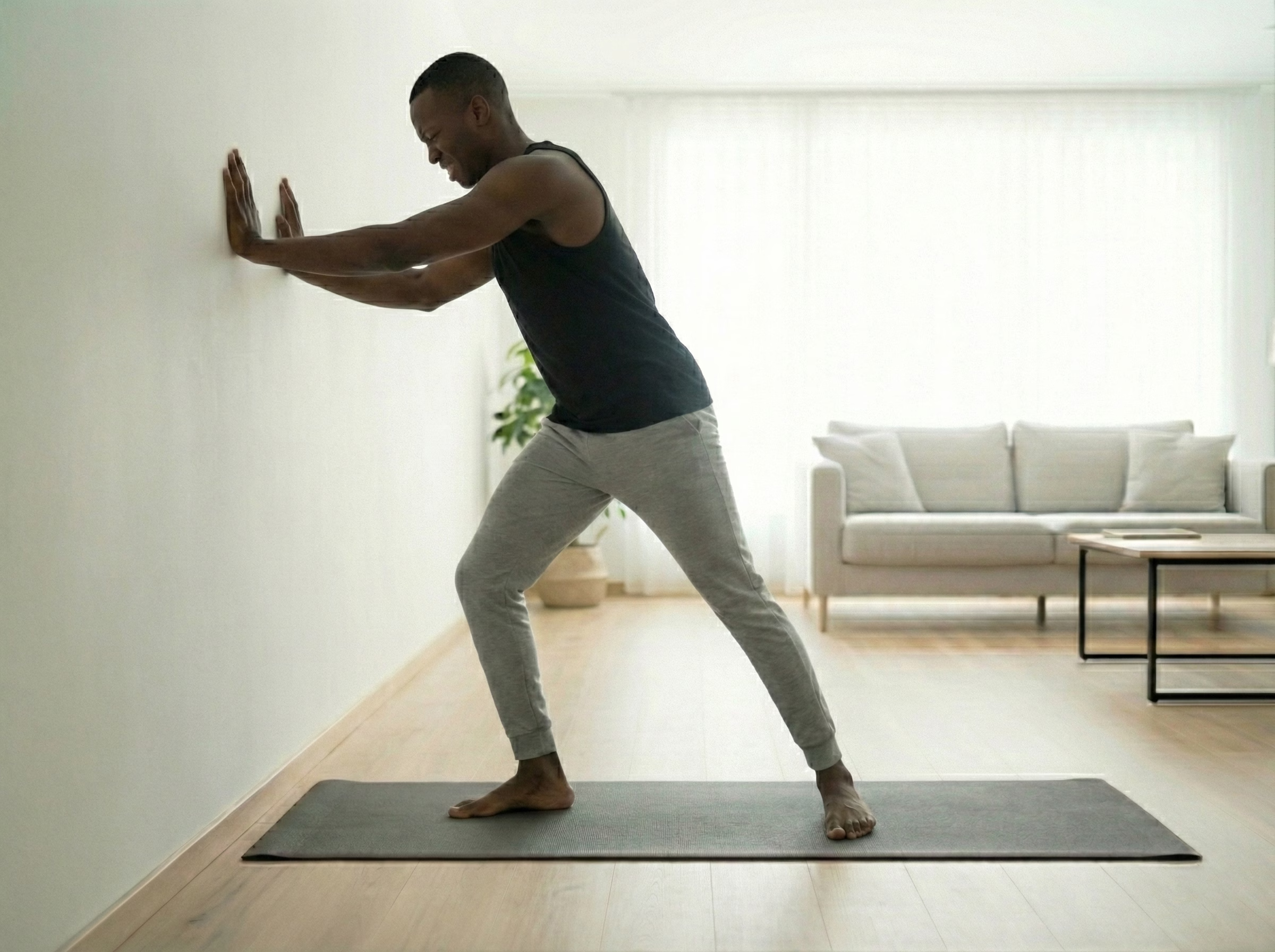
**Why it steals height:** Turning the foot out twists the knee and ankle, placing strain on the joints while failing to stretch the calf tissues in a functional, straight line. This reinforces bad standing mechanics.
Pair With · Best Exercises to Pair With the Calf Stretch Wall
Pair this foundational mobility work with standing and hip alignment drills to lock in the postural benefit:
Use the calf stretch to open his lower legs, then perform a quick ankle mobility drill (Dorsiflexion Mobilisation), and immediately follow with a posture reset to utilize the improved range of motion in his full vertical stack.
FAQ · Common Questions About the Calf Stretch Wall
-
Q1 Why do I need to do two different stretches for the calf? ›The calf is made up of two major muscles: the superficial gastrocnemius and the deeper soleus. The gastrocnemius is stretched with a straight knee (Step 2), and the soleus is stretched with a bent knee (Step 3). Since they both affect ankle mobility and vertical alignment, he needs to target both for full lower-leg release.
-
Q2 If he can't get his heel down, what should he do? ›If his heel lifts, he has reached the end of his mobility. He should step his back foot closer to the wall until he can press his heel firmly onto the floor, and then hold that position. Never force the stretch by allowing the heel to lift, as this causes him to lose the benefit and reinforces a poor standing pattern.
-
Q3 He feels a burning sensation in his ankle, not his calf. Is that normal? ›A burning or sharp sensation, especially in the front of the ankle, is a sign that he is pushing too hard into the joint capsule instead of stretching the muscle. He needs to immediately reduce the depth of the stretch and ensure he is leaning his entire body forward from the hips and ankles, keeping his back straight.