
Side Plank : .Fix Spinal Lean
Lock in your lateral line to prevent scoliotic drift and leaning.
Side Plank strengthens the obliques and quadratus lumborum—the muscles that keep your spine upright and prevent you from collapsing to one side.
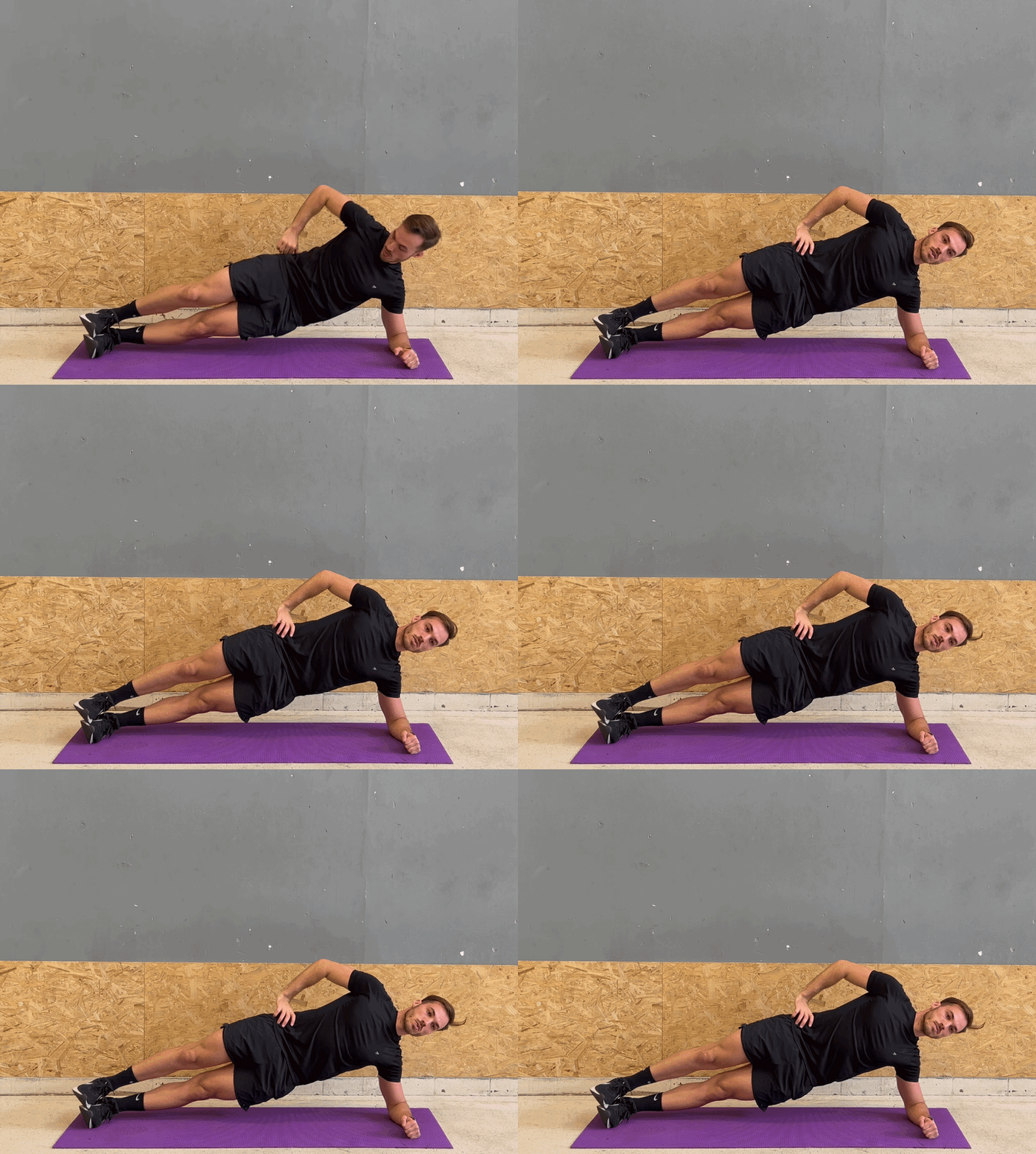
How to · How To Do The Side Plank
Build the lateral strength needed to keep your spine stacked straight.
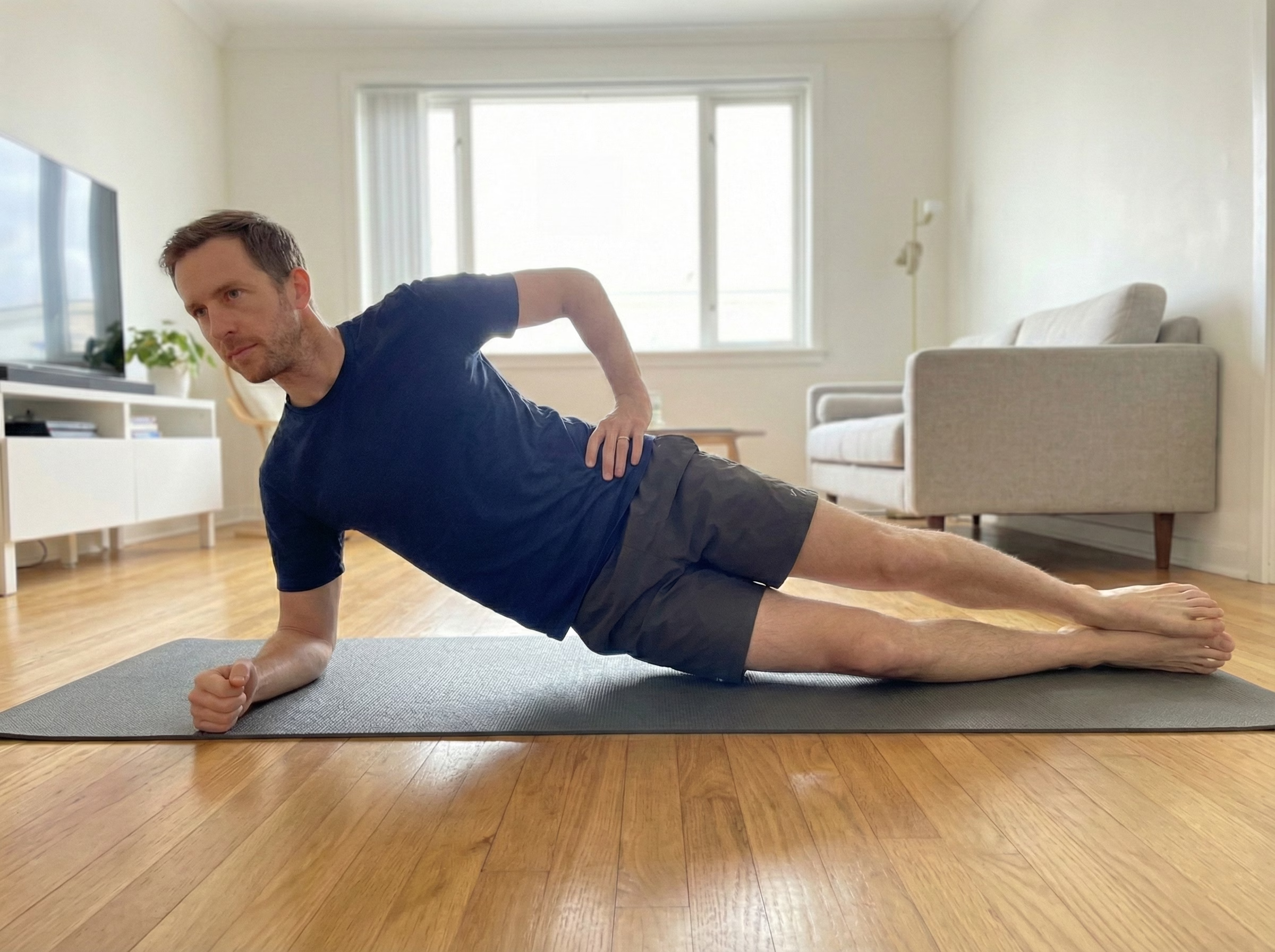
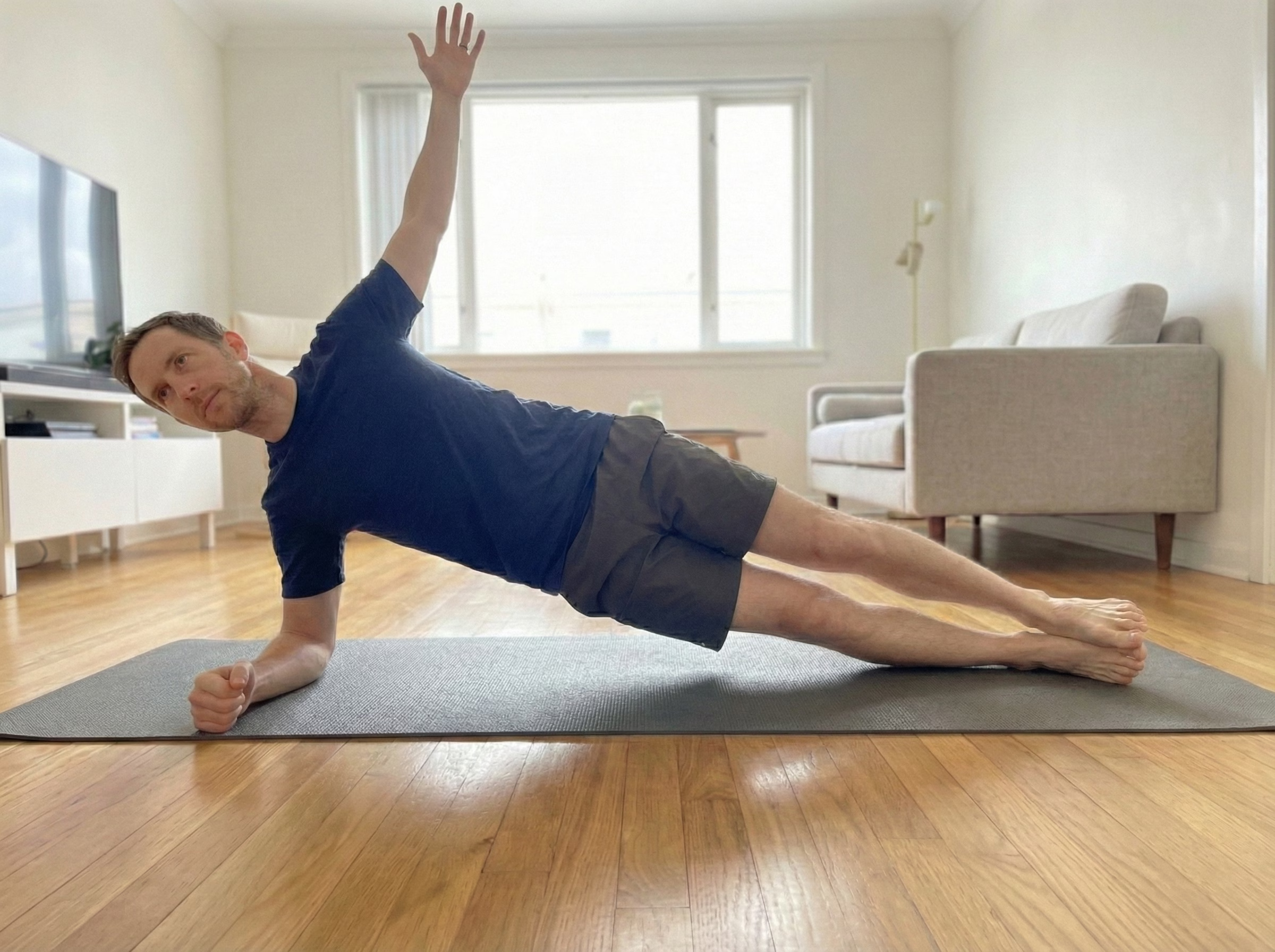
- Lie on Side: Start by lying on your right side. Stack your legs and feet. Place your right elbow directly under your shoulder.
- Align Body: Ensure your head, shoulders, hips, and heels are in one straight line. Engage your core before you lift.
- Lift Hips: Press your forearm into the floor and lift your hips until your body forms a straight diagonal line.
- Hold: Keep your chest open and hips high. Don't let your top shoulder roll forward. Breathe steadily.
- Switch: Lower with control and repeat on the other side.
- “Push the floor away with your elbow.”
- “Lift your bottom hip toward the ceiling.”
- “Keep your chest facing the wall, not the floor.”
Flow & Sets · Reps, Sets & Frequency (Height-Focused)
Consistency builds the endurance needed for all-day posture.
Tip: In the Height app, we prioritize form over duration. A perfect 20-second hold is better than a sagging 60-second hold.
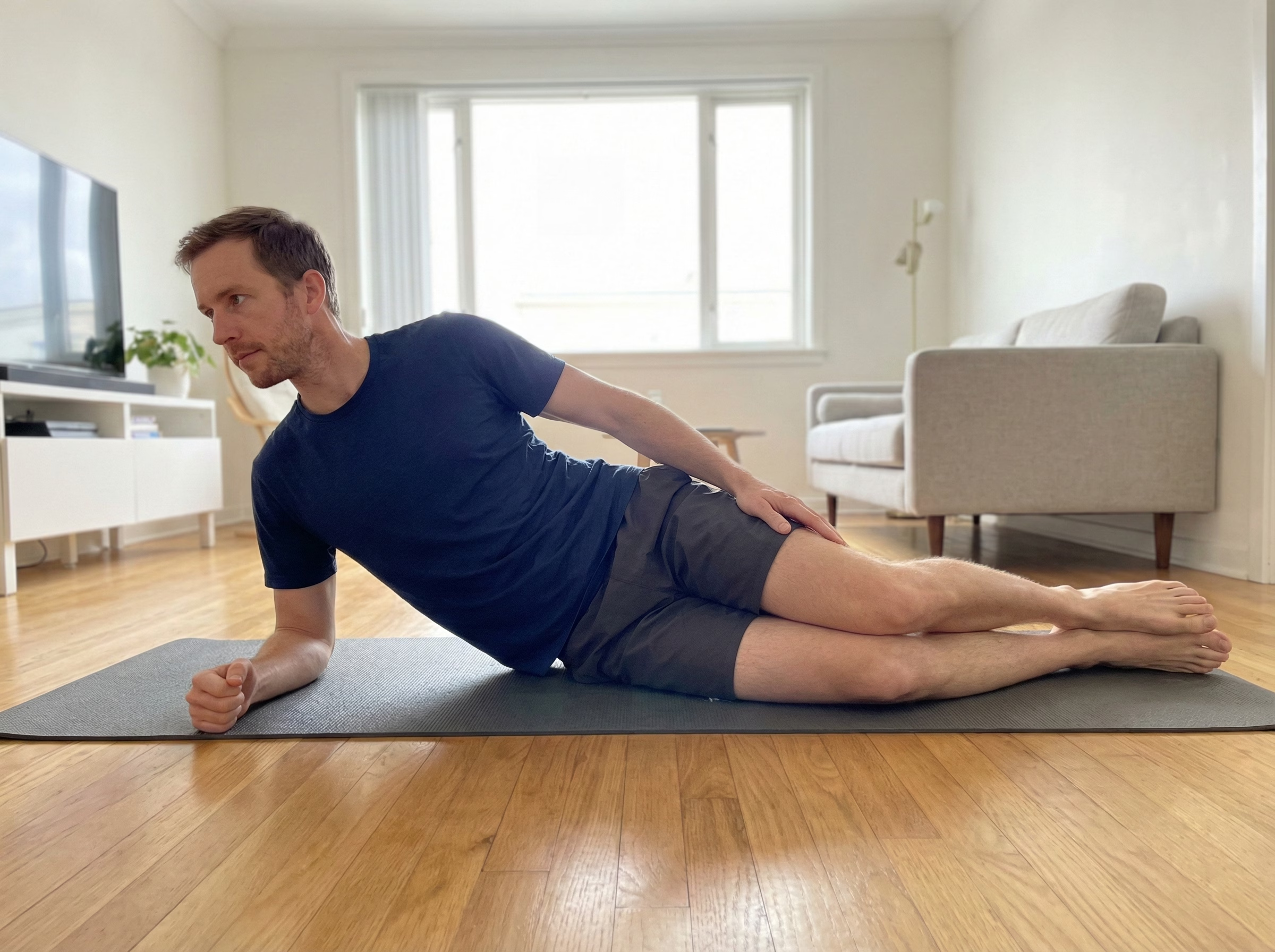
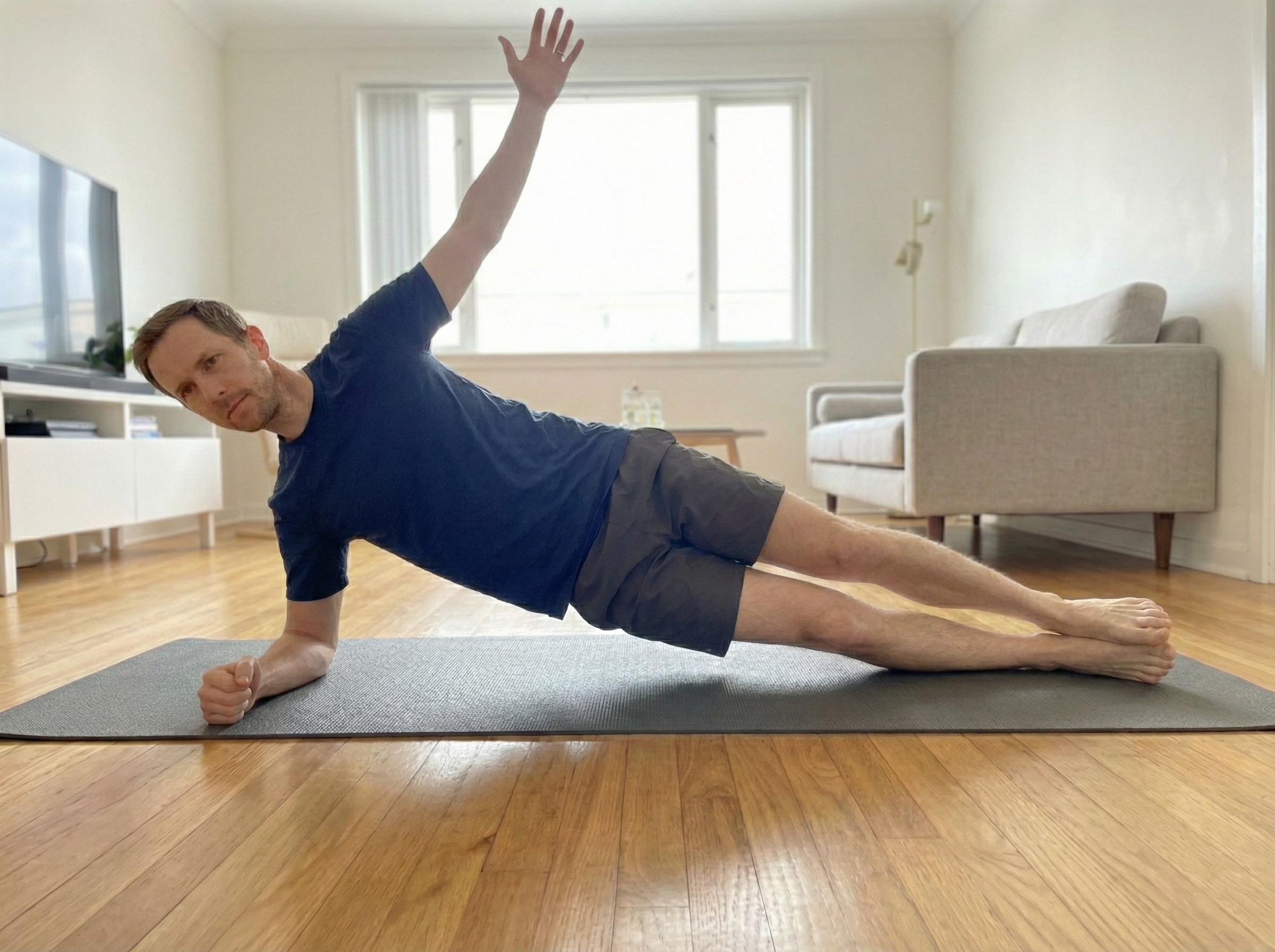
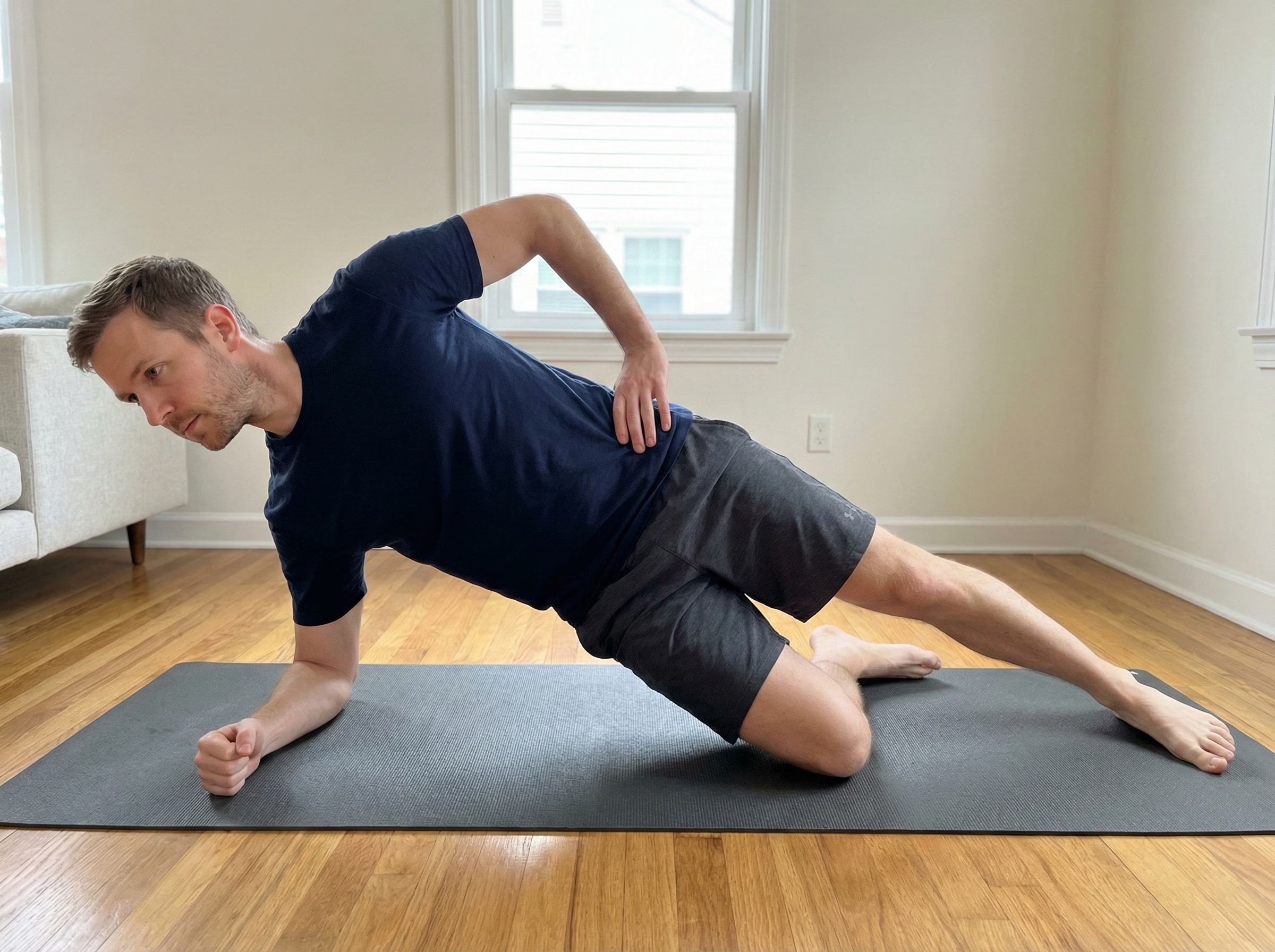
Variations · Scaled For Your Strength
Adjust the leverage to match your current core stability.
Height Impact · How Side Plank Supports Your Height Line
- When oblique muscles are weak, the spine can drift sideways (scoliotic drift) or you may lean to one side when tired.
- Side Plank acts as a corset, tightening the waist and supporting the spine from both sides.
- This lateral strength ensures that when you stand tall, your pelvis stays level and your ribs stack directly over your hips.
- Straightening these subtle lateral curves can help you appear taller and reclaim 0.5–1.0 cm of height lost to imbalance.
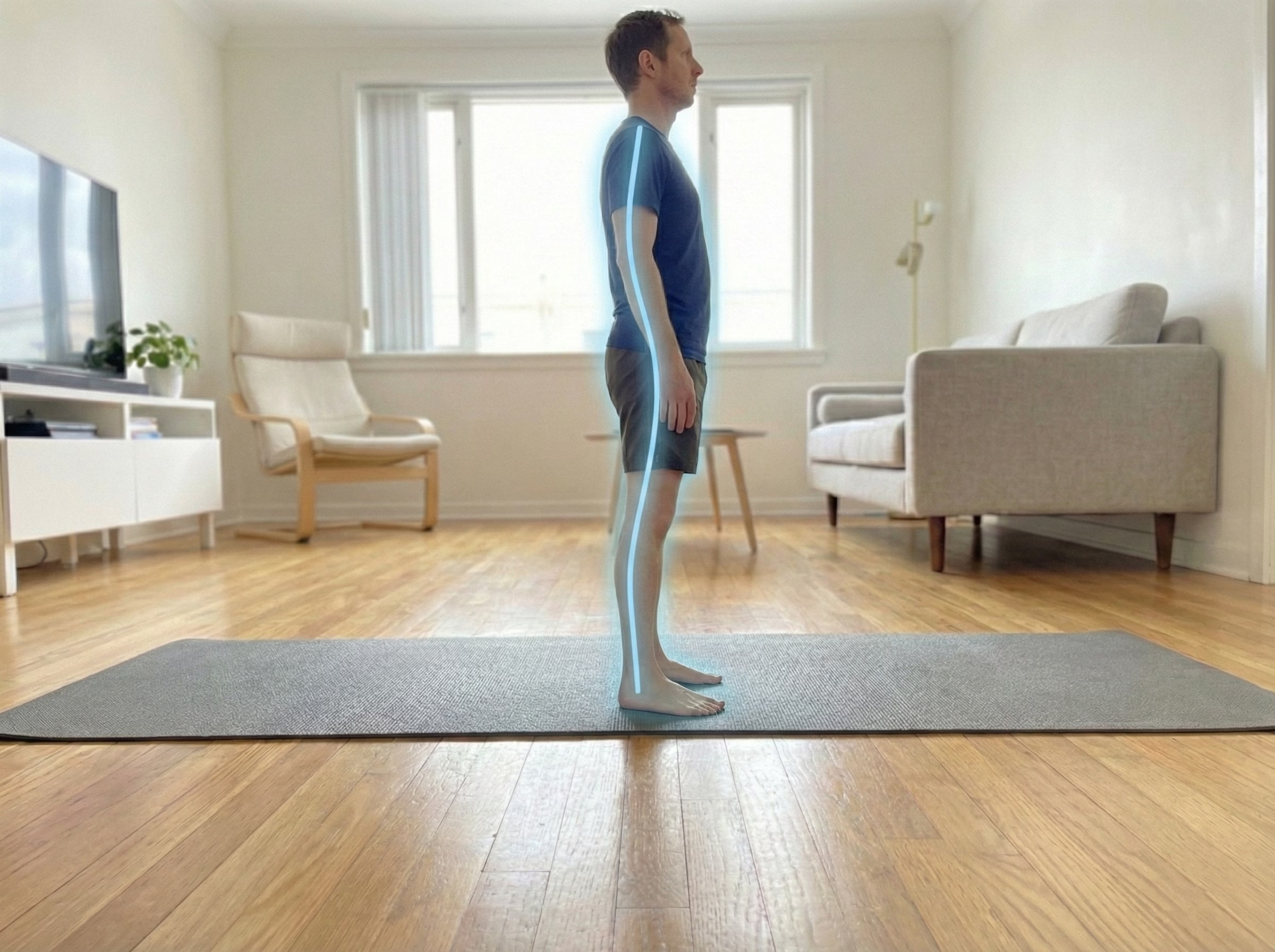
Panel 1 – Standing Lateral Line
Standing tall beside the mat, feet hip-width. A soft light blue glow traces up the side of his body from outer ankle, through the hip and obliques, to the shoulder. This visualizes the strong lateral chain that supports a long, upright side-body.
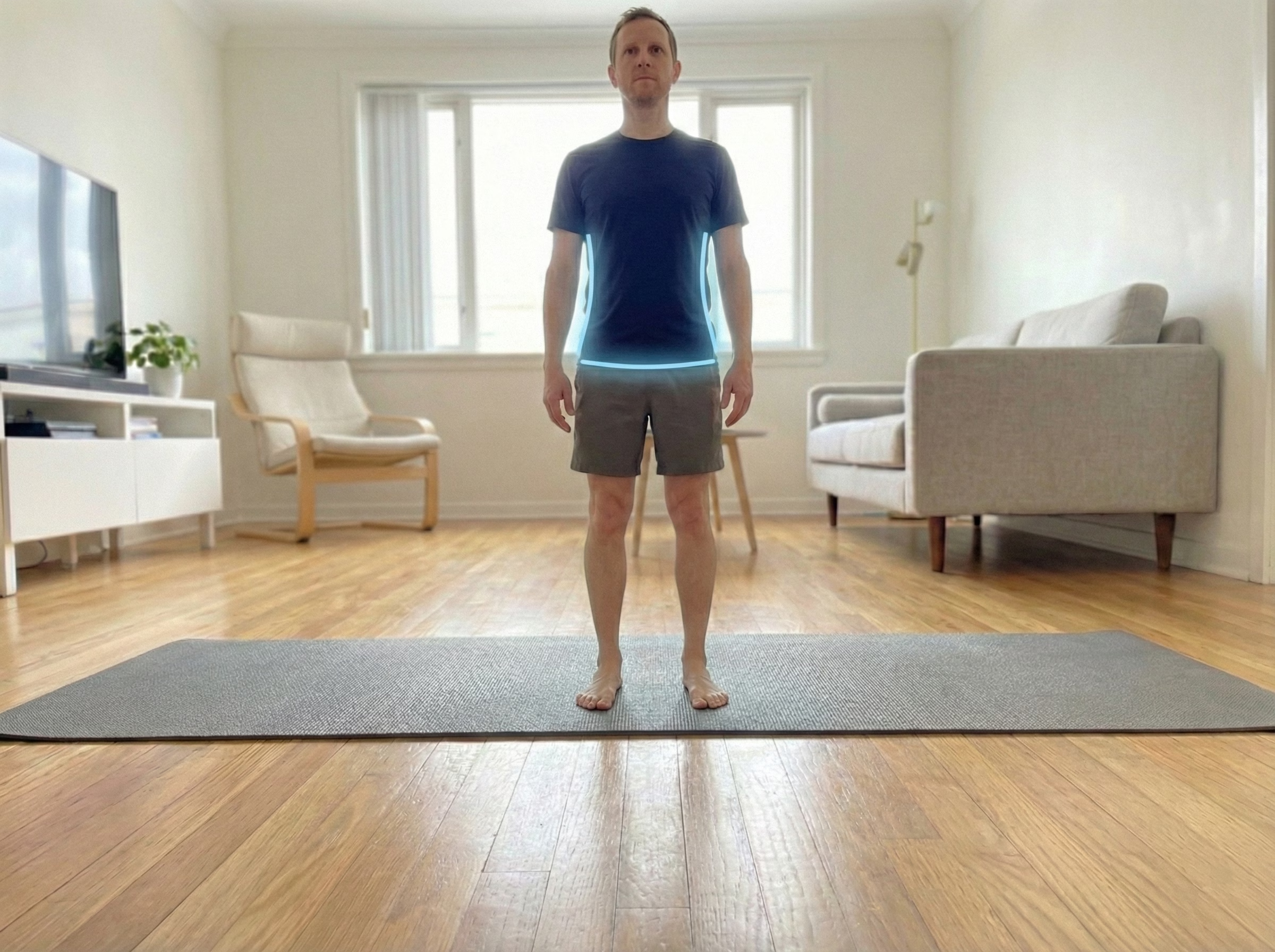
Panel 2 – Level Hips & Shoulders
Front view showing him standing on the mat with legs straight. A blue glow highlights the waistline and sides of the torso. His hips and shoulders are perfectly level, showing how balanced side-body strength prevents leaning or collapsing.
Form & Safety · Key Technique Cues, Precautions & Common Mistakes
- Keep the elbow directly under the shoulder to protect the joint.
- Imagine a string pulling your bottom hip up toward the ceiling.
- Keep the neck neutral; look straight ahead, not down at your feet.
- Engage your glutes to keep the hips extending forward.
Shoulder stability is required for this move.
- If you have shoulder pain, skip the full version and do the knee-down variation.
- Avoid if you have acute rotator cuff injuries.
- Keep the hold short if you feel your form breaking down.
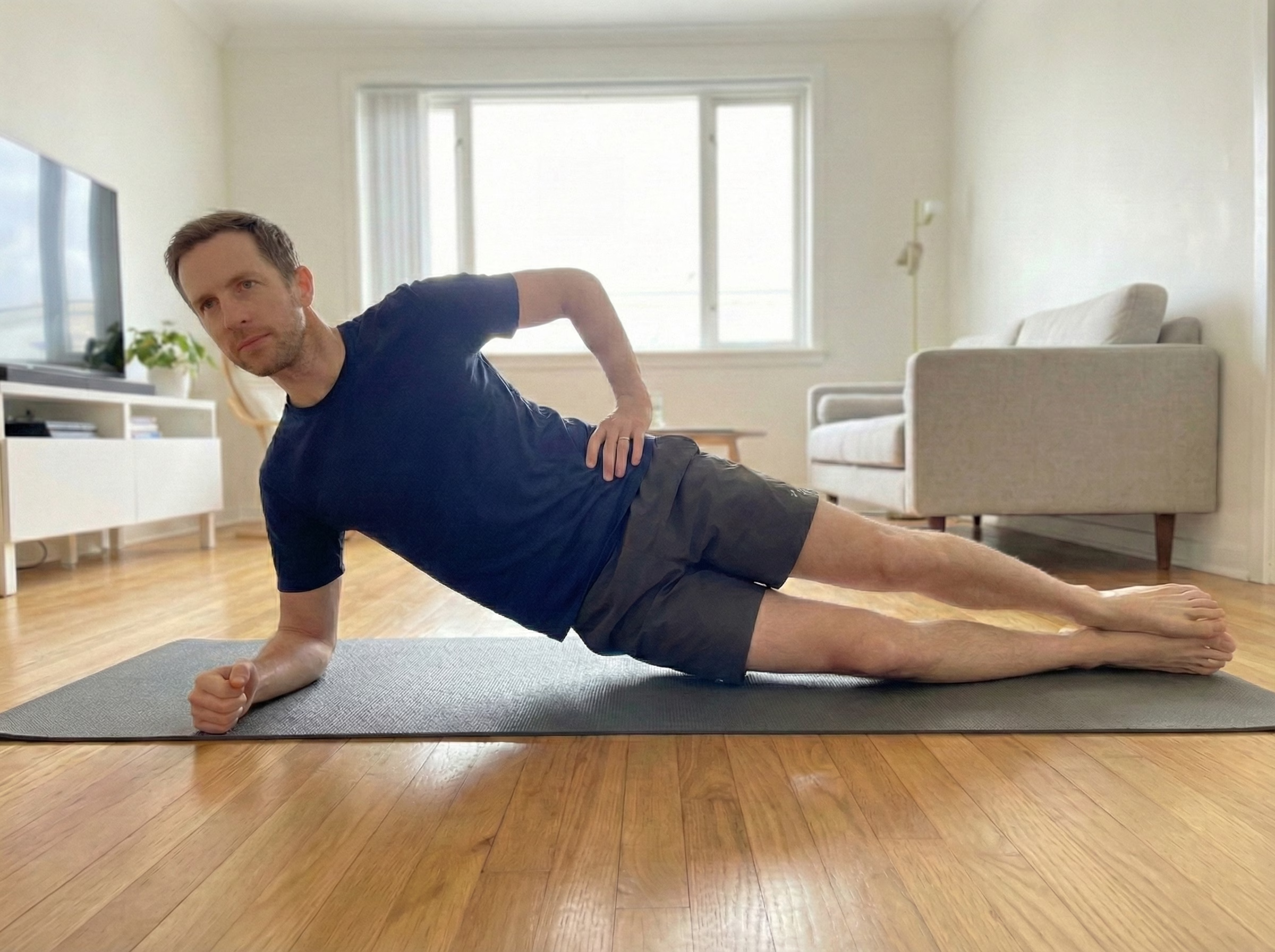
- Letting the hips sag toward the floor (banana shape).
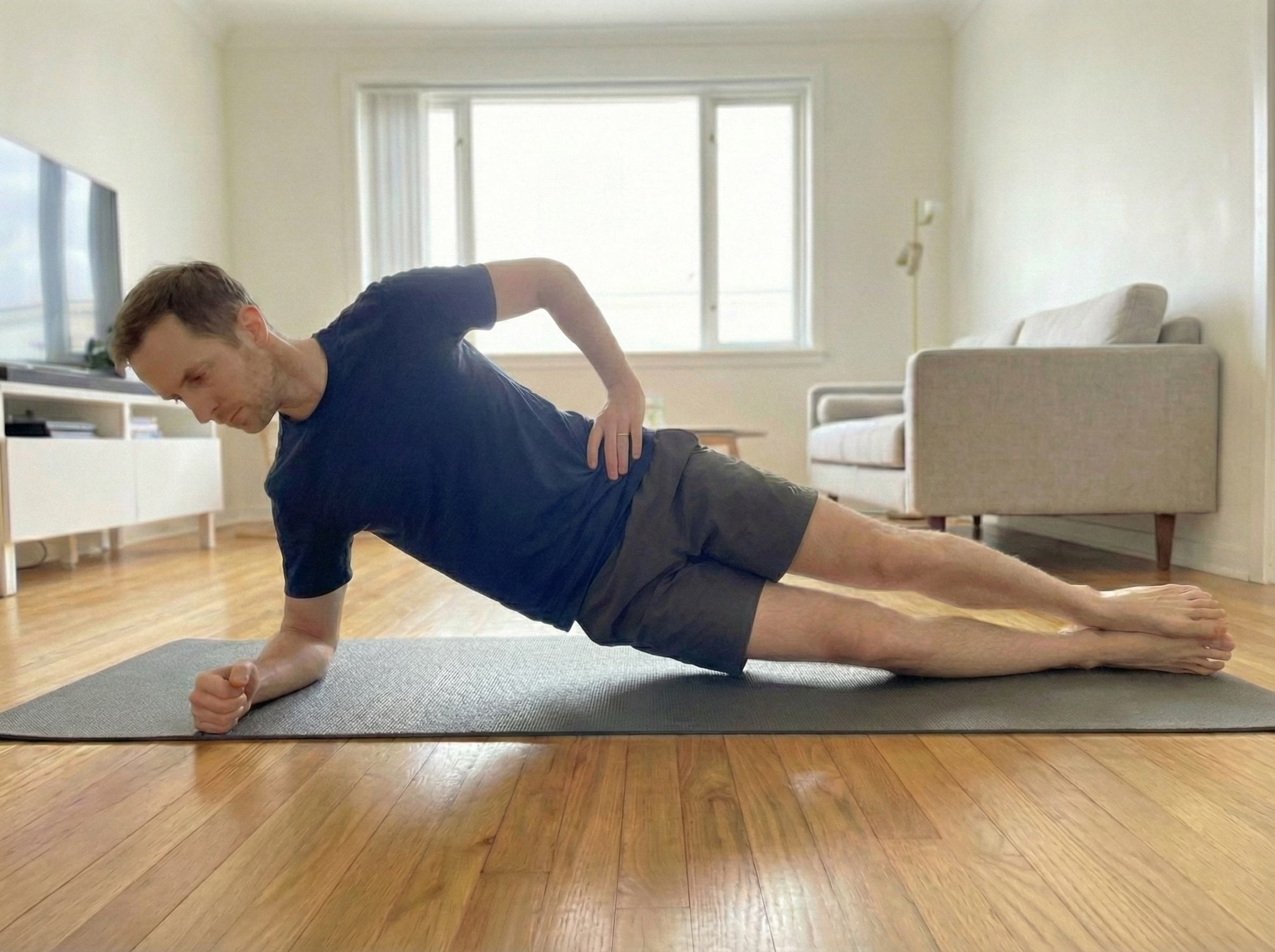
- Rolling the top shoulder forward towards the mat.
- Holding the breath.
- Placing the elbow too far out from the body.
Why it steals height: This reinforces lateral collapse rather than correcting it. You need to actively push the floor away to build the muscles that hold you upright.
Why it steals height: Twisting disengages the lateral chain (obliques) and puts stress on the lower back. You want a stacked spine, not a twisted one.
Pair With · Best Exercises to Pair With Side Plank
Combine lateral stability with anterior and posterior core work:
A balanced core requires work on all sides. Pair Side Planks with Dead Bugs (front core) and Bird Dogs (back core) for a complete spinal corset.
FAQ · Common Questions About Side Plank
-
Q1 Why does my shoulder hurt? ›Shoulder pain usually means your elbow isn't directly under your shoulder, or you are collapsing into the joint. Actively push the floor away to engage the muscles. If pain persists, switch to the knee-down variation.
-
Q2 How does this help me get taller? ›It corrects lateral imbalances. Many people favor one side, leading to a slight "c" curve in the spine. Strengthening the obliques pulls the spine straight, maximizing your vertical potential.
-
Q3 Can I do this every day? ›Yes, Side Plank is an isometric stability exercise that can generally be done daily. However, listen to your shoulders. If they feel fatigued, take a rest day or focus on lower body flexibility instead.