
Child’s Pose Arm Walk : .Decompress Tight Lats
Decompress and lengthen the tight side body muscles that keep him in a side-bent, shorter posture.
This variation on Child's Pose targets the tight muscles (lats, quadratus lumborum) running down the side of his torso, helping to restore length and uprightness when he stands.
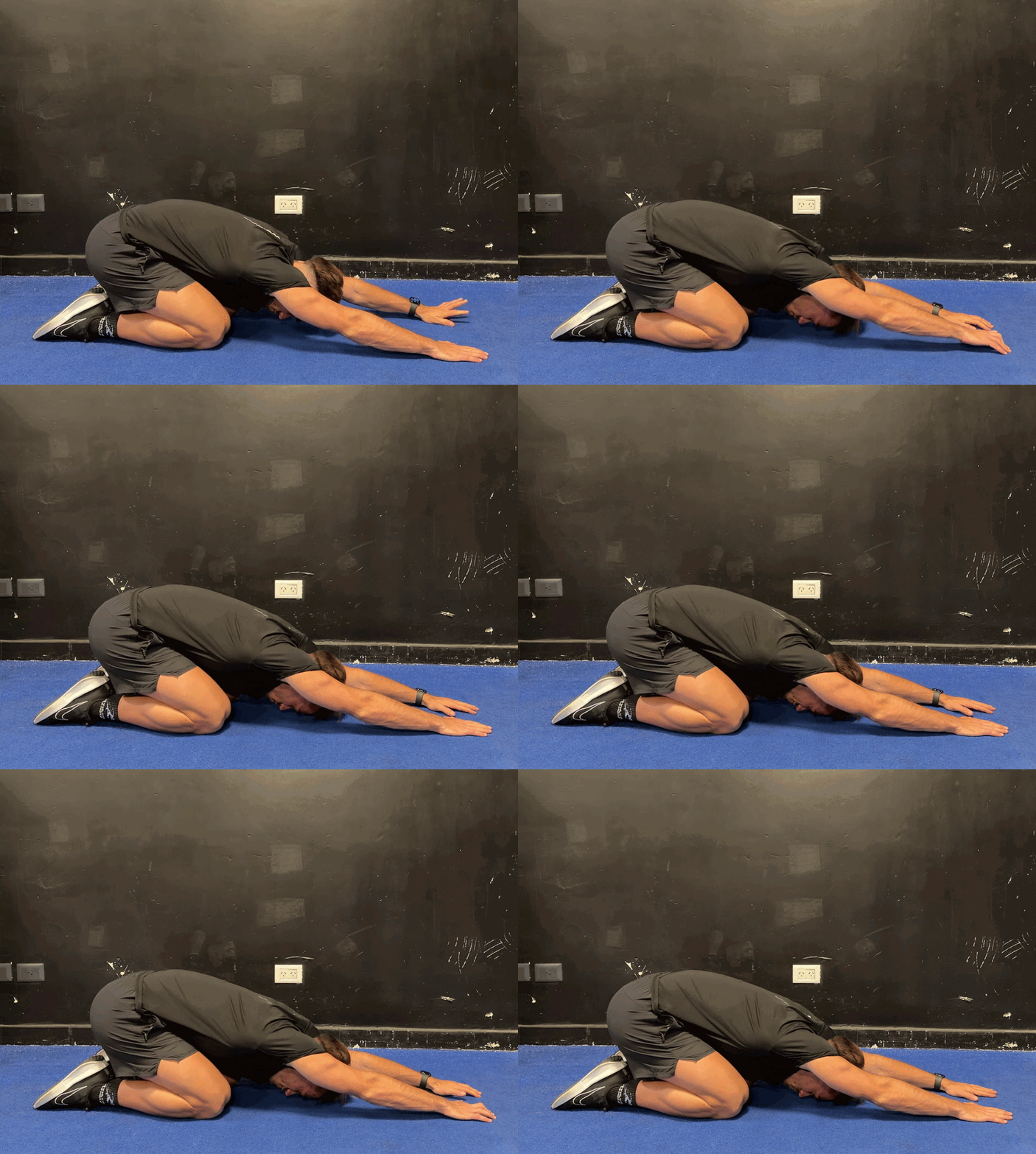
How to · How To Do Child’s Pose Arm Walk Variation
The goal is to lengthen the side of his torso by walking his hands, ensuring his hips remain anchored.
- Standard Child’s Pose: Start kneeling on his mat. Bring his hips back to his heels (or as close as comfortable), stretch his arms straight out, and rest his forehead lightly on the mat.
- Walk Hands to One Side: From this position, keep his hips rooted back and slowly walk both hands together across the mat to one side (e.g., to the right). His torso will gently side-bend.
- Deepen the Side Stretch: Once his hands are as far as they can go, press down firmly with the hand closest to the far side (the right hand) and actively reach the opposite arm/fingers (left arm) even further away. This maximizes the stretch along the outer ribs and lats on the left side.
- Hold and Breathe: Hold the side stretch for 30–60 seconds, breathing deep into the stretched side (left ribs) to enhance the decompression.
- Switch Sides: Walk his hands slowly back through center and repeat the process by walking them to the opposite side (to the left) to stretch the other side of his torso.
- “Keep his hips rooted toward his heels—don't let them float forward.”
- “Reach long and low, not up and sideways.”
- “Breathe deep into the side of his ribcage that is stretching.”
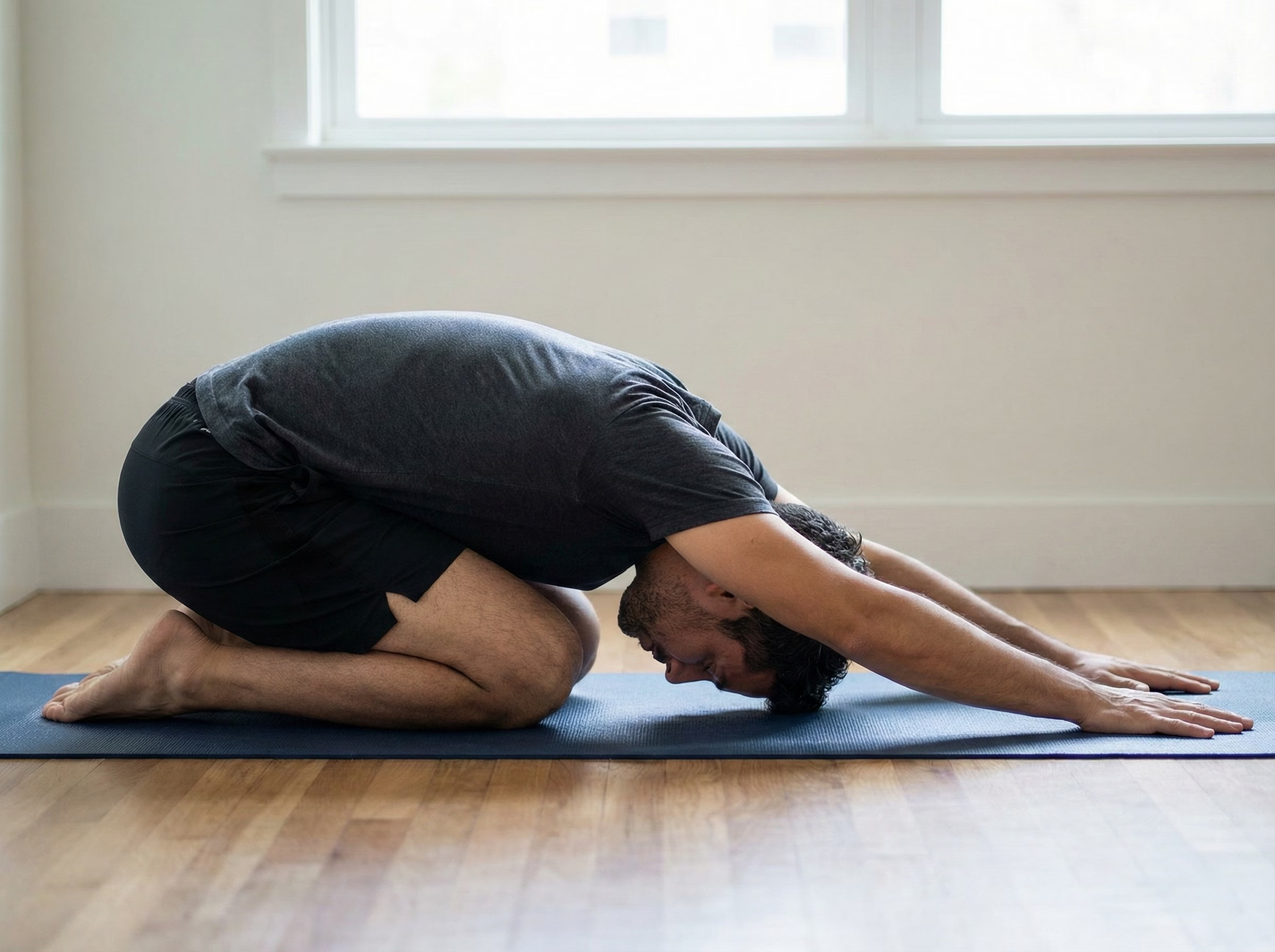
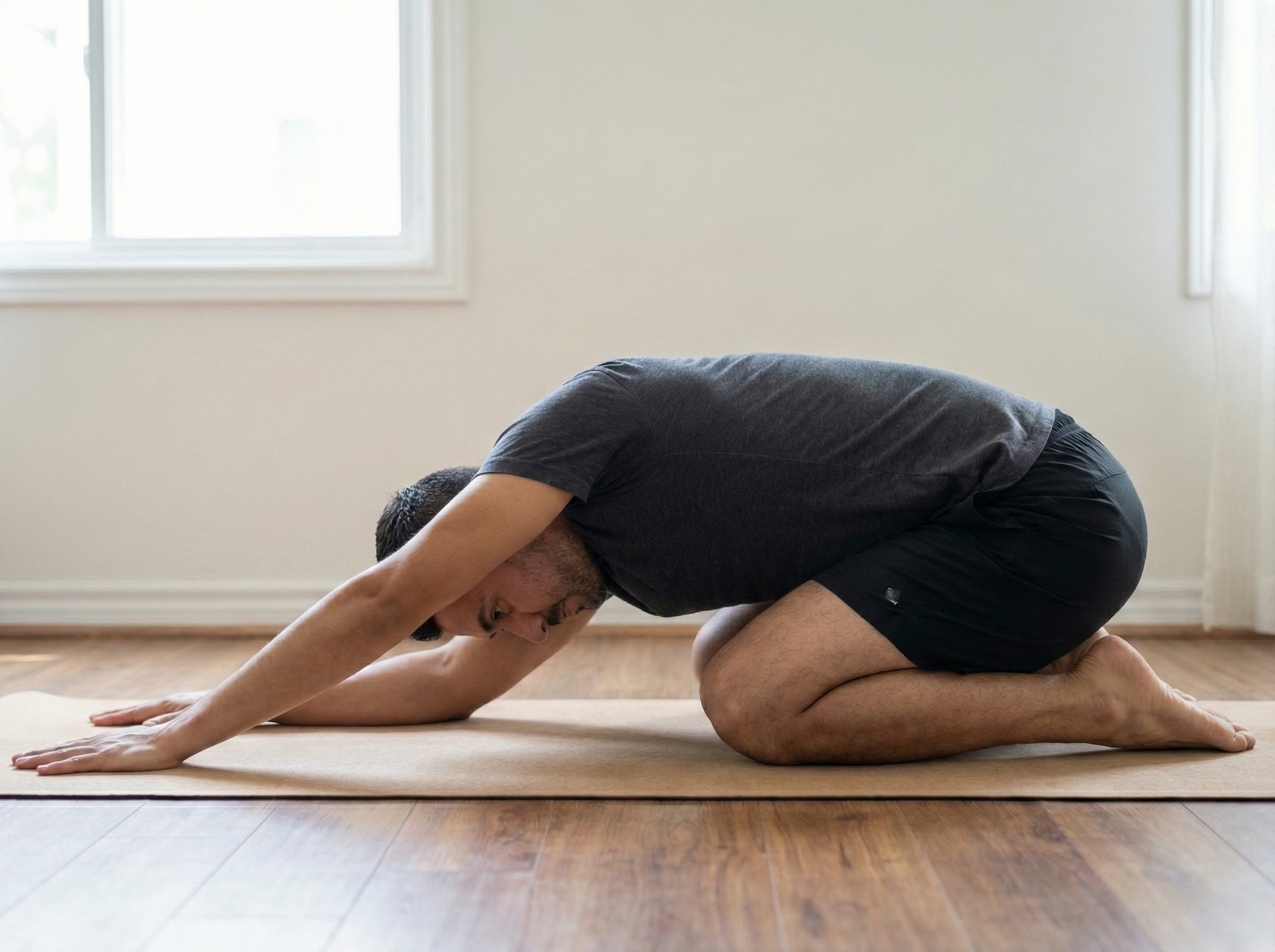
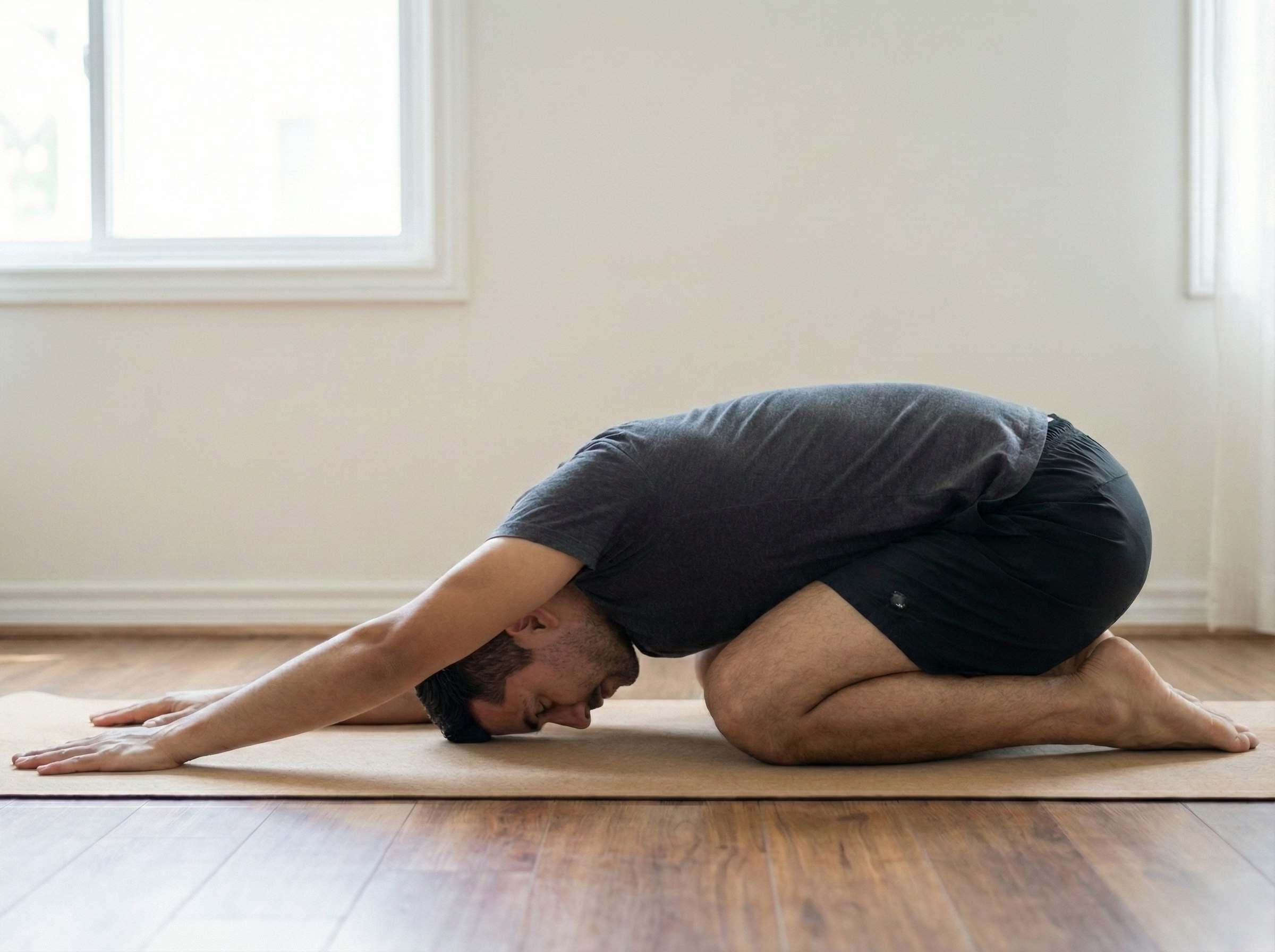
Holds & Frequency · Duration, Sets, and Weekly Plan (Height-Focused)
Deep, sustained holds are necessary to release the large, dense muscles of the side body.
Tip: He should feel the stretch increasing as he exhales—use his breath to actively drive further length into his side body without forcing the position.
Variations · Scaling and Progressing the Lateral Stretch
Use these options to find the perfect starting point or to progressively increase the difficulty and depth of the side stretch.
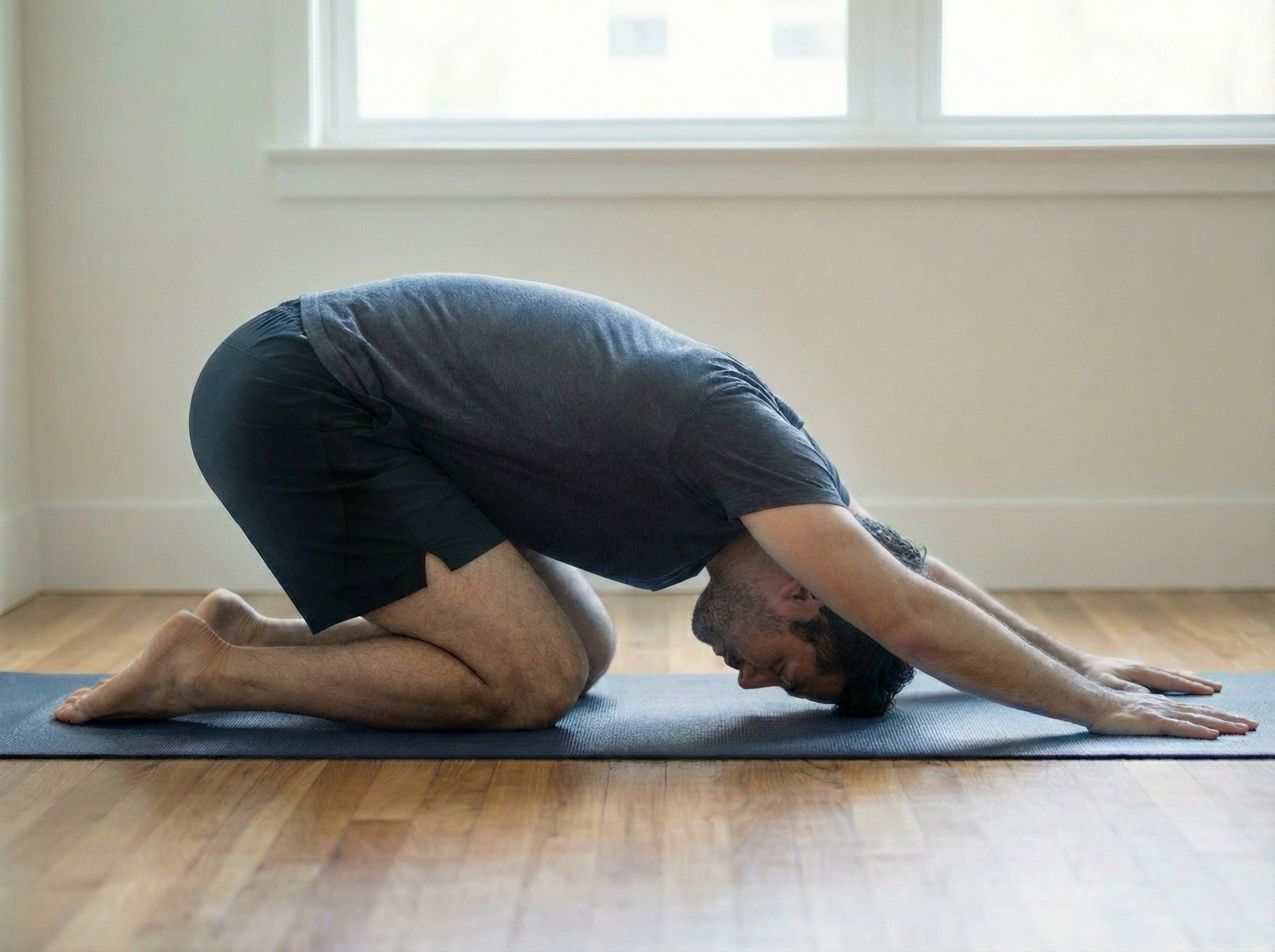
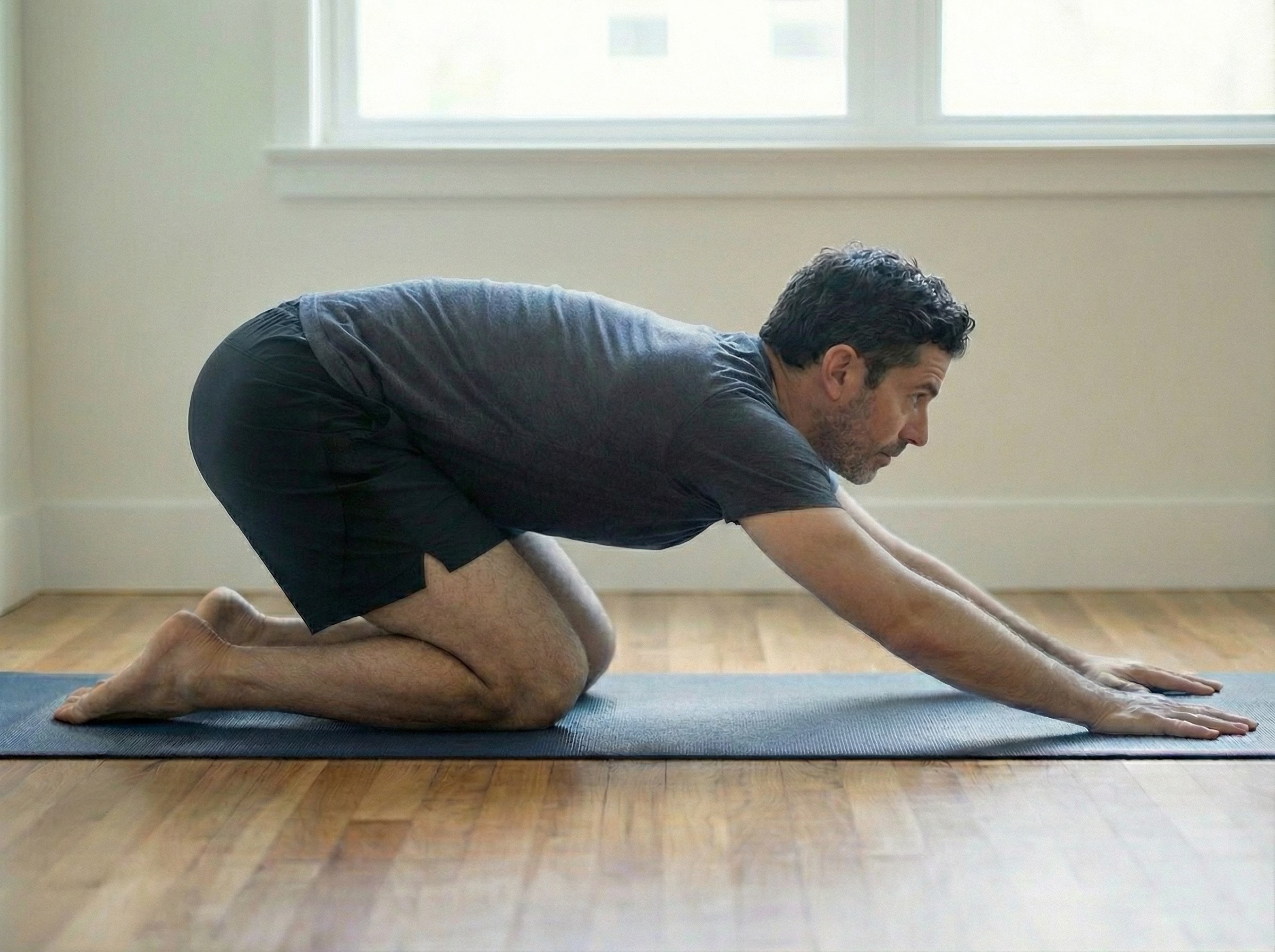
Height Impact · How Lateral Length Adds Vertical Height
- When his powerful Latissimus Dorsi (lats) and Quadratus Lumborum (QL) muscles are tight, they pull his torso downward and slightly to the side, creating a subtle but persistent lateral compression.
- This lateral compression makes it impossible for him to stand straight and perfectly vertical, effectively shortening his height and often resulting in uneven shoulders.
- By walking his hands to the side, he actively lengthens the compressed side of his torso, relieving tension from the spinal segments and allowing his vertebral discs to rehydrate and decompress.
- This decompression is a fundamental step that must precede stability work (like Bird Dog or Dead Bug) so that he teaches his core to stabilize a *long* spine, not a compressed one.
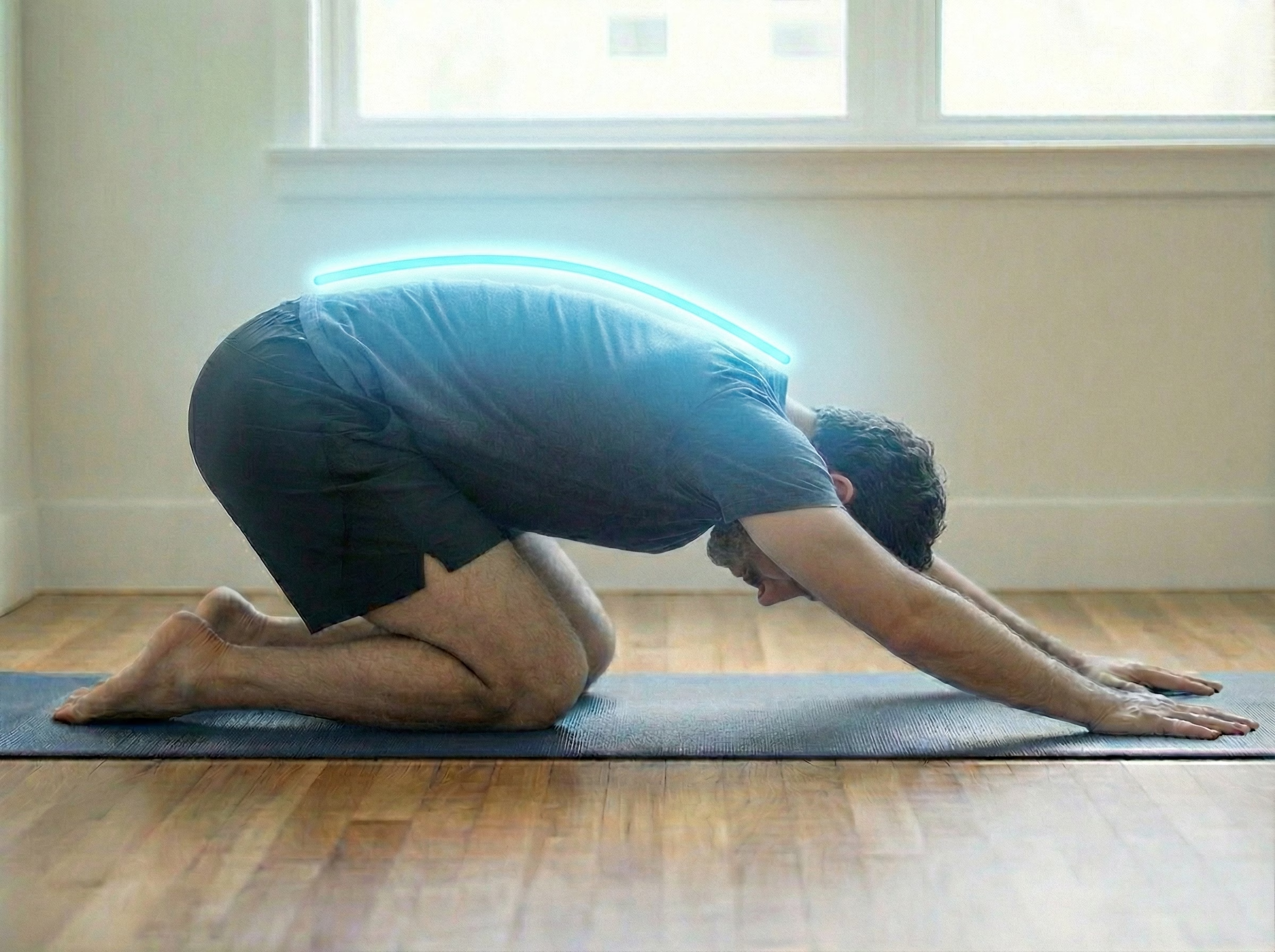
Panel 1 – Side-Body Length (Left)
Three-quarter top view of he in side-bending version with arms walked to the right side of the mat, left side ribs and lats lengthened. Add a soft light blue glow along the entire left side from hip through ribs, lats and up to shoulder to show lateral decompression. 4:3 aspect ratio, full body.
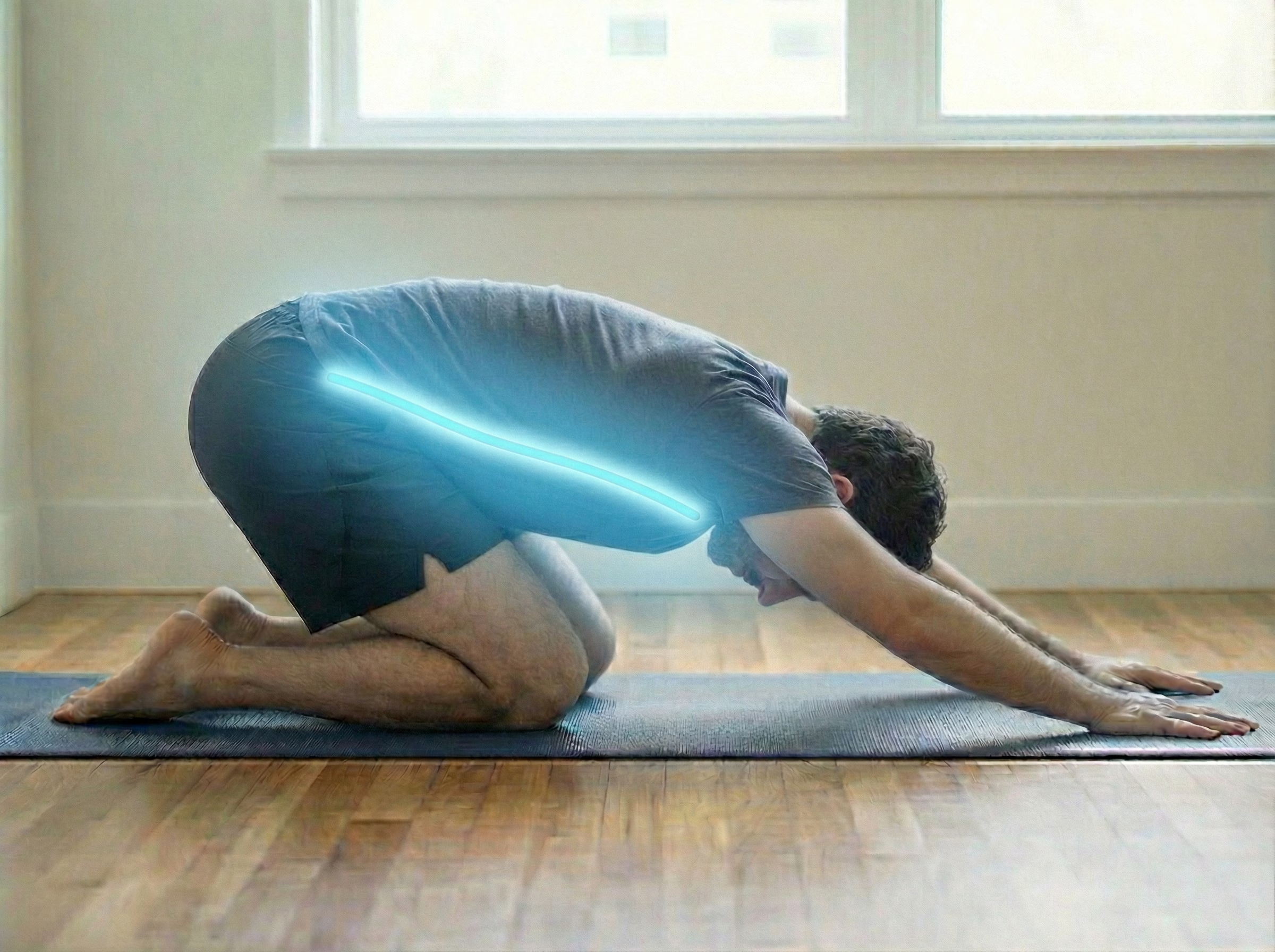
Panel 2 – Side-Body Length (Right)
Same scene mirrored: he with arms walked to the left, right side of torso opening. Add a soft light blue glow along the right hip, ribs, and lats to show that side’s height gain potential. 4:3 aspect ratio, full body.
Form & Safety · Key Technique Cues, Precautions & Common Mistakes
- Anchor his hips firmly toward his heels throughout the entire stretch.
- Keep his chest low and facing the mat to ensure he is side-bending, not twisting.
- Actively press down with the far hand to maximize the opposite side stretch.
- Use deep, slow breaths directed toward the ribs of the side he is stretching.
This gentle stretch is low risk, but should be treated with care.
- If he has severe acute lower back pain, keep the arms in the center reach position only.
- Avoid forcing the stretch or pushing into a painful 'crunch' sensation in the compressed side.
- Ensure his hips do not lift or shift excessively away from his heels.
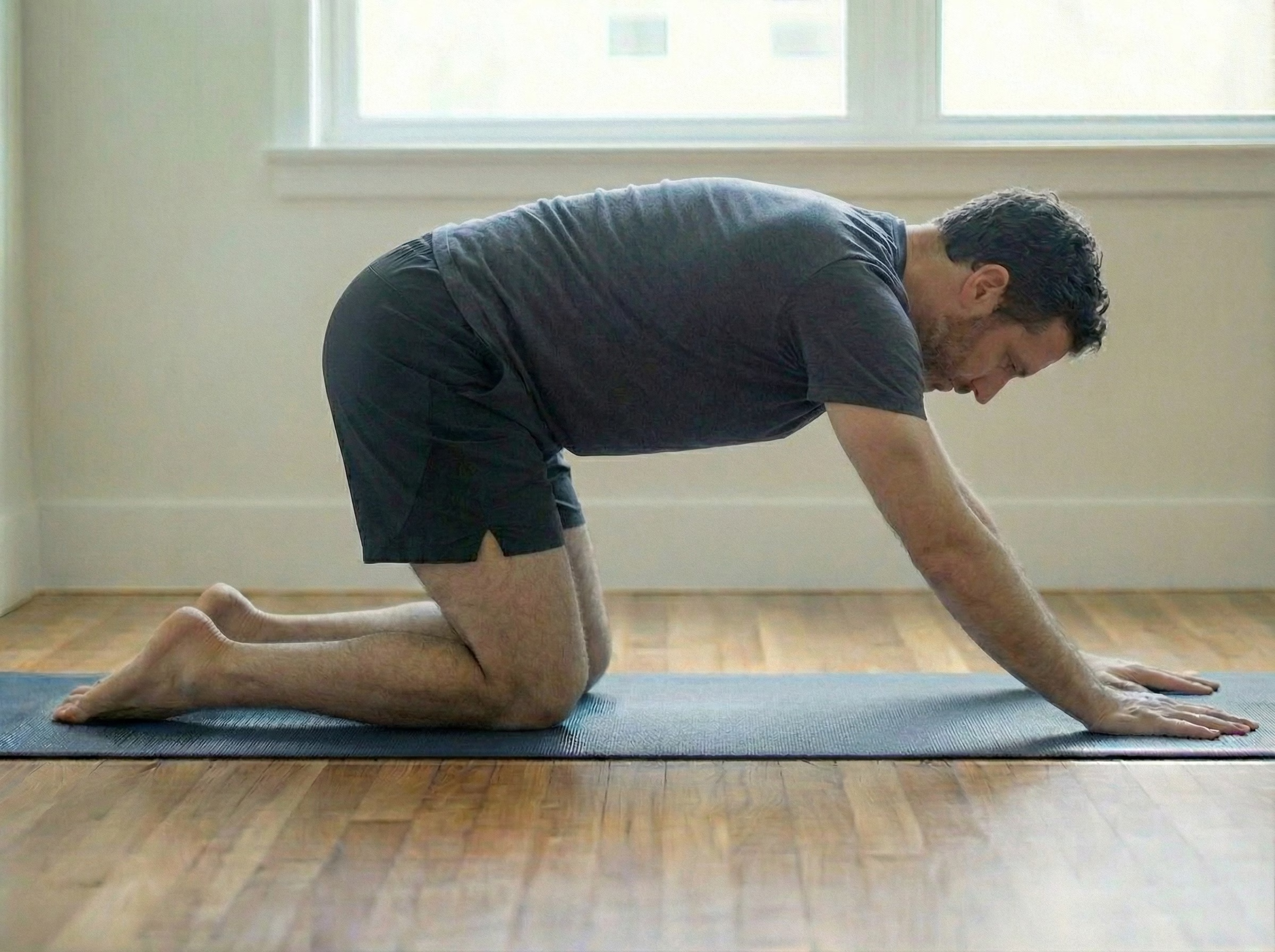
- Allowing his hips to drift forward off his heels, losing the anchor point.
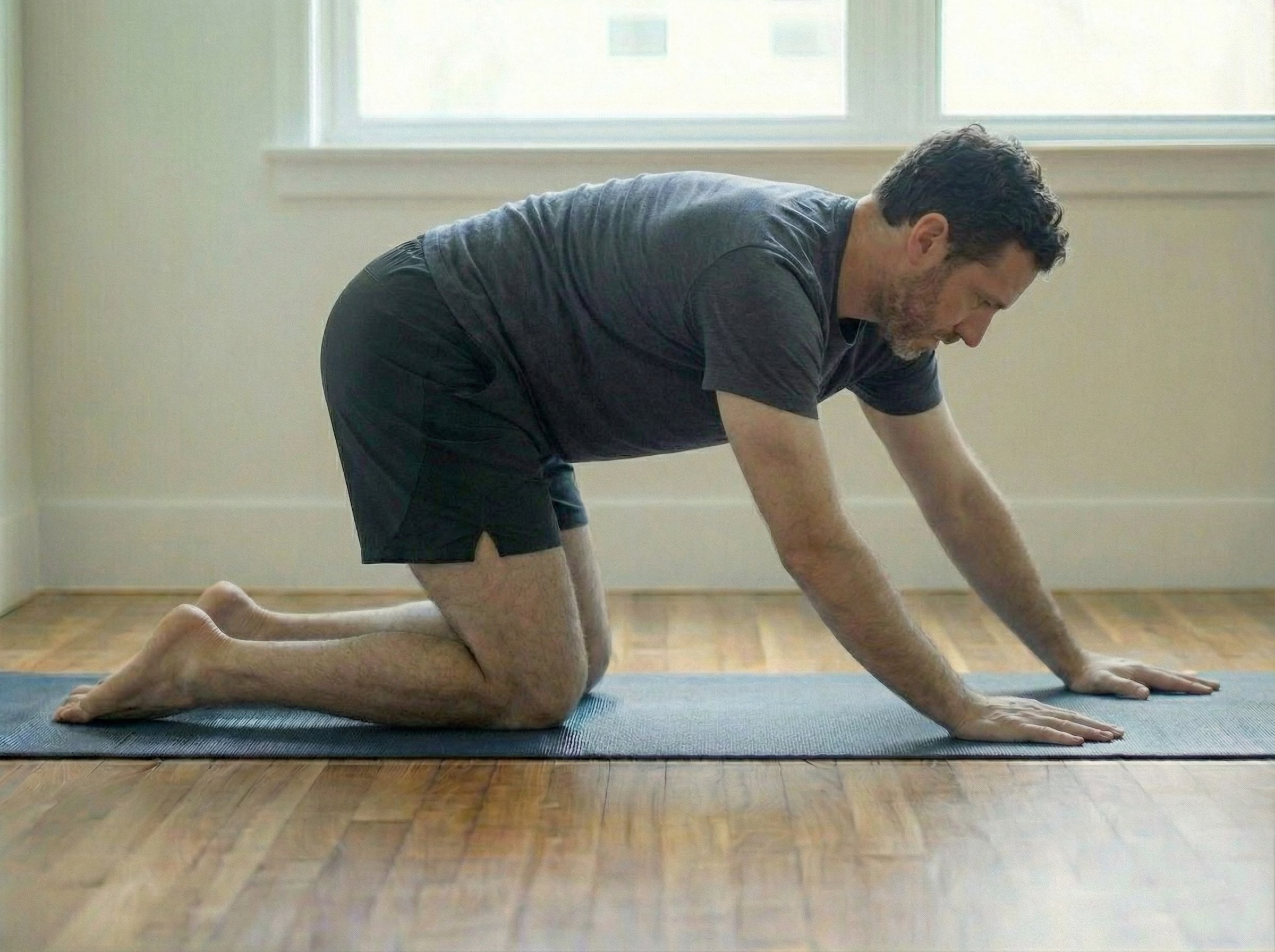
- Twisting his chest toward the side his hands are walking, which turns it into a less effective rotation.
- Lifting his head or tensing his neck; his forehead should rest lightly or near the mat.
- Rushing the hold; passive decompression requires time for the tissues to release.
**Why it steals height:** By moving his hips forward, he loses the traction and anchor point needed to lengthen the spine. This turns the stretch into a forward kneeling position, eliminating the critical decompression component.
**Why it steals height:** This mistake moves the stretch from the long lateral muscles (lats, QL) into the back-focused rotators. It fails to restore the essential side-body length needed for a perfectly vertical posture.
Pair With · Best Exercises to Pair With Child’s Pose Arm Walk
This lateral decompression drill pairs perfectly with core stabilization and vertical alignment exercises:
Use the Child’s Pose Arm Walk to create *lateral* length, combine with Passive Hang for *axial* length, and then follow with Bird Dog or Standing Posture Reset to teach the core to hold this newfound height.
FAQ · Common Questions About Child’s Pose Arm Walk
-
Q1 Where should he feel the deepest stretch? ›When walking his hands to the right, he should feel the deepest stretch along the entire left side of his torso: along his outer ribs, upper back (lats), and possibly extending down to his outer hip. This is the area of chronic lateral compression he is aiming to relieve.
-
Q2 How can he keep his hips rooted to his heels? ›He can actively push his hips down and back toward his heels. If his hips lift significantly when he reaches his arms out, he can try placing a pillow or folded blanket between his heels and hips to give him an anchor point and maintain comfort while focusing on the arm reach.
-
Q3 How is this different from a simple spinal twist? ›A spinal twist (like Supine Spinal Twist) primarily uses rotation to mobilize the spine. This Child's Pose Arm Walk variation uses *side-bending* to lengthen the long vertical muscles of the trunk (lats and QL). Both are needed for full spinal mobility, but this drill is specifically for unlocking the side compression that causes lateral slouching.