
High Knees : .Trigger HGH Release
On-the-spot sprinting with knees driving up fast, stacking leg burn and breathlessness in short, explosive bursts.
High Knees is a stationary sprint: you’re not jogging, you’re driving your knees toward hip height at a speed that lights up your thighs, hip flexors and lungs – the exact zone that helps trigger Growth Activation when you recover and sleep.
Pillar · Growth Activation
High Knees belongs in the Growth Activation pillar because it hits both height levers at once:
- Anaerobic Lactic Acid Spike: Short, all-out rounds send your legs and lungs into overdrive, building lactic acid fast. Your body treats this like a survival-level effort and can respond with stronger pulses of your own natural growth hormone during recovery.
- Vertical Impact & Direction: Every quick, ball-of-foot contact sends a small, vertical impulse up through your feet, shins and thighs. Done right, that repeated loading teaches your lower body to handle gravity better and support a taller stance.
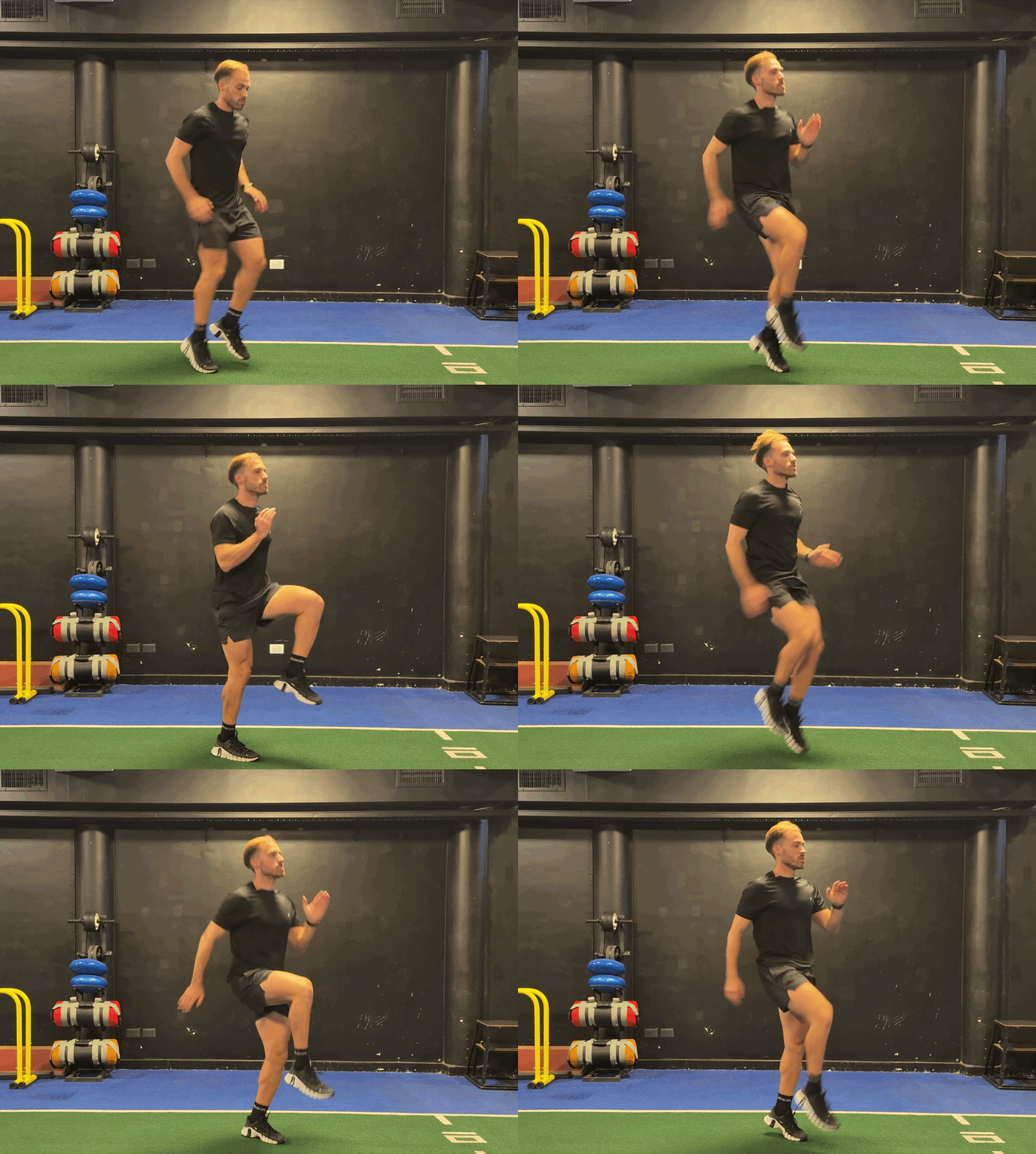
How To · How To Do High Knees (Growth Activation Style)
This is not chill jogging-on-the-spot. It’s controlled, tall, sharp high knees that push your heart rate and leg burn into the Growth Activation zone.
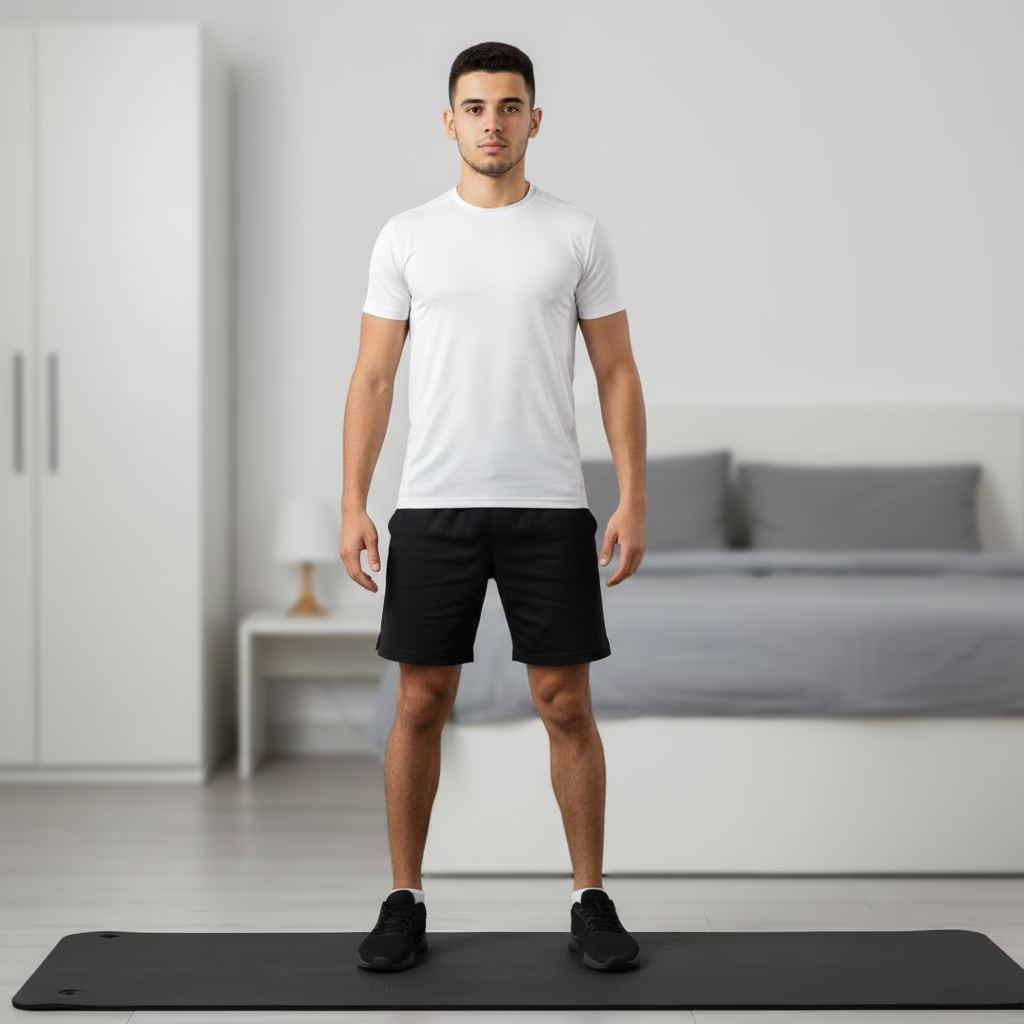
- Step 1 – Set your stance and posture. Stand tall with your feet hip-width apart, arms relaxed by your sides and eyes looking straight ahead. Stack your head over your ribs and your ribs over your hips – this is your “tall home base” before the first rep.
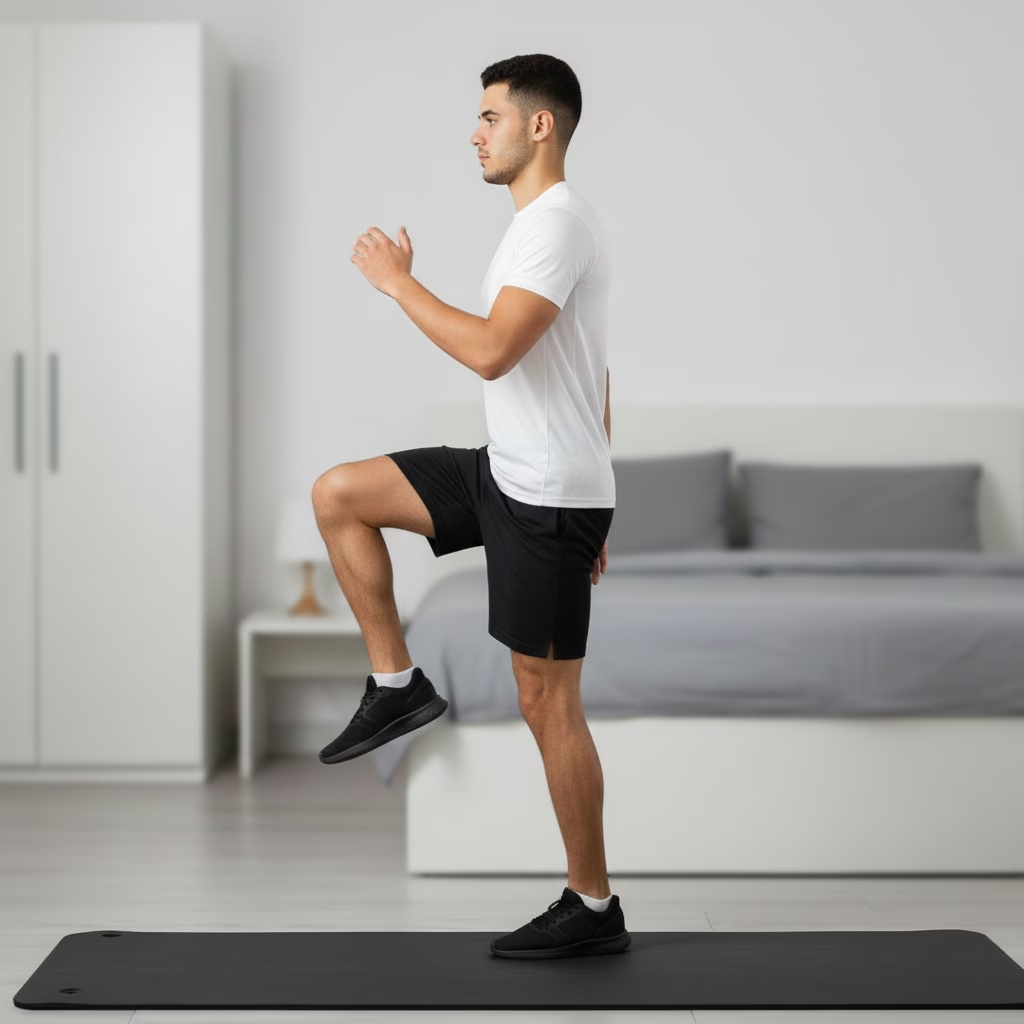
- Step 2 – Start with a high-knee march. Begin by marching in place, driving one knee up toward hip height while the opposite arm swings forward naturally. Keep your landings soft on the balls of your feet. This slower march helps you feel the height and path of each knee without losing posture.
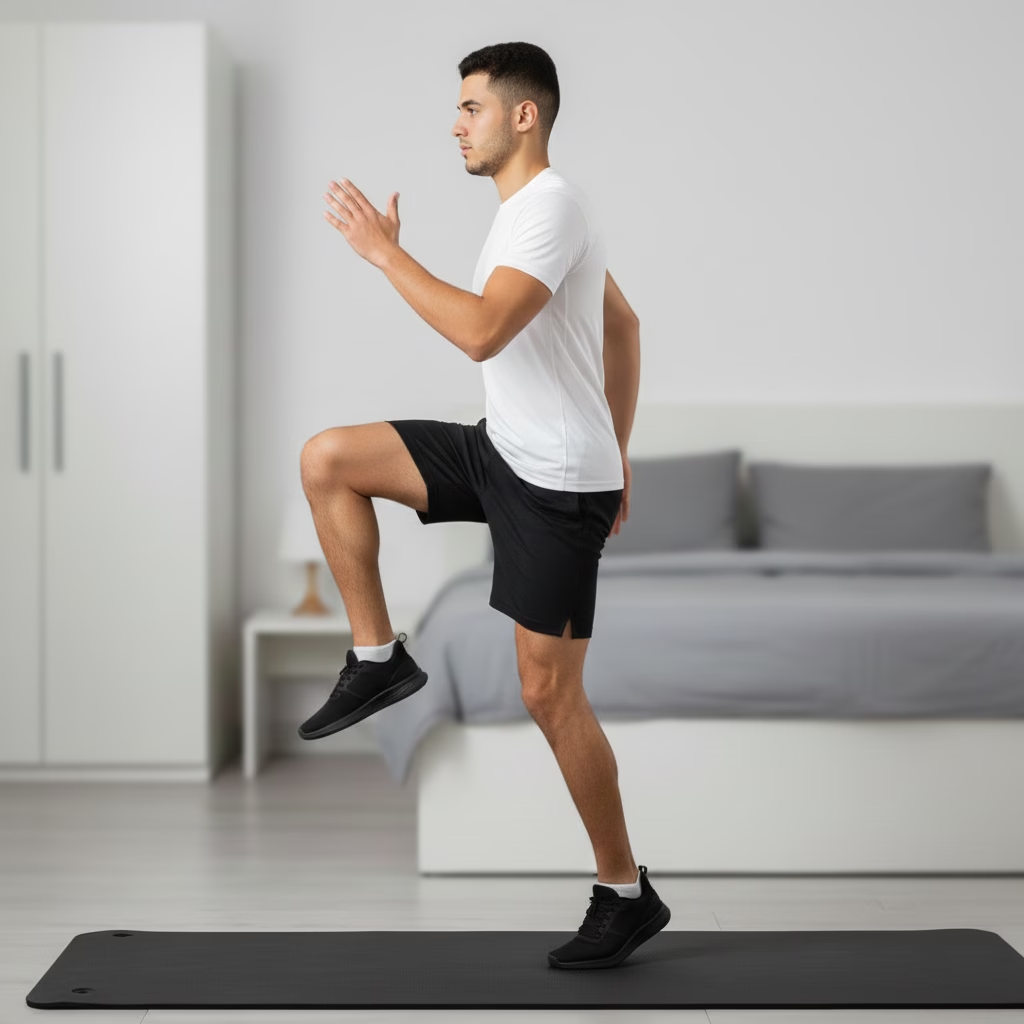
- Step 3 – Build into a fast high-knee run. Once the march feels smooth, speed it up until you’re “running in place” with knees repeatedly lifting toward hip height. Your arms pump by your sides, your chest stays lifted and your core is braced so your torso doesn’t flop forward or backward.
- Step 4 – Hit the Growth Activation round. When the timer starts, commit to 15–30 seconds where your knees move fast, your feet hit the ground quickly and your breathing turns heavy. By the end of the block, your legs should be burning and you should not be able to hold a conversation.
- Step 5 – Rest tall, then repeat. When the timer stops, walk slowly in a circle or stand tall and focus on long, calm breaths. This rest is where your body begins to process the lactic acid and impact you just created – the exact signal your growth systems respond to when you recover and sleep later.
- “Knees to hip height.” If your knees never pass mid-shin, you’re just jogging. Get them higher to truly stress the system.
- “Stay tall, don’t fold.” Your torso should not lean way back or collapse forward. Tall spine, strong core.
- “Short, sharp contacts.” Quick, light landings create the right kind of vertical impulse without slamming your joints.
Flow & Sets · Sets, Intensity & Frequency (Growth Activation)
High Knees is best in short, brutal waves – not one giant, sloppy set that turns into a jog.
Growth Activation Rule: by the end of the work block, your breathing should be heavy and your thighs and hip flexors should be burning. If you can keep the same pace for a full minute without wanting to stop, you’re going too light – that turns into general cardio, not the hormone-spiking, Growth Activation zone this block is built for.
Variations · Easy Variations
Scale impact and speed without losing the Growth Activation idea.
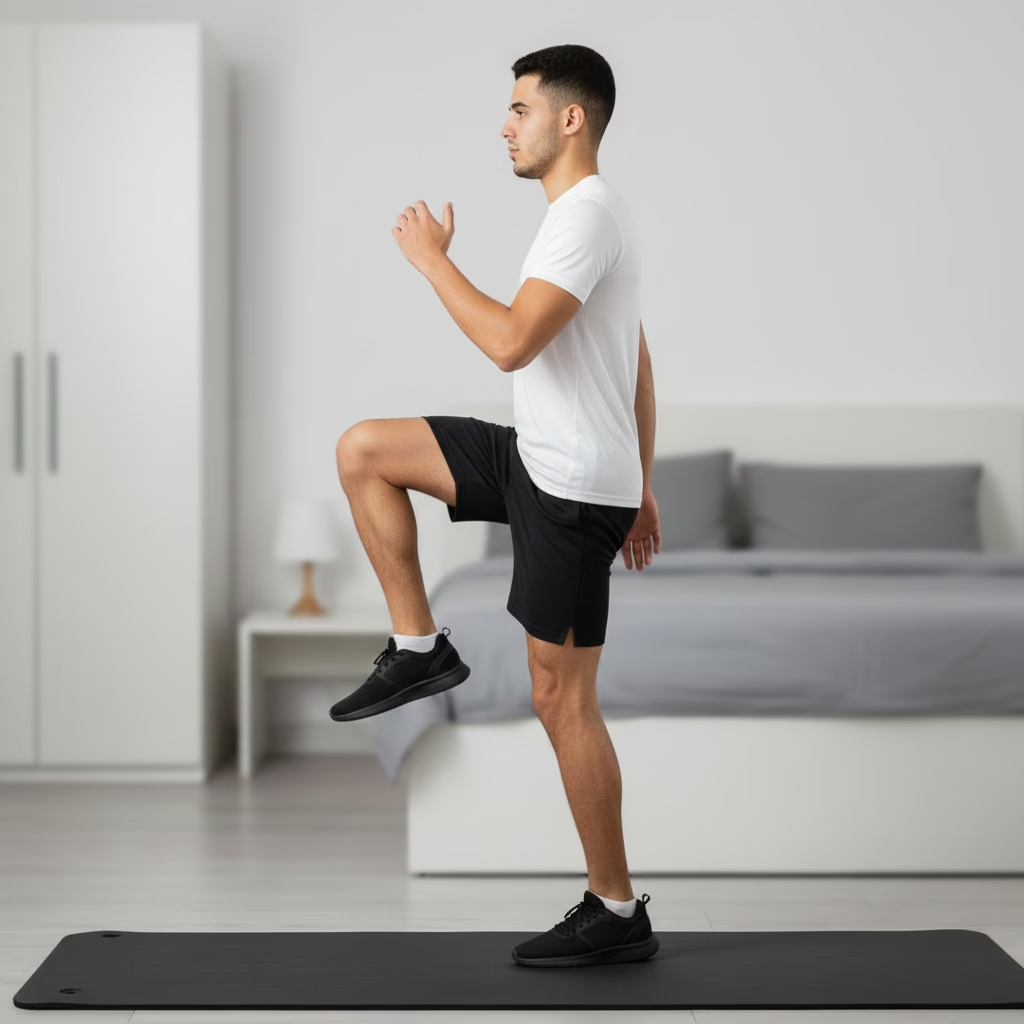
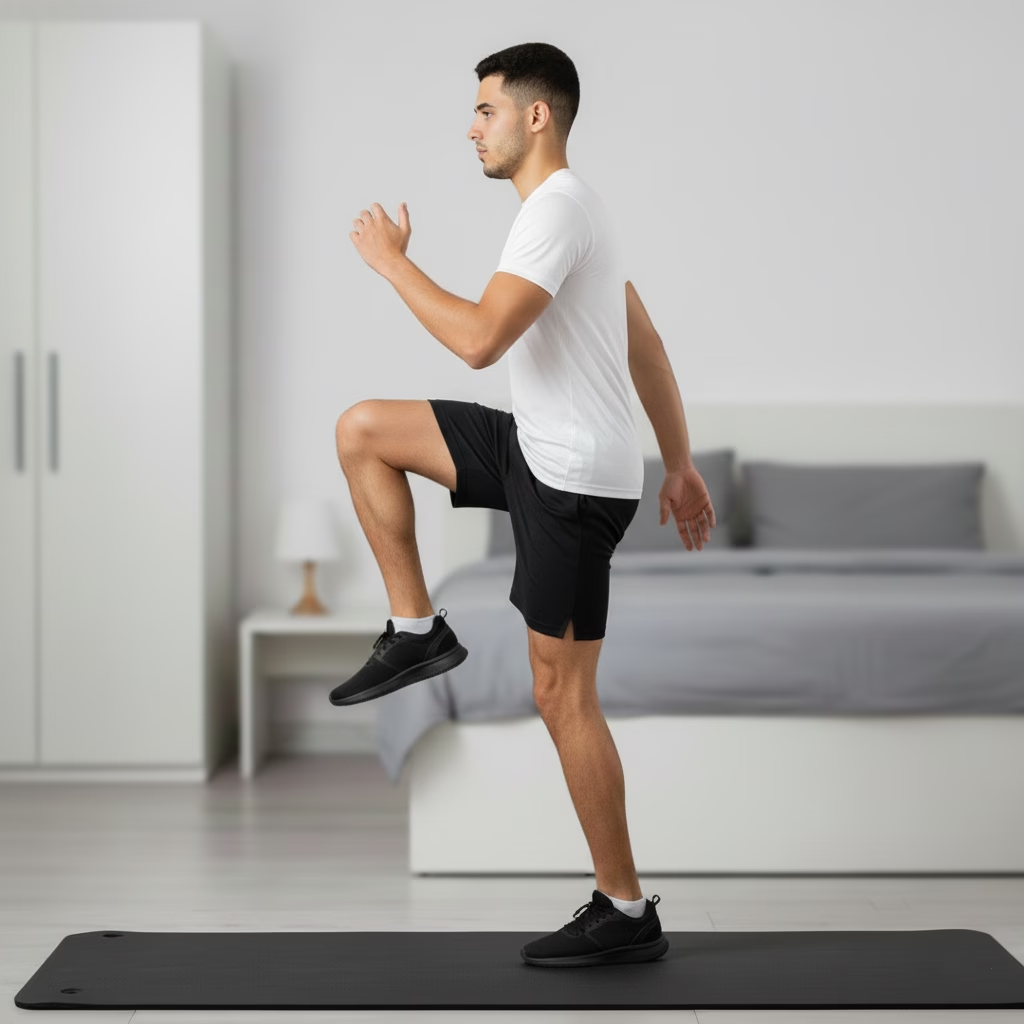
Height Impact · How High Knees Triggers Growth Activation
- Every fast knee drive pulls your hip flexors and thigh muscles into a hard, repeat pattern. Muscles fatigue, lactic acid builds and your body realizes this isn’t casual movement – it’s intense work.
- Landing on the balls of your feet creates many small vertical impacts that travel through your feet, shins and thighs. Done with good form, this trains your lower body to handle gravity and ground reaction forces better.
- The mix of impact plus anaerobic burn is what makes High Knees a Growth Activation drill. That stress can trigger your body to release more natural growth hormone later, especially if you sleep deeply and eat enough.
- If your growth plates are still open, repeating this stress–rest cycle across weeks helps you build stronger legs and a taller, more athletic stance – making it easier for your body to express your real genetic height instead of slouching into the ground.
- Key point: if your High Knees are slow, low and casual, you lose most of the Growth Activation effect. The magic is in short, sharp bursts and proper rest.
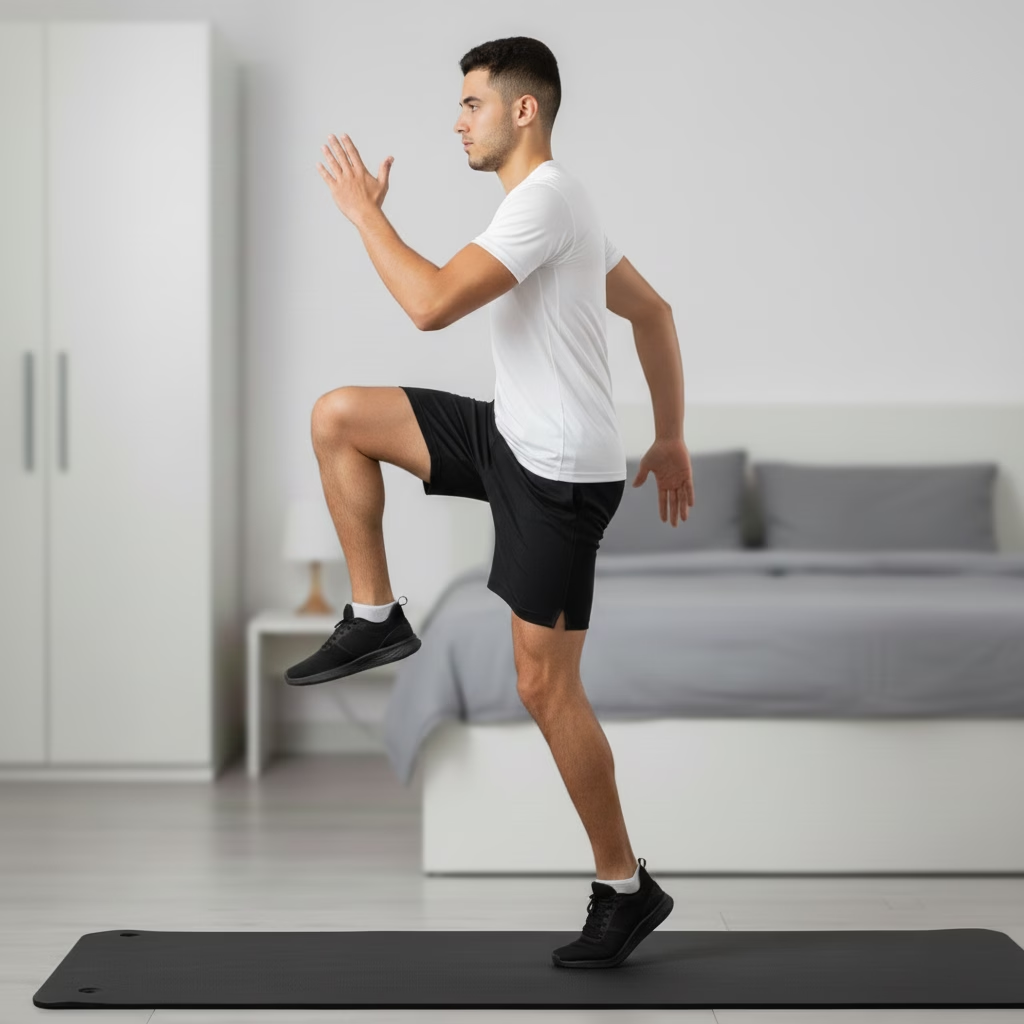
Panel 1 – Lactic Acid & Vertical Force Side view of a teen mid-high-knee burst, one knee up near hip height and a soft blue glow tracing from the ball of the foot up through the shin, thigh, hips and spine. His face looks focused and a bit strained – he’s clearly in a Growth Activation round where impact and lactic acid are both building fast.
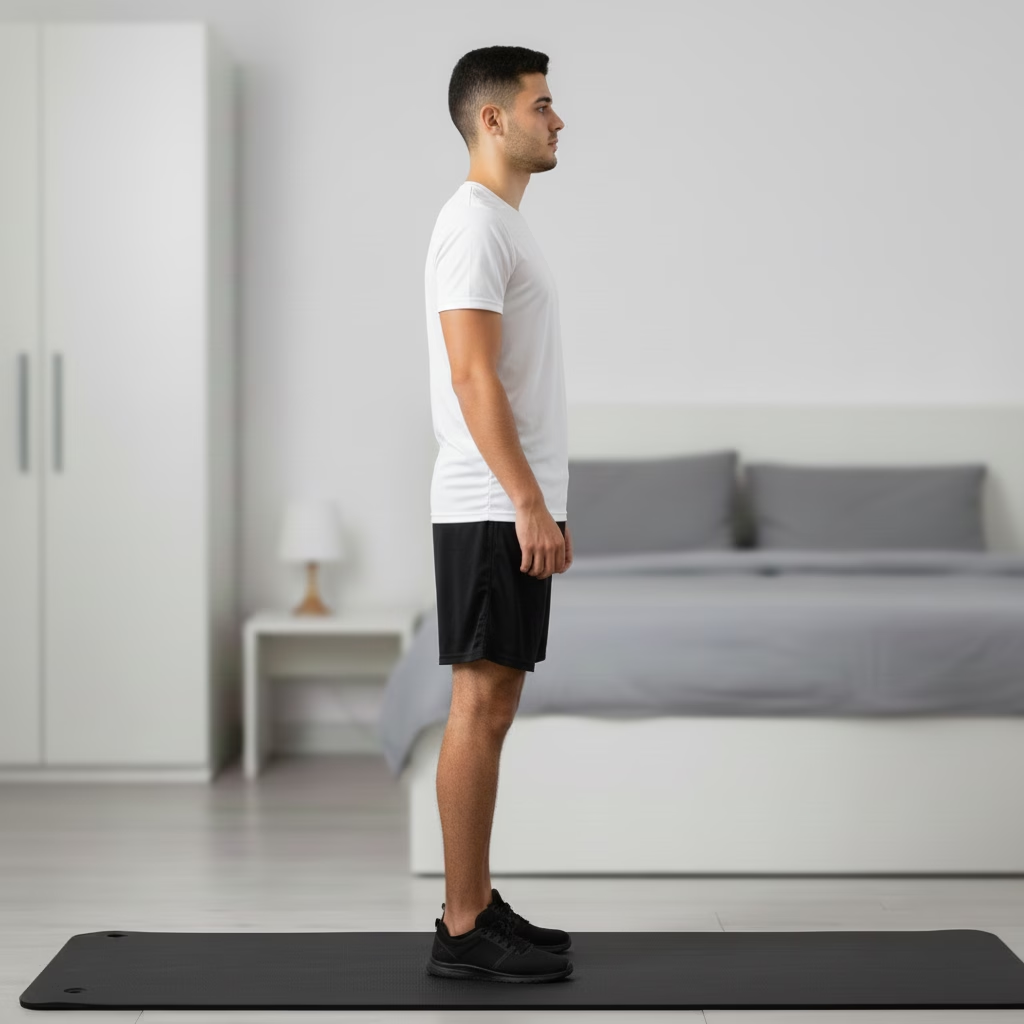
Panel 2 – Taller, More Athletic Stance The next day, the same teen stands relaxed but noticeably taller and more athletic: legs look strong, hips level, chest open. A blue line runs from his feet to the crown of his head, showing how repeated Growth Activation sessions plus sleep help him carry his height instead of collapsing into bad posture.
Form & Safety · Technique, Safety & Common Mistakes
- Drive your knees toward hip height, not just a lazy jog.
- Stay tall through your spine – no huge lean back or forward.
- Land softly on the balls of your feet with knees slightly bent.
- Use your arms to help rhythm, not flail wildly.
High Knees is a heart and joint stressor when done right.
- If you have knee, ankle, heart or lung problems, get cleared by a doctor or coach first.
- Train on a flat, non-slippery surface with decent sneakers.
- Stop immediately if you feel sharp pain, dizziness or chest pain.
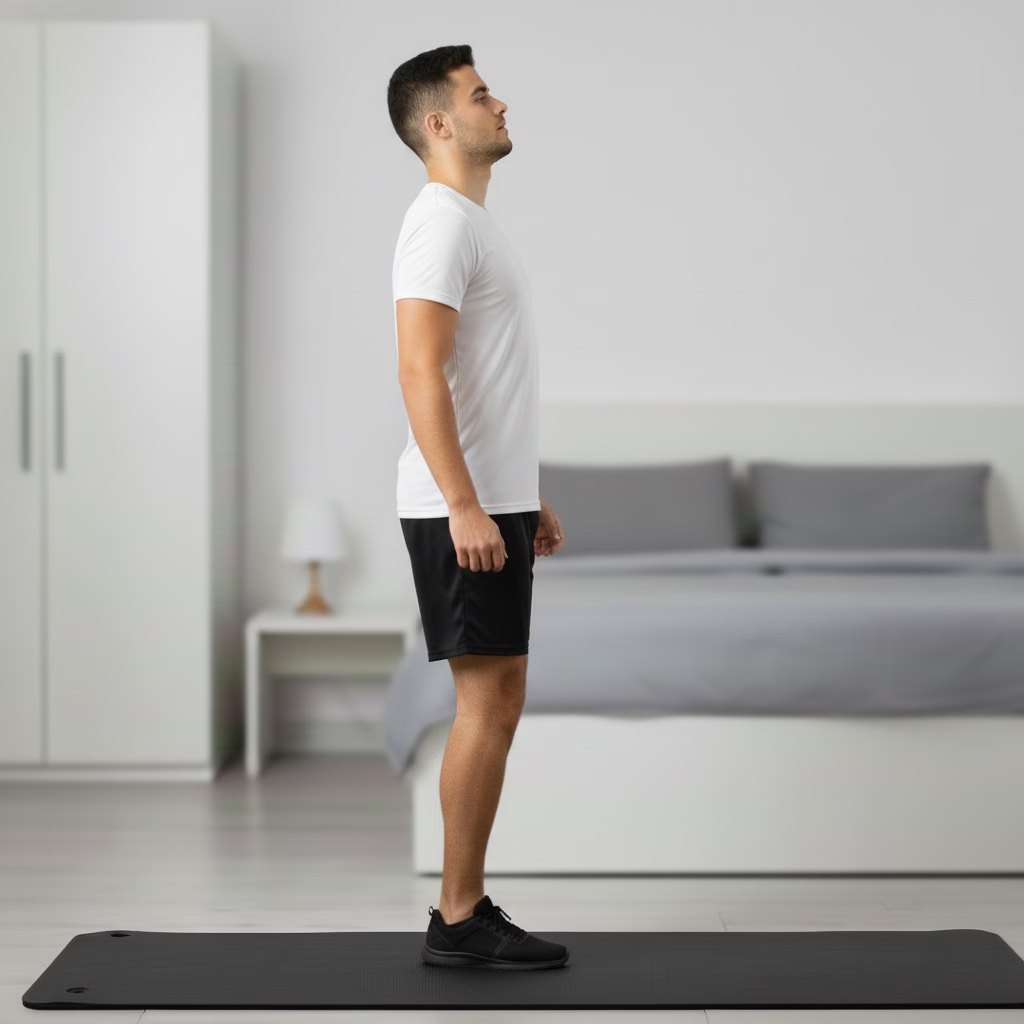
- Just jogging in place with low knees and no real effort.
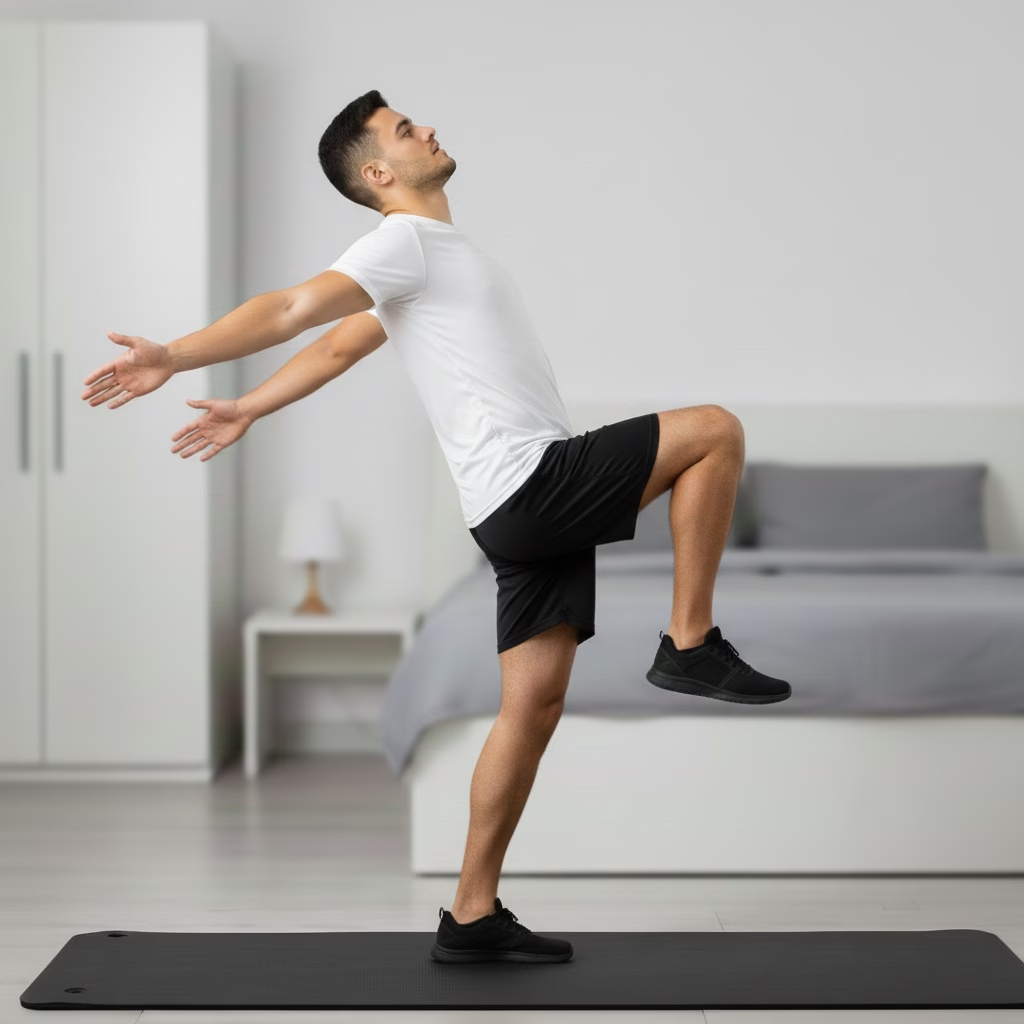
- Leaning way back and smashing the feet into the floor.
- Letting the torso twist and flop instead of staying stacked.
- Doing slow, endless sets instead of short, hard rounds.
Why it fails Growth Activation: The impact is harsh on the joints but the leg muscles never get the deep, controlled burn you want. The body reads this as bad pounding, not smart, repeatable stress that deserves a growth-focused upgrade.
Why it fails Growth Activation: This is just a light jog. It doesn’t build enough lactic acid, doesn’t challenge the legs and barely changes your posture. Good for warming up, but not for triggering the height-focused Growth Activation signal.
Pair With · Best Exercises to Pair With High Knees
Use High Knees as a main Growth Activation spike and stack it smart with other pillars.
Use High Knees in the same week as sprints, burpees and jump rope, but not as a hard session every single day. Rotate it with decompression and posture work so your body doesn’t just get better at suffering – it learns to stand and move closer to your full height between efforts.
FAQ · Common Questions About High Knees & Growth Activation
-
Q1 Is High Knees just the same as running in place? ›Not the way we use it. Casual running in place is usually low-knee, low-effort cardio. High Knees in Height Youth is a short, intense block where your knees drive up toward hip height, your arms pump and your breathing spikes. That’s what creates the Growth Activation effect – not a gentle shuffle on the spot.
-
Q2 Will High Knees destroy my knees over time? ›Done badly – on hard floors, with locked knees and heavy stomps – High Knees can feel rough. Done the Height way, with short blocks, soft ball-of-foot landings and proper surfaces, it becomes a joint strengthener, not a joint killer. If you feel sharp pain, you stop and adjust. We also pair this block with decompression and mobility work so you don’t just pound your legs without restoring them.
-
Q3 What if I can’t go full speed yet? ›You don’t have to start at max speed. Begin with High-Knee March rounds, where you still drive the knees high but move at a slower pace. As your legs and lungs adapt, you shorten the work window and increase speed until you’re truly hitting the Growth Activation zone. The goal is progress and consistency, not copying someone else’s top speed on day one.