
Jump Rope : .Stimulate Bone Density
Fast, low jumps that light up your calves and lungs, stacking lactic acid and impact in tiny, explosive doses.
Jump rope isn’t about huge circus tricks here – it’s about fast, repeatable rounds that push you into the anaerobic zone and send vertical impact through your legs, encouraging your body to come back stronger during rest and sleep.
Pillar · Growth Activation
Jump rope sits in the Growth Activation pillar because it hits two key height levers at once:
- Anaerobic Lactic Acid Hit: Fast, short rounds of jumping drive your legs into an oxygen debt and build lactic acid quickly, which can trigger stronger pulses of your body’s natural growth hormone during recovery.
- Vertical Impact (Wolff’s Law): Repeated, controlled landings send small, vertical forces through your feet, shins and thighs. Over time, the body responds by reinforcing bone and soft tissue, supporting stronger legs and a more powerful stance.
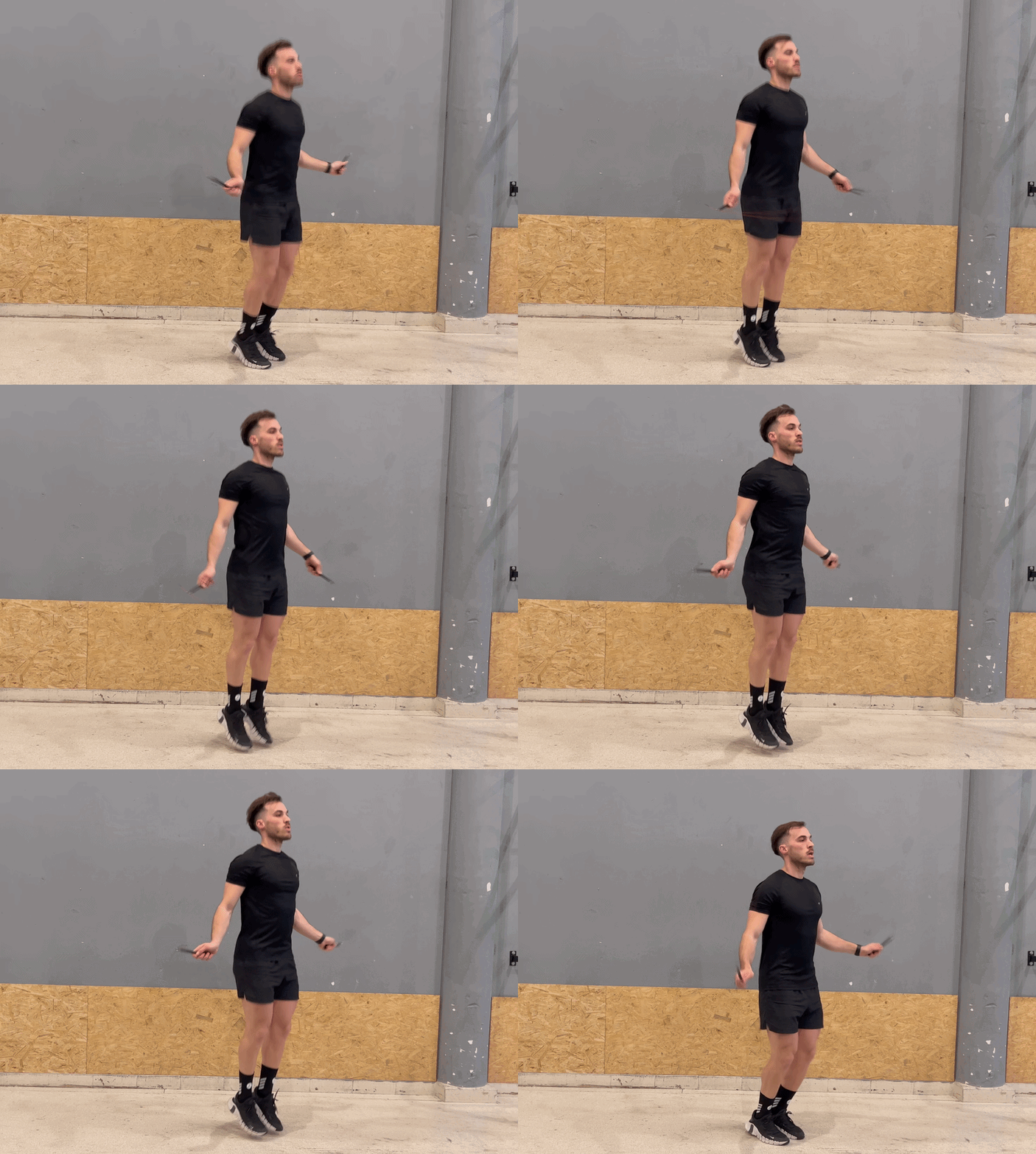
How To · How To Do Jump Rope (Growth Activation Style)
Not casual playground skipping. Clean, low, fast jumps that spike your breathing and leg burn inside short windows.
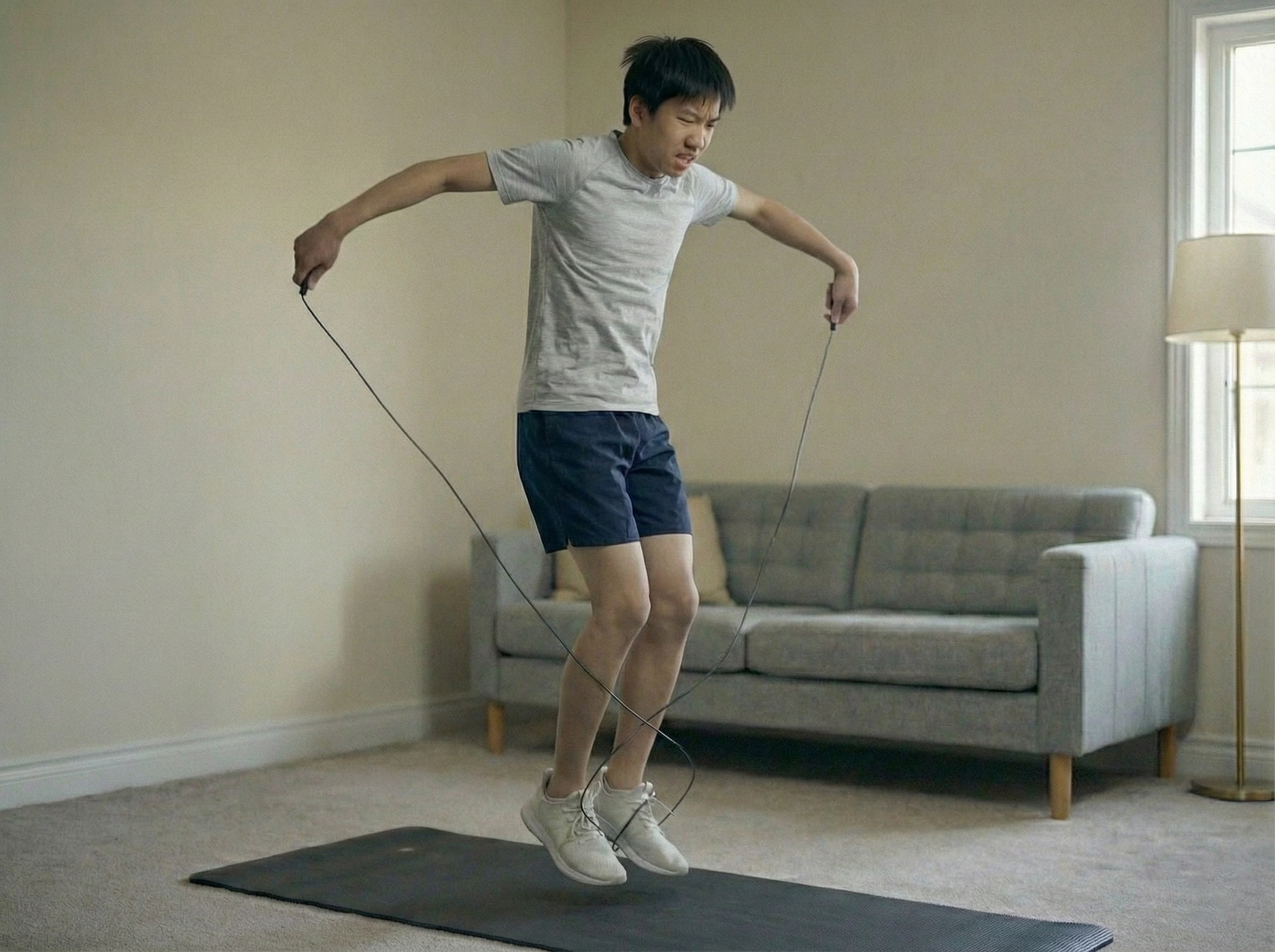
- Step 1 – Set up your rope and stance. Stand tall with the rope behind your heels, feet about hip-width apart, shoulders relaxed and elbows tucked close to your ribs. Your hands are just slightly in front of your hips, ready to turn the rope with your wrists, not big arm swings.
- Step 2 – Start with small, soft jumps. Begin by turning the rope slowly and making tiny jumps just high enough to clear the rope. Land on the balls of your feet with your knees slightly bent and your chest lifted. This is your warm-up rhythm before you go for Growth Activation speed.
- Step 3 – Lock in your tall posture. As your rhythm settles, keep your head over your ribs, ribs over your hips. Avoid curling forward or looking at the floor. Think “stacked and tall” while the rope passes under you again and again.
- Step 4 – Hit the Growth Activation round. When the timer starts, speed up the rope and keep your jumps low and quick. In 20–40 seconds, your calves and lungs should be burning and your breathing should be heavy – this is where lactic acid builds and the Growth Activation effect kicks in.
- Step 5 – Rest, reset and repeat. When the timer stops, put the rope down or slow to a gentle bounce, walk around and let your breathing come down. That rest is where your body starts turning the “this was hard” signal into recovery and growth. Then repeat for your remaining blocks.
- “Jump low, go fast.” The higher you jump, the slower you go – which kills the Growth Activation effect.
- “Wrists, not wild arms.” The rope should spin from small wrist circles, not giant, sloppy arm swings that waste energy.
- “Short rounds, big burn.” You’re aiming for 20–40 seconds of effort that you cannot hold much longer, then clear rest.
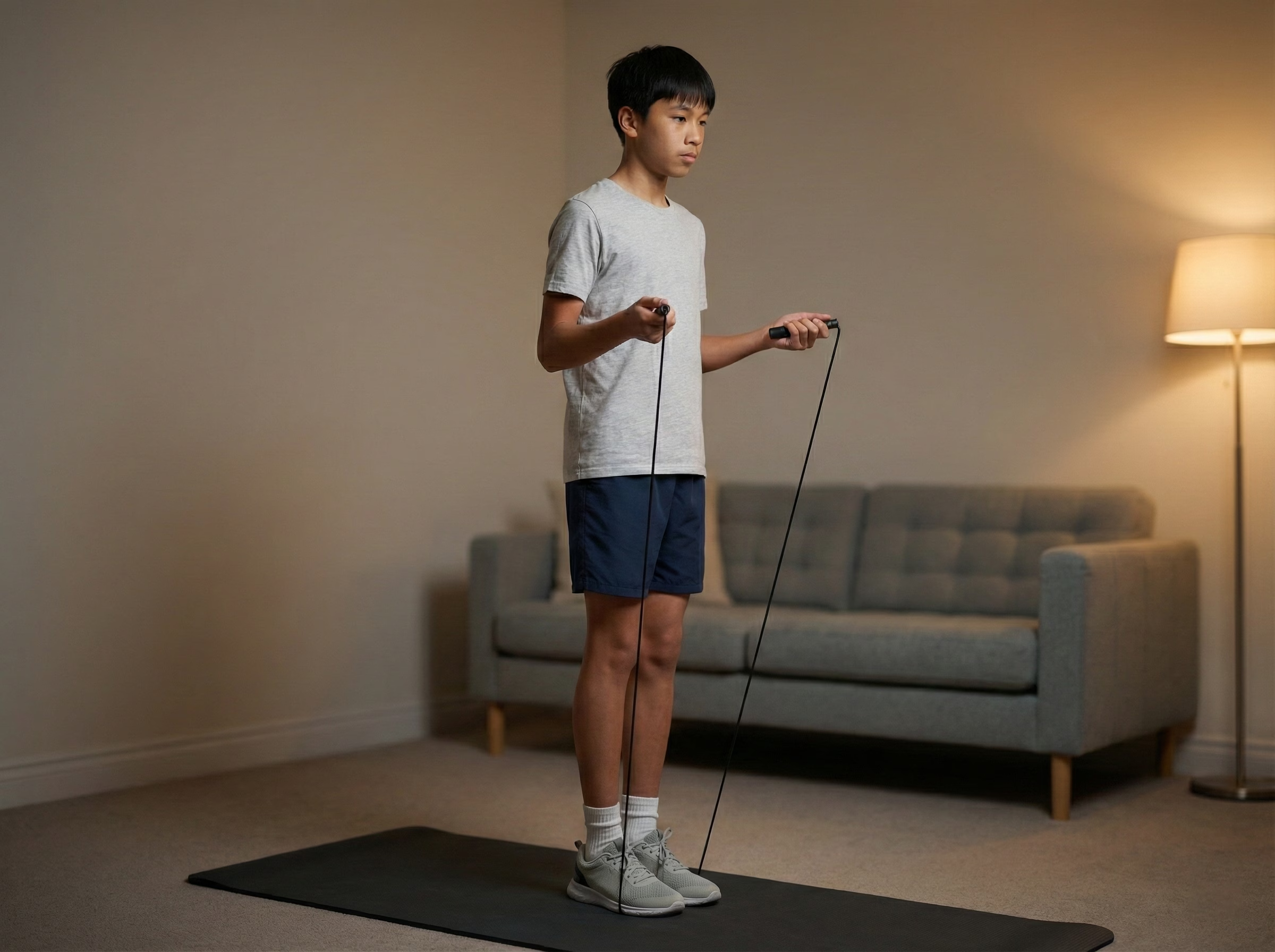
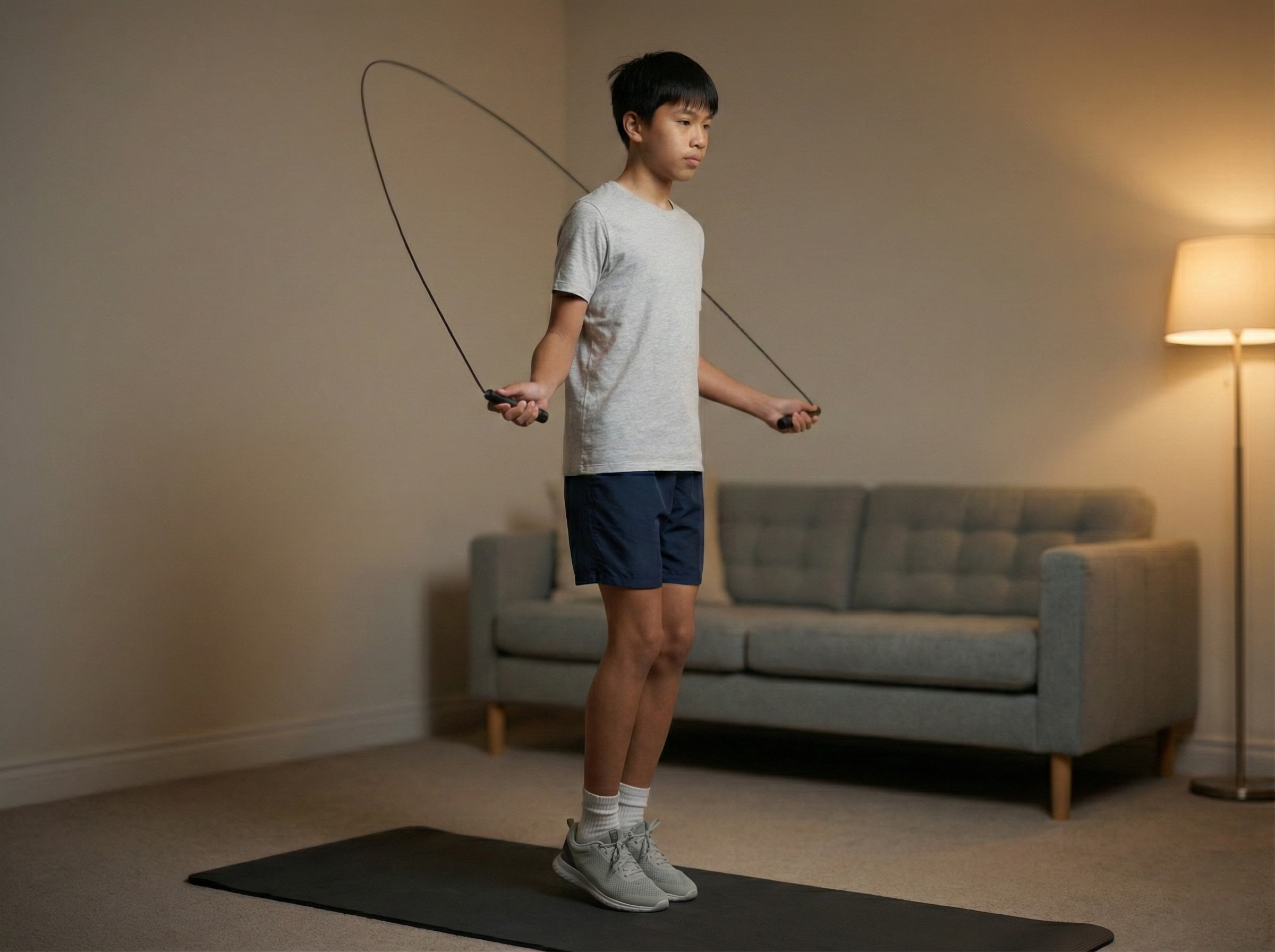
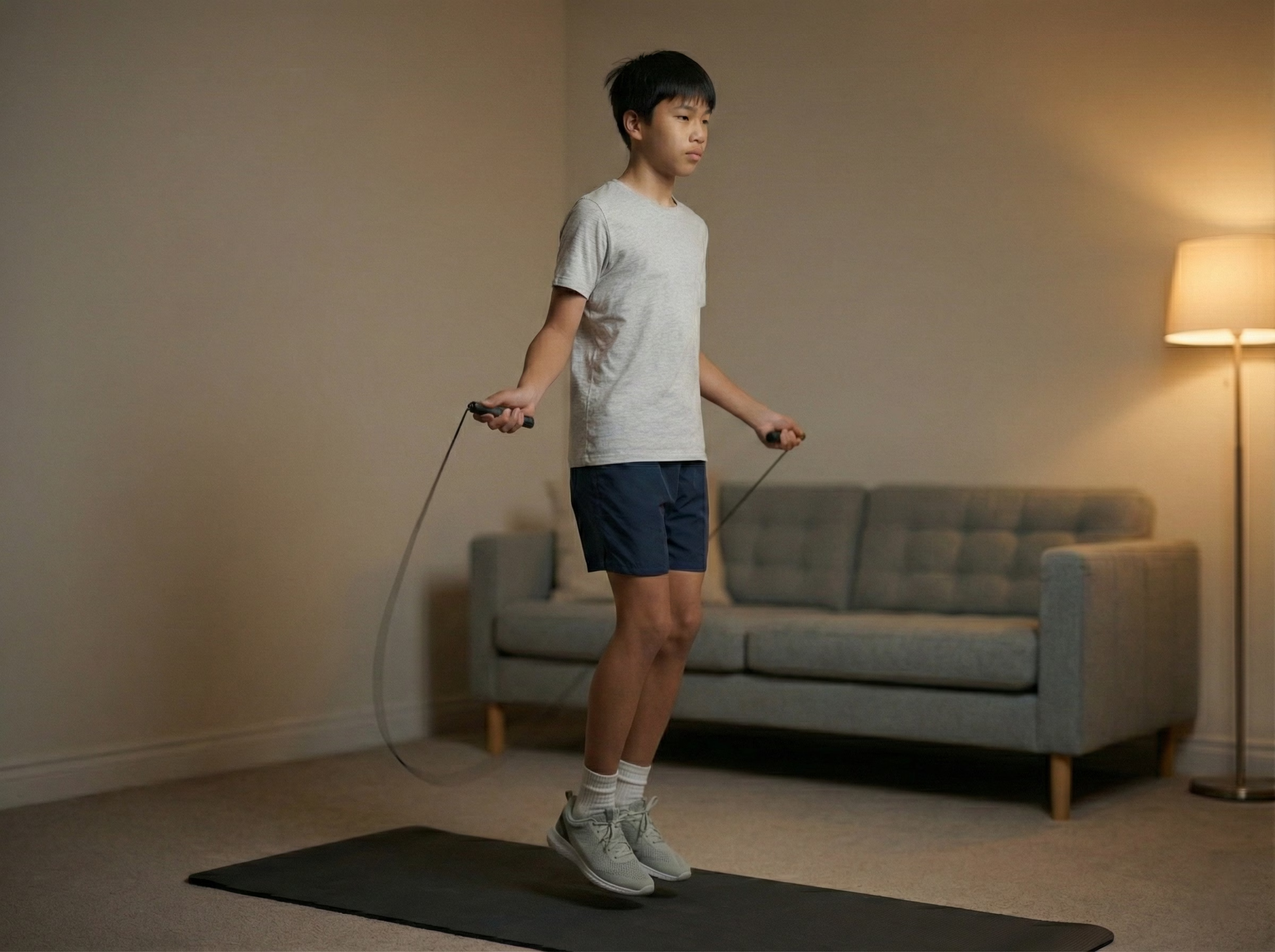
Flow & Sets · Sets, Intensity & Frequency (Growth Activation)
Jump rope is perfect for Growth Activation blocks: quick, intense rounds plus real rest.
Growth Activation Rule: by the end of each work block, your calves should be burning and your breathing should be heavy enough that you can’t easily speak more than a few words. If you can skip for minutes at the same pace, you’re in a lighter cardio zone – still healthy, but not the height-focused Growth Activation zone this pillar is built for.
Variations · Easy Variations
Adjust impact and difficulty without losing the Growth Activation logic.
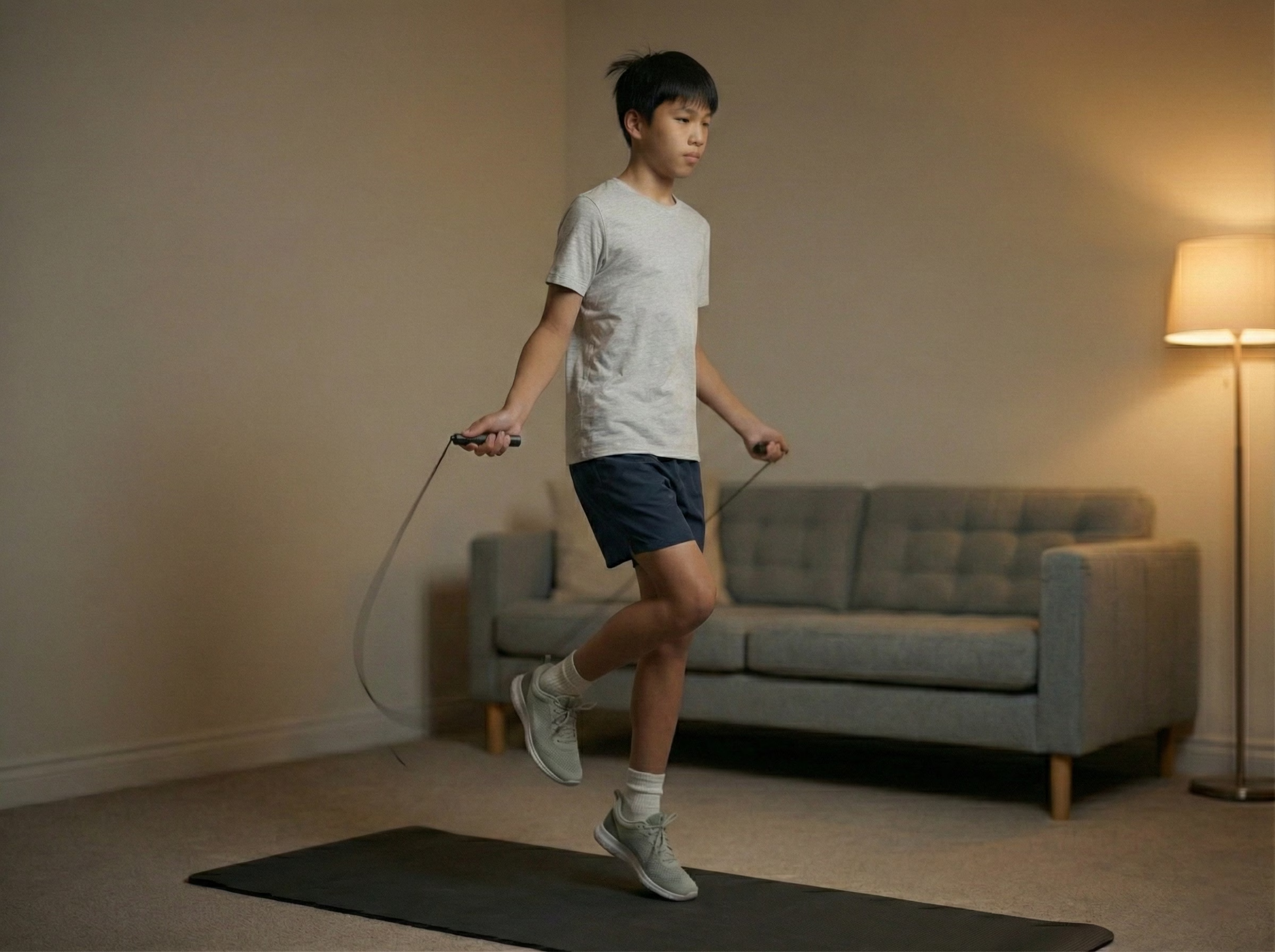
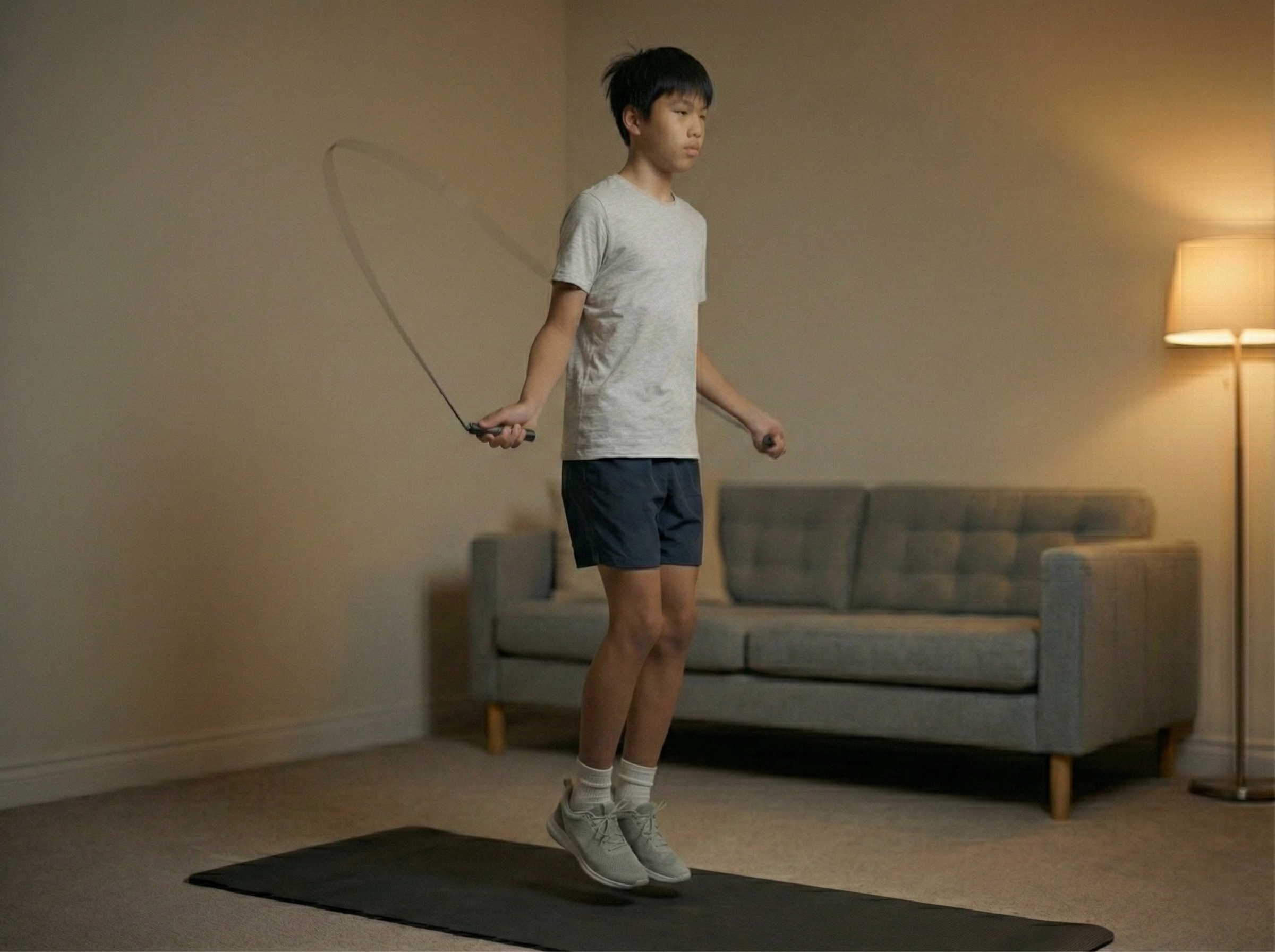
Height Impact · How Jump Rope Triggers Growth Activation
- Every low jump sends a small, vertical shock from your feet into your shins and thighs. By Wolff’s Law, your body responds over time by reinforcing those bones and tissues, supporting stronger legs that can hold a taller posture.
- When you jump quickly for 20–40 seconds, your calves and lungs race to keep up. Your muscles can’t get enough oxygen in time, so they switch into anaerobic mode and build lactic acid.
- That lactic acid and fatigue tell your body, “We need to repair and upgrade this system.” During rest and especially during deep sleep, your body can release extra pulses of natural growth hormone to handle the damage.
- If your growth plates are still open (usually 13–20), this repeat cycle – stress, lactic acid, recovery – is one of the ways you squeeze more out of your natural height potential while also building coordination and stamina.
- Key point: endless, slow, low-effort skipping is fine for cardio but doesn’t hit the same Growth Activation level. The height-specific magic sits in short, explosive rounds plus proper recovery.
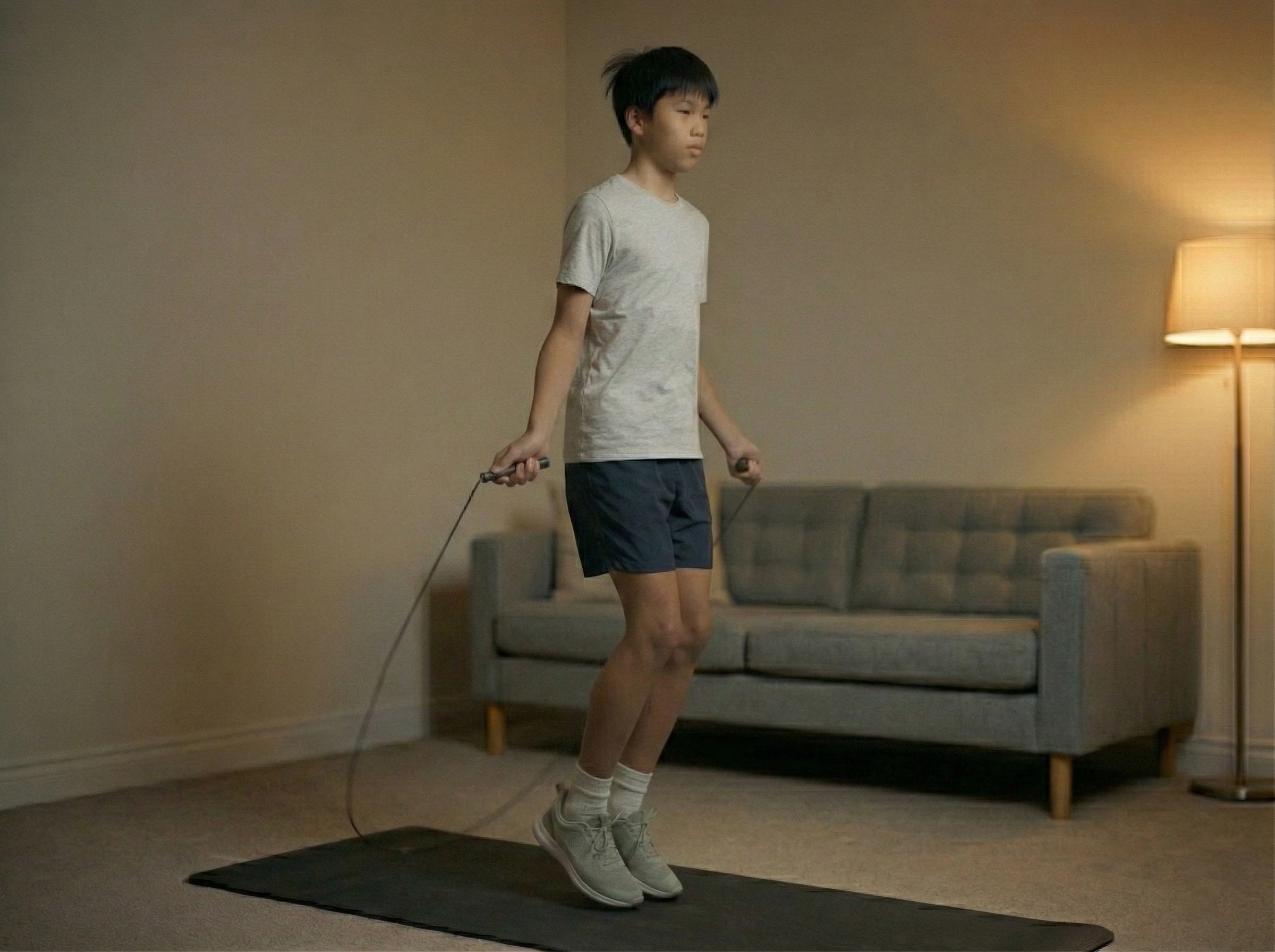
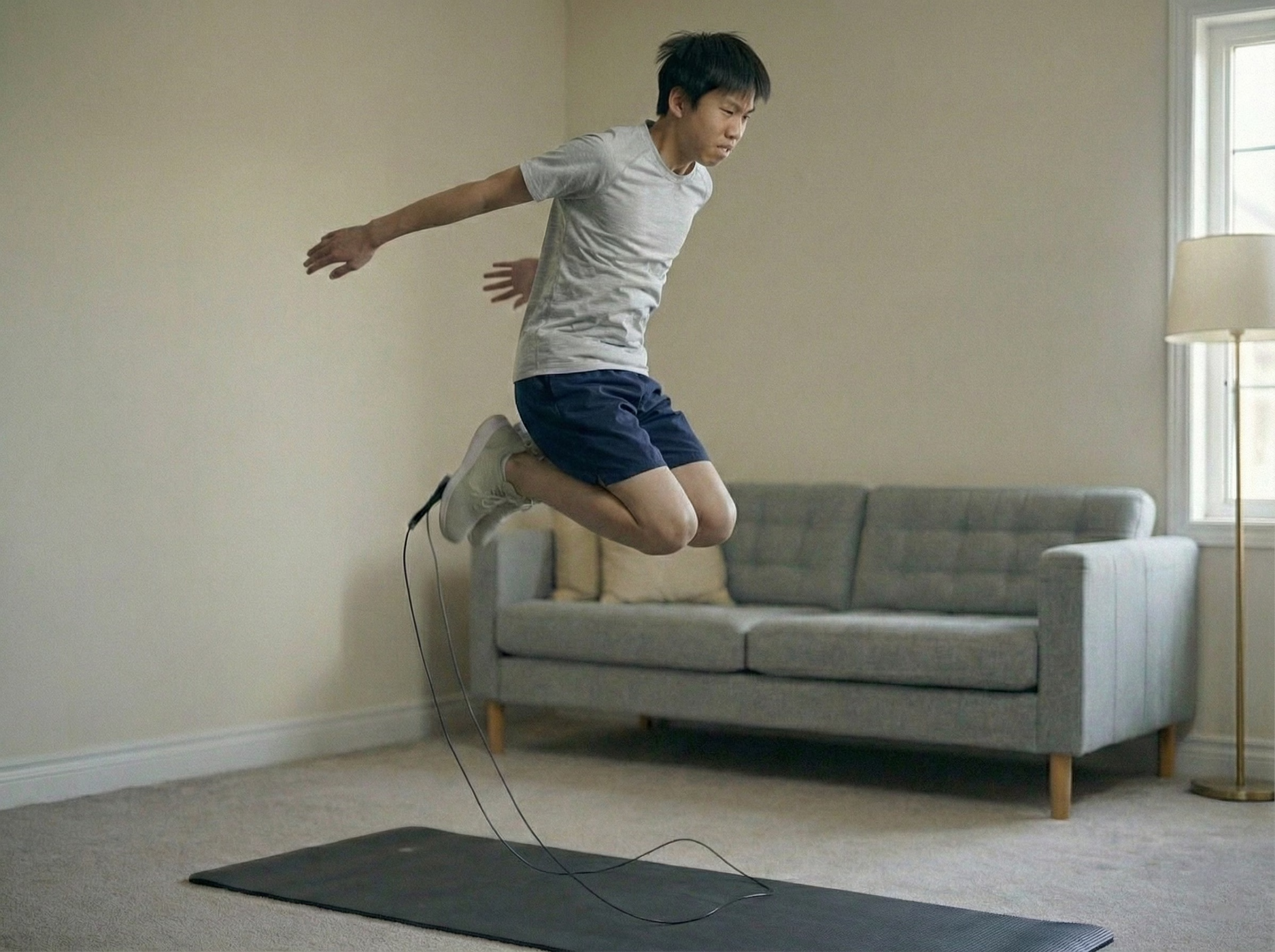
Panel 1 – Vertical Impact & Lactic Acid Side view of a teen mid-jump with a soft blue glow running from the balls of his feet up through his shins and thighs into his core. His expression and body language show effort: he’s in the middle of a Growth Activation block where every landing stacks vertical impact and lactic acid at the same time.
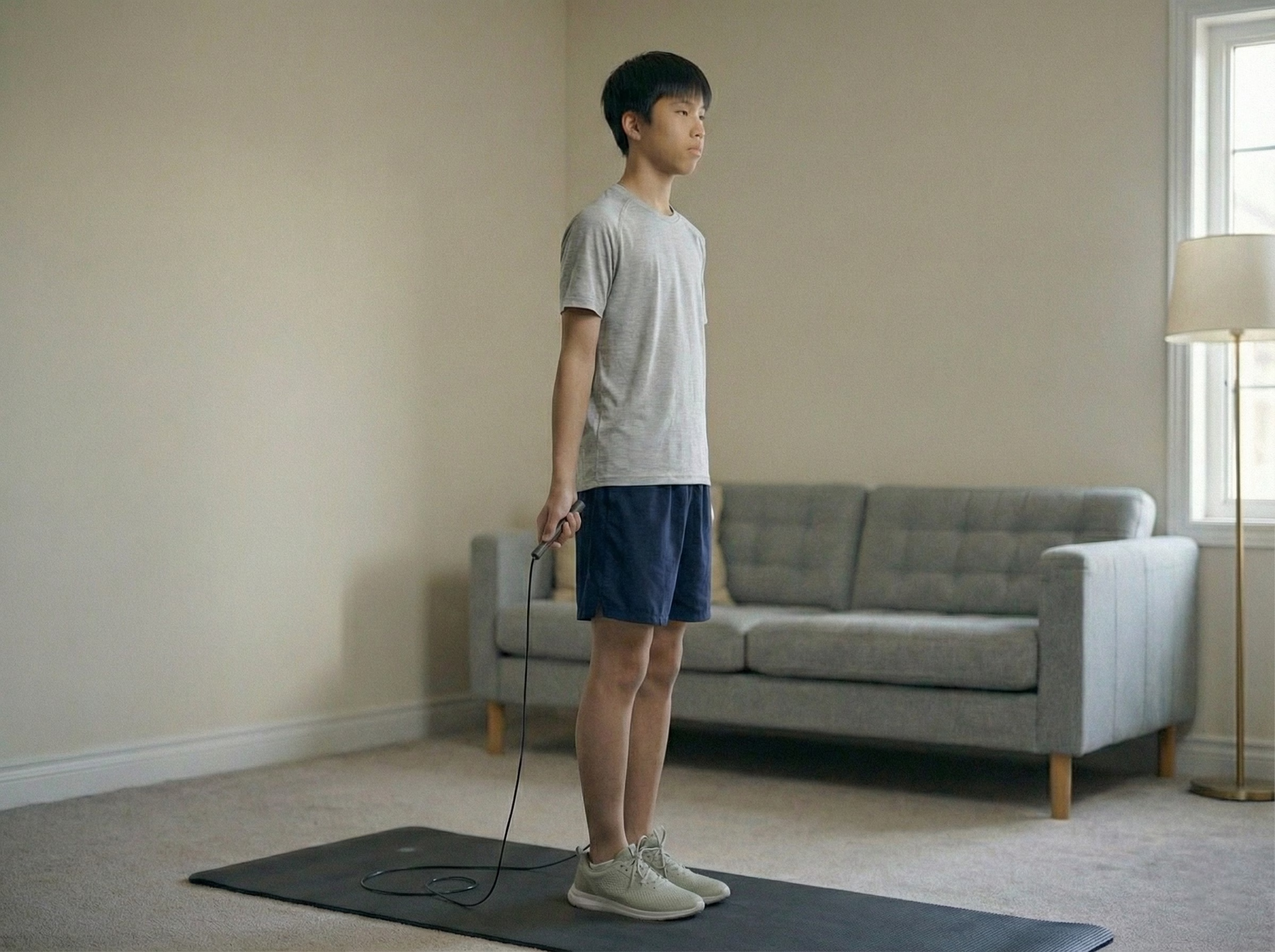
Panel 2 – Stronger Legs, Taller Stance The next day, the same teen stands relaxed with legs looking more solid, knees soft and posture smooth. A blue line traces from his feet to the crown of his head, showing how repeated Growth Activation sessions plus sleep help him carry himself closer to his true height instead of slouching into the ground.
Form & Safety · Technique, Safety & Common Mistakes
- Keep your jumps low – just enough to clear the rope.
- Land softly on the balls of your feet with knees slightly bent.
- Spin the rope from your wrists, elbows close to your ribs.
- Stay tall, gaze forward, not down at your feet.
Jump rope can be rough if you slam the ground or already have joint issues.
- If you have knee, ankle, heart or lung problems, talk to a doctor or coach before Growth Activation rounds.
- Use proper footwear and avoid concrete, tile or unstable surfaces.
- Stop immediately if you feel sharp joint pain, dizziness or chest pain.
- Jumping too high and wasting energy each rep.
- Landing with locked knees and loud stomps.
- Letting your chest collapse and shoulders round forward.
- Doing ultra-long, slow sessions instead of short intense blocks.
Why it fails Growth Activation: Instead of quick, springy contacts, every landing sends a harsh shock into the joints. That raises your injury risk and makes it harder to hold speed long enough to build the right kind of lactic acid.
Why it fails Growth Activation: Slouching makes you shorter while you train and wastes energy in the upper body, so your legs never hit the clean, fast rhythm needed for a true Growth Activation round.
Pair With · Best Exercises to Pair With Jump Rope
Use jump rope as a core Growth Activation tool and stack it with other height-focused blocks.
Use Jump Rope in the same session as other Growth Activation work, or on its own as a quick “spike” block. Then combine it with decompression and posture drills so your body doesn’t just get fitter – it learns to stand taller and move smoother between impact days.
FAQ · Common Questions About Jump Rope & Growth Activation
-
Q1 Will jump rope make me shorter if I do too much? ›Normal jump rope with good shoes, proper surface and smart programming does not make you shorter. The concern is only when you slam your joints with heavy, careless impact, ignore pain or never give your body time to recover. In Height Youth, jump rope sessions are limited, stacked with decompression work and focused on clean, low jumps – not endless pounding.
-
Q2 How long until jump rope helps my height? ›There’s no instant “I skipped this week and grew 2 cm” result. Growth Activation training is about improving the signal your body gets over months: stronger legs, better coordination, more natural growth hormone pulses and taller posture. Think in blocks of 8–12 weeks, not days. You’ll usually notice easier jumping, smoother landings and a taller stance first – the centimeters are a longer-term game tied to sleep, food and your genetics.
-
Q3 Can I jump rope every day? ›You can move every day, but Growth Activation jump rope – the hard, breath-stealing kind – shouldn’t be daily. Your bones, muscles and nervous system need time between high-impact days to adapt. In the Height app, we cap hard rope sessions to 2–4 per week and rotate them with mobility, posture and lighter movement so you grow stronger instead of just more tired.