
Lunges : .Build Postural Foundation
A long step, a deep drop and a strong push back up – building leg power, balance and serious burn, one side at a time.
Lunges turn regular standing into single-leg work. When you step long and drop low at a solid pace, your quads, glutes and hamstrings all light up at once. Done in short, intense blocks, this creates the kind of lactic acid leg burn that fits perfectly into the Growth Activation rules – especially while your growth plates are still open.
Pillar · Growth Activation
Lunges belong in the Growth Activation pillar when you treat them like a leg sprint, not a slow stretch:
- Anaerobic Glycolysis: Driving in and out of deep lunges at a strong pace loads your quads, hamstrings and glutes until they burn. That lactic acid build-up is exactly the “this was hard” message your body can answer with stronger pulses of natural growth hormone during rest and sleep.
- Vertical Drive & Deceleration: Each rep drops your body down and then forces you to push the floor away through your front leg. Advanced variations like jump lunges add a vertical “defy gravity” impulse that fits the same Impact logic as box jumps and jump squats, just with more control.
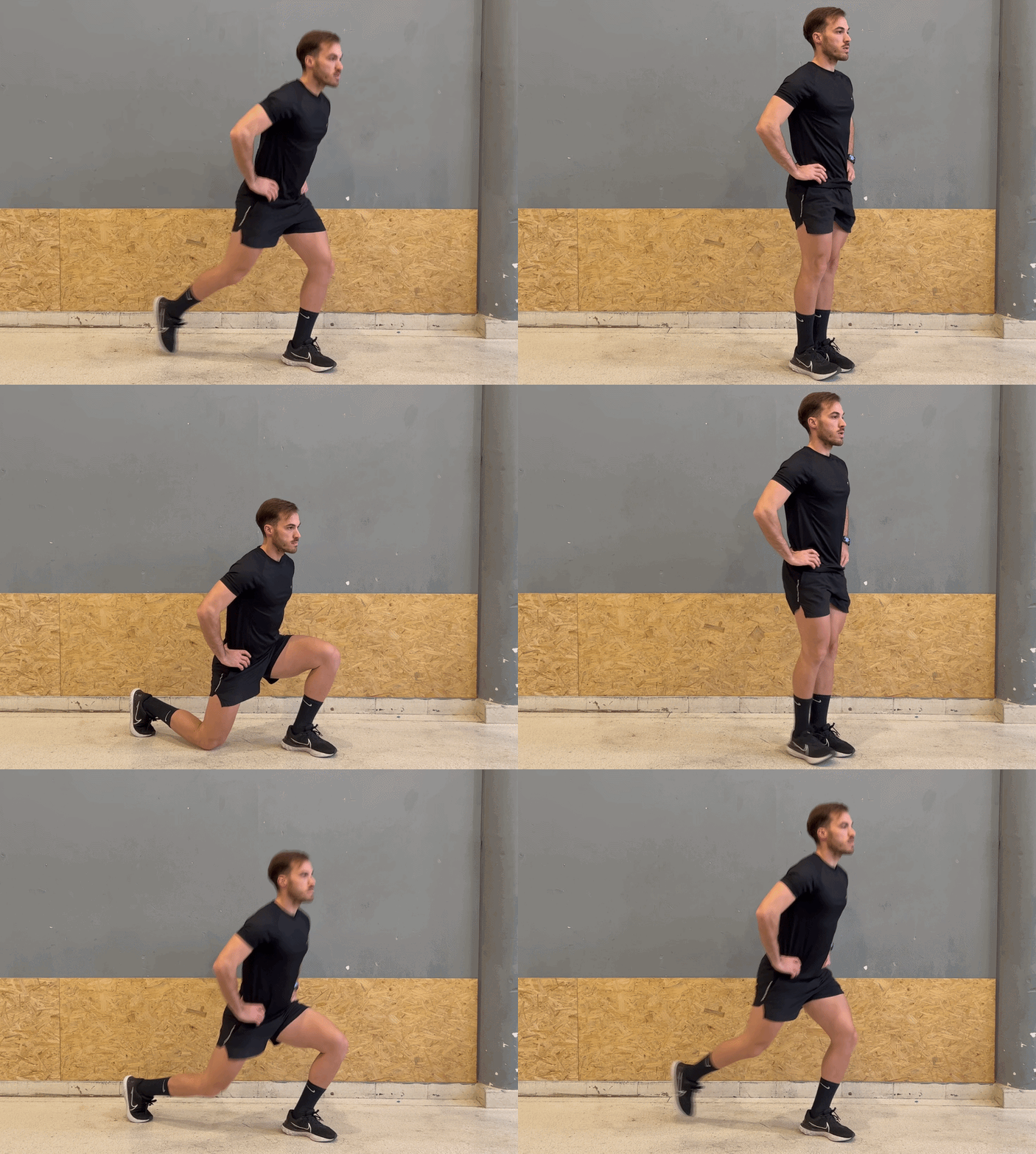
How To · How To Do Lunges (Growth Activation Style)
This is not a lazy stretch. Think of it like a controlled leg sprint – deep, repeatable drops and powerful pushes back up.
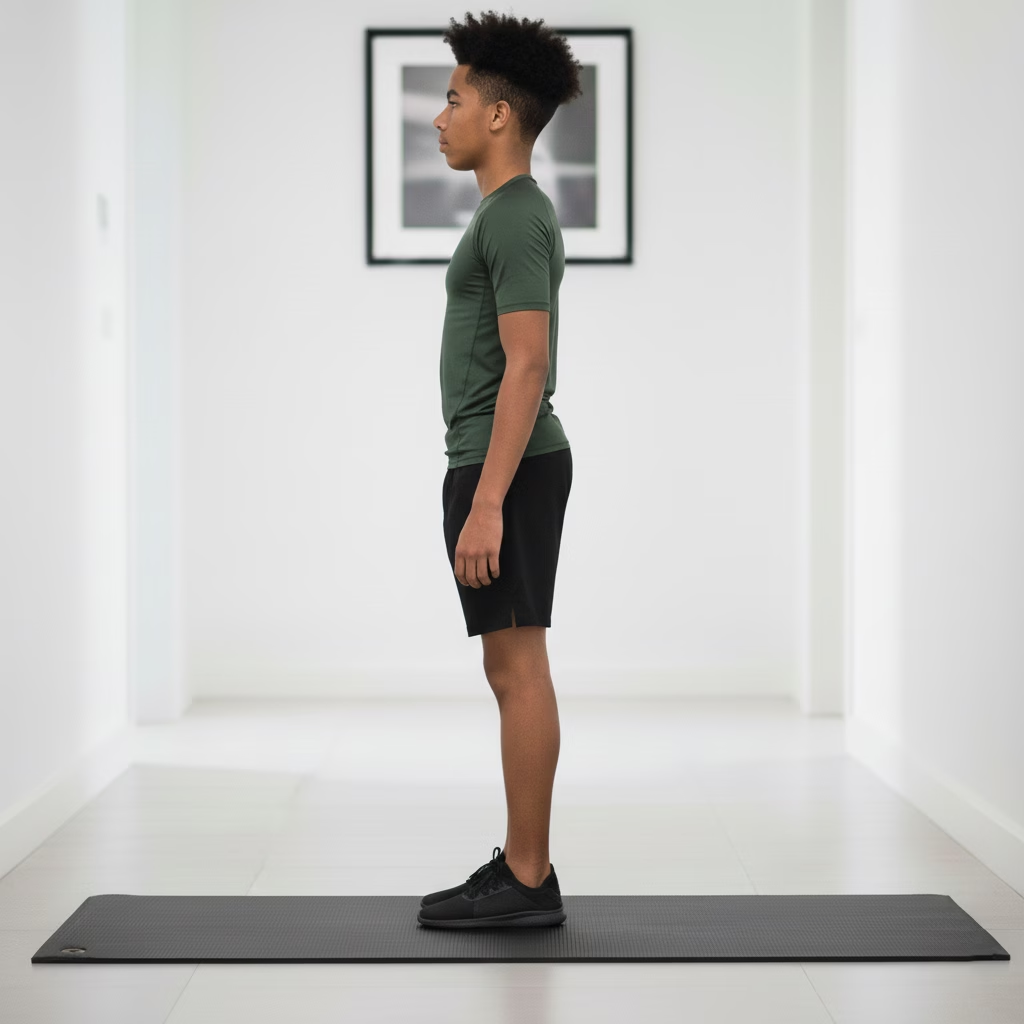
- Step 1 – Set a long, balanced stance. Stand tall with your feet hip-width apart. Step one foot forward so you’re on “train tracks,” not a tight rope – your front foot should be far enough ahead that both knees can bend to about 90° without your front heel lifting. Keep your hands on your hips or by your sides.
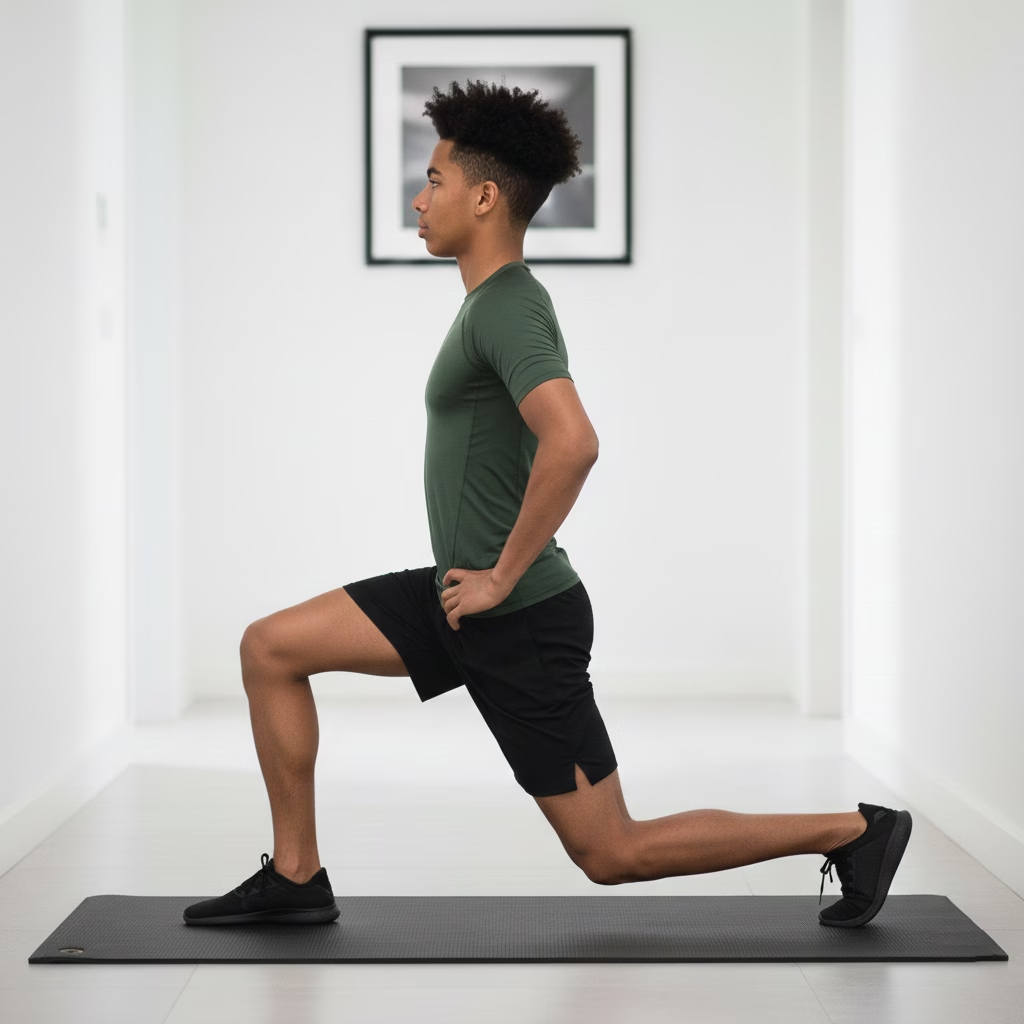
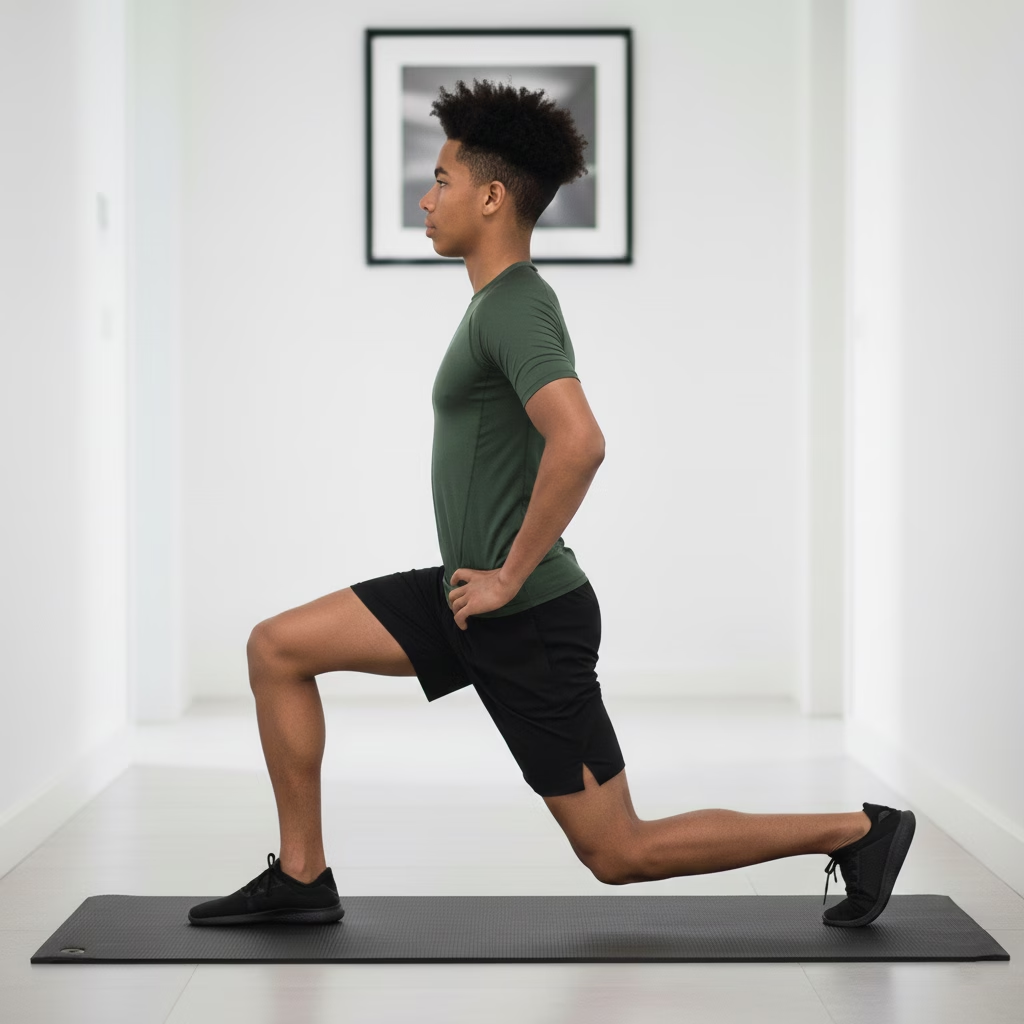
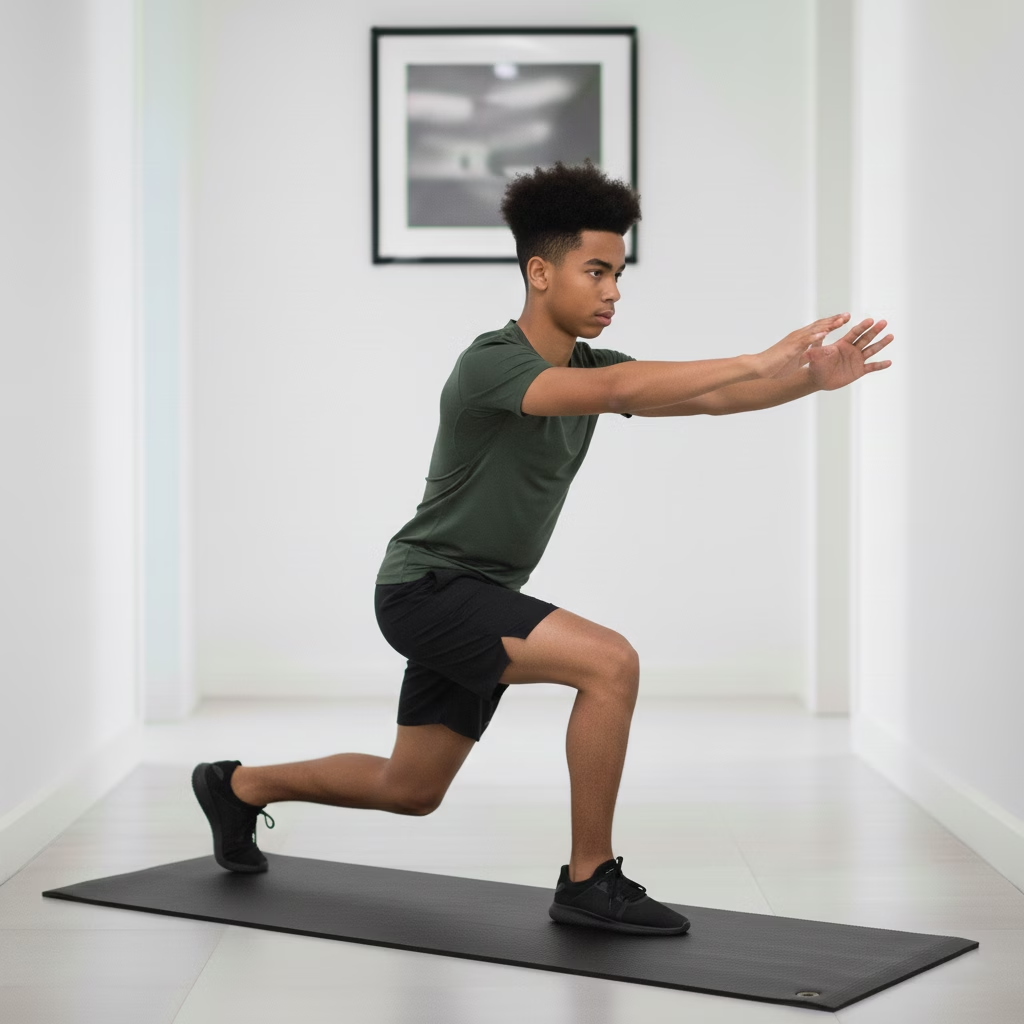
- Step 2 – Drop into a clean lunge. Inhale, then bend both knees at the same time. Lower your back knee toward the floor while keeping your front knee stacked over the middle of your foot, not collapsing inward or shooting way past your toes. Your torso stays tall over your hips, not folding forward.
- Step 3 – Drive up through the front heel. Exhale and push the floor away with your front leg, especially through the heel. Think about using your quad and glute to bring you back to the starting position. Your back leg moves with you, but the front leg does most of the work.
- Step 4 – Build smooth, continuous reps. Stay in the same stance and repeat the lunge for 8–16 reps on that side, or for 20–40 seconds of steady work. Control the drop, then push up aggressively without bouncing or relaxing at the top.
- Step 5 – Hit the Growth Activation block. Once your pattern feels clean, make the set harder by increasing pace and depth while keeping form tight. By the end of a block your front leg should be burning, your breathing should be heavy and it should be hard to talk – that’s the Growth Activation zone.
- “Front heel heavy.” If your front heel pops up, the stress jumps into your knee instead of your glute and hamstring.
- “Drop straight down, not forward.” Think elevator, not elevator plus rollercoaster. Your torso stays tall and centred.
- “Short, brutal sets.” 20–40 seconds of real effort beats 2 minutes of lazy half-reps.
Flow & Sets · Sets, Intensity & Frequency (Growth Activation)
Treat lunges like timed leg sprints – deep, controlled reps that leave your legs and lungs on fire.
or 10–16 reps per leg at a solid pace
Growth Activation Rule: by the end of a work block, your front leg should feel pumped and burning, and your breathing should be clearly elevated. If you can hold a normal conversation while doing lunges, you’re in “light strength” mode – useful, but not enough to trigger the level of anaerobic stress we’re targeting for Growth Activation.
Variations · Easy Variations
Start with control, then level up into impact once your legs and balance are ready.
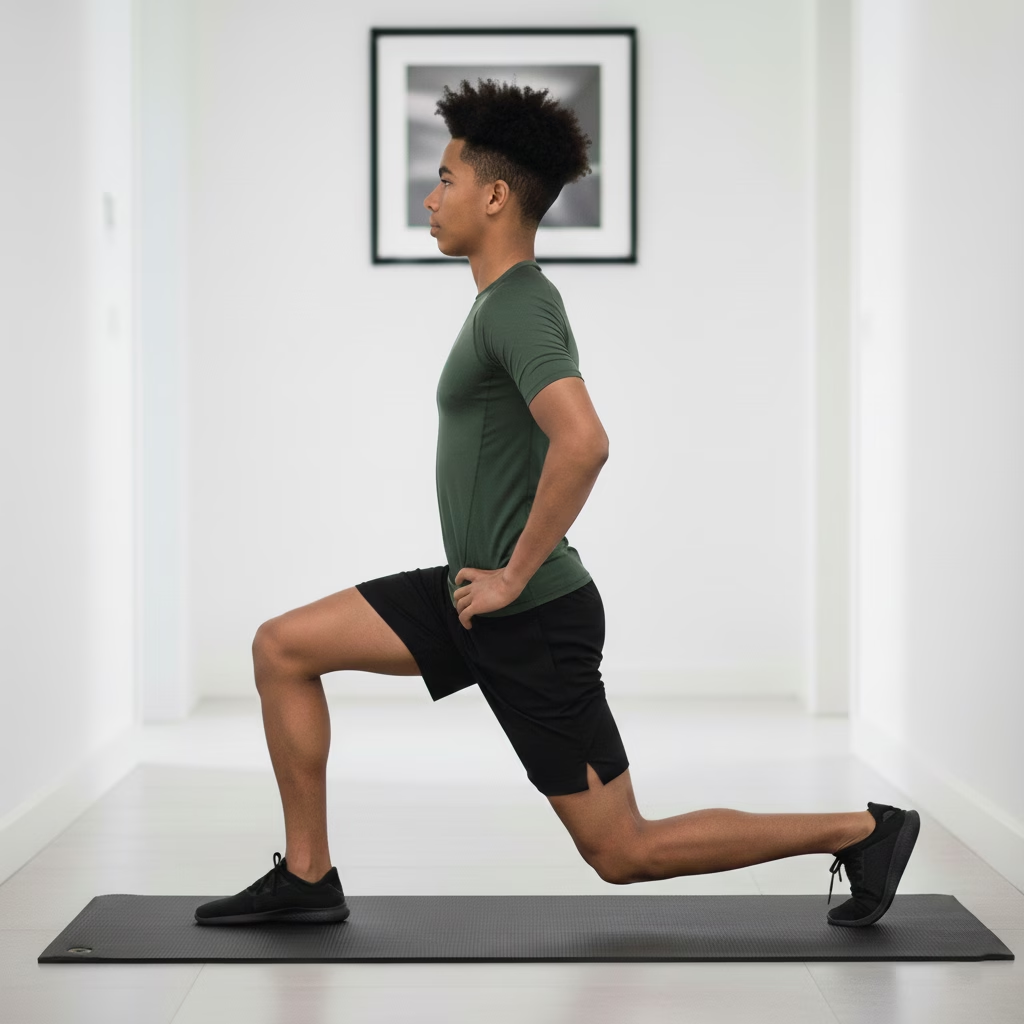
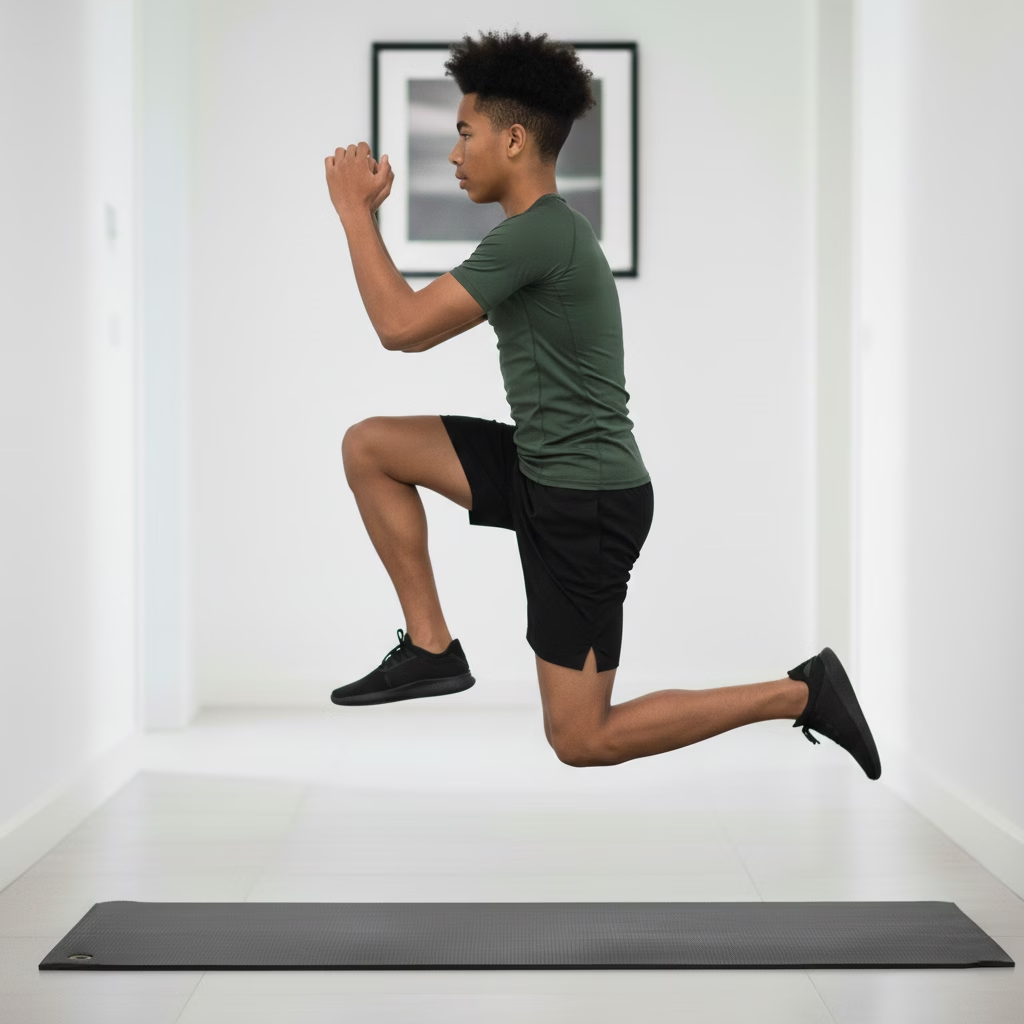
Height Impact · How Lunges Support Growth Activation
- Each deep lunge forces your quads, hamstrings and glutes to handle your bodyweight on one leg. When you string reps together, those muscles start to burn – lactic acid rises, and breathing spikes into the Growth Activation zone.
- Because your torso stays tall over your hips, your pelvis learns to stay stable while your legs are doing hard work underneath you. That control matters for how you stack your spine on top of your lower body day-to-day.
- With advanced jump lunges, the Impact logic shows up too: every soft landing sends a vertical signal through your ankle, knee and hip that the system needs to be stronger and more resilient – especially useful while leg growth plates are still open.
- The real Growth Activation effect comes from anaerobic glycolysis – pushing until your legs and lungs are working hard in short bursts, not from casually stepping through a few easy lunges.
- Important: lunges don’t override your genetics, but paired with sleep, nutrition, decompression and posture work, they help your body actually use the growth potential you already have instead of wasting it on weak, unstable legs.
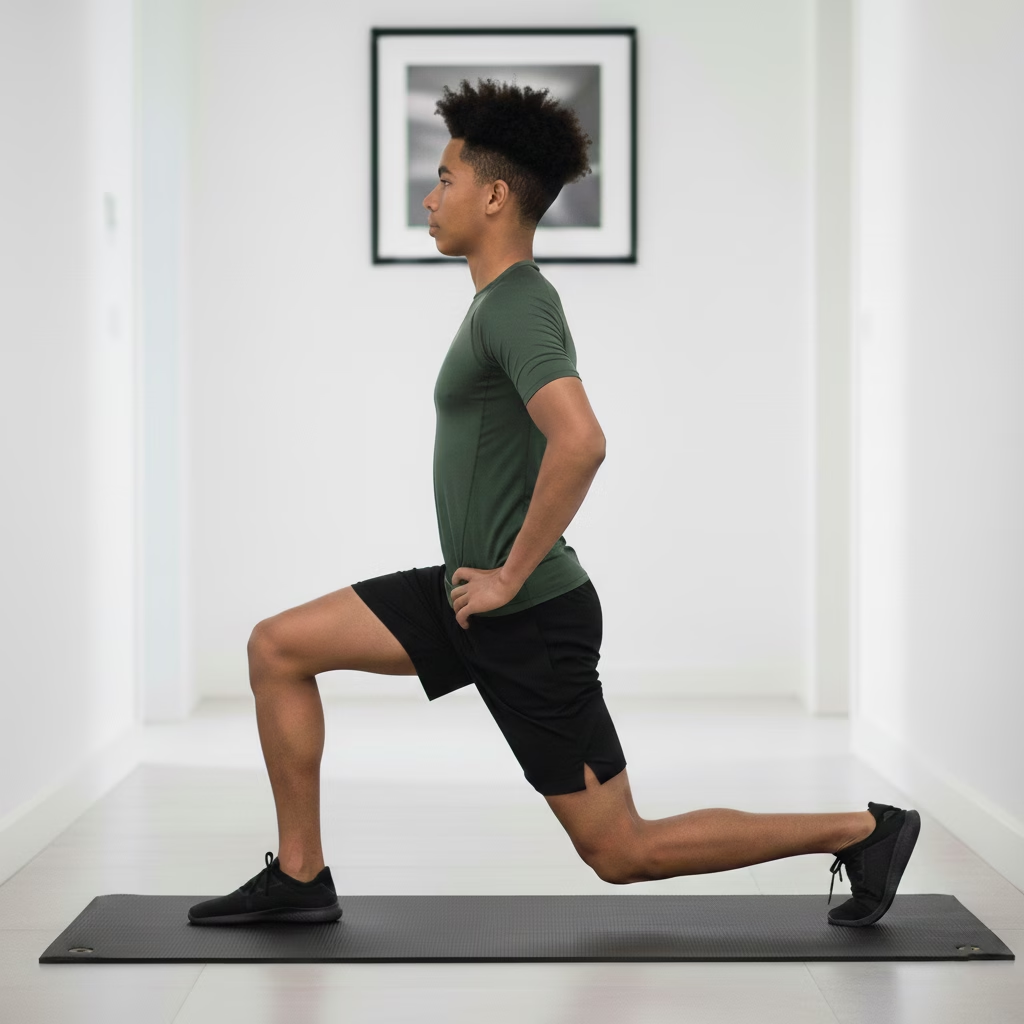
Panel 1 – Deep Single-Leg Load Side view of a teen in the bottom of a strong lunge: front knee stacked over mid-foot, back knee hovering above the ground. A blue glow runs from the front foot through the shin, quad and hip into the torso, showing how the whole front side is loaded in a clean line during a Growth Activation block.
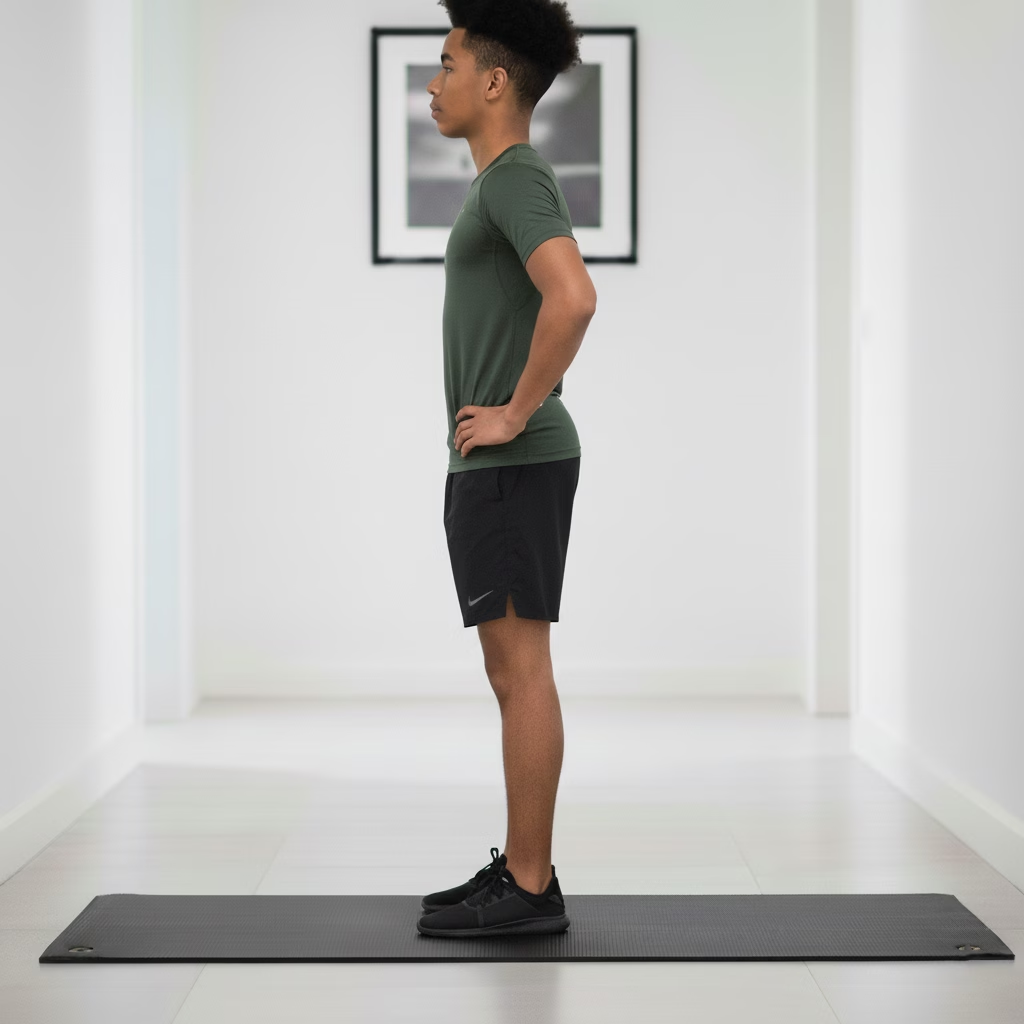
Panel 2 – Taller, More Stable Stand The next day, the same teen stands in a relaxed tall stance: hips level, knees tracking straight, feet grounded. A soft blue line traces up from his feet through his pelvis and spine to the crown of his head, showing how stronger, more balanced legs help him carry his real height instead of collapsing into one hip or one knee.
Form & Safety · Technique, Safety & Common Mistakes
- Feet on “train tracks” – hip-width apart, not tight-rope narrow.
- Front knee stacked over the middle of the foot, not caving in.
- Torso tall, ribcage over pelvis, not folding forward.
- Drop straight down, then drive through the front heel to stand.
Lunges are safe when done with control, but they stress knees and ankles if your alignment is off.
- If you have knee, hip, ankle, heart or balance issues, talk to a doctor or coach first.
- Use a non-slip surface; don’t rush on shiny tiles or unstable ground.
- Stop with sharp joint pain, snapping or any weird, unstable feeling.
- Front knee collapsing inward or drifting way past the toes.
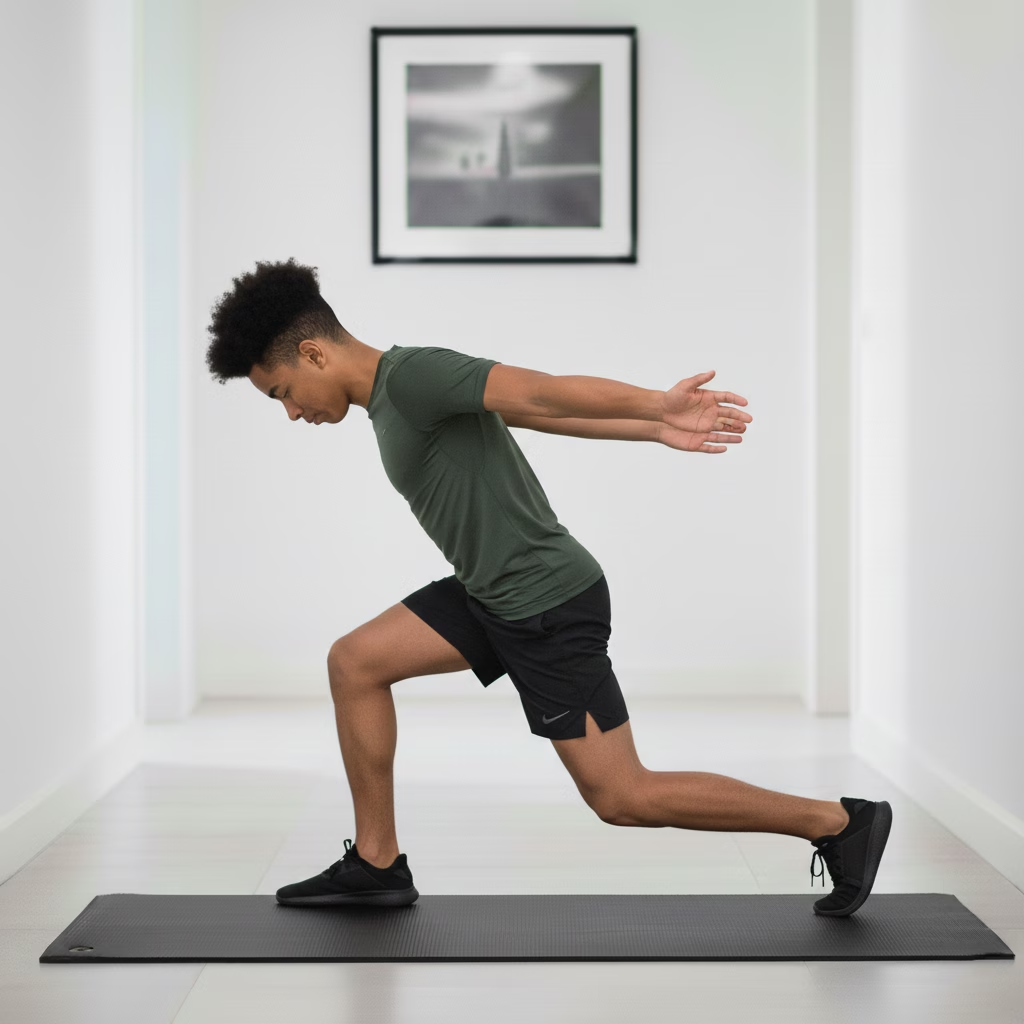
- Torso pitching forward like a bow instead of staying tall.
- Steps too narrow, making you wobble every rep.
- Doing hundreds of lazy half-reps instead of short, focused hard sets.
Why it fails Growth Activation: Instead of loading strong muscle chains, the stress slams into the knee joint. The body reads this as bad joint stress, not smart muscle stress worth building on.
Why it fails Growth Activation: There’s almost no lactic acid build-up or challenge. It might warm you up, but it won’t trigger the “this was hard” Growth Activation response we’re chasing with real depth and effort.
Pair With · Best Exercises to Pair With Lunges
Use Lunges to anchor your Growth Activation leg work and stack smart around them.
Lunges sit perfectly between high-impact jumps and static holds. In a Growth Activation leg day, you might push lunges or jump lunges hard, then follow them with decompression and posture work so your legs, hips and spine recover in a longer, more stacked position instead of staying tight and compressed after every session.
FAQ · Common Questions About Lunges & Growth Activation
-
Q1 Are lunges just for legs, or do they actually help height? ›Lunges are first a leg strength and control move. In the Height system, when you push them into short, tough blocks, they fit the Growth Activation rules by creating lactic acid and breathlessness in huge lower-body muscles. That stress, plus good recovery habits, supports your body in using your natural growth window better – but it doesn’t magically override your genetics or replace sleep and nutrition.
-
Q2 My knees feel weird when I lunge – should I push through it? ›No. Growth Activation is about smart, repeatable stress, not “wreck your knees to prove you worked hard.” If you feel sharp knee pain, snapping, or big wobbling, stop and adjust: shorten your step, keep your front heel down and knee over mid-foot. If it still feels wrong, skip jump variations and talk to a coach, parent or doctor before going harder.
-
Q3 How fast should I progress to jump lunges? ›First, master static split squats and regular lunges with no wobble and no knee pain. When you can do 3–4 sets of clean, deep lunges per leg with a real burn but solid control, you can test small jump lunges: low height, soft landings, 10–15 seconds at a time. Only increase the height and speed when every landing still feels stable and your knees track straight.