
Mountain Climbers : .Boost Anaerobic Growth
A plank into a sprint: driving your knees toward your chest in fast waves that torch your core, shoulders and lungs.
Mountain Climbers turn a simple plank into a horizontal sprint. When you push hard in short bursts, your shoulders, abs and hip flexors all light up at once, building lactic acid and breathlessness – the exact metabolic stress your body can react to with stronger Growth Activation signals during rest and sleep.
Pillar · Growth Activation
Mountain Climbers belong in the Growth Activation pillar because they hit the “HGH group” rules perfectly:
- Anaerobic Glycolysis: Short, intense rounds create a deep lactic acid burn in your shoulders, abs and hip flexors. Your body reads this as high-stress work and can respond with stronger pulses of natural growth hormone during recovery.
- Full-Chain Stress: Because you’re holding a plank while driving the knees, your entire front side – wrists, shoulders, core, hips – is forced to work without rest. That full-chain fatigue is exactly the sort of “upgrade this system” message your body notices when growth plates are still open.
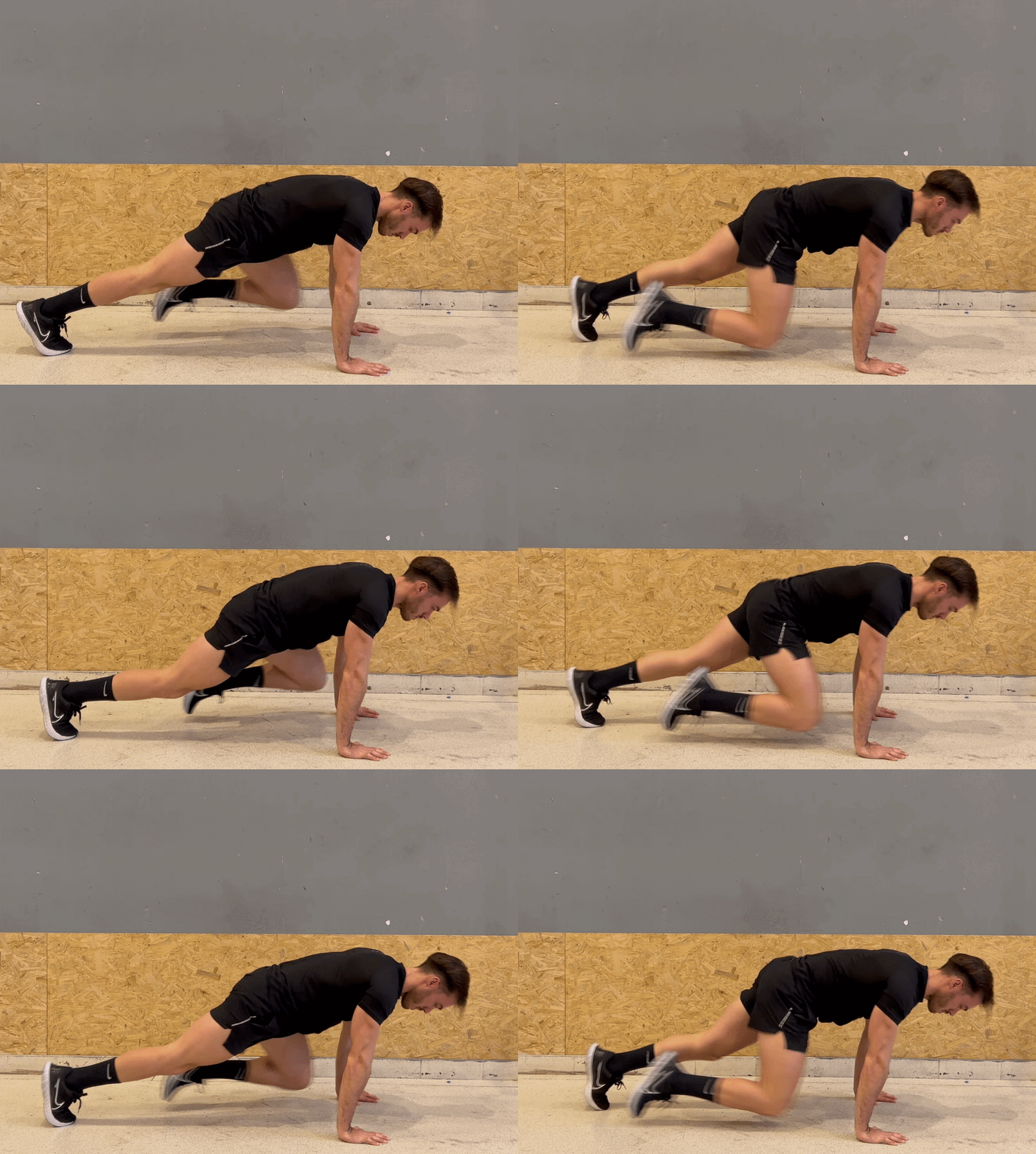
How To · How To Do Mountain Climbers (Growth Activation Style)
This is not a slow, endless core drill. It’s a tight, fast plank sprint that spikes your breathing and core burn in short waves.
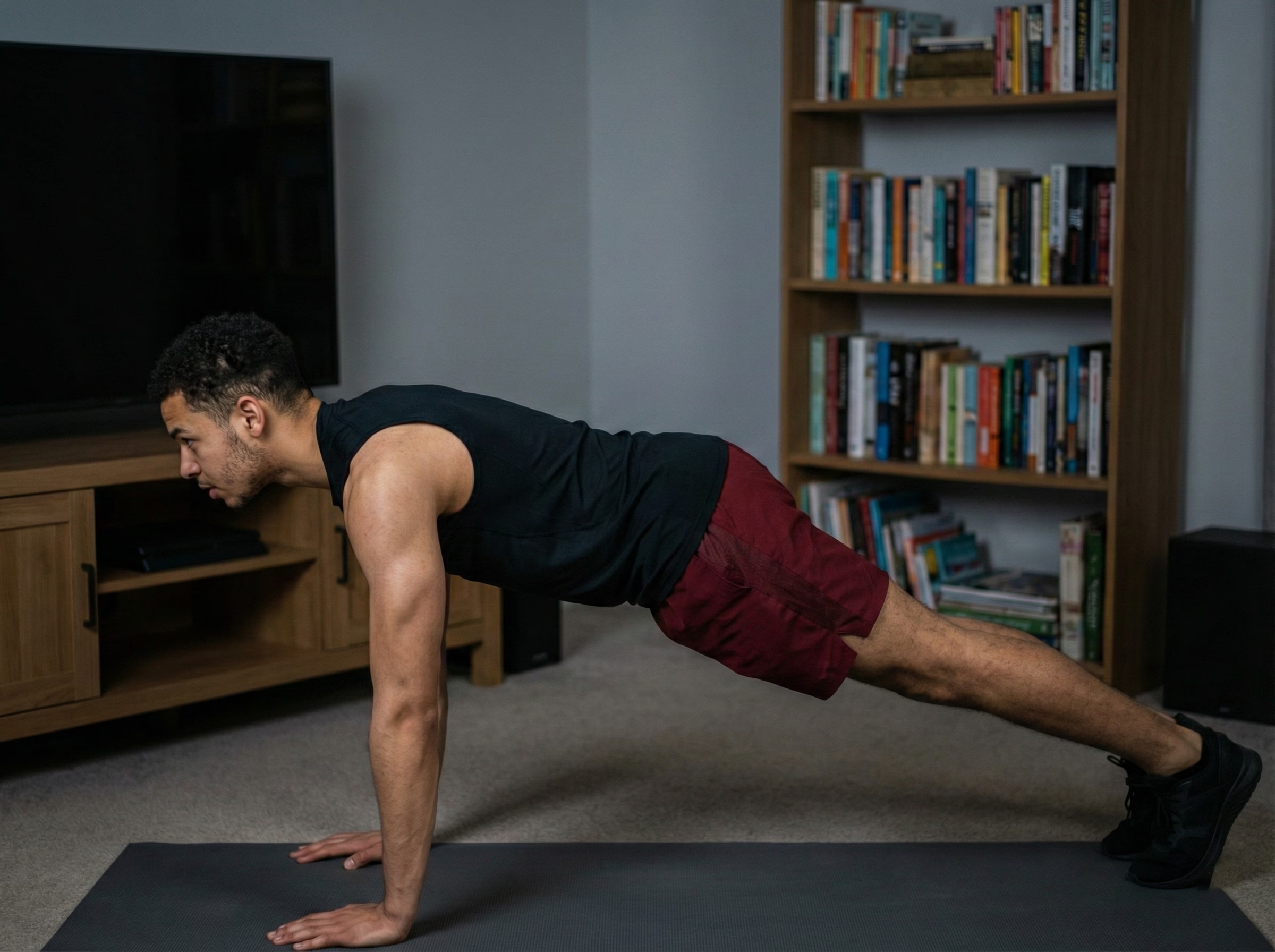
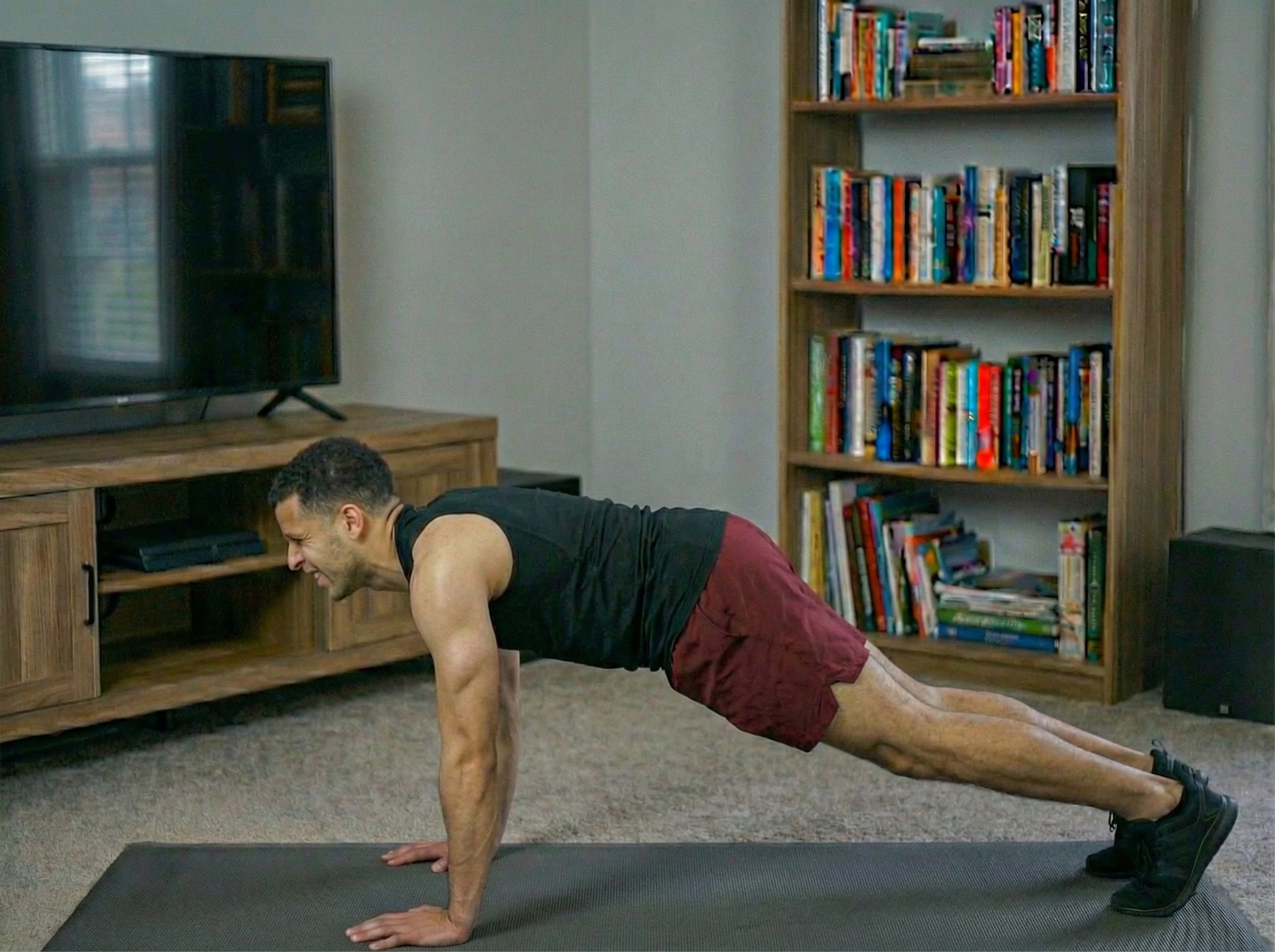
- Step 1 – Set a strong plank. Place your hands on the floor under your shoulders, step your feet back and lock in a straight line from shoulders to heels. Squeeze your glutes and brace your abs so your hips don’t sag or pike up. This is your “home base” – a clean, tall plank.
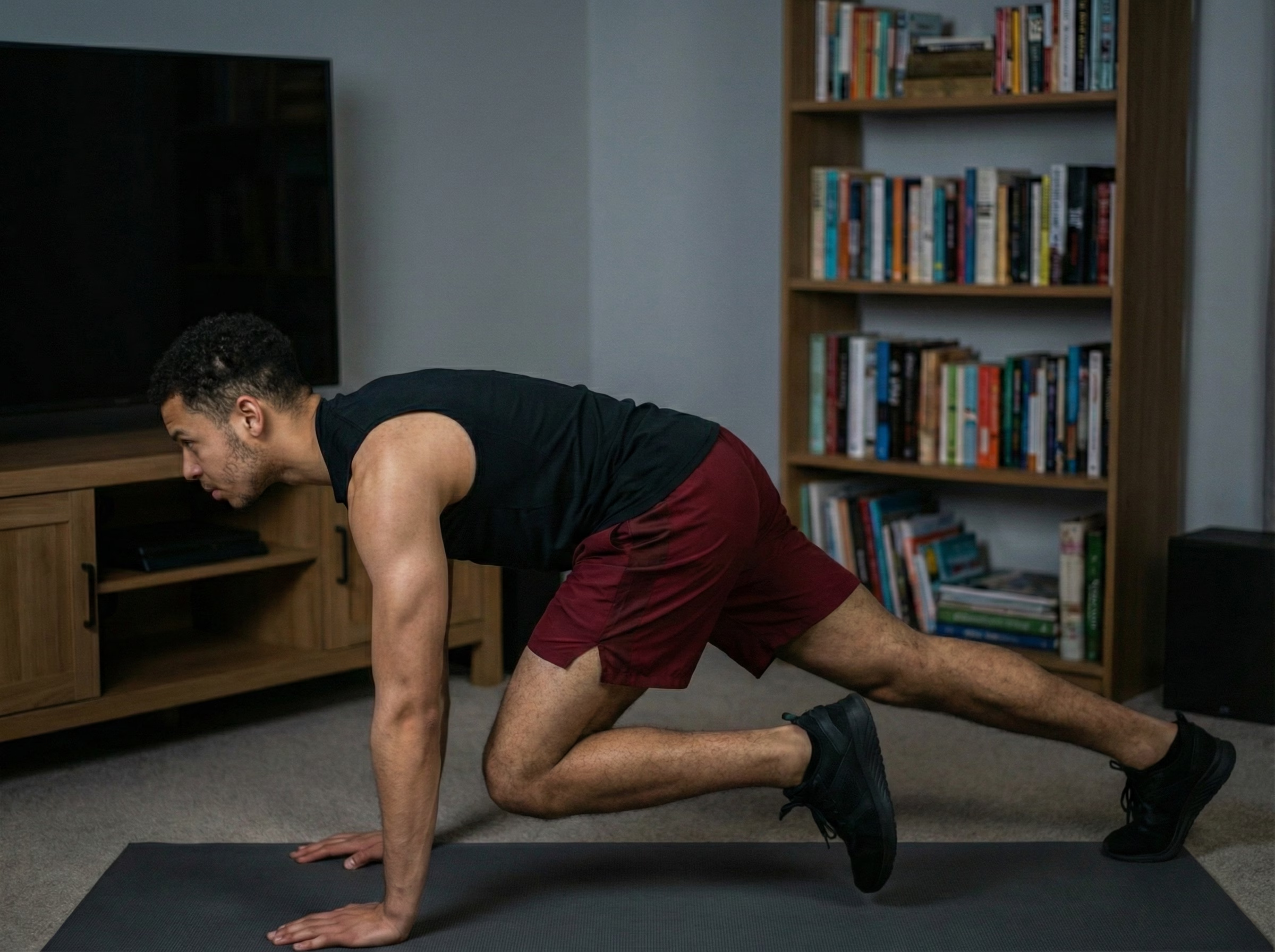
- Step 2 – Start with a slow knee drive. From the plank, bring one knee toward your chest, then step it back and switch to the other side. Move slowly at first, making sure your shoulders stay stacked over your wrists and your hips stay level. You’re learning the path and height of each knee drive.
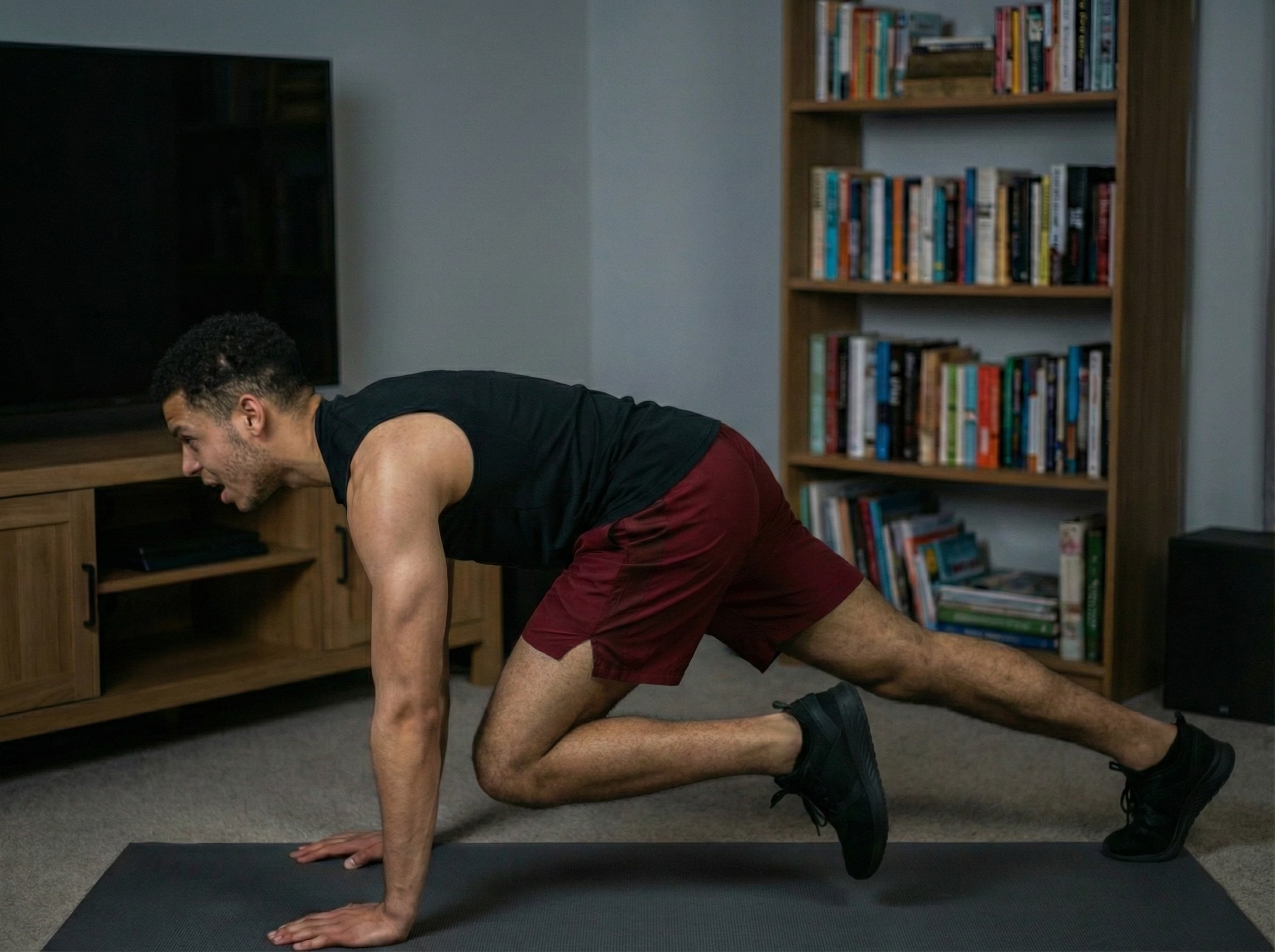
- Step 3 – Build into a steady Mountain Climber. Once the movement feels smooth, start alternating your knees faster – like you’re “running” horizontally while your hands stay planted. Keep your head in line with your spine and your core tight so your body doesn’t bounce up and down.
- Step 4 – Hit the Growth Activation round. When the timer starts, commit to 15–30 seconds where your knees drive quickly, your shoulders and abs burn, and your breathing picks up fast. By the end of the block you should feel a deep lactic burn across your core and upper legs, and talking should be hard.
- Step 5 – Rest tall, not collapsed. When the round ends, stand up, shake out your arms and walk slowly while focusing on long, calm breaths. This rest is where your body starts to process the stress you just created – the crucial window that later ties into your growth and recovery while you sleep.
- “Straight line, fast knees.” Your shoulders–hips–heels line stays tight while the knees move quickly underneath you.
- “Push the floor away.” Actively press through your hands so your upper body doesn’t collapse into your shoulders.
- “Short, intense burst.” You’re aiming for powerful 15–30 second waves, not a 2-minute slow grind.
Flow & Sets · Sets, Intensity & Frequency (Growth Activation)
Think “mini core sprints” – short, savage blocks that you fully recover from before the next.
Growth Activation Rule: by the end of a work block your abs, shoulders and hip flexors should be burning and your breathing should be heavy. If you can chat during the set, or hold the same pace comfortably for a full minute, it’s too easy – you’re drifting into general cardio instead of the hormone-spiking Growth Activation zone.
Variations · Easy Variations
Adjust the impact and speed without giving up the Growth Activation idea.
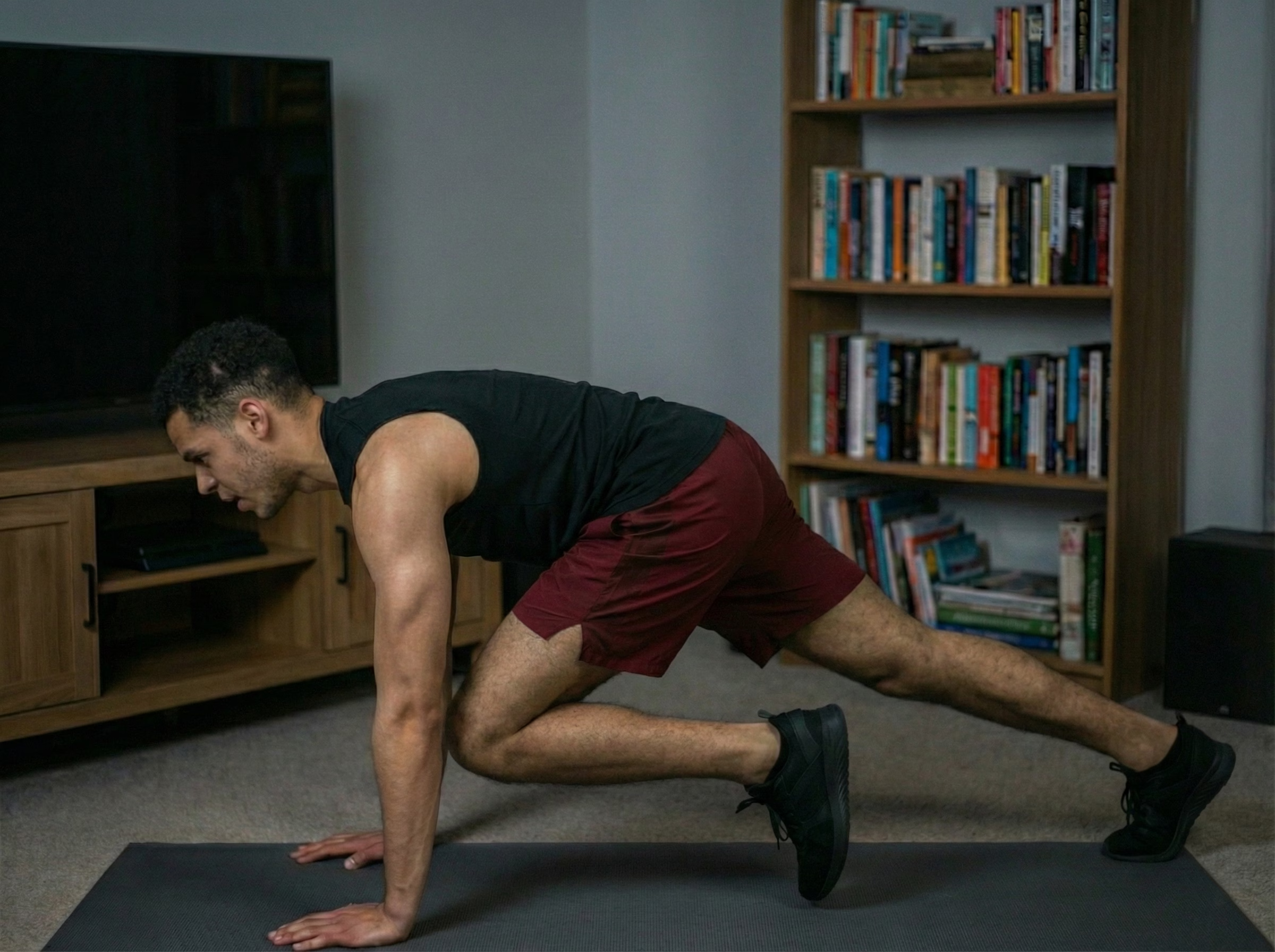
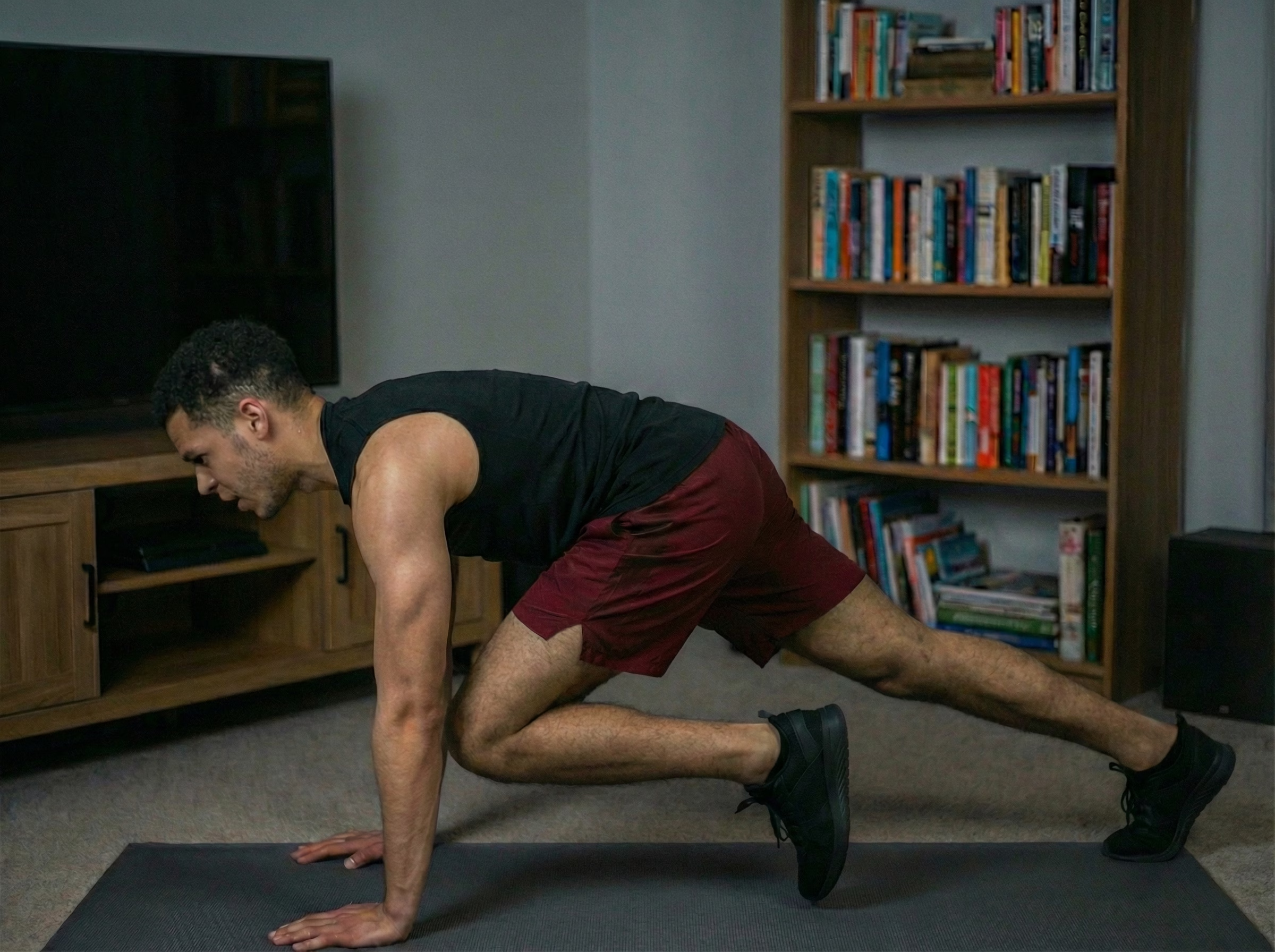
Height Impact · How Mountain Climbers Trigger Growth Activation
- Each fast knee drive forces your core, hip flexors and shoulders to work as one unit. The muscles start to burn, lactic acid rises, and your body realizes this is more than just casual movement.
- Because you’re in a plank, your spine is held long – you’re not curled up into a ball while you work. That “long body under load” pattern teaches your torso to stay stacked when tired, which matters for how tall you carry yourself.
- The key Growth Activation lever here is anaerobic glycolysis – those short bursts that leave your lungs and muscles on fire. That kind of stress is what can trigger stronger pulses of your own growth hormone during recovery, especially with good sleep and food.
- For teens with open growth plates, stacking this type of stress with a full program (nutrition, decompression, posture) helps your body adapt by building stronger tissue around your spine and legs instead of staying weak and collapsed.
- Important: if your Mountain Climbers are super slow and easy, you’re just doing light core. To tap into Growth Activation, you need short, sharp bursts that feel like a sprint for your whole front side.
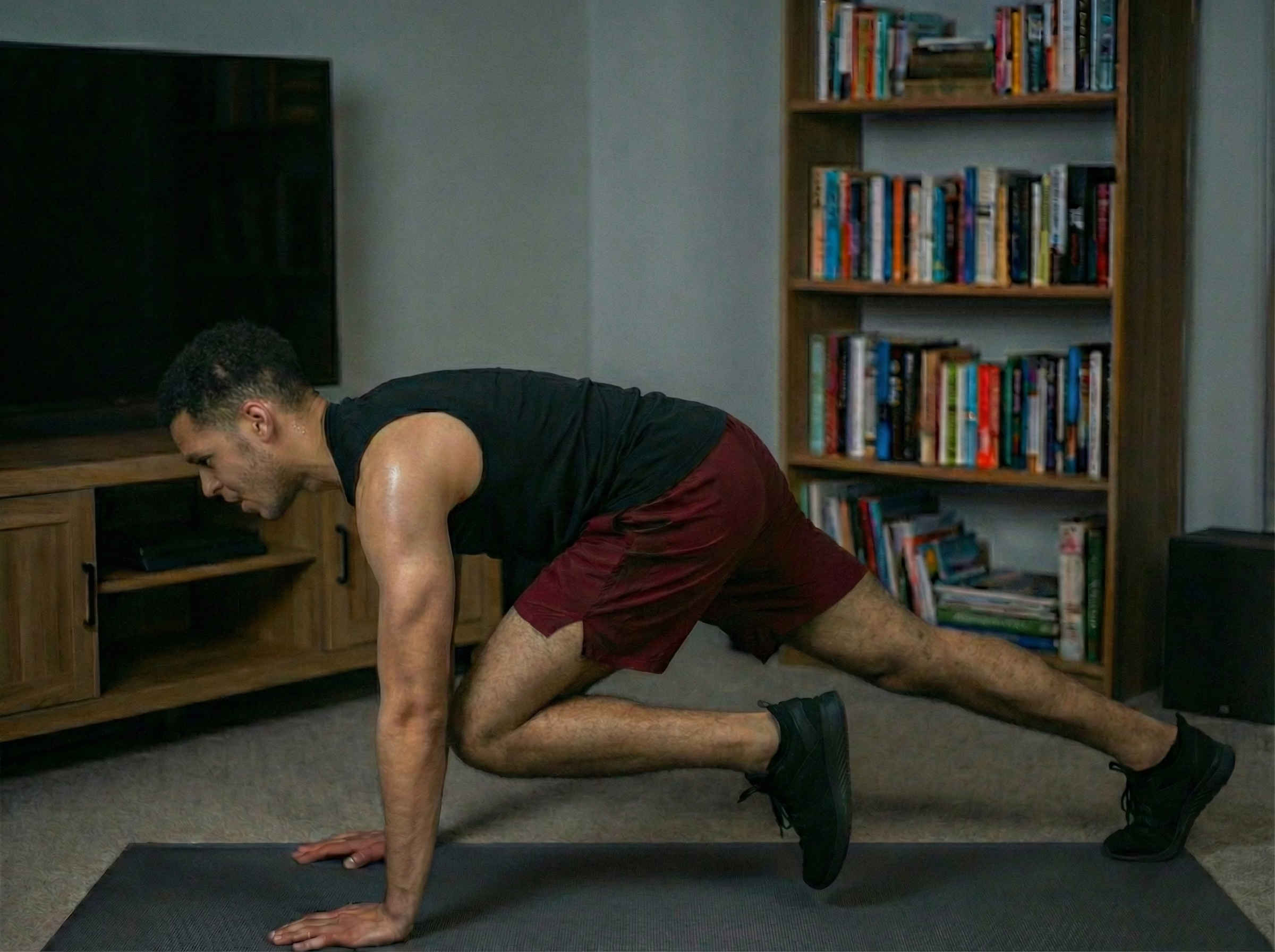
Panel 1 – Full-Chain Burn, Fast Breathing Side view of a teen mid-burst in Mountain Climbers: shoulders, abs and hip flexors clearly engaged, with a soft blue glow running from hands through shoulders, spine and hips. His face shows effort – he’s in that Growth Activation round where lactic acid and heart rate peak together.
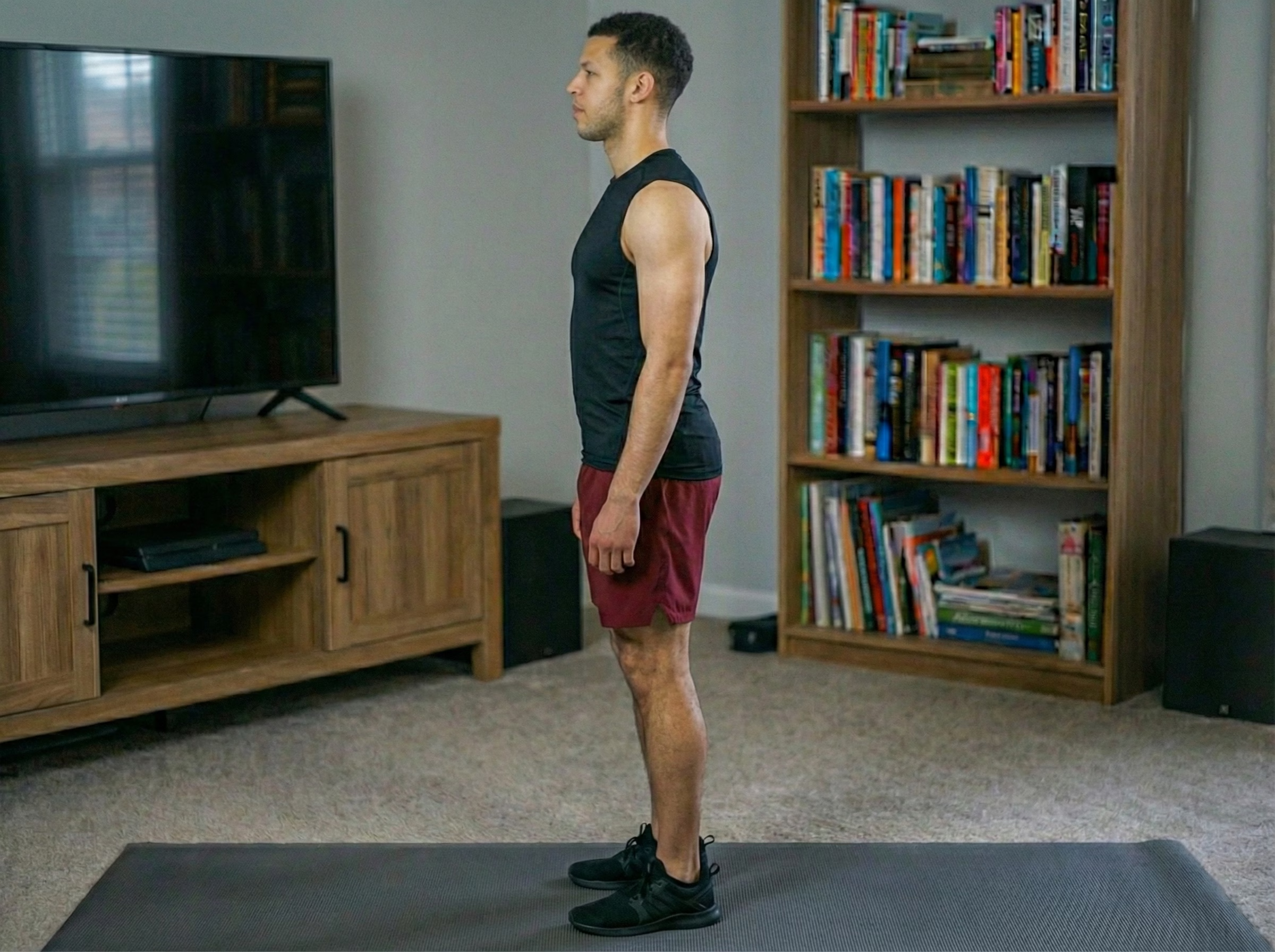
Panel 2 – Taller, Stronger Torso Control The next day, the same teen stands with a more controlled, taller torso: chest open, ribs stacked over hips, abs lightly engaged instead of hanging loose. A blue line traces from his feet to the crown of his head, showing how repeated Growth Activation plus decompression helps him hold his real height against gravity.
Form & Safety · Technique, Safety & Common Mistakes
- Hands under shoulders, fingers spread, pressing the floor away.
- Body in a straight line – no sagged hips or big pike.
- Knees drive toward the chest without bouncing the hips up and down.
- Head stays in line with your spine, not hanging or craned up.
This move is tough on shoulders, wrists and lungs when done right.
- If you have wrist, shoulder, heart or lung problems, talk to a doctor or coach first.
- Use a mat or non-slip surface; avoid hard, slippery floors.
- Stop immediately with sharp joint pain, dizziness or chest pain.
- Letting the hips sag down toward the floor under fatigue.
- Hiking the hips way up so it becomes a weird jog, not a plank sprinter.
- Moving the knees tiny distances instead of driving them toward the chest.
- Going forever at an easy pace instead of doing short, explosive rounds.
Why it fails Growth Activation: Instead of loading the core and shoulders in a long line, all the stress jams into his lower back and joints. The body reads this as bad collapse, not smart, repeatable stress that deserves a growth-focused upgrade.
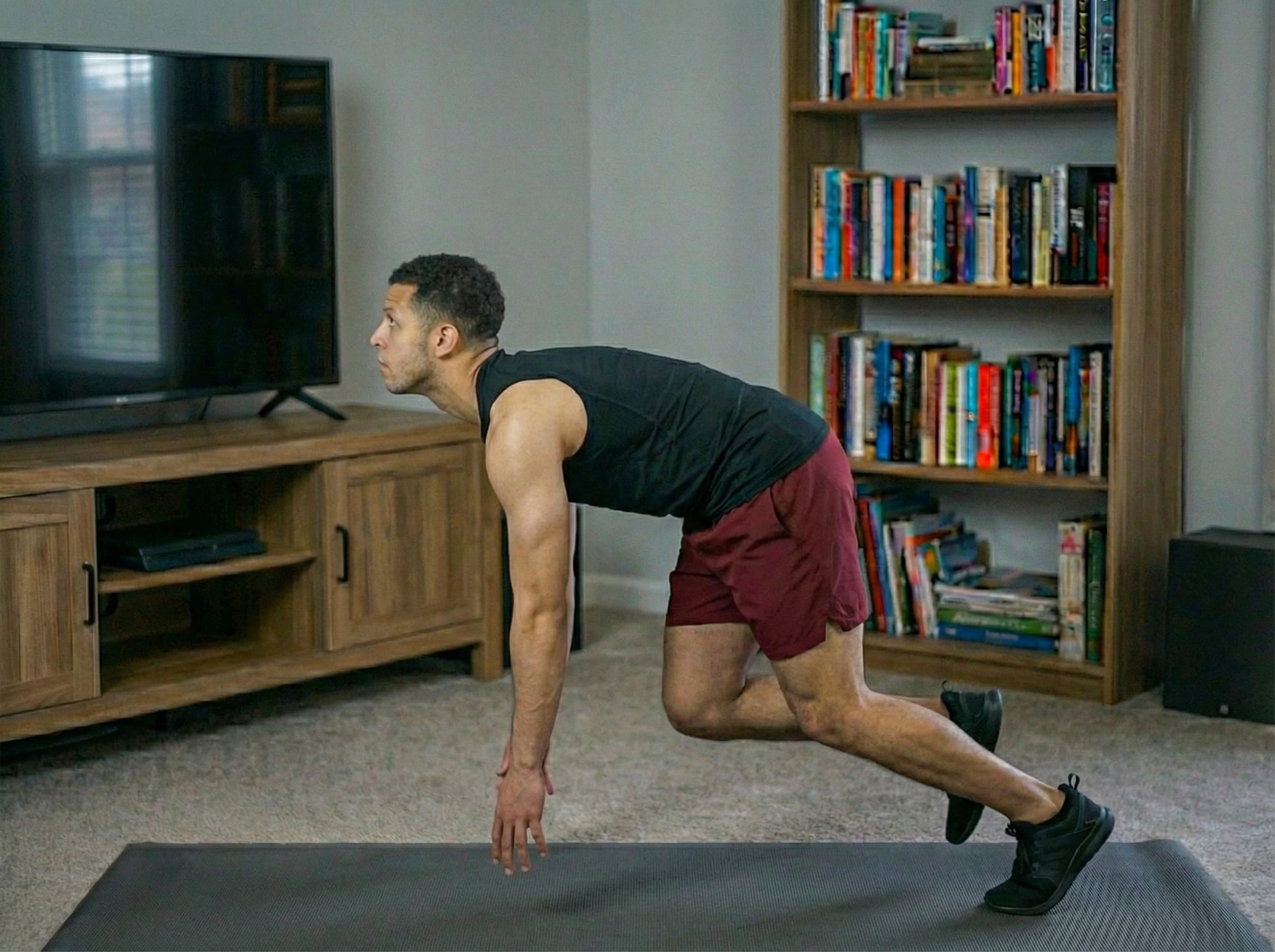
Why it fails Growth Activation: This feels like easy, light core work. There’s no real lactic acid spike or breathlessness, so the body doesn’t get the signal we want. It’s fine as a warm-up, but it won’t drive the hormonal Growth Activation effect.
Pair With · Best Exercises to Pair With Mountain Climbers
Use Mountain Climbers as a Growth Activation core block and stack with other pillars smartly.
Mountain Climbers work well in the same week as sprints, burpees and high knees, but you don’t need all of them at full blast every day. Rotate which Growth Activation drills you push the hardest, and balance them with decompression and posture work so your body isn’t just getting better at suffering – it’s learning to carry your height better between sessions.
FAQ · Common Questions About Mountain Climbers & Growth Activation
-
Q1 Are Mountain Climbers just a core exercise or do they really help height? ›On their own, they’re a strong core and shoulder move. In the Height system, we use them as a short, intense Growth Activation block: a plank sprint that creates lactic acid and breathlessness. That stress doesn’t magically add centimeters by itself – but combined with sleep, nutrition, decompression and posture work, it helps your body use your growth window instead of wasting it.
-
Q2 Will this wreck my wrists or shoulders over time? ›If you’re dumping all your weight into bent wrists and sagged shoulders, it can feel rough. That’s why we focus on pressing the floor away, keeping a straight line from shoulders to heels and using short bursts instead of endless, sloppy sets. If your joints hurt sharply, you stop and adjust. We also pair this with mobility and decompression work so you aren’t just hammering your upper body.
-
Q3 What if I can’t go fast yet without everything shaking? ›Start with Step-In Mountain Climbers at a slower pace, but keep the sets honest: longer work windows with less rest so your muscles still feel a real burn. As your core and shoulders get stronger, shorten the windows and increase speed until you’re in the true Growth Activation zone. The idea is progression, not perfection on day one.