
Passive Hang : .Decompress Entire Spine
The ultimate spinal decompressor.
Letting gravity do the work to open up compressed discs and stretch the torso for maximum vertical potential.
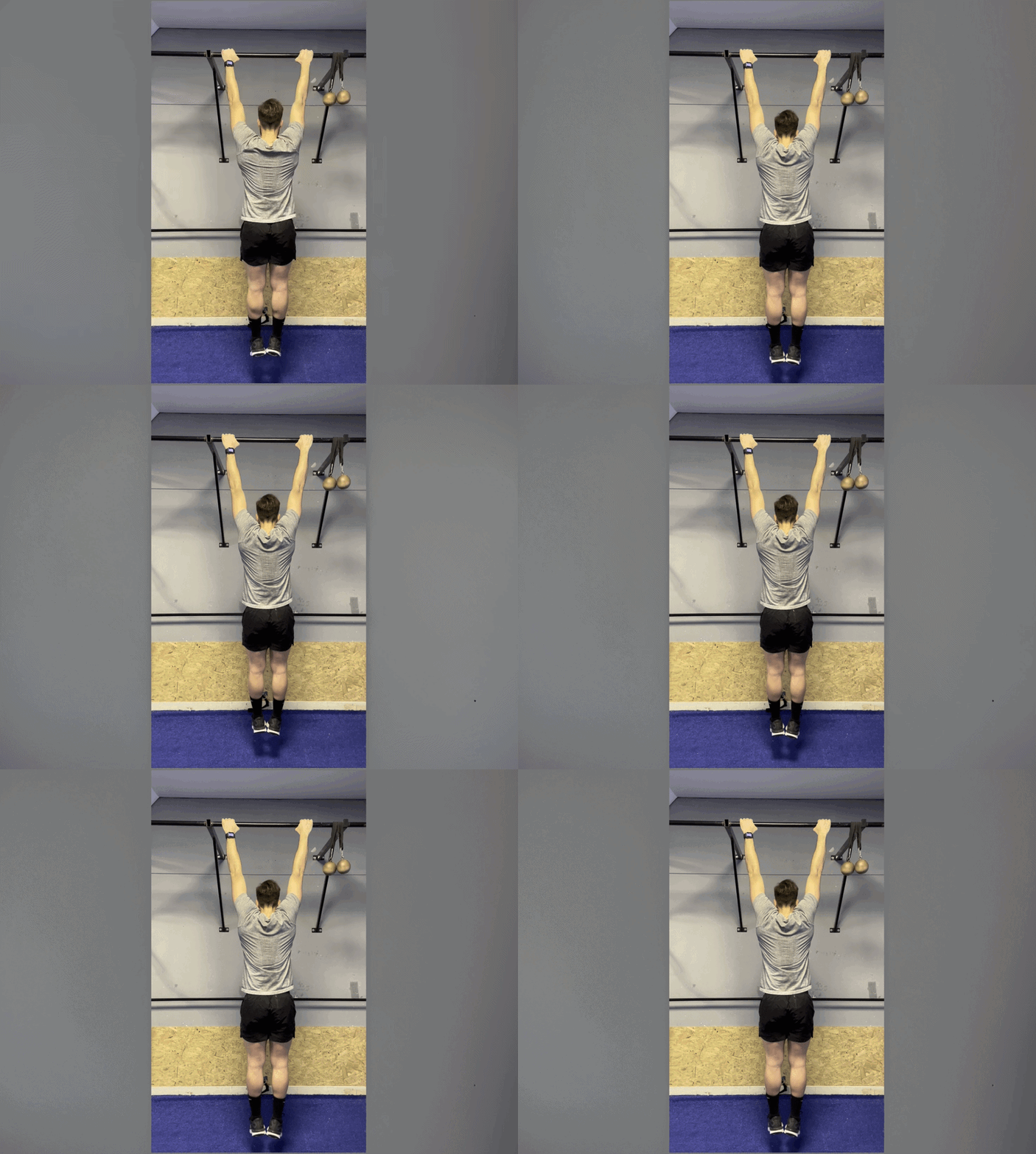
How to · How To Do The Passive Hang
The goal is complete relaxation of the torso while maintaining a secure grip.
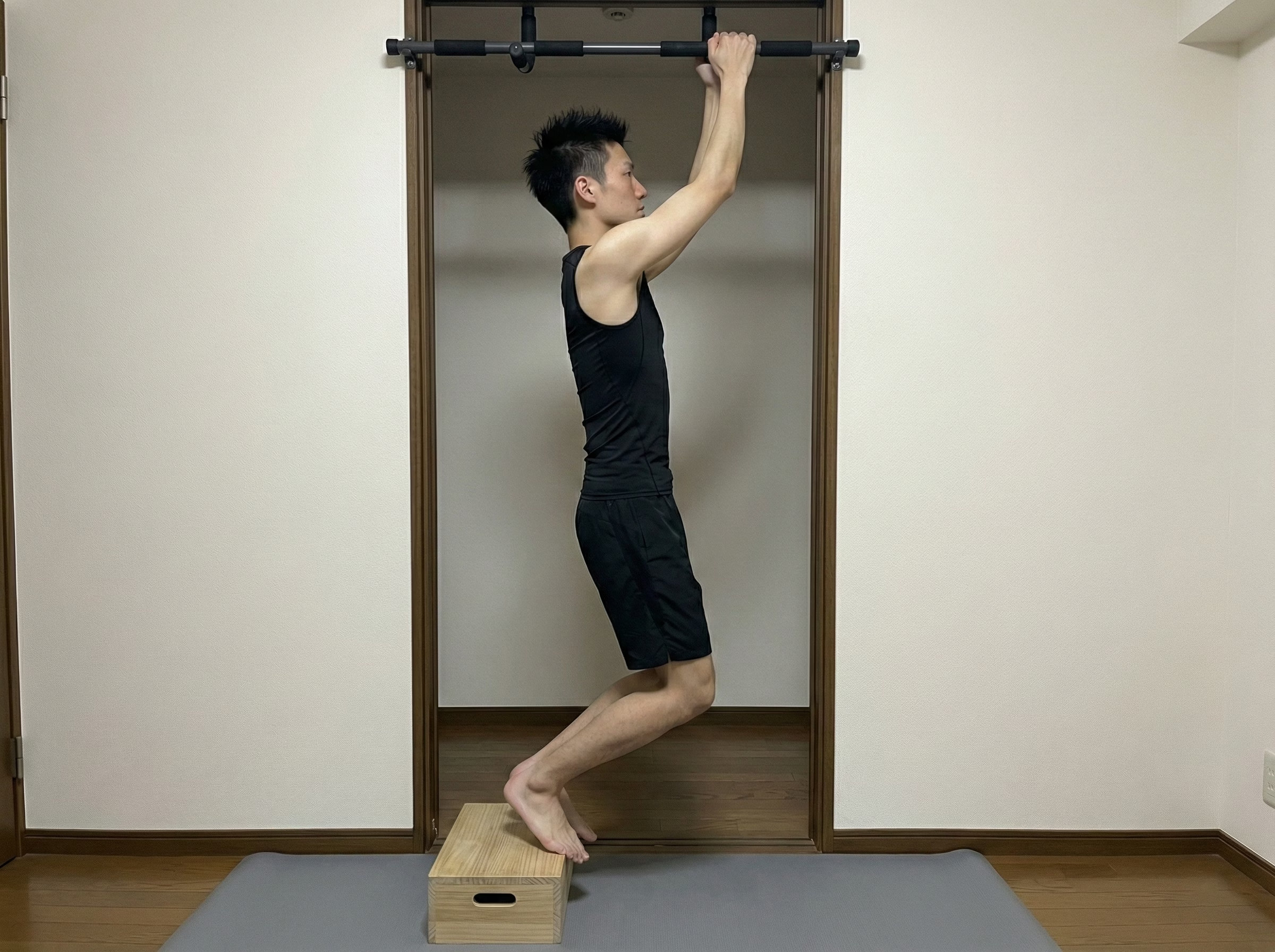
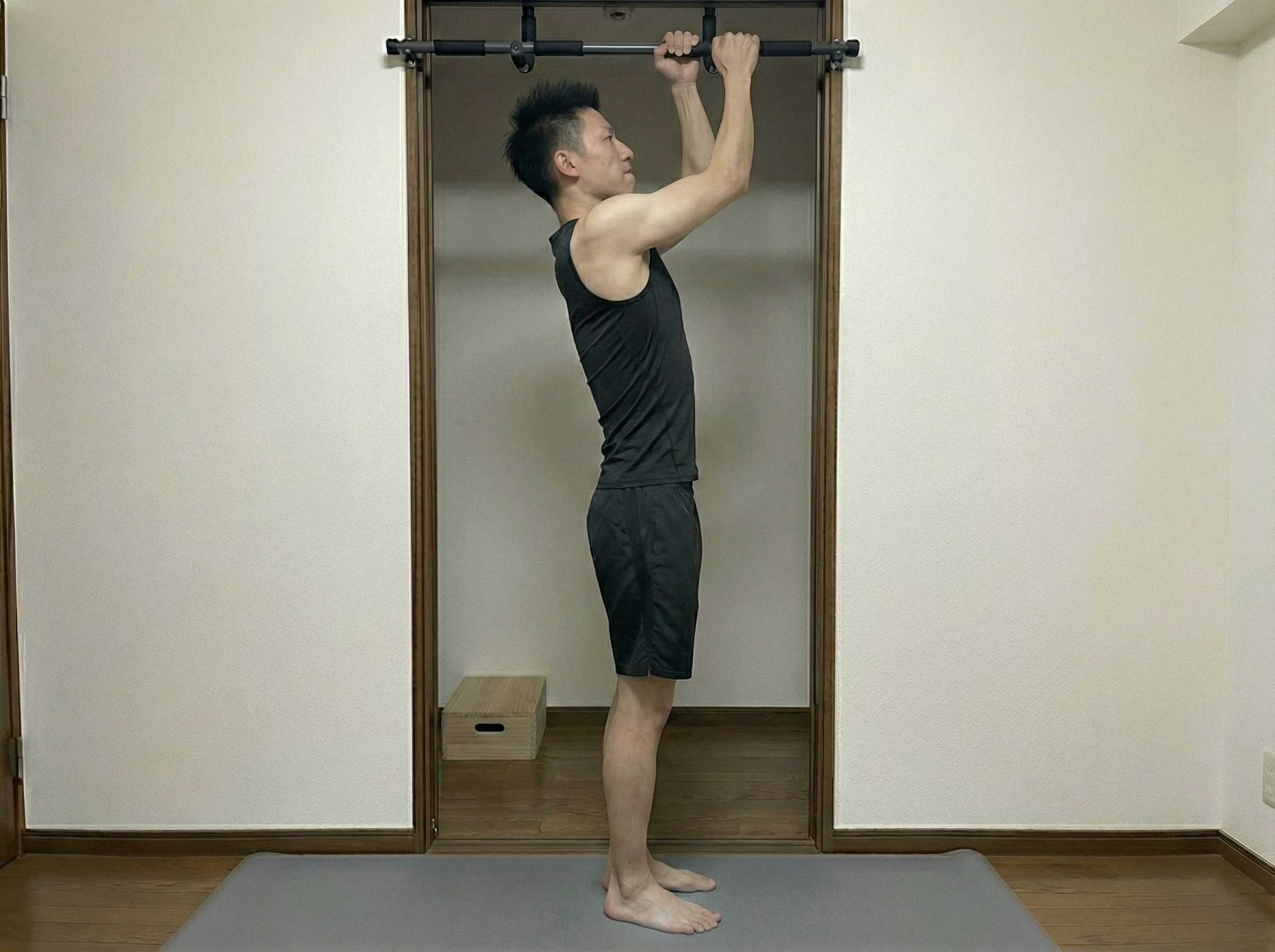
- Grip Setup: Stand under the bar and reach up to grasp it with an overhand grip, slightly wider than shoulder-width. Keep your feet on the floor initially to set your shoulders.
- Passive Dead Hang: Lift your feet off the floor (or bend your knees if the bar is low). Let your body hang freely. Allow your shoulders to relax upward toward your ears—this is a "passive" hang, meaning you aren't pulling yourself up. Breathe deeply.
- Active Variation (Knee Tuck): To engage the core while hanging, tuck your knees toward your chest. This flexes the hips and engages the abs while keeping the shoulders stable, adding a stability challenge to the decompression.
- “Let your spine lengthen like a slinky.”
- “Relax your glutes and legs completely.”
- “Imagine your lower body is a heavy weight pulling your spine straight.”
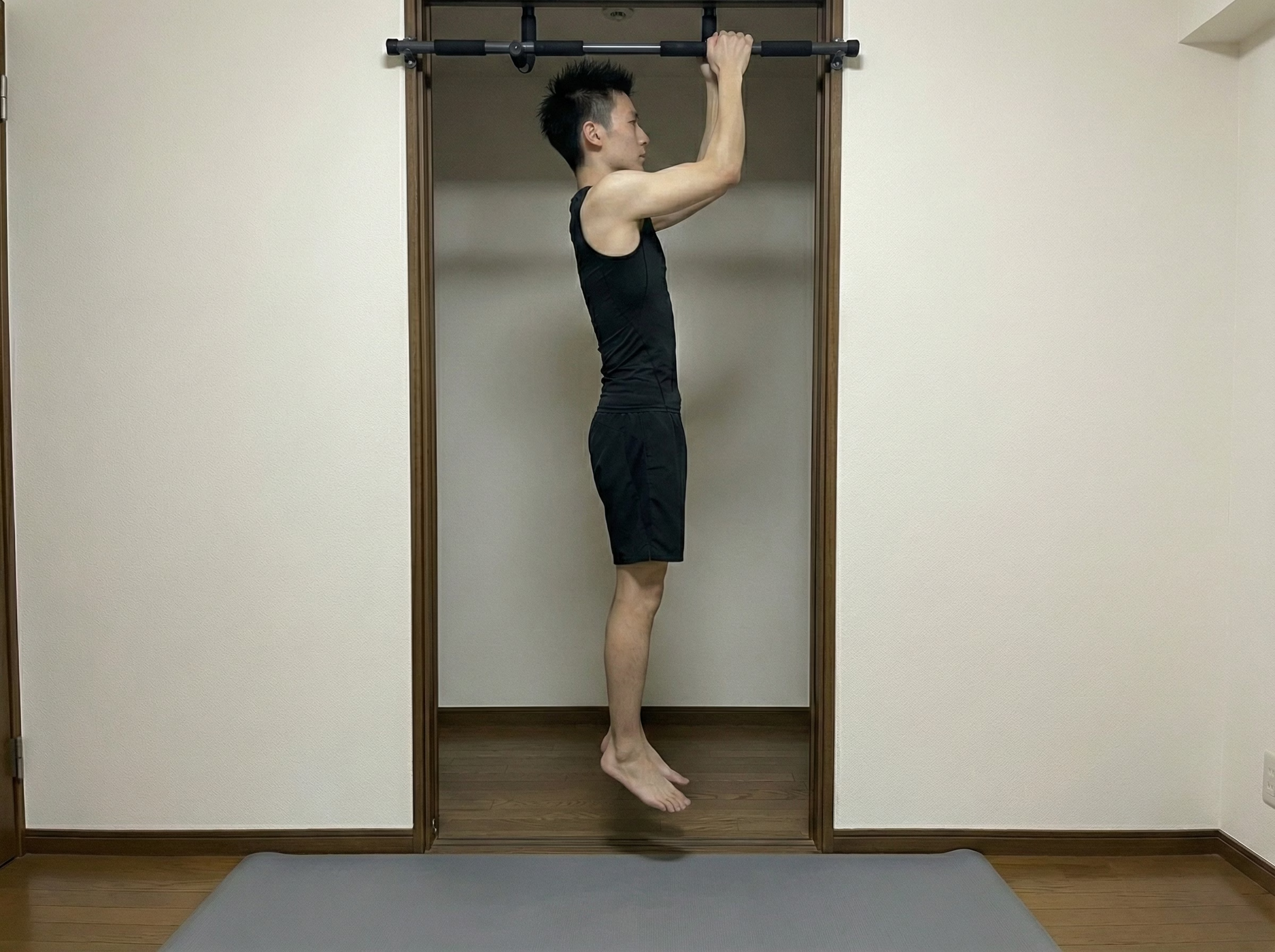
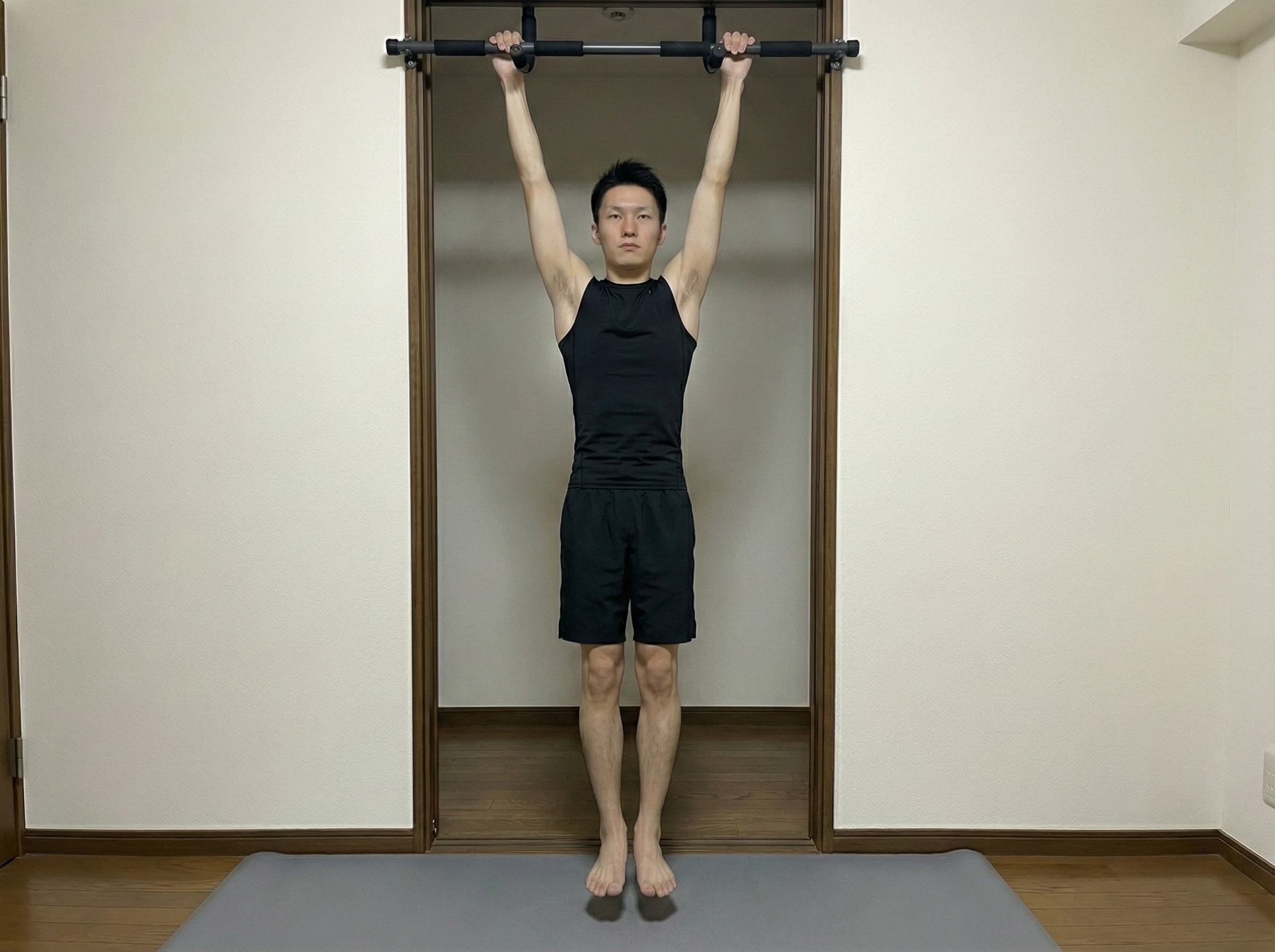
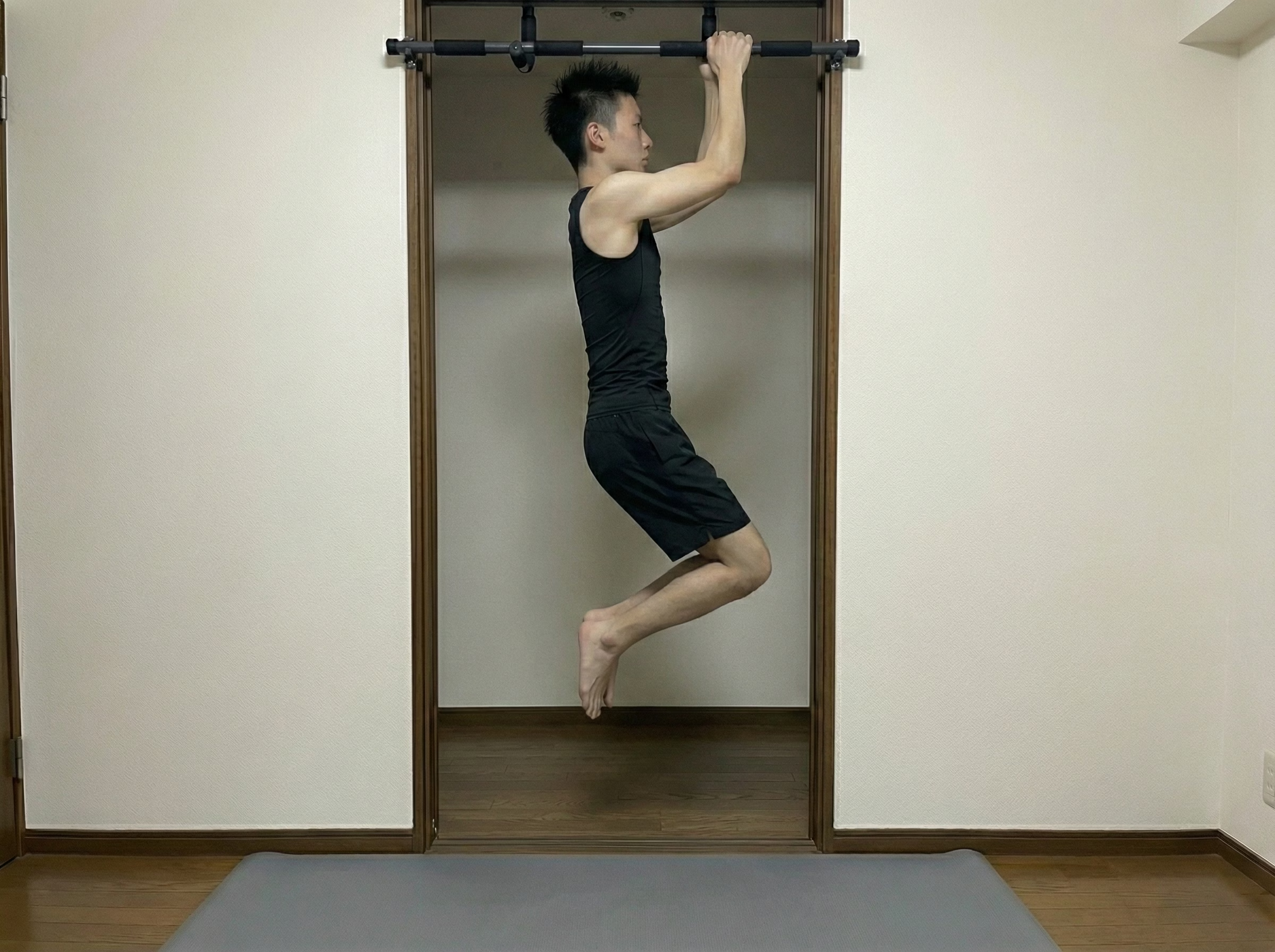
Reps & Sets · Volume & Frequency (Decompression)
Consistency beats intensity. Frequent, short hangs are better than one long struggle.
Tip: If your grip fails before your back decompresses, use lifting straps. The goal is spinal health, not forearm strength.
Variations · Scale the Difficulty
From assisted support to full passive release.
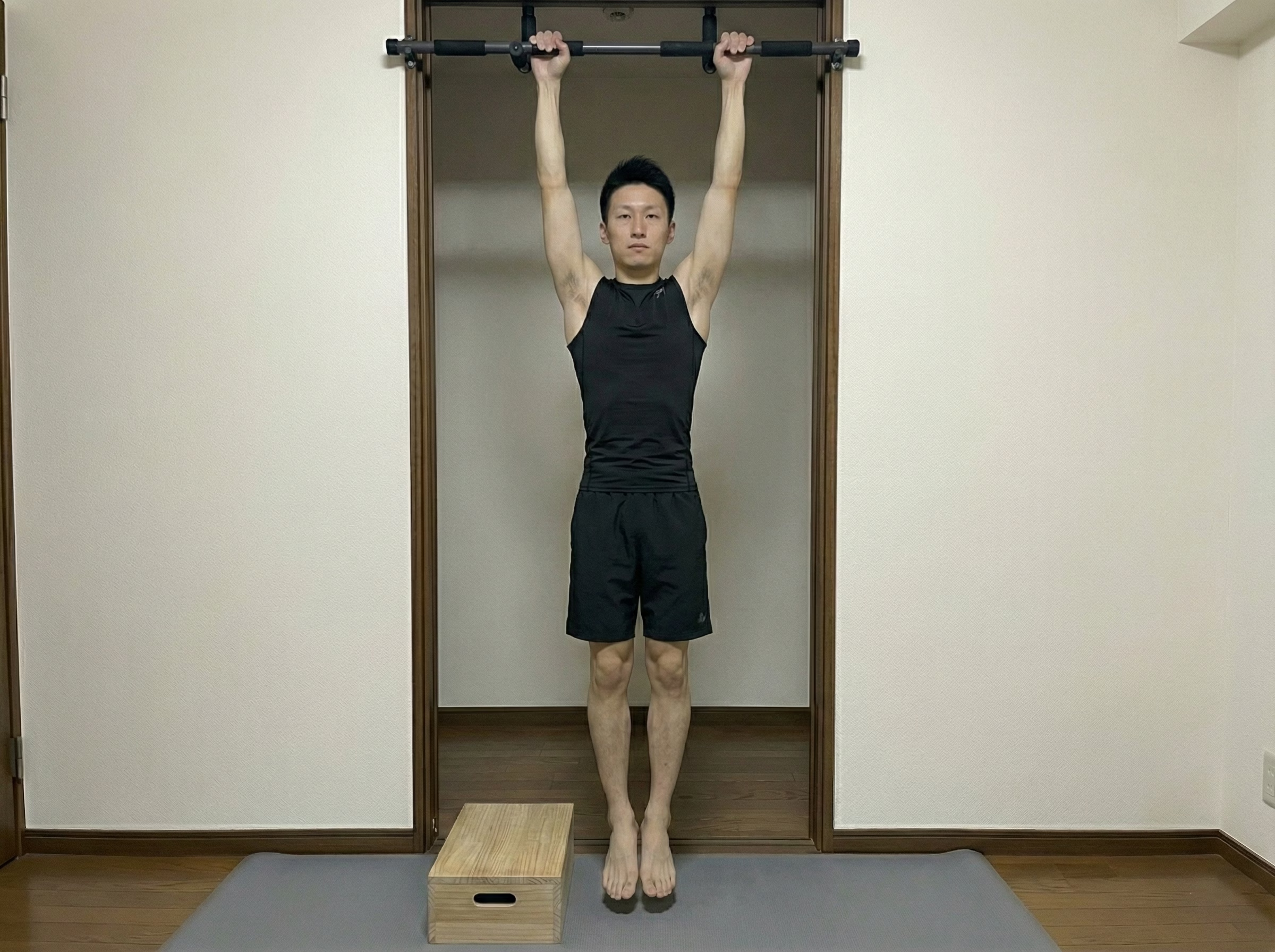
Height Impact · How Hanging Maximizes Vertical Potential
- Throughout the day, gravity compresses the fluid-filled discs between your vertebrae, causing you to lose up to 1-2 cm of height by evening.
- Hanging allows these discs to re-hydrate and expand, restoring your maximum morning height and maintaining it for longer.
- It also stretches the lats and pectorals, which, if tight, can pull your shoulders forward and slouch your posture.
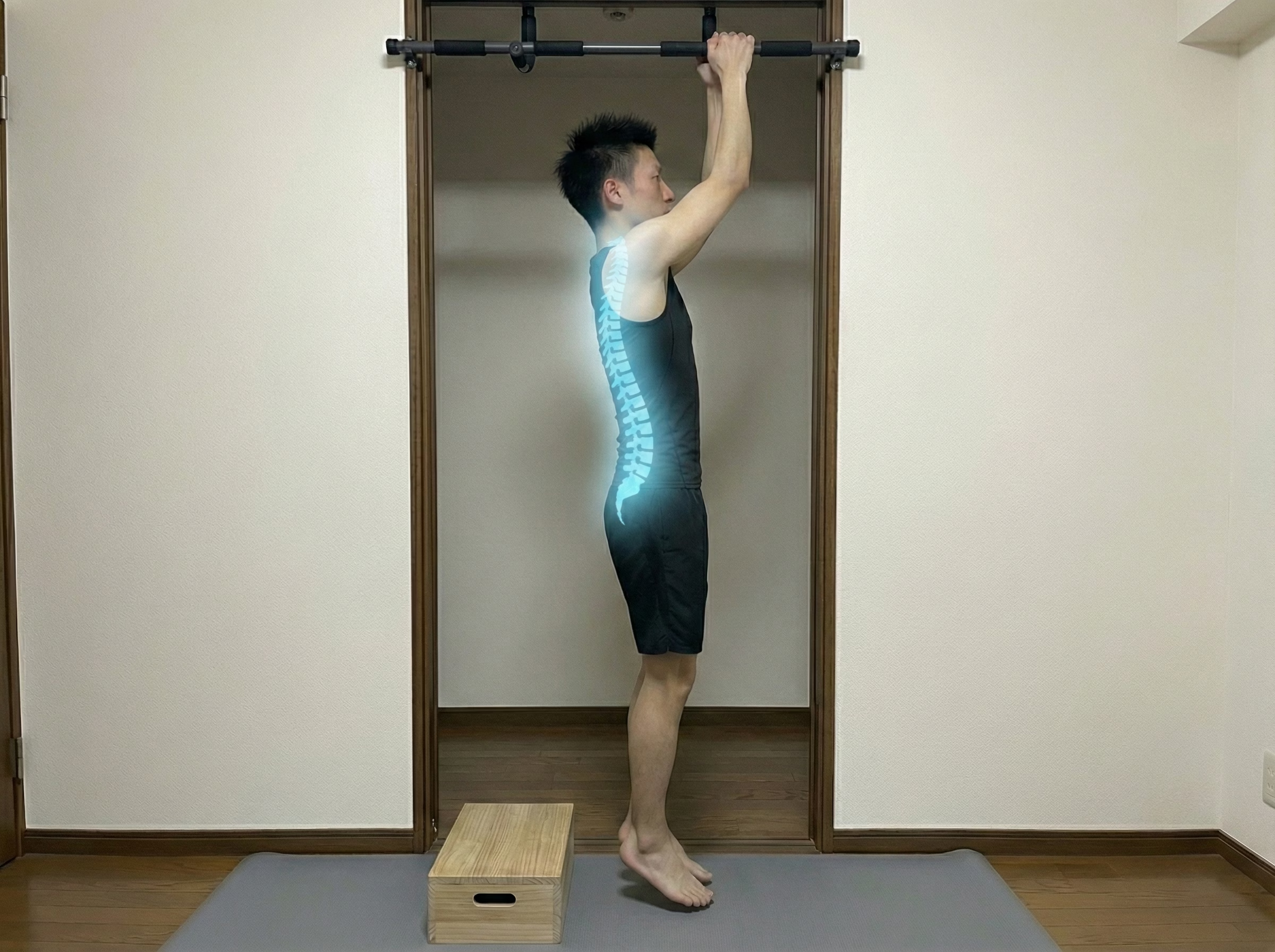
Panel 1 – Decompressed Spine
The blue glow highlights the elongation of the spine. Gravity pulls the hips down while the hands stay fixed, creating space between every vertebra.
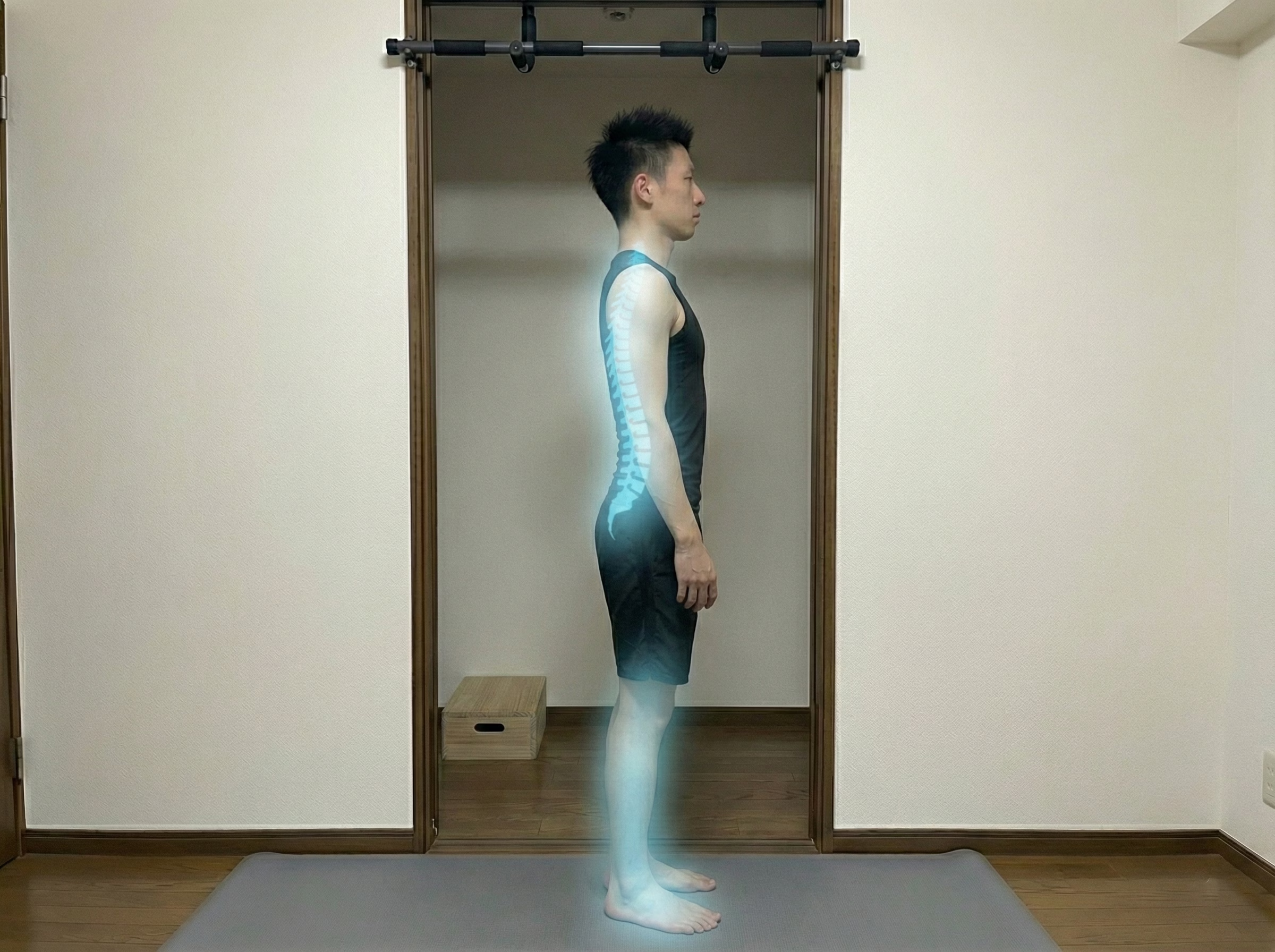
Panel 2 – Retained Height
Post-hang, the posture is taller and more open. The decompression translates into a more upright, less compressed standing position.
Form & Safety · Key Technique Cues & Common Mistakes
- Wrap thumbs around the bar for security.
- Breathe deeply into the belly.
- Let the head hang neutral—don't look up.
- Exit the hang gently; don't jump down violently.
- If shoulders feel unstable, use the "Assisted Hang" variation.
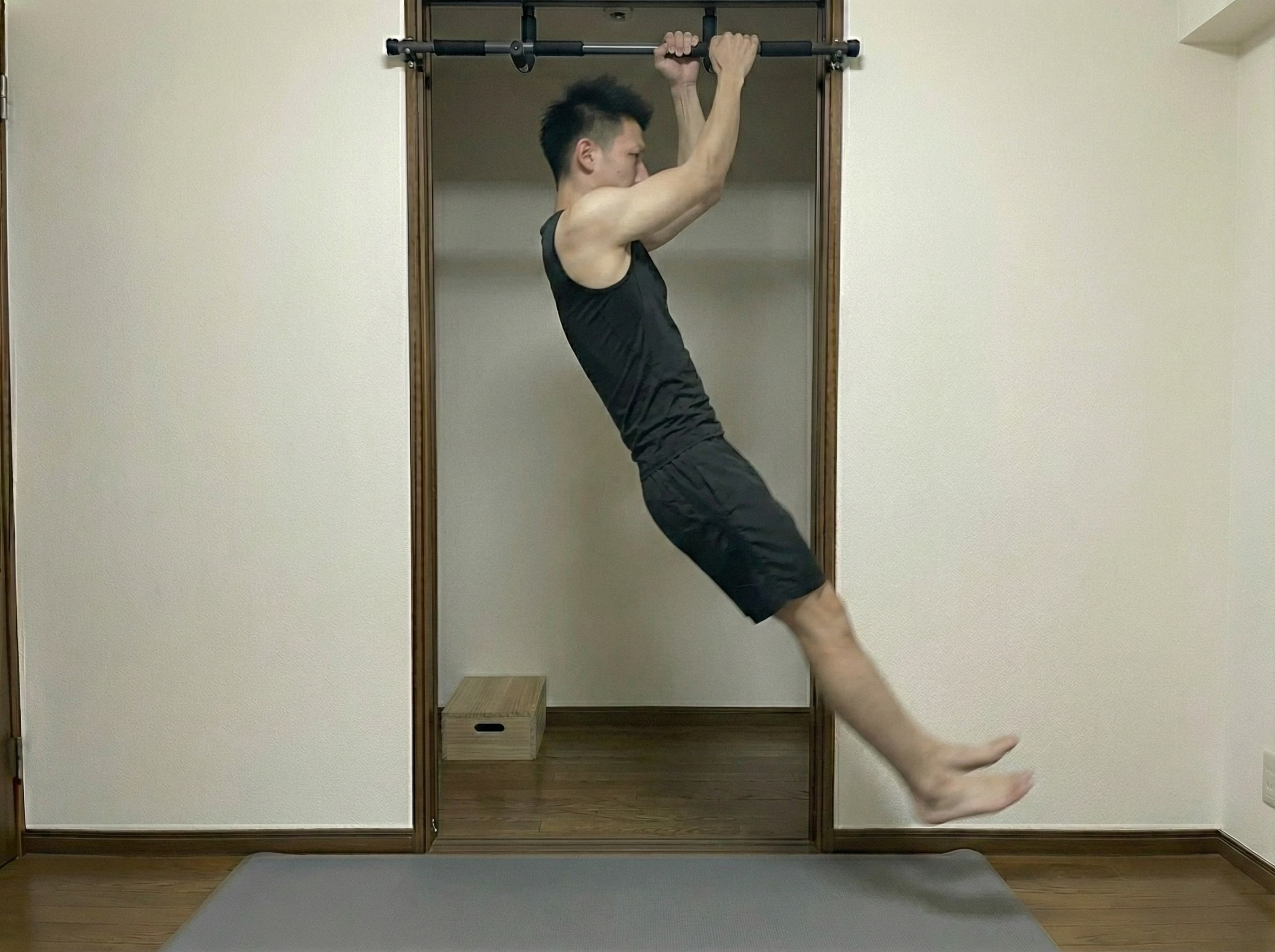
- Avoid swinging; this isn't a gymnastic kip.
- Stop if you feel sharp pain or numbness in arms.
- Shrugging actively (holding tension).
- Swinging legs wildly.
- Holding the breath.
Why it steals height: Tension prevents the connective tissue from lengthening and hydrating.
Why it steals height: Instability forces the core to tighten up for protection, negating the relaxation needed for decompression.
Pair With · Best Exercises to Pair With Hanging Bar
For the Spinal Decompression pillar, Hanging works best with:
Combine Passive Hanging with Cat-Cow (to warm up the spine) and Dead Bug (to lock in the new range of motion with core stability).
FAQ · Common Questions About Passive Hanging
-
Q1 My grip fails before my back stretches. What do I do? ›This is very common. Use lifting straps or perform the "Assisted Hang" variation where your feet stay on the floor to take some weight off your hands.
-
Q2 Will this make me taller permanently? ›It recovers lost height (decompression), which can make you 1-2cm taller than your evening height. To maintain this, you must strengthen your posture muscles (like with Dead Bug) to hold the spine upright against gravity.
-
Q3 It hurts my shoulders. Is that normal? ›A gentle stretch is normal, but sharp pain is not. If it hurts, try an "Active Hang" (pull shoulders down slightly) or keep your feet supported. Never push through joint pain.