
Bird Dog : .Stabilize Sagging Spine
Build deep, resilient core stability to permanently hold your tallest posture.
Bird Dog is the gold standard for teaching the deep core to stabilize the spine and pelvis as your limbs move. This trains the *endurance* required to keep your body stacked tall throughout the day.
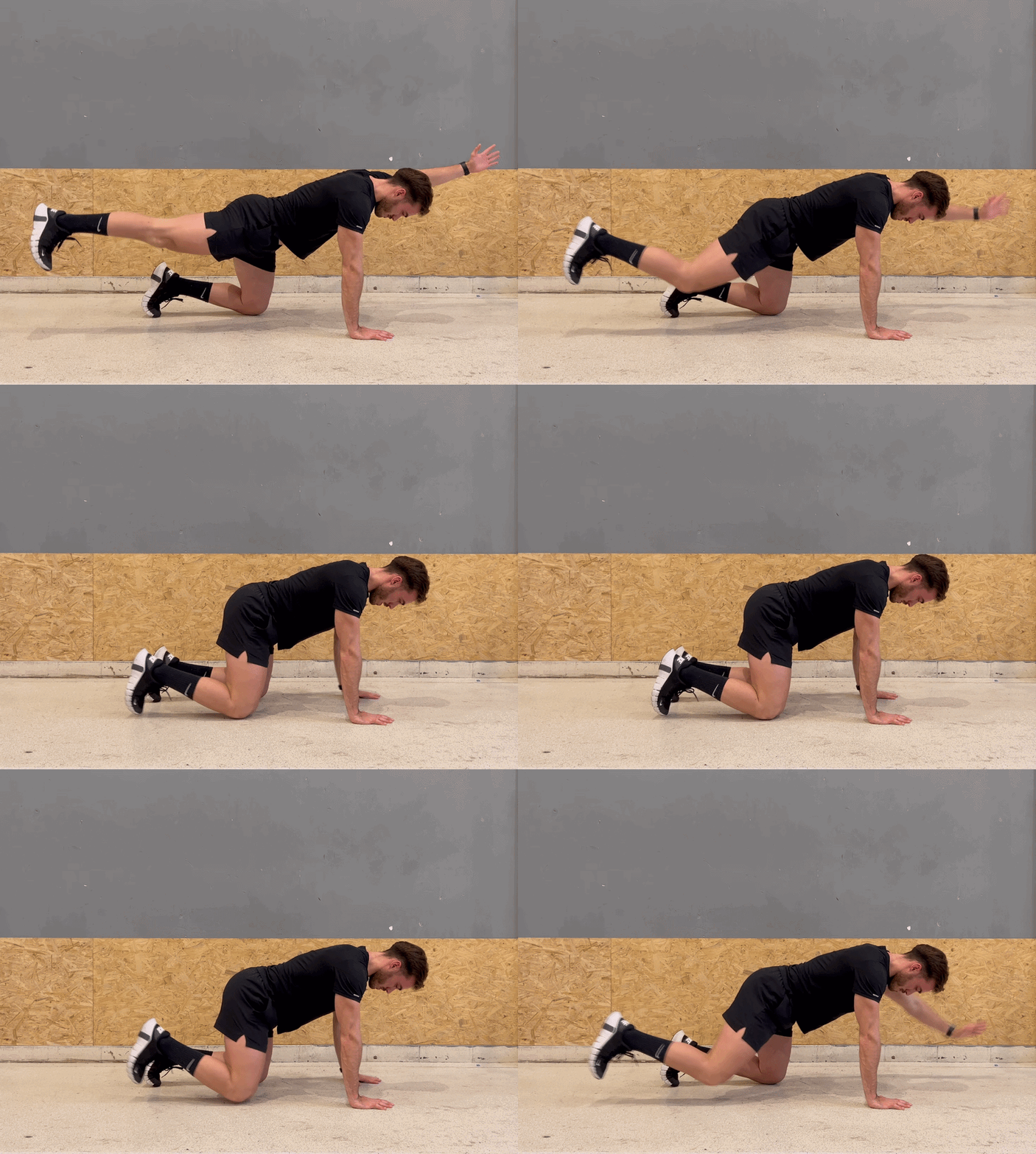
How to · How To Do the Bird Dog (Spinal Integrity)
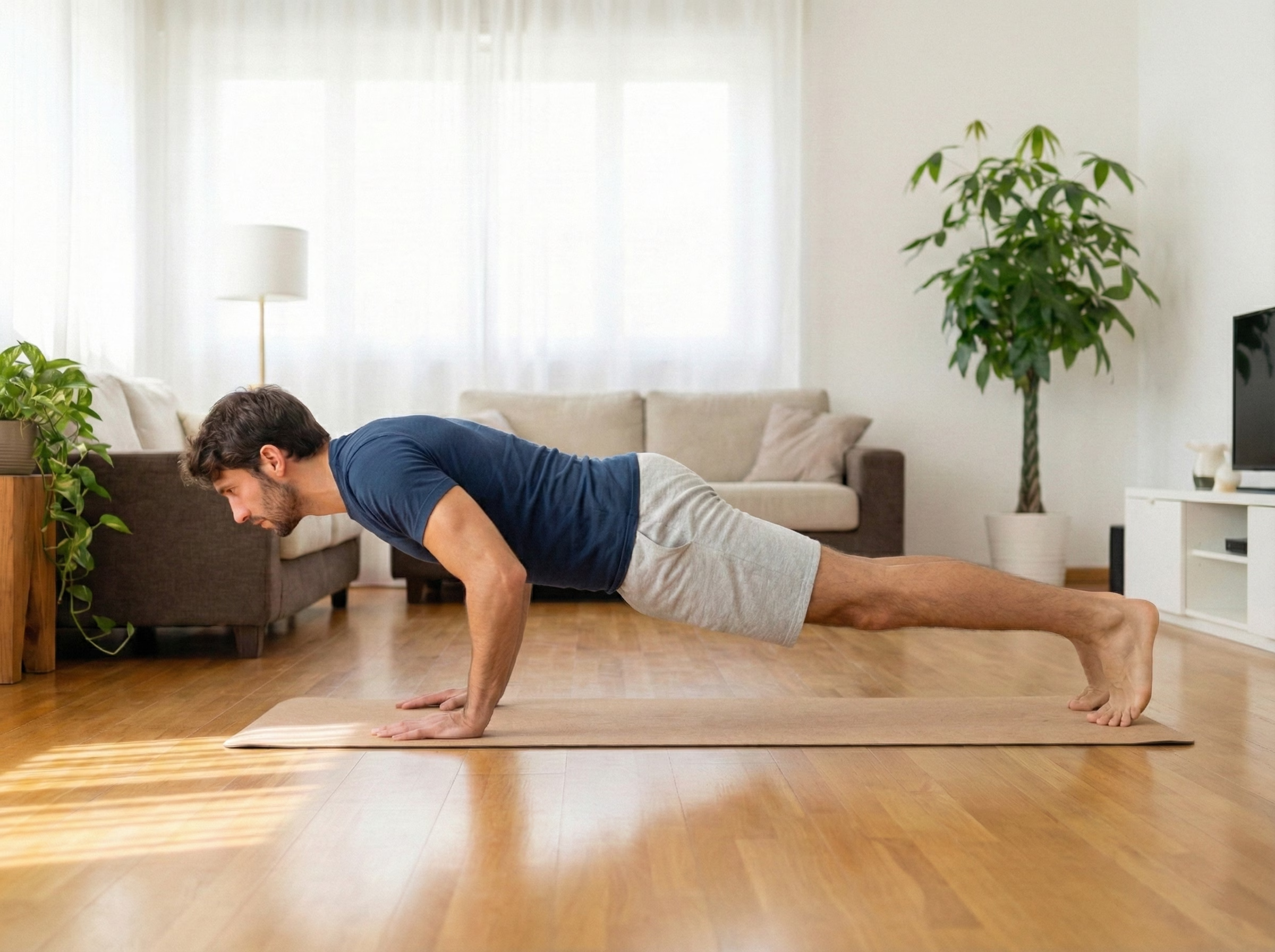
The goal is to move the limbs without allowing any rotation or arching in the torso.
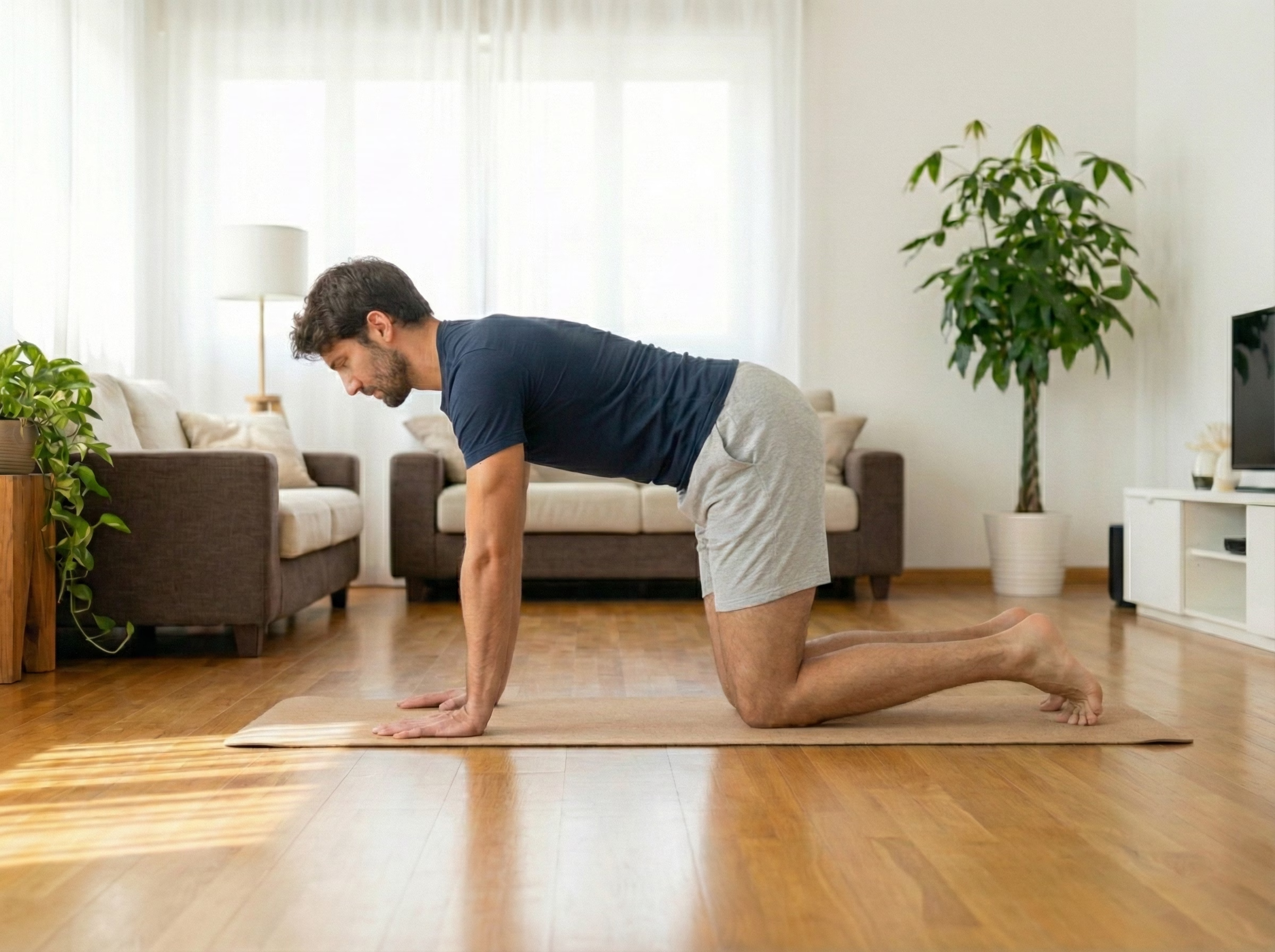
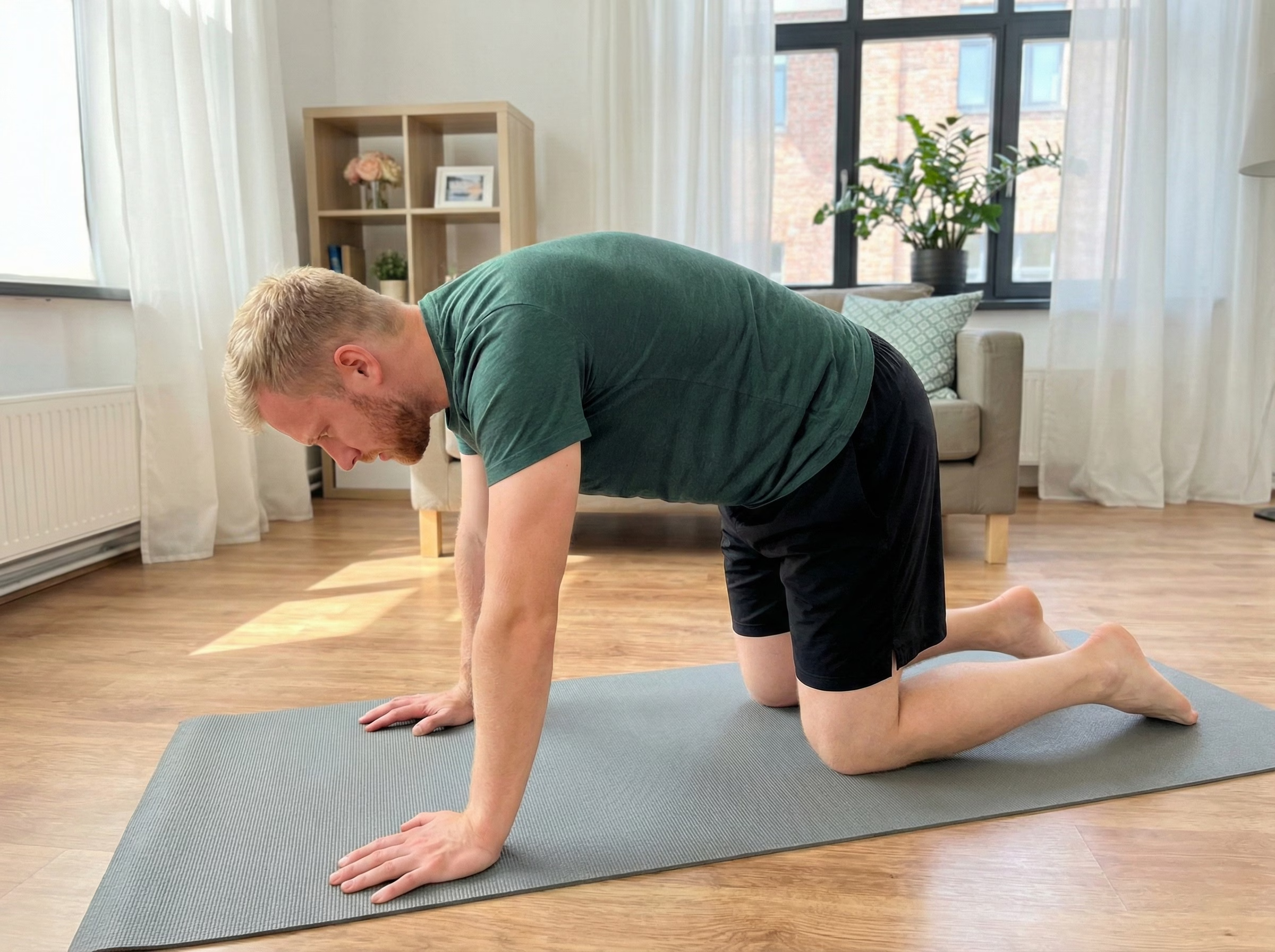
- All-Fours Setup: Get on his hands and knees (tabletop) with his wrists directly under his shoulders and his knees directly under his hips. Establish a neutral spine—not arched up, not sagging down.
- Engage the Core: Gently brace his core as if he's preparing for a light punch, and imagine a glass of water balancing on his lower back. This awareness is key to preventing rotation or sagging.
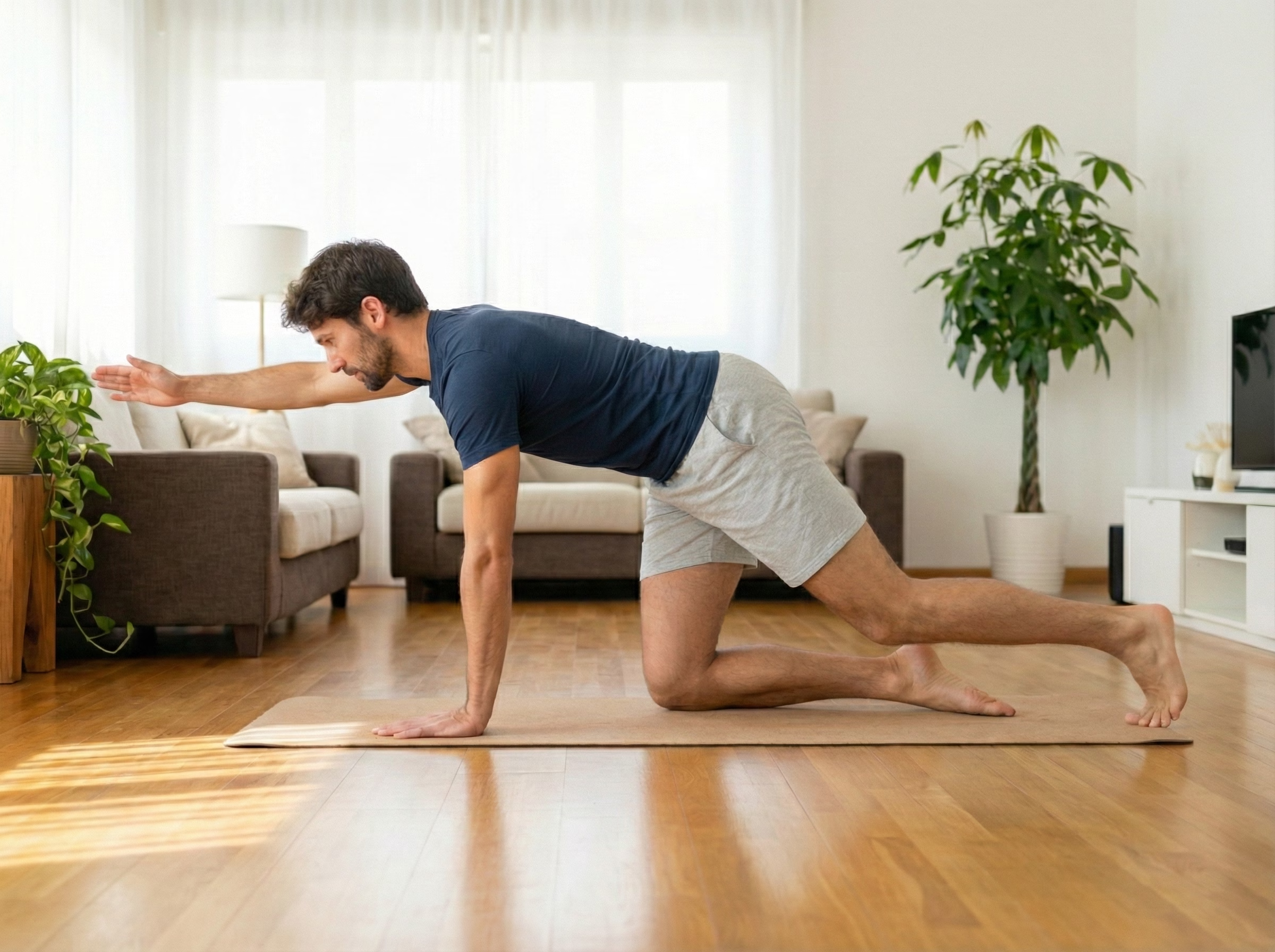
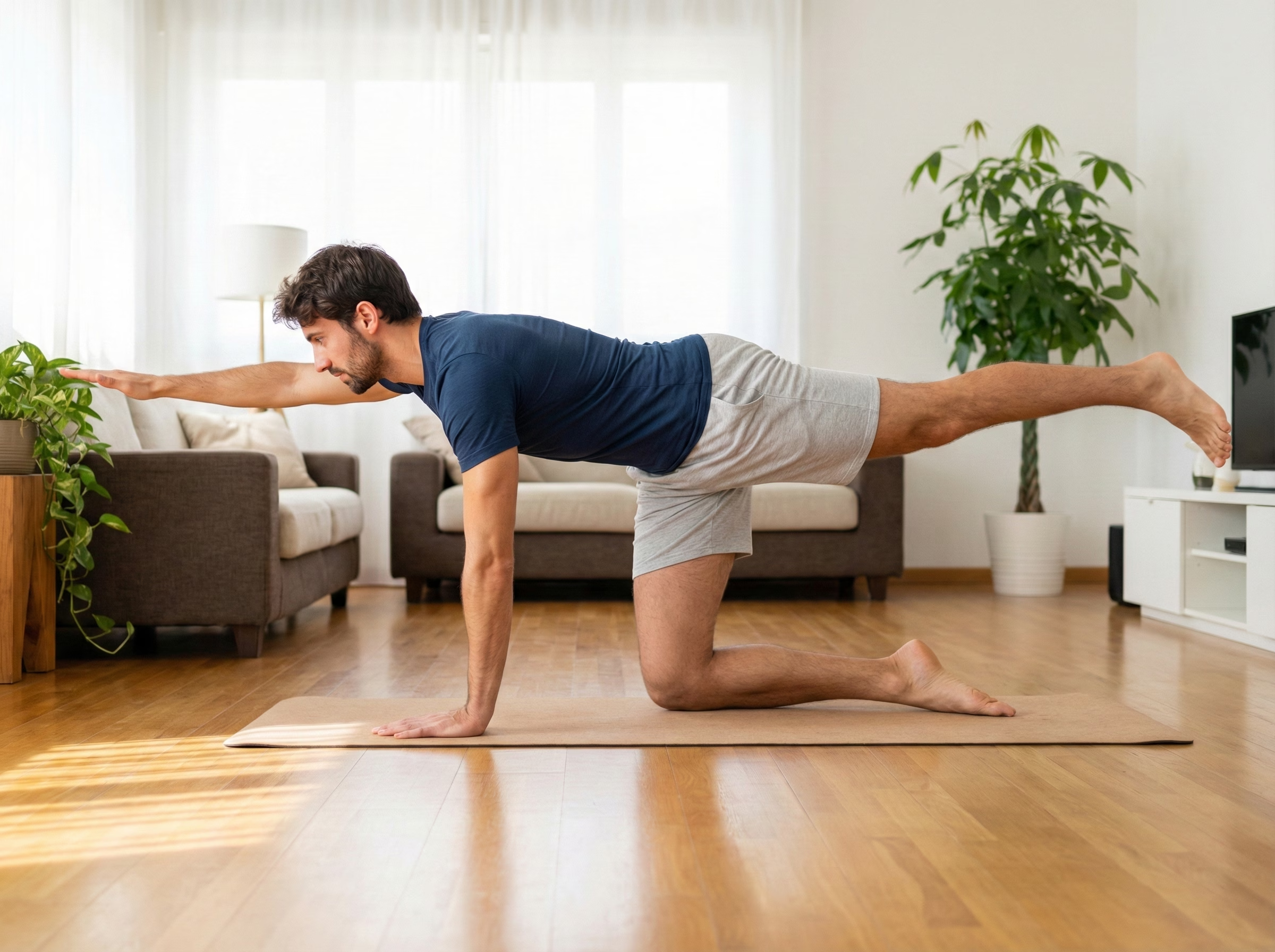
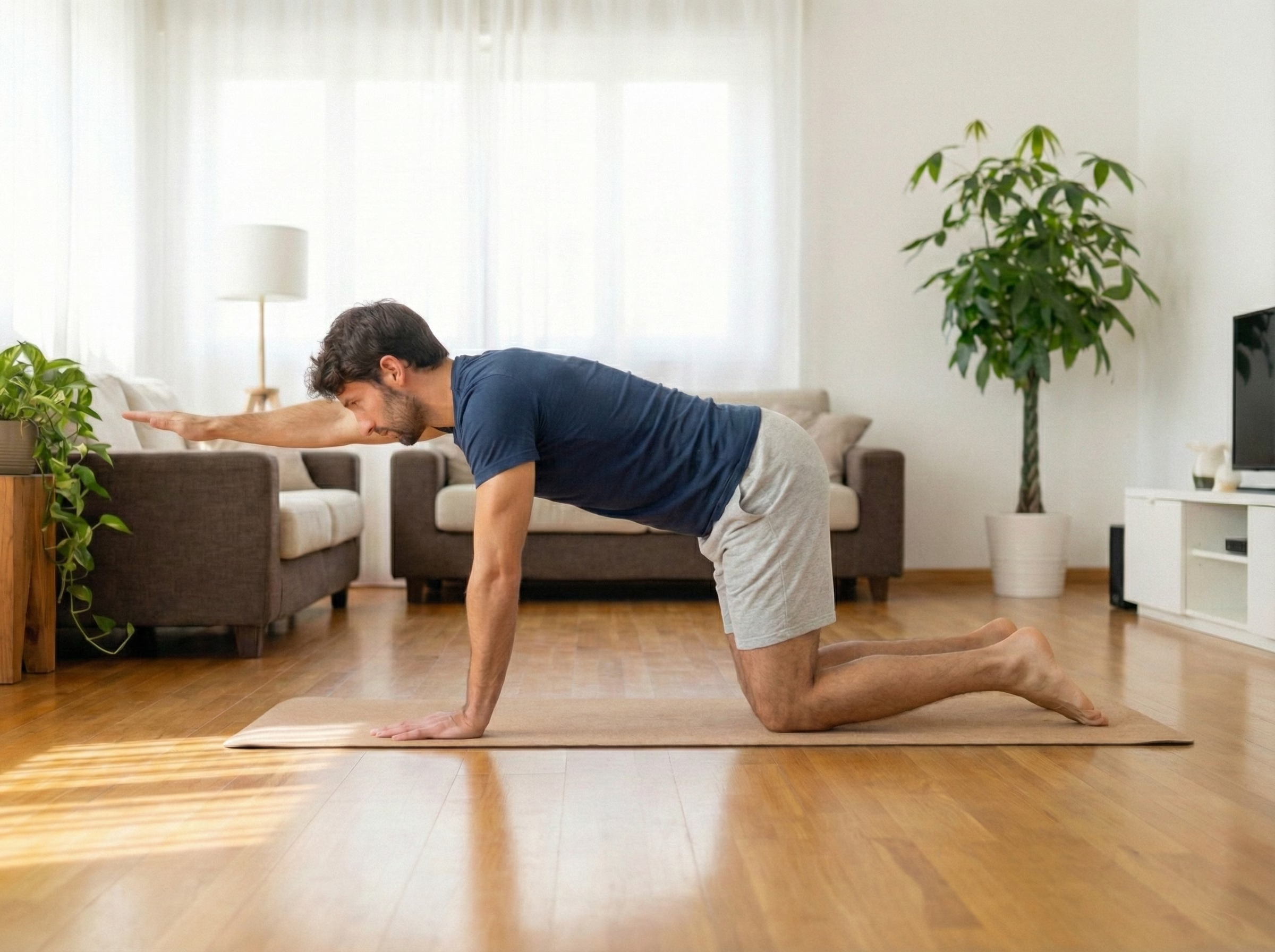
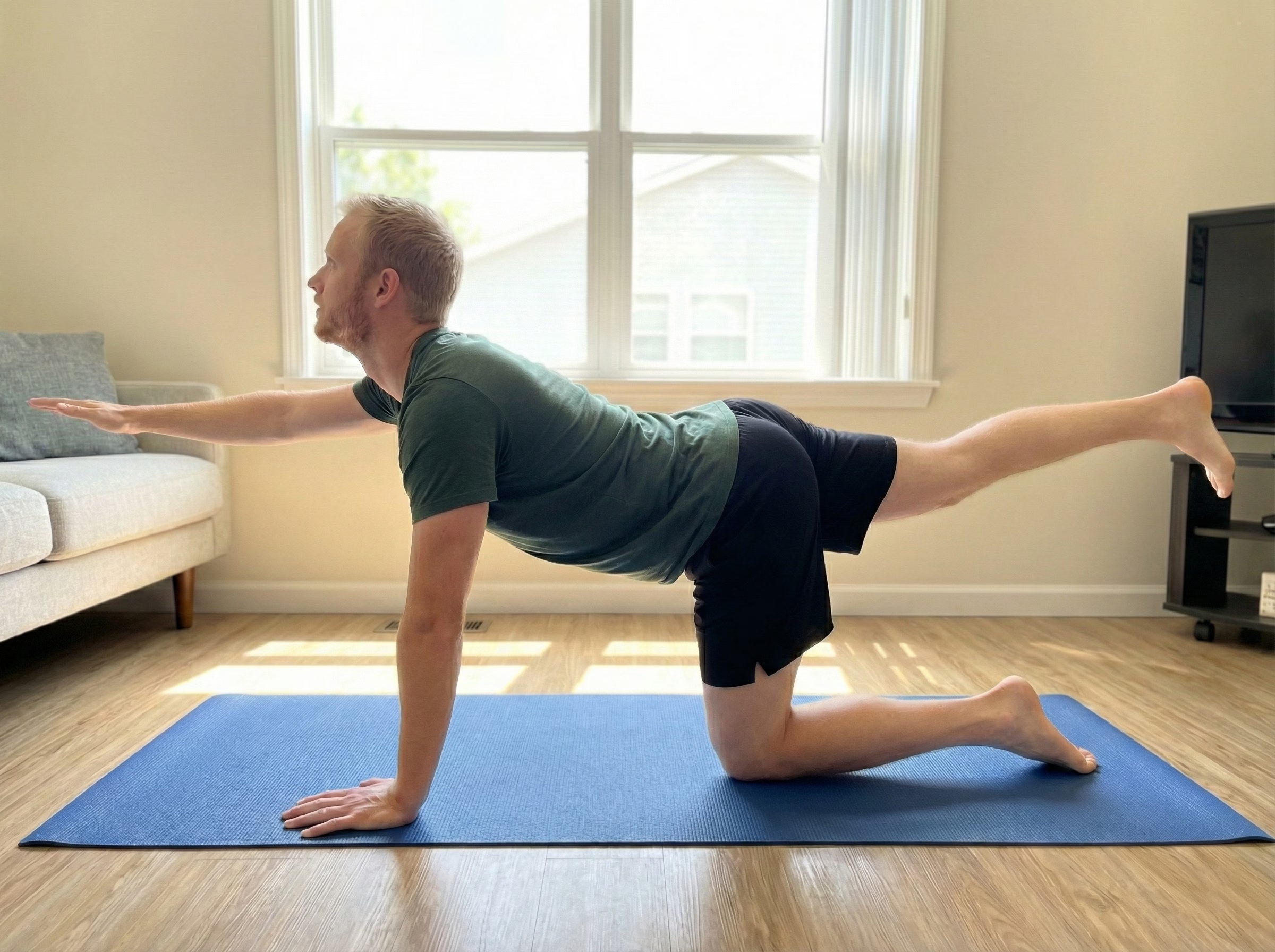
- Full Opposite Arm/Leg Reach: Slowly and simultaneously extend his right arm straight forward to shoulder height and his left leg straight back to hip height. Crucially, his hips must remain perfectly level, pointing toward the floor.
- Hold and Return: Hold the extended position briefly (1-3 seconds) to cement the stability, then slowly and with control, bring his arm and leg back to the starting position.
- Switch Sides: Perform the movement on the opposite side (left arm, right leg). Alternate sides for the entire set, maintaining consistent spinal neutrality throughout.
- “The movement is slow and controlled—zero wobble allowed.”
- “Keep his neck long, gaze straight down toward the mat.”
- “The extended leg should stop at hip height—don't lift high enough to rotate the hips.”
Sets & Frequency · Reps, Sets, and Weekly Plan (Height-Focused)
Focus on building core endurance and stability, not speed or high reps.
Tip: If he feel his back sagging during the set, immediately stop, reset his neutral spine, and try the shorter range variation until his stability improves.
Variations · Scaling for Control
Scale the length of the limbs or only move one limb to guarantee perfect spinal stability.
Height Impact · How Core Stability Supports His Vertical Line
- When the core is weak, the lower back and ribs tend to sag forward or arch (swayback) when he stands or moves. This is a compressive, shorter posture.
- Bird Dog teaches the torso to be a rigid, stable cylinder while the arms and legs move. This resilience ensures that the space created by decompression exercises is actively *held*.
- It focuses specifically on resisting rotational forces—a common cause of back instability and slouching—meaning his body won't twist or collapse out of his tallest posture.
- A strong, stable core is the foundation of the 'stack' needed for maximum standing height, preventing the common postural defects (like excessive lumbar arch) that steal height.
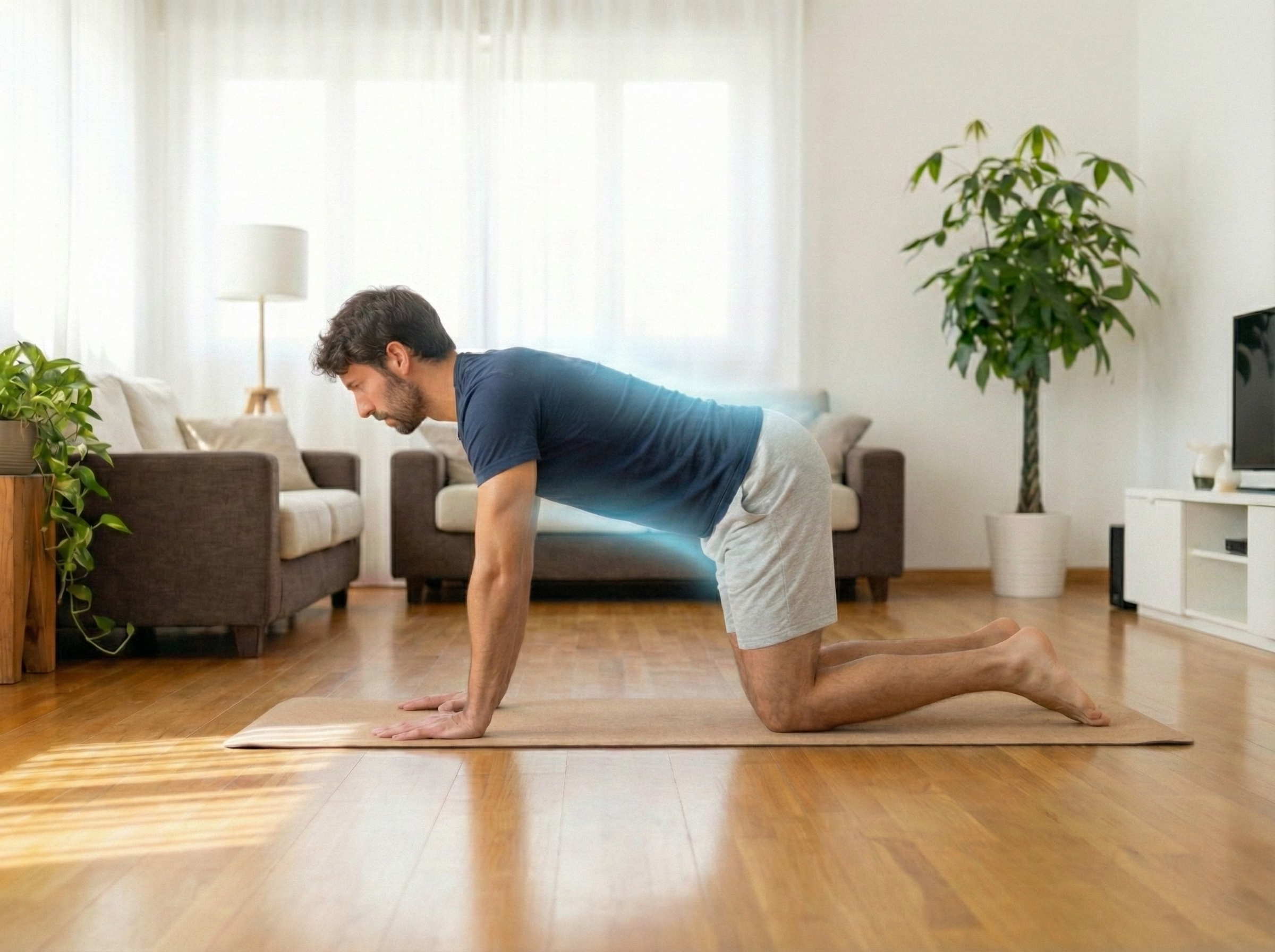
Panel 1 – Neutral Spine on All Fours
Side view of he in a static tabletop pose on the mat: hands under shoulders, knees under hips, spine perfectly neutral with no arch or sag, showing his core stability. Add a soft light blue glow along his midsection, lower back and pelvis to highlight the stable trunk helping his posture. 4:3 aspect ratio, full body.
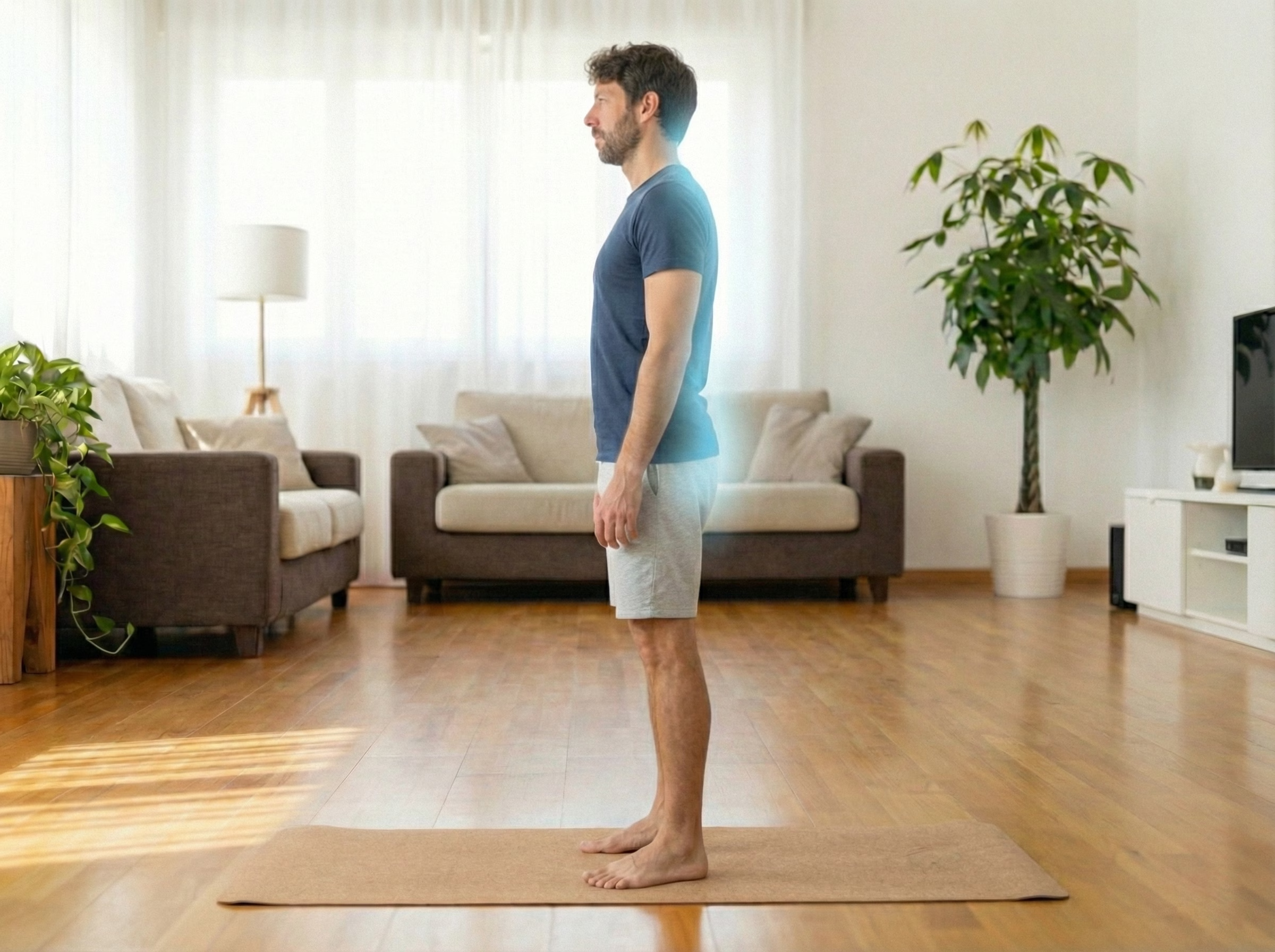
Panel 2 – Tall Standing Posture After Bird Dog
Side view of he standing on the mat in the same room, feet hip-width, arms by sides, lower back neutral (no sway), pelvis stacked, ribs down, head over shoulders. Add a soft light blue glow from his pelvis and lower back up through his mid-spine to the base of his skull to show how trunk stability supports his height line. 4:3 aspect ratio, full body.
Form & Safety · Key Technique Cues, Precautions & Common Mistakes
- Maintain a perfectly flat back—imagine a glass of water on his low back he shouldn't spill.
- Extend the leg only to hip height; never lift so high that his hips rotate or tilt.
- Keep his neck in line with his spine; gaze should be straight down.
- Use a slow tempo, pausing briefly at the peak extension.
Bird Dog is generally safe and often recommended for low back health.
- If he has severe acute lumbar disc pain, he should avoid this exercise until pain subsides.
- If he cannot maintain a neutral spine, revert to the short-range or arm-only variation.
- Avoid cranking his neck or letting his low back sag—these movements can increase spinal compression.
- Letting the belly drop and the low back sag (arching).
- Lifting the extended leg too high, causing the hips to twist open.
- Craning the neck up instead of keeping it neutral with the spine.
- Rushing the movement and losing control/stability.
**Why it steals height:** This mistake forces the core to relax and compresses the lumbar spine, reversing the height-gaining principles. It trains his body to use an unstable, compressed position.
**Why it steals height:** Lifting the leg too high breaks the core stability, causing his hips to rotate. This fails to train anti-rotation and instead reinforces a twisting pattern that undermines his vertical posture.
Pair With · Best Exercises to Pair With Bird Dog
Bird Dog works best when paired with complementary movements that precede or follow it:
Use mobility (Cat-Cow) and decompression (Passive Hang) first, then follow with Bird Dog to teach the core to *hold* the length gained. Finish with a posture set (Tadasana).
FAQ · Common Questions About Bird Dog
-
Q1 Why is slow movement so important here? ›Speed allows his body to rely on momentum, which bypasses the deep stabilizing muscles. Slow, controlled movement forces the stabilizing core muscles to engage and work continuously to prevent rotation and sagging, which is the exact endurance training he needs for long-term tall posture.
-
Q2 If he can only do the short-range variation, is he still benefiting? ›Absolutely. The benefit of the Bird Dog comes entirely from maintaining a neutral spine while resisting movement—not from how far his limbs travel. If he can perform the short-range version with perfect stability (no arching, no rotating), he is getting 100% of the posture and height-supporting benefit.
-
Q3 How high should he lift his leg? ›He should never lift his leg higher than parallel to the floor (hip height). Lifting higher forces his hip to rotate and his pelvis to twist, which breaks the spinal neutrality he is working so hard to maintain. Stop the moment before his hips begin to tilt or wobble.