
Box Jumps : .Boost HGH and Bone Power
Vertical explosions with soft, controlled landings – teaching your legs to hit hard and absorb impact like an athlete.
Box Jumps sit on the Impact side of Growth Activation. Short sets of explosive jumps plus soft, stacked landings send a clear “upgrade these legs” signal through your feet, ankles, shins and thighs. While your growth plates are still open, that mix of impact + lactic acid is exactly what we want supporting real growth and taller daily posture.
Pillar · Growth Activation
Box Jumps belong in Growth Activation because they combine two height-focused mechanisms:
- Impact & Wolff’s Law: Every strong takeoff and soft landing sends microscopic “stress + rebuild” messages through your feet, ankles, shins (tibia) and thighs (femur). Your body responds by reinforcing bone and connective tissue where the impact repeats.
- Anaerobic Lactic Stress: Short rounds of repeated jumps build lactic acid in your biggest leg muscles. Your body can respond to that hard-work signal with stronger recovery and growth hormone activity when you rest and sleep.
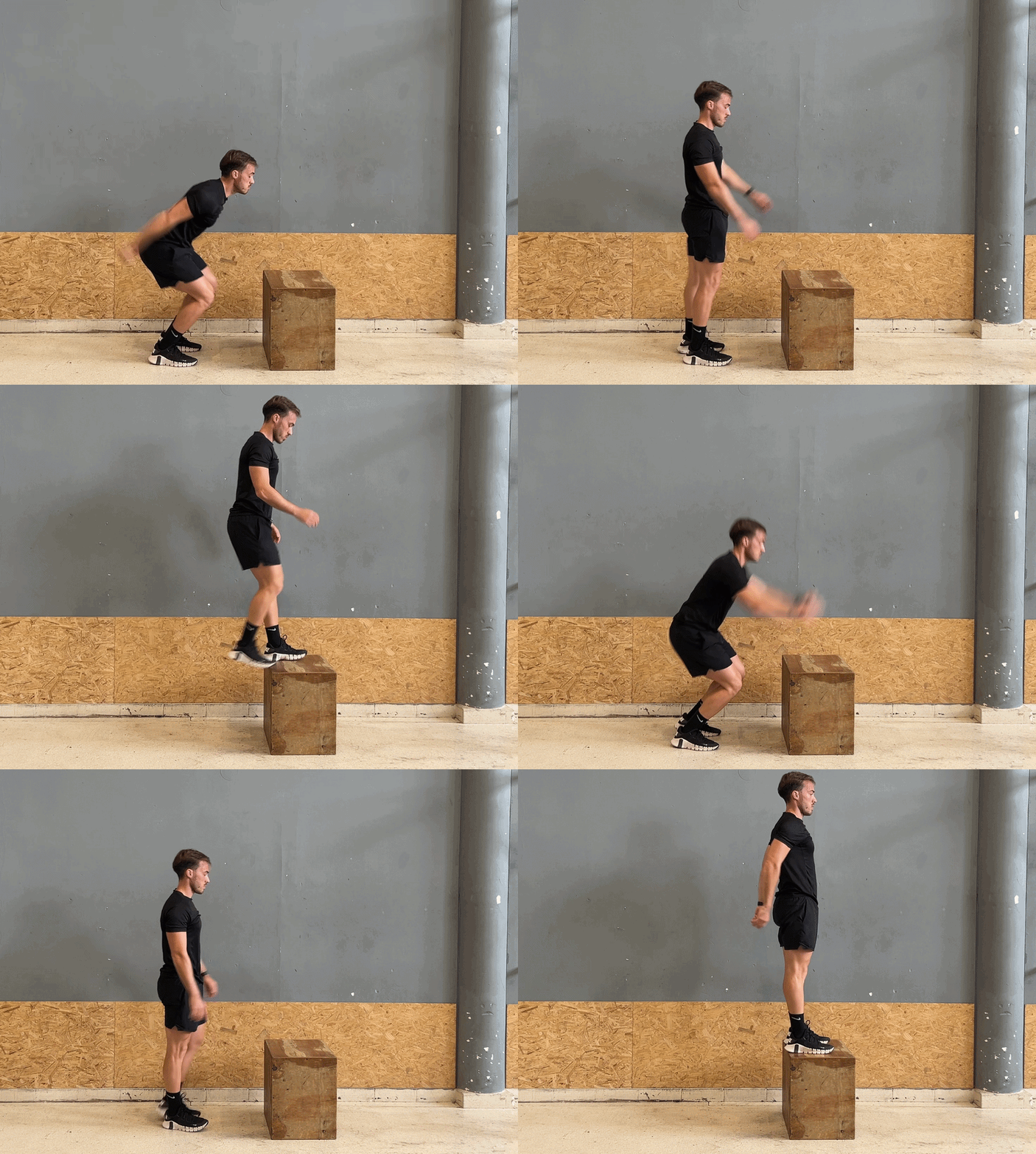
How To · How To Do Box Jumps (Growth Activation Style)
Not “random jumps at a box.” Clean, vertical explosions with soft, stacked landings that feel like controlled power, not chaos.
- Step 1 – Pick a smart box height. Start with a solid surface you’re totally confident you can clear and land on with bent knees – even if that height feels “too easy” at first. It’s better to be bored by the height and land perfectly than chase a high box and clip your toes.
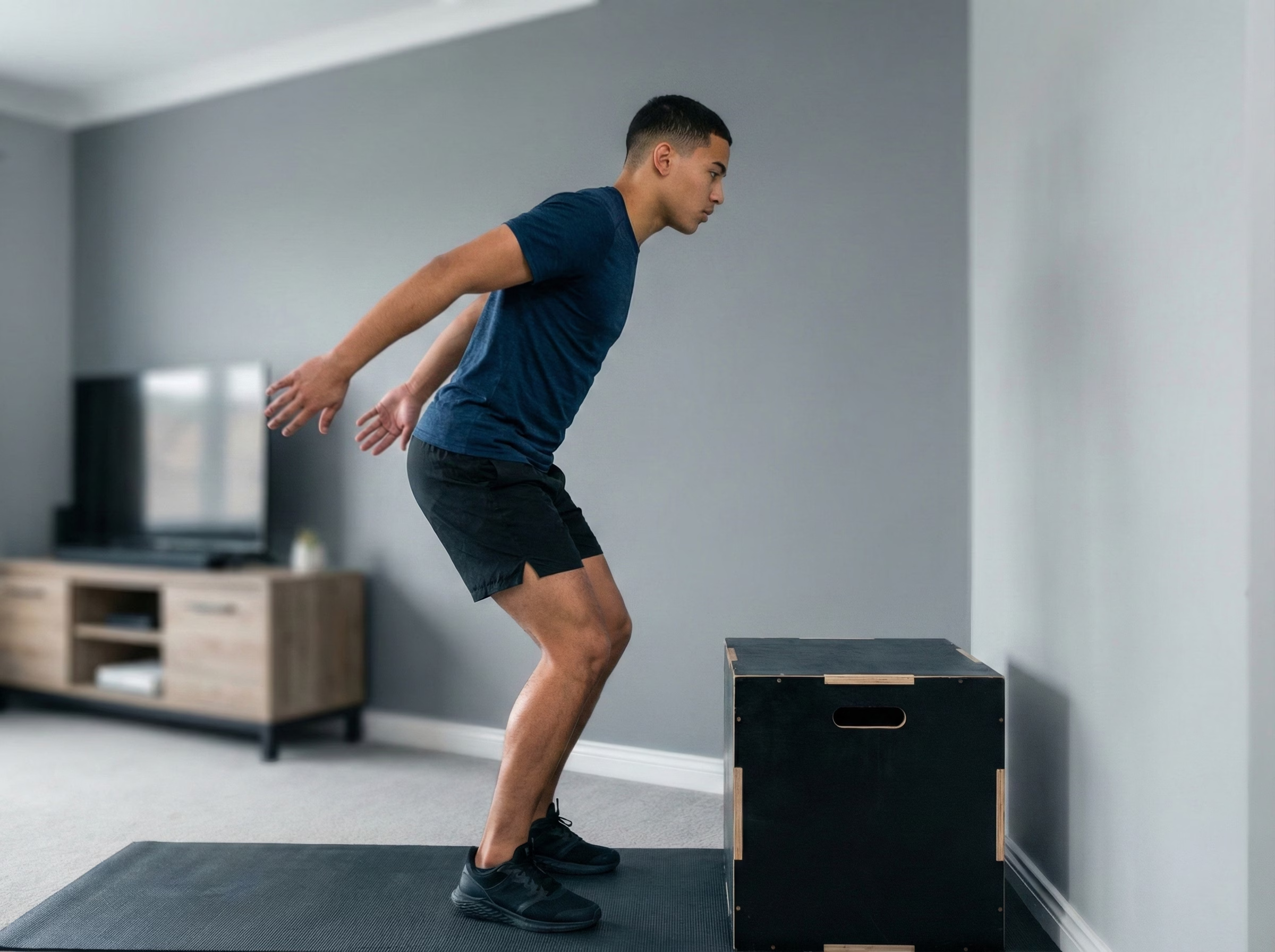
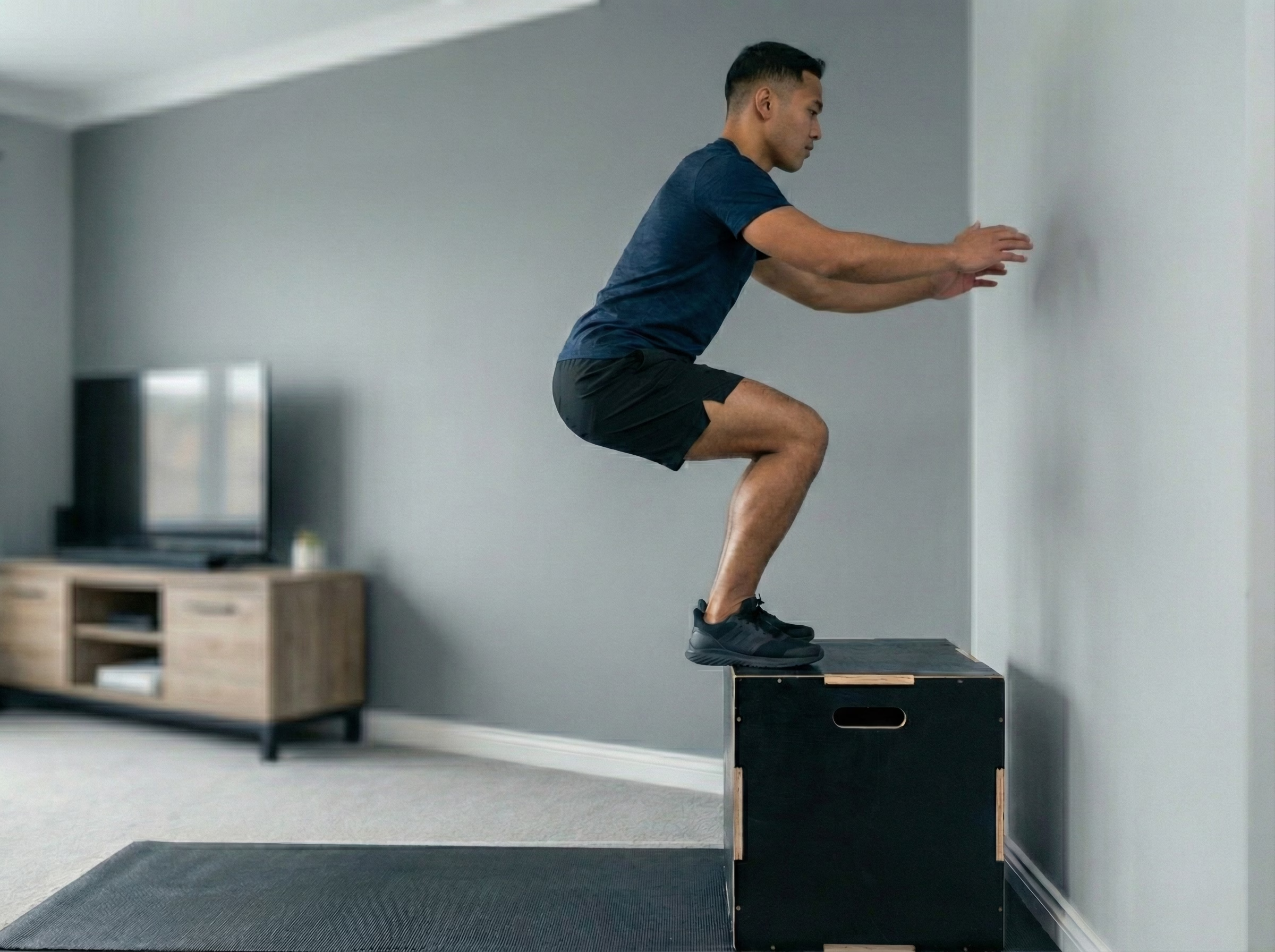
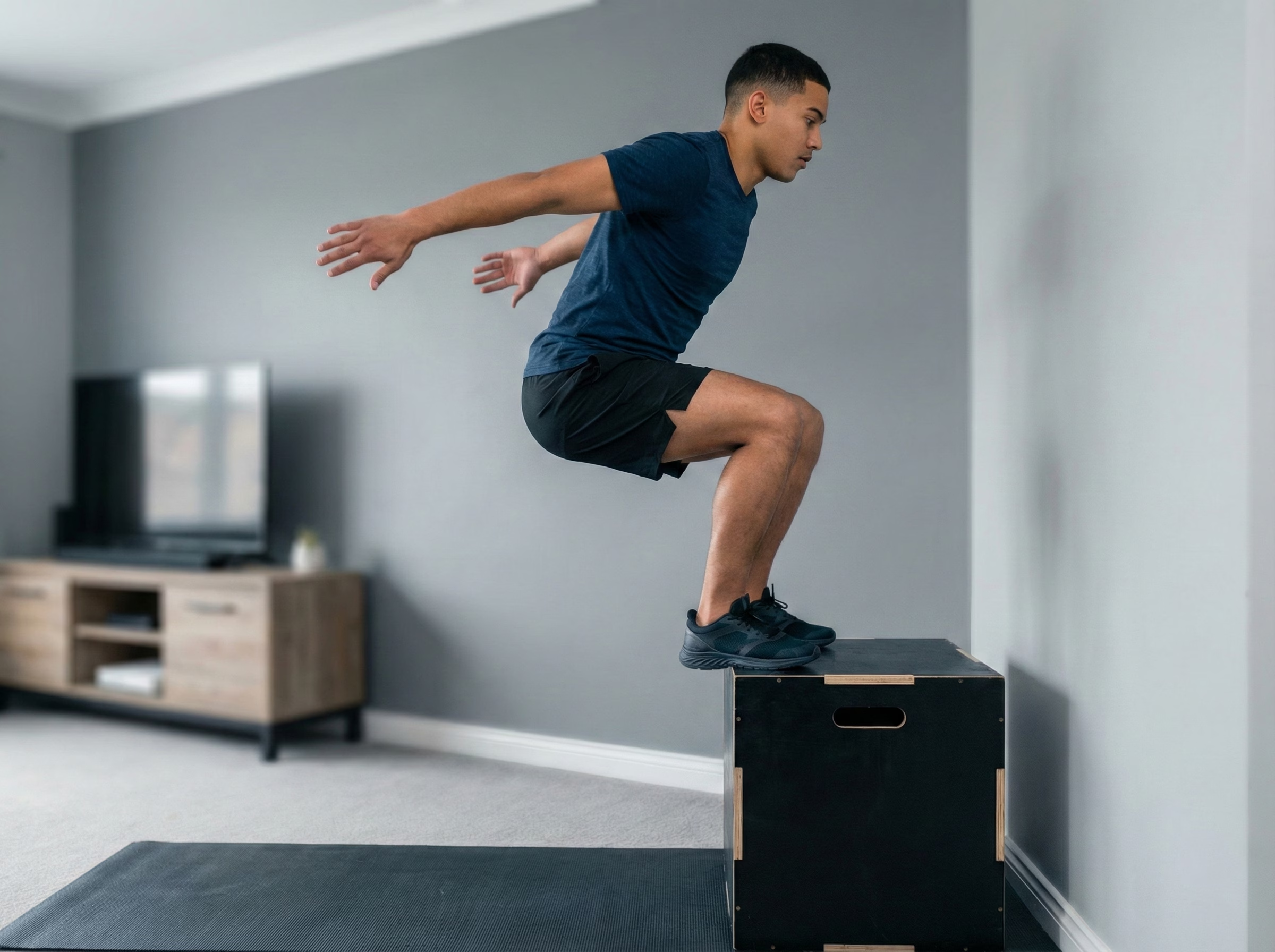
- Step 2 – Set your stance and load your legs. Stand about a foot away from the box. Feet hip–shoulder width. Drop into a mini squat: hips back slightly, knees bent, arms swinging behind you. Chest stays open, spine neutral, eyes locked on the top front edge of the box.
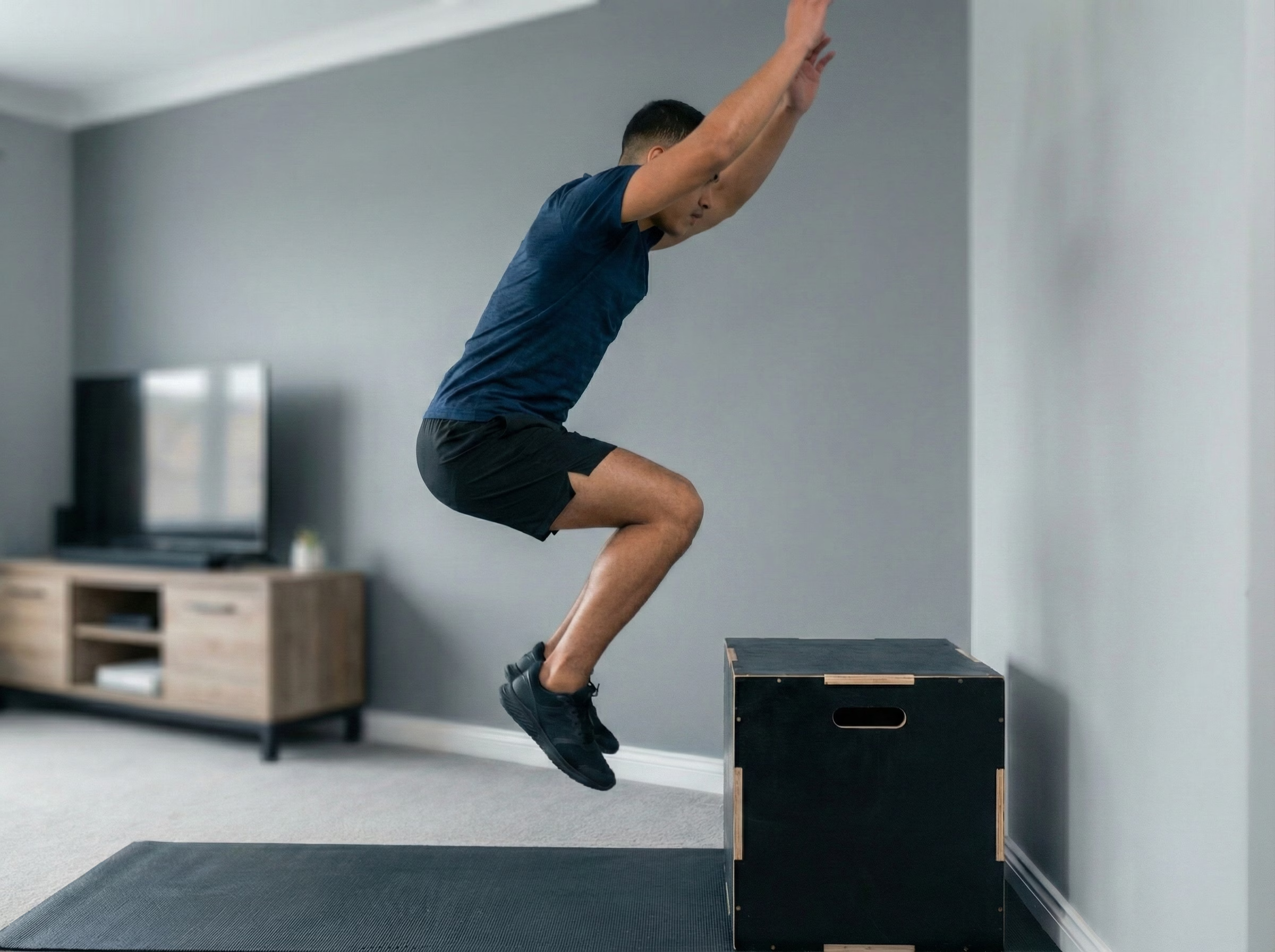
- Step 3 – Jump straight up, not forward. Swing your arms up and drive through your whole foot like you’re pushing the floor away. Think “ceiling, not wall” – your power goes vertical, not into the front of the box. Land on top with both feet, knees bent and hips back slightly to absorb the landing.
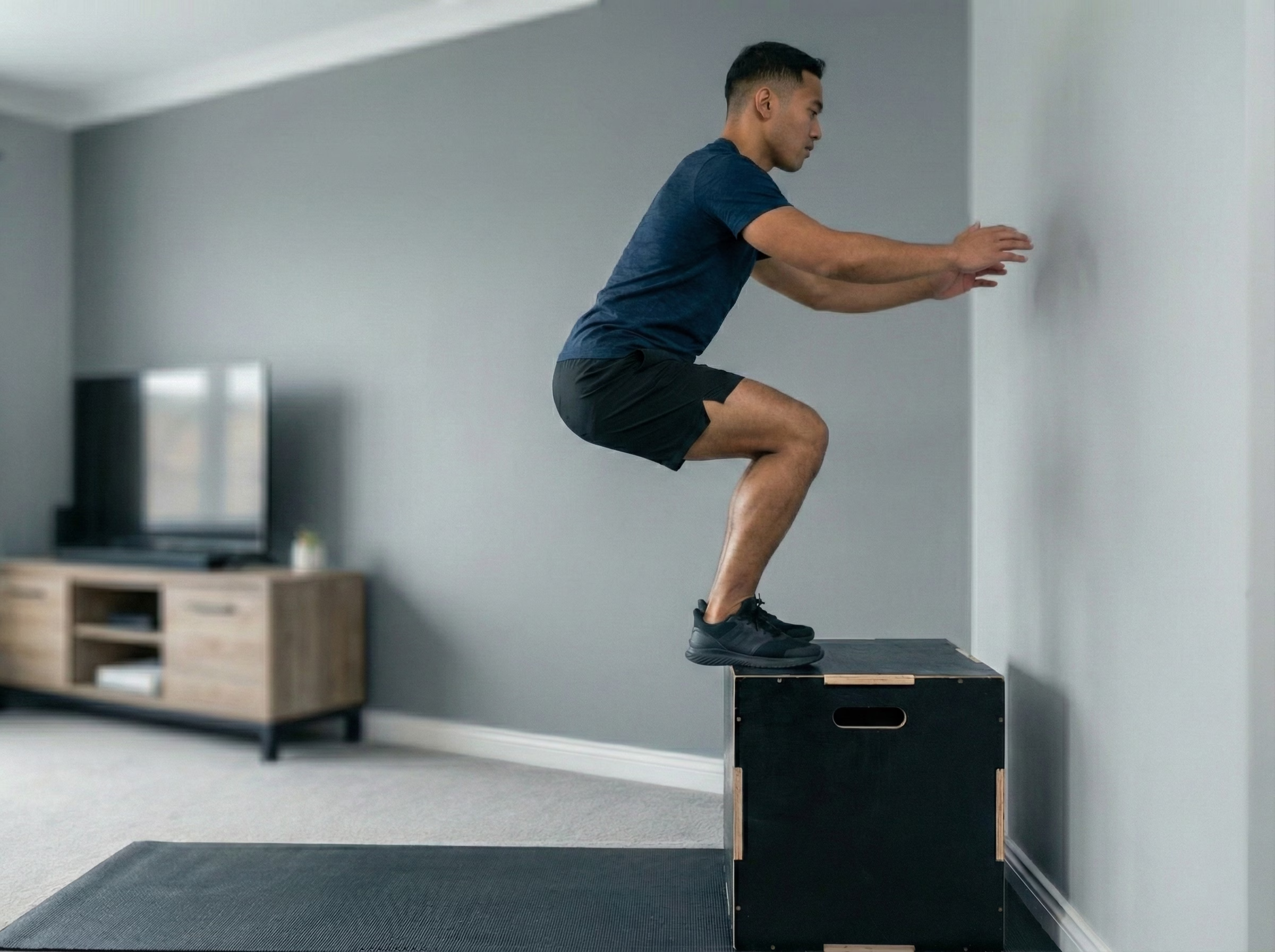
- Step 4 – Land soft, then stand tall. When your feet hit the box, it should sound quiet, not like a slam. Knees track over mid-foot, chest stays tall. After you’ve absorbed the landing, stand fully upright before you step down.
- Step 5 – Step down with control. Step down one foot at a time – no rebound jumps straight off. That keeps the impact targeted to the reps that matter and protects your ankles, knees and spine from extra shock.
- Step 6 – Turn it into a Growth Activation block. Once your pattern is clean, do short, intense blocks: 8–15 jumps or 20–30 seconds of continuous reps. The last few jumps should feel tough to keep perfect, your legs should burn, and your breathing should be heavy – that’s the Growth Activation zone.
- “Explode up, whisper down.” Your effort should feel loud in your muscles and lungs, but your landings should sound quiet and controlled.
- “Straight up, stacked knees.” Jump vertical, and land with knees over mid-foot, not caving in or shooting way past your toes.
- “Short blocks, real burn.” If you can talk calmly during the whole set, it’s not Growth Activation yet – speed up or adjust the box height.
Flow & Sets · Sets, Intensity & Frequency (Growth Activation)
Box Jumps work when they’re short, sharp and honest – not when you cruise through them like light cardio.
or 20–30 seconds of continuous, controlled jumps
Growth Activation rule: by the last few jumps of a block, your legs should be burning and your breathing should be heavy, but your landings must stay quiet and controlled. If you can talk fine the whole time, the block was too easy; if your landings turn into loud, stompy crashes, you’ve gone past the useful zone and need more rest or a lower box.
Variations · Easy Variations
Start low and controlled. Once the pattern is safe and automatic, then stack on more height or lateral movement.
Height Impact · How Box Jumps Support Growth Activation
- Every strong takeoff and soft landing sends micro-stress through your feet, ankles, shins and thighs – exactly where we want smart impact if we’re trying to apply Wolff’s Law in a safe way.
- Short, intense clusters of jumps create lactic acid in your quads and glutes, which your body can respond to with stronger recovery and growth hormone activity when you rest and sleep.
- Because you jump vertical and land stacked, your body learns to absorb force in a long, aligned shape instead of letting joints collapse or twist under load.
- Over time, that mix of impact, strength and control helps you walk and stand taller in daily life, instead of sinking into your knees and hips when you’re tired.
- Reality check: Box Jumps won’t randomly add magic inches to your adult height. They help you use your growth window properly by building leg power, impact tolerance and posture that support your real genetic potential.
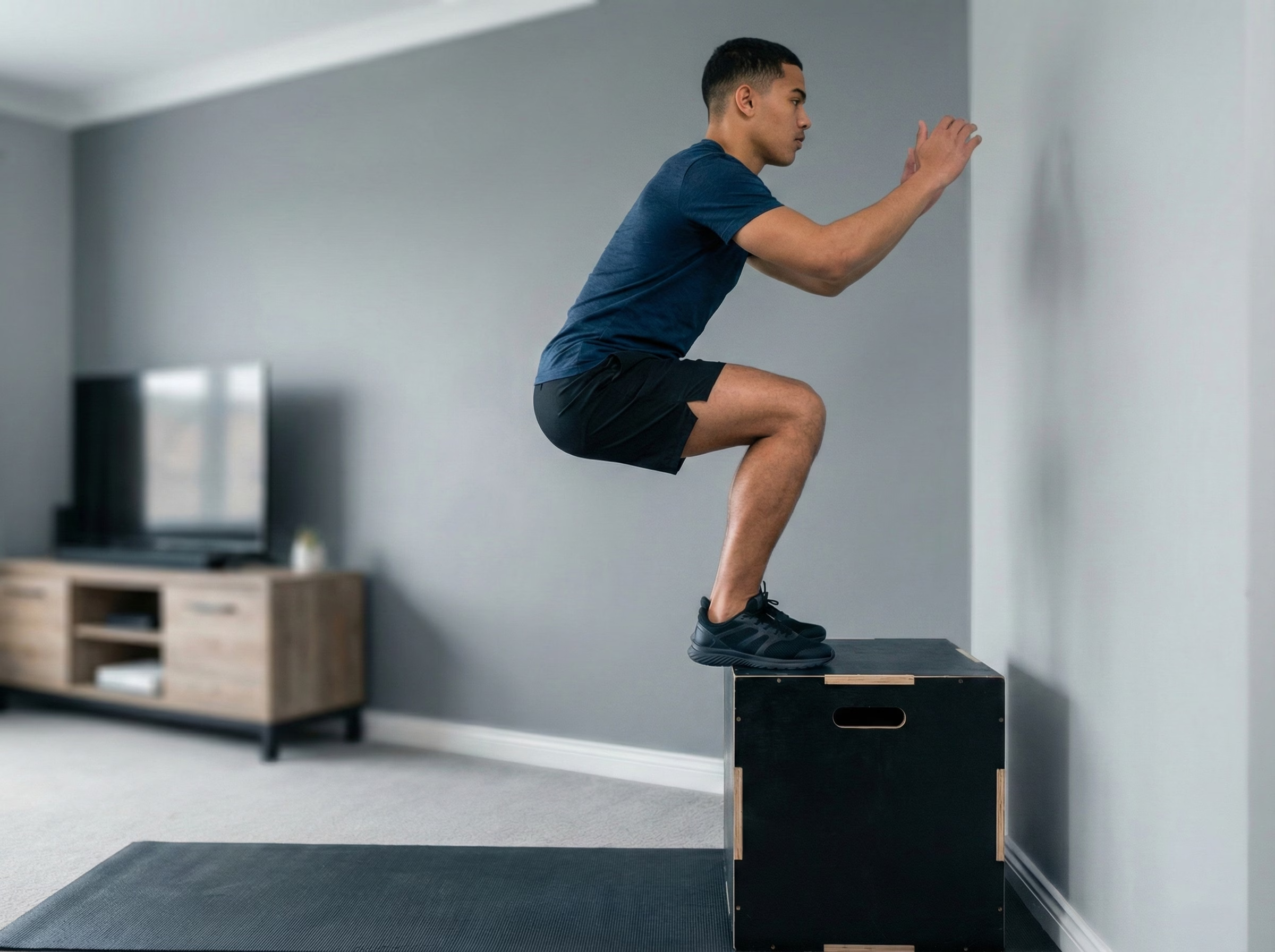
Panel 1 – Stacked Landing Side view of a teen landing on the box: knees bent, hips back slightly, heels fully down. A strong blue glow traces from his feet up through his shins, thighs and spine, showing how the impact travels through a long, aligned posture instead of slamming into one joint.
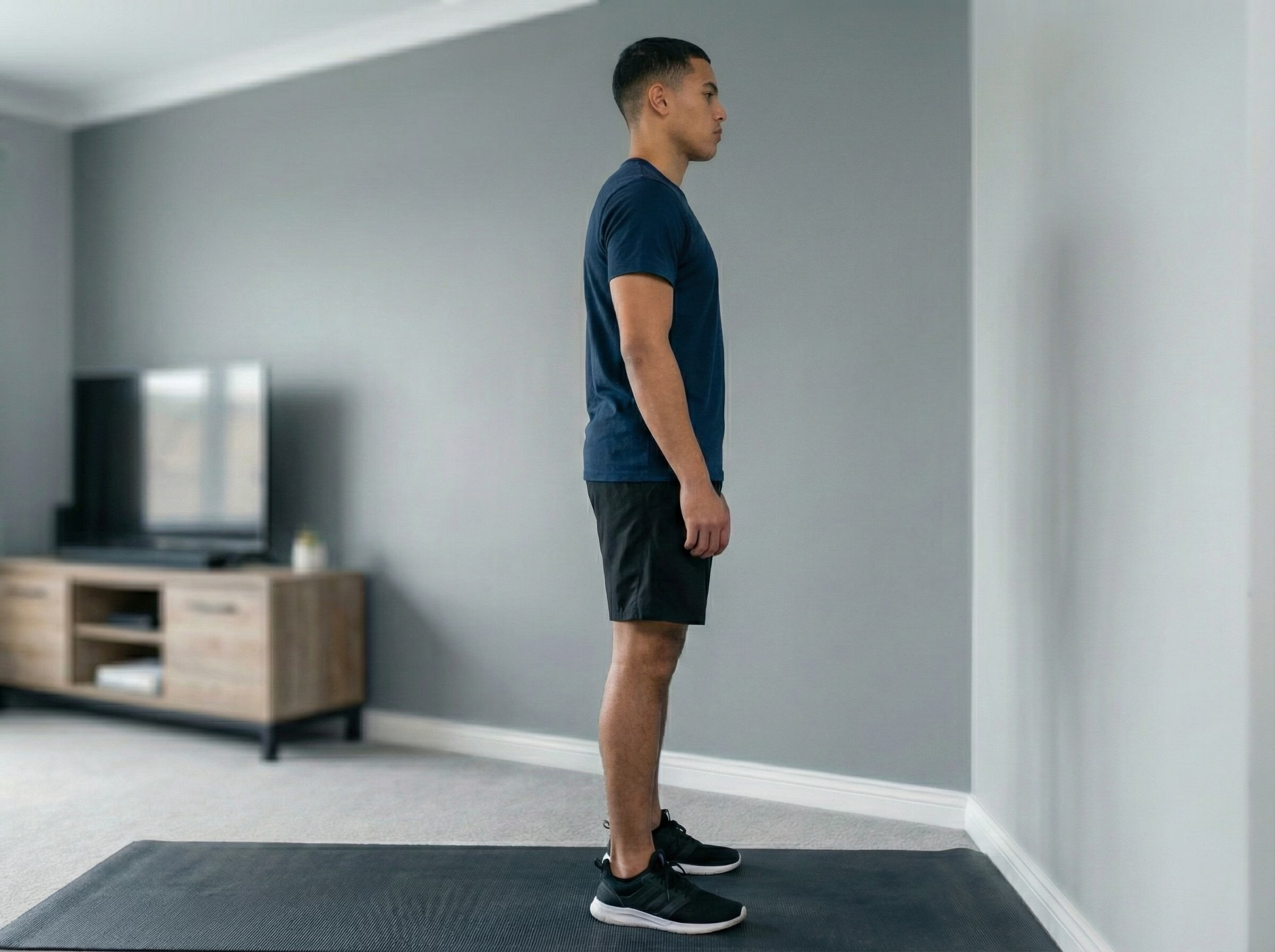
Panel 2 – Taller Everyday Posture The next day, the same teen stands relaxed but tall: hips level, knees tracking straight, feet grounded, chest open. A soft blue vertical line runs from his feet to the crown of his head, showing how stronger legs and better impact control help him carry his full height in normal life.
Form & Safety · Technique, Safety & Common Mistakes
- Start with a box height you’re fully confident you can land on.
- Jump mostly up, not forward into the front of the box.
- Land with bent knees, hips back slightly and chest tall.
- Step down after each jump instead of rebounding off the box.
Box Jumps are high-impact. Respect them.
- Avoid or modify if you have knee, ankle, hip, spine, heart or serious balance issues.
- Use non-slip shoes and a solid box with nothing around that you can trip on.
- Stop if landings feel jarring, painful or out of control.
- Choosing a box that is too high just to “look cool.”
- Landing with locked knees and loud, stompy feet.
- Letting knees cave inward or twisting in the air to reach the box.
- Rebounding off the box instead of stepping down between reps.
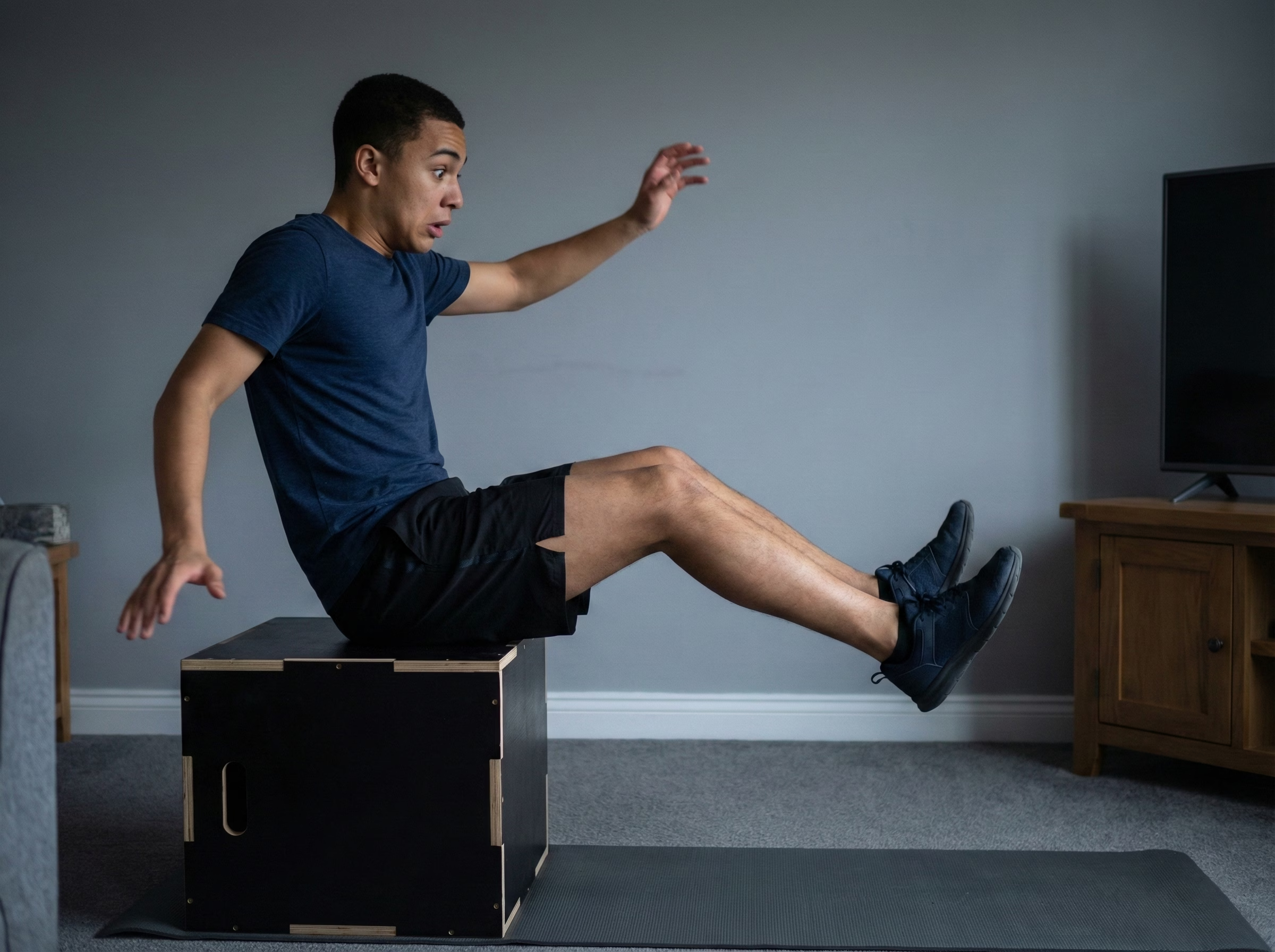
Why it fails Growth Activation: Instead of impact traveling through a long, springy posture, it slams into the knees, ankles and lower back. The body reads this as “bad joint stress,” not smart training worth building on.
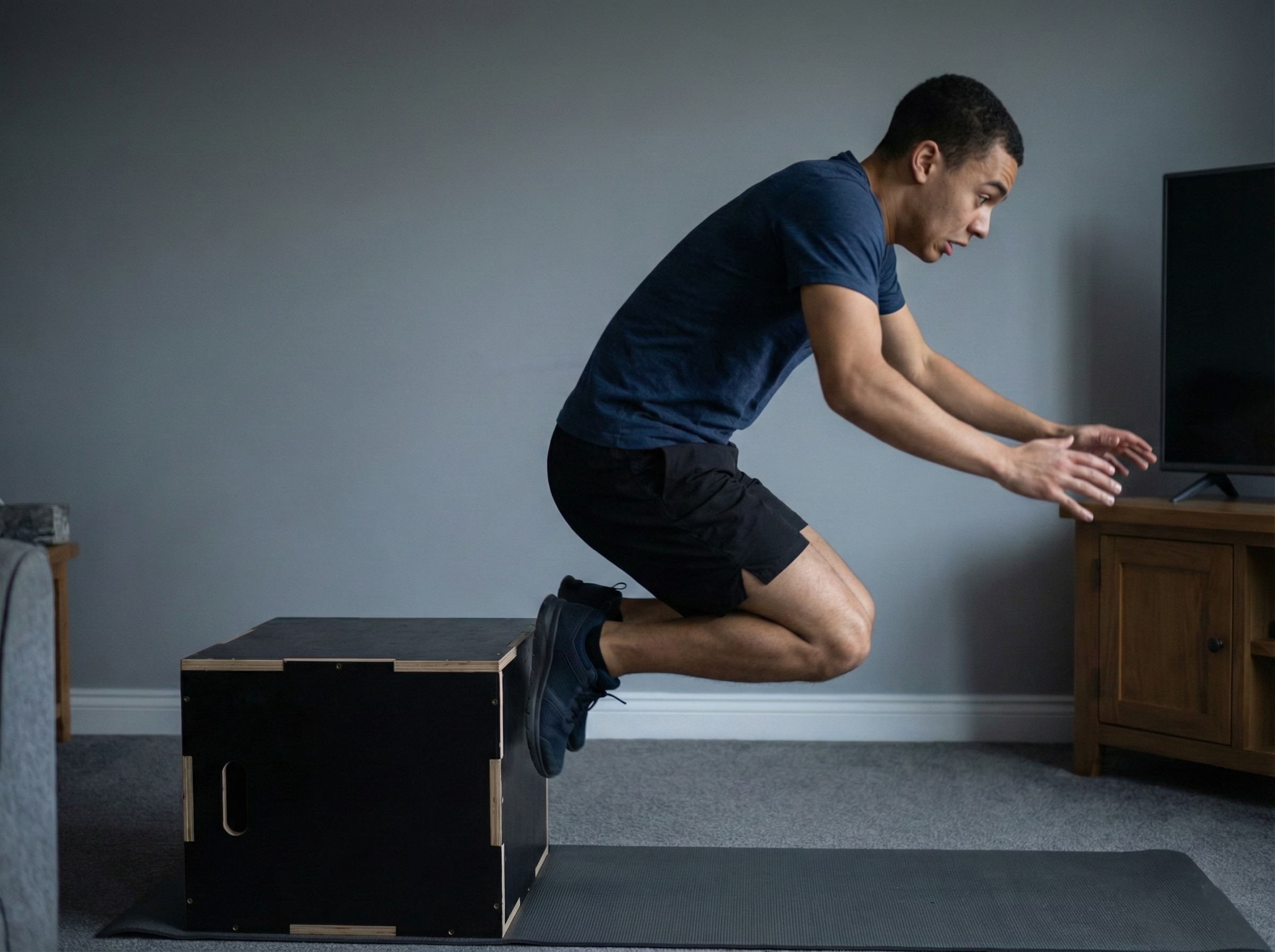
Why it fails Growth Activation: The jump becomes a messy forward dive instead of a vertical impulse. It’s more about not tripping than about sending a clear, repeatable height signal.
Pair With · Best Exercises to Pair With Box Jumps
Use Box Jumps as your vertical impact spike, then surround them with strength and decompression for a full Growth Activation day.
In a Height Youth session, Box Jumps often sit in the middle: you might hit squats first to warm the legs, then Box Jumps for vertical impact, then sprints or burpees, followed by decompression and posture work. The goal is a clear Growth Activation spike, then a calm, stacked body that recovers taller.
FAQ · Common Questions About Box Jumps & Growth Activation
-
Q1 Are Box Jumps safe for my growth plates? ›When done with the right height, surface and technique, Box Jumps are a normal part of training for many teens and athletes. Problems happen when you chase a box that’s too high, land with stiff legs, or train through pain. In Height Youth we focus on smart box height, soft landings, stepping down between reps and pairing impact with recovery. If you already have joint issues or a doctor has warned you about impact sports, get cleared before turning Box Jumps into a hard Growth Activation drill.
-
Q2 How high should my box be? ›Start with a box or step you can land on without fear and with perfect control. That might be knee height or even lower. As you get stronger and more confident, you can gradually raise the box – but never at the cost of quiet landings and stacked posture. Looking cool on a tall box is useless if your knees and shins hate every rep.
-
Q3 Can I just do Box Jumps every day for faster results? ›No – Impact Growth Activation needs recovery. Box Jumps create stress in your muscles, bones and tendons that your body needs time to rebuild from. That rebuilding is where the real benefit shows up. Doing them hard every day just piles up fatigue and joint stress. 1–3 focused sessions per week, mixed with strength, decompression, sleep and good food, is way more powerful than daily punishment.