
Child’s Pose : .Gently Stretch the Spine
A resting reset to elongate the spine and calm the nervous system.
Child's Pose is the ultimate "reset button" for a compressed back—gentle traction that lengthens the spine while grounding your hips and relaxing your shoulders.
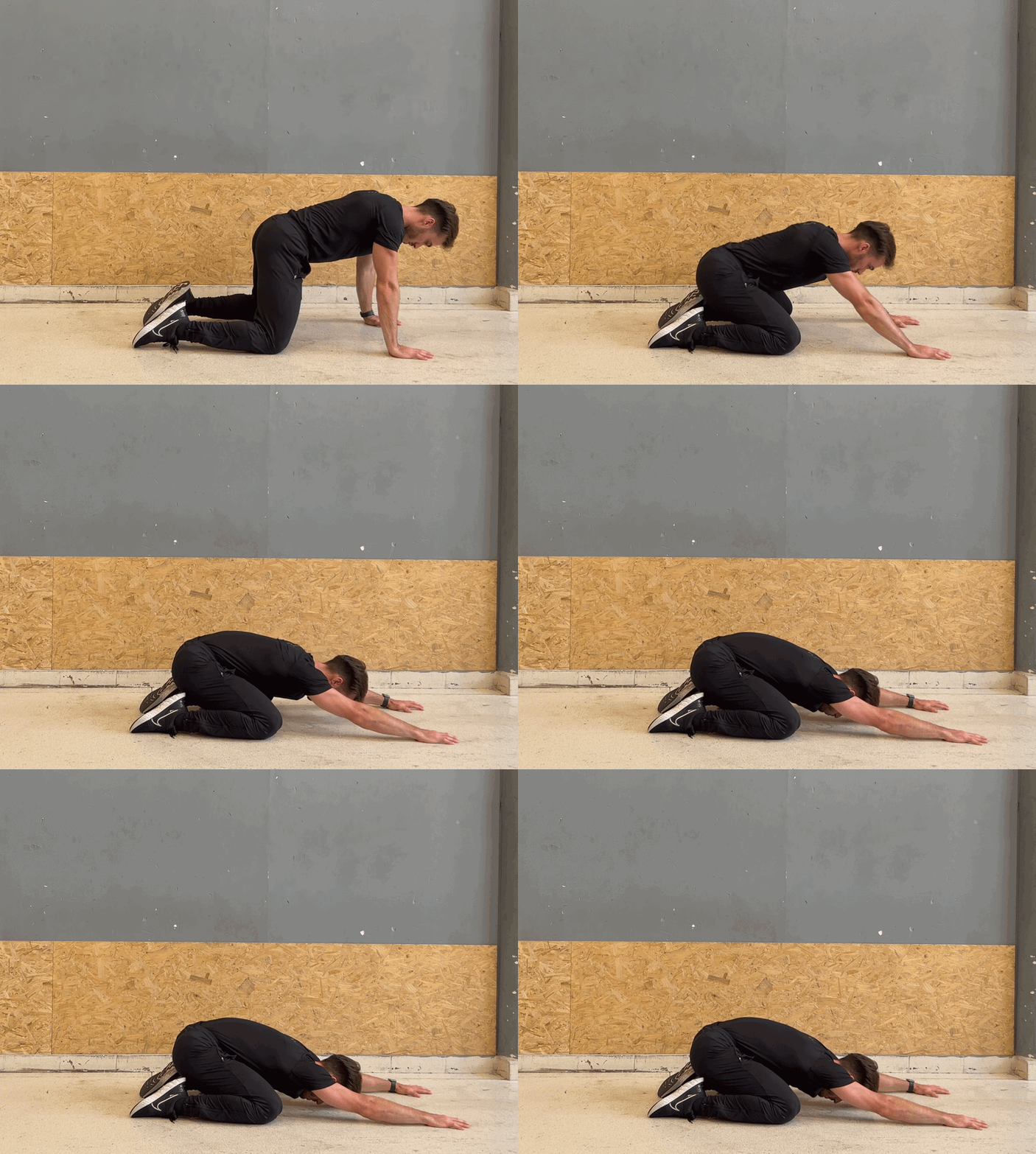
How to · How To Do Child’s Pose (Balasana)
A gentle fold to decompress the lumbar spine and open the hips.
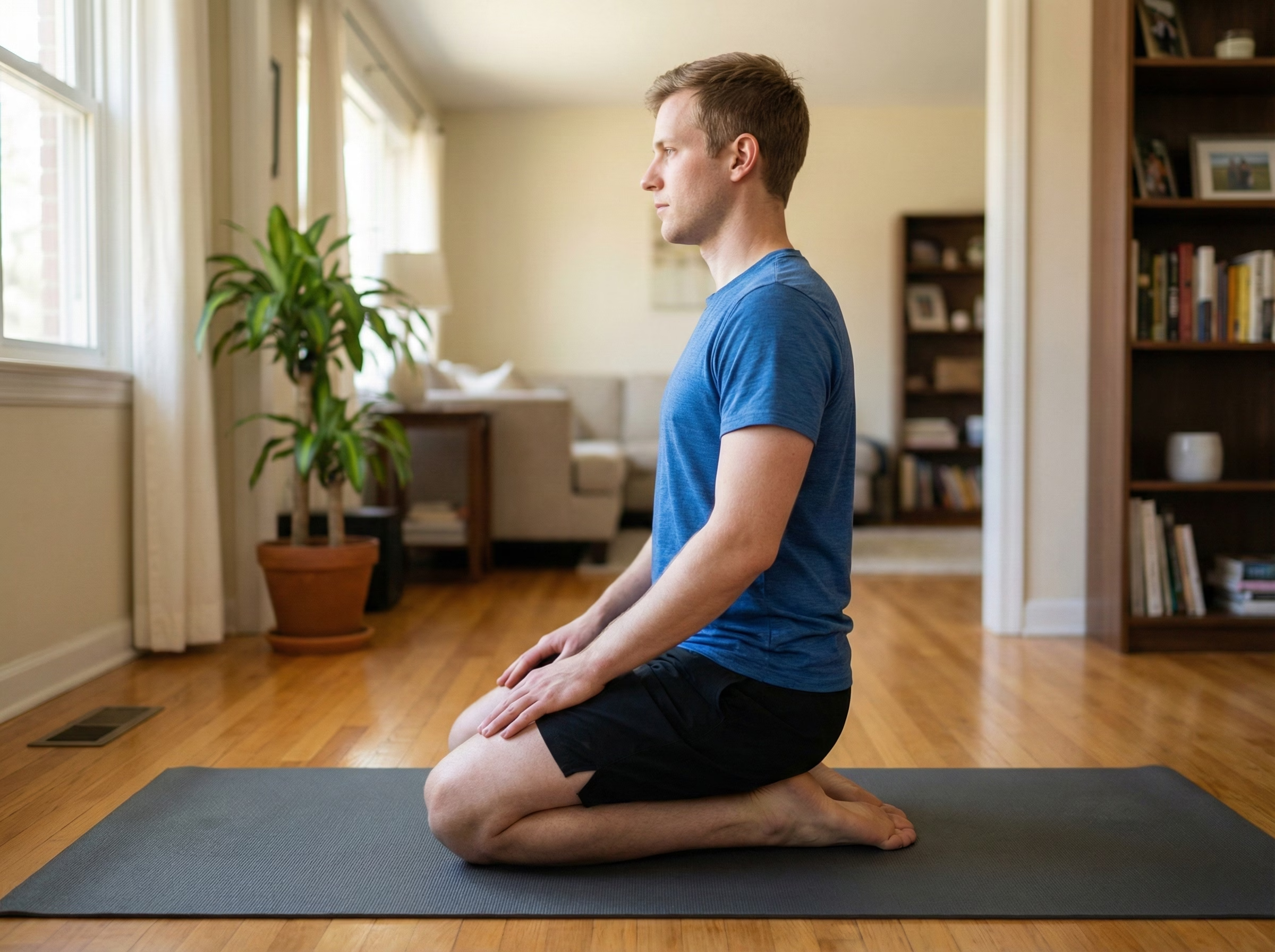
- Kneeling Setup: Start kneeling on your mat with hips stacked directly over your knees and toes untucked. Keep your torso tall and upright with hands resting gently on your thighs.
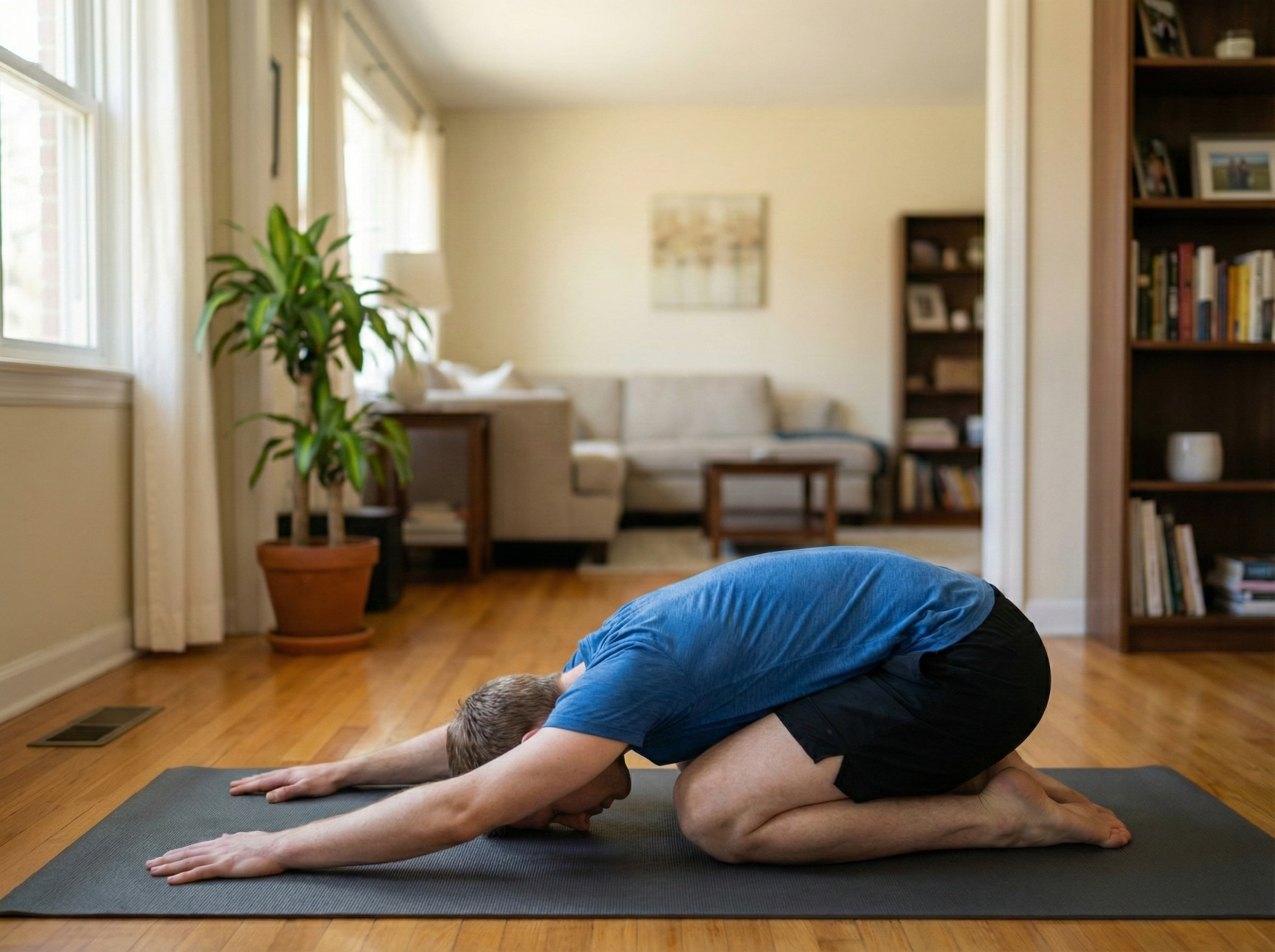
- Full Extension: Slowly sit your hips back toward your heels while extending your arms forward on the mat. Rest your forehead gently on the floor and lengthen your spine, keeping knees slightly apart for comfort.
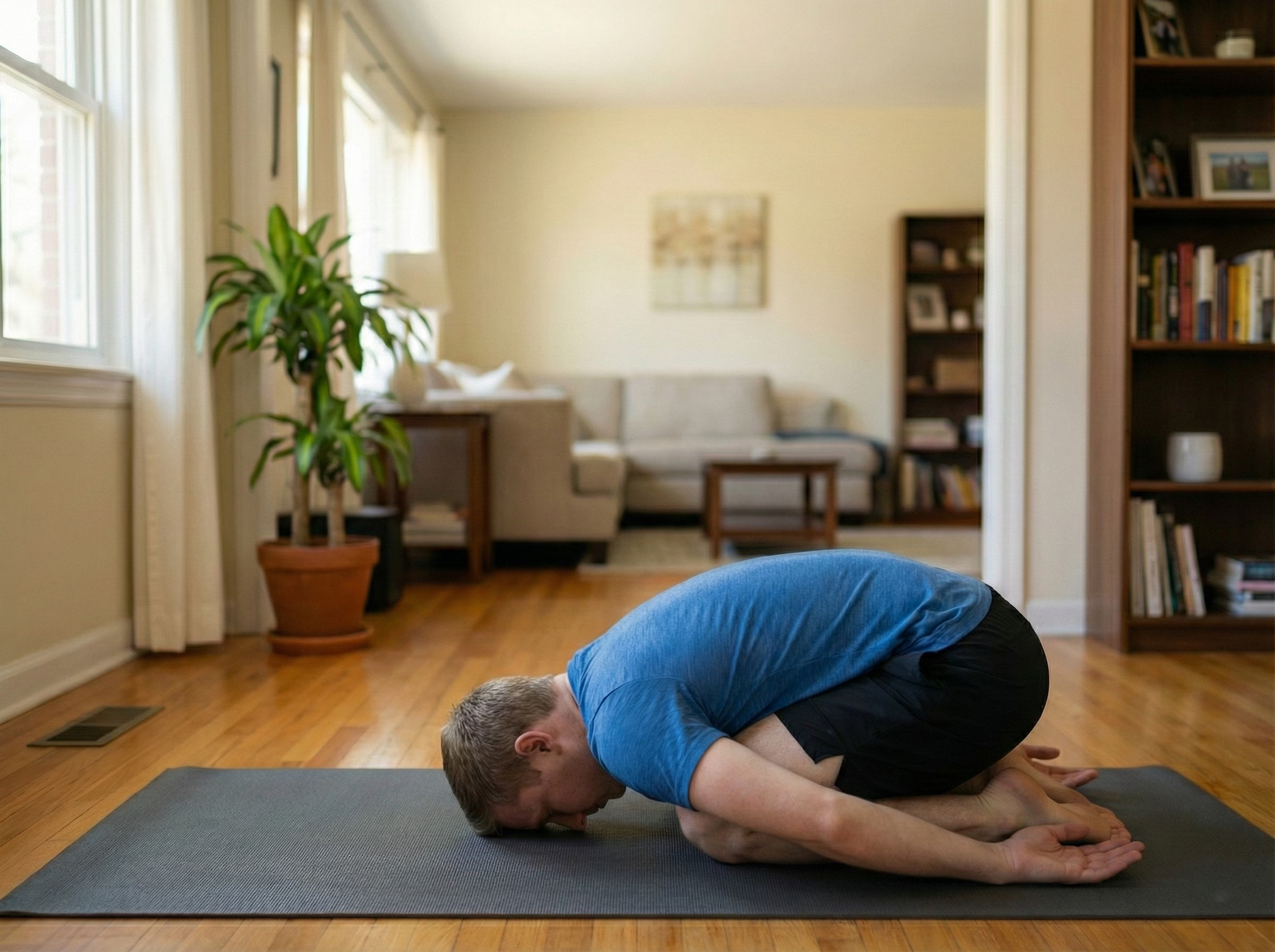
- Passive Rest: To deepen the rest, sweep your arms back alongside your torso with palms facing up near your feet. Allow your shoulders to melt completely toward the floor.
- “Sink hips to heels first, then reach forward.”
- “Breathe into your back body—feel the ribs expand.”
- “Let gravity do the work; release tension in the neck.”
Rest & Sets · Holds & Frequency (Height-Focused)
Use this to calm the nervous system and allow the vertebrae to settle.
Tip: In the Height app, Child’s Pose is used as a reset between intense decompression holds to ensure the lower back doesn't spasm.
Variations · Adjust for Comfort
Modify the pose to target specific areas or accommodate stiffness.
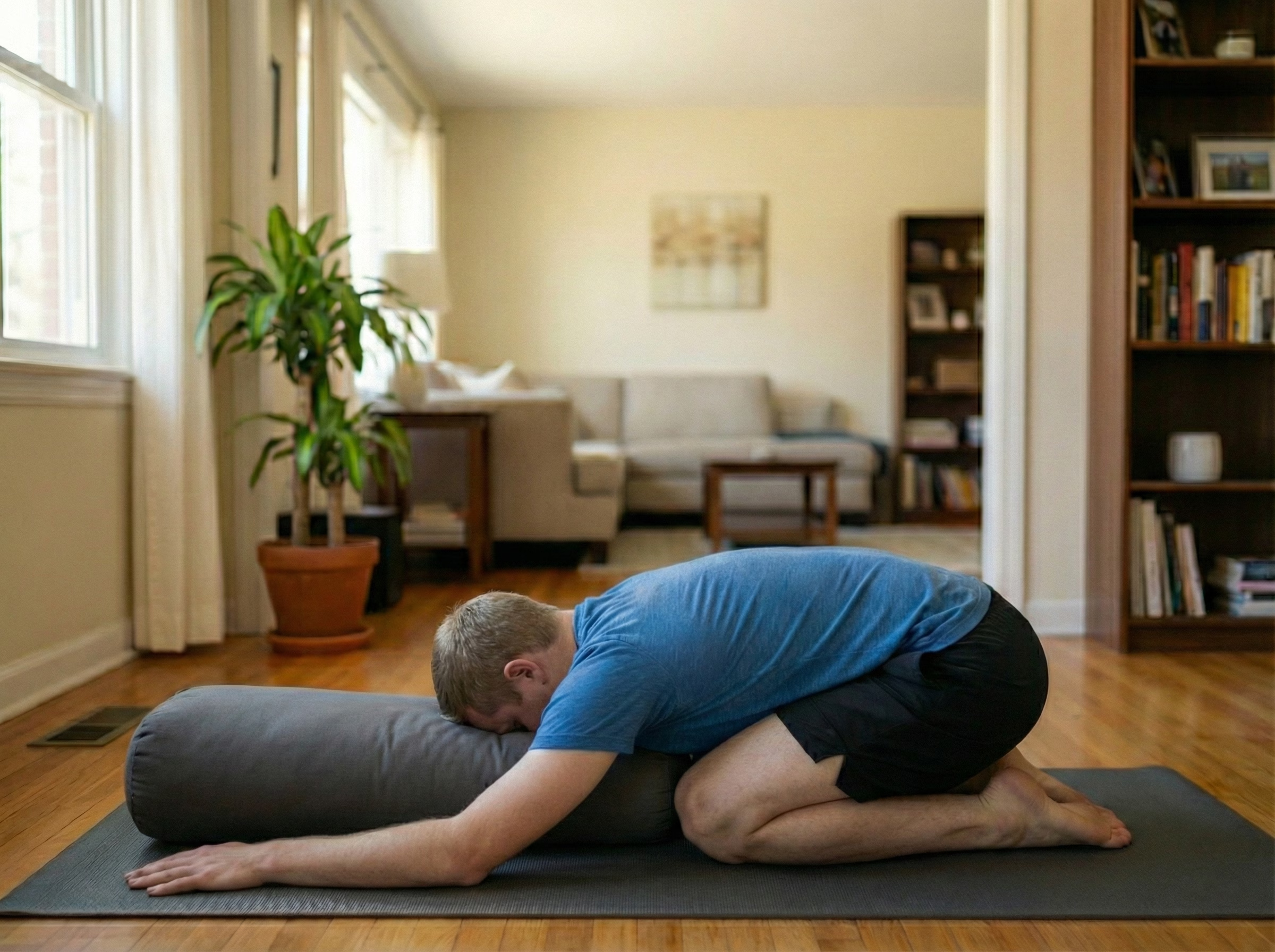
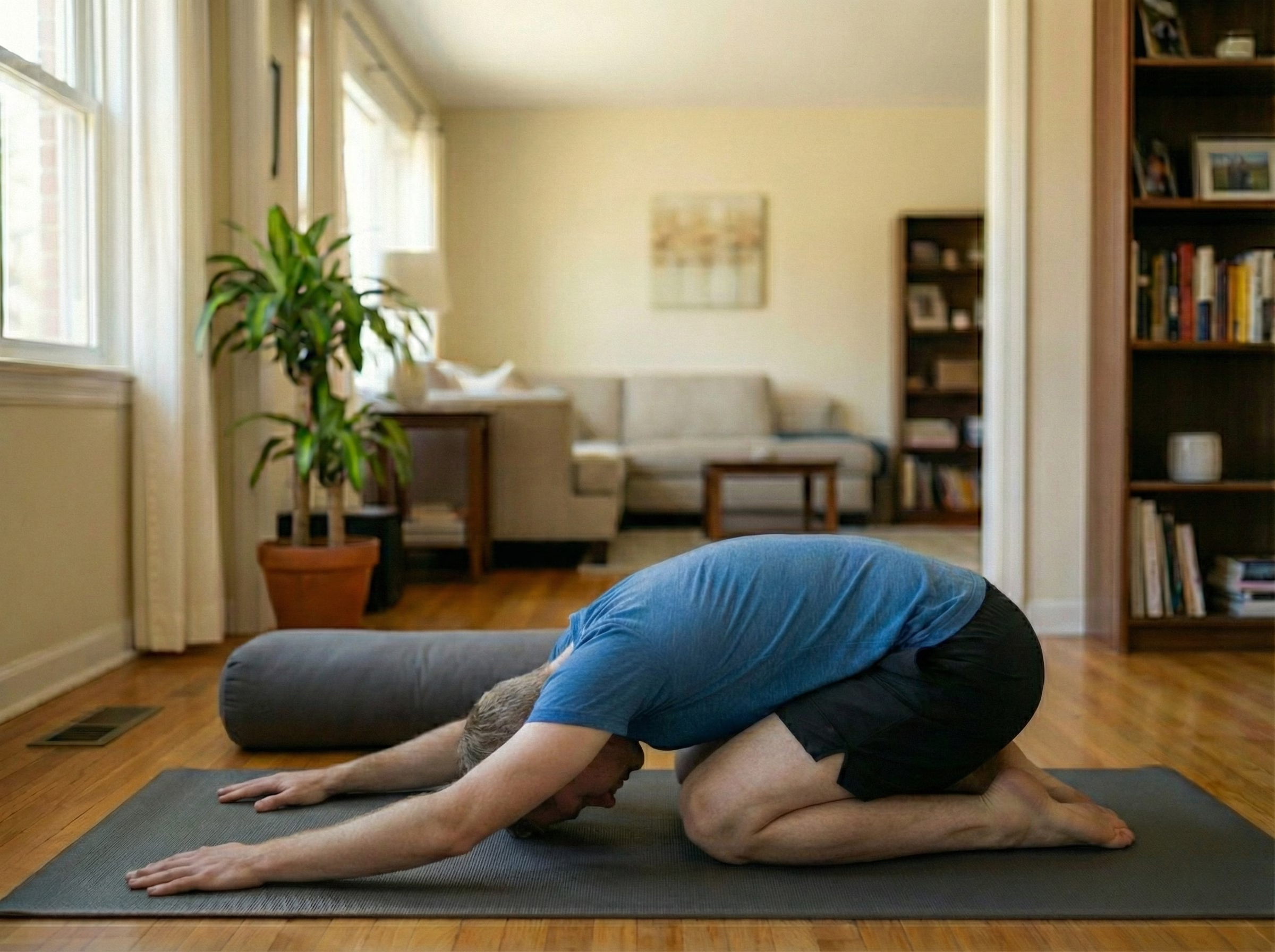
Height Impact · How Child's Pose Supports Your Height Line
- By grounding the hips and reaching forward, you create a natural traction effect that lengthens the spine from the tailbone to the neck.
- It calms the nervous system (parasympathetic activation), reducing muscle tone and tension that pulls you into a shorter, slouched posture.
- Regular practice helps maintain the space between vertebrae created by more intense decompression exercises like hanging.
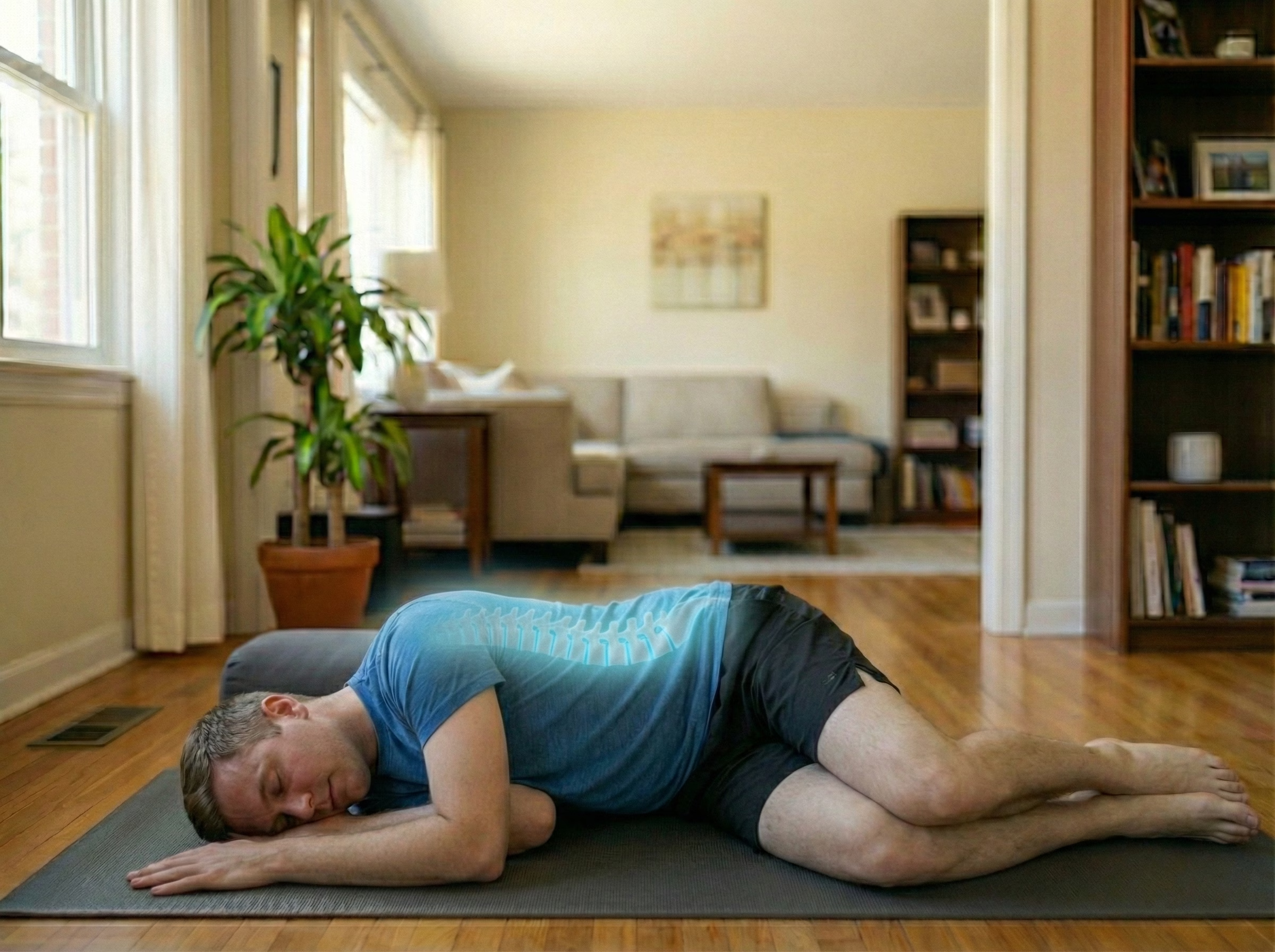
Panel 1 – Relaxed Decompressed Spine
Post-stretch, the spine rests in a gentle curve. The soft blue glow highlights the lower and mid-back segments that have been decompressed and loosened.
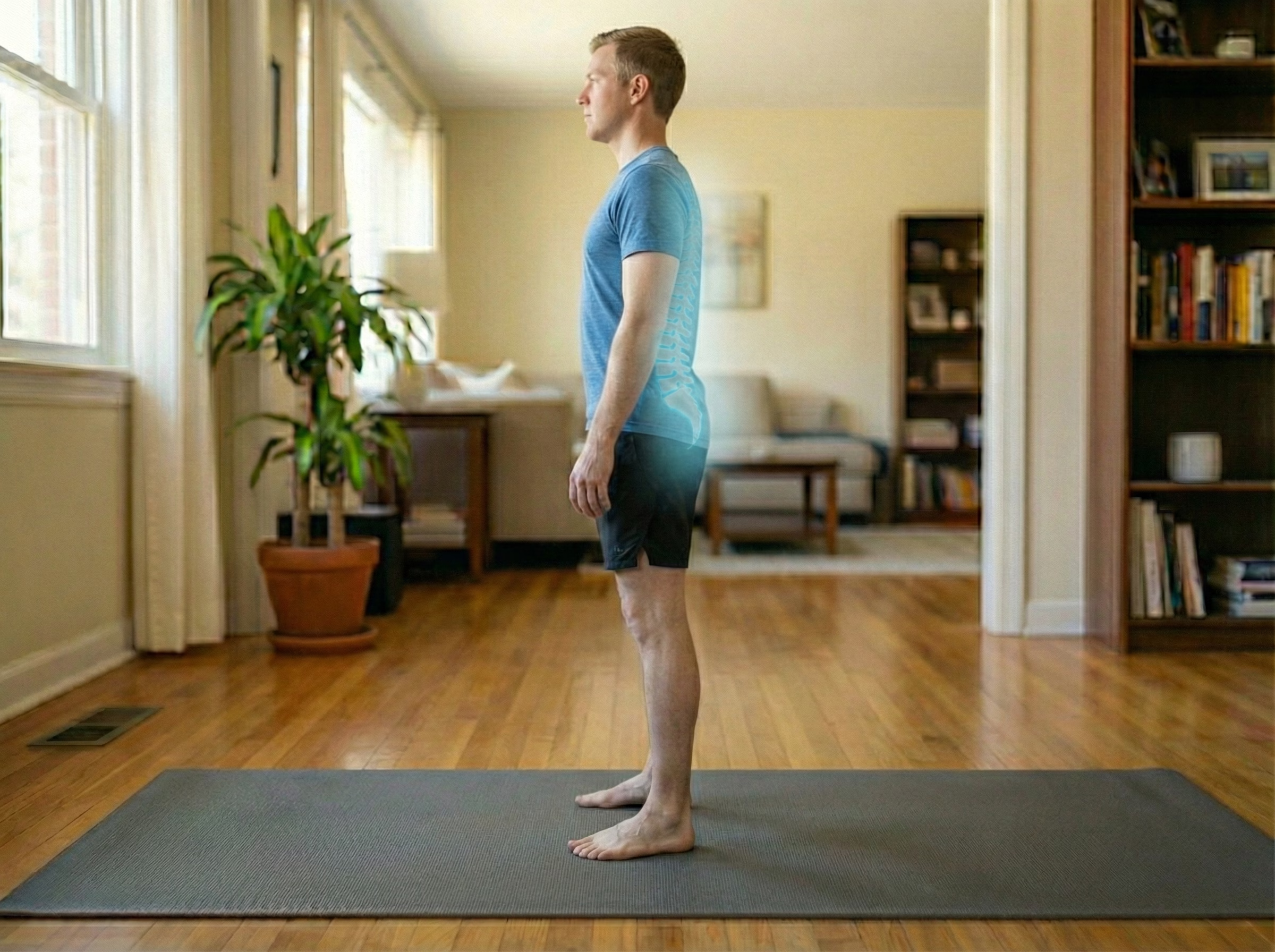
Panel 2 – Tall Standing Reset
Resetting the nervous system allows for a taller, less tense standing posture. The blue glow shows how a relaxed low back supports upright alignment.
Form & Safety · Key Technique Cues & Common Mistakes
- Keep hips heavy and sinking toward heels.
- Reach forward actively with hands, but keep shoulders soft.
- Rest forehead on the mat or a block to relax the neck.
- Breathe deeply into the back ribs.
- If knees hurt, place a cushion between calves and hamstrings.
- Avoid forcing hips down if flexibility is limited.
- Use a prop under the forehead if it doesn't reach the floor comfortably.
- Jamming hips down with force.
- Tensing shoulders up to the ears.
- Holding the breath instead of relaxing.
Why it steals height: Creating tension in the low back defeats the purpose of decompression.
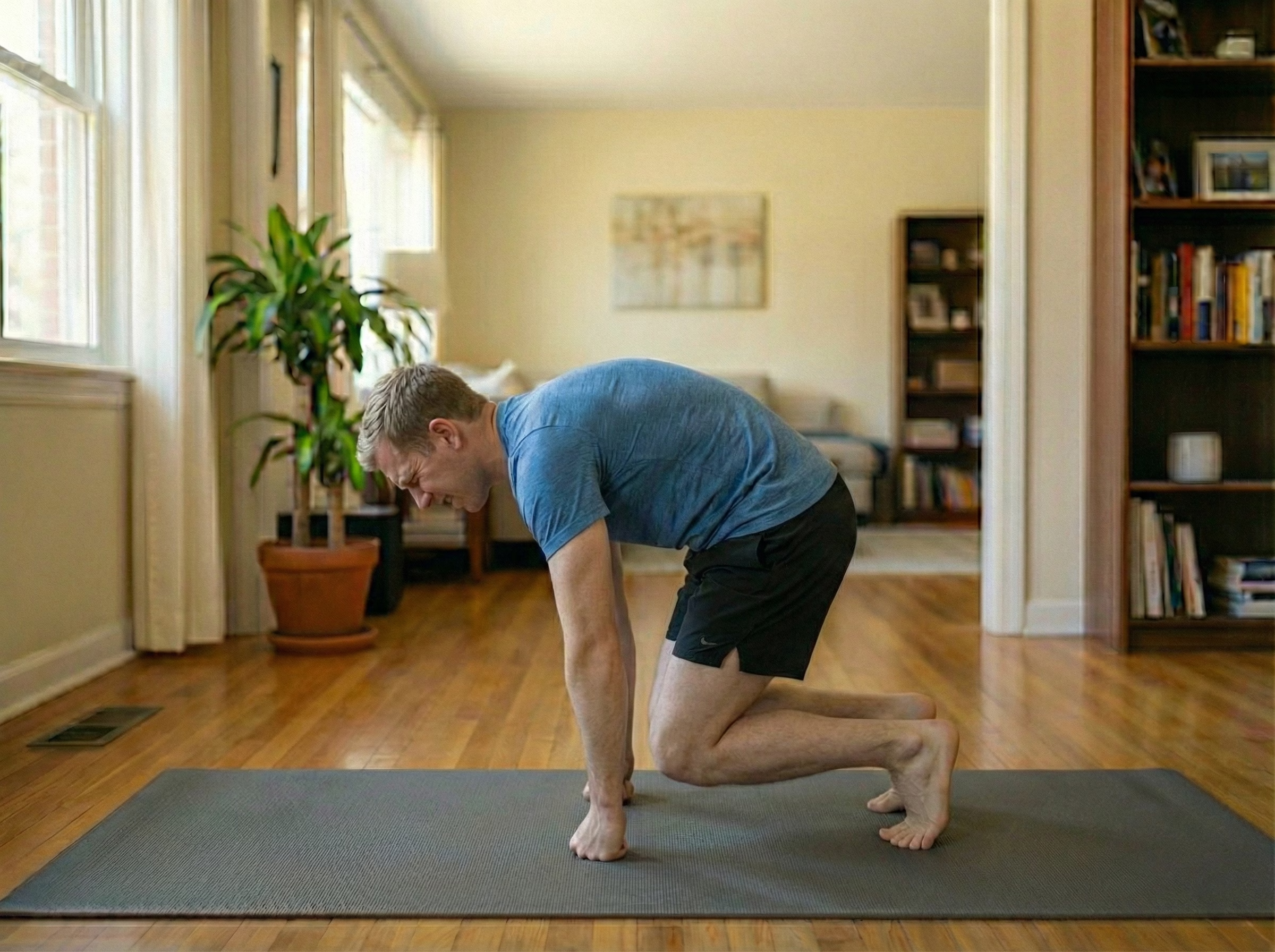
Why it steals height: Collapsing the chest prevents the spine from lengthening fully and adds tension to the neck.
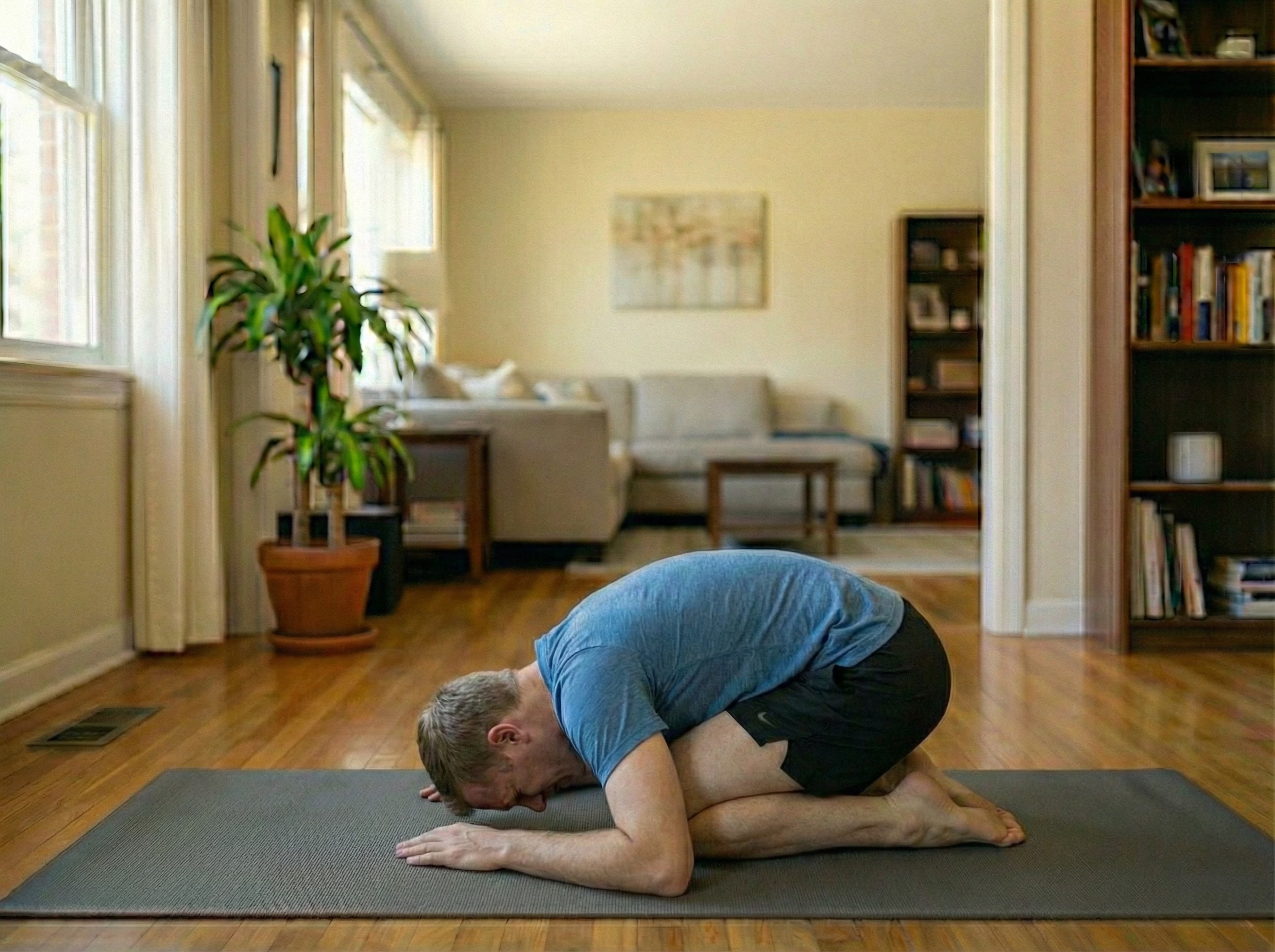
Pair With · Best Exercises to Pair With Child's Pose
For the Spinal Decompression pillar, Child's Pose works best with:
Use Child's Pose as a reset after active spinal mobility (Cat-Cow) or intense traction (Passive Hang) to normalize spinal curvature.
FAQ · Common Questions About Child's Pose
-
Q1 Can I do this if my knees hurt? ›Yes, but modify it. Place a cushion or rolled towel between your calves and hamstrings to reduce the angle of knee flexion. If it still hurts, try the supported variation with a bolster under your chest.
-
Q2 How does this help me get taller? ›It aids in spinal decompression by gently elongating the spine and releasing tension in the back muscles. A relaxed, decompressed spine stands taller than a tense, compressed one.
-
Q3 My forehead doesn't touch the floor. Is that okay? ›Absolutely. Place a yoga block, book, or fist under your forehead for support. The goal is to relax the neck, not force the head down.