
Chin Tuck : .Fix Forward Head Posture
Combine head stacking with active neck lengthening for maximum cervical height gain.
This advanced chin tuck trains the deep neck flexors to hold the head in alignment, and then actively encourages axial extension (lengthening) to maximize the height reclaimed from the neck region.
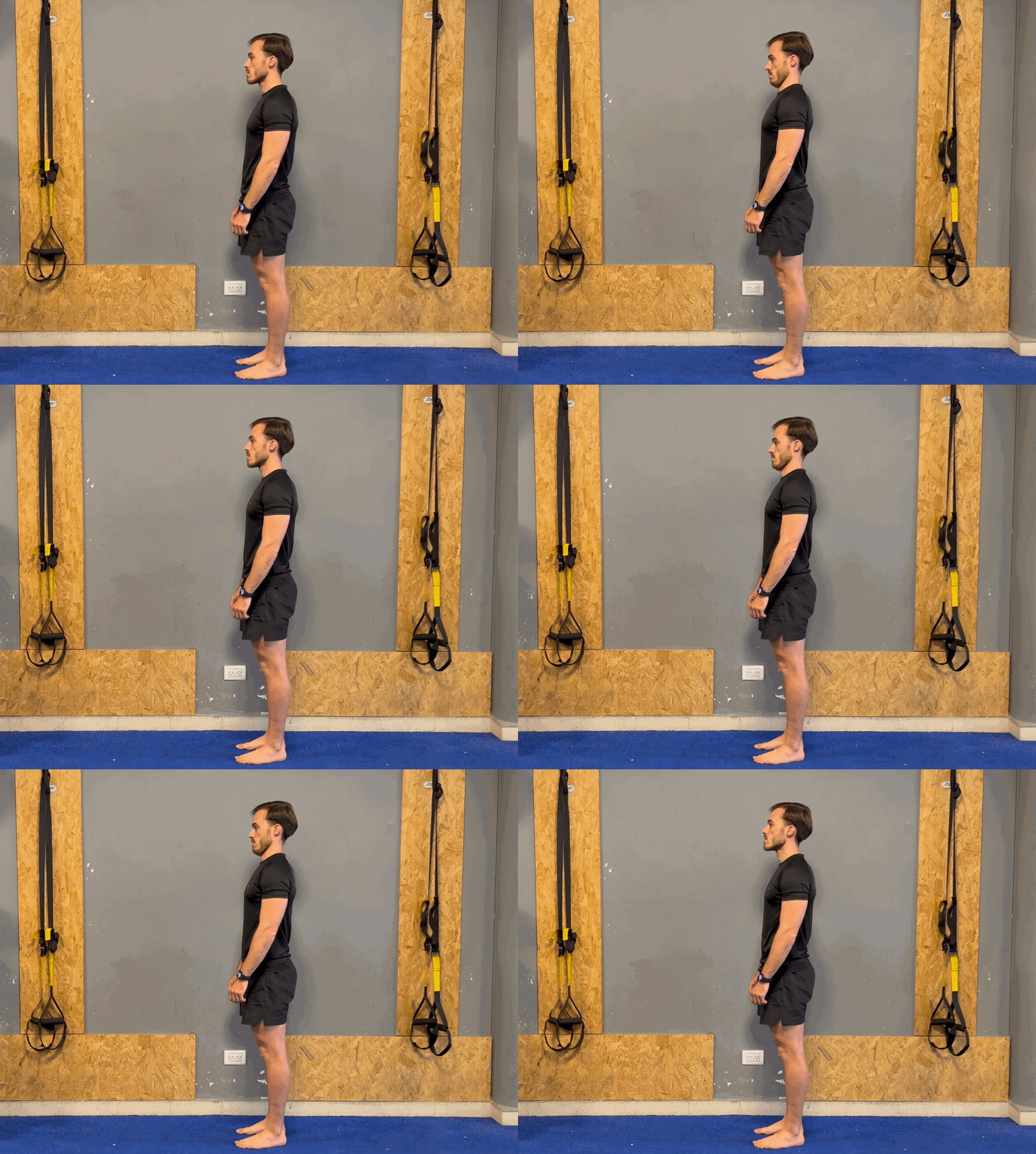
How to · How To Do the Chin Tuck with Lift Nod
Master the horizontal glide (tuck) first, then add the subtle vertical lengthening (nod).
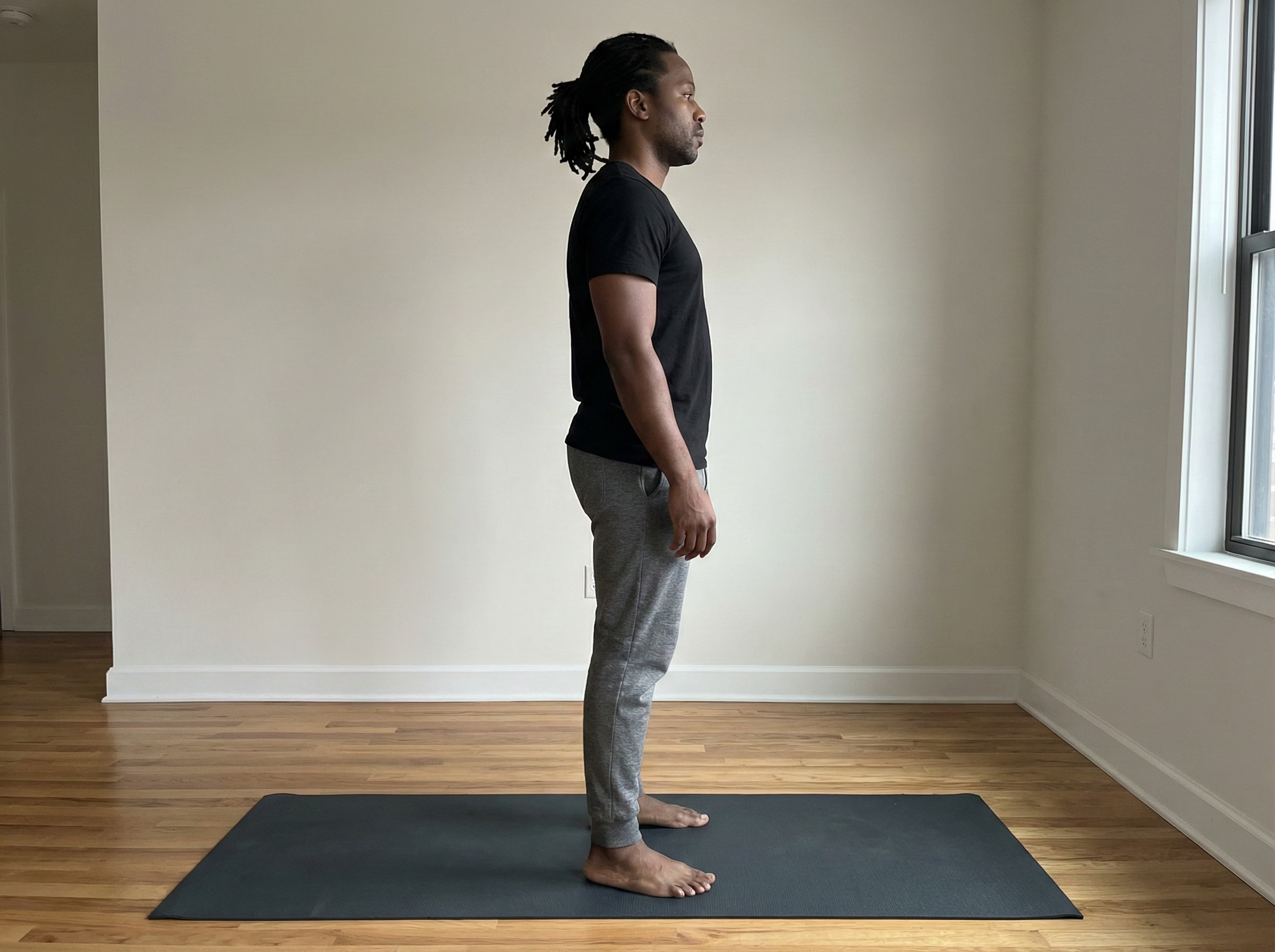
- Neutral Standing Setup: Stand tall with his feet hip-width apart. Focus on his overall posture, ensuring his pelvis is neutral and his shoulders are relaxed.
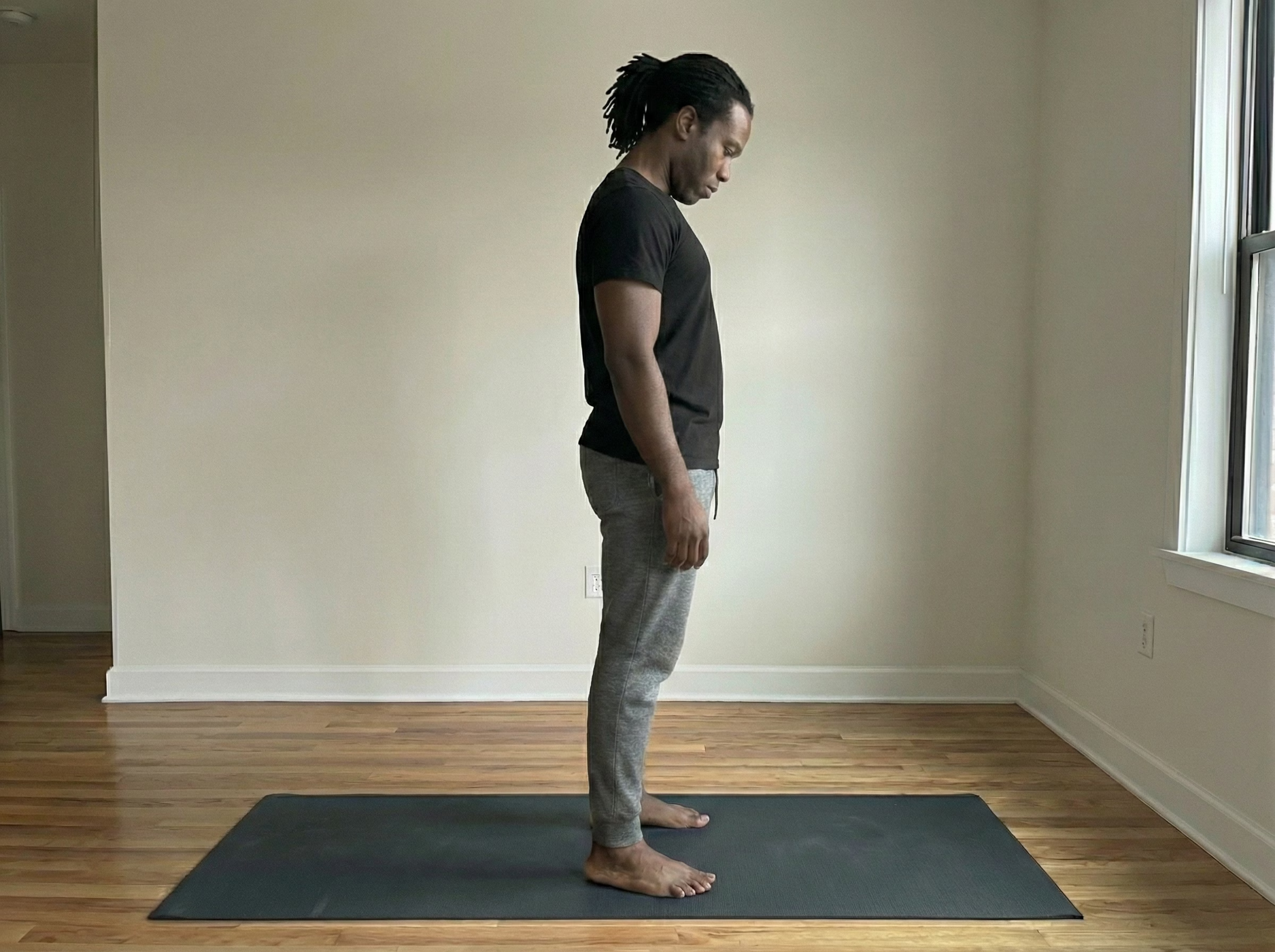
- Chin Tuck (Glide): Gently and slowly draw his chin straight backward, as if his head is gliding on a shelf. This engages the deep neck flexors and achieves the stacked head position. Keep his eyes level.
- Lift Nod (Elongation): From the fully tucked position, add a tiny, subtle nod of his head, imagining the crown of his head reaching straight up to the ceiling. His chin will move slightly down, maximizing the length in the back of his neck.
- Hold and Reverse: Hold the tucked and lengthened position briefly (1-2 seconds), feeling the length. Then, smoothly and slowly, release the lift nod, then the chin tuck, returning to his starting neutral stance.
- Repeat: The full movement is a continuous sequence: Tuck, Nod, Hold, Release. Repeat for the prescribed number of slow, controlled repetitions.
- “The lift nod is tiny—less is more. Avoid a major head tilt.”
- “Imagine growing taller from the base of his skull.”
- “Keep his shoulders completely relaxed; the work is all in the neck.”
Holds & Frequency · Duration, Sets, and Weekly Plan (Height-Focused)
Focus on slow, mindful movements to reprogram his neck muscles for maximum length.
Tip: If he is new to this, he may find it easier to perform the tuck while sitting first, then transition to standing once he feels confident with the isolated movement.
Variations · Mastering the Two Components
If the full Tuck + Nod feels challenging, he can practice the components separately before combining them.
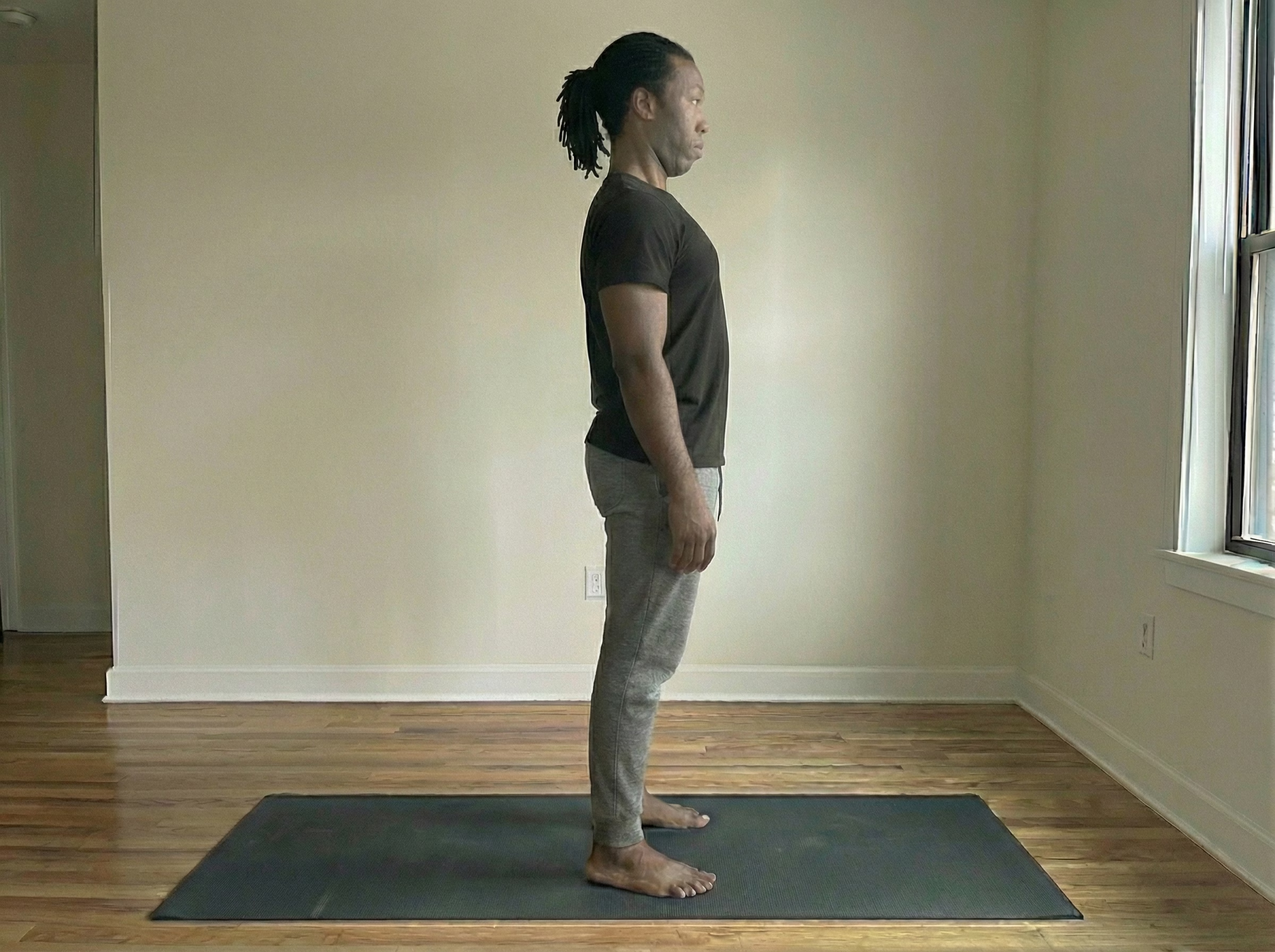
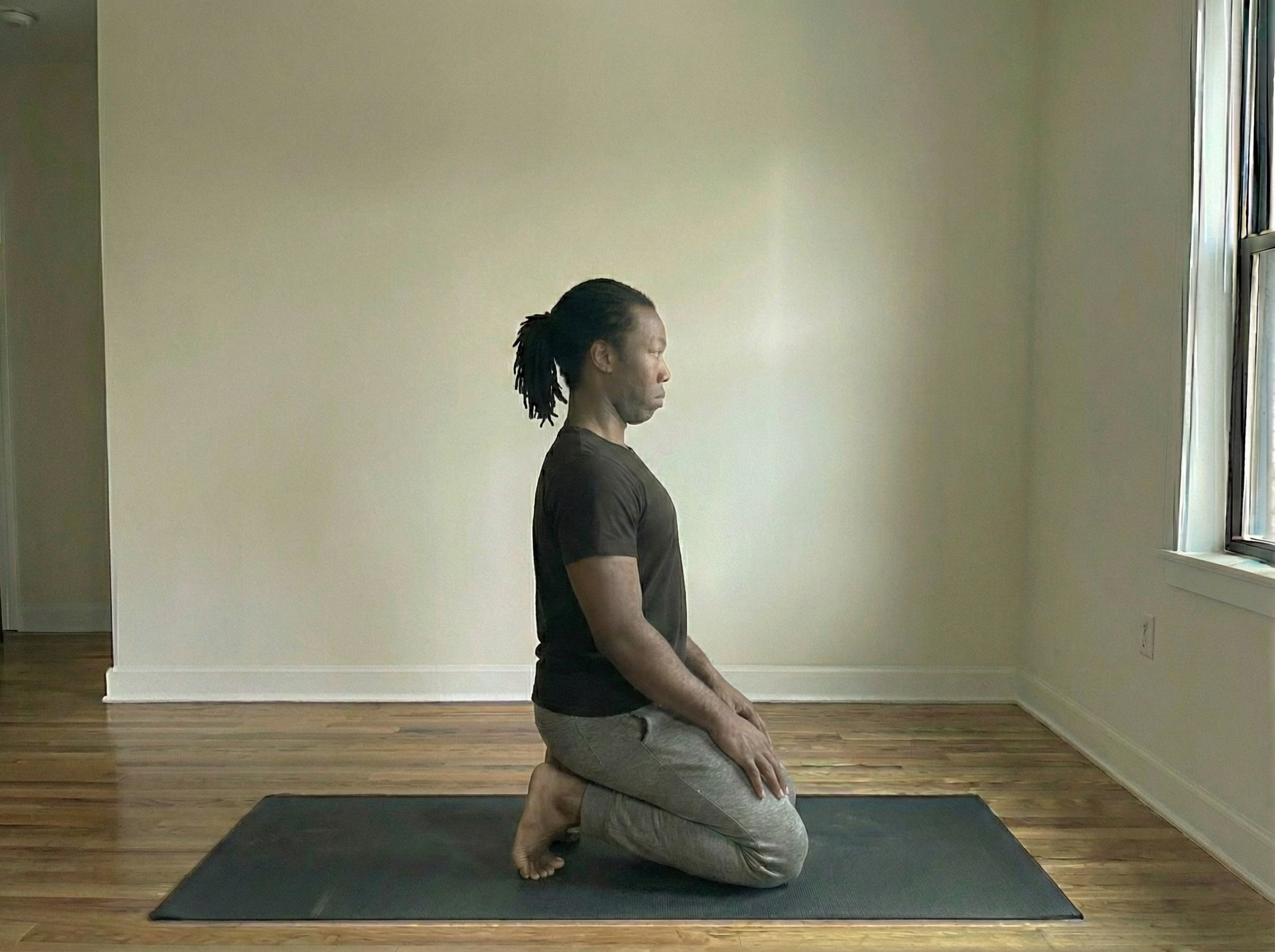
Height Impact · How Neck Elongation Adds Height
- Chronic forward head posture causes his neck to adopt a shortened, compressed S-curve, pulling the rest of his spine out of alignment and directly stealing potential height.
- The chin tuck corrects the *horizontal* misalignment, while the lift nod engages the deeper muscles to create *vertical* elongation, actively restoring length to the back of his neck.
- By teaching the head to stack tall and long (not just straight), he eliminates compensatory curvature in the mid-spine, allowing his entire body to stack in a taller, more efficient vertical line.
- This drill is essential for retaining all the height gains achieved through decompression and postural core work, as a misaligned neck will always compromise the posture below it.
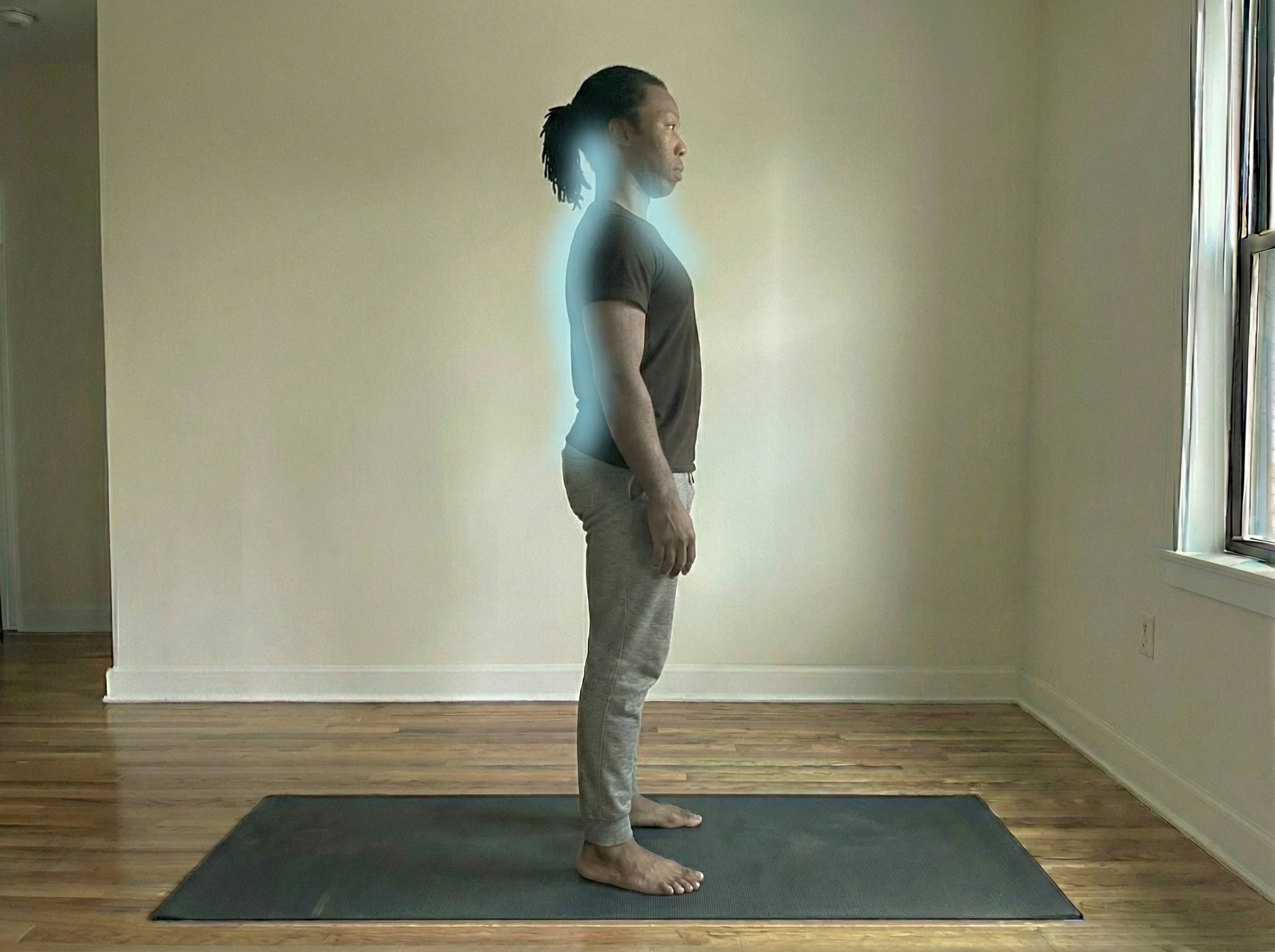
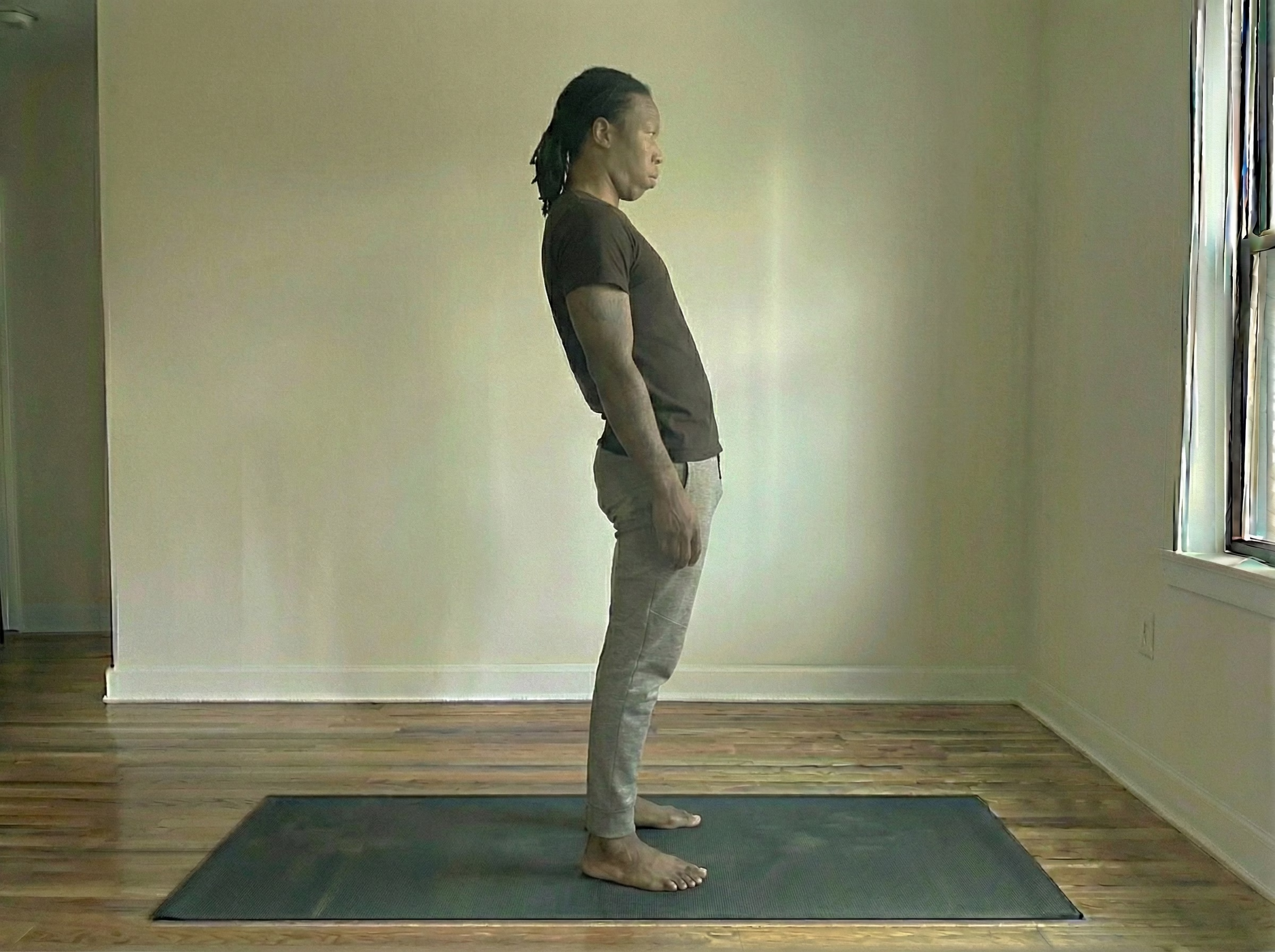
Panel 1 – Full-Body Tall Neck Posture
Side view of he in his best everyday posture: feet hip-width, pelvis neutral, chest open, head in perfect alignment, neck long. Add a soft light blue glow up the back and front of his neck and upper spine to show how the lift nod contributes to height. 4:3 aspect ratio, full body.
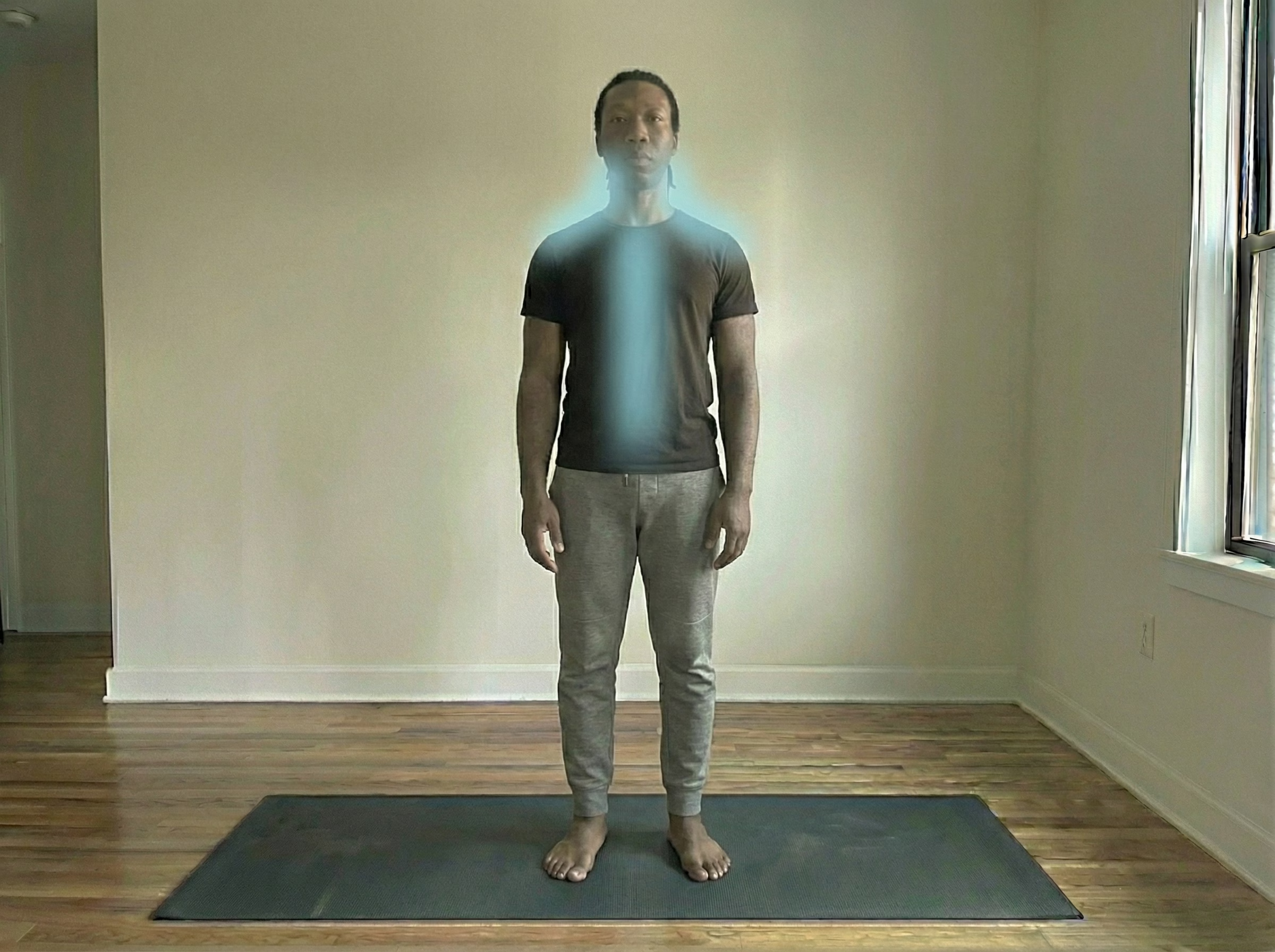
Panel 2 – Front View of Relaxed Long Neck
Front view of he standing on the mat: shoulders level and relaxed, head straight, jaw soft, neck appearing slightly longer and more upright. Add a soft light blue glow around the base of his skull, sides of neck, and upper chest/sternum to emphasize the height line. 4:3 aspect ratio, full body.
Form & Safety · Key Technique Cues, Precautions & Common Mistakes
- Start with the horizontal chin *tuck* (glide), then add the *nod* (vertical lift).
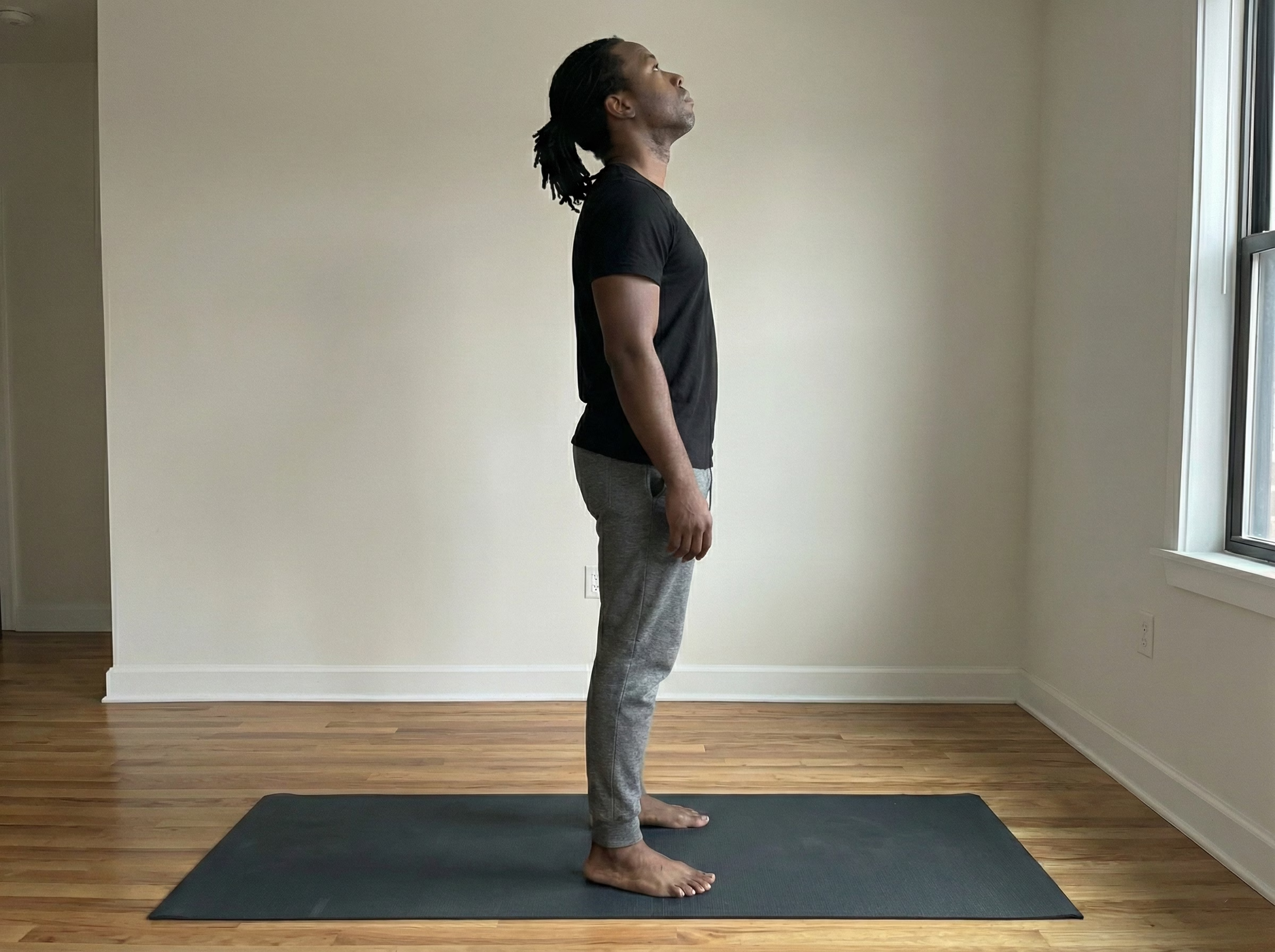
- Keep his eyes level or slightly down; avoid tilting his head to look up.
- The entire movement must be slow and controlled; avoid any jerky motions.
- Keep his jaw and shoulders completely relaxed—the work is subtle.
As an advanced neck drill, this requires caution and control.
- If he feels any sharp pain in his neck or upper back, stop immediately and revert to the simple Chin Tuck at the wall.
- Avoid if he has acute flare-ups of chronic neck conditions or nerve pain.
- If he experiences dizziness, reduce the range or move slower.
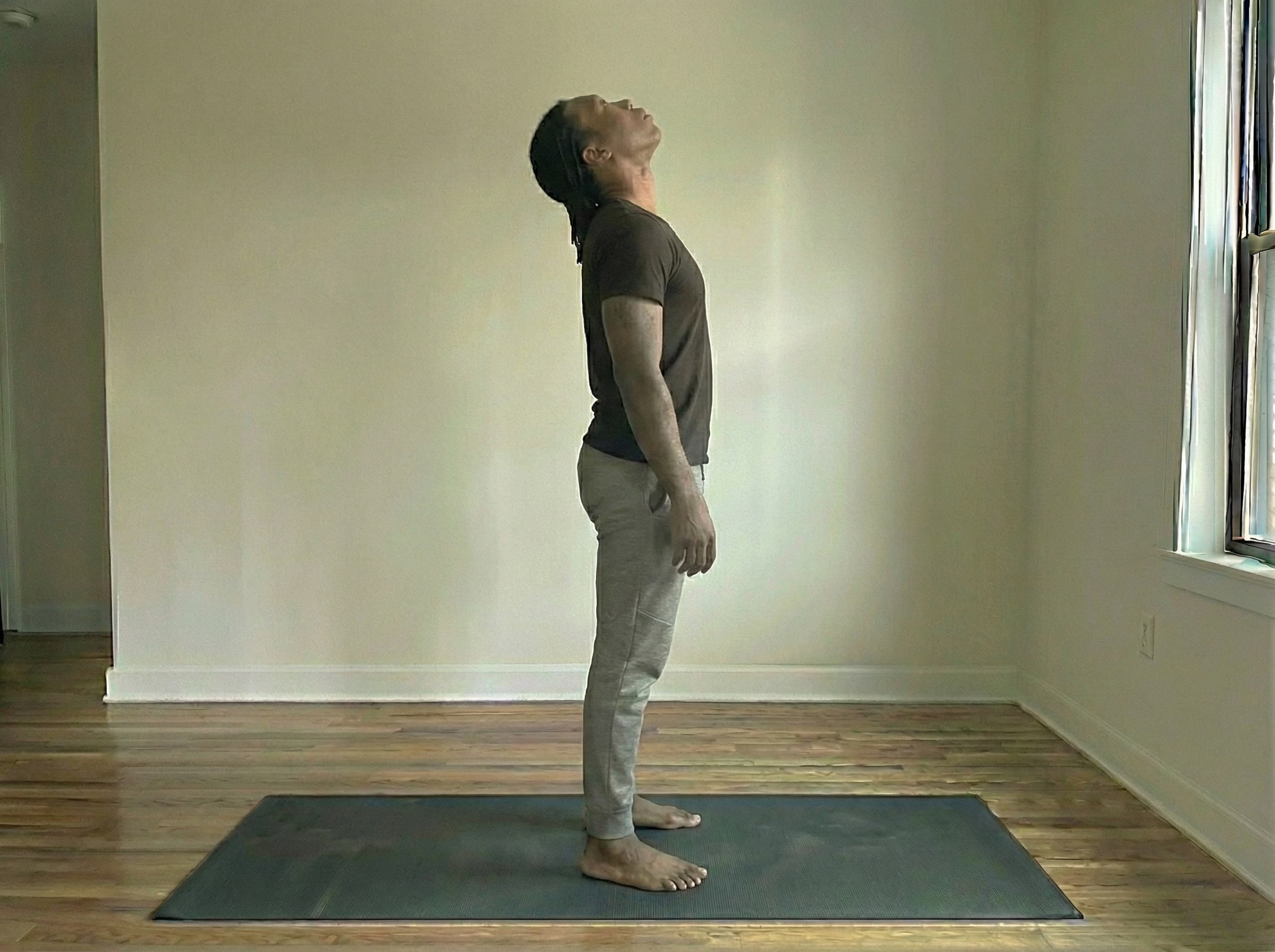
- Tilting his head back (looking up) instead of using a controlled vertical lift nod.
- Overdoing the movement, resulting in a strained jaw, clenched teeth, or tense shoulders.
- Rushing the movement, which prevents the deep neck muscles from engaging effectively.
- Pushing his shoulders down unnaturally (shrugging down) to exaggerate the neck length.
**Why it steals height:** This mistake compresses the delicate structures at the back of his neck, reinforces the incorrect tilting pattern, and negates the benefits of the chin tuck.
**Why it steals height:** Tensing and forcing the shoulders down activates the wrong muscles, transferring the strain away from the neck stabilizers and creating a rigid posture that cannot be maintained naturally.
Pair With · Best Exercises to Pair With the Chin Tuck with Lift Nod
This advanced neck drill complements exercises that decompress the spine and reinforce the correct head position:
Perform a decompression drill first (Passive Hang), then use this exercise to maximize neck length and stacking, and follow immediately with a stabilizing posture drill (Tadasana or Dead Bug) to lock in the height.
FAQ · Common Questions About the Chin Tuck with Lift Nod
-
Q1 Why is slow movement so important here? ›Because he is targeting very small, deep stabilizing muscles that require precise control and slow engagement. If he moves quickly, he risks activating the large, superficial neck muscles which leads to tension, compression, and reinforces the wrong movement pattern. Slow equals strong in neck stability training.
-
Q2 How can he tell if he's tilting his head instead of gliding it? ›If he is tilting, his chin will lift or drop sharply, and his eyes will not remain level. The correct *glide* feels like his head is sliding backward on a flat surface. If he uses the wall variation first, he can feel the back of his head stay level as it moves straight back.
-
Q3 He feels strain in the back of his neck/base of his skull. What's wrong? ›Strain in the back of the neck means his superficial muscles are overworking. He needs to use less force, move slower, and focus on engaging the deeper muscles in the front of his neck. The lift nod should be barely noticeable—if it causes strain, reduce the range dramatically or eliminate the nod for that set.