
Deep Squat Hold : .Unlock Tight Hips
Unlock the “bottom position” your hips and ankles need so your spine can stack straight up.
Deep Squat Hold opens tight ankles, hips and low-back tension that tilt your pelvis and pull your whole posture forward. When this bottom position improves, every standing position above it gets easier and taller.
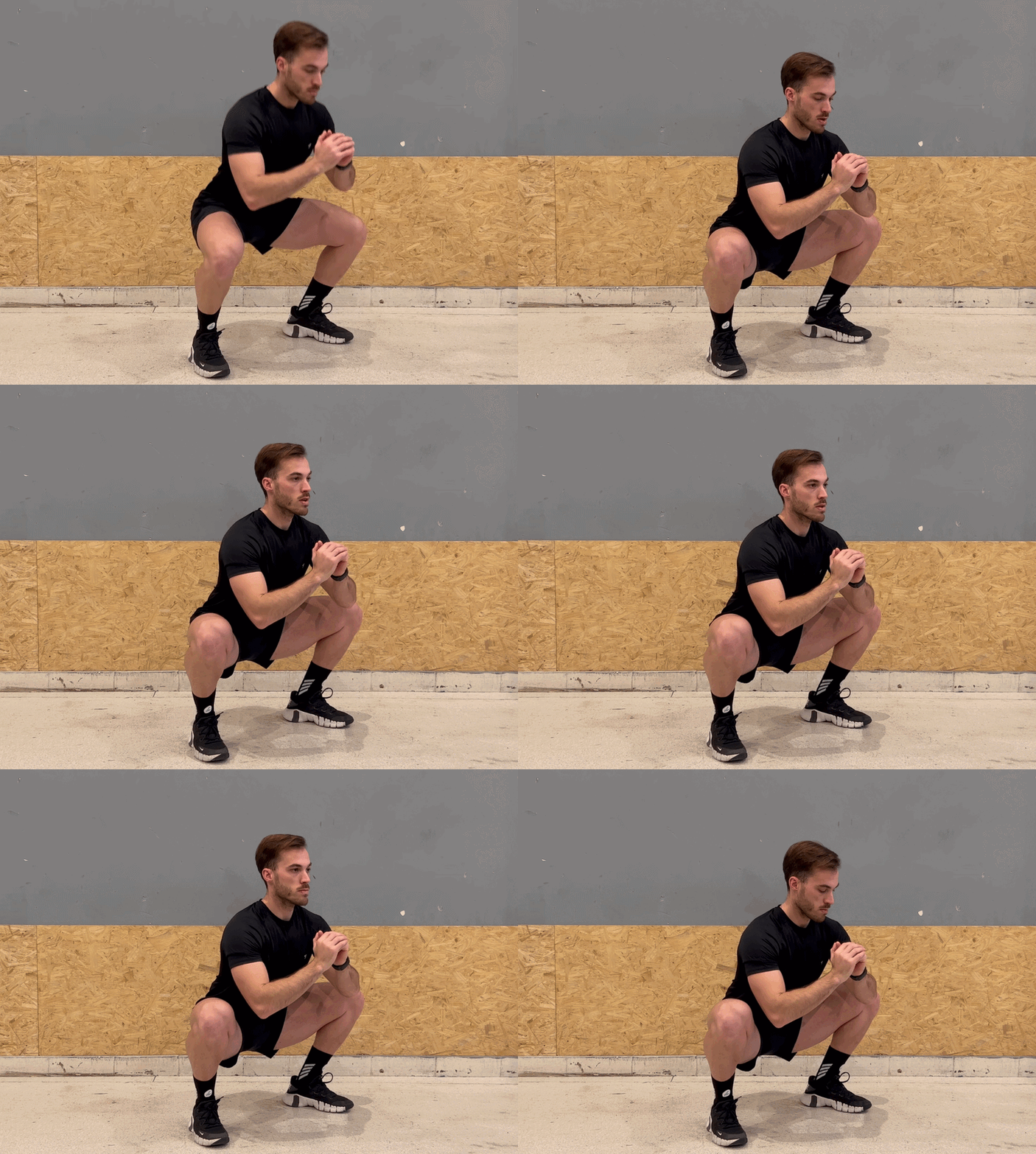
How to · How To Do Deep Squat Hold (Height-Optimized)
We care about a relaxed, supported squat with heels down—not a brutal powerlifting bottom.
- Step 1 – Find your stance: Stand tall with feet about shoulder-width apart, toes turned out slightly (10–30°) so hips feel comfortable. Take a breath and feel your weight spread across the whole foot—heel, big-toe joint and little-toe joint.
- Step 2 – Use support and start the drop: Lightly hold a doorframe, pole or countertop in front of you. Sit your hips back and down as if you’re lowering into a chair, letting knees track in line with toes instead of collapsing inward.
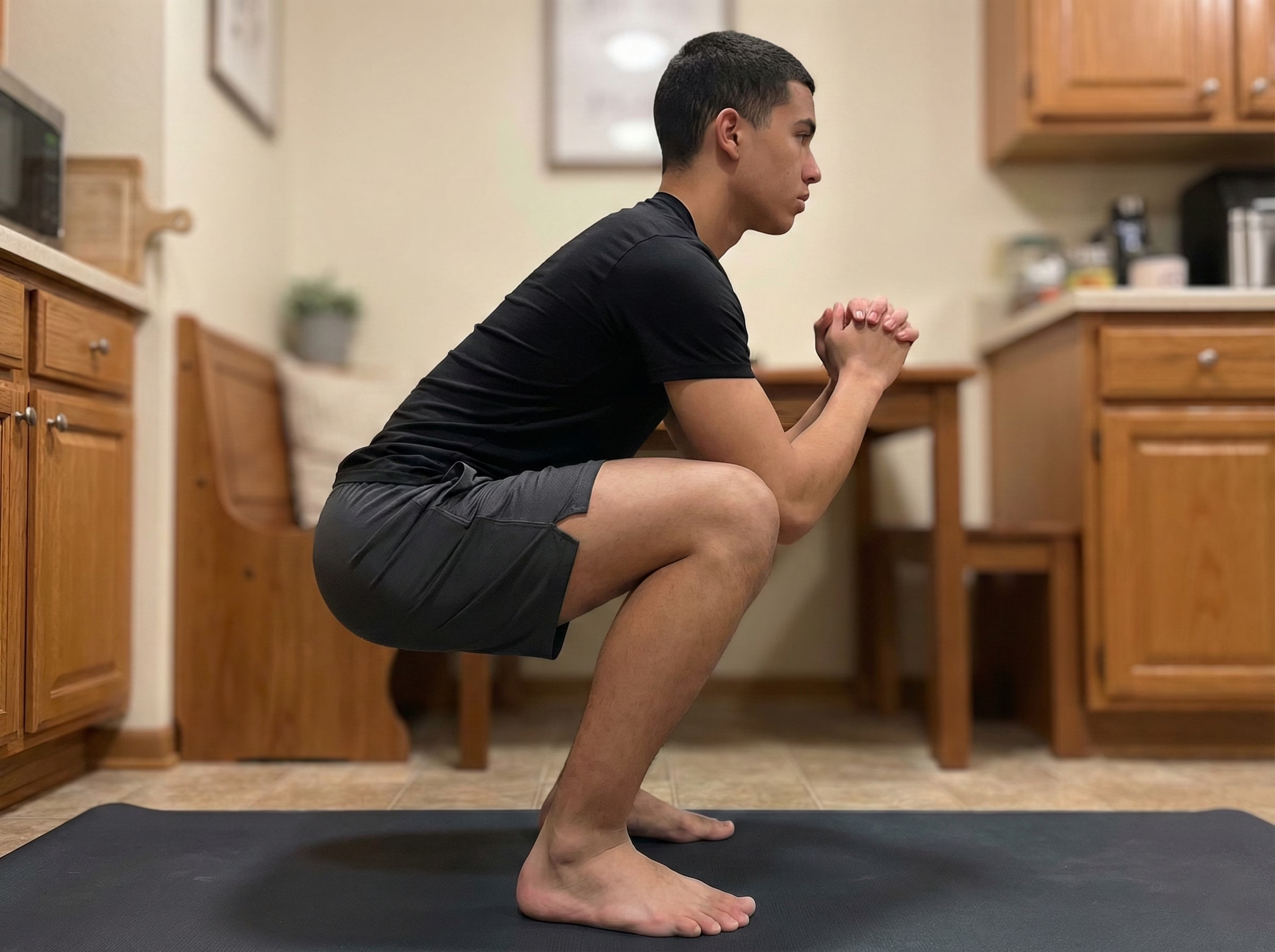
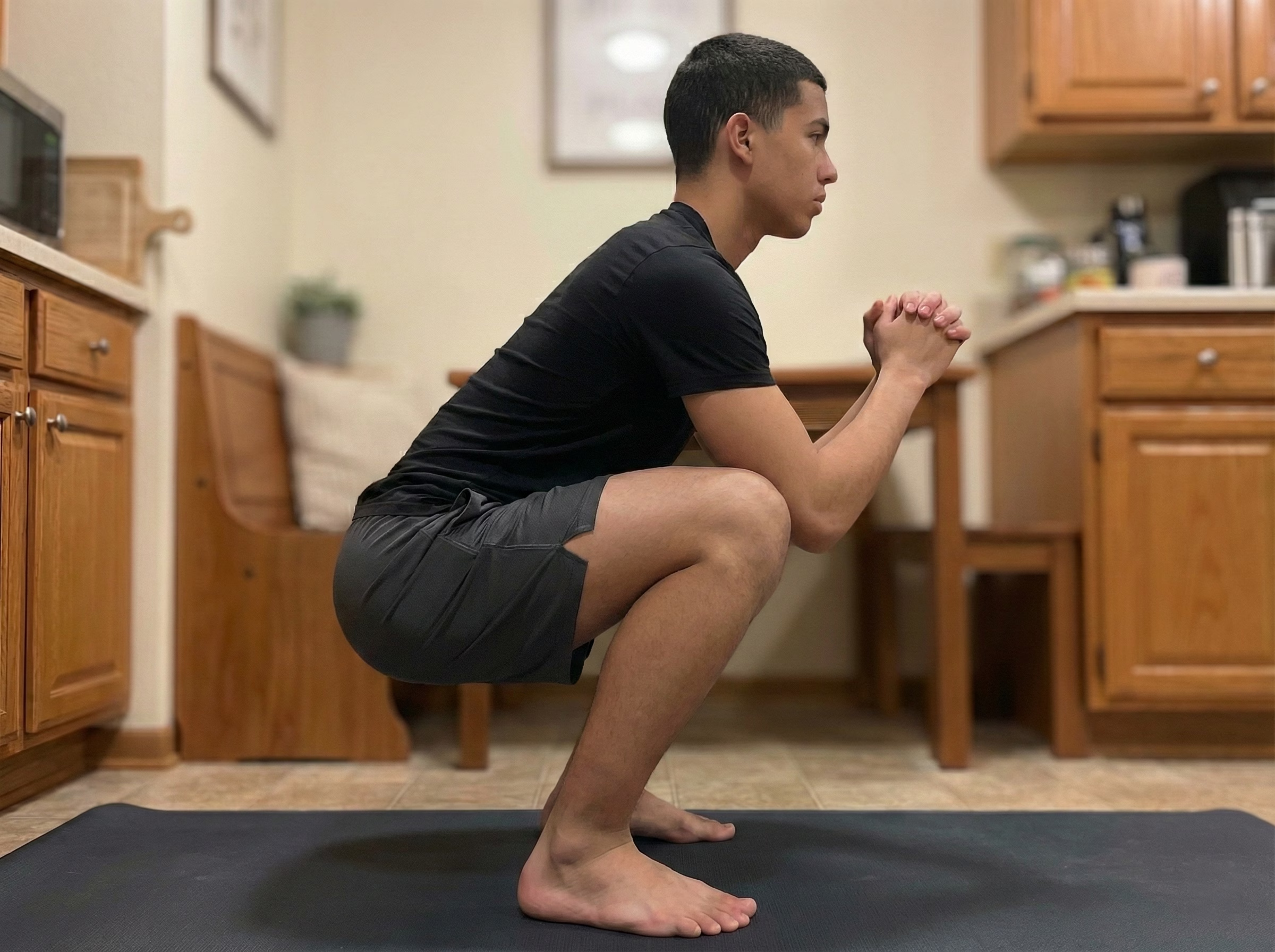
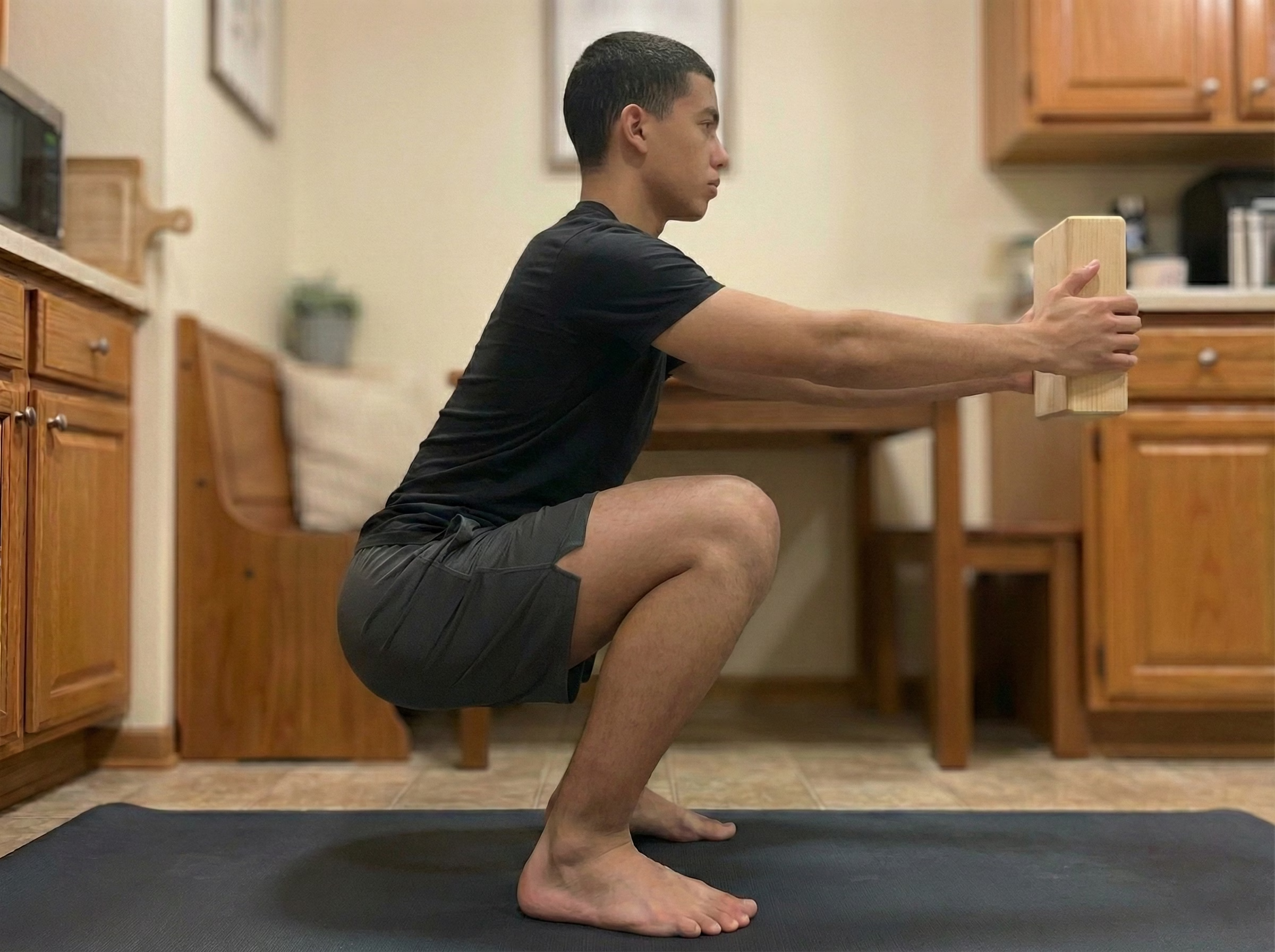
- Step 3 – Settle into the deep squat: As you approach the bottom, keep your heels grounded (or on a small support), chest open and spine long. Your hips come below knee level if comfortable, but the focus is on staying balanced and relaxed—not forcing depth.
- Step 4 – Breathe and let things open: Hold the position and breathe into your belly and lower ribs. Let your ankles, hips and low back soften over the first 10–20 seconds. Your elbows can gently press into your inner knees to keep them from collapsing.
- Step 5 – Stand up tall and reset: Push through the full foot, stand up slowly and finish in a tall posture—hips under you, chest open, head stacked over shoulders. That transition from deep squat to tall stand is the height pattern we’re training.
- “Heels heavy, chest open, spine long.”
- “Use support so you can relax, not fight for balance.”
- “If your low back tucks hard, come a little higher.”
Flow & Sets · Holds, Sets & Frequency (Height-Focused)
Short, frequent holds beat one miserable 3-minute suffer-fest.
Tip: If your heels pop up, your knees cave in or your low back tucks under hard, count the set as done. Quality bottom positions pay into your height; ugly ones don’t.
Variations · Easy Variations
Same height goal—open hips/ankles and set the pelvis—just scaled to your current mobility.
Height Impact · How Deep Squat Hold Supports Your Height Line
- Stiff ankles and hips often push your pelvis backward or tuck it under, which forces your spine to round and makes you “live shorter” even at the same bone length.
- A relaxed deep squat with heels down teaches your ankles and hips to flex while your chest stays open and your spine stays long, resetting the relationship between pelvis and spine.
- Standing up tall after a good deep squat groove helps you feel what a neutral pelvis and stacked spine actually is—not just what you think “standing straight” feels like.
- Over time, combining Deep Squat Hold with decompression and posture drills can help you reclaim around 0.2–0.7 cm from the Leg & Hamstring slice by reducing pelvic tilt and chronic flexed knees.
- The goal isn’t a flashy Olympic squat—it’s a calm, repeatable position that your walking and standing posture can copy all day.
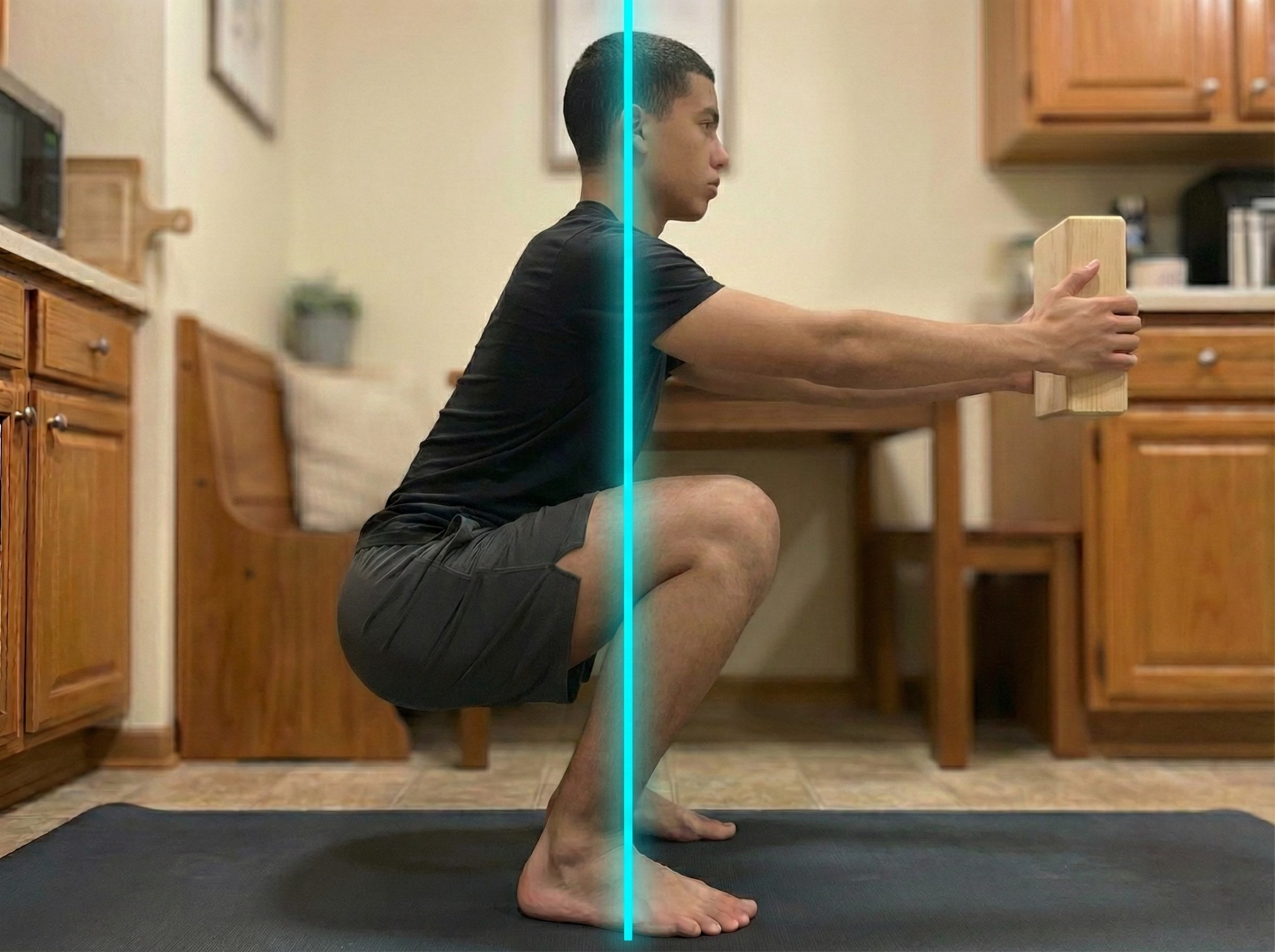
Panel 1 – Clean Bottom Position From the side, he sits deep with heels down and a soft blue glow traveling from ankles through knees, hips and into the spine. This shows the whole lower chain sharing the load instead of one stiff joint forcing the spine to round and collapse.
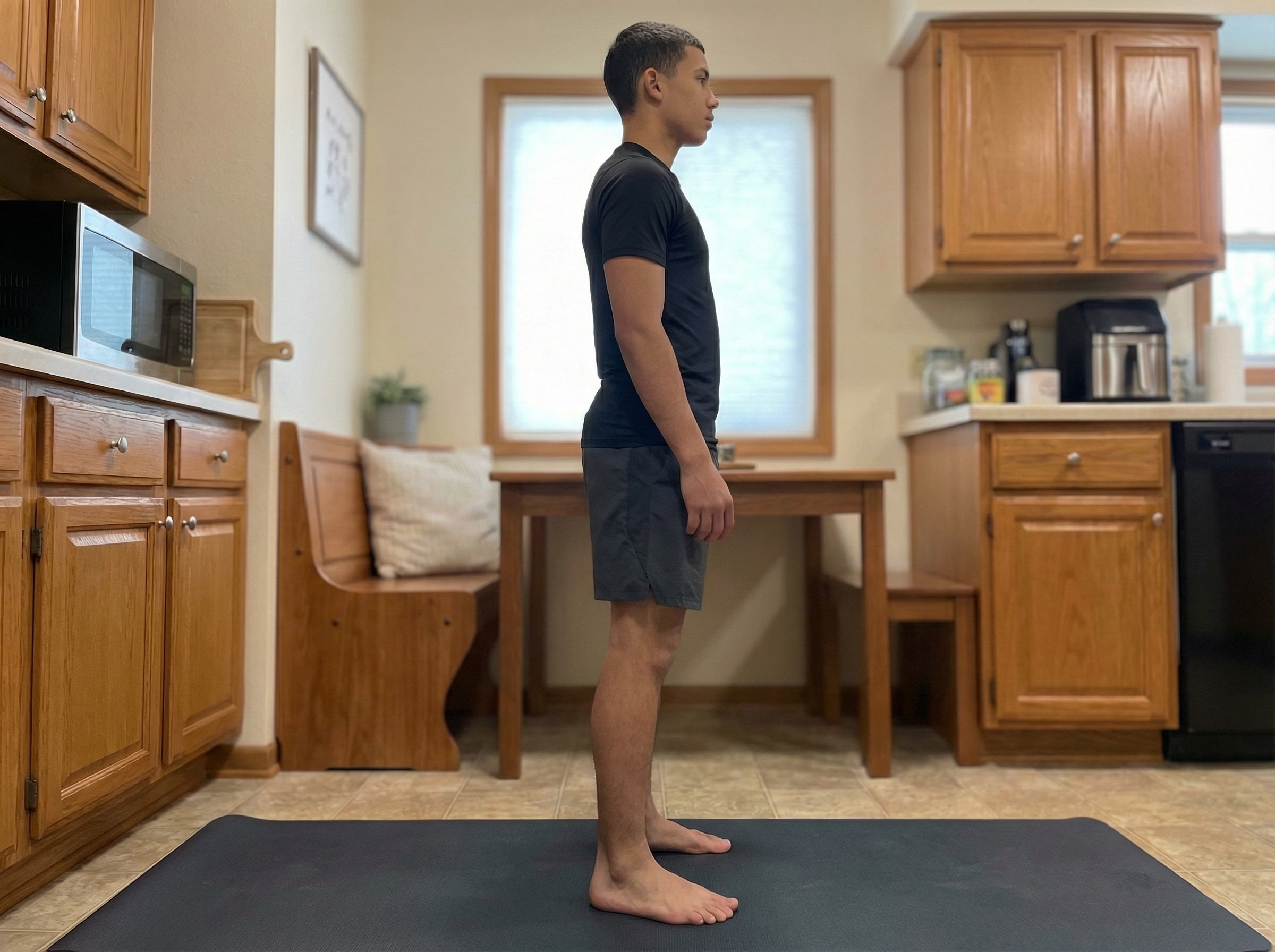
Panel 2 – Standing Carryover (Neutral Pelvis) After the squat, he stands with knees straight but not locked, pelvis neutral and chest relaxed open. The same blue line now traces a smoother leg-to-spine connection that lets him show his full height with less effort.
Form & Safety · Key Technique Cues, Precautions & Common Mistakes
- Feet slightly turned out, weight over full foot—not just toes.
- Use support so you can relax into the position, not fight to balance.
- Chest gently lifted, spine long—not slumped over knees.
- Heels grounded (or on support), knees tracking in line with toes.
Deep squats are powerful—but you don’t force your joints into ranges they’re not ready for.
- If you have knee or hip pain, keep the squat higher and use more support.
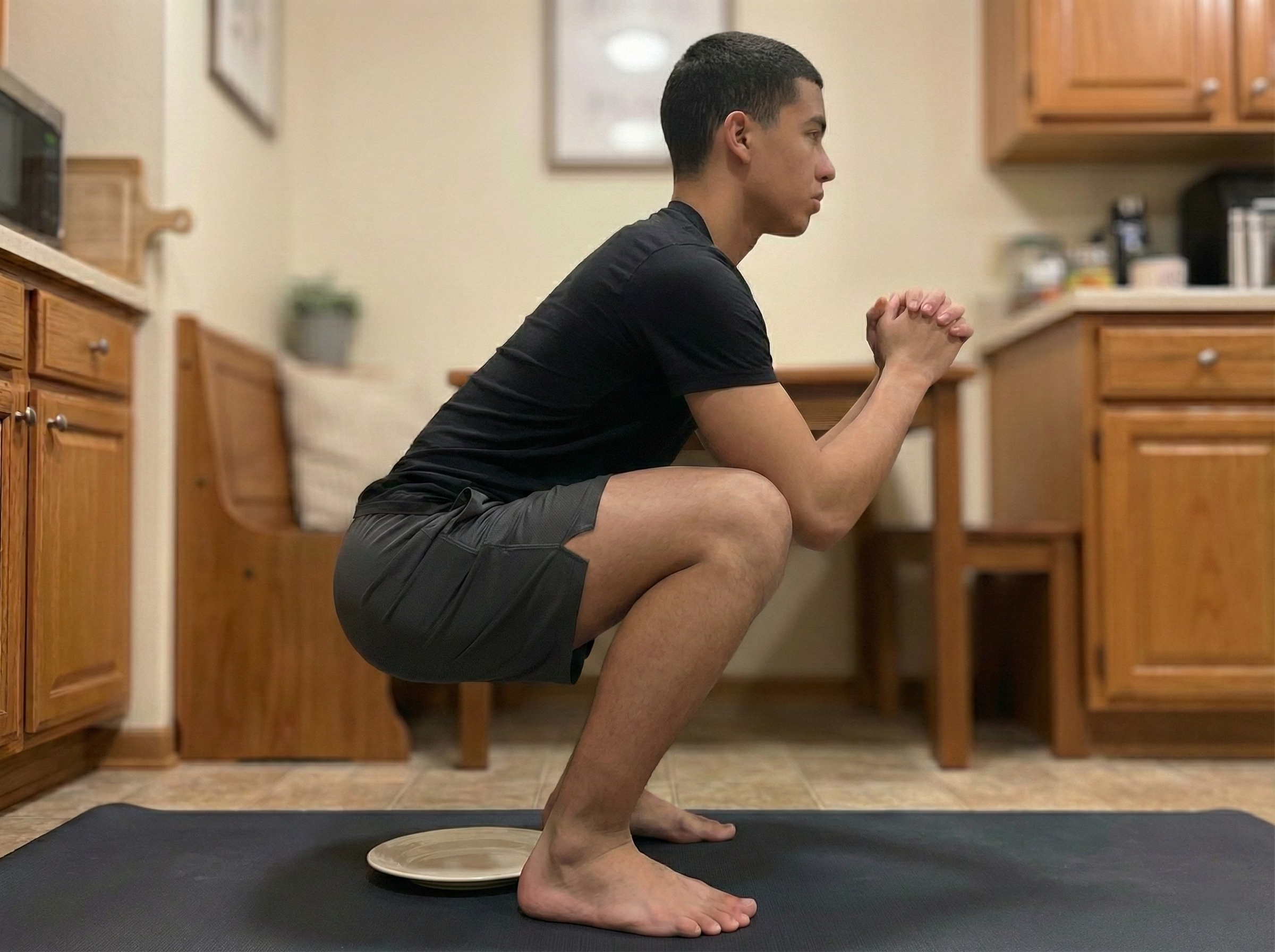
- Use heel elevation if your ankles feel blocked or your heels pop up.
- Stop if you feel sharp pain in the knee, hip or low back.
- Forcing your heels down and collapsing your arches.
- Letting knees cave inward toward each other.
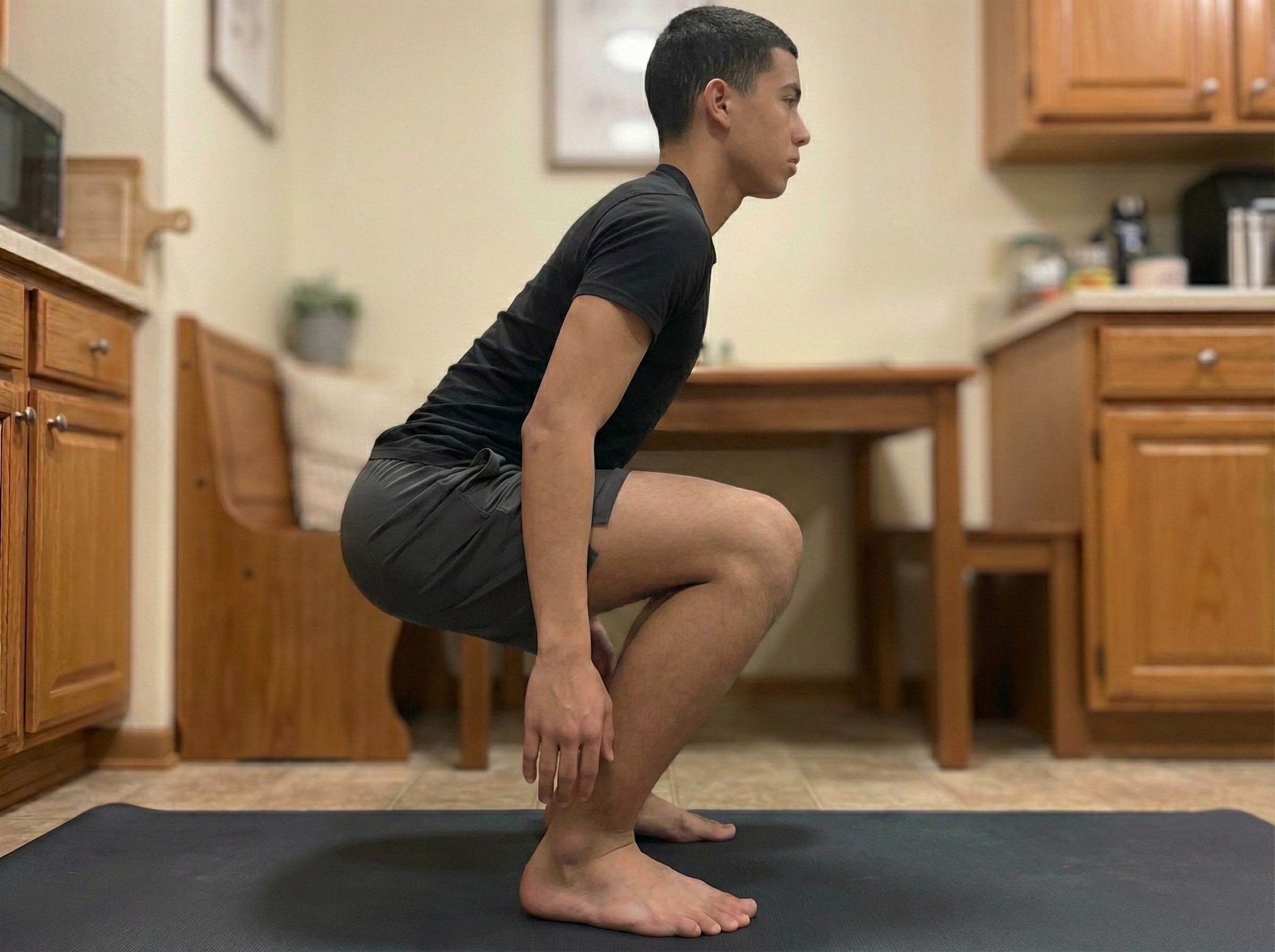
- Rounding the low back hard (“butt wink”) at the very bottom.
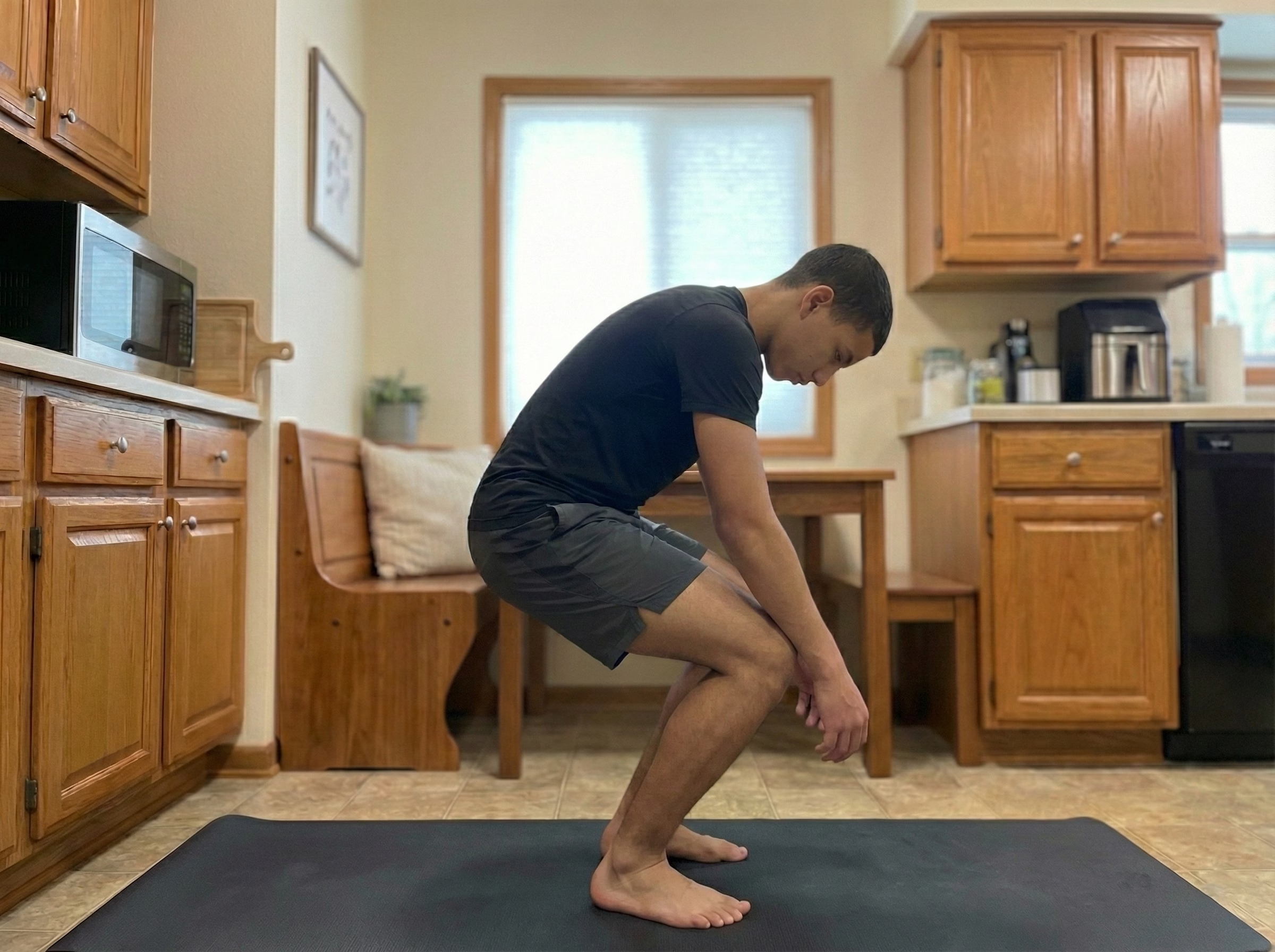
- Leaning so far forward that you’re basically folded over your thighs.
Why it steals height: This jams the knees and ankles, teaches the pelvis to live in a weird rotated position and makes it impossible to stand up into a tall, relaxed posture. It looks short and compressed instead of grounded and stacked.
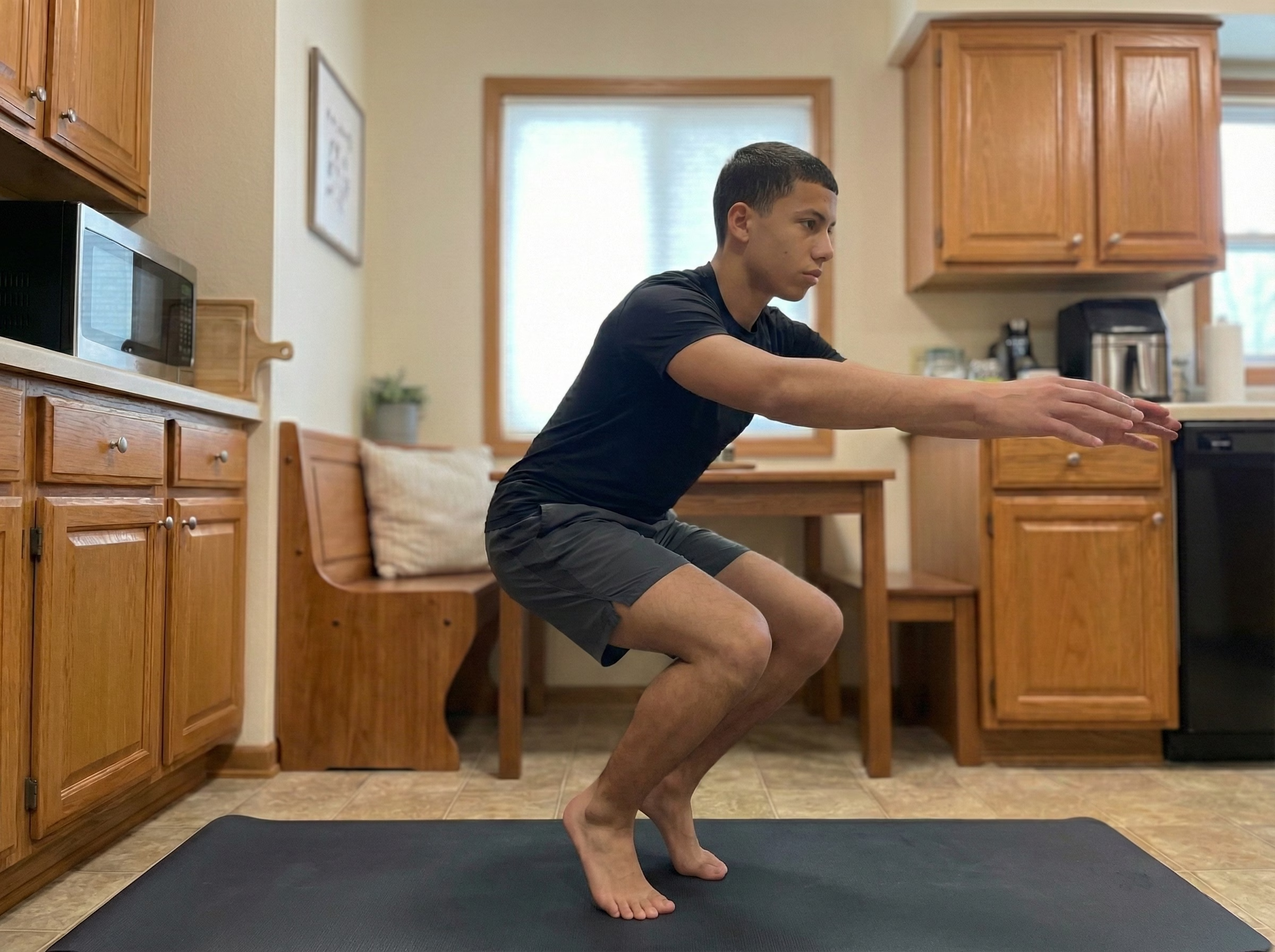
Why it steals height: This trains your brain to think “deep = spine collapsed,” which carries over into standing and walking. We want the opposite: hips and ankles bending while the spine stays long and available for height.
Pair With · Best Exercises to Pair With Deep Squat Hold
For the LEG & HAMSTRING pillar, Deep Squat Hold works best with:
Use Deep Squat Hold to open your hips and ankles, then lock that new “bottom freedom” into walking and standing with Standing Posture Reset and Tadasana. Together they make it easier to show your full height without feeling stiff.
FAQ · Common Questions About Deep Squat Hold
-
Q1 My ankles are too tight—can I still do Deep Squat Hold? ›Yes. Start with your heels on a small plate or towel and use a doorframe or counter for support. That way your body learns the squat shape and breathing pattern first while your ankles slowly catch up. In the Height app, your progressions automatically reduce heel elevation as you improve.
-
Q2 Is it bad if my low back tucks under at the bottom? ›A tiny tuck is normal for many people, but a big rounded “butt wink” at the bottom means you’ve gone past what your hips and ankles can currently handle. Stay a little higher, keep your chest open and let your range grow over time instead of forcing the deepest possible position on day one.
-
Q3 How does this actually help my visible height? ›When hips, knees and ankles move well, your pelvis can sit neutral and your knees can fully straighten without tension. That gives your spine a better base, so it’s easier to stand and walk tall instead of living in a bent, flexed shape that quietly steals a chunk of your visible height.