
Glute Bridge : .Align Pelvis and Spine
Strengthen his glutes and hamstrings to stabilize his pelvis and eliminate the compressive swayback posture.
The Glute Bridge is fundamental for reversing anterior pelvic tilt (swayback) by teaching him to engage his glutes—the primary drivers of vertical posture—to hold his pelvis in a neutral, tall alignment.
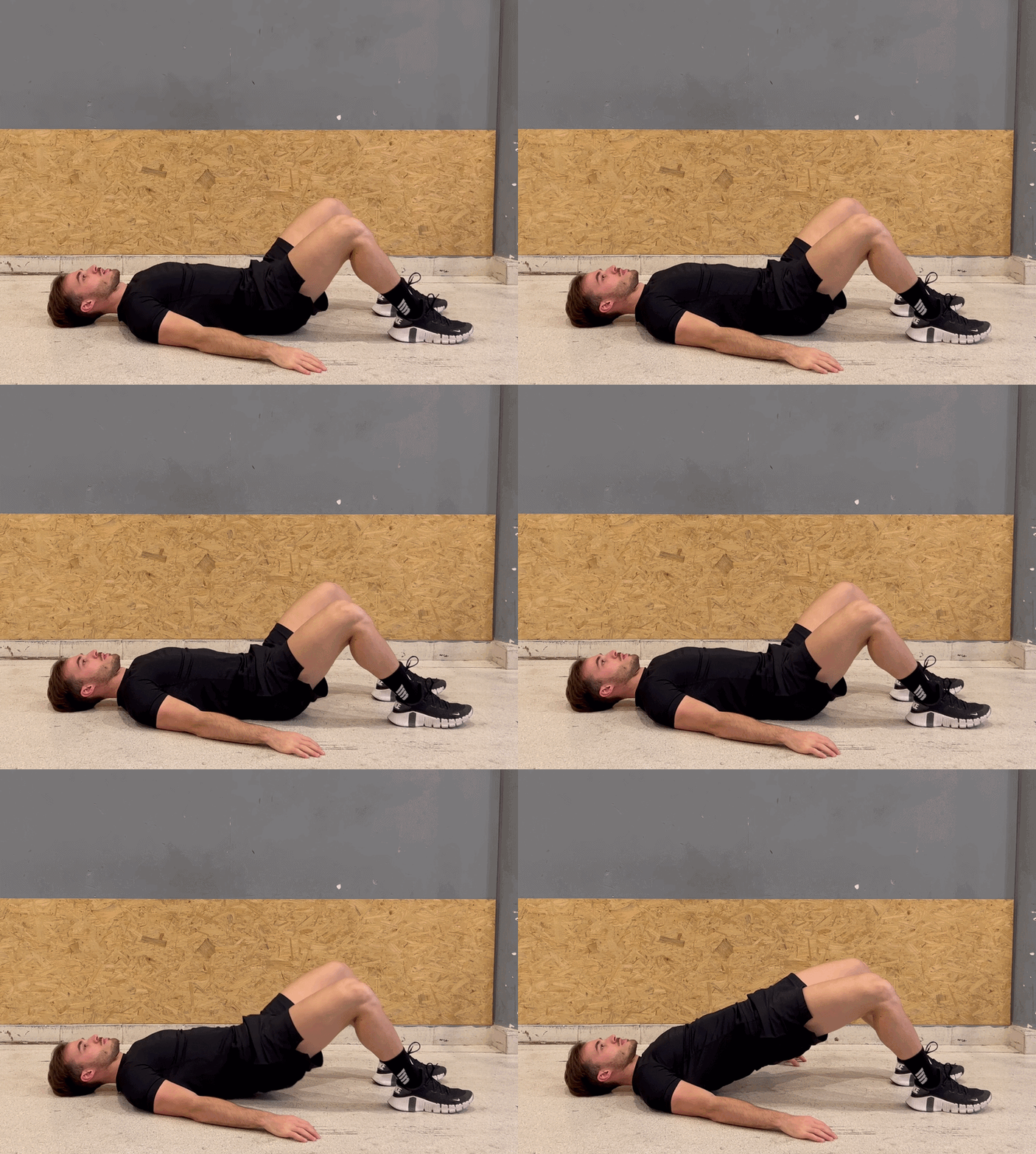
How to · How To Do the Glute Bridge (Perfect Alignment)
Focus on driving the movement from his hips and glutes, not arching his lower back.
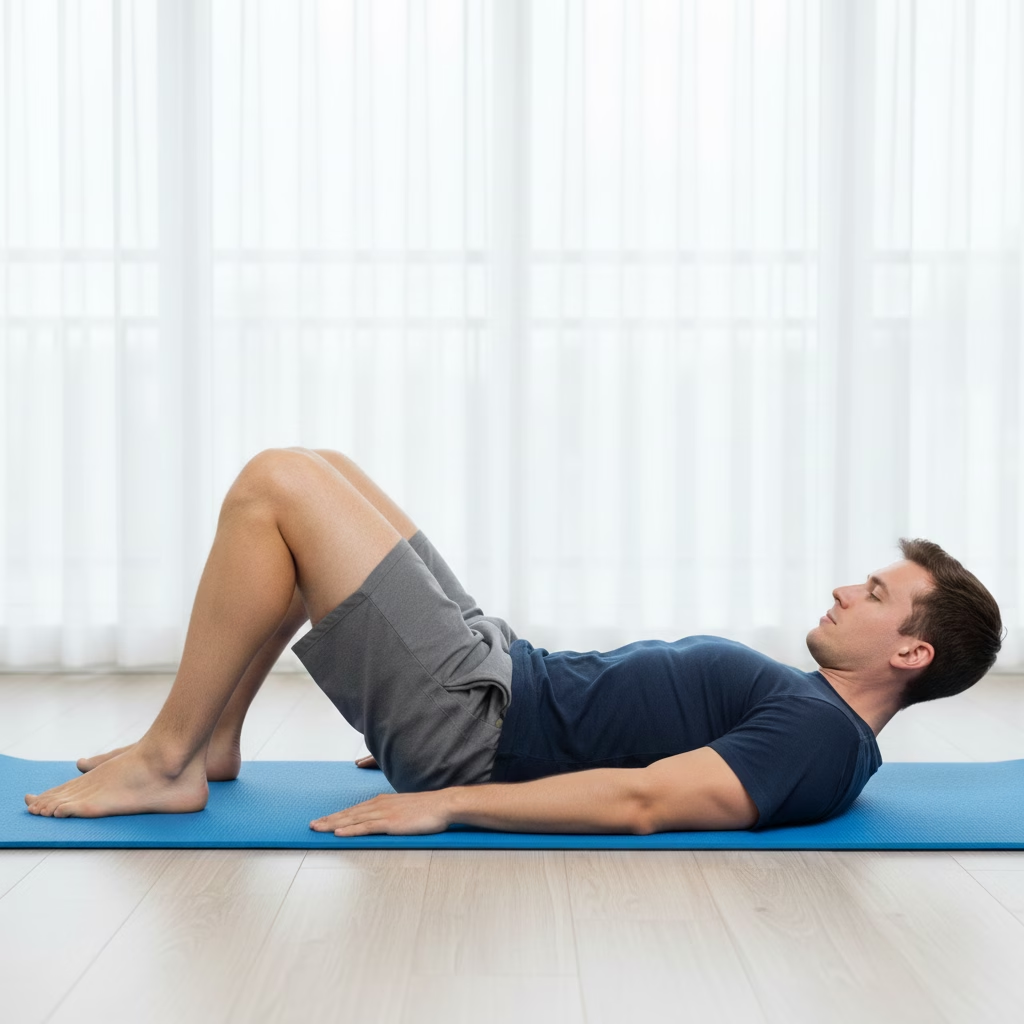
- Supine Bridge Setup: Lie on his back with his knees bent, feet flat on the floor about hip-width apart. His fingertips should barely brush his heels. Keep his arms by his sides, palms down, and his spine neutral.
- Initiate the Lift (Tuck): Before lifting, gently perform a posterior pelvic tilt (tuck his tailbone under slightly) to flatten his low back onto the mat. This ensures his glutes engage before his lower back arches.
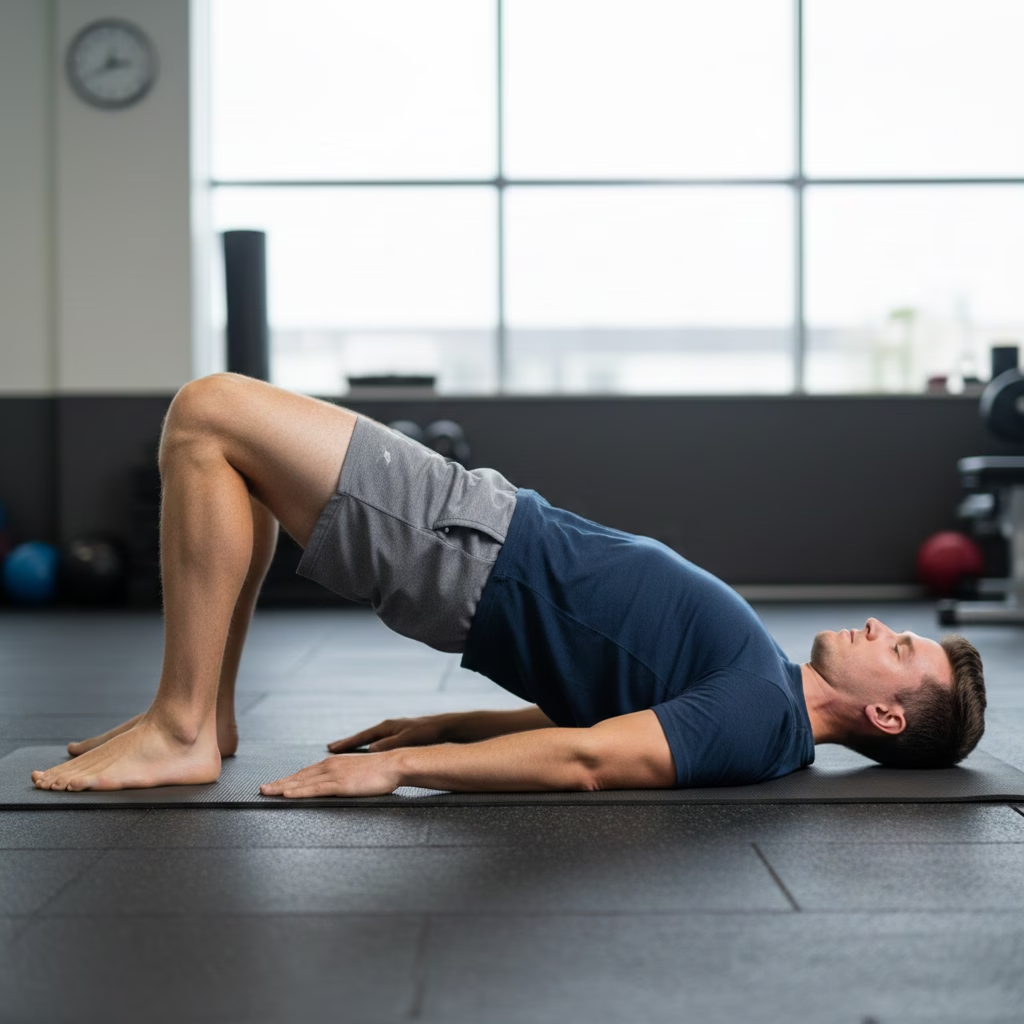
- Full Bridge: Exhale and drive his hips toward the ceiling by squeezing his glutes hard. Continue lifting until his shoulders, hips, and knees form a straight, diagonal line. His ribs should be down (avoid flaring).
- Hold and Control: Hold the top position for 1–2 seconds, maximizing the glute squeeze. Slowly lower his hips back to the mat with control, maintaining the posterior pelvic tilt until the movement is complete.
- Repeat: Repeat for 12–15 slow, controlled repetitions, ensuring his knees track straight over his feet and do not collapse inward or outward.
- “Squeeze his glutes first to lift, not his back.”
- “Keep his ribs drawn down toward his hips at the top—no belly rising.”
- “Drive through his heels to maximize hamstring and glute recruitment.”
Holds & Frequency · Reps, Sets, and Weekly Plan (Height-Focused)
Focus on high-quality glute activation and endurance to sustain neutral pelvic alignment.
Tip: Slower repetitions (3 seconds up, 1 second hold, 3 seconds down) are far more effective than fast reps for teaching glute control and building endurance.
Variations · Scaling for Control and Strength
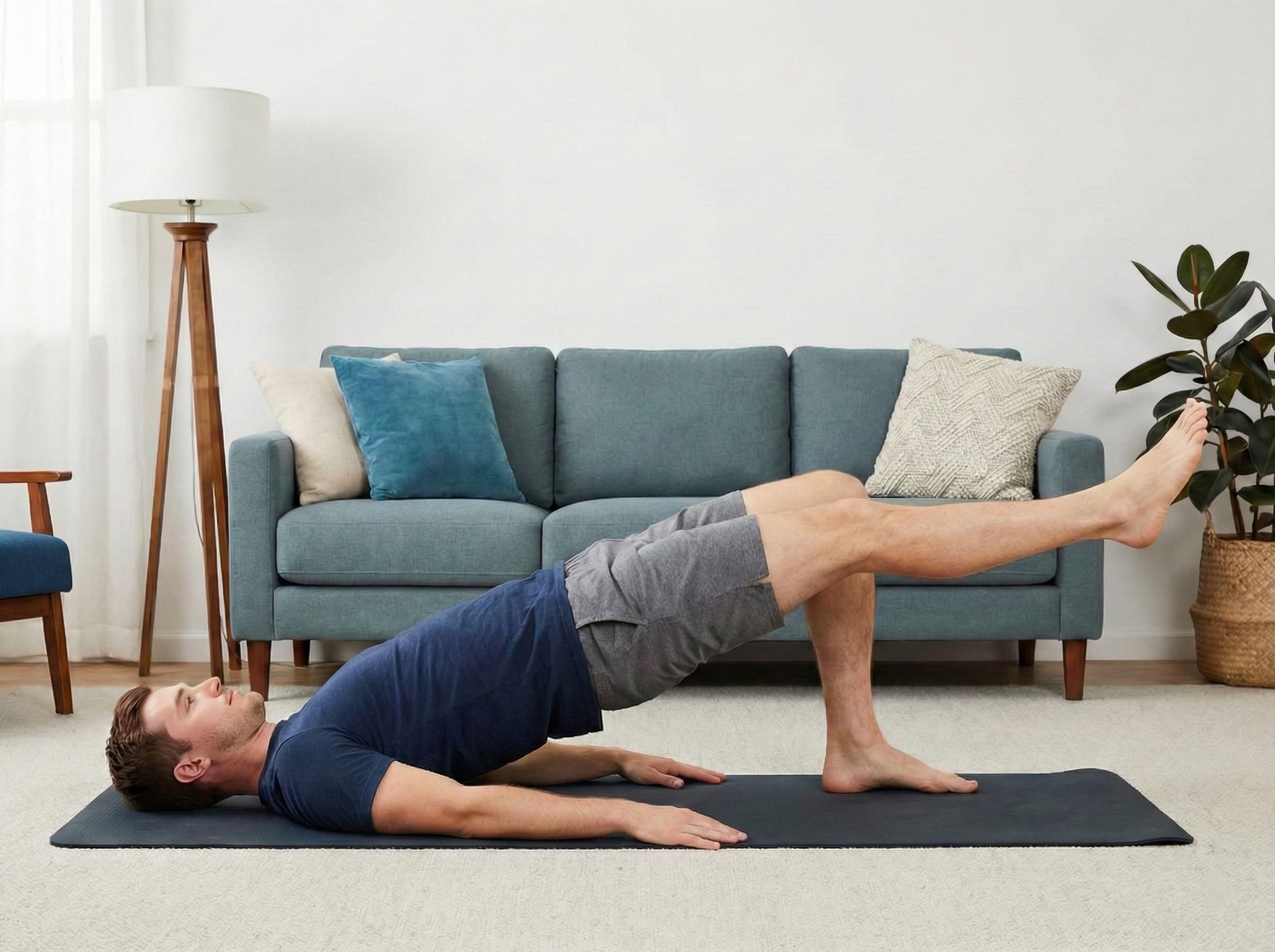
Use these options to ensure perfect form or to increase the stability demands on his glutes.
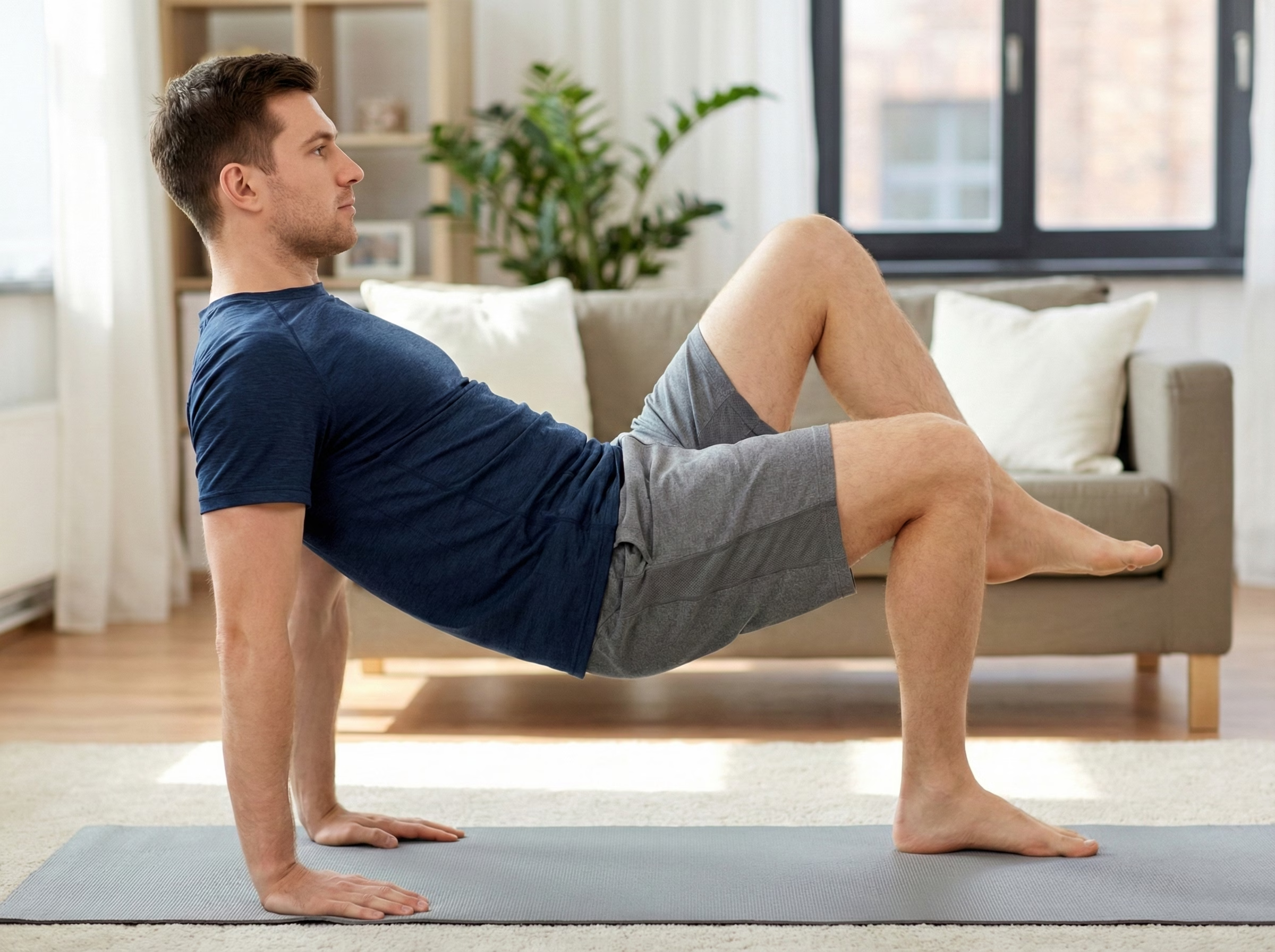
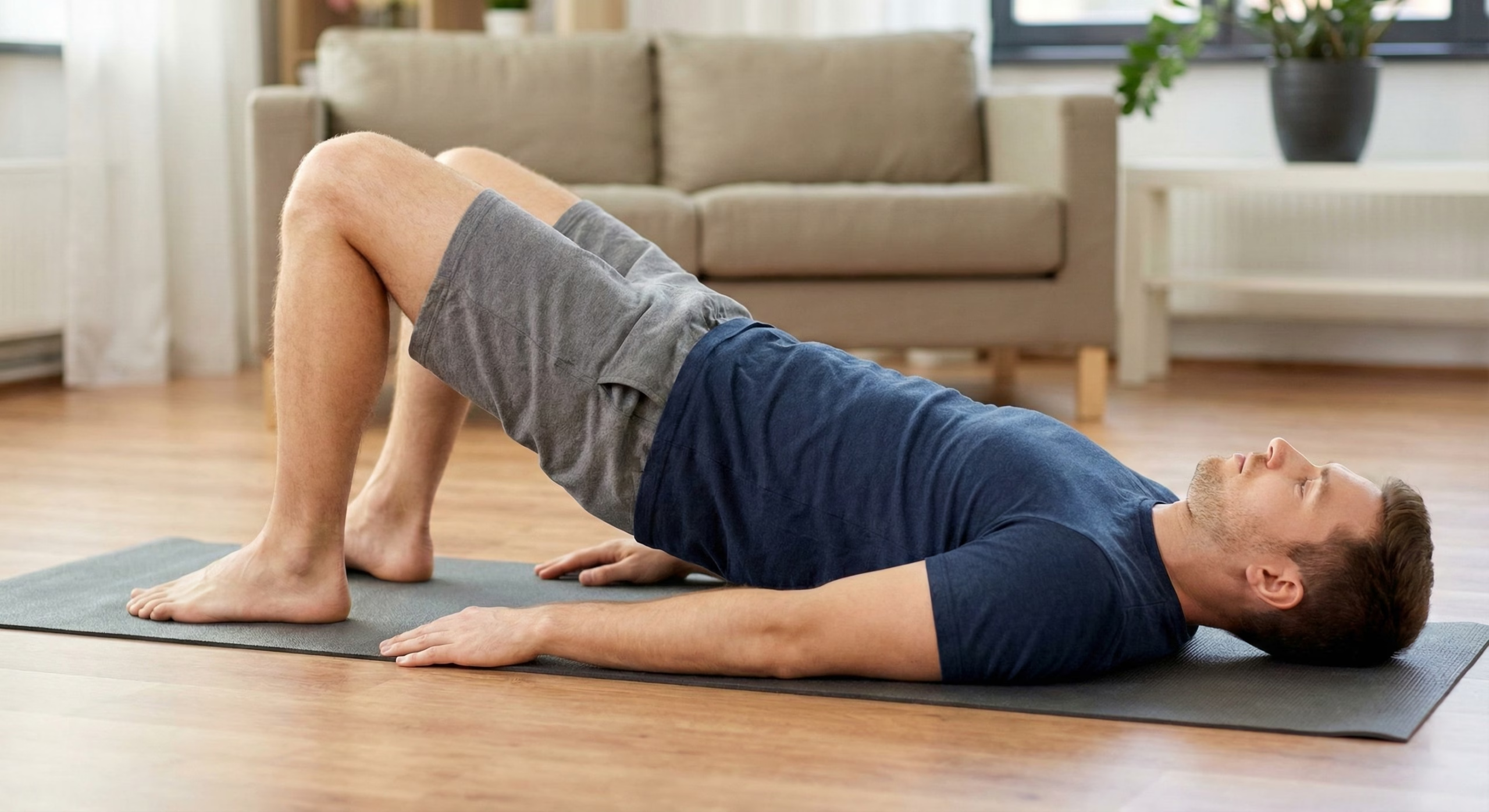
Height Impact · How Glute Activation Corrects Posture
- When his glutes are weak (often from prolonged sitting), his hip flexors become tight, pulling his pelvis into an anterior tilt (dumped forward) and creating a compressive 'swayback' in his lower spine.
- The Glute Bridge teaches him to consciously engage his glutes to pull his pelvis backward (posterior tilt) and into a neutral, vertically stacked position.
- This action removes the excessive arch from his lower back, effectively lengthening the lumbar spine and restoring the height previously lost to compression.
- By strengthening the glutes, he builds the muscular endurance necessary to maintain this taller, non-compressive posture effortlessly when he stands or walks (Tadasana).
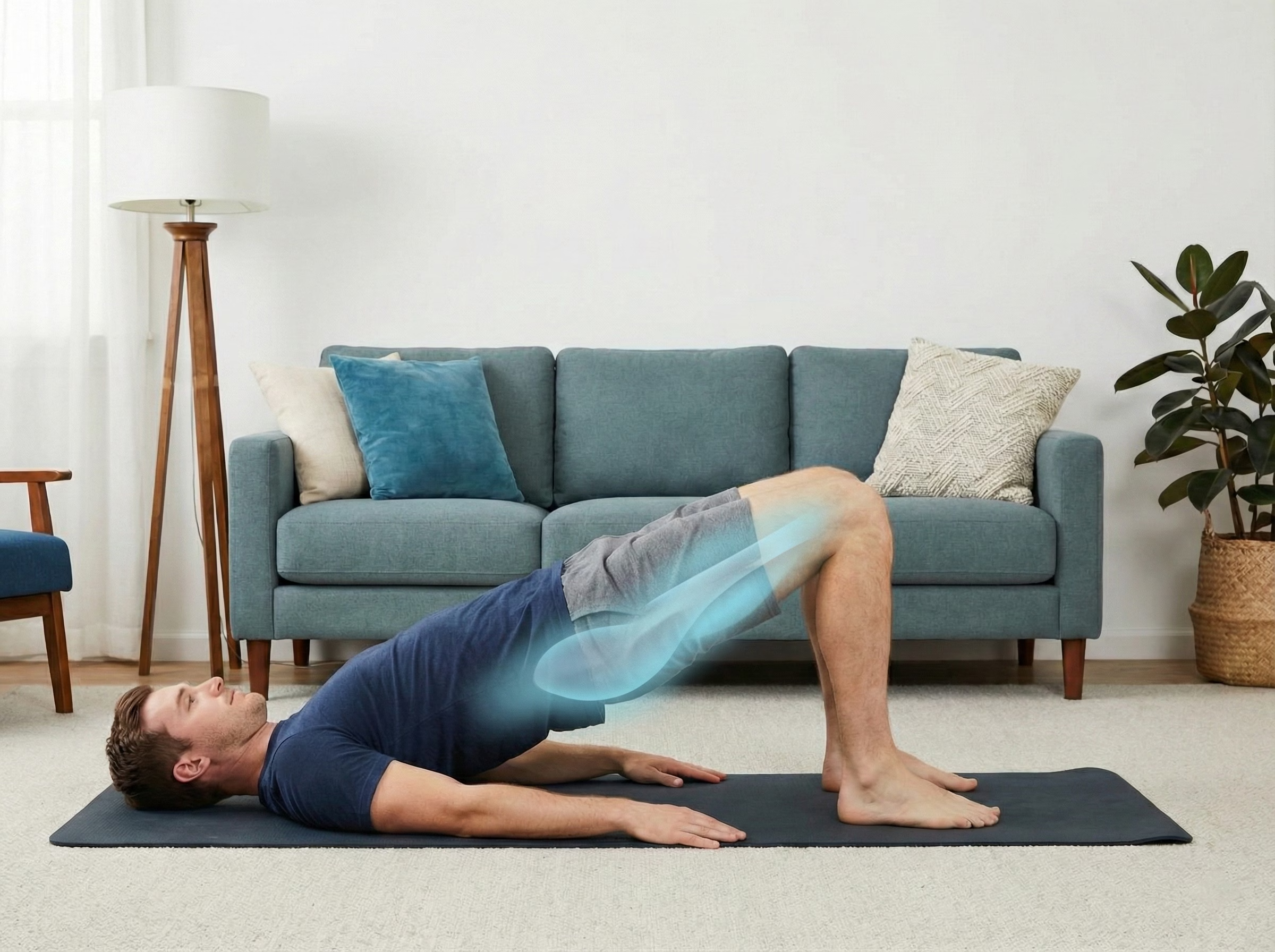
Panel 1 – Hip Extension Line in Bridge
Side view of he in his best full bridge: shoulders grounded, hips high, knees over ankles. Add a soft light blue glow across his glutes, hamstrings, and front of hips to show how strong hip extension supports a tall pelvis and spine. 4:3 aspect ratio, full body.
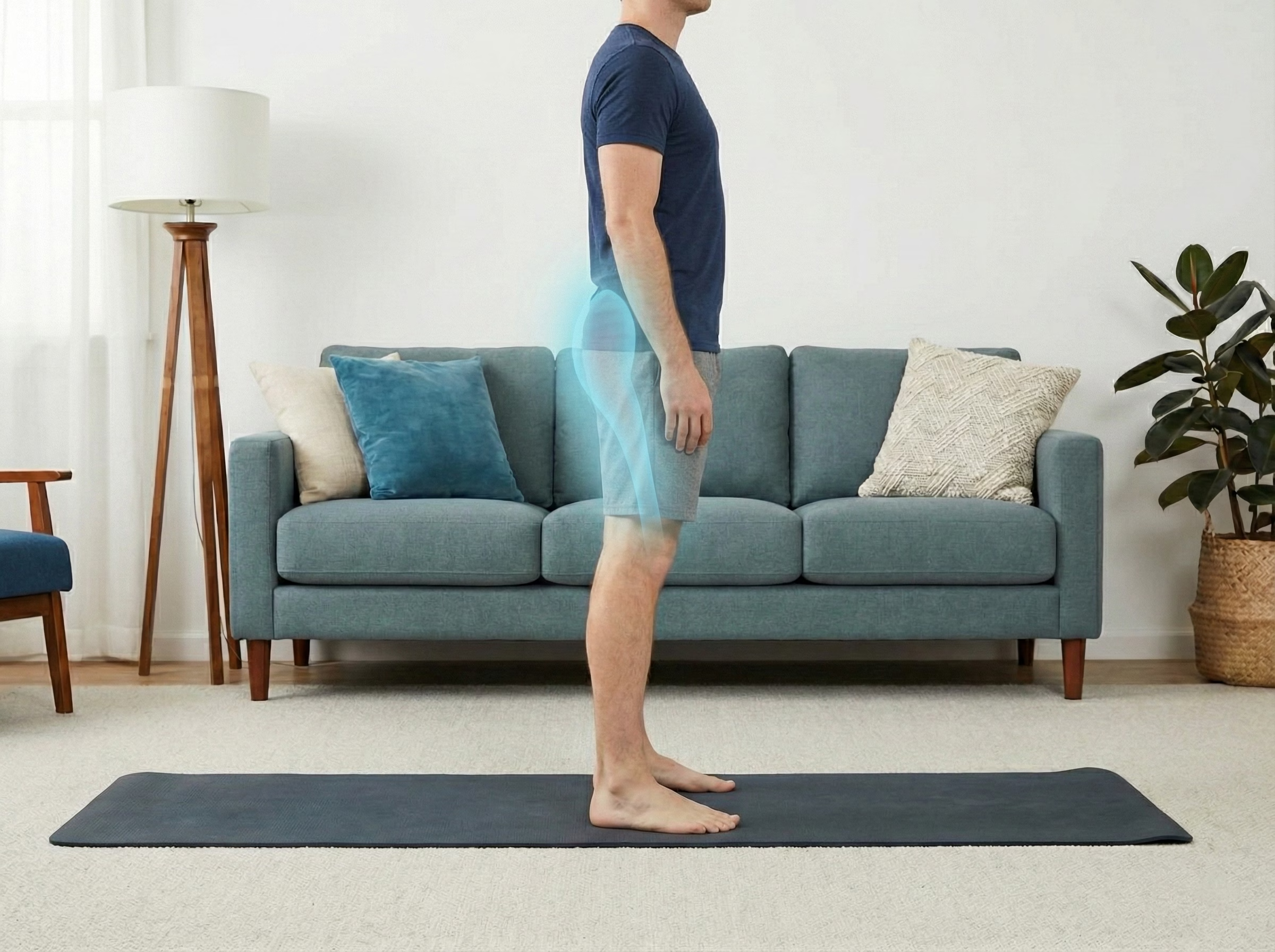
Panel 2 – Standing Posture Out of Swayback
Side view of he standing near the mat with pelvis in neutral instead of swayback: glutes lightly active, lower-back curve moderate, ribs stacked, head in line. Add a soft light blue glow over his glutes, lower back and pelvis to emphasize the improved posture line. 4:3 aspect ratio, full body.
Form & Safety · Key Technique Cues, Precautions & Common Mistakes
- Initiate the lift by performing a gentle posterior pelvic tilt (tucking his tailbone).
- Squeeze his glutes powerfully at the top to achieve hip extension, not lumbar arching.
- Keep his ribs drawn down toward his hips; avoid flaring his chest up.
- Push through his entire foot, emphasizing the heel, and keep his knees tracking straight.
The Glute Bridge is highly therapeutic but must be done with core control.
- If he feels strain in his lower back, reduce the lifting range immediately (use the short-range variation).
- Avoid forcing the hips higher than the straight line from shoulders to knees.
- If he has acute knee pain, ensure his feet are positioned correctly to minimize stress on the joint.
- Arching his lower back excessively (hyper-extension) instead of squeezing his glutes.
- Letting his knees collapse inward or drift outward during the movement.
- Lifting his hips too high, which causes his ribs to flare up and his core to disengage.
- Rushing the repetitions, relying on momentum instead of muscle control.
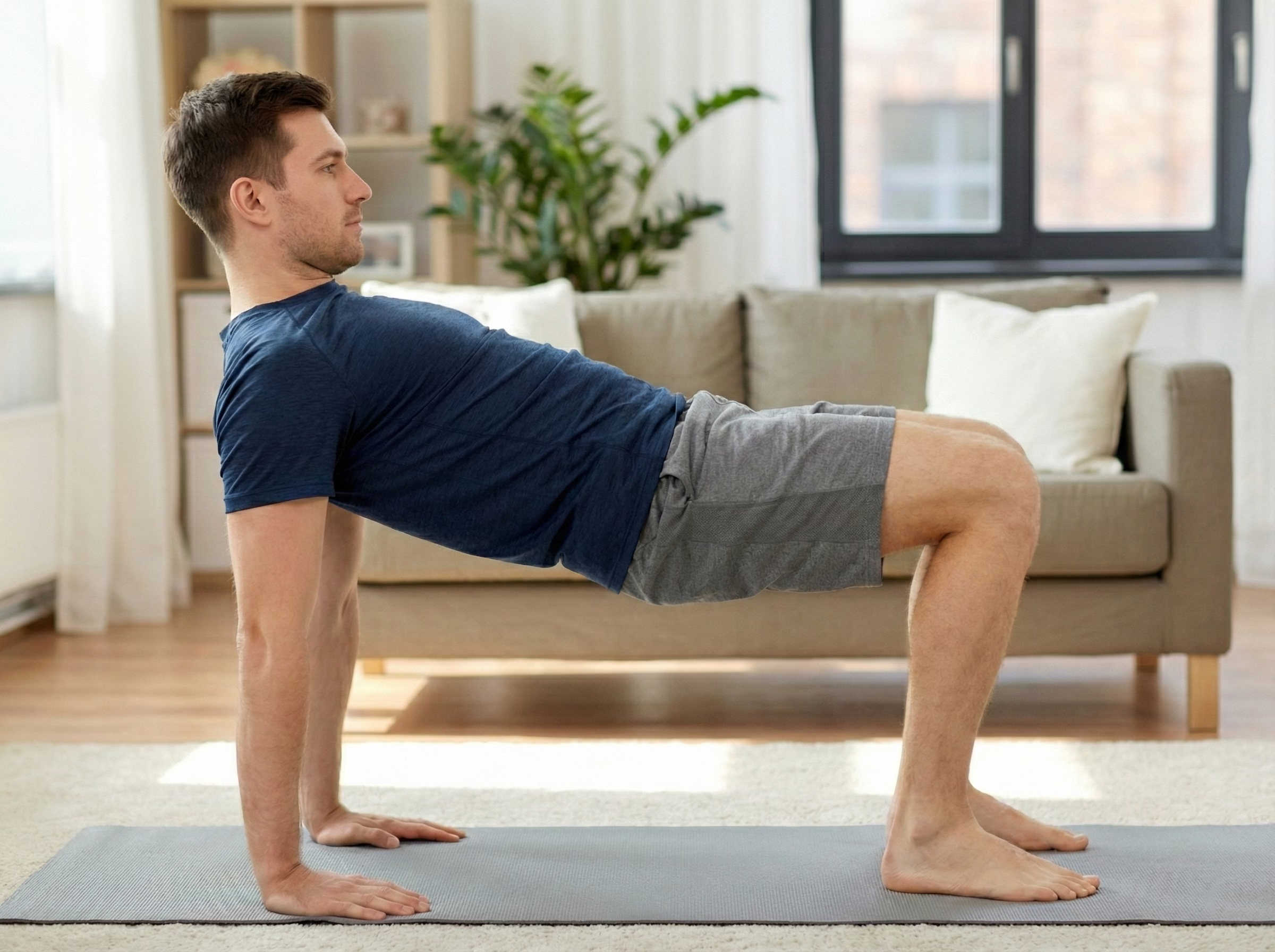
**Why it steals height:** This mistake reinforces the very swayback posture he is trying to fix. It compresses the lumbar spine and teaches the back extensors to overwork, leading to stiffness and height loss.
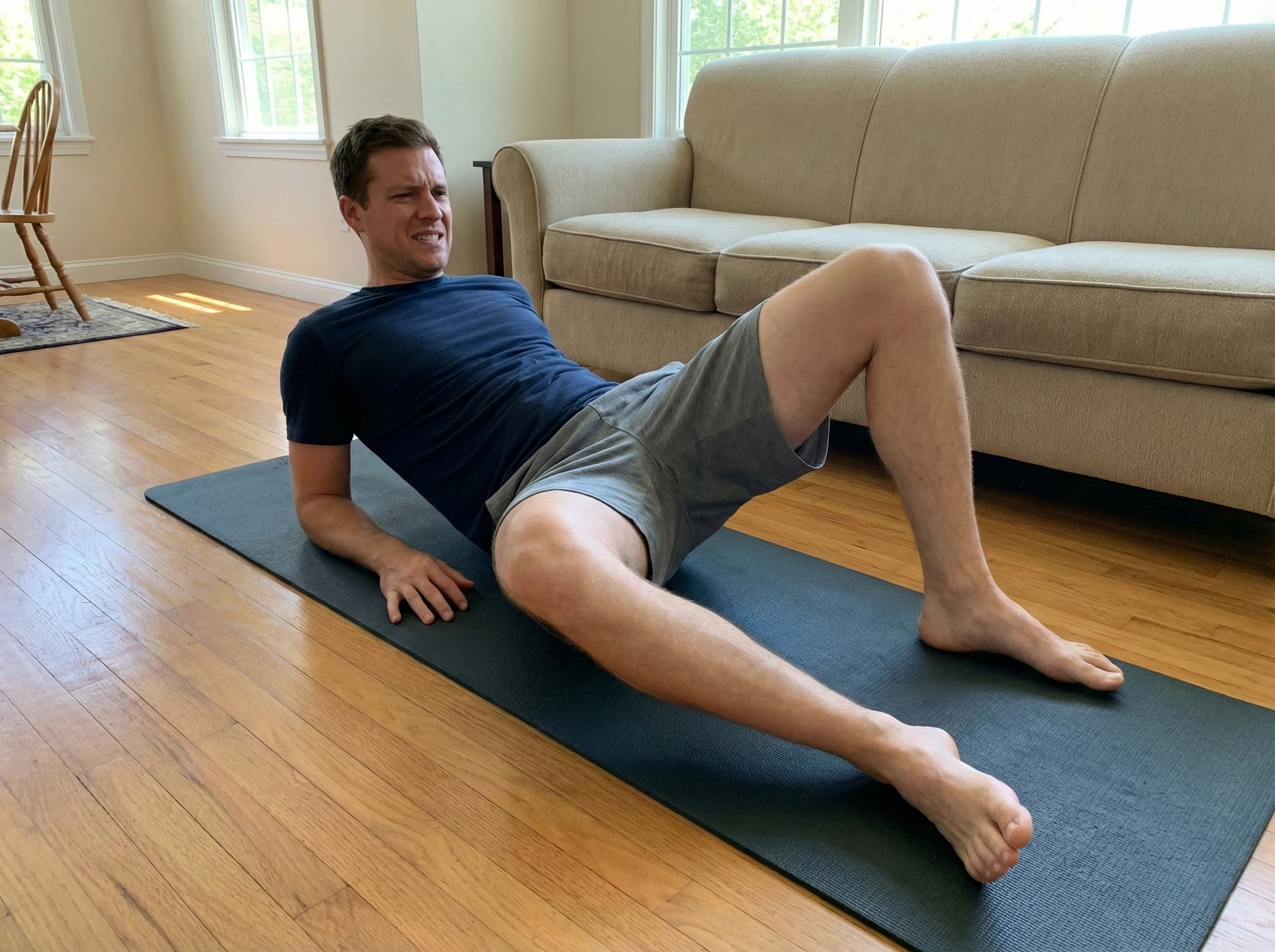
**Why it steals height:** Poor knee tracking indicates weak hip abductors (glute medius). This instability translates up the chain, making it impossible to maintain a vertically aligned standing posture, which is essential for height gain.
Pair With · Best Exercises to Pair With the Glute Bridge
Pair the Glute Bridge with drills that improve pelvic control and spinal decompression:
Use the Posterior Pelvic Tilt to warm up and find neutral alignment, then perform the Glute Bridge to strengthen the glutes, and finish with a standing drill (Tadasana) to reinforce the new, taller pelvic position.
FAQ · Common Questions About the Glute Bridge
-
Q1 Why should he tuck his tailbone before lifting? ›Tucking his tailbone (posterior pelvic tilt) ensures his lower back is neutral and flat against the floor. This *pre-activates* his core and forces his glutes to initiate the movement, preventing his hip flexors and lower back muscles from taking over the lift and causing compression.
-
Q2 If he feels the bridge mainly in his hamstrings, what should he change? ›If he feels only his hamstrings (back of the thighs), his feet are likely too far away from his hips. He should walk his feet closer to his hips so his fingers can barely brush his heels. This repositioning increases the leverage on his glutes, forcing them to engage more to drive the lift.
-
Q3 How high should he lift his hips? ›He should only lift until his shoulders, hips, and knees form a perfectly straight line. Lifting higher than this point causes his low back to arch and his ribs to flare (Mistake #1), which compresses his spine and negates the postural benefit. Focus on the straight line and maximum glute squeeze, not height.