
Jump Squats : .Trigger Growth Signals
Pure vertical power from the floor – explosive squat takeoff, soft landing, instant reset.
Jump Squats are the bodyweight impact side of Growth Activation. You load into a strong squat, explode straight up, then land soft and stacked. Short, intense blocks create lactic acid in your quads and glutes and send repeat impact signals through your legs, teaching your body to handle gravity without collapsing and helping you show more of your real height every day.
Pillar · Growth Activation
Jump Squats belong in Growth Activation because they hit both sides of the growth logic:
- Vertical Impact & Wolff’s Law: Every jump and landing sends controlled stress through your feet, ankles, shins and thighs. Done right, your body reads this as “build stronger legs and bones,” not random joint abuse.
- Anaerobic Lactic Stress: Short bursts of hard Jump Squats drive lactic acid into your biggest leg muscles. Your body can respond to that “this was serious work” signal with stronger recovery and natural growth hormone activity when you rest and sleep.
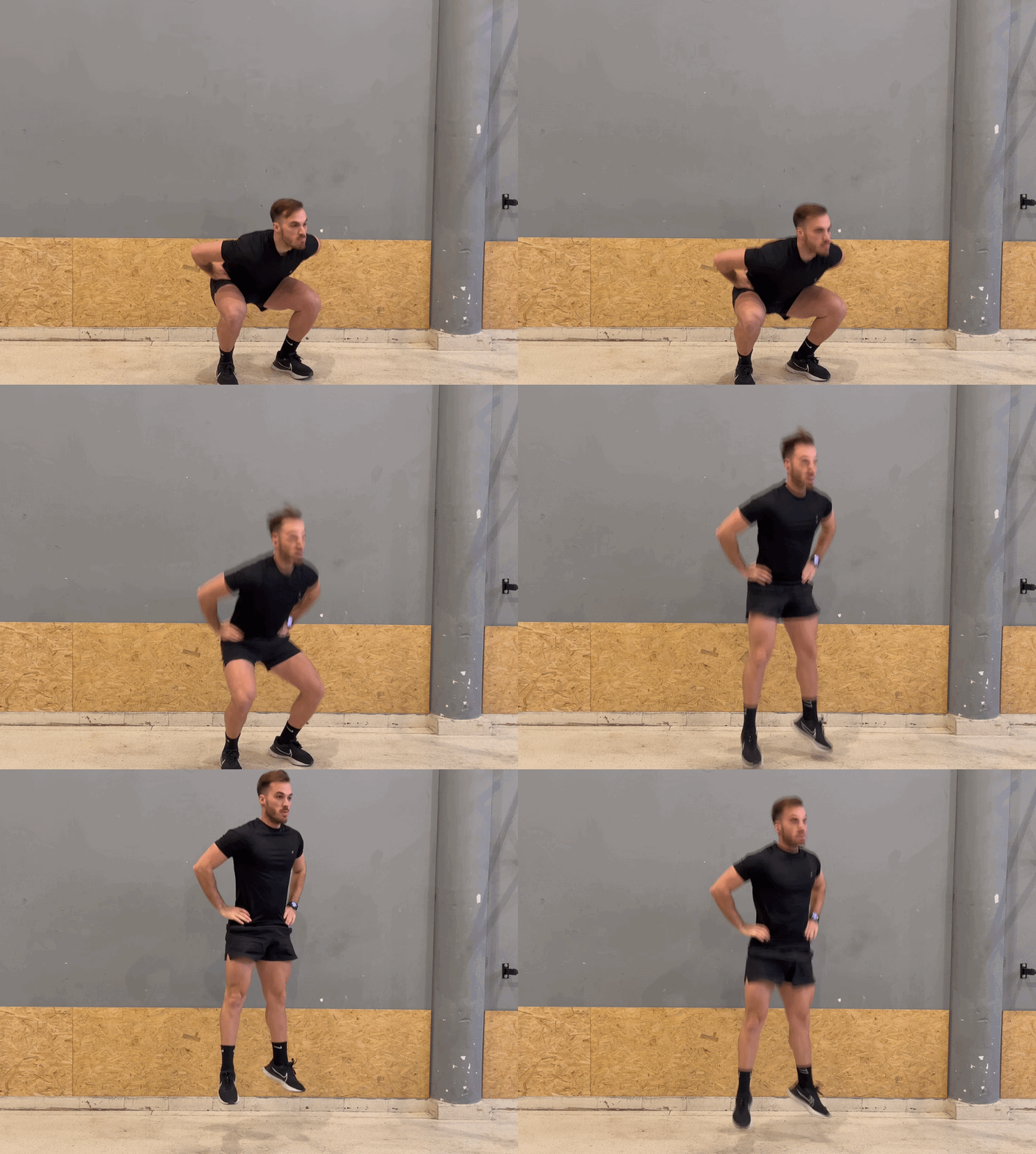
How To · How To Do Jump Squats (Growth Activation Style)
Not random flailing jumps – strong squats, vertical takeoffs and quiet landings that send a clear height signal.
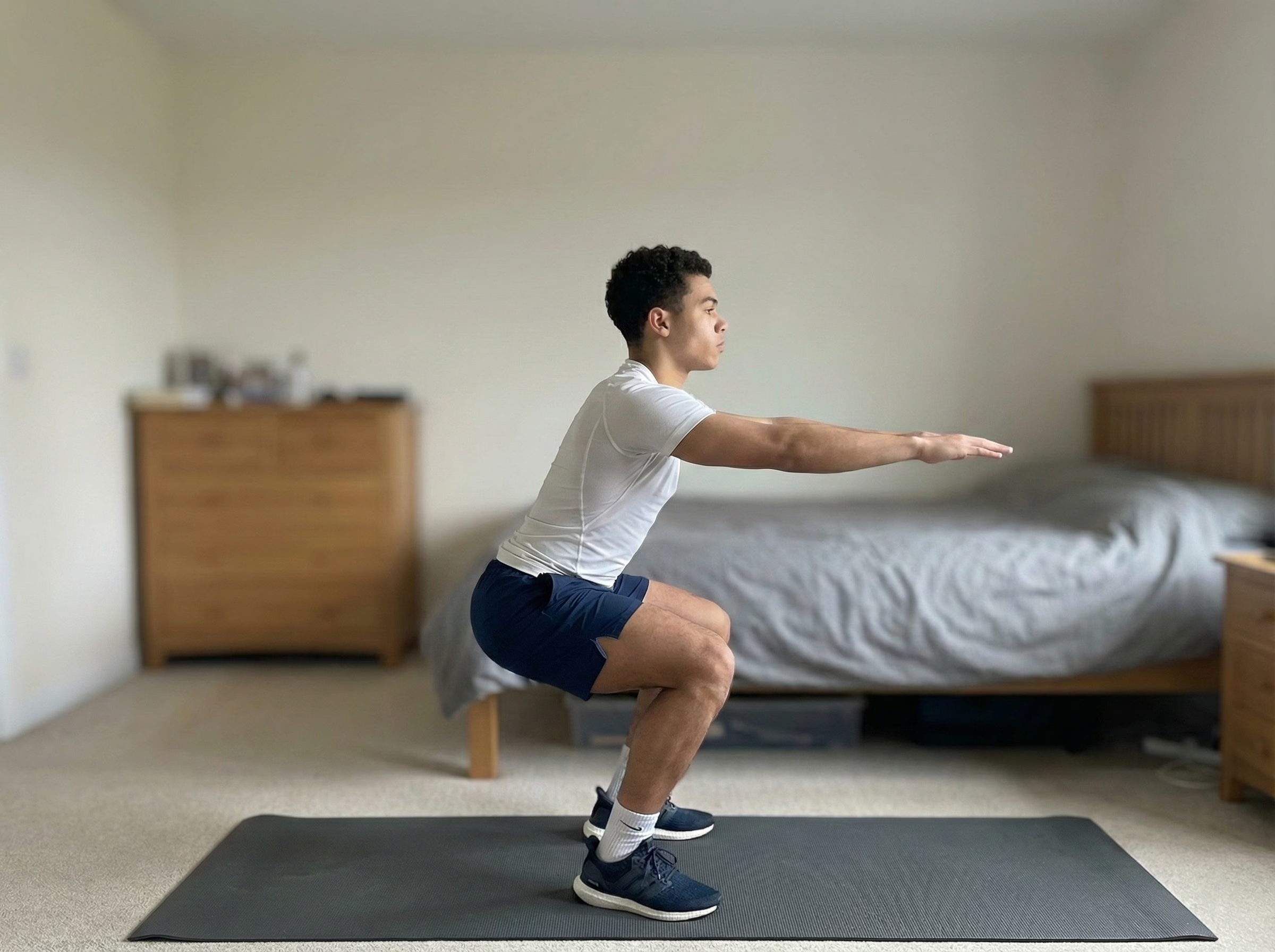
- Step 1 – Set your stance. Stand with your feet about shoulder-width apart, toes slightly turned out. Spread your weight evenly through the whole foot – big toe, little toe and heel all touching the floor. Chest open, eyes forward, arms relaxed by your sides.
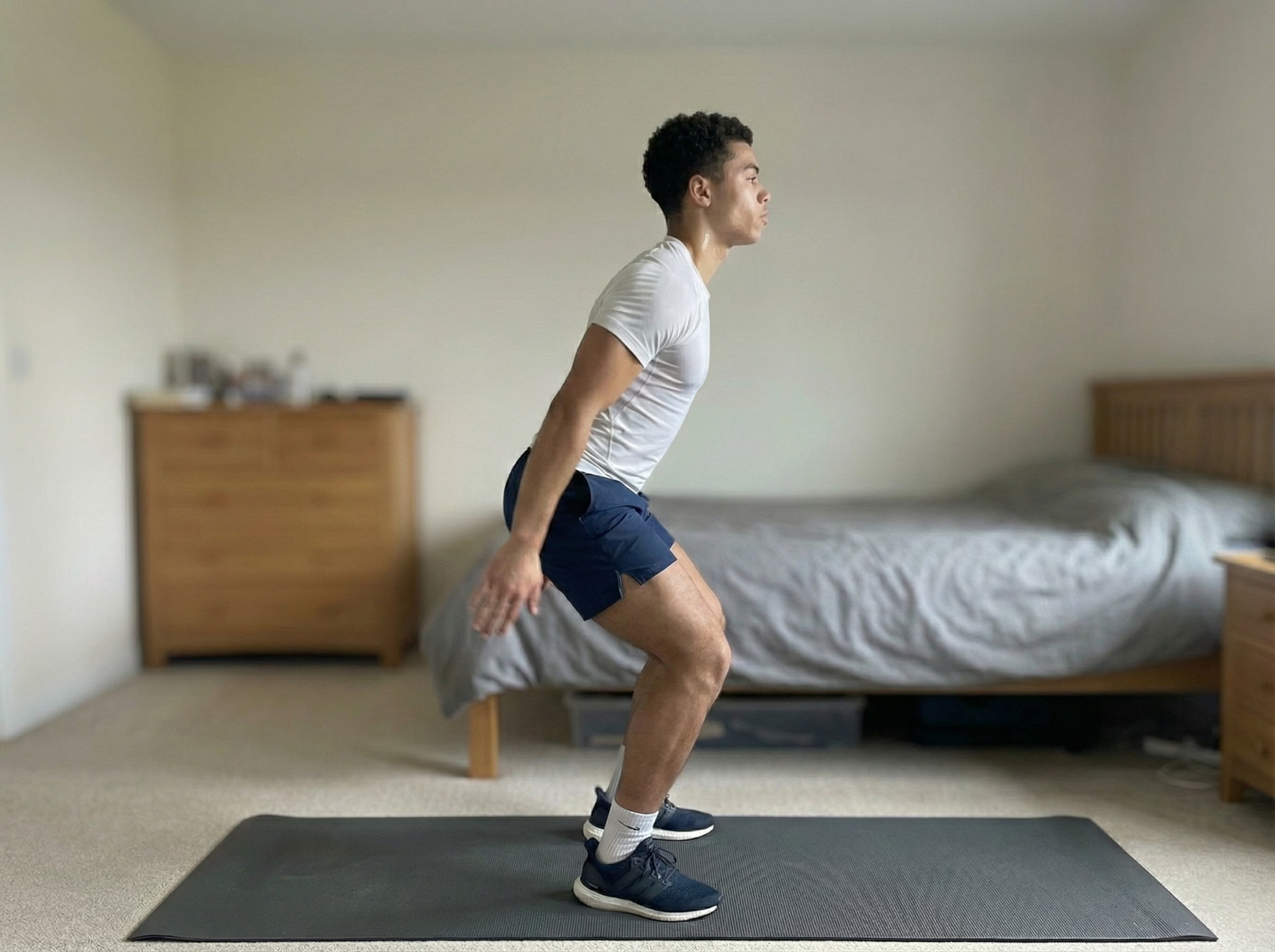
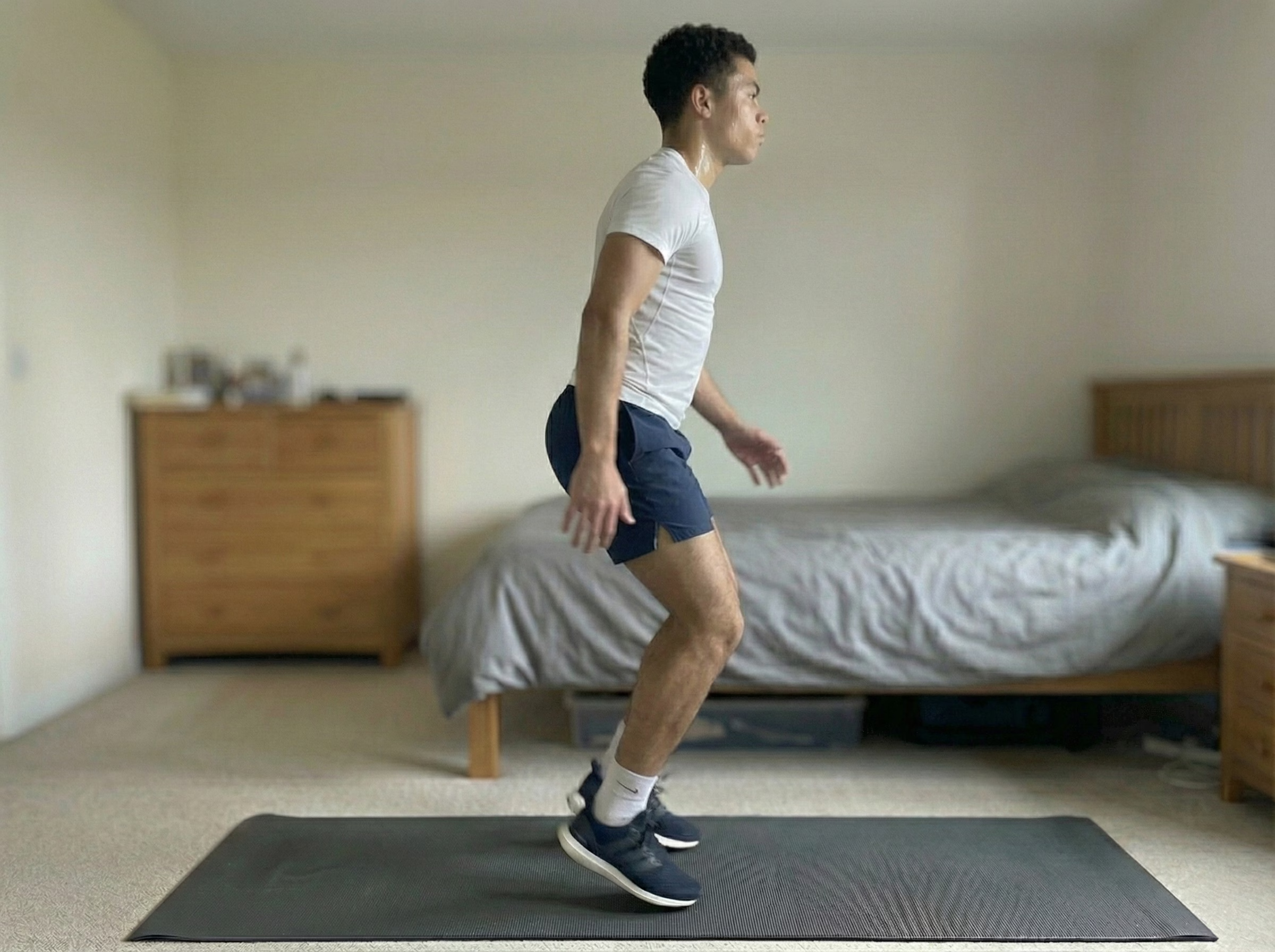
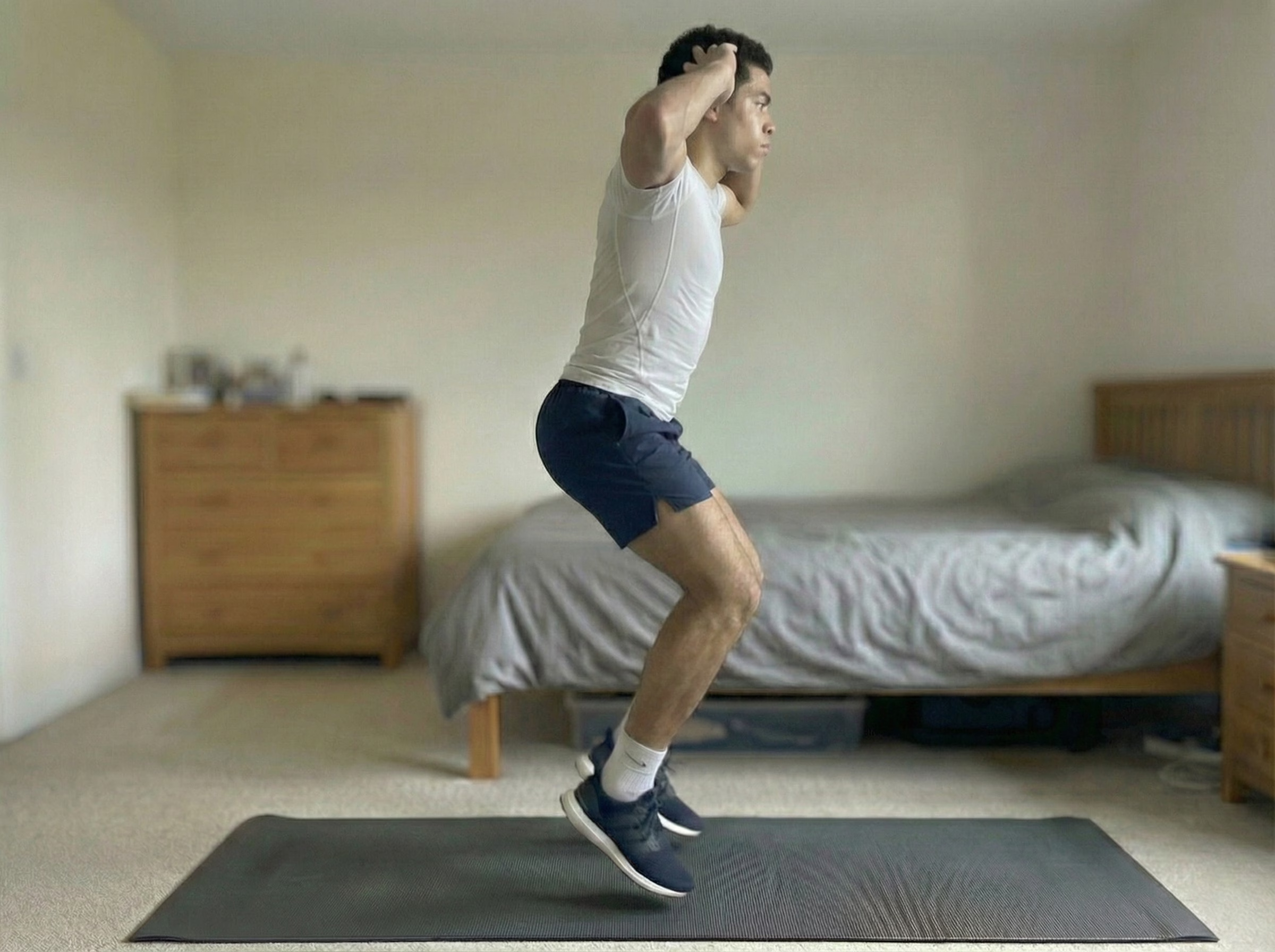
- Step 2 – Drop into a powerful squat. Push your hips back and bend your knees until you’re in a strong, athletic squat – about chair-height or a little deeper if your knees feel good. Keep your chest up, spine neutral and knees tracking over your toes (not caving inward). Swing your arms slightly behind you as you load.
- Step 3 – Explode straight up. From the bottom of the squat, drive through your feet and straighten your hips, knees and ankles at the same time, swinging your arms up. Think “ceiling, not forward” – your power goes straight up, not out in front.
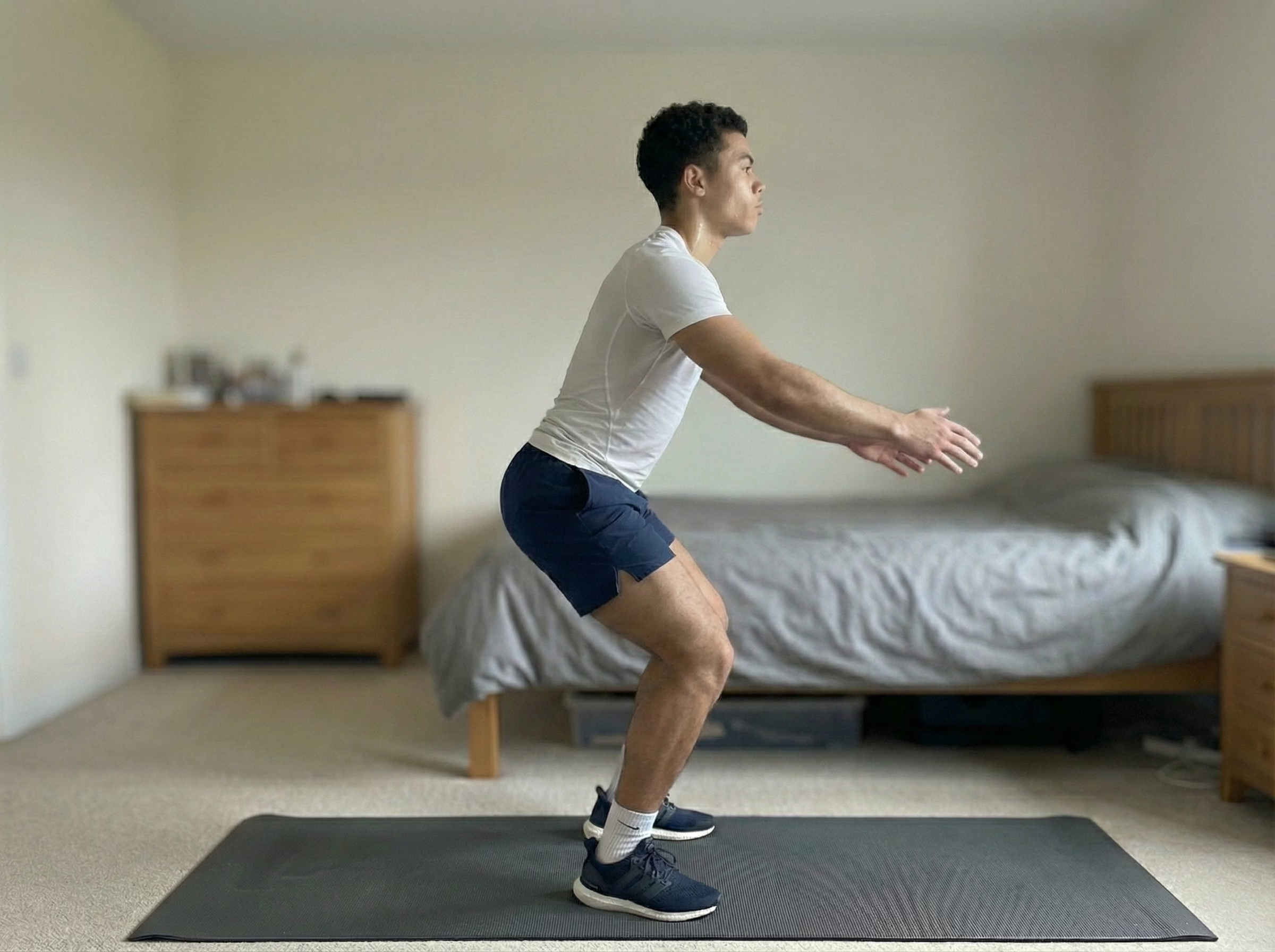
- Step 4 – Land soft and stacked. Land back in your squat with your feet in the same spot, knees bent and hips back slightly. It should sound quiet, not like a slam. Your knees stay over mid-foot, chest tall, heels fully down. You want your whole body to feel like a spring, not like you’re hitting the floor with stiff sticks.
- Step 5 – Absorb, reset, repeat. As soon as you absorb the landing, use that loaded squat to drive into the next jump. That smooth “land–load–explode” rhythm is what builds both vertical impulse and lactic acid in a short block.
- Step 6 – Turn it into Growth Activation. Once the pattern is clean, do short, honest blocks: 10–20 jumps or 20–30 seconds of continuous reps. By the end, your legs should burn and your breathing should be heavy, but your landings must still be quiet and controlled. That’s the Growth Activation intensity.
- “Explode up, whisper down.” Effort is loud in your muscles and lungs, but the floor should barely hear you.
- “Jump vertical, not forward.” Imagine your head brushing a low ceiling instead of trying to travel across the room.
- “Short blocks, real burn.” If you could keep chatting while you jump, it’s not Growth Activation yet – tighten the block and push harder.
Flow & Sets · Sets, Intensity & Frequency (Growth Activation)
Jump Squats only work as Growth Activation when they’re short, sharp and honest – not a slow, casual cardio set.
or 20–30 seconds of continuous, controlled jumps
Growth Activation rule: by the last few jumps in a block, your legs should be on fire and your breathing should be heavy, but you’re still able to land quietly and keep your knees tracking straight. If you finish and feel like you could chat comfortably, you need more intensity. If your knees feel unstable or your landings sound like thunder, you need more rest or lower height on your jumps.
Variations · Easy Variations
Build the pattern at low impact first, then layer on height or arm positions once you’re stable.
Height Impact · How Jump Squats Support Growth Activation
- Each jump sends a vertical impulse from your feet up through your ankles, shins and thighs – when you land softly and stacked, your body reinforces those tissues instead of collapsing them.
- The fast leg burn you feel in each block is lactic acid building in big muscles (quads, glutes, calves). Your body can respond to that “this mattered” signal with stronger recovery and natural growth hormone activity while you rest and sleep.
- Because every rep starts and lands in a squat, you’re strengthening the same positions you use when walking, running and jumping in sport, which helps you carry less slouch and more of your true height.
- When you pair Jump Squats with decompression drills, nutrition and 7–9 hours of sleep, you’re giving your body a full “stress then rebuild” cycle instead of just random tiredness.
- Reality check: Jump Squats don’t magically override genetics, but they do help you use your growth window fully and avoid spending your teen years moving like a tired, compressed adult.
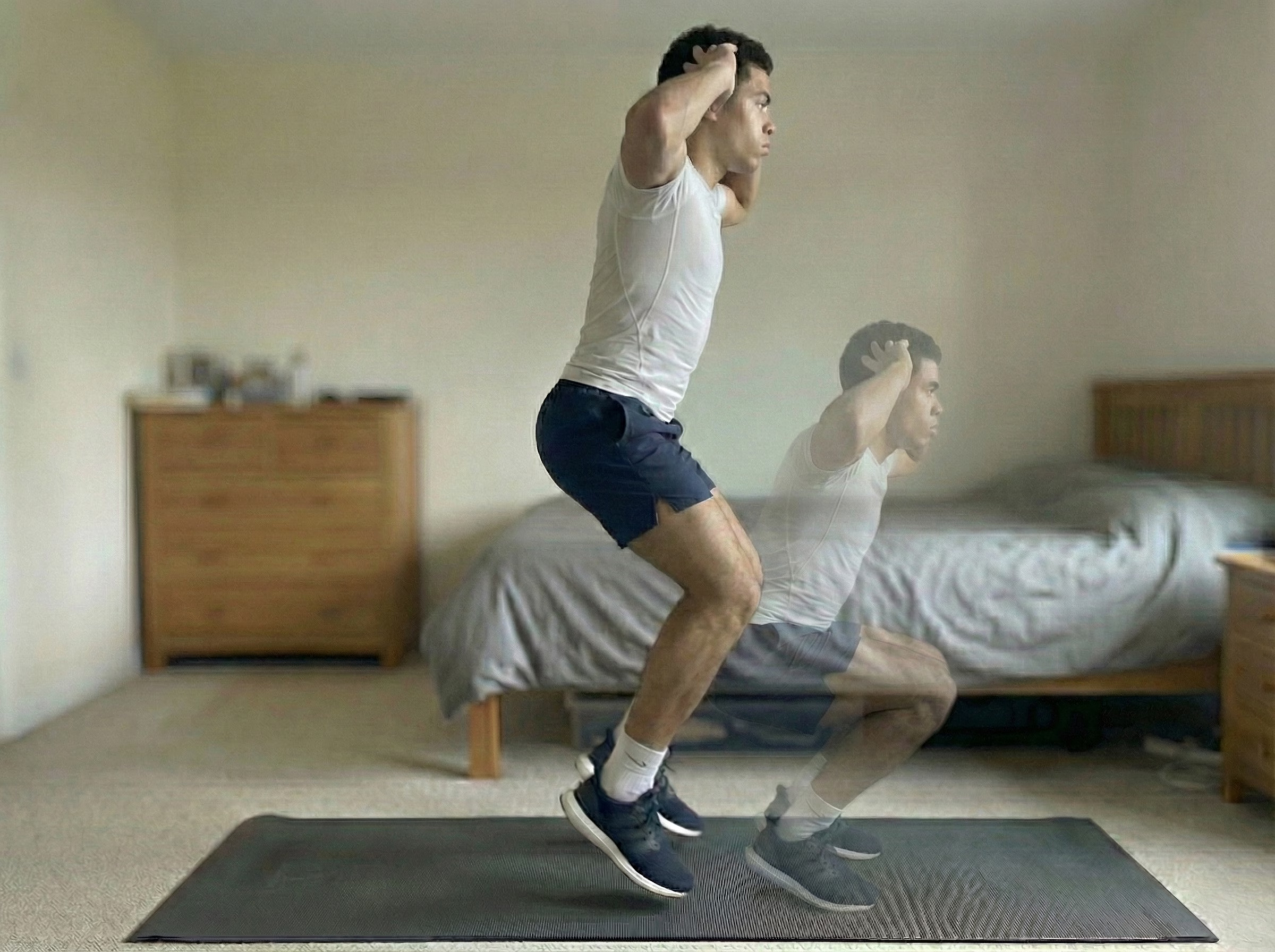
Panel 1 – Soft Squat Landing Side view of a teen landing from a jump squat: knees bent, hips back slightly, heels down, chest open. A bright blue glow flows from his feet up through his shins, thighs and spine, showing how controlled impact travels through a long, stacked shape instead of crushing his joints.
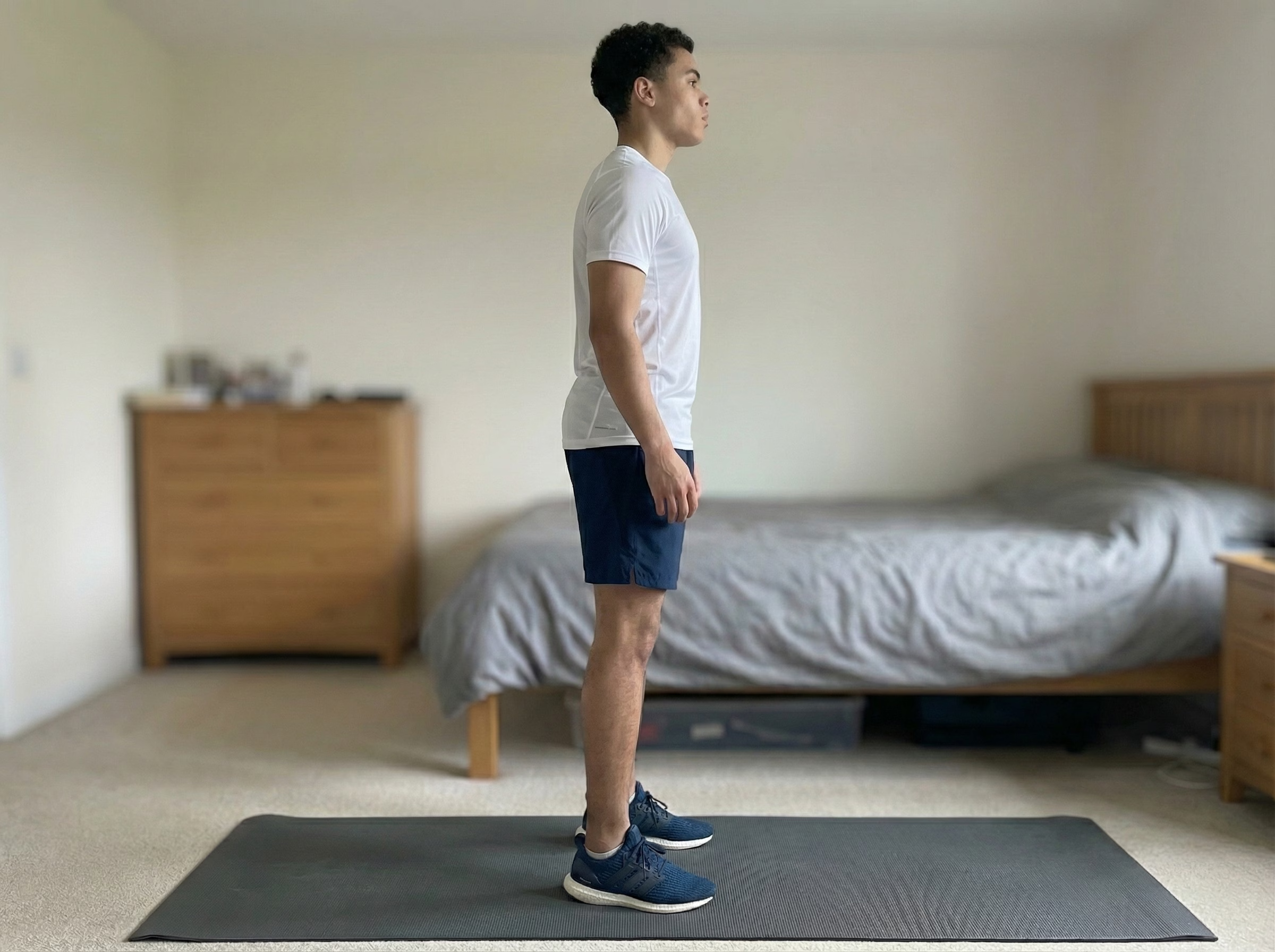
Panel 2 – Taller, Athletic Stand The next day, the same teen stands naturally in his room: feet grounded, knees straight but not locked, hips level, chest open and head over shoulders. A soft blue vertical line runs from his feet to the crown of his head, representing how stronger, more explosive legs support a taller everyday posture.
Form & Safety · Technique, Safety & Common Mistakes
- Keep feet about shoulder-width with full-foot contact.
- Drop into a strong, controlled squat before every jump.
- Jump up, not forward, and land in the same footprint.
- Land with bent knees and hips – no stiff, locked-leg landings.
Jump Squats are high-impact and not for everyone.
- If you have knee, ankle, hip, spine, heart or serious balance issues, talk to a doctor or coach first.
- Use flat, non-slip shoes and a stable surface with space to move.
- Stop or scale down if your landings feel sharp, painful or out of control.
- Letting knees collapse inward on every landing.
- Landing with straight legs and loud, stompy feet.
- Folding your chest forward and losing tall posture in the squat.
- Doing long, sloppy sets instead of short, crisp Growth Activation blocks.
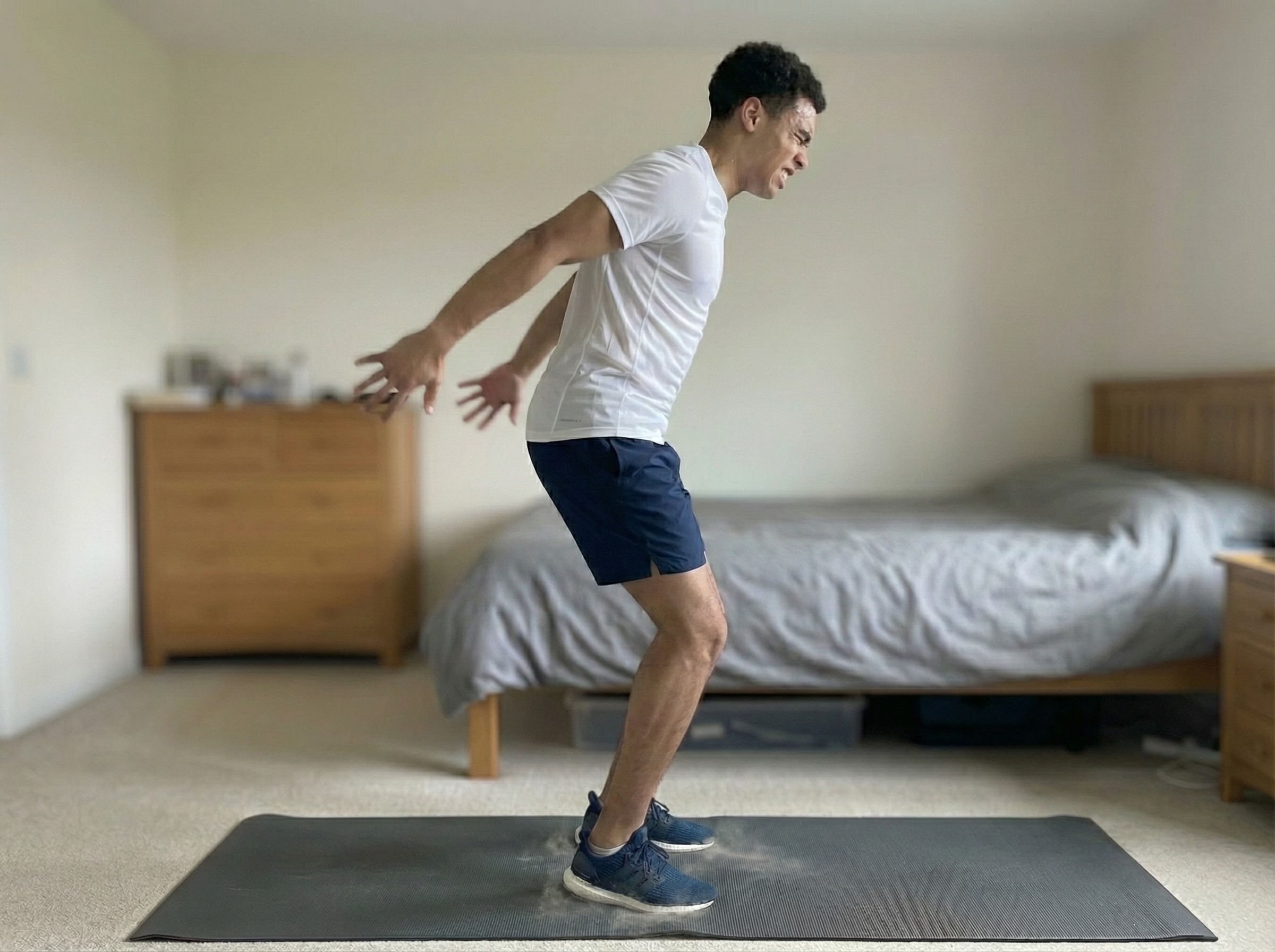
Why it fails Growth Activation: Instead of directing impact through strong, aligned legs, the force twists into his knees and ankles. That’s the opposite of what we want if we’re trying to build long-term height-supporting strength.
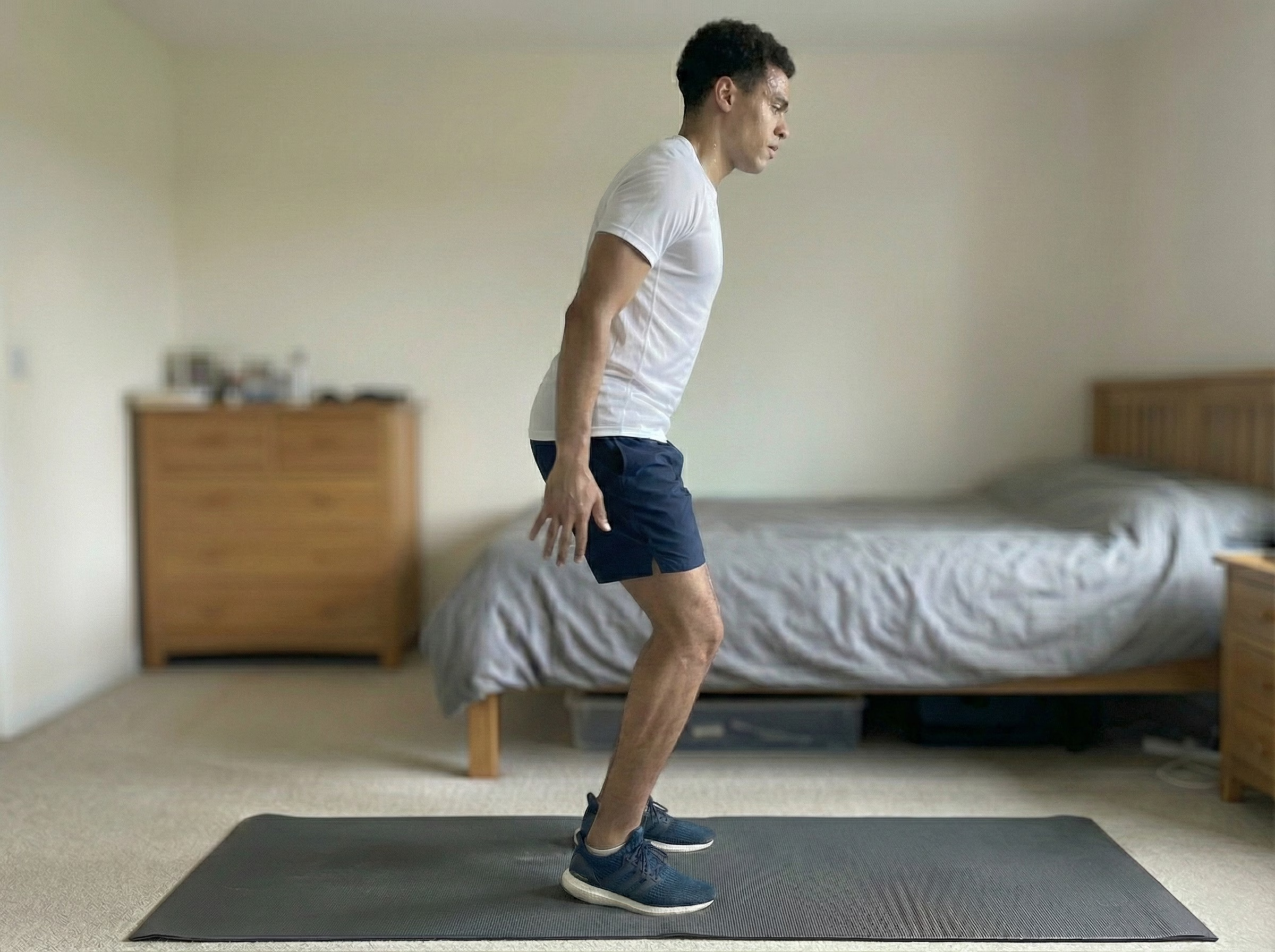
Why it fails Growth Activation: Instead of acting like a spring, his legs act like straight sticks. The impact travels directly into joints, which can lead to irritation or injury instead of useful adaptation.
Pair With · Best Exercises to Pair With Jump Squats
Use Jump Squats as your bodyweight impact spike, then surround them with strength and decompression for a full Growth Activation day.
In a Height Youth workout, Jump Squats often sit after a strength warm-up and before sprints or burpees. Think: squats to wake up the legs, Jump Squats to spike impact and lactic acid, then sprints or burpees, followed by decompression and posture work. The combo sends a clear Growth Activation message, then gives your body the recovery and alignment it needs to respond.
FAQ · Common Questions About Jump Squats & Growth Activation
-
Q1 Do Jump Squats stunt growth? ›Done with proper form, volume and recovery, Jump Squats do not stunt growth. They’re a normal part of training for many teens and athletes. Problems come from doing too much impact with sloppy technique, no rest and ignoring pain. In Height Youth we chase short, crisp blocks, soft landings, rest days and pairing impact with decompression – all of which support your body instead of beating it up.
-
Q2 Is it normal for my legs to burn a lot? ›Yes – a strong, deep muscle burn in your quads and glutes is exactly what we’re after in a Growth Activation block. That burn is lactic acid building from intense work. What we don’t want is sharp joint pain in your knees, ankles, hips or back. Burn in the muscles, yes. Pain inside the joints, no – stop and talk to a coach, parent or doctor if that happens.
-
Q3 Can I do Jump Squats every day to grow faster? ›No – Growth Activation only works if you let your body recover and rebuild. Jump Squats are intense; doing them hard every day just beats up your joints and makes you more tired, not taller. 1–3 focused sessions per week, mixed with sleep, good food and lighter training, is far more powerful than daily punishment.