
Knees-to-Chest Rock : .Decompress Lumbar Spine
Gently massage and decompress the lower back to relieve stiffness and restore lumbar curve length.
This gentle rocking motion uses his body weight to create subtle traction in the low back, helping to rehydrate discs, relax deep spinal muscles, and improve the natural curve needed for a tall posture.
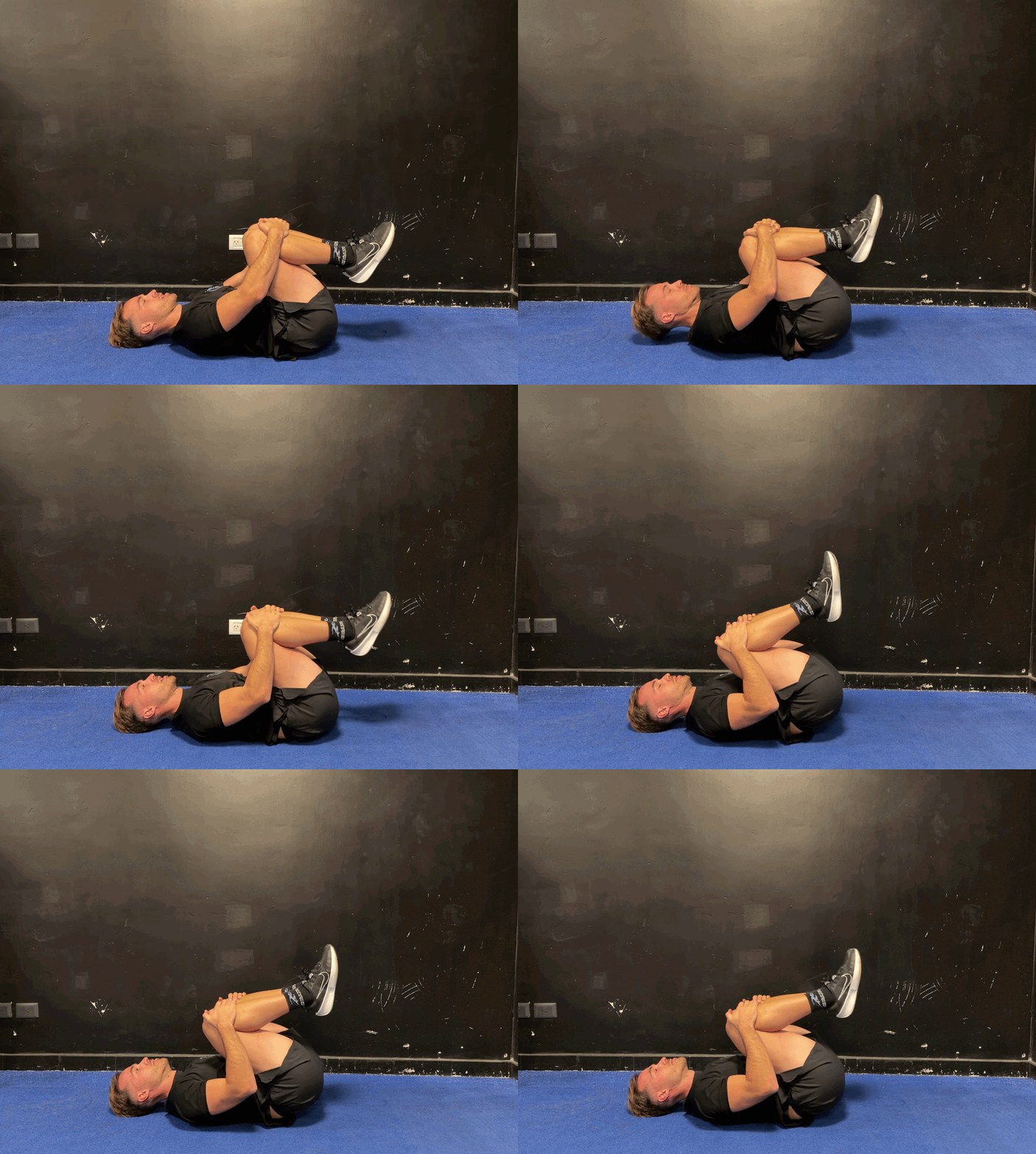
How to · How To Do the Knees to Chest Rock
The movement should be small, controlled, and focused on massaging the length of his spine.
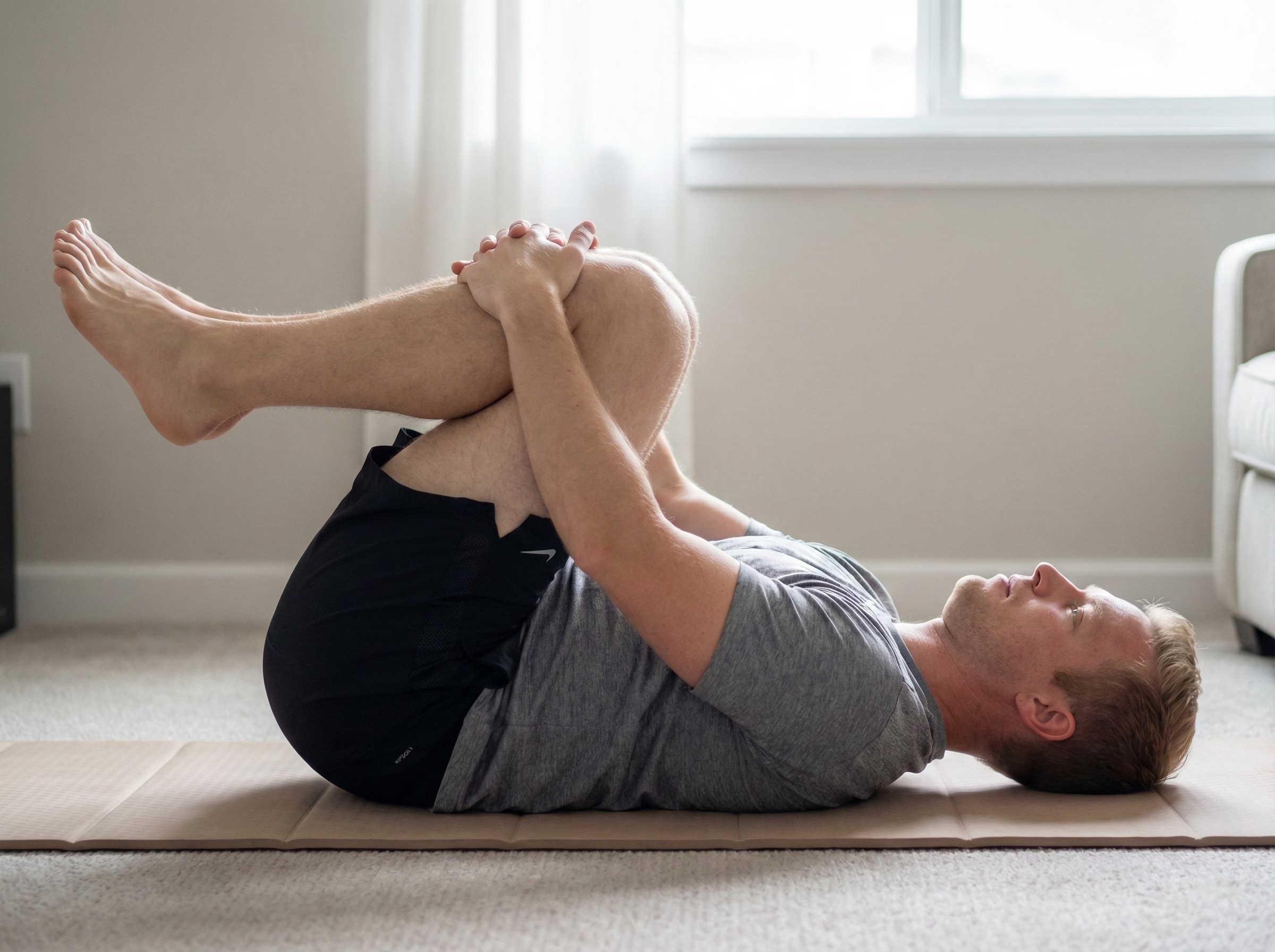
- Supine Knees-to-Chest Setup: Lie on his back on the mat. Bend both knees and hug them gently toward his chest, wrapping his arms around his shins or behind his thighs. His head should rest comfortably on the floor.
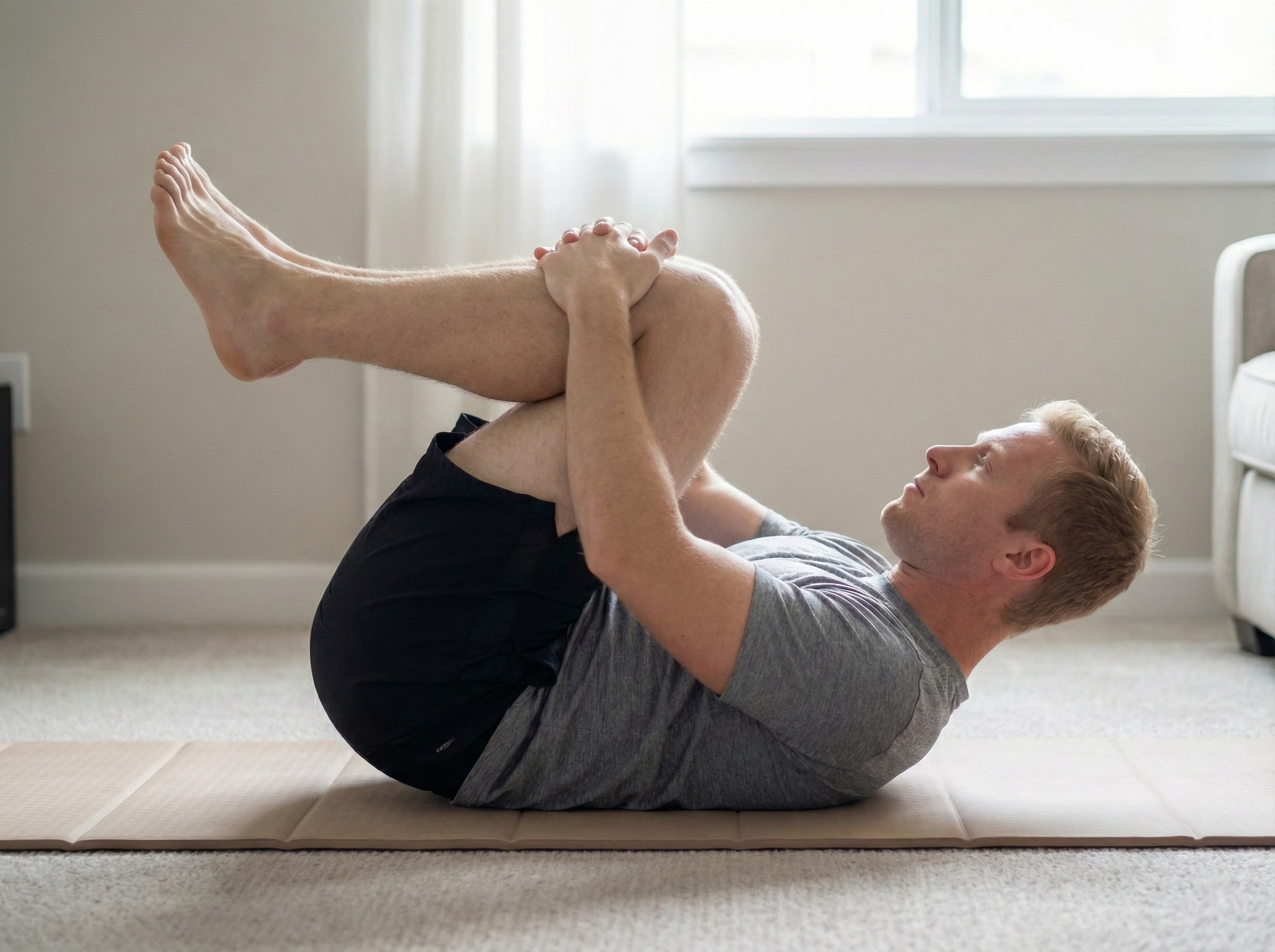
- Rounded Spine Rock Back: Gently push off his lower back to rock backward. The motion should be small—just enough for his hips to lift slightly and his lower/mid-back to roll onto the mat. His spine maintains a rounded shape throughout.
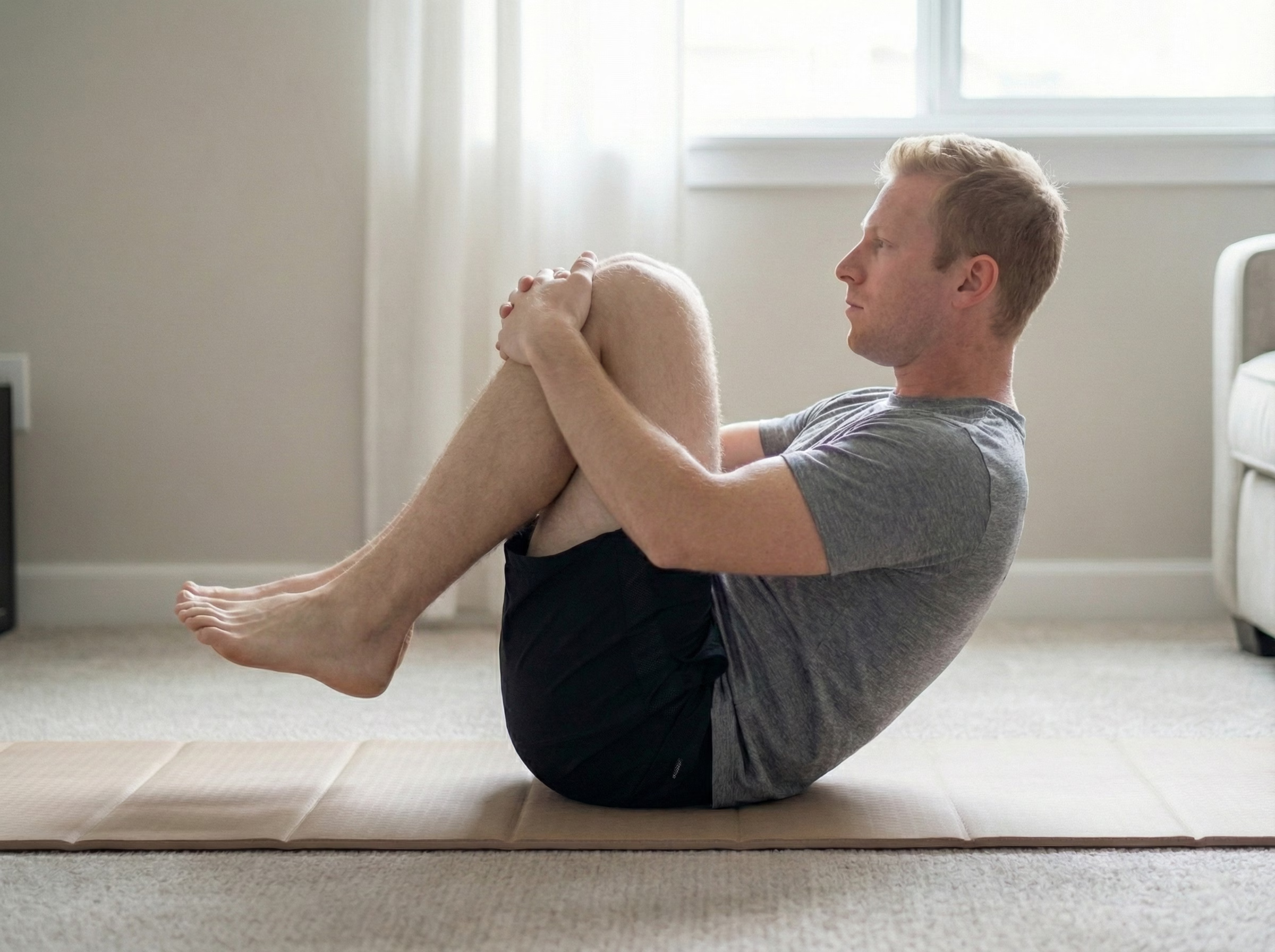
- Rock Forward: Use the momentum to roll forward slightly, coming to a point where his feet hover just off the floor, but he avoids pulling himself up aggressively.
- Controlled Repetitions: Continue rocking slowly and smoothly (like a rocking chair) between the two positions (back and forth) for 10–15 repetitions. The movement should feel relaxing and should massage the entire length of his spine.
- Finish: End by holding the static Knees-to-Chest position (Variation 1) for 30 seconds to lock in the decompression.
- “Keep his neck and shoulders relaxed; the movement comes from his hips/core.”
- “Imagine his spine is rolling like a smooth ball—no jerky movements.”
- “The movement is subtle—don't roll so far that his neck jams into the mat.”
Holds & Frequency · Reps, Sets, and Weekly Plan (Height-Focused)
Frequent, gentle motion is key to mobilizing the spine and relieving low back compression.
Tip: This is a powerful recovery tool. Performing this drill after a long day of sitting or standing will help counteract the gravitational compression his spine experienced.
Variations · Scaling the Decompression
Use these options to find a suitable intensity for his back or to focus on one side at a time.
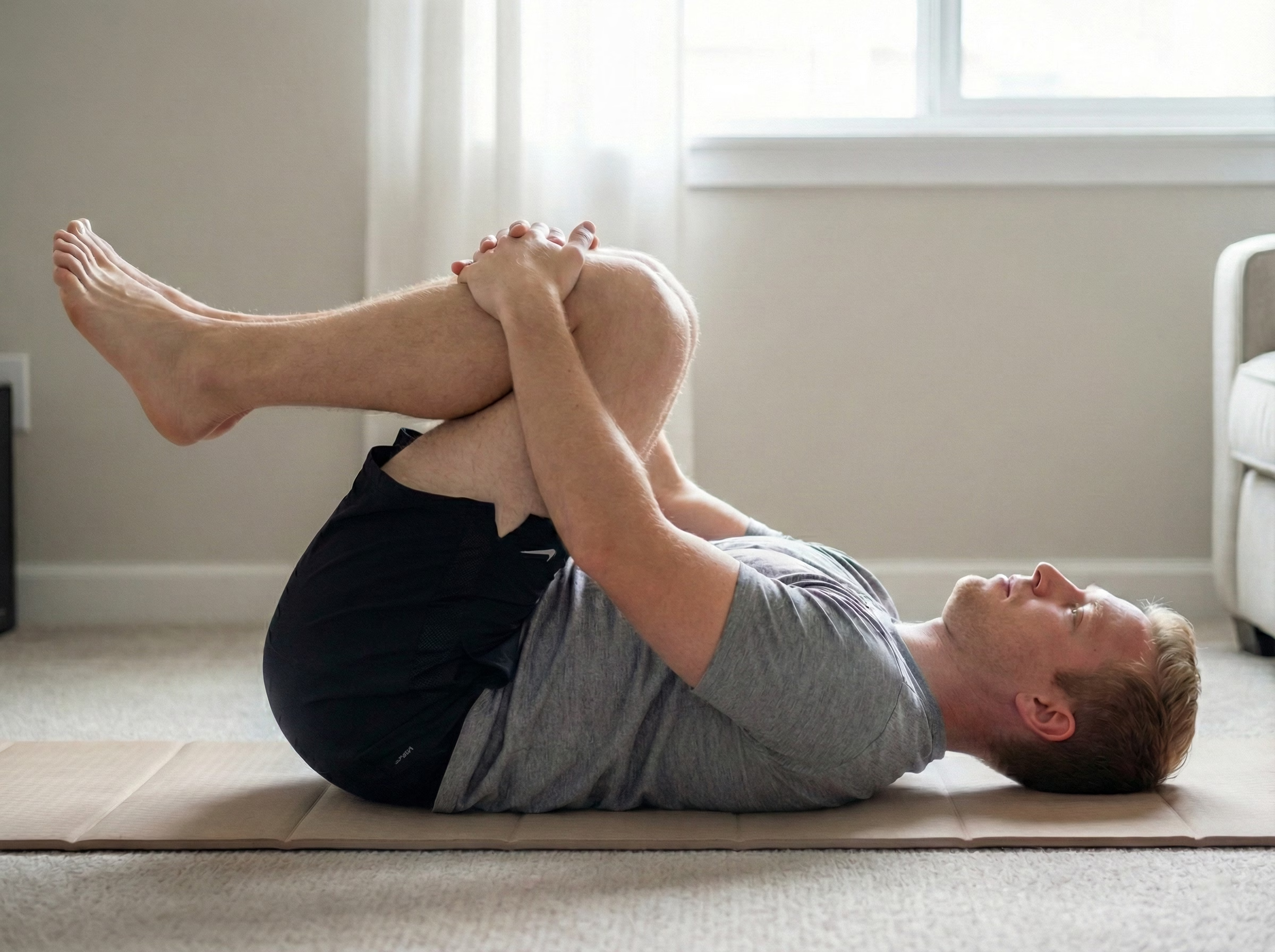
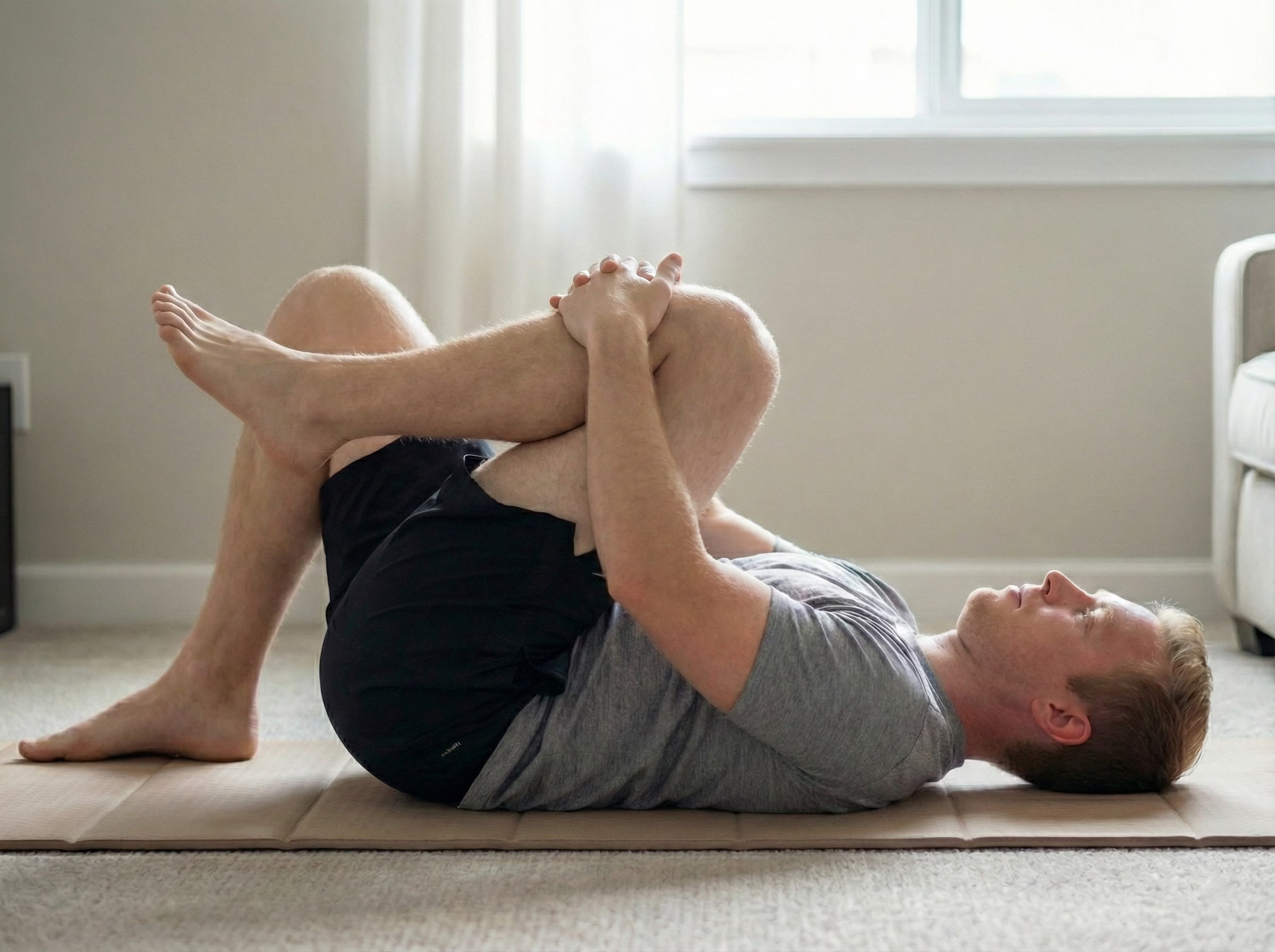
Height Impact · How Spinal Massage Adds Vertical Length
- When he rocks, he creates subtle traction along the entire lumbar and mid-spine, which encourages the vertebral discs to absorb fluid and re-plump after a day of gravitational compression.
- The rounded position gently stretches the deep spinal muscles and hip extensor muscles, helping to release the chronic tension that pulls his torso into a hunched, shorter posture.
- By mobilizing the lumbar region in a safe, supported position, he prepares his lower back to achieve a neutral, elongated stack when he stands (avoiding the common swayback collapse).
- This is one of the quickest ways to relieve stiffness and "unstick" the low back, directly contributing to the small vertical gains possible through postural correction.
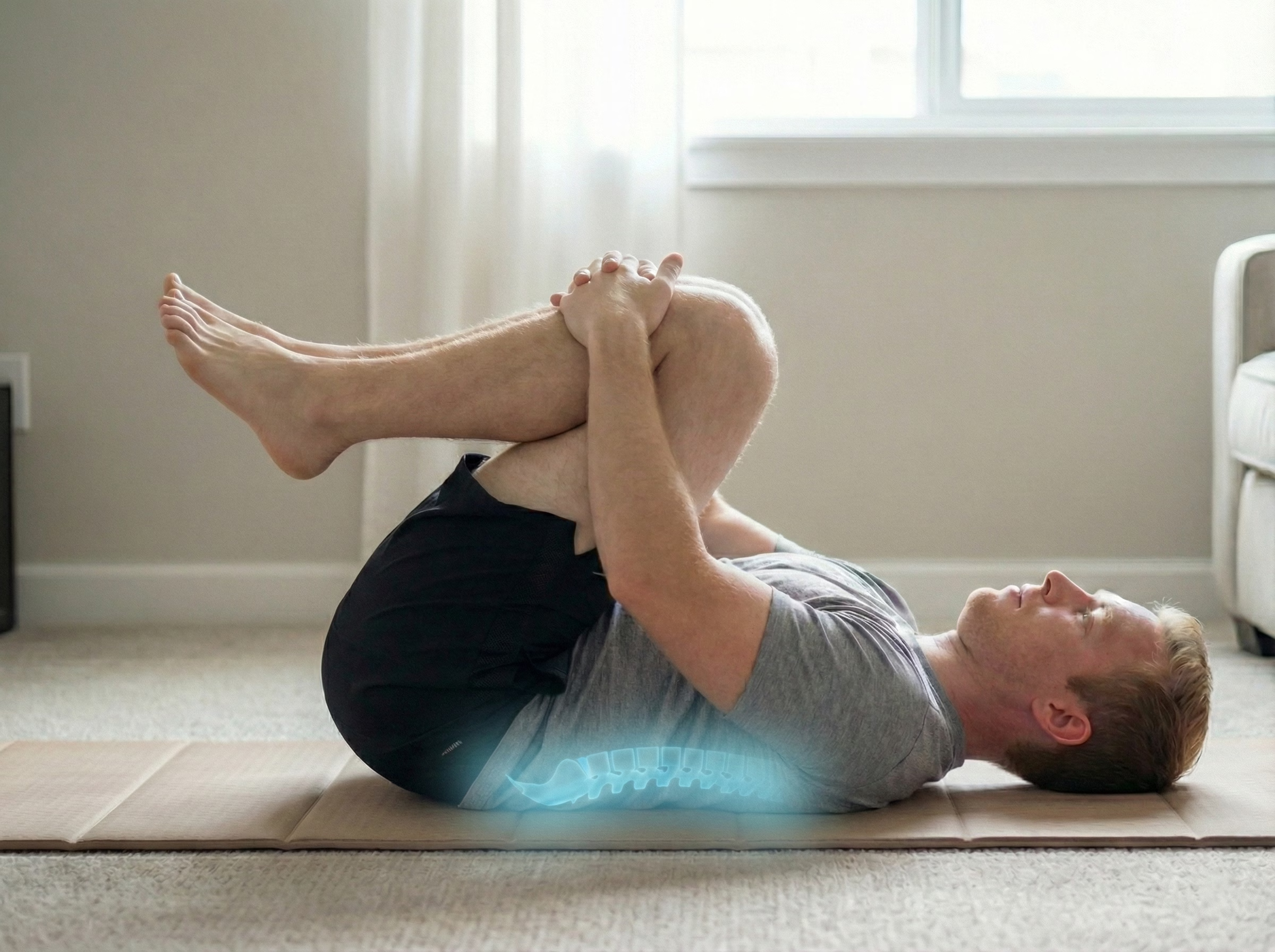
Panel 1 – Gentle Lumbar Decompression
Side view of he in a still knees-to-chest hold with a small rock, lower back in comfortable contact with mat, hips slightly lifted. Add a soft light blue glow along his lower back and sacrum region to show decompression. 4:3 aspect ratio, full body.
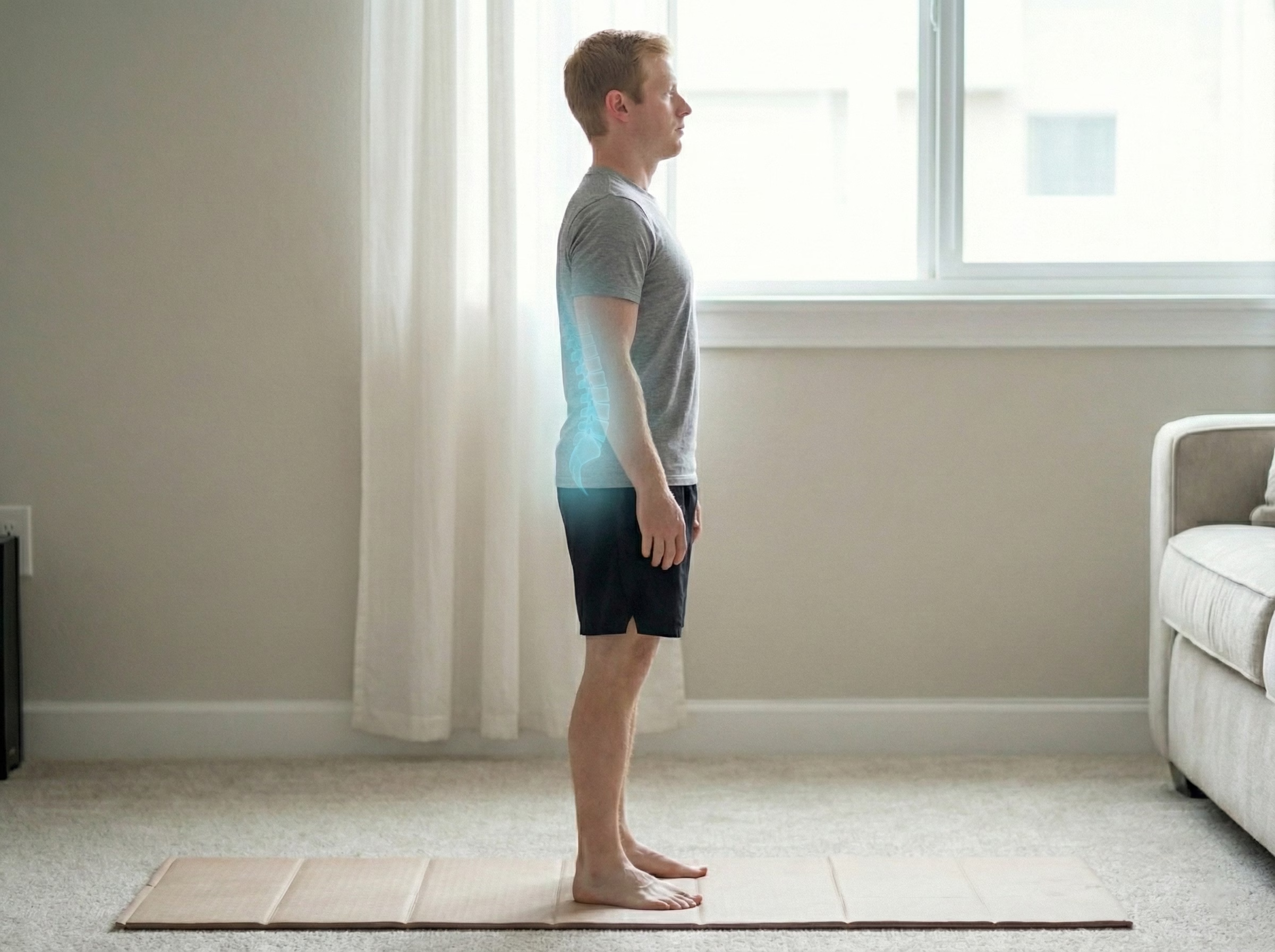
Panel 2 – Relaxed Tall Standing After Decompression
Side view of he standing on the mat after the drill: posture relaxed but taller, lower back feeling looser, shoulders soft. Add a soft light blue glow along his lumbar spine and hips to show the area that benefited from the rocking. 4:3 aspect ratio, full body.
Form & Safety · Key Technique Cues, Precautions & Common Mistakes
- Keep his body rounded like a ball, maintaining the hug on his legs throughout the rock.
- Ensure his head and neck stay relaxed, following the natural curve of the spine.
- Use a small, controlled range of motion; the rock should be subtle and smooth.
- Never yank his knees aggressively or push into a sharp, pinching sensation.
This gentle massage is safe for most, but excessive force should be avoided.
- If he has acute sciatica or disc issues, perform only the static hold (Variation 1), avoiding the rocking motion entirely.
- Avoid rolling onto his neck/head (Mistake #1); the movement should be centered on his mid-back.
- Stop immediately if he feels sharp pain or discomfort during the motion.
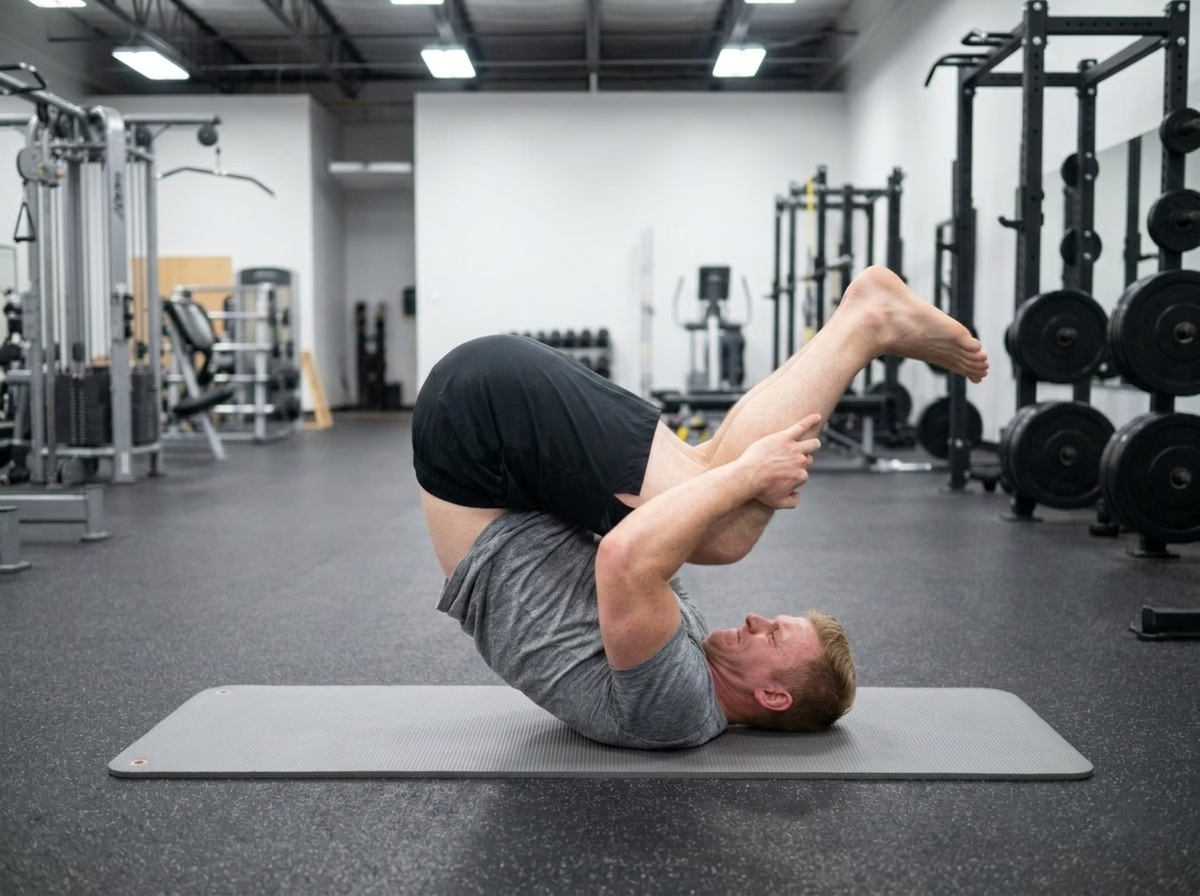
- Rocking aggressively or too far backward, which jams his neck and shoulders.
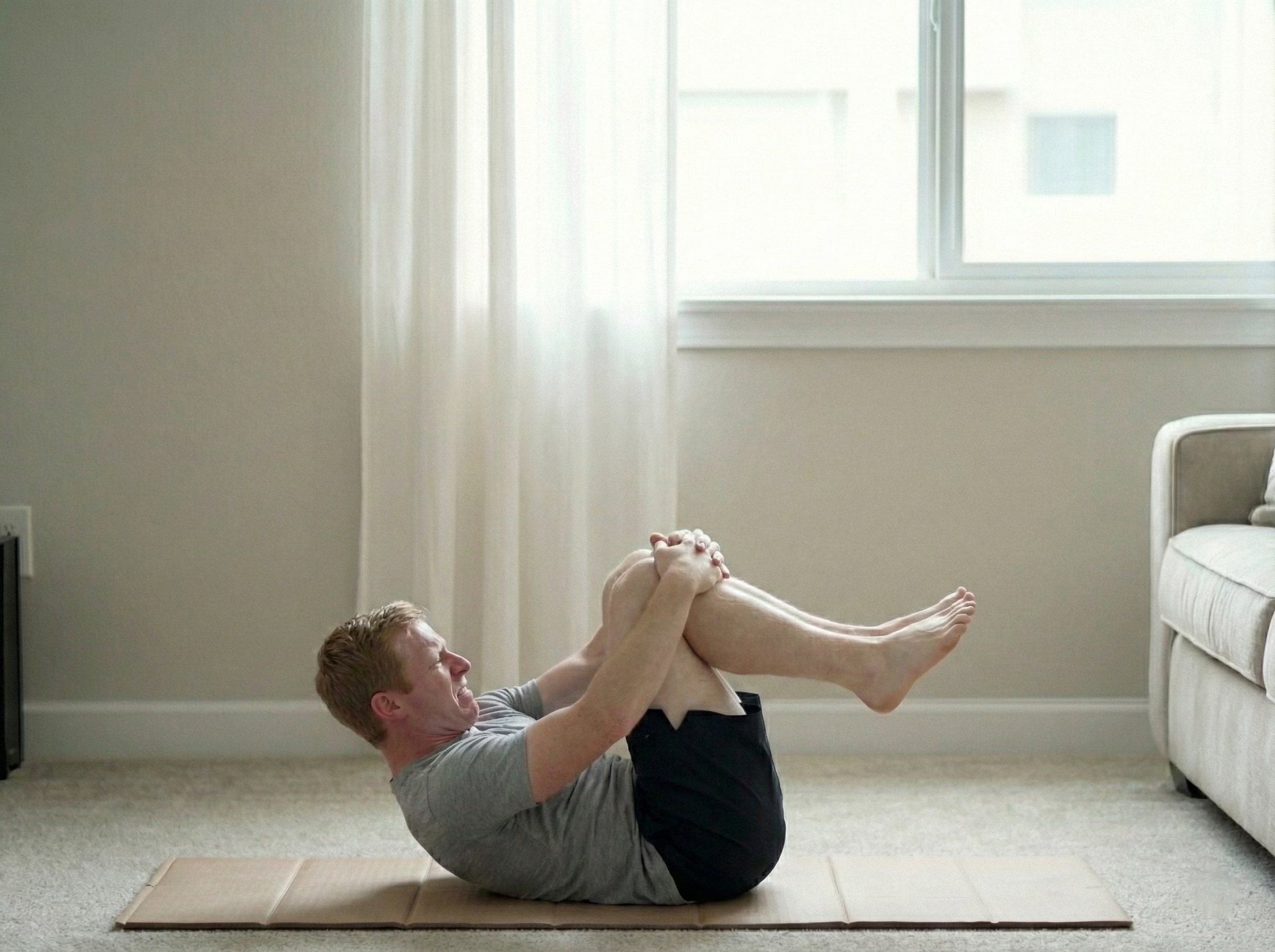
- Pulling his knees too tightly to his chest, which may pinch his low back instead of relaxing it.
- Using sharp, jerky movements instead of a smooth, rhythmic rock.
- Letting his legs or arms fully release, losing the rounded shape of the spine.
**Why it steals height:** Excessive force and range causes the neck to compress and can irritate the cervical and upper thoracic spine, leading to muscle tension that locks his posture instead of freeing it.
**Why it steals height:** Yanking the knees too hard forces the low back into an intense, cramped flexion that may cause muscle spasm or pinching, defeating the goal of gentle decompression.
Pair With · Best Exercises to Pair With the Knees to Chest Rock
This decompression drill is the perfect precursor to core stability and standing posture exercises:
Use the Rock first to decompress his lower back and improve segmental spinal movement. Then, immediately transition into core stability drills (Glute Bridge, Dead Bug) to lock in the non-compressed length.
FAQ · Common Questions About the Knees to Chest Rock
-
Q1 How does a simple rock help his height? ›The gentle rocking motion creates subtle, rhythmic traction that encourages fluid cycling in his vertebral discs. This helps counteract the compression caused by gravity and sitting, making his spine longer, more mobile, and ready to stack vertically for maximum standing height.
-
Q2 Should he hold the rock or keep moving? ›He should generally keep moving slowly and smoothly to achieve the massage and fluid pumping effect. However, if he has acute discomfort, he can stop and hold the static knees-to-chest position (Variation 1) for a sustained period of gentle, passive decompression.
-
Q3 He feels the rock only in his low back, not higher up. Is that okay? ›It's normal to feel it most intensely in the low back (lumbar spine) as that is the most compressed area. To feel it higher up, he needs to ensure he maintains the rounded shape of his spine (ball position) throughout the movement, preventing his head or neck from tensing and allowing the roll to extend higher into his mid-back.