
McGill Curl-Up : .Prevent Spinal Compression
Build a bulletproof core without crushing your spine.
The McGill Curl-Up stiffens the core to protect the low back, allowing you to stand tall without pain or compression that steals your height.
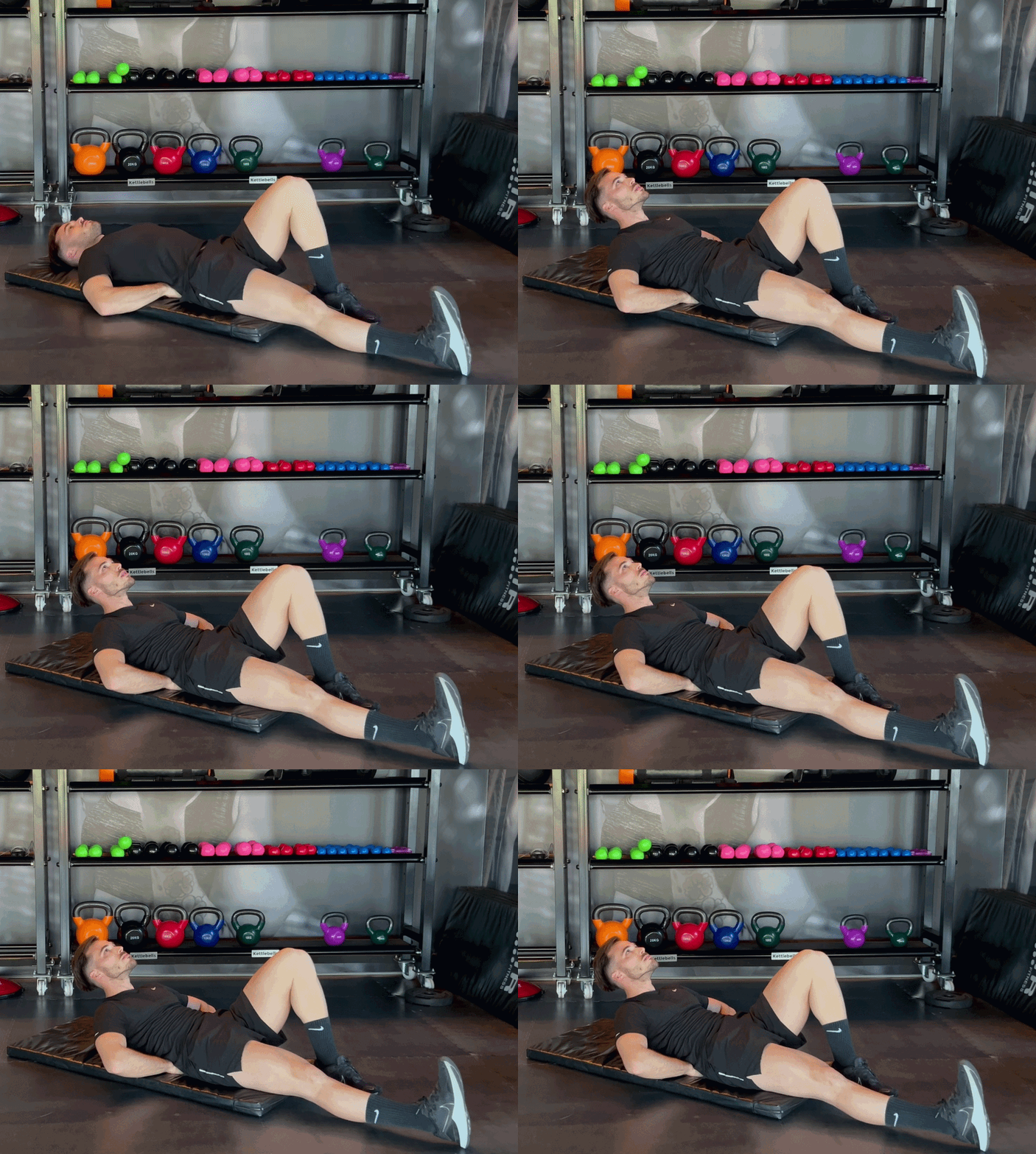
How to · How To Do The McGill Curl-Up
This is not a sit-up. The goal is to stiffen the core while keeping the spine totally neutral.
- Setup with precision: Lie on your back. Bend one knee (foot flat) and keep the other leg straight. Slide your hands under the natural arch of your low back to monitor your spine position.
- Brace and lift: Stiffen your abdominal muscles as if about to be punched. Lift your head and shoulders barely off the floor as a solid unit. Do not tuck your chin or crunch your neck.
- Hold and breathe: Hold the raised position for about 10 seconds while breathing shallowly. Do not let your lower back flatten onto your hands.
- Lower with control: Slowly lower your head and shoulders back to the mat. Relax for a moment, then repeat. Switch the bent leg halfway through your set.
- “Don't flatten your back onto your hands—maintain the arch.”
- “Imagine your head and shoulders are fused together.”
- “Lift with your abs, not your neck.”
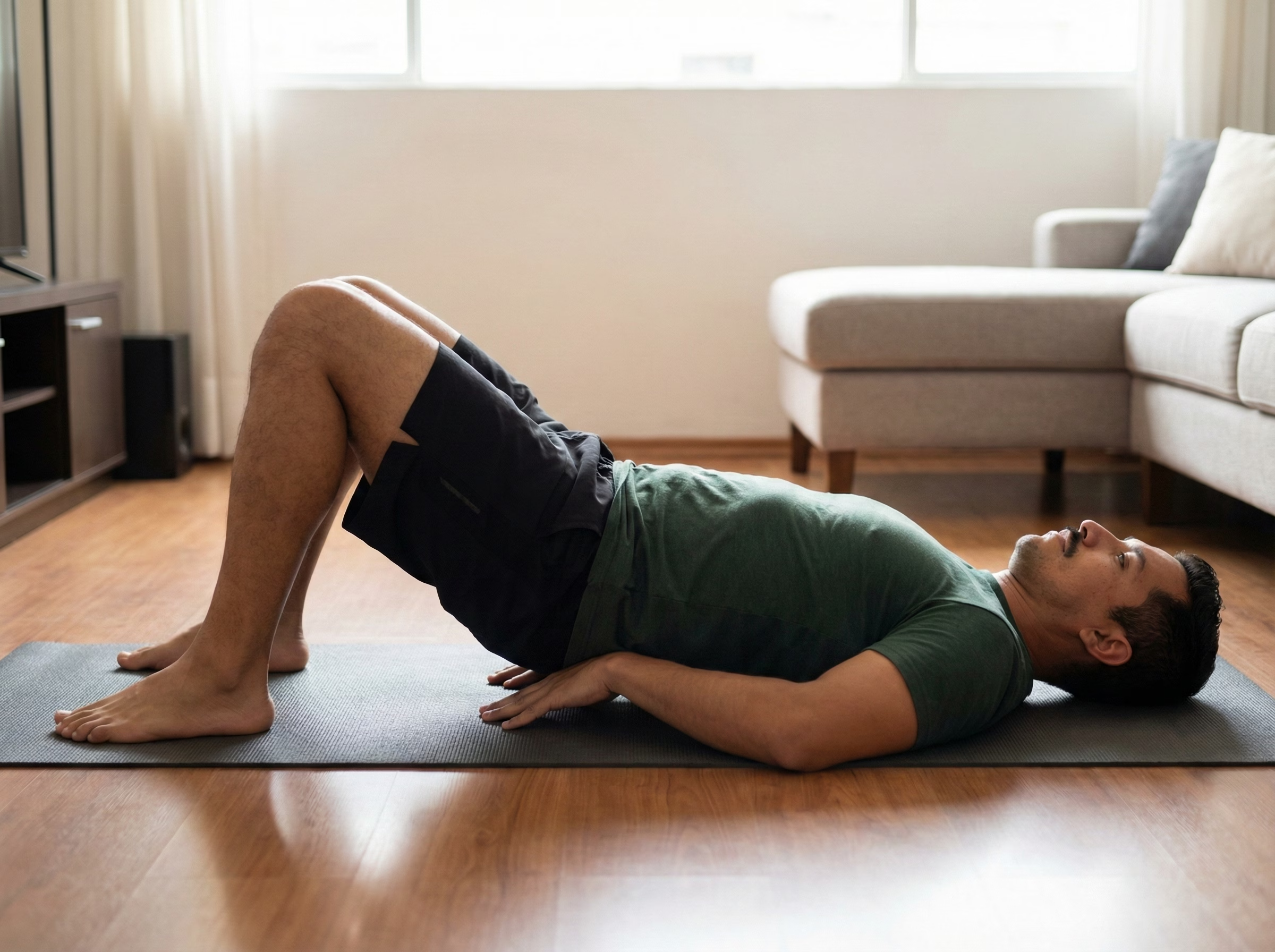
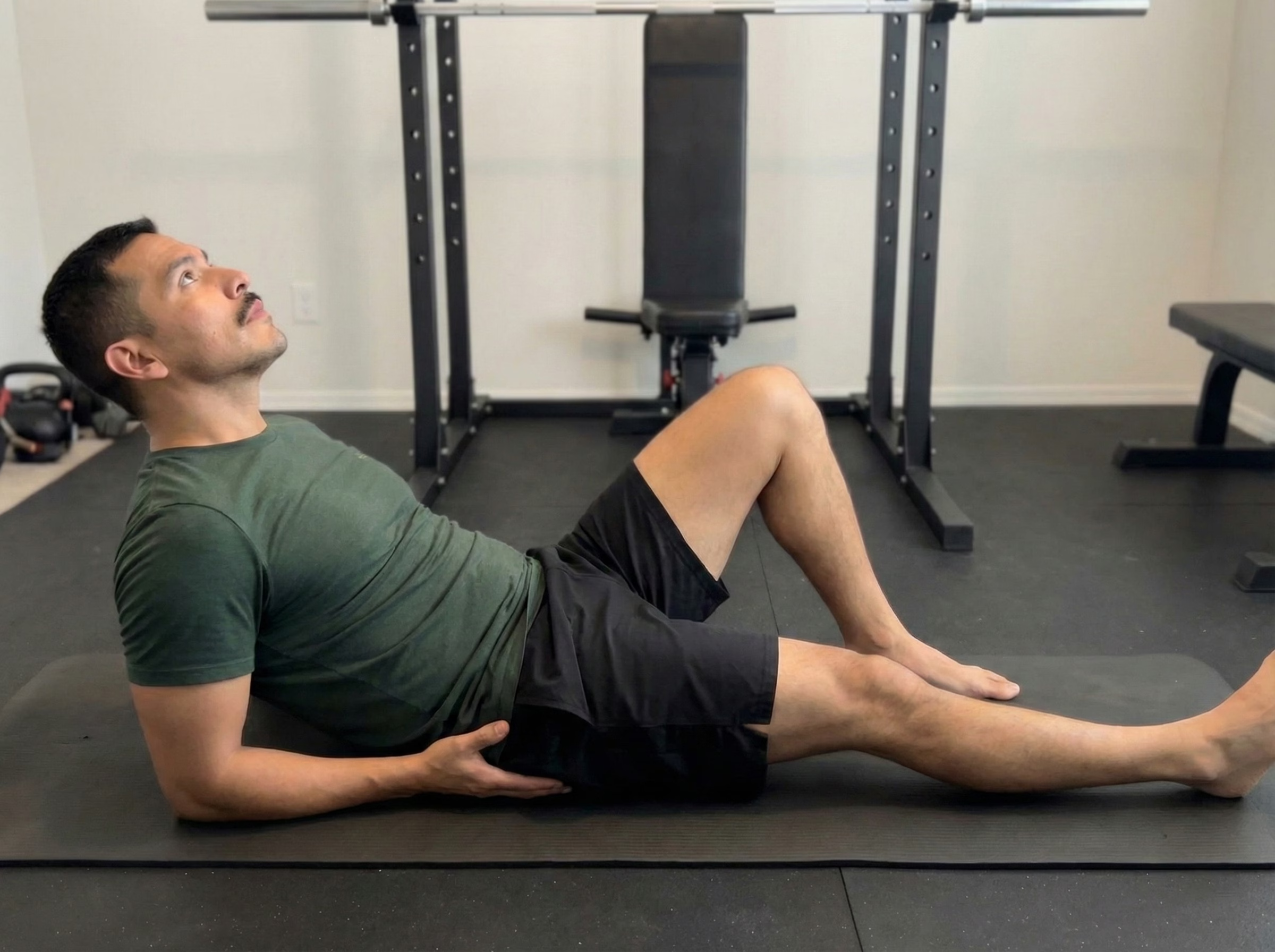
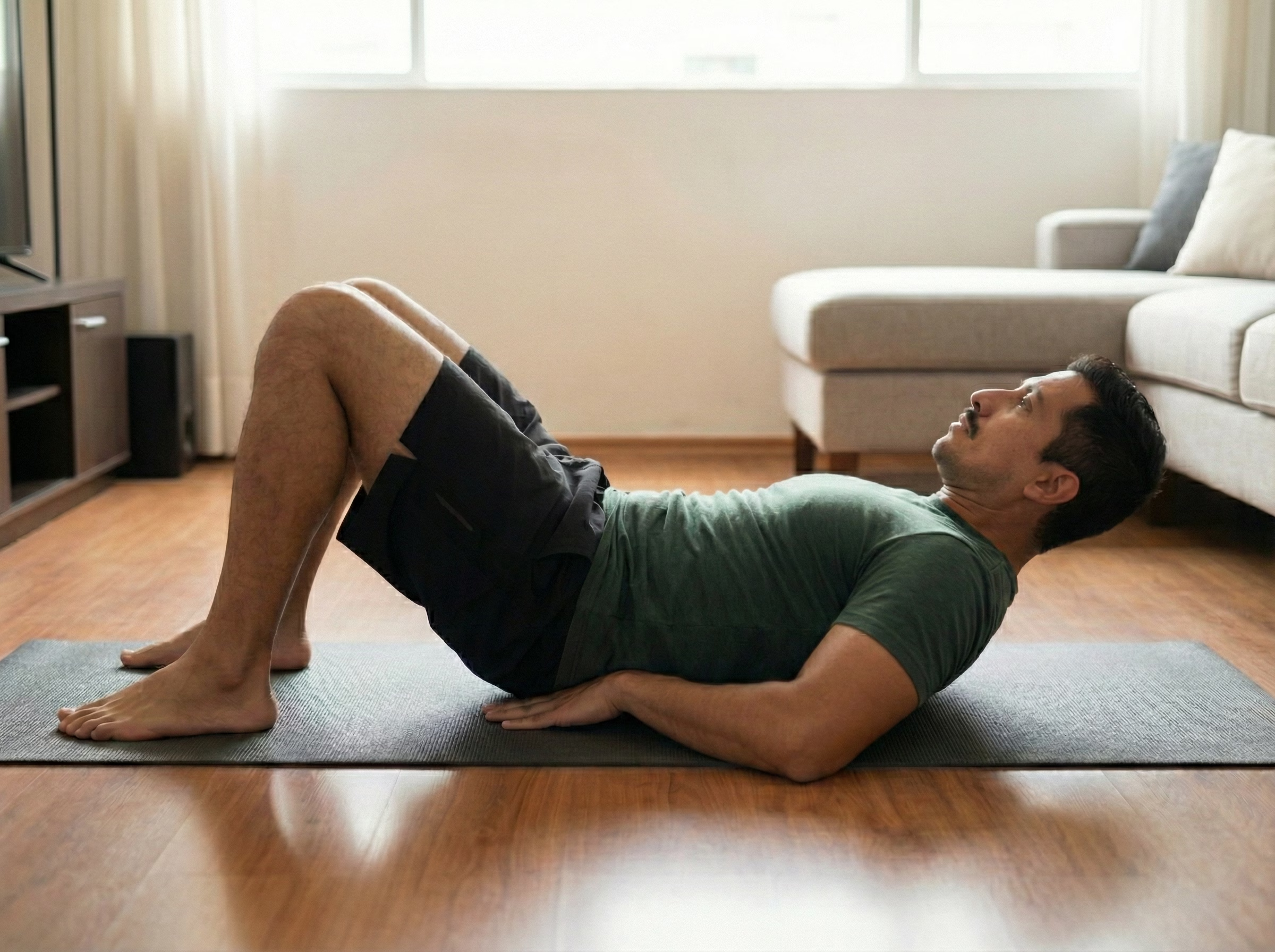
Flow & Sets · Reps, Sets & Frequency (Height-Focused)
Focus on endurance (holding) rather than movement (reps).
Tip: The goal is to build a "stiffness" reserve so your spine stays supported all day long.
Variations · Adjusting the Intensity
Same goal—stability—but tuned for your current core strength.
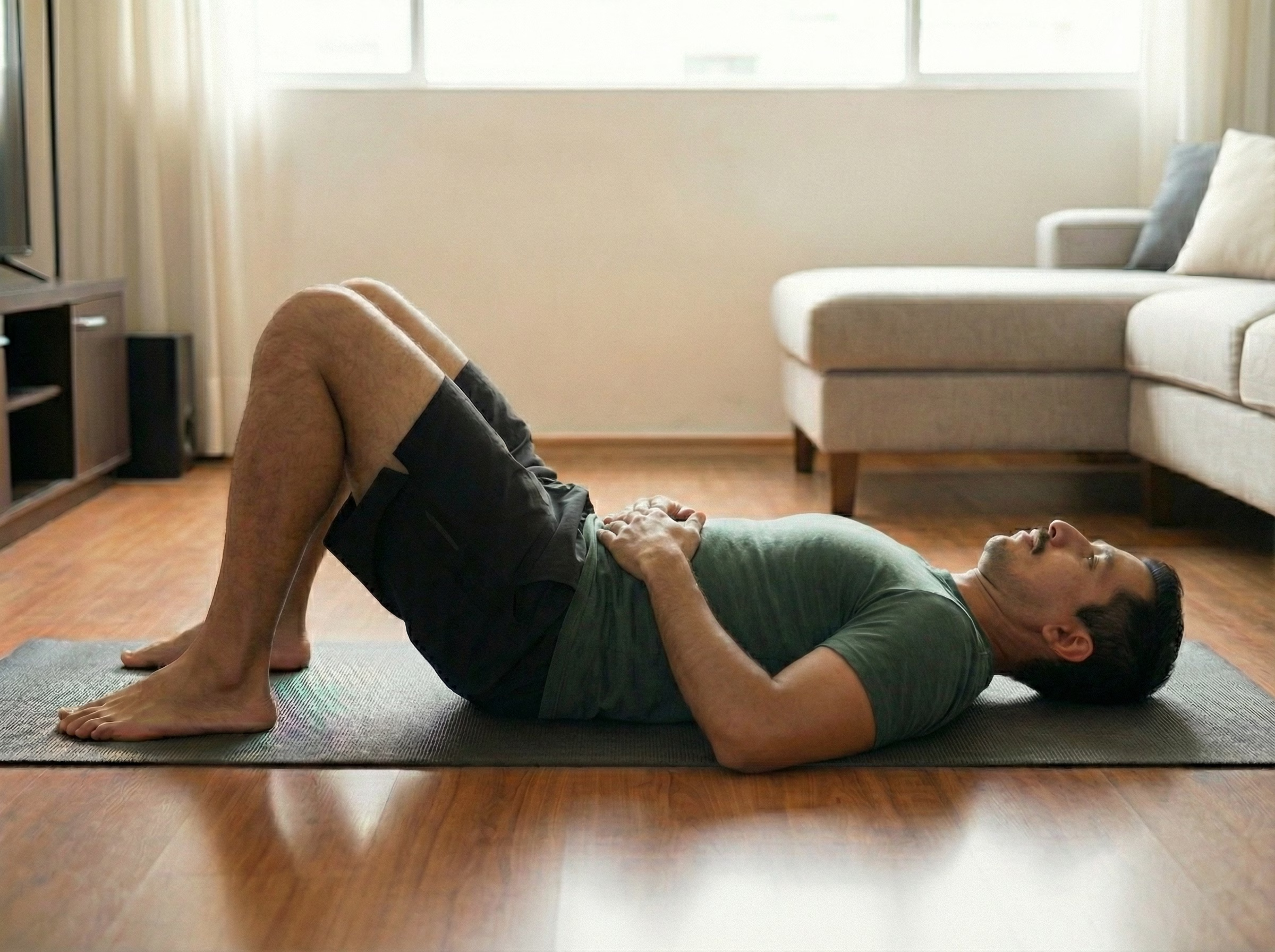
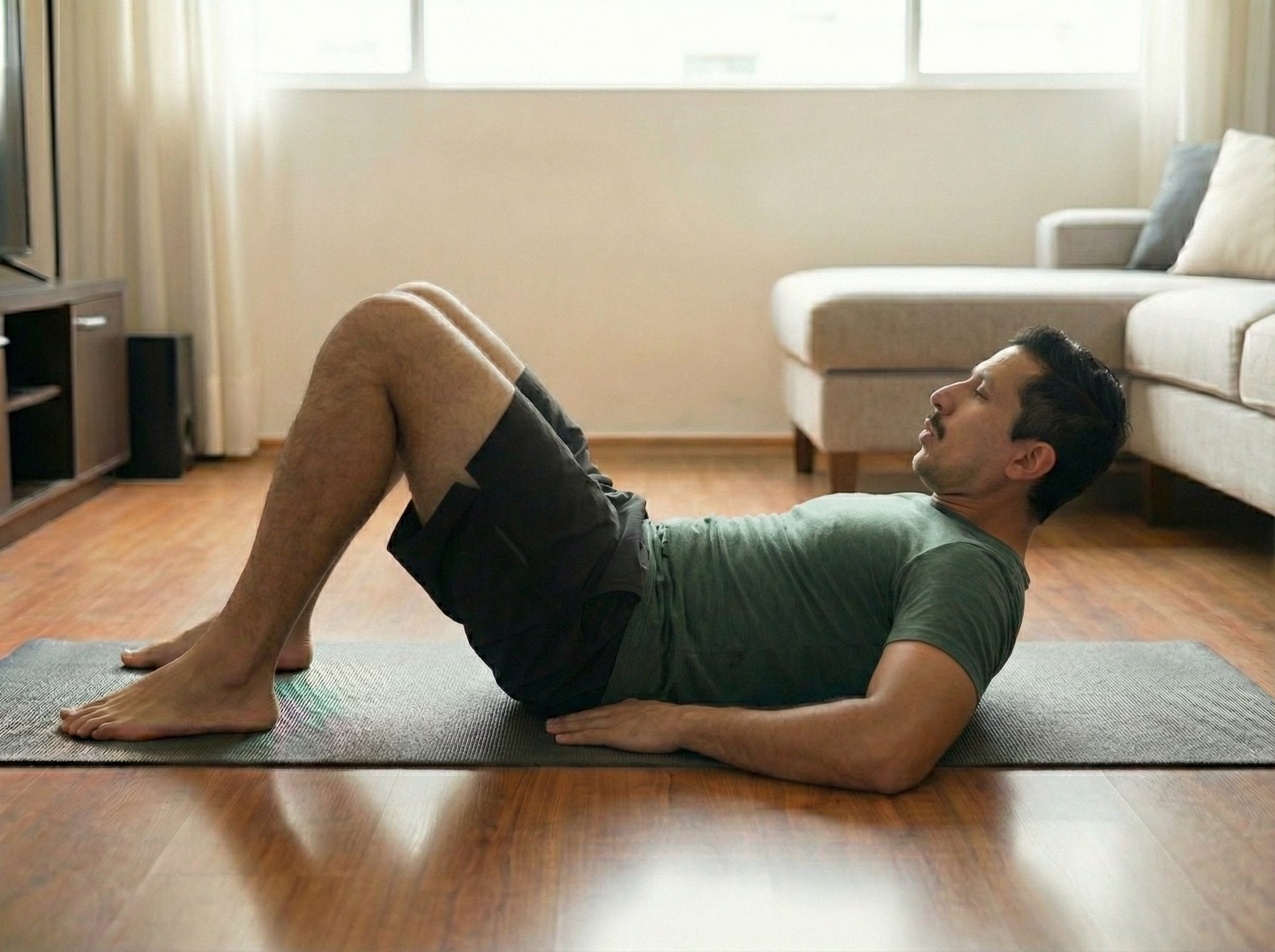
Height Impact · How McGill Curl-Up Supports Your Height
- Many people lose height during the day because their core gets tired and they slouch, compressing the discs.
- The Curl-Up builds deep endurance in the abdominals without flexing the spine (which can cause disc bulges).
- Short-term: You feel more "solid" and upright immediately after, as the muscles are primed to hold you up.
- Long-term: By protecting the discs from micro-movements and compression, you maintain better hydration in the spine and a naturally taller standing posture.
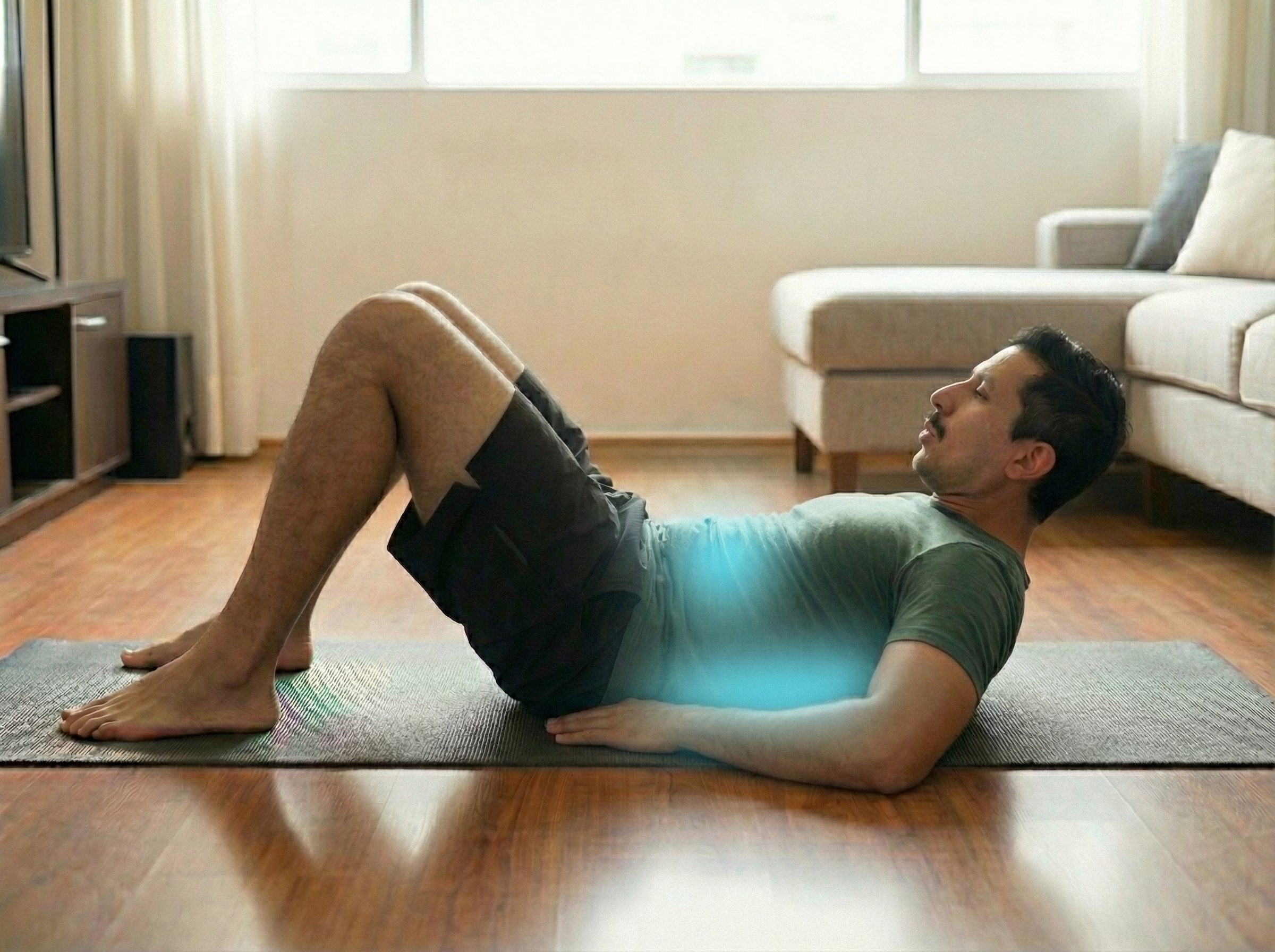
Panel 1 – Neutral Spine Control
Side view in setup: one knee up, one leg straight. A soft light blue glow highlights his deep core and lower back area, showing the stability protecting the spine before movement even begins.
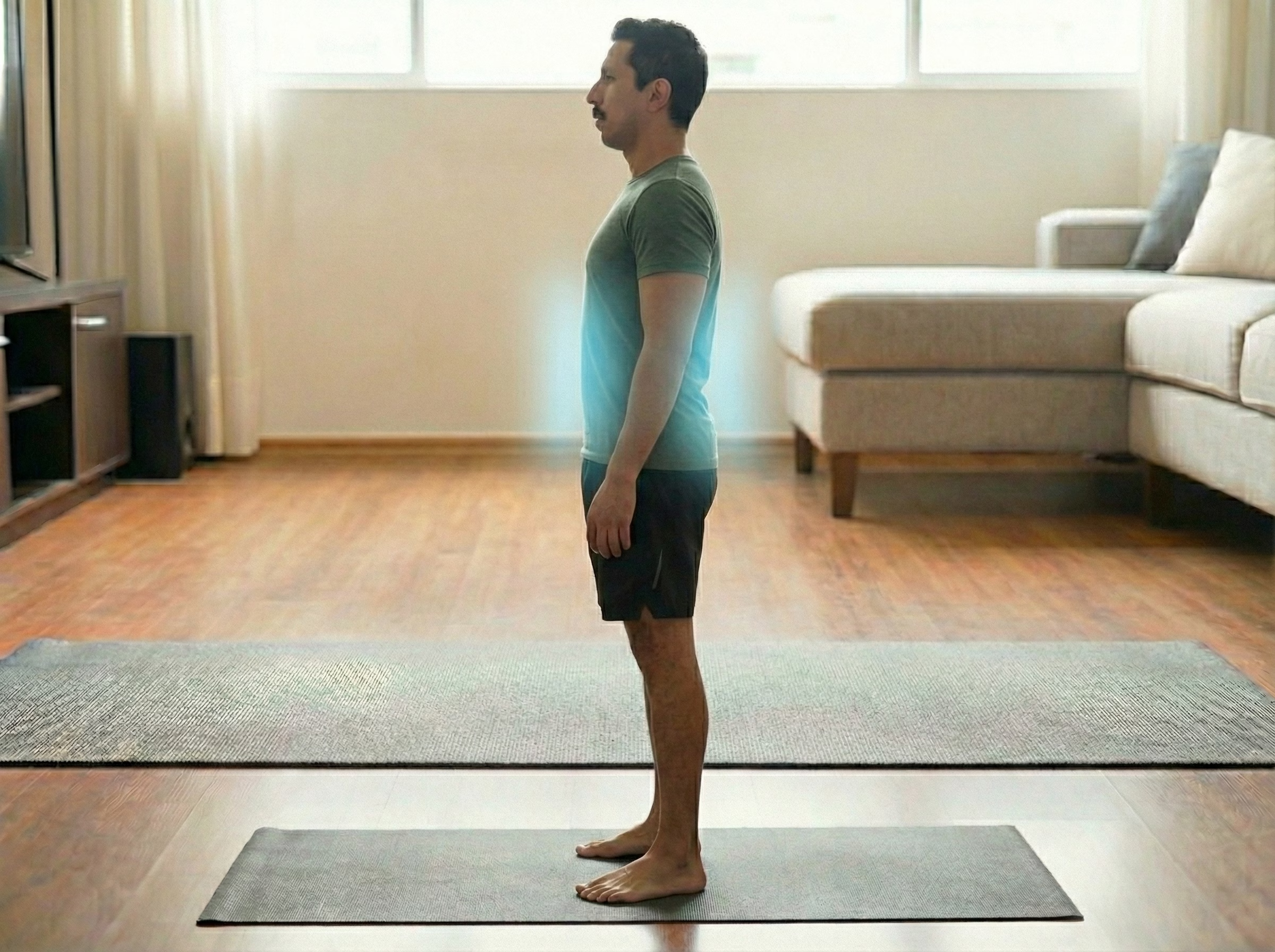
Panel 2 – Standing Posture with Solid Core
Now standing tall: pelvis neutral, ribs down. A soft light blue glow around his abdominal region shows how the endurance built on the floor supports a long, controlled posture line when upright.
Form & Safety · Key Technique Cues, Precautions & Common Mistakes
- Hands under the lower back to detect if spine flattens.
- Pivot from the sternum, don't crane the neck.
- Elbows can stay on the floor for support if needed.
- Hold the breath briefly or breathe shallowly during the hold.
Designed specifically for back pain relief, making it very safe.
- Avoid if you feel sharp pain; adjust the leg position.
- Do not turn this into a crunch; range of motion is tiny.
- Focus on tension, not height of the lift.
- Chin poking forward (chicken neck).
- Flattening the lower back into the floor.
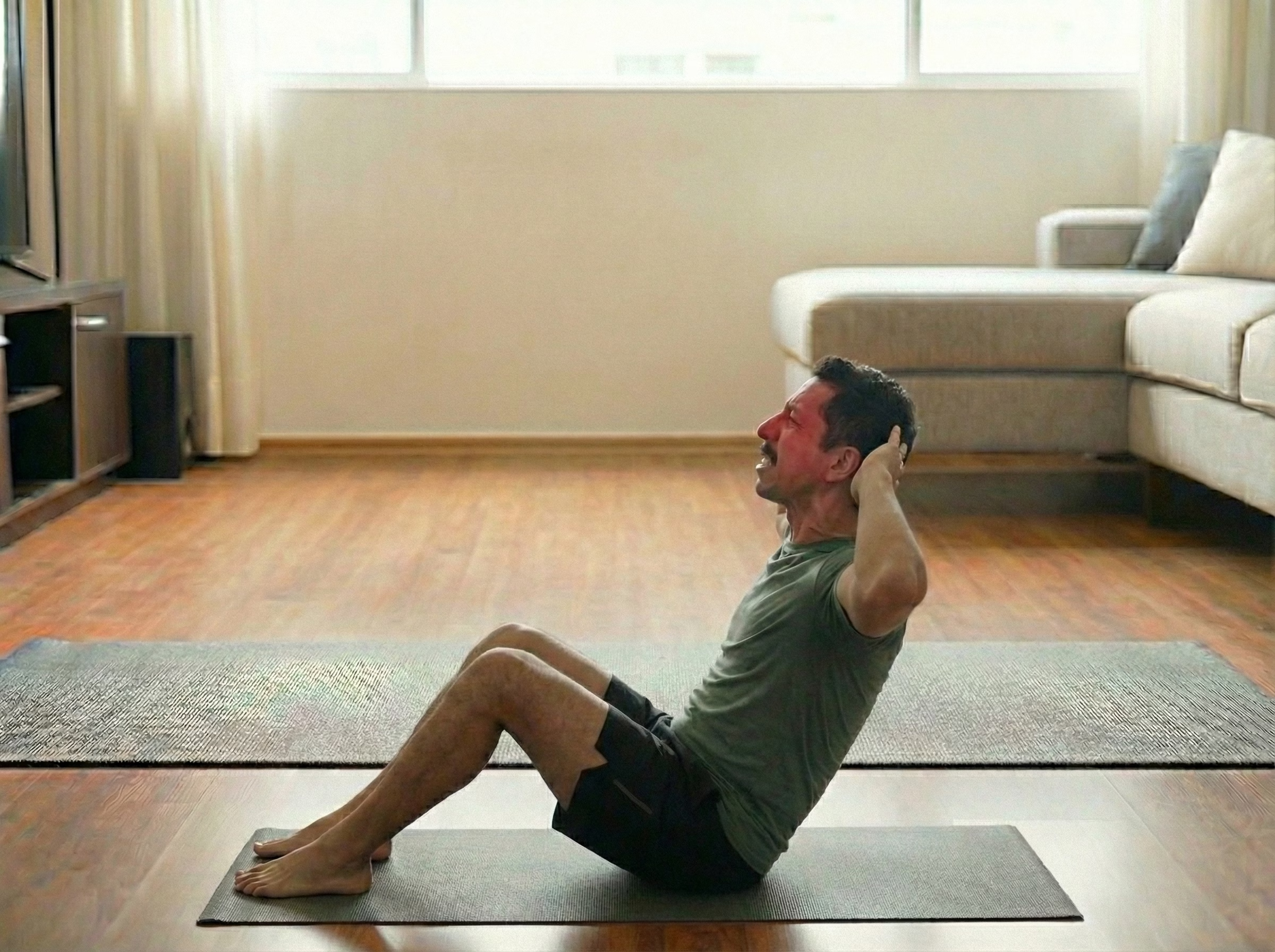
- Holding breath until face turns red.
- Curling up too high like a gym sit-up.
Why it fails: This compresses the spinal discs rather than stabilizing them.
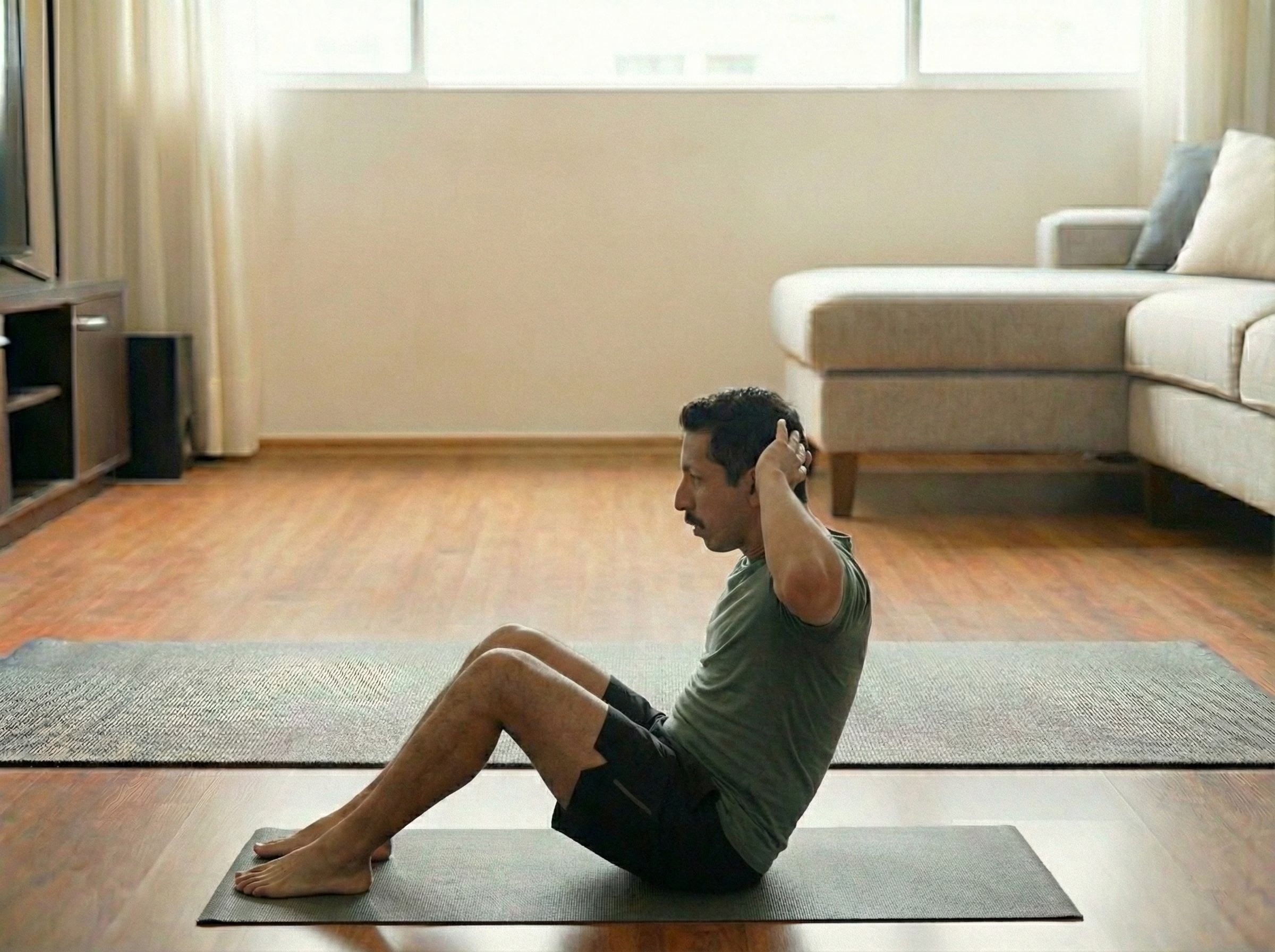
Why it fails: Momentum bypasses the deep stabilizers. You need controlled, static tension.
Pair With · Best Exercises to Pair With McGill Curl-Up
The Curl-Up is part of the "Big 3". Pair it with:
Do the Curl-Up, Side Plank, and Bird Dog in sequence to lock in core stability from all angles before doing mobility work.
FAQ · Common Questions About McGill Curl-Up
-
Q1 Is this just a small crunch? ›Visually yes, but mechanically no. A crunch flexes the spine (bad for discs); the McGill Curl-Up keeps the spine neutral while activating the muscles. The movement happens at the thoracic spine, not the lumbar.
-
Q2 Why do I put my hands under my back? ›Your hands act as pressure sensors. They ensure you maintain the natural arch of your lower back. If you feel your back crushing your fingers, you are flattening out, which we want to avoid.
-
Q3 Can I do this if I have back pain? ›This exercise was specifically designed by Dr. Stuart McGill for people with back pain. However, always stop if you feel sharp pain and consult a professional.