
Sprints : .Activate Growth Hormones
Short, all-out bursts that flood your legs with lactic acid and tell your body it needs to grow back stronger.
These aren’t “easy jogs.” Growth Activation sprints push your big leg and glute muscles into an anaerobic zone so your body releases natural growth hormone later that day and while you sleep.
Pillar · Growth Activation
This exercise lives in the Growth Activation pillar. It’s picked because it can:
- Drive your legs and glutes hard enough to build lactic acid and metabolic stress.
- Push you into an anaerobic “I’m out of breath” zone instead of slow, casual cardio.
- Send a strong signal to your pituitary gland to release more Human Growth Hormone (HGH) later for repair and growth.
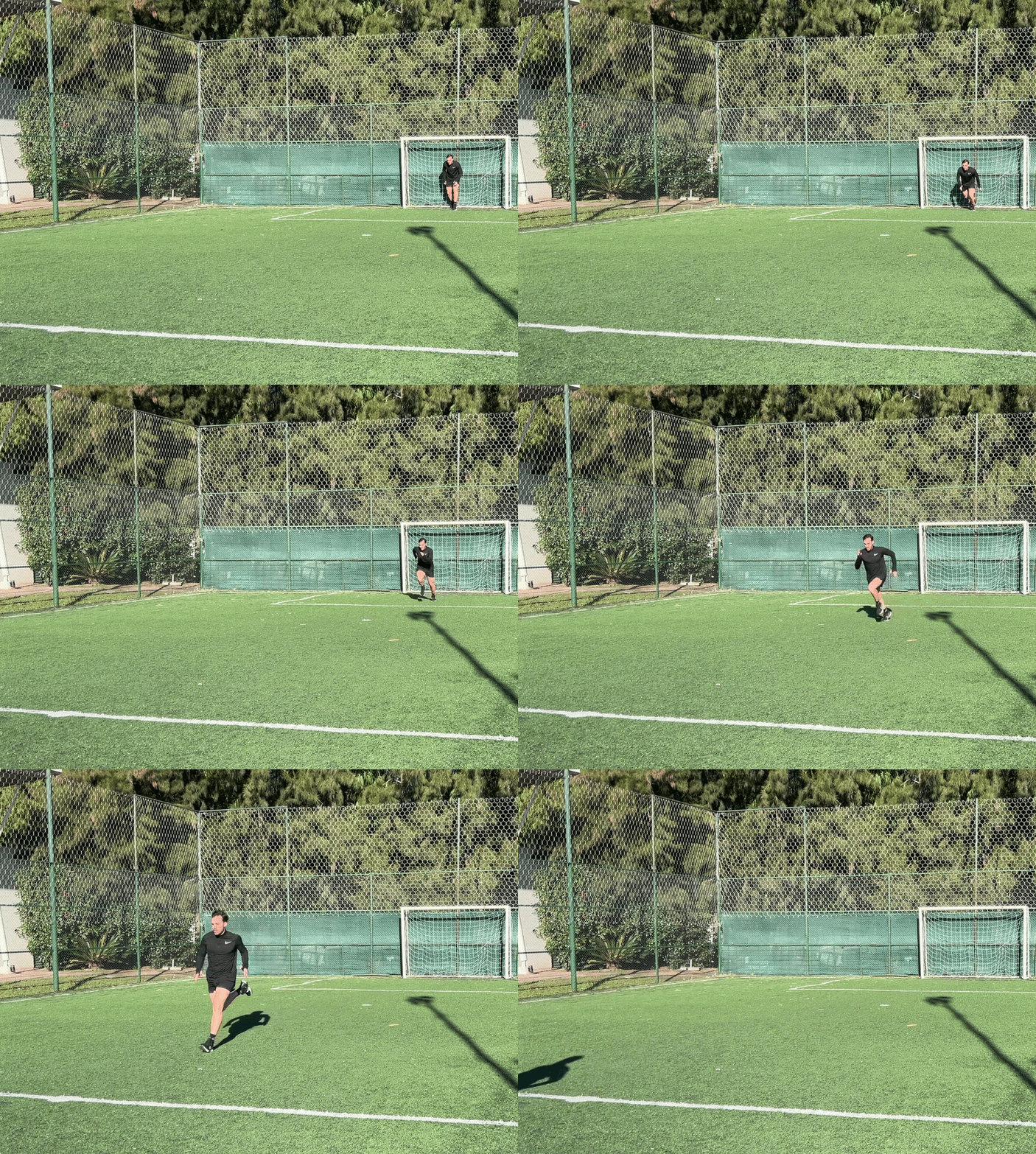
How To · How To Do Sprints (Growth Activation Style)
We don’t jog. We sprint. Short, sharp attacks that push you into the Growth Activation zone, then full rest.
- Step 1 – Warm up like an athlete. 5–8 minutes of easy jog or fast walk, then 3–4 short build-up runs (about 3–4 seconds each) at 50%, 70%, then 85% speed. Your legs should feel awake and loose before you go all-out.
- Step 2 – Pick a short sprint distance. Use ~20–40 meters (or 5–10 seconds of running) on a safe surface like a track, flat field or quiet street. Growth Activation comes from how hard you go, not how far.
- Step 3 – Explode, don’t coast. From a standing start, drive hard off the ground and sprint like you’re racing someone. Build quickly up to 90–100% effort, then hold that until the end of the sprint. This is the “I’m breathless” piece that drives lactic acid and HGH.
- Step 4 – Full rest, no ego. After each sprint, walk slowly until your breathing comes most of the way back to normal. That’s usually 40–90 seconds. This rest is where the early Growth Activation signal settles into your system.
- Step 5 – Repeat with clean form. Hit your next sprint only when you can run fast with decent form again. Once your speed drops a lot or your legs feel heavy and sloppy, you’re done. Extra messy reps don’t add more growth—they just add junk fatigue.
- “Short and savage.” 5–10 seconds hard, then big rest.
- “Explosive, not pretty.” You should be breathing hard at the end, not chatting comfortably.
- “Stop one rep before disaster.” Once your form falls apart, the Growth Activation benefit is over for that day.


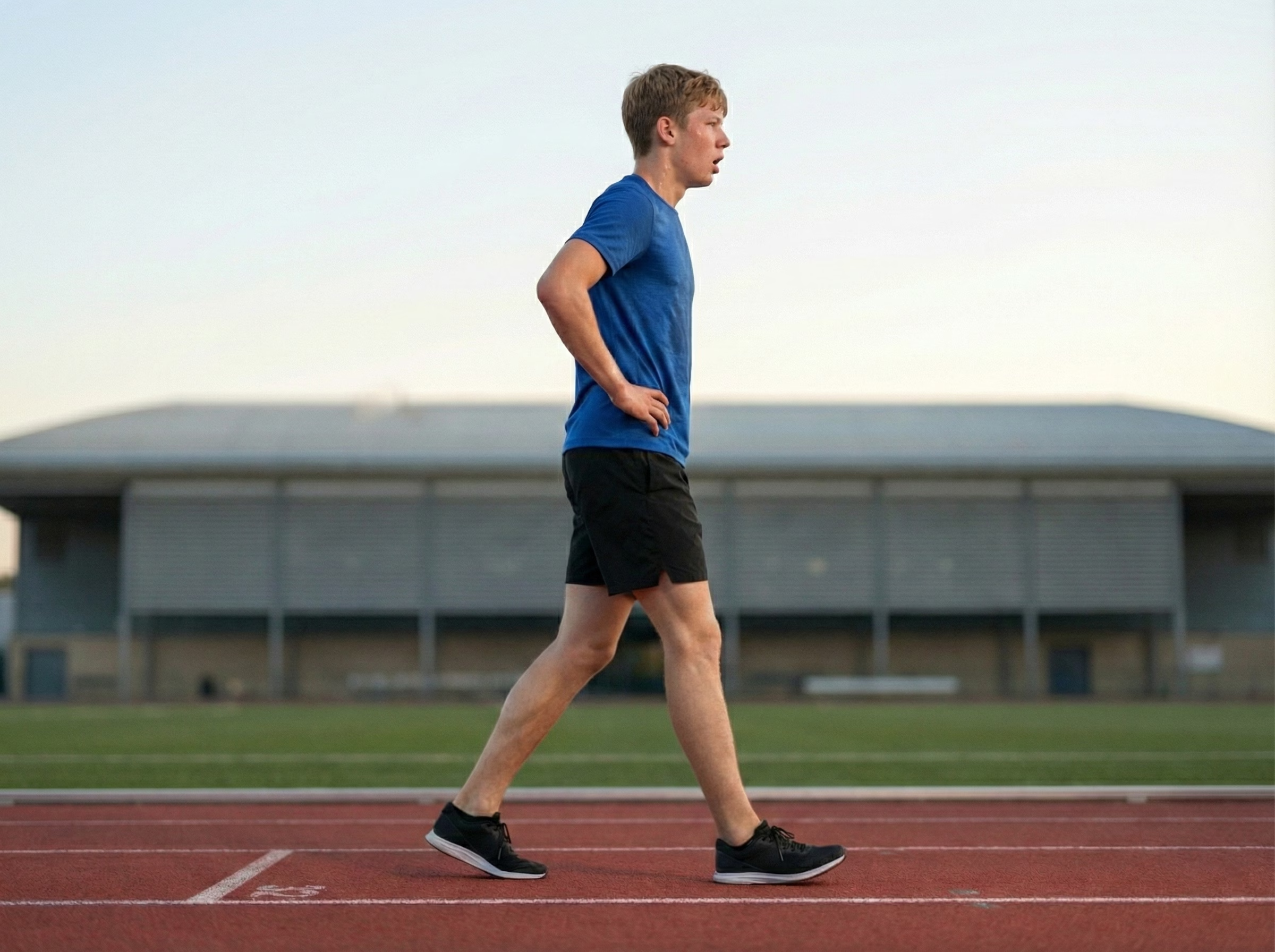
Flow & Sets · Sets, Intensity & Frequency (Growth Activation)
The goal is not “miles.” The goal is a few brutal, controlled sprints that your body respects.
Growth Activation Rule: once effort drops and you can’t sprint fast anymore, the hormonal “spike” effect fades. It’s better to stop early, recover, and sleep well than to grind out slow, half-effort reps.
Variations · Easy Variations
Same Growth Activation logic, slightly different ways to attack the sprint.
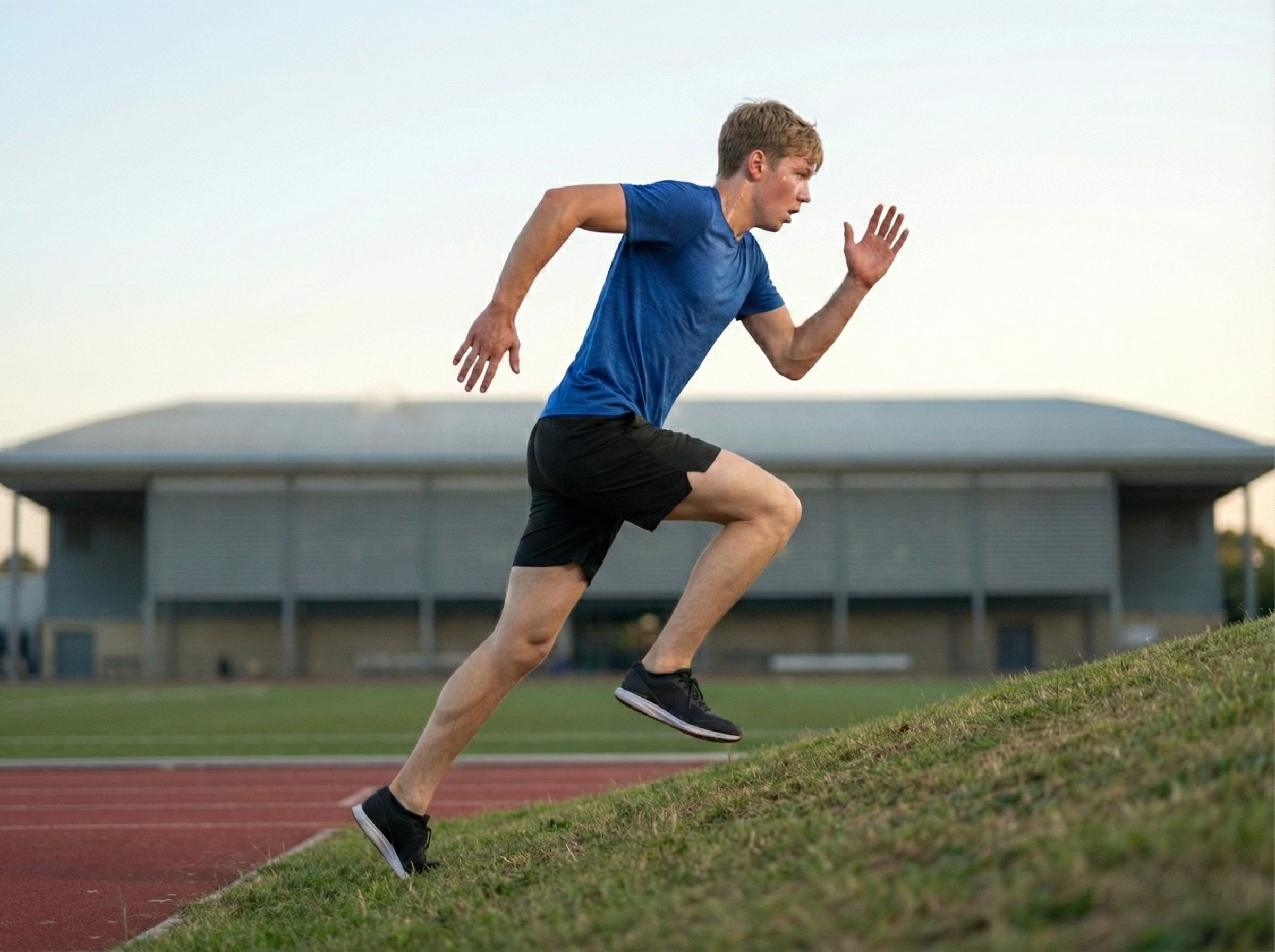
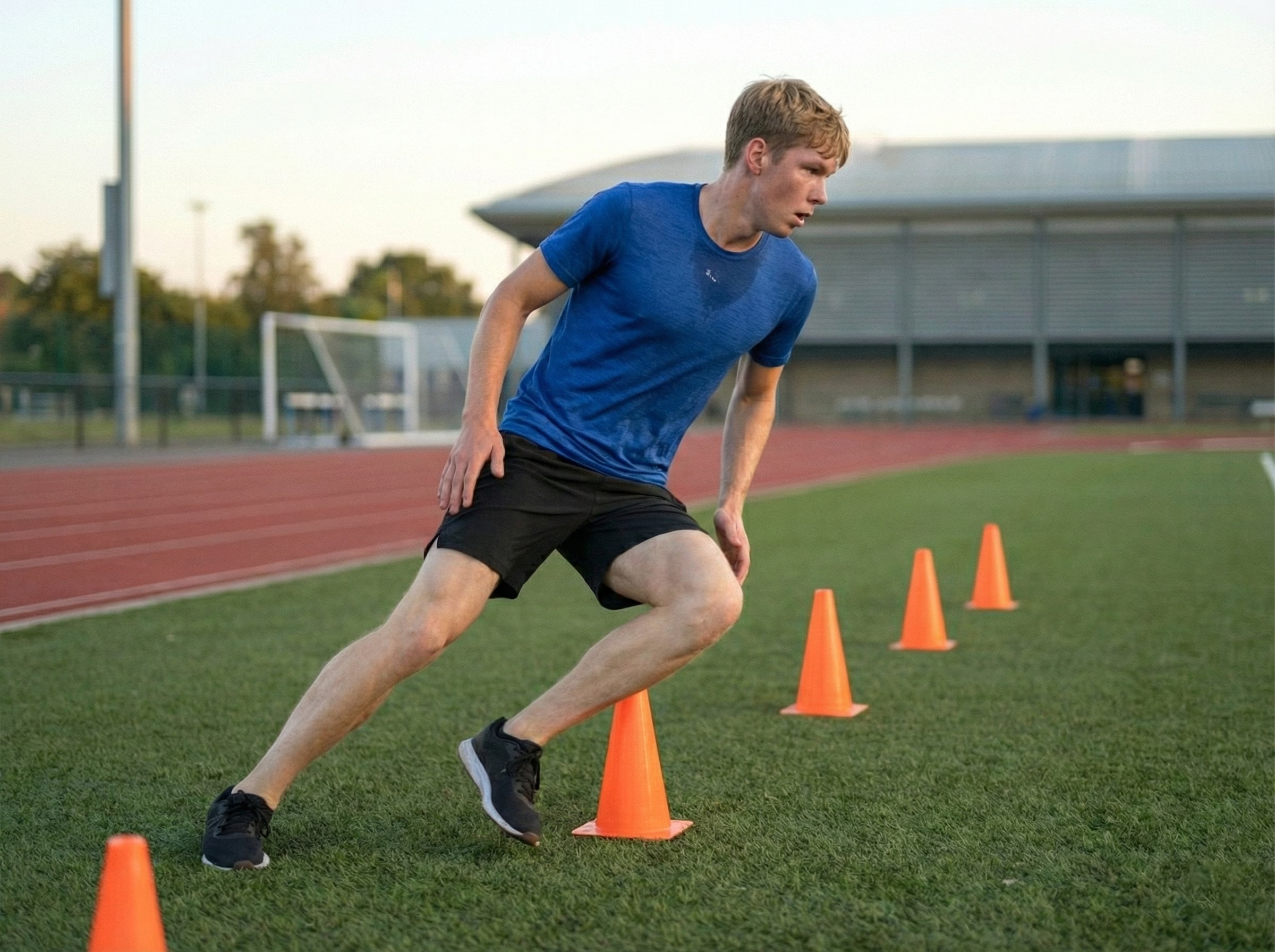
Height Impact · How Sprints Trigger Growth Activation
- All-out sprints push your muscles into a zone where they can’t get enough oxygen fast enough. That’s anaerobic work—and it builds lactic acid quickly.
- High lactic acid and metabolic stress tell your body, “This is serious.” In response, your pituitary gland can release extra pulses of Human Growth Hormone (HGH) to repair the damage.
- If your growth plates are still open (13–20), that extra repair work doesn’t just build strength—it also helps you get the most out of your remaining height window.
- Important: jogging at a low, comfortable pace does not create the same Growth Activation effect. The signal appears when the sprint feels short but brutal, followed by good rest and deep sleep.

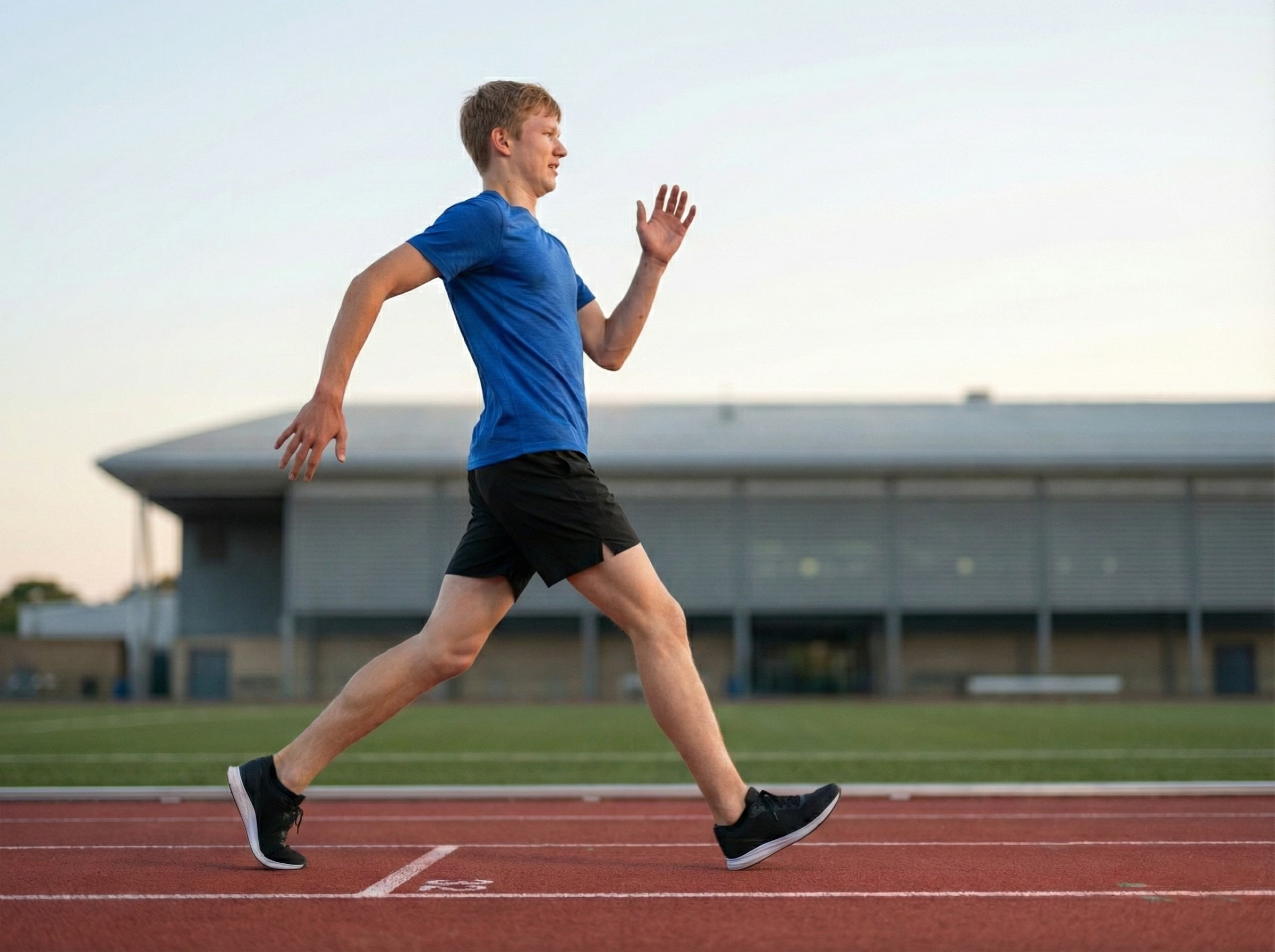
Panel 1 – The Effort Side view of a teen at top speed, a blue line tracing from foot contact up through knees, hips and torso to the head. This shows how each stride uses the whole lower body, creating full-chain stress that the body has to recover from (and adapt to).

Panel 2 – The Payoff The next day, he stands tall with relaxed shoulders, strong legs and a smooth posture line. The blue glow is calmer but still runs from feet to head, showing how repeated Growth Activation sessions build stronger legs and better posture to express his full height.
Form & Safety · Technique, Safety & Common Mistakes
- Keep your chest slightly forward but not collapsed.
- Drive knees forward and up, not kicking your heels to your butt.
- Land on the mid-foot under your hips, not far in front of you.
- Relax your face and shoulders; let the legs do the hard work.
Sprints are powerful. If something feels wrong, you don’t push through it.
- If you have heart, lung or serious joint issues, talk to a doctor or coach before doing hard sprints.
- Only sprint on safe surfaces—track, turf, grass, or flat pavement.
- Stop immediately if you feel sharp pain, dizziness, or chest pain.
- Turning this into a long, slow run instead of short all-out sprints.
- Resting too little so every rep gets slower and slower.
- Overstriding with your foot landing far in front of your body.
- Doing Growth Activation sprints on back-to-back days.
Why it fails Growth Activation: Effort never gets high enough to build real lactic acid or trigger that “survival-level” stress that pushes more HGH. It might be healthy cardio, but it’s not a Growth Activation sprint.

Why it fails Growth Activation: Instead of smooth, fast force through the legs, each step slams the joints and slows him down. The session turns into joint punishment instead of high-quality speed that your body wants to adapt and grow from.
Pair With · Best Exercises to Pair With Sprints (Growth Activation)
Stack multiple Growth Activation moves, then combine them with mobility and decompression.
Use Sprints as one of your main Growth Activation “anchors” for the week. Then stack in other explosive moves (burpees, jumps, high knees) plus decompression and posture work so your body learns not just to grow stronger—but also to stand and move taller.
FAQ · Common Questions About Sprints & Growth Activation
-
Q1 How hard should I go for Growth Activation? ›Hard enough that the sprint feels short but brutal. By the end of each sprint you should be breathing heavily and glad it’s over, but you should still be able to walk normally and recover in under 90 seconds. If you can talk easily during the sprint, it’s too easy. If you feel dizzy or in pain, it’s too hard—stop immediately.
-
Q2 Will sprints alone make me taller? ›No single workout can promise extra centimeters. Sprints are one tool inside the Growth Activation pillar. They help your body send stronger growth and repair signals, but your final height still depends on genetics, sleep, nutrition, posture, and recovery. Think of sprints as a way to get more out of your growth window—not a magic height hack.
-
Q3 Can I do sprints every day if I feel good? ›For Growth Activation, more is not always better. Your body needs time to recover so those HGH pulses and repair processes can do their job. That’s why the Height app caps sprint sessions at 2–3 per week with rest days between. If you really want to move on off-days, use light walking, mobility, or decompression instead of more all-out sprints.