
Squats : .Stimulate Growth Hormones
Sit low, drive up, repeat. Squats teach your legs to carry you tall instead of collapsing every time life gets heavy.
Squats are the base pattern for almost every powerful leg move. When you drop with control and drive up hard for short, intense sets, your quads, hamstrings and glutes are all firing together. That deep leg burn plus vertical push is exactly what we want inside the Growth Activation pillar while your growth plates are still open.
Pillar · Growth Activation
Squats belong in Growth Activation when you stop treating them like a lazy warm-up and start treating them like a leg sprint:
- Anaerobic Glycolysis: Repeating deep, clean squats at a solid pace builds lactic acid in your biggest muscle groups (quads, hamstrings, glutes). That “leg on fire” feeling is the metabolic stress your body can respond to with stronger pulses of natural growth hormone while you rest and sleep.
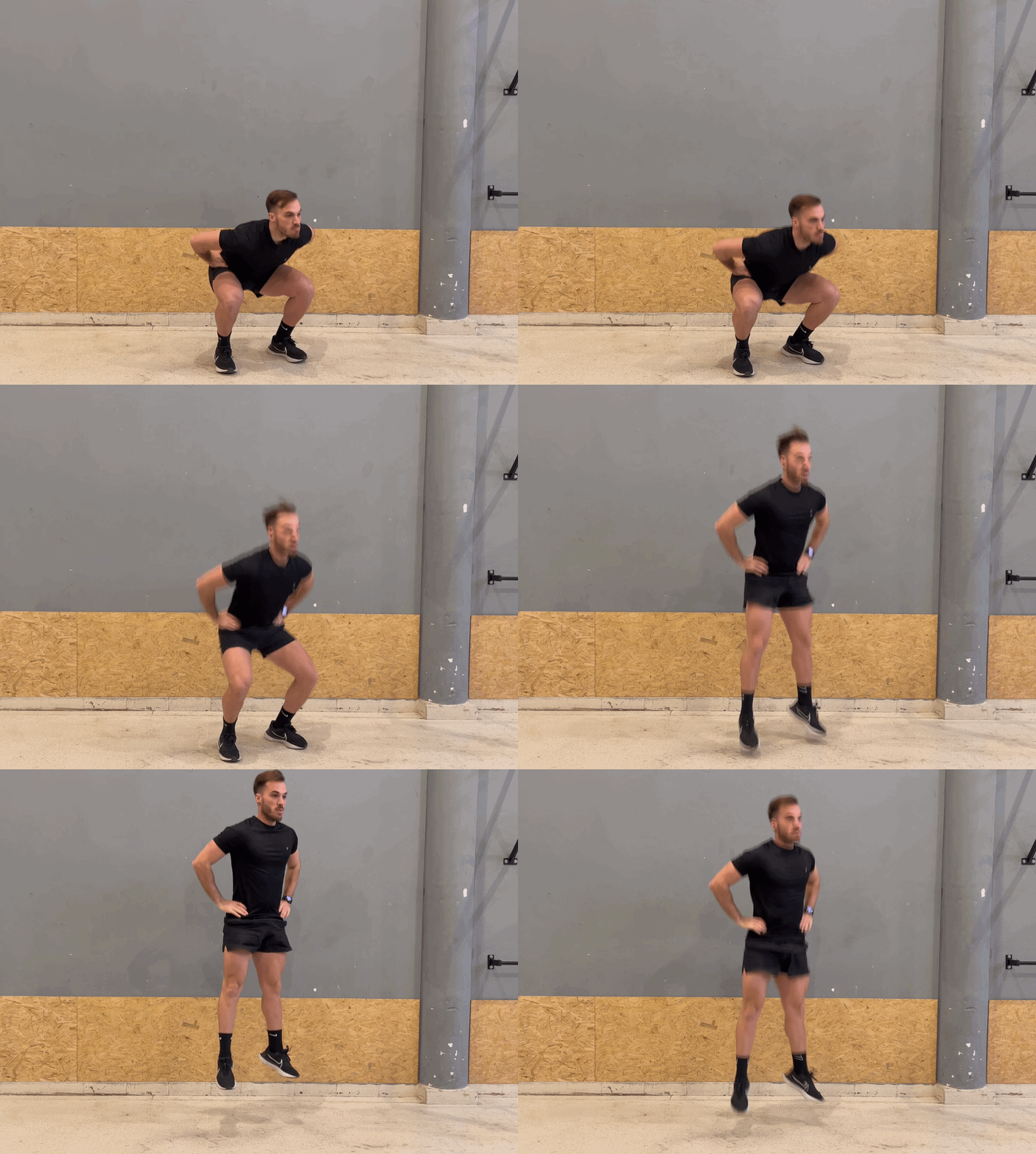
- Vertical Directionality: Every rep teaches your body to push the floor away and stand fully tall instead of collapsing into your hips and knees. Jump squat variations add more vertical impulse on top of the same pattern.
How To · How To Do Squats (Growth Activation Style)
Not the lazy “half bend” squats you see in school. Deep, controlled drops and powerful drives back up – like a vertical leg press against the floor.
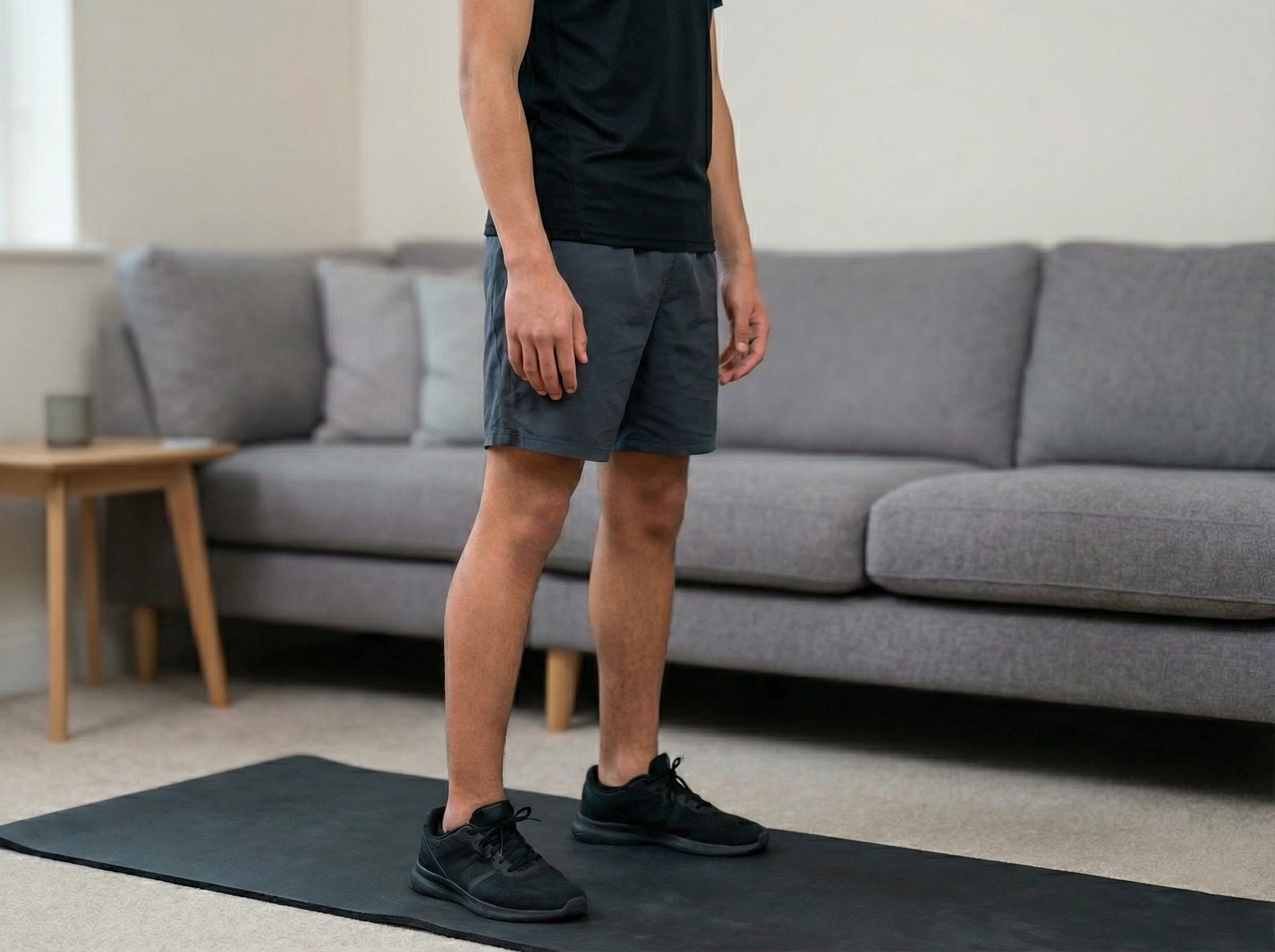
- Step 1 – Set your stance. Stand tall with your feet roughly shoulder-width apart and toes slightly turned out (not exaggerated). Spread your toes and feel three points of contact on each foot: big toe, little toe and heel. Let your arms reach forward or cross in front of your chest.
- Step 2 – Break at hips and knees together. Inhale and start the squat by sending your hips slightly back and bending your knees at the same time. Keep your chest open and spine neutral, like you’re sliding your body straight down between your legs, not folding your upper body over your knees.
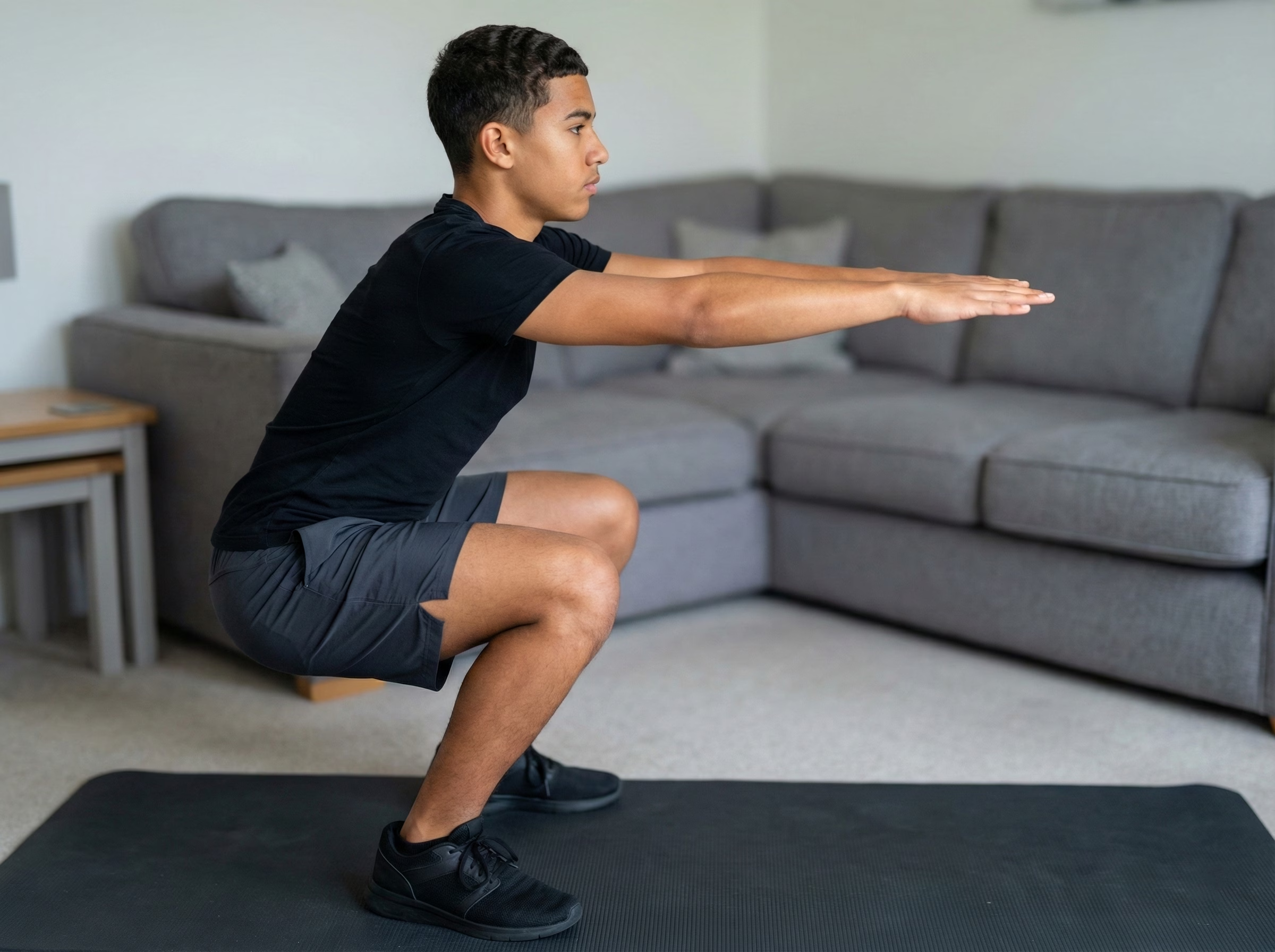
- Step 3 – Hit a deep, solid bottom. Lower until your thighs are at least parallel to the floor (or a bit below if your hips and knees are happy), heels still flat, knees tracking over the middle of your feet. Your weight should feel spread through the entire foot, not dumped into your toes.
- Step 4 – Drive the floor away. Exhale and push the floor away with both feet, especially through your heels and mid-foot. Stand all the way up until your hips and knees are straight again, glutes gently engaged at the top. That upward drive is your vertical “Growth Activation” engine.
- Step 5 – Turn it into a Growth Activation block. Once your pattern is clean, turn squats into a short leg sprint: 20–40 seconds of smooth, strong reps or 15–25 deep squats in a row. The last few reps should feel brutal to keep clean, your legs should be burning, and your breathing should be heavy – that’s the window we’re targeting.
- “Heels down, chest proud.” If your heels pop up or your chest caves, back off the depth and fix the pattern first.
- “Sit between your feet, not into your toes.” Feel your hips drop straight down, not forward over your knees.
- “Short, hard sets.” A few tough blocks with perfect form beat 5 minutes of lazy bouncing squats with no burn.
Flow & Sets · Sets, Intensity & Frequency (Growth Activation)
Squats become Growth Activation when they’re deep, repeated and genuinely uncomfortable – not when you cruise through them.
or 15–25 deep reps at a strong pace
Growth Activation Rule: by the end of a block, your legs should be pumping and burning, and your breathing should be clearly elevated. If you can chat normally while squatting, that’s light strength or warm-up work – useful, but it won’t trigger the high lactic acid “this was hard” signal we want for Growth Activation.
Variations · Easy Variations
Use these to learn clean depth first, then layer on power and vertical impulse once your joints feel ready.
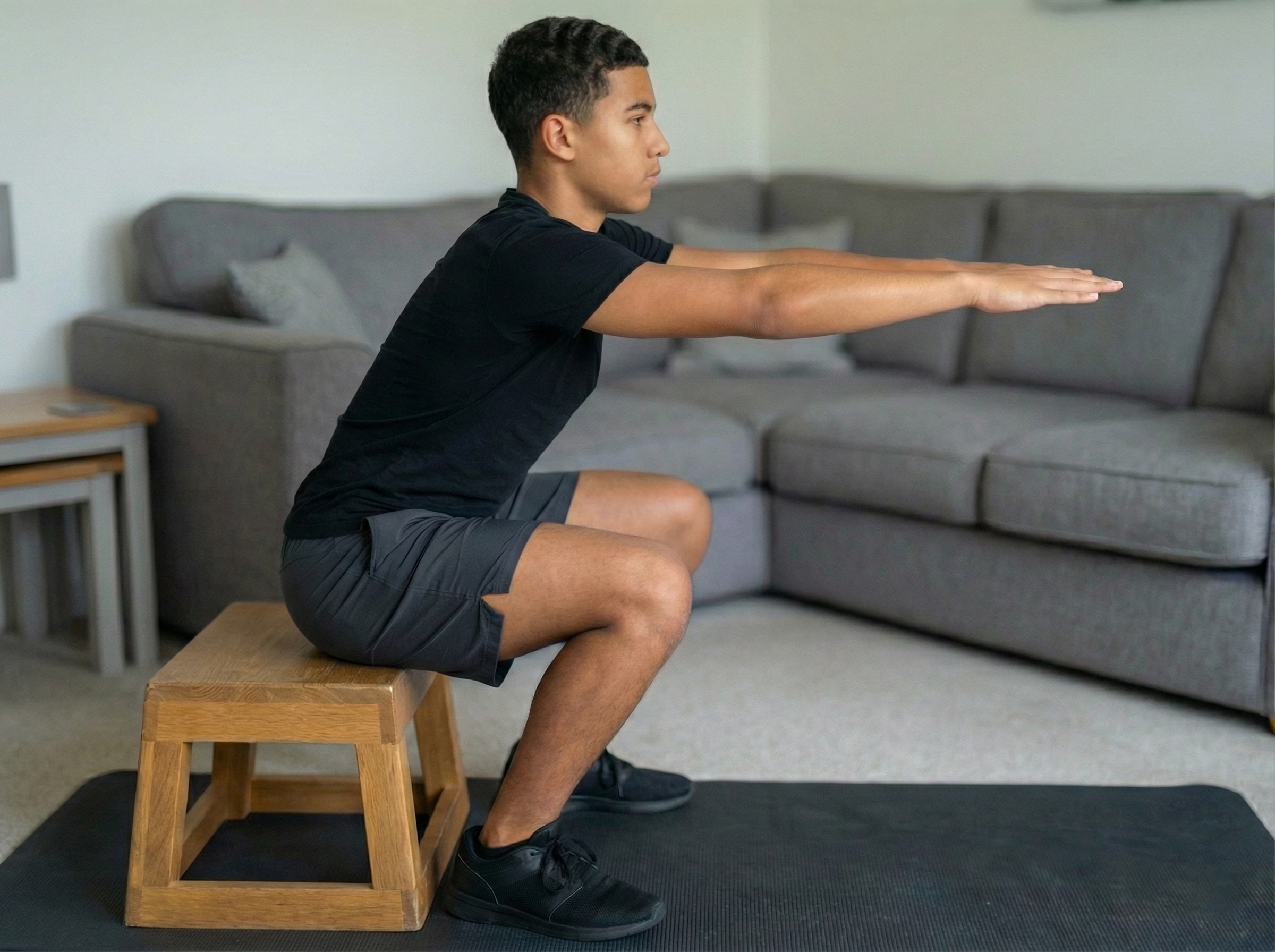
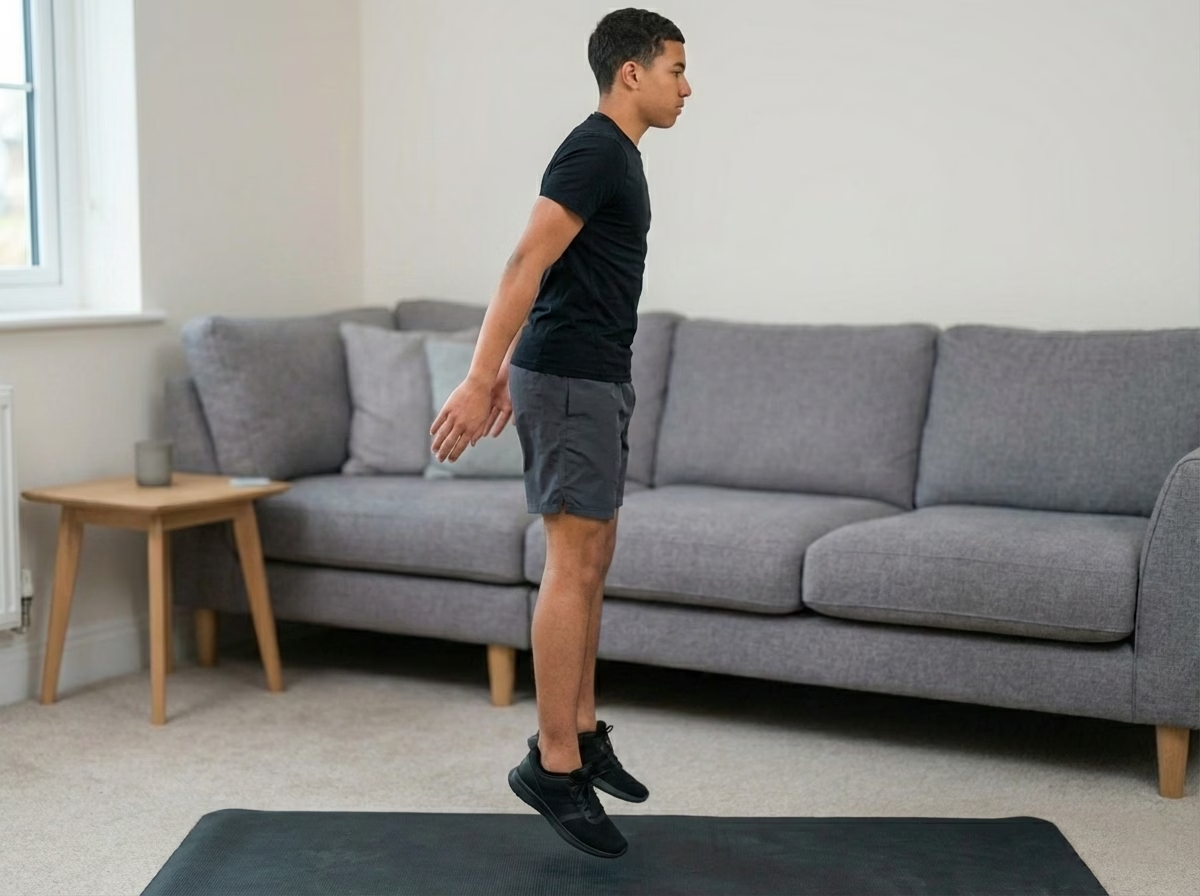
Height Impact · How Squats Support Growth Activation
- Deep, repeated squats drive blood and lactic acid into your quads, hamstrings and glutes – exactly where we want hard work if we’re trying to trigger anaerobic glycolysis and the body’s natural growth hormone pulses during recovery.
- Because your heels stay down and your knees track straight, your legs learn to share load through the whole chain – feet, ankles, knees and hips – instead of dumping it into one joint.
- The vertical drive at the top of each rep acts like a mini “anti-gravity” drill. Especially when you progress to jump squats, every strong, soft landing is another Impact-style signal to your lower body that it needs to be stronger and more resilient.
- Stronger, more balanced legs make it easier to stand and walk tall in day-to-day life. That matters for how much of your true height you actually show versus what you lose in sloppy, collapsed posture.
- Reality check: squats won’t make you magically taller than your genetics. They help you take advantage of your natural growth window by building the leg strength, alignment and Growth Activation signals that combine with sleep, nutrition and decompression work.
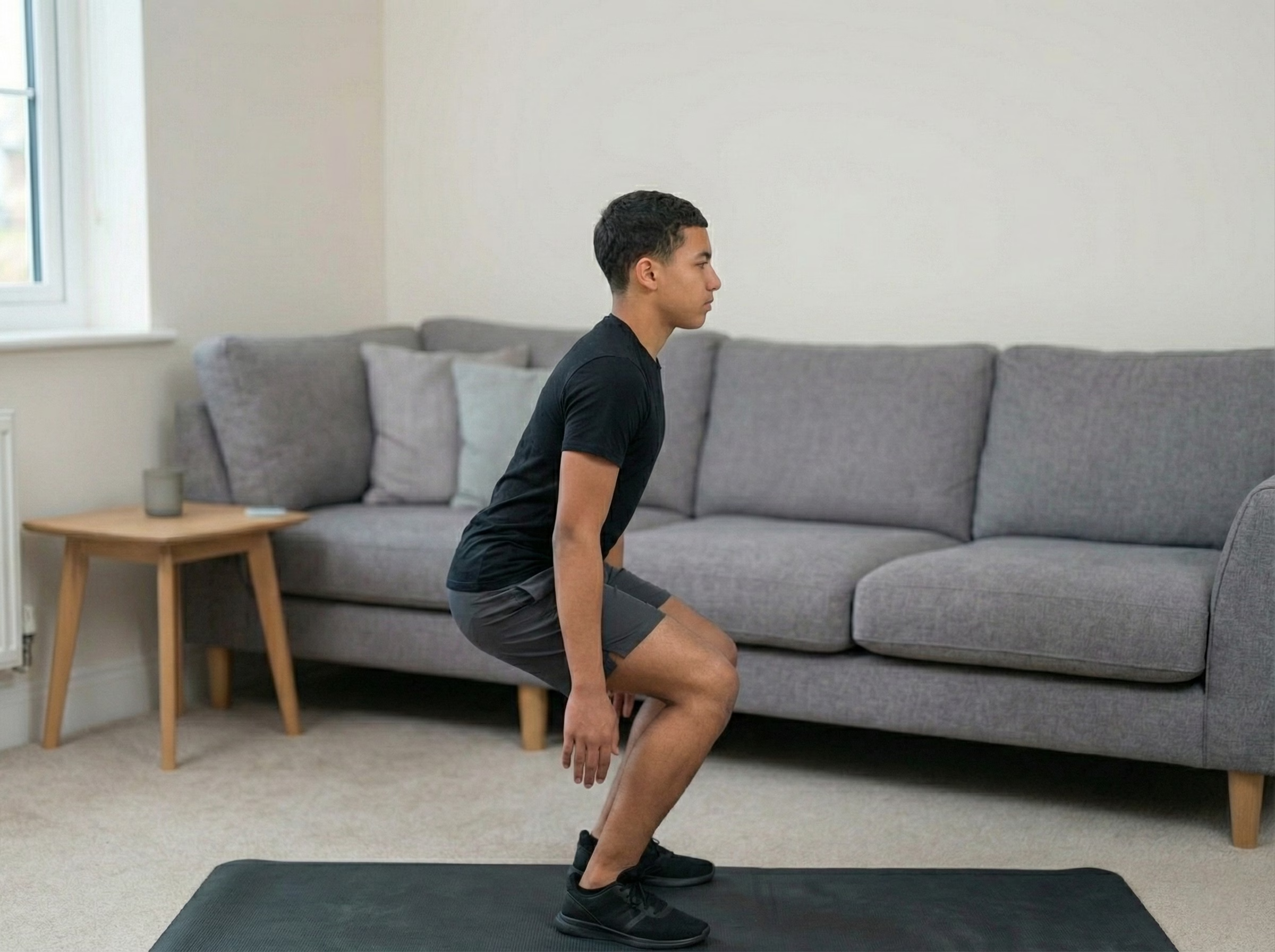
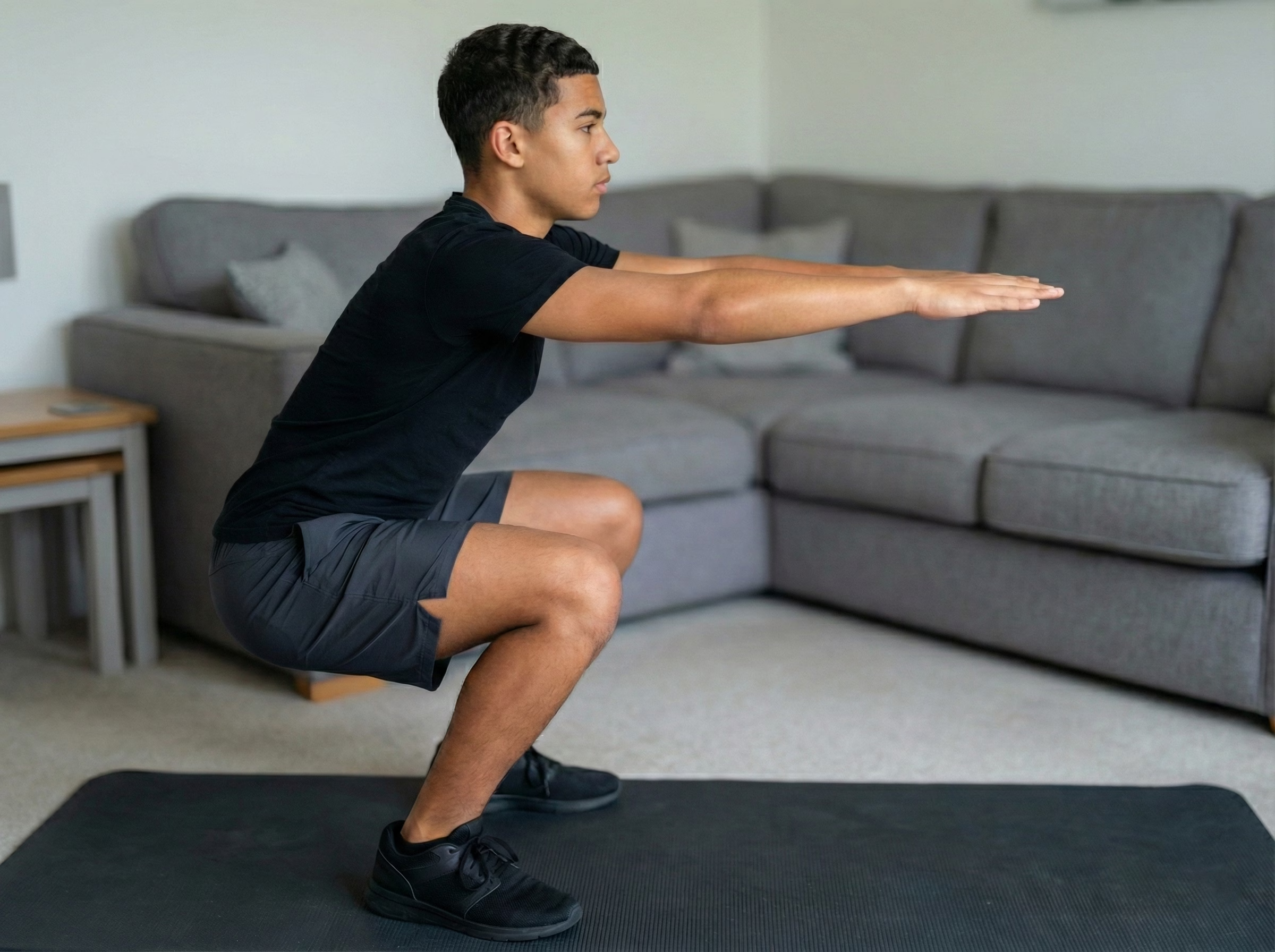
Panel 1 – Deep, Loaded Squat Side view of a teen at the bottom of a deep squat: heels down, thighs at least parallel, spine neutral. A strong blue glow runs from his feet up through his knees, hips and spine, showing how the whole lower body is loaded in a smart, stacked line during the set.
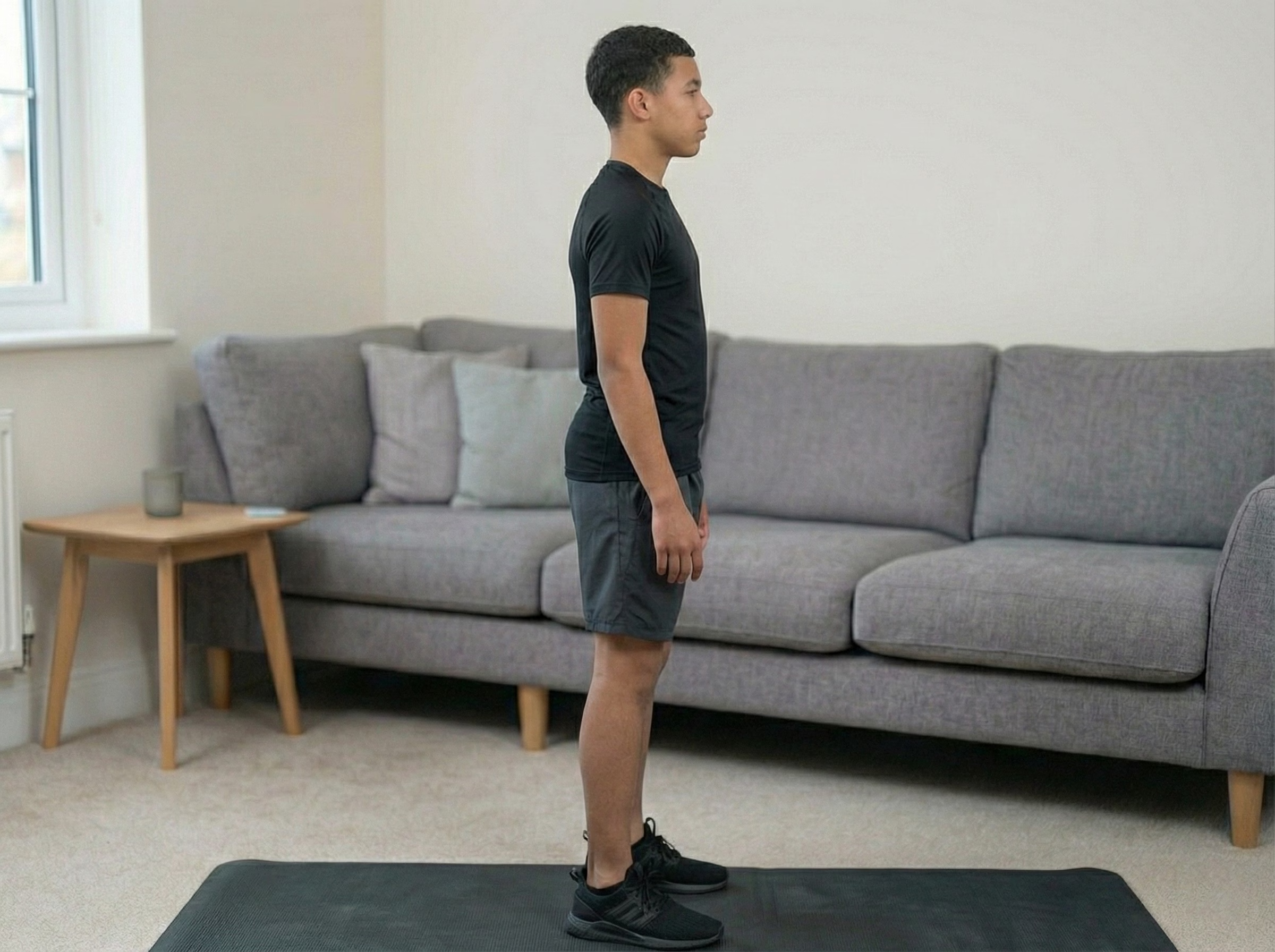
Panel 2 – Taller Everyday Standing The next day, the same teen stands in a relaxed tall posture: hips level, knees tracking straight, feet grounded, chest open. A soft blue vertical line traces from his feet through his pelvis and spine to the top of his head, showing how stronger legs help him carry his height instead of sinking into his joints.
Form & Safety · Technique, Safety & Common Mistakes
- Feet about shoulder-width, toes slightly out, full foot on the floor.
- Knees track over the middle of the feet, not caving inward.
- Spine stays neutral – no big rounding, no big arching.
- Thighs at least parallel at the bottom for real Growth Activation work.
Squats are safe for most teens when done with control and the right depth for your body.
- If you have knee, hip, spine, heart or balance issues, talk to a doctor or coach first.
- Use a non-slip surface and focus before you increase speed or jump.
- Stop if you get sharp joint pain, pinching, or your back feels like it’s collapsing.
- Heels lifting and weight shooting into your toes.
- Knees caving inward or drifting way past your toes.
- Back rounding into a “shrimp” shape at the bottom.
- Doing hundreds of tiny, shallow squats with no leg burn at all.
Why it fails Growth Activation: Instead of loading strong muscle chains, the stress slams into the knees and lower back. The body reads this as “bad joint stress,” not smart muscle work worth building on.
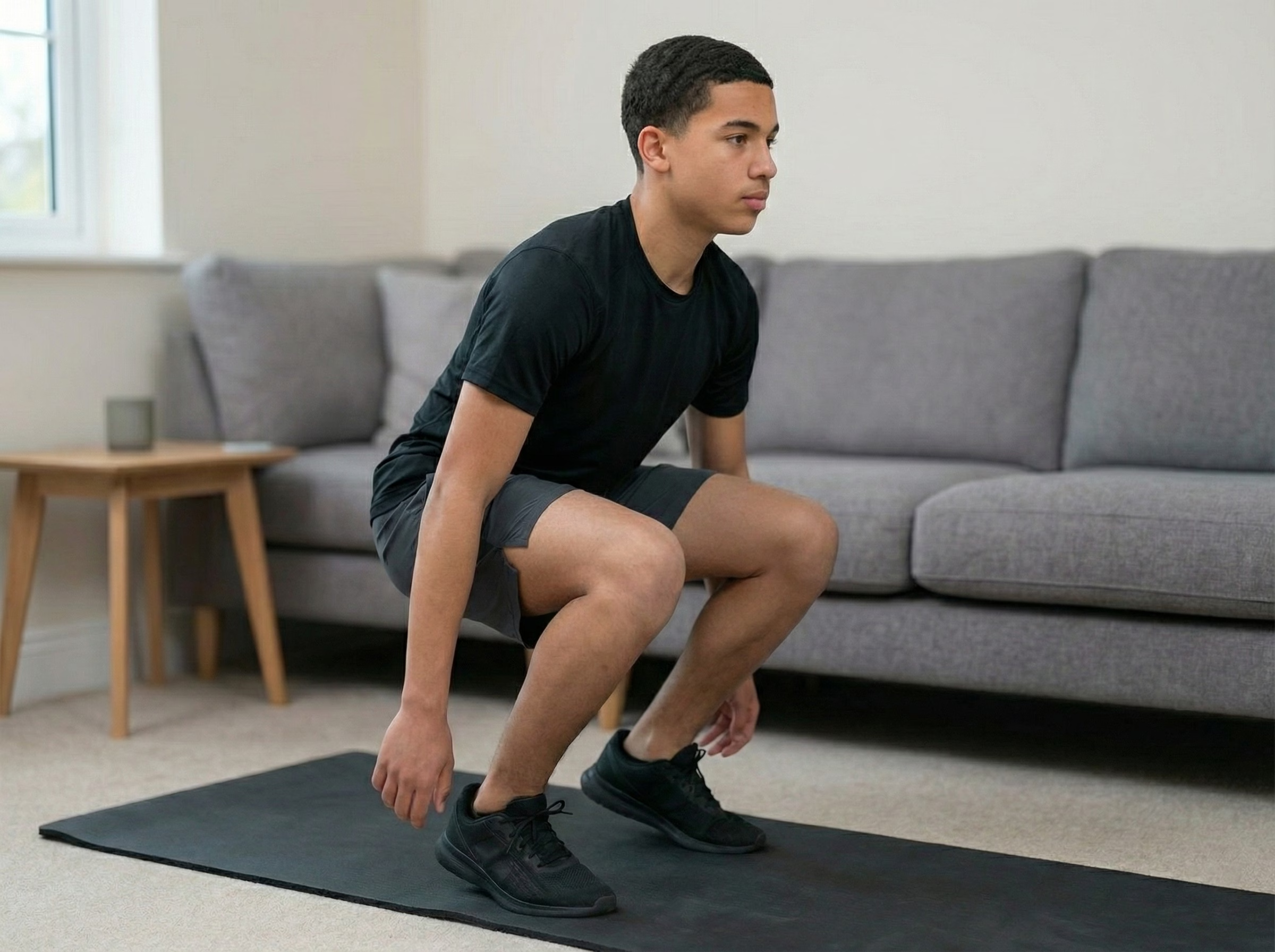
Why it fails Growth Activation: There’s almost no lactic acid build-up or challenge. It might warm you up, but it won’t send the clear “this was intense” signal we want for Growth Activation.
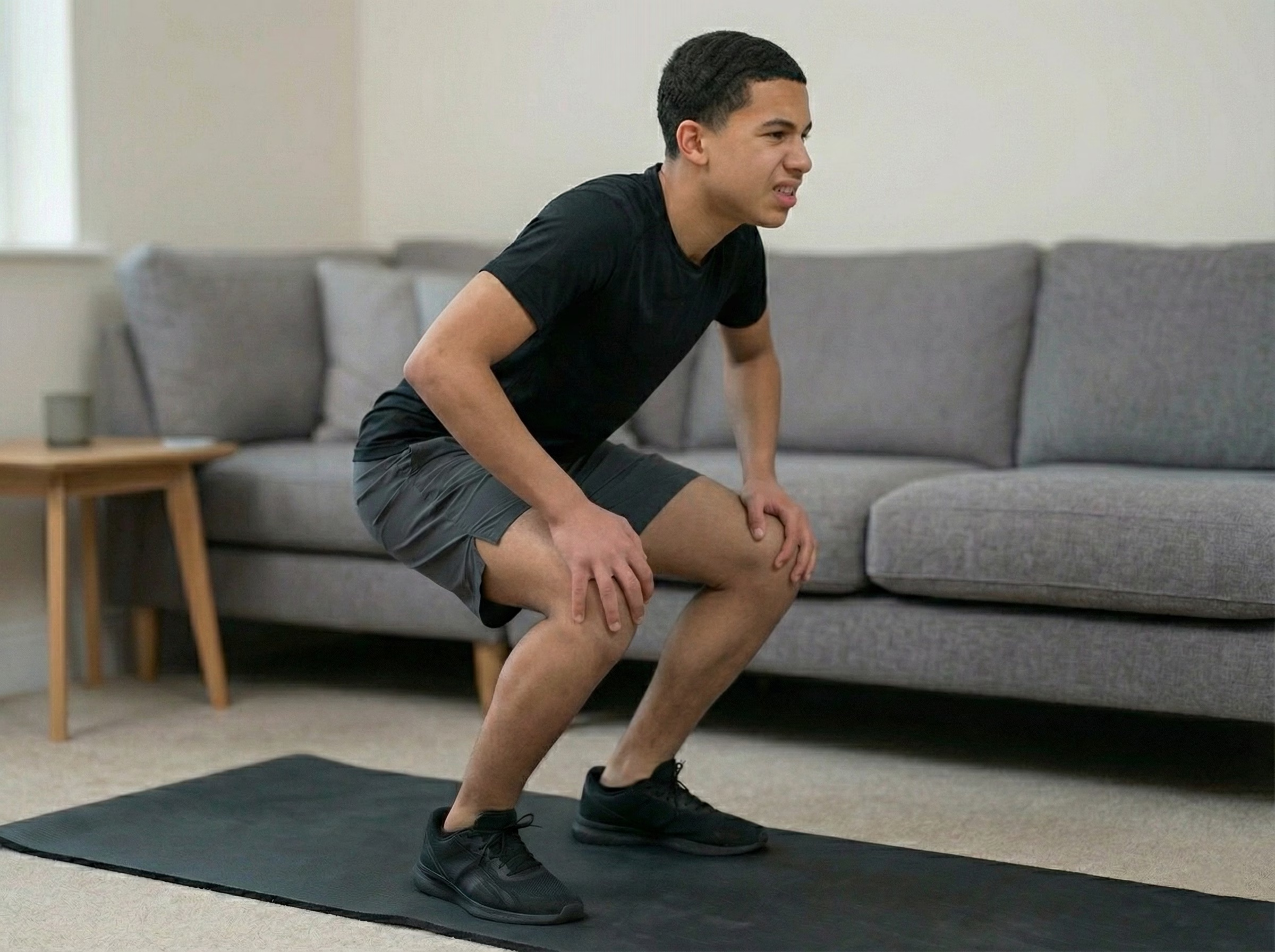
Pair With · Best Exercises to Pair With Squats
Use squats as your base leg builder, then plug them into bigger Growth Activation and decompression days.
In a Height Youth leg session, you might run Squats as your main Growth Activation block, then add a short jump squat block for vertical impulse, plus decompression and posture work after. The goal isn’t just to fry your legs – it’s to work hard, then help your body recover in a longer, more stacked position.
FAQ · Common Questions About Squats & Growth Activation
-
Q1 Do squats stunt your growth? ›Properly done bodyweight squats do not stunt your growth. They build muscle and control around the joints that support you as you grow. Problems happen when people load very heavy weights with bad form, no coaching and no respect for their joints. In Height Youth, we use bodyweight and controlled impact, short Growth Activation blocks and a lot of focus on alignment and decompression – not dangerous ego lifting.
-
Q2 Are bodyweight squats enough, or do I need weights? ›For most teens, bodyweight squats done properly are more than enough to hit the Growth Activation zone: deep reps, strong pace, real leg burn. Weights can be useful later with good coaching, but they aren’t required to build the lactic acid, control and leg power we want here. Master the pattern and intensity first; loading comes second, if it makes sense for you.
-
Q3 My knees crack or pop when I squat – is that bad? ›Quiet clicking without pain is common for a lot of people. But if your knees crack loudly, hurt, swell or feel unstable during or after squats, don’t ignore it. Shorten your depth, slow your reps and make sure your knees track over your mid-foot. If it still feels wrong, stop Growth Activation blocks and talk to a coach, parent or doctor before pushing harder.