
Hamstring Hinge : .Stop Pelvic Pull
Unlock tight hamstrings to restore pelvic alignment and spinal length.
The Hamstring Hinge lengthens the entire posterior chain, preventing the pelvic tilt that steals height and compresses the lumbar spine when you stand.
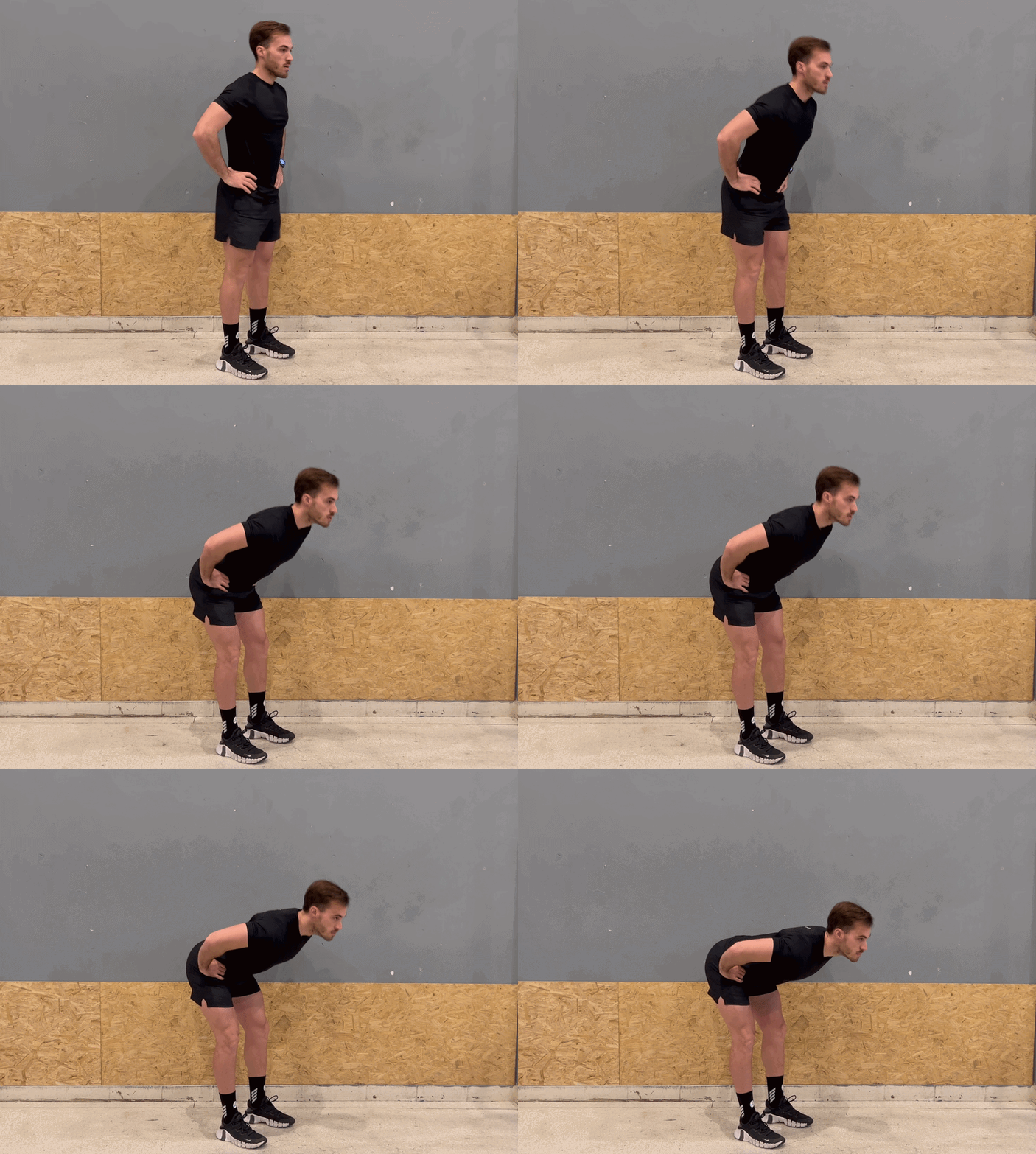
How to · How To Do Standing Hamstring Hinge
The goal is to move the hips backward, not just bend the spine forward.
- Tall standing setup: Stand on your mat with feet hip-width apart. Keep your arms relaxed at your sides and spine neutral. Visualize a straight line from your head to your heels.
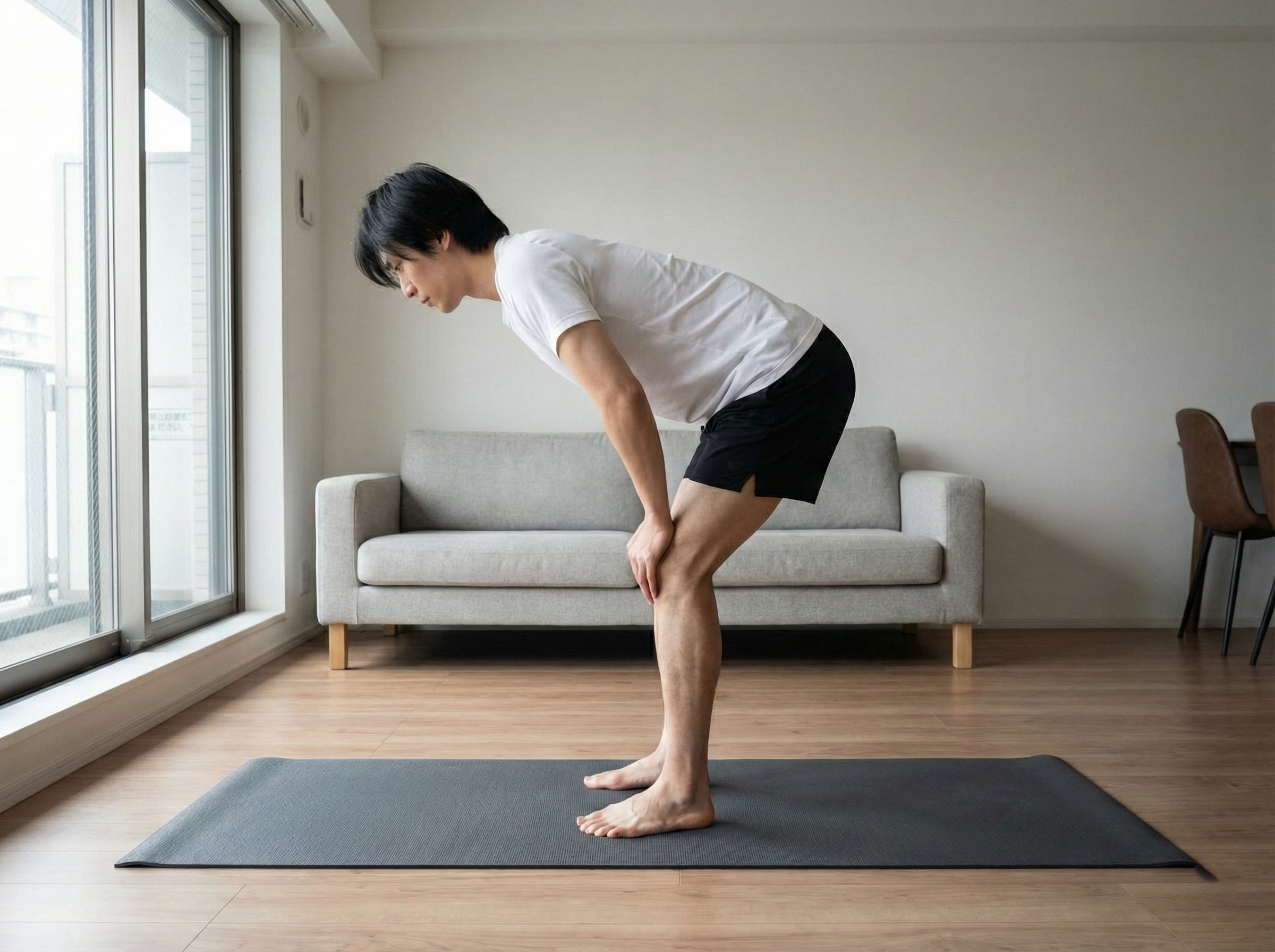
- Initiate the hinge: Unlock your knees slightly (soft bend) and push your hips straight back as if closing a car door with your glutes. Keep your back completely flat and let your hands slide down your thighs.
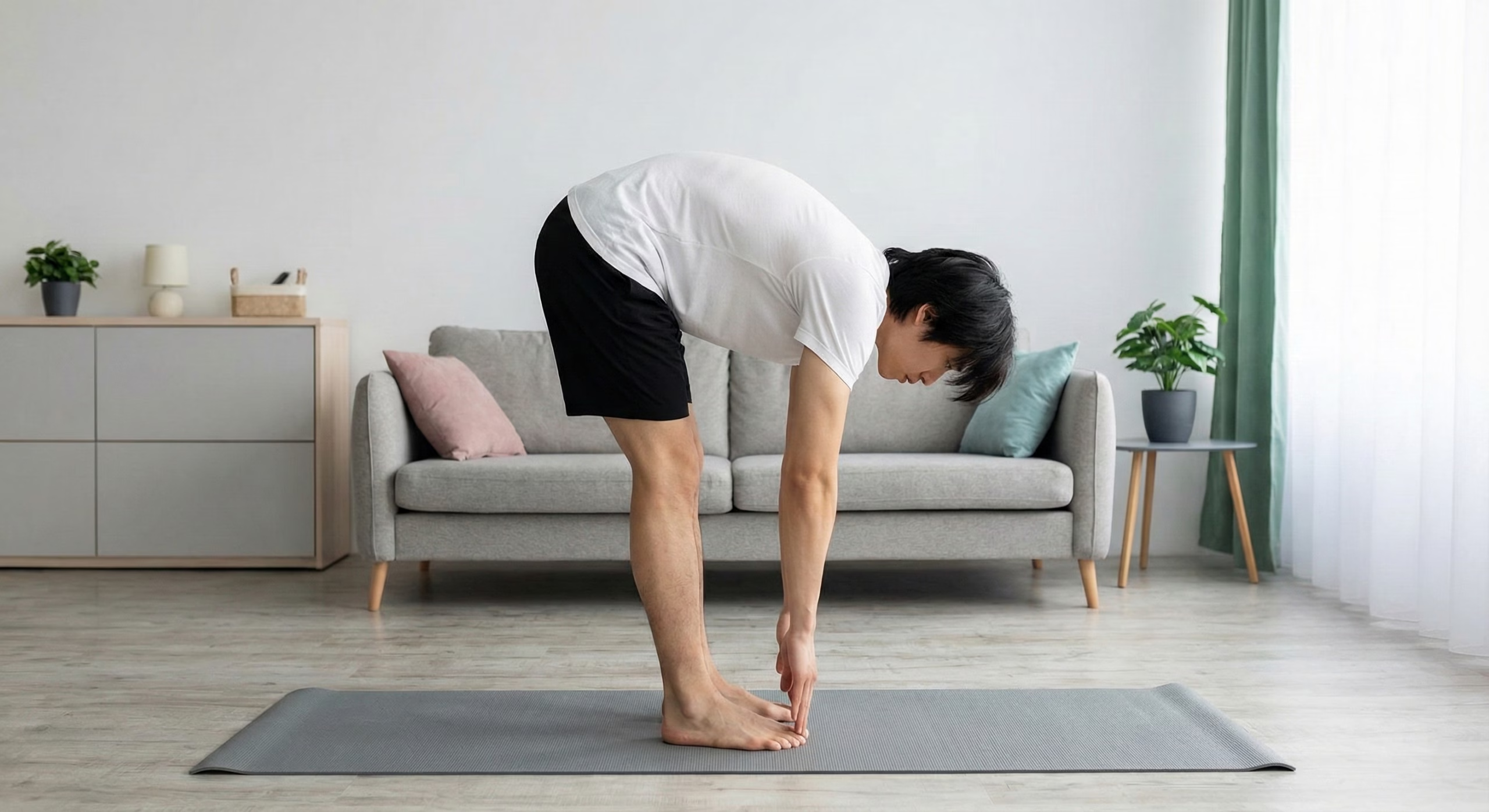
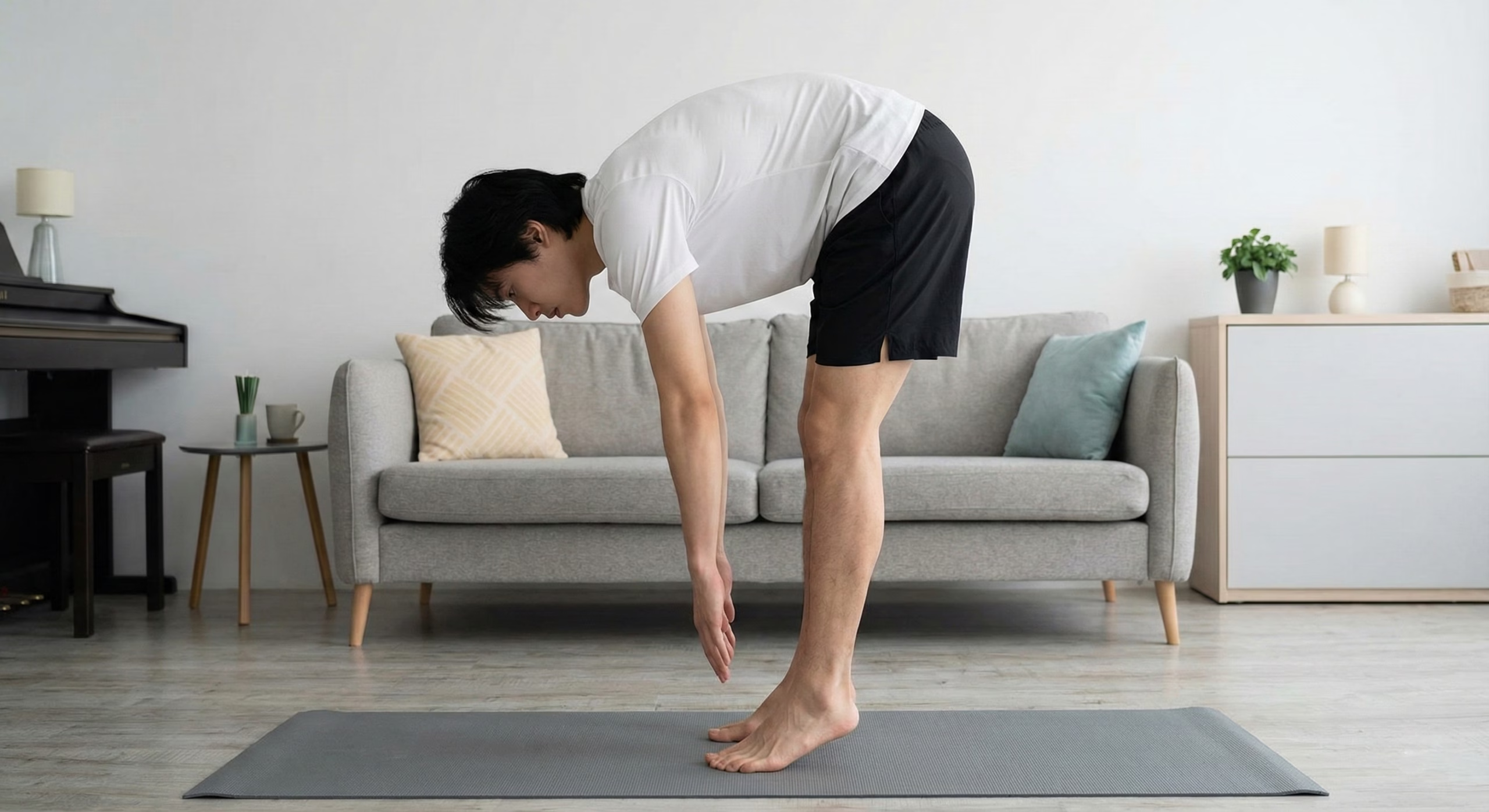
- Deepen the range: Continue pushing hips back until your torso is nearly parallel to the floor or you feel a deep stretch in the hamstrings. Your hands should reach near your shins. Keep your neck aligned with your spine—gaze down, not up.
- Return to start: Drive your hips forward and squeeze your glutes to return to the tall standing position. Ensure you finish tall, stacking the head over the shoulders and hips.
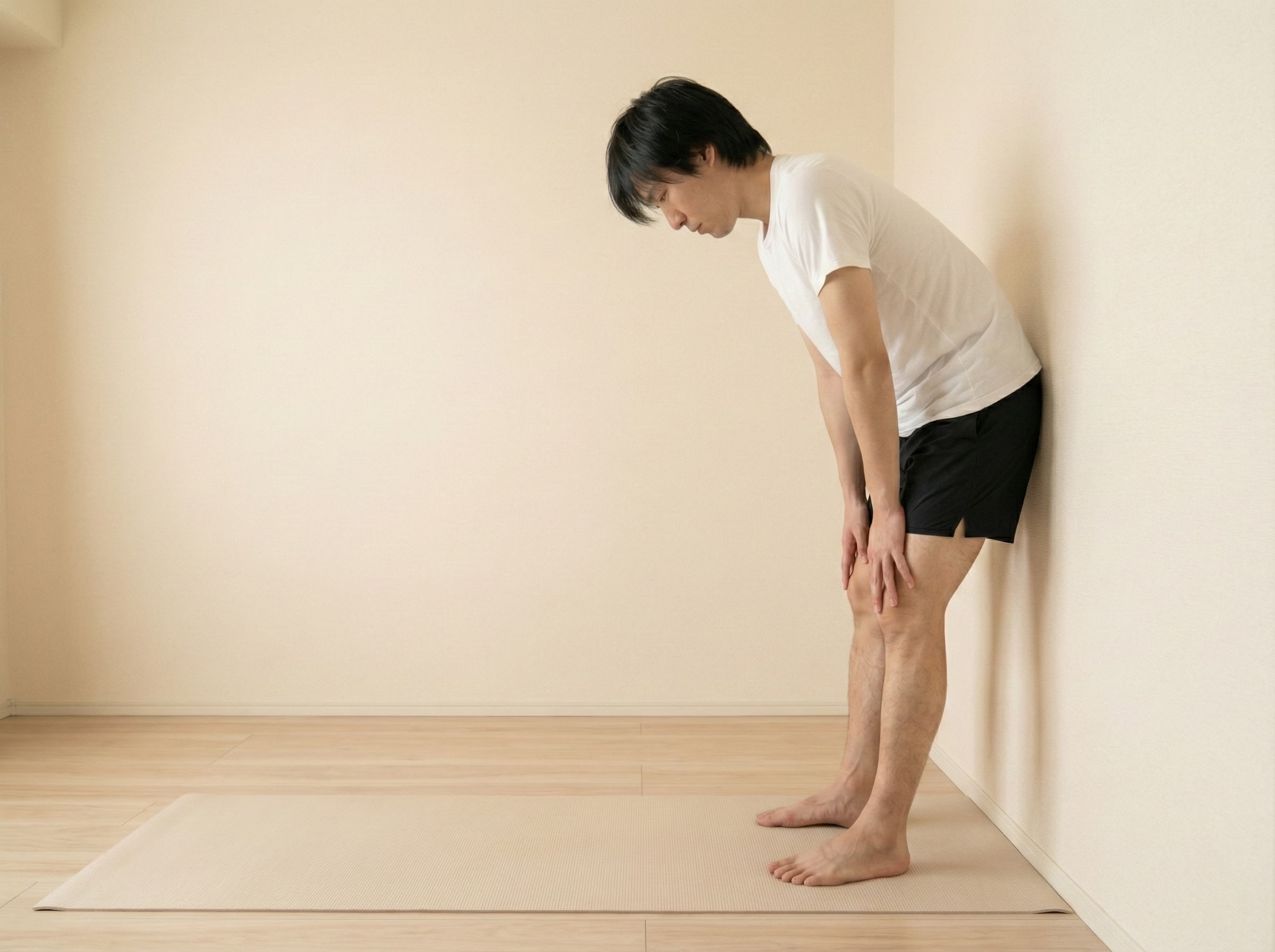
- “Push the hips back, don't just bend over.”
- “Keep the back flat like a table.”
- “Imagine a blue light glowing along your hamstrings and lower back.”
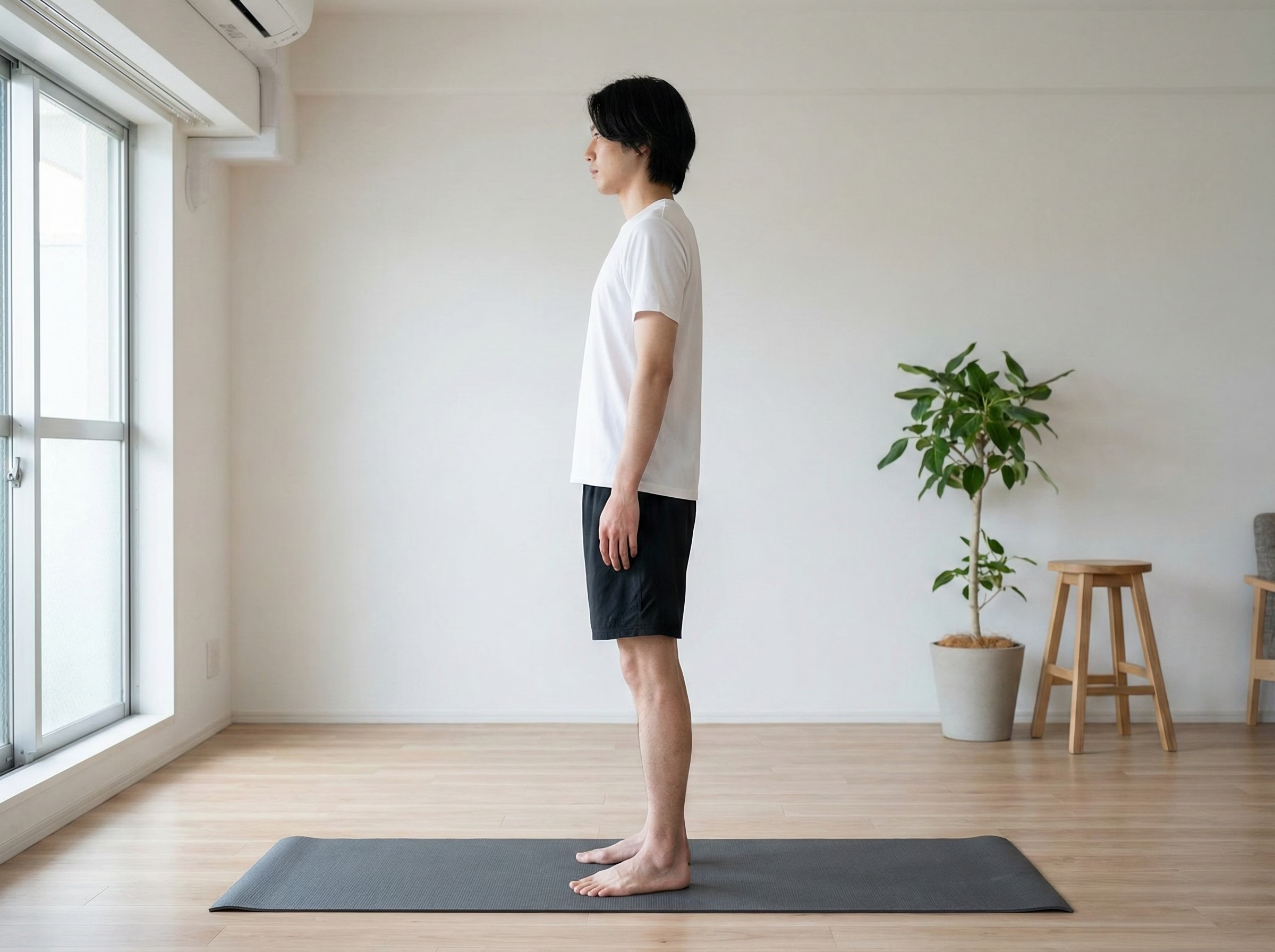
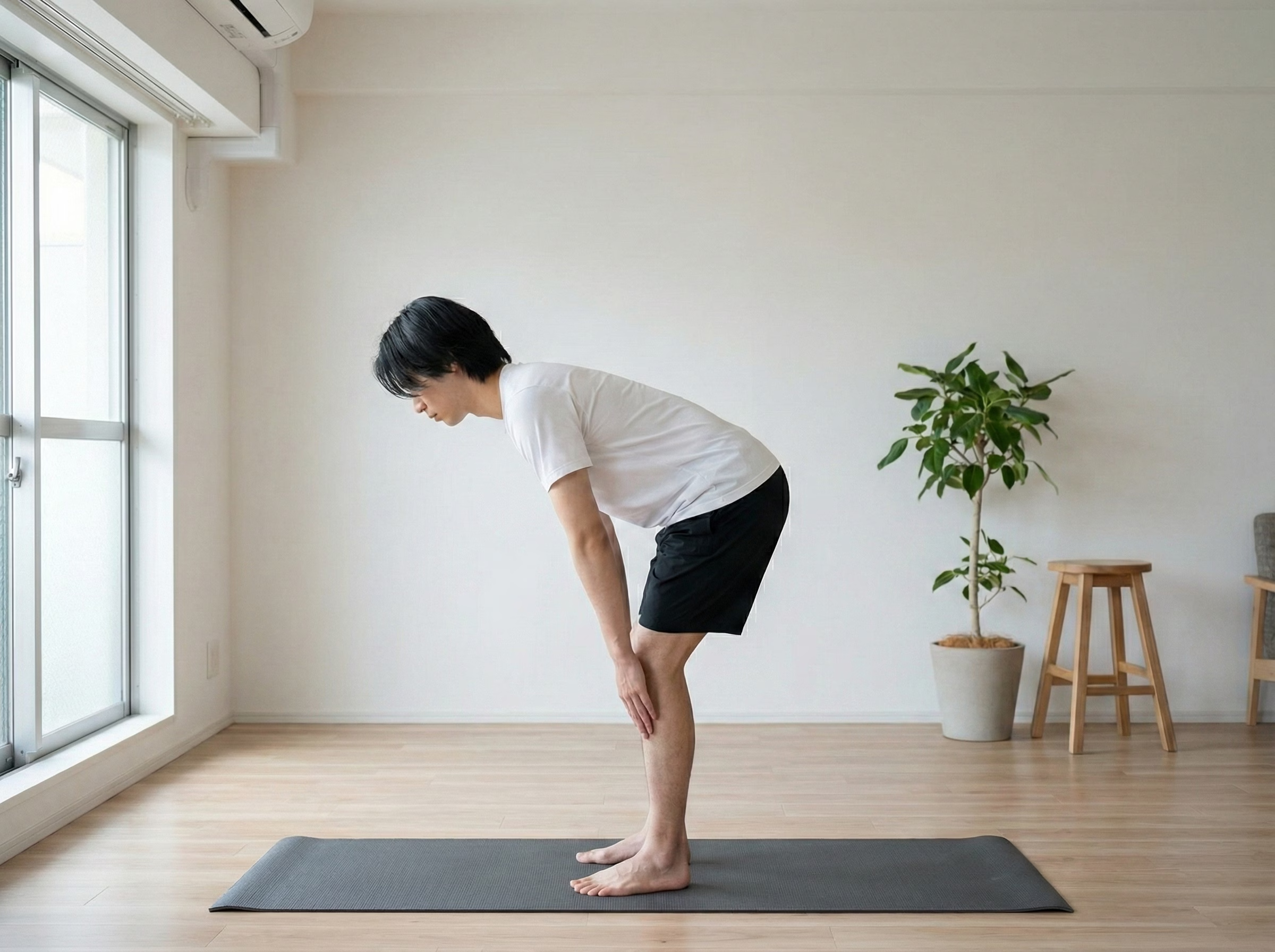
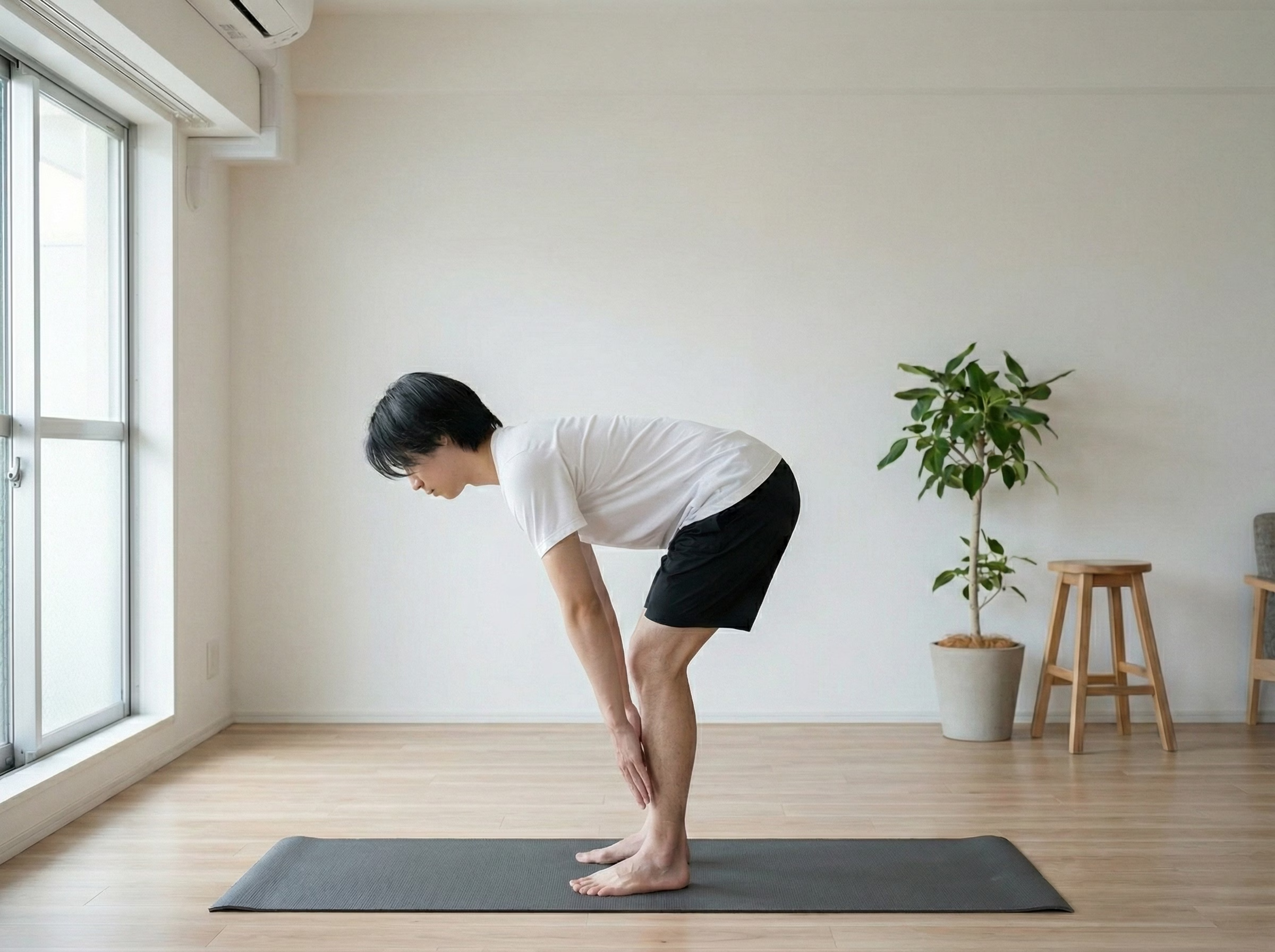
Flow & Sets · Reps, Sets & Frequency (Height-Focused)
Consistent mobility is key to lengthening the posterior chain permanently.
Tip: In the Height app, this exercise helps reset your pelvic tilt before you move into vertical decompression exercises like hanging.
Variations · Easy Variations
Adjust the range of motion based on your current hamstring flexibility.
Height Impact · How Hinging Supports Your Height Line
- Tight hamstrings often pull the pelvis into a posterior tilt (tuck) or force the lower back to compensate, reducing your functional height.
- By lengthening the posterior chain (hamstrings, glutes, lower back), you allow the pelvis to sit neutrally, which is the foundation for a tall spine.
- Visualizing the "blue glow" along the back of the legs and spine helps you connect with the muscles responsible for holding you upright against gravity.
- Regular practice can help you reclaim 0.5–1.0 cm lost to poor pelvic alignment and spinal compression.
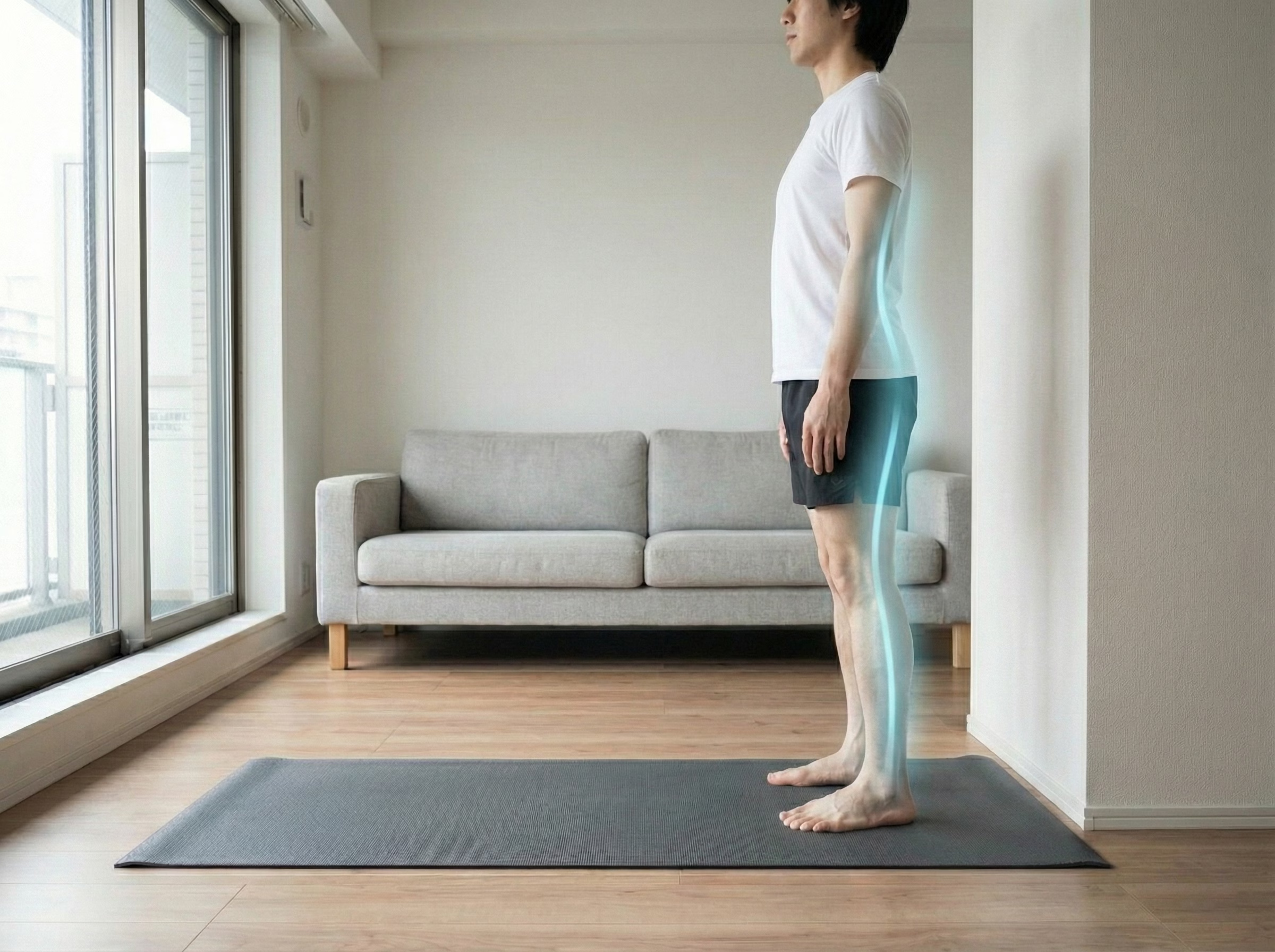
Panel 1 – Tall Standing Alignment
Standing tall, his hips are stacked directly over his ankles and his chest is open.
A soft blue glow highlights the lengthened hamstrings and lower back, showing how the
posterior chain supports this upright, decompressed posture.
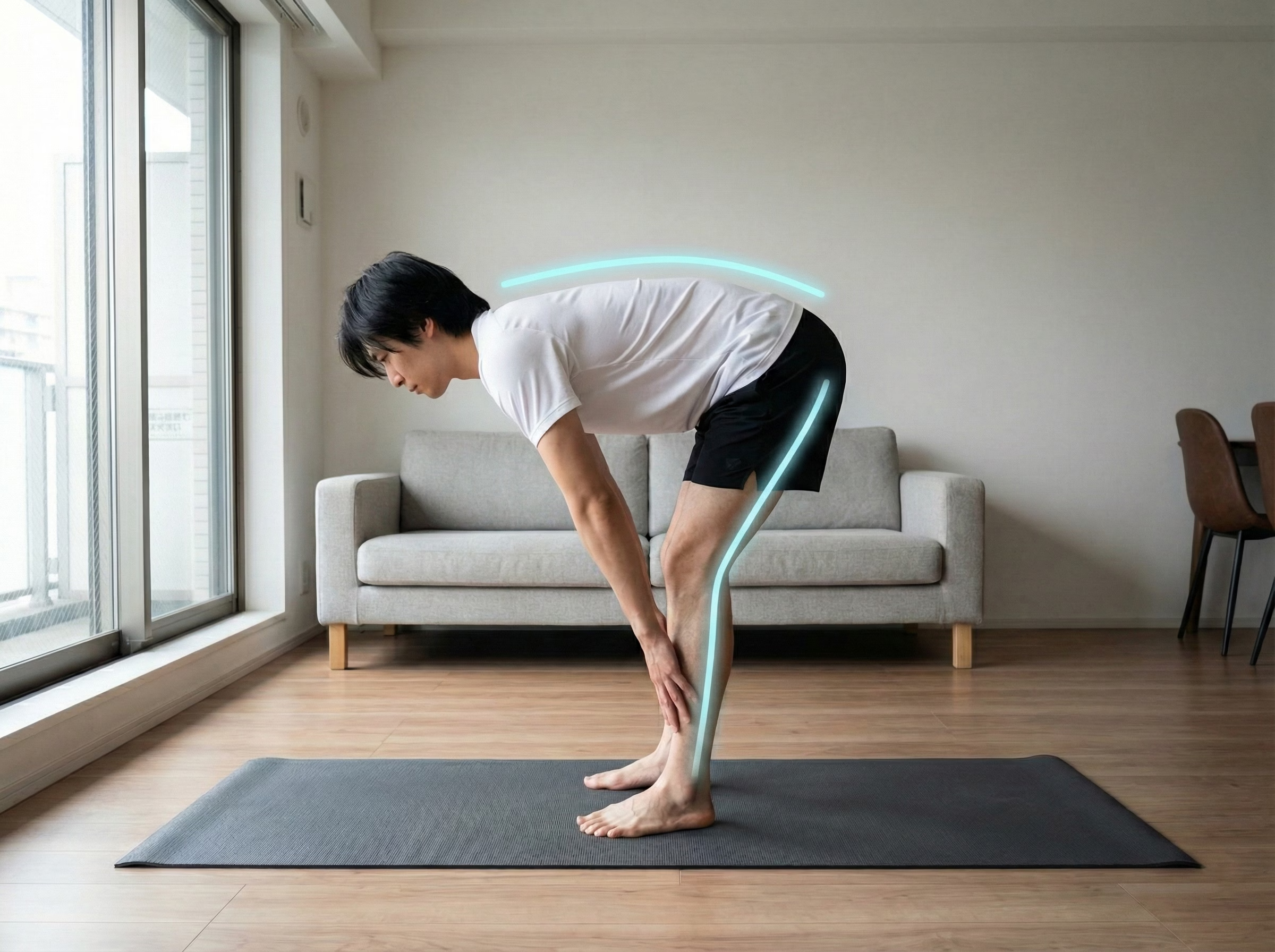
Panel 2 – Clean Mechanics
A split-second comparison showing the difference between a clean hinge (hips high, back flat)
and a rounded toe-touch. The clean hinge engages the full back line effectively, maximizing
decompression benefits.
Form & Safety · Key Technique Cues, Precautions & Common Mistakes
- Keep the weight in your heels and mid-foot, not your toes.
- Maintain a neutral spine; do not round the upper back.
- Hinge from the hips, not the waist.
- Keep the knees soft (unlocked) but not bent like a squat.
This move is safe, but form is critical to protect the lower back.
- If you feel pain in the lower back, you are likely rounding the spine—stop and reset.
- Do not force the depth; only go as low as your flat back allows.
- Avoid locking the knees completely, which puts strain on the joints.
- Rounding the back into a C-shape to reach lower.
- Shifting weight forward onto the toes and lifting heels.
- Looking up at the mirror (cranking the neck).
- Turning the movement into a squat by bending knees too much.
Why it steals height: This reinforces a slouching posture and puts pressure on the front of the spinal discs, rather than lengthening the posterior chain.
Why it steals height: You lose the engagement of the glutes and hamstrings. This anterior shift mimics the "falling forward" posture many people have from tight ankles.
Pair With · Best Exercises to Pair With Hamstring Hinge
For the Posterior Chain pillar, pair this with:
Use the Hamstring Hinge to loosen the back of the legs, then use Glute Bridges to strengthen the muscles that hold the pelvis neutral, followed by Standing Posture Reset to lock in the height.
FAQ · Common Questions About Hamstring Hinge
-
Q1 Can I bend my knees during the hinge? ›Yes, a "soft bend" is actually required. Locking your knees completely can strain the joint and reduce hamstring engagement. The goal is to keep the knees soft but stable, not to squat down.
-
Q2 Why do I feel this in my lower back? ›If you feel strain in the lower back, you are likely rounding your spine (flexion) instead of hinging at the hips. Try the "Wall-Supported" variation and focus on pushing your glutes back until they touch the wall, keeping your chest up.
-
Q3 How does this help me get taller? ›Tight hamstrings pull down on the pelvis, which often causes the lower back to flatten or round, losing the natural curve required for optimal height. Lengthening them allows the pelvis to reset, giving your spine a solid foundation to stack maximally tall.