
Wall Angels : .Fix Rounded Shoulders
Open tight shoulders and straighten the upper back against the wall.
Wall Angles directly target the "tech neck" and rounded shoulders that steal your height, forcing your thoracic spine to extend and stack tall against a flat reference point.
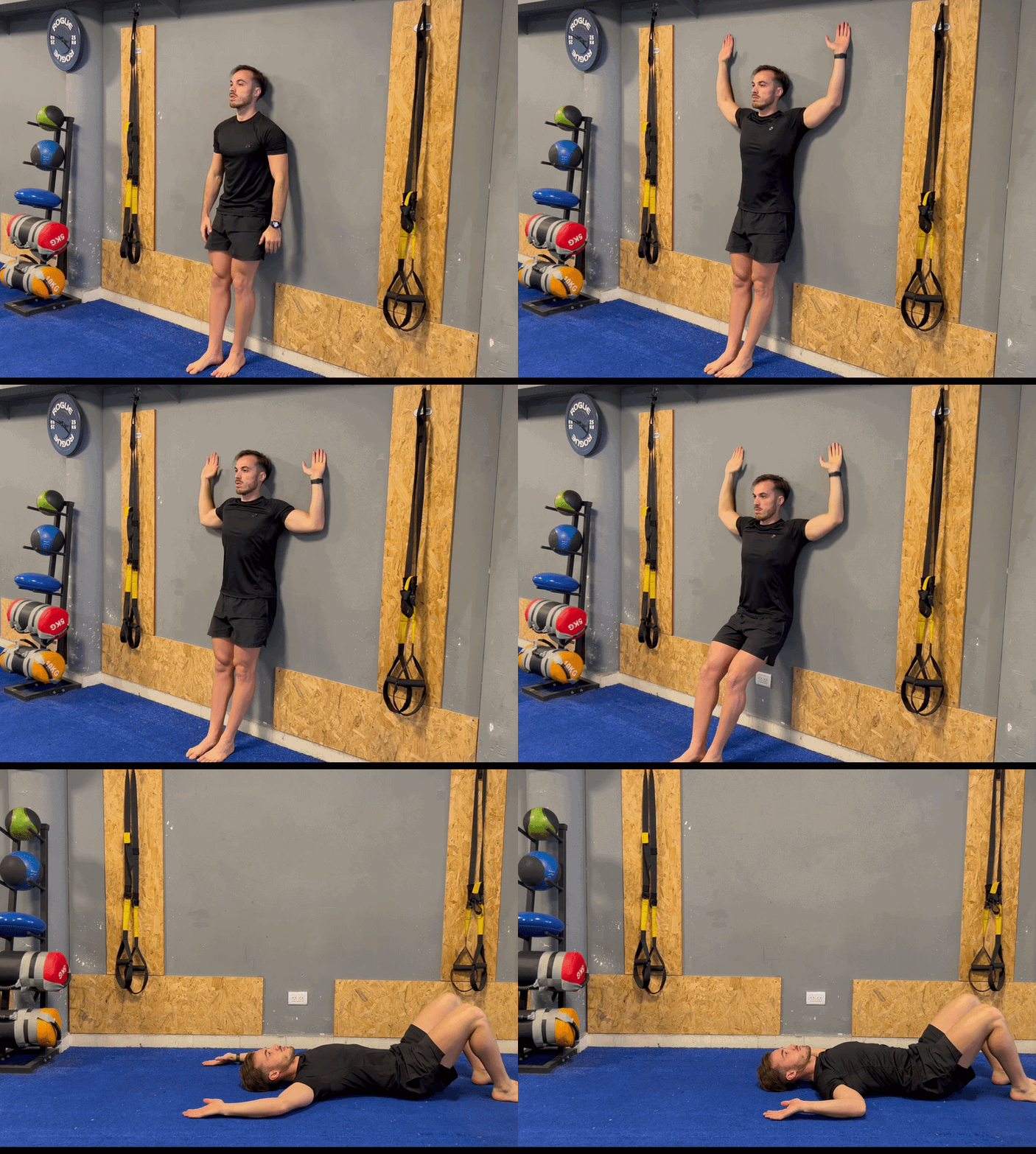
How to · How To Do Wall Angles
The goal is to keep your body glued to the wall while moving your arms.
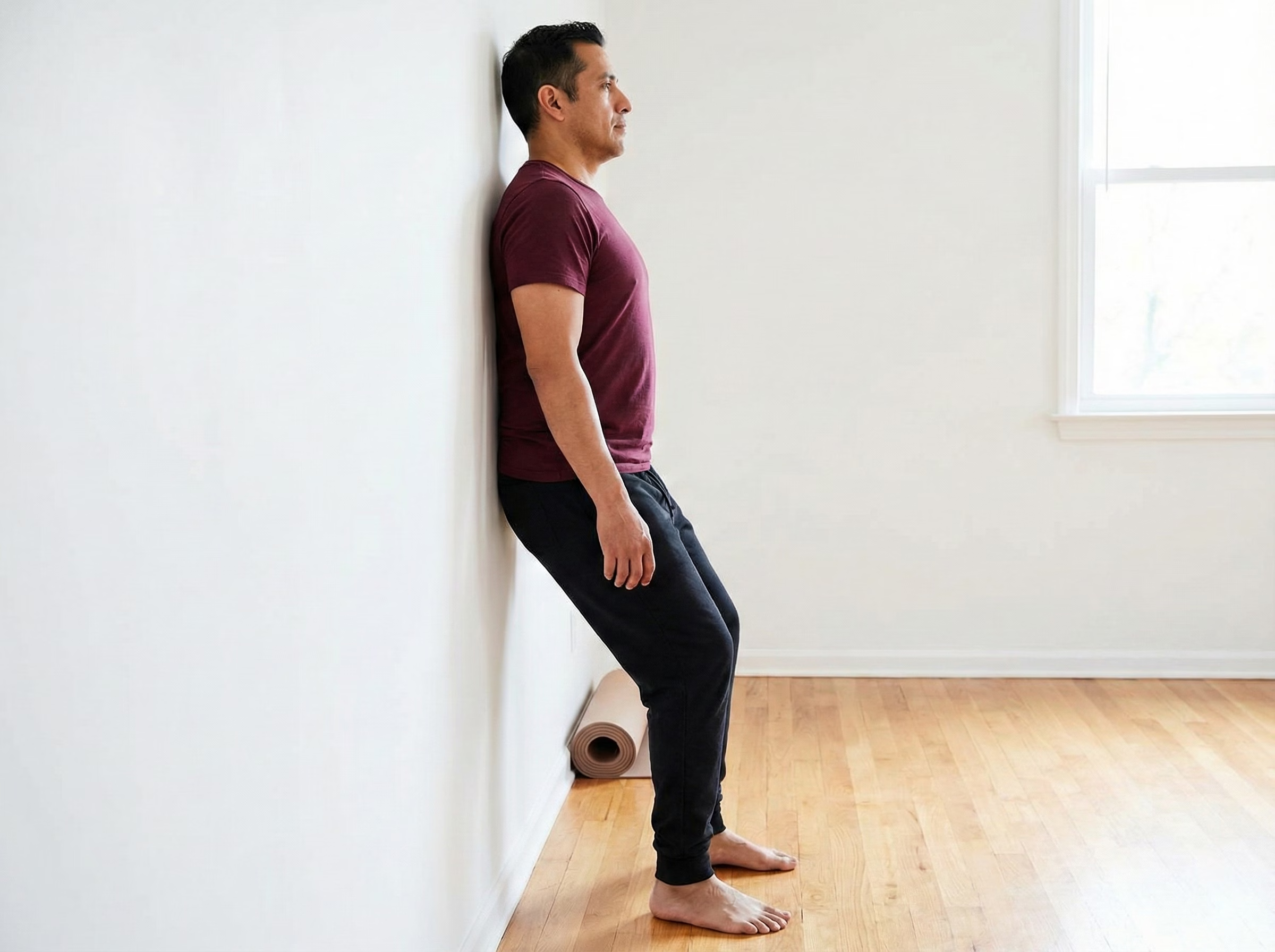
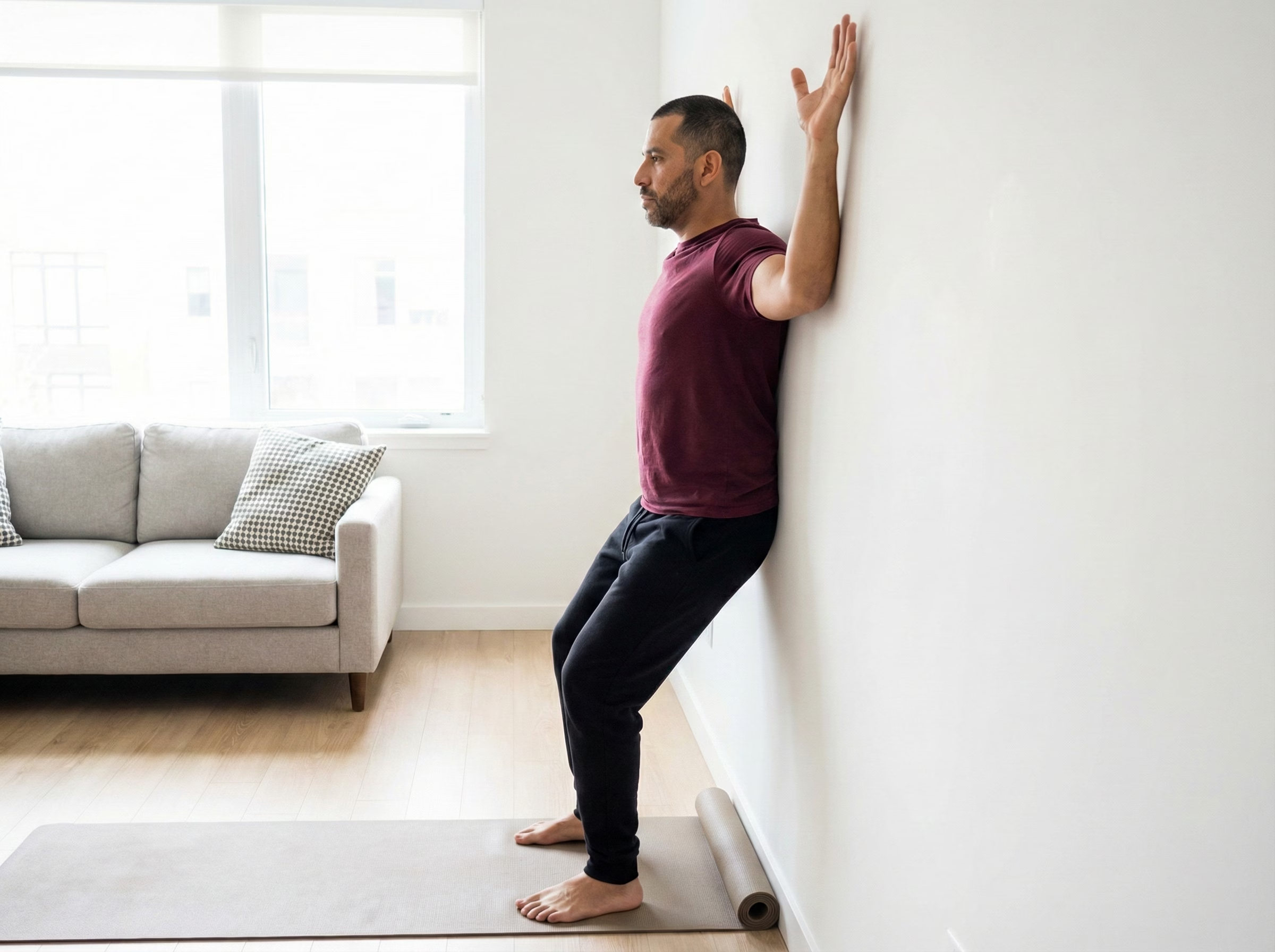
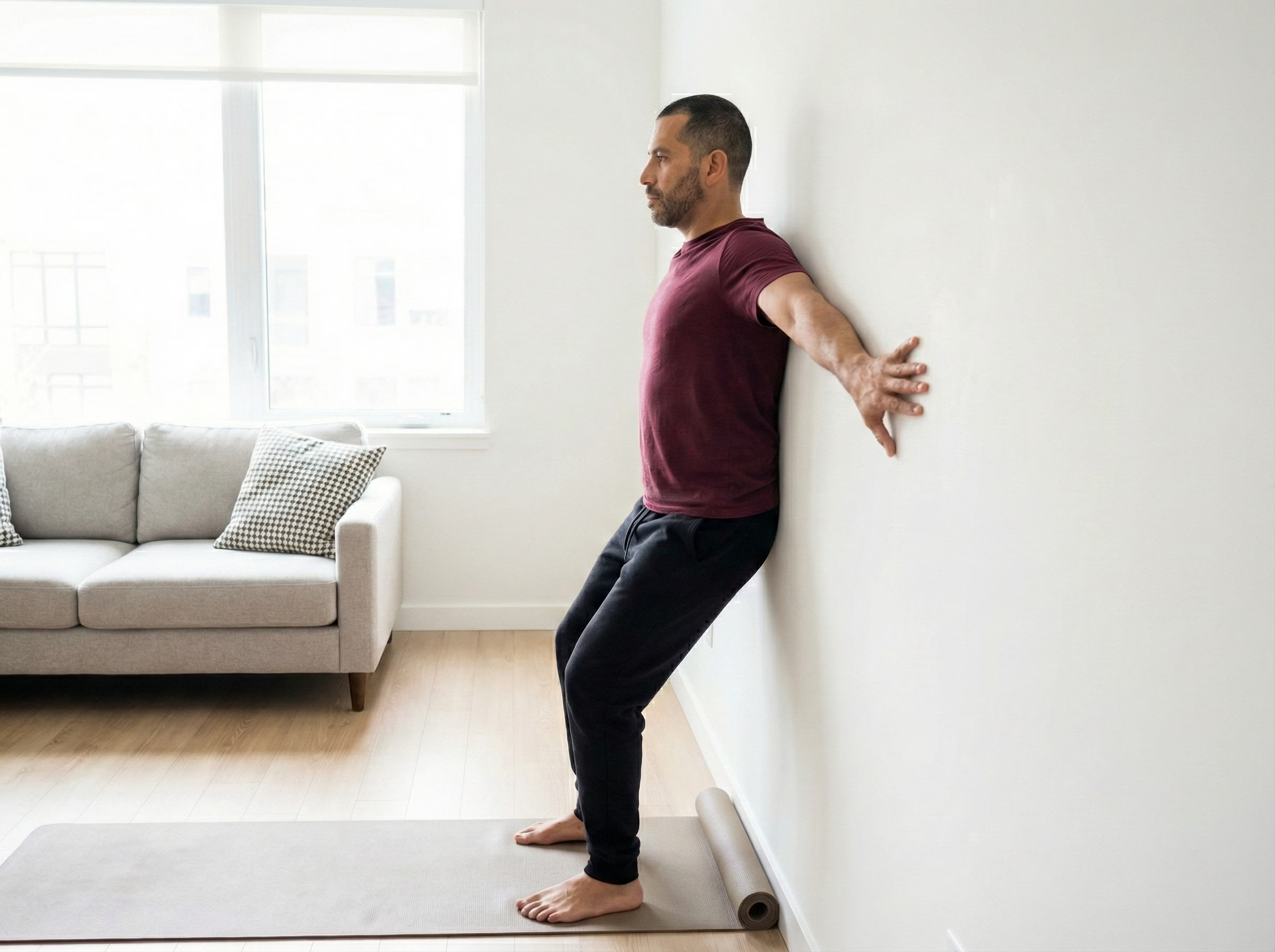
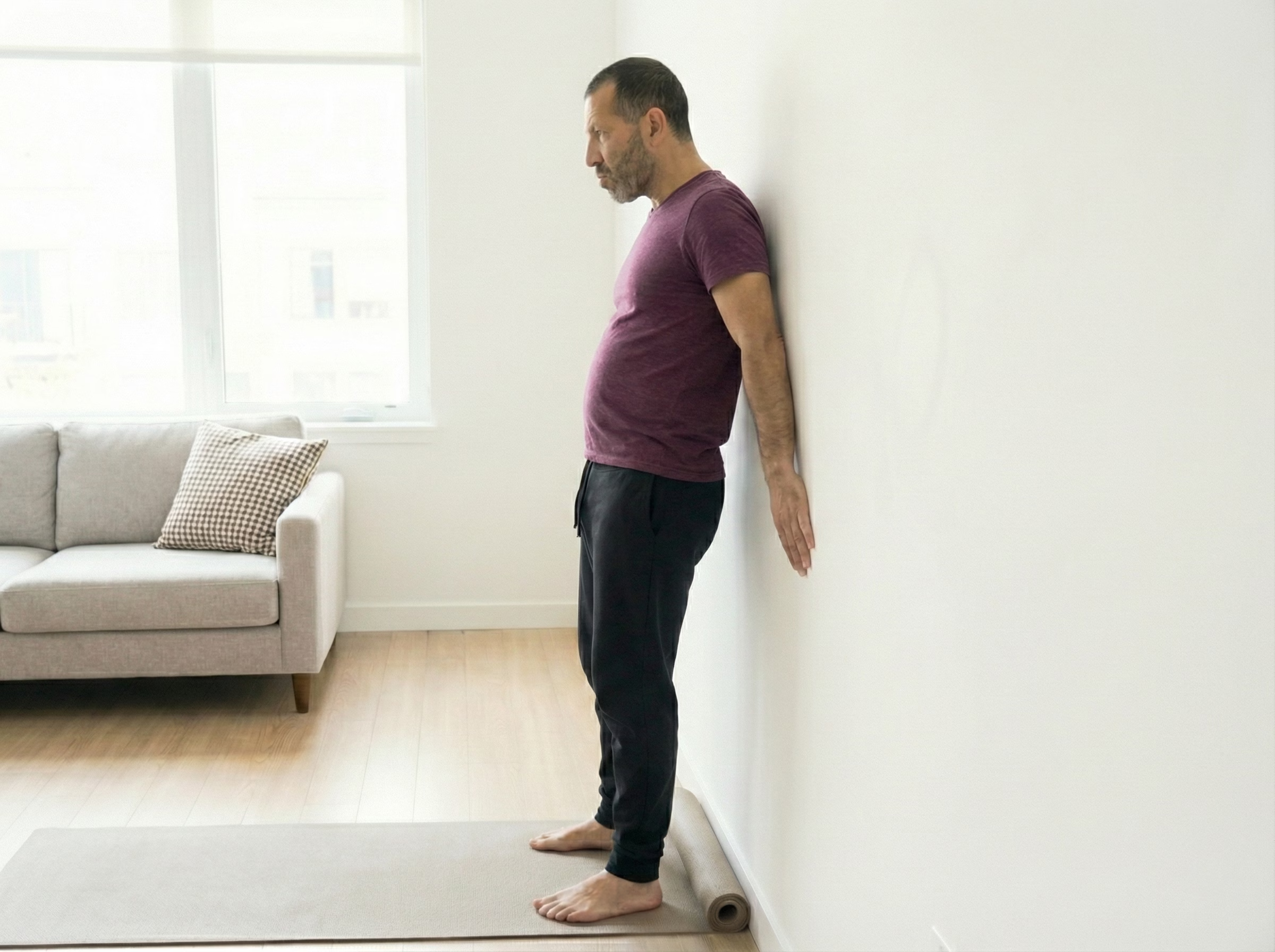
- Back to wall setup: Stand with your back, hips, and head lightly touching the wall. Place your heels a few inches away from the baseboard to help keep your lower back flat. Keep your knees soft and arms relaxed at your sides.
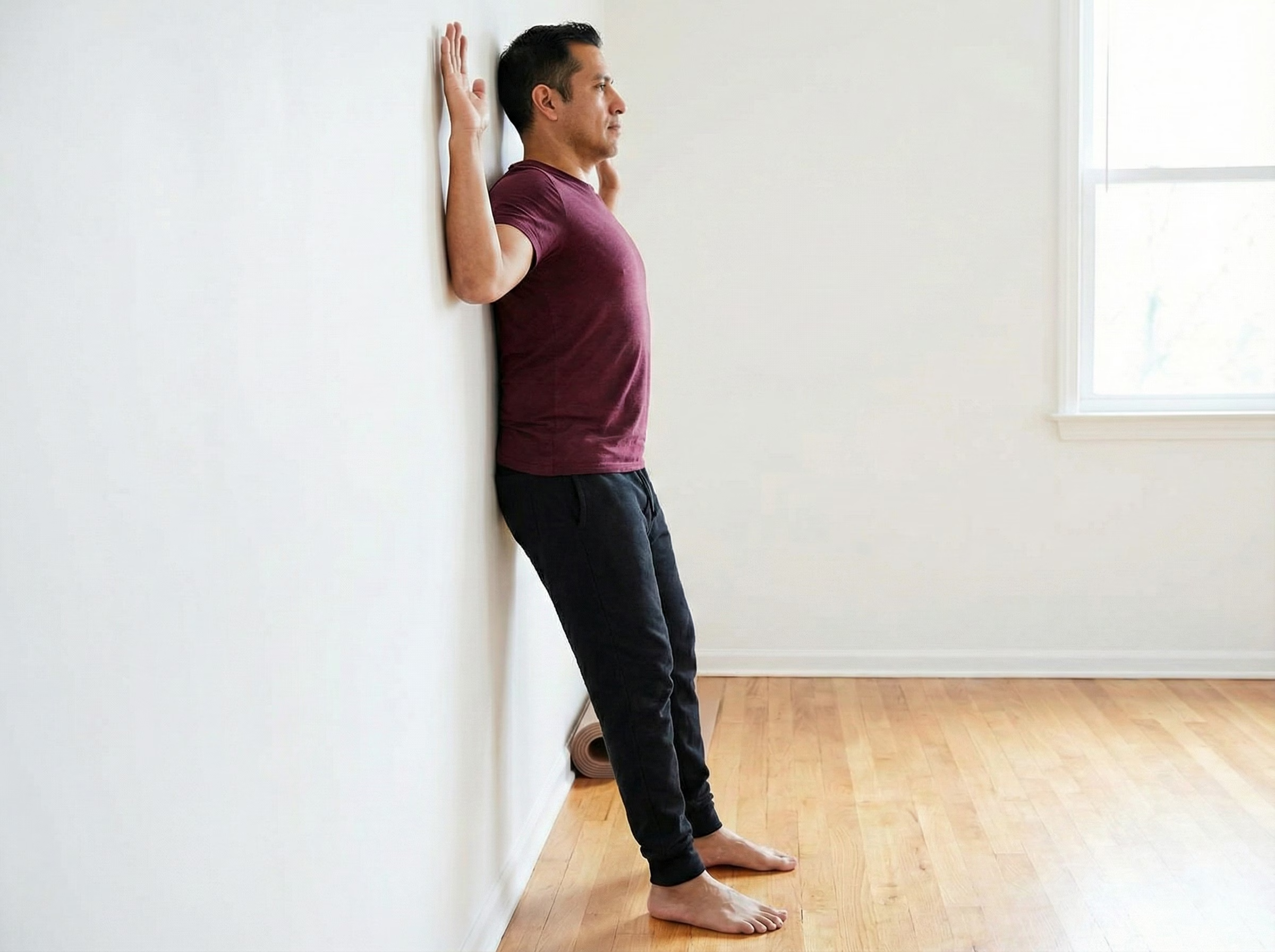
- Elbows to 90°: Raise both arms until your elbows are bent at 90 degrees (shoulder height). Press the backs of your hands, wrists, and elbows against the wall. Keep your ribs down and your lower back in contact with the wall.
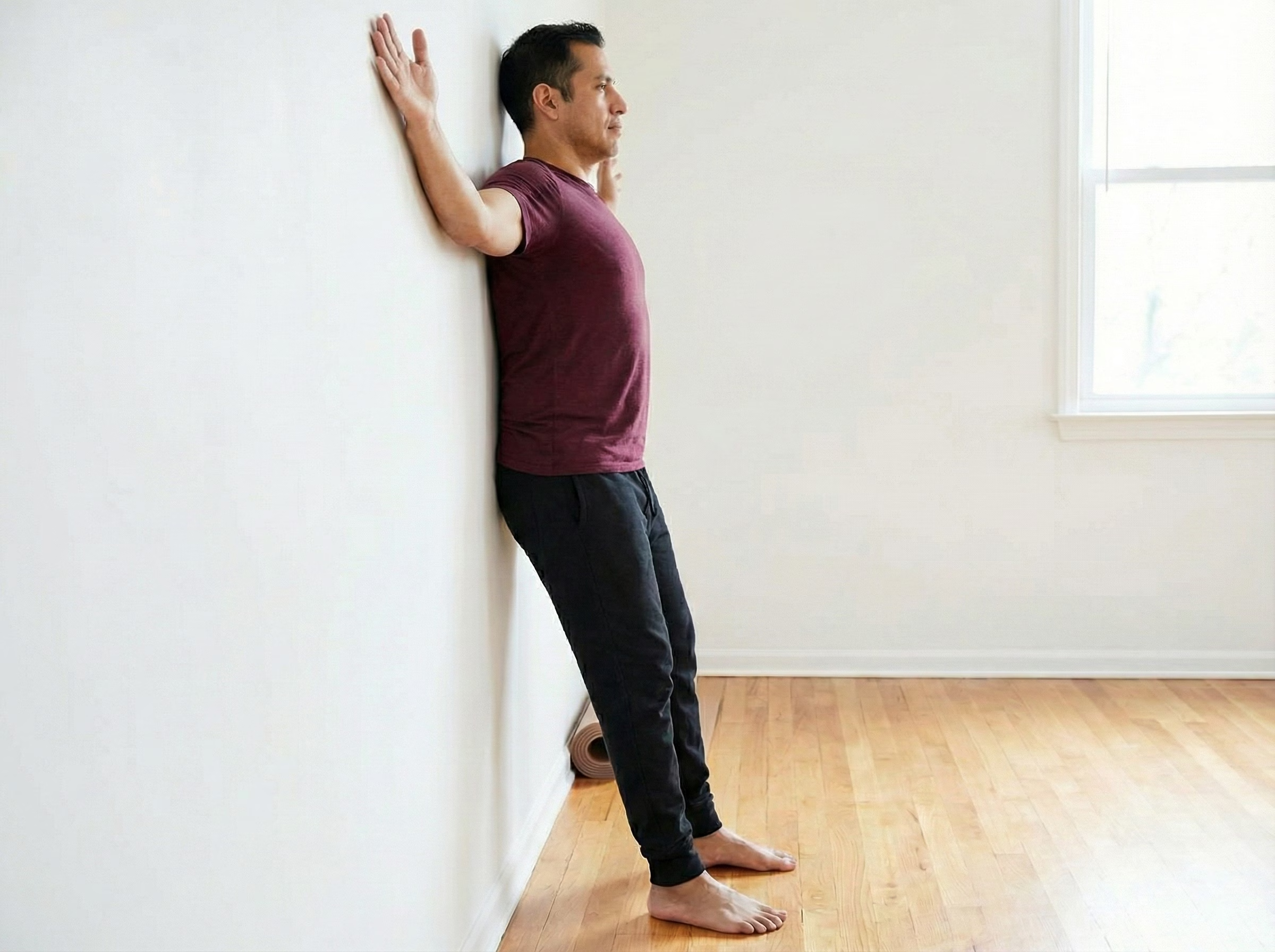
- Slide arms up: Slowly slide your forearms and hands upward along the wall into a wide "Y" shape. Go only as high as you can without arching your back or losing contact with the wall. Pause at the top, then slowly slide back down to the 90-degree start position.
- “Glue your lower back to the wall.”
- “Keep the ribs down; don't flare them out.”
- “Fight to keep wrists and elbows touching the wall.”
Flow & Sets · Reps, Sets & Frequency (Height-Focused)
Quality over quantity—one perfect rep is better than ten cheated ones.
Tip: In the Height app, we often pair this with the Chin Tuck to fix the entire upper spine alignment in one go.
Variations · Progression & Regression
Modify the range of motion to match your current shoulder mobility.
Height Impact · How Wall Angles Increase Height
- Straightening the Curve: Kyphosis (rounded upper back) acts like a curve in a straw—it shortens the overall length. Straightening that curve recovers vertical height.
- Opening the Chest: Tight chest muscles pull you forward. Wall Angles stretch the pecs while strengthening the upper back muscles that hold you upright.
- Head Position: By flattening the spine against the wall, you naturally bring the head back over the shoulders, fixing the "forward head posture" that also reduces height.
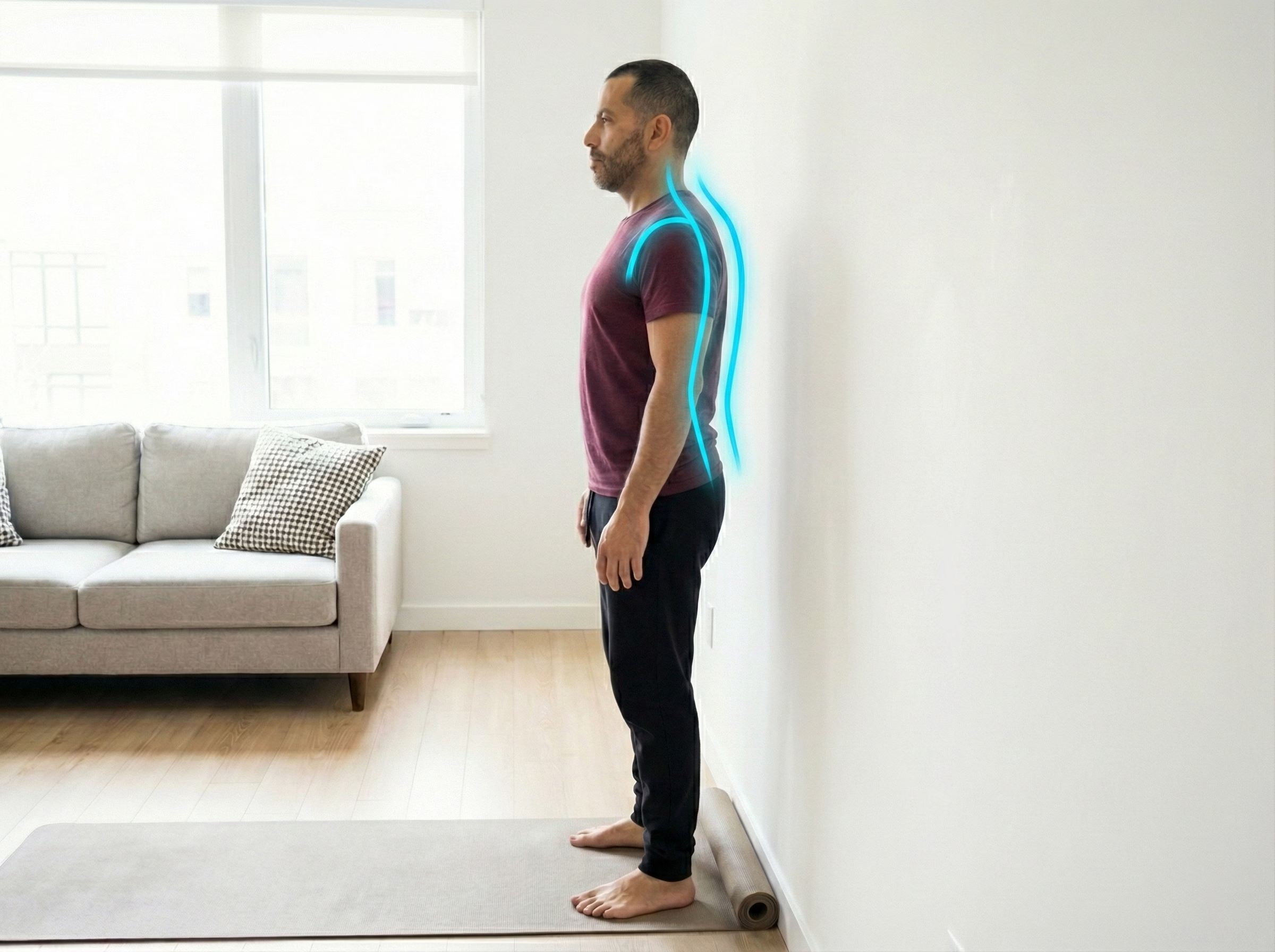
Panel 1 – Improved Posture
Standing tall off the wall, his arms are relaxed but his shoulders sit clearly further back.
A soft blue glow highlights the straightened upper spine and open chest, showing how
this improved alignment translates to standing height.
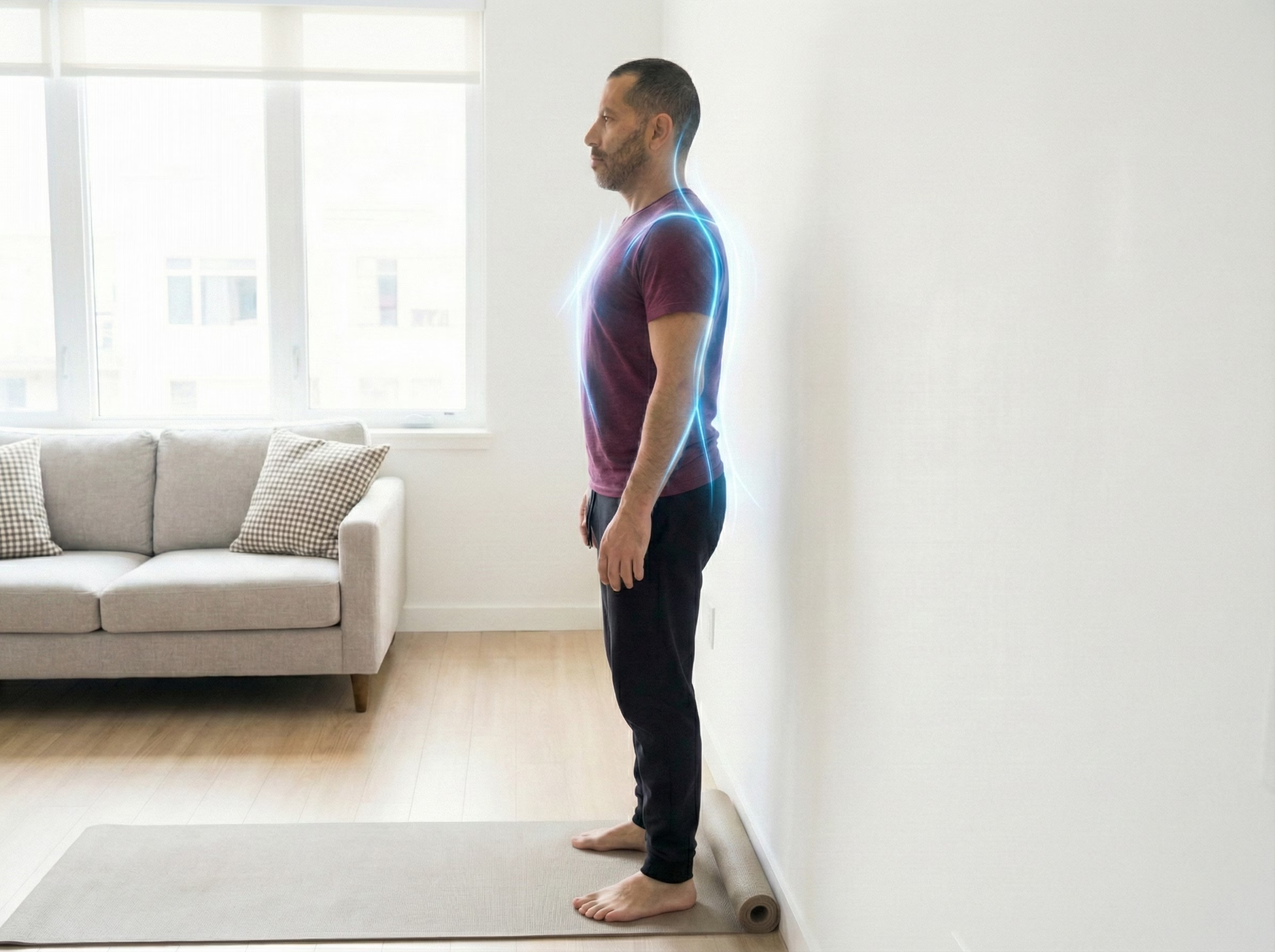
Panel 2 – Rounded vs. Opened
On the left, the rounded back and forward shoulders drag his height down. On the right,
after the drill, the chest is open and the spine is stacked. The blue glow on the right
emphasizes the vertical gain from simply "un-hunching."
Form & Safety · Key Technique Cues, Precautions & Common Mistakes
- Prioritize wall contact over how high you can reach.
- Exhale as you reach up to help keep your ribs down.
- Keep the chin slightly tucked; don't look up.
- Move slowly—momentum defeats the purpose.
Expect to feel a deep burn in the mid-back; this is normal weakness leaving the body.
- If you feel sharp shoulder pain, limit the range of motion.
- Don't force your arms back if it causes pinching; step feet further from the wall.
- Focus on the stretch across the chest, not jamming the joints.
- Arching the lower back to get arms higher (The Rib Flare).
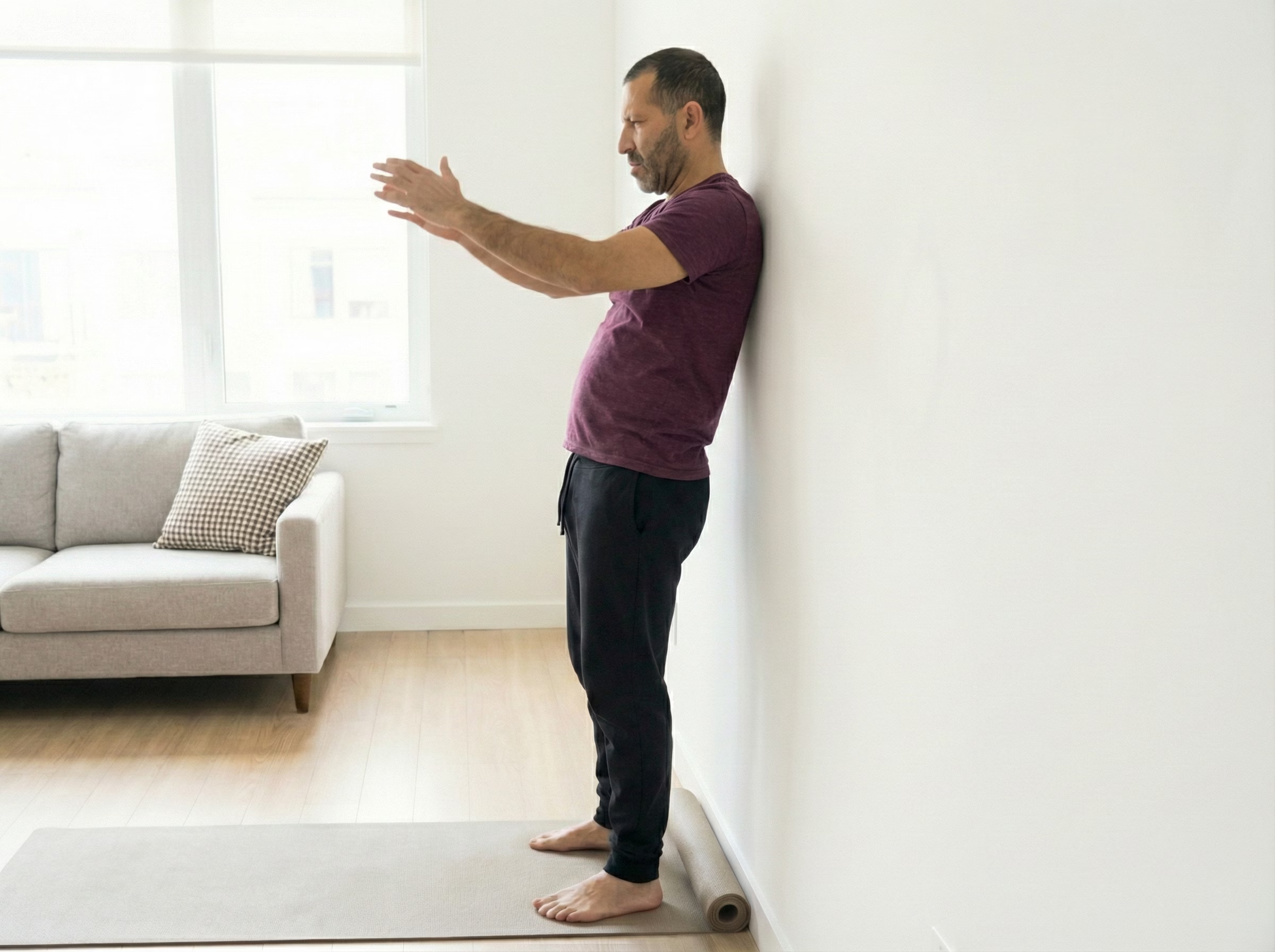
- Letting elbows float off the wall.
- Shrugging shoulders up to the ears.
- Holding your breath.
Why it fails: This bypasses the thoracic spine (upper back) completely, reinforcing a bad swayback posture instead of fixing the hunch.
Why it fails: Without the wall as a strict guide, you aren't actually opening the chest or strengthening the postural muscles. You're just moving your arms in the air.
Pair With · Best Exercises to Pair With Wall Angles
For the Upper Back Posture pillar, pair this with:
Use Cat-Cow to loosen the spine first, then Wall Angles to strengthen the open position, and finish with a Posture Reset to carry that height into your day.
FAQ · Common Questions About Wall Angles
-
Q1 What if I can't touch the wall with my wrists? ›That is very common! It indicates tight chest and shoulder muscles. Step your feet further away from the wall to make it easier, or do the "Half-Range" variation. Consistency will improve your range over time.
-
Q2 Can I do this lying on the floor? ›Yes, "Floor Angels" are a great regression. Gravity helps pull your shoulders open without as much effort. Once the floor version feels easy, progress to the wall for a bigger challenge against gravity.
-
Q3 How quickly will I see posture improvements? ›You will often feel taller immediately after a set because your upper back muscles are "woken up." Visibly lasting changes typically take 2–4 weeks of daily practice as your resting posture adapts.