Targeted routines for posture, spinal decompression, mobility, and impact training. Teens can build height potential and athletic posture. Adults can reclaim height expression by reducing compression and improving alignment.
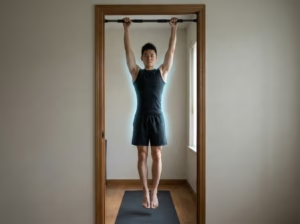
Height Recovery Impact: 100/100
Height Pillar: Spinal Compression
This exercise helps decompress your spine and loosen tight upper-body muscles. By supporting your weight from a bar or sturdy doorway edge, you gently stretch the shoulders, lats, and entire back. It’s an easy way to reduce compression from sitting or lifting. Keep your grip relaxed, breathe steadily, and allow your body to lengthen naturally without forcing the stretch.
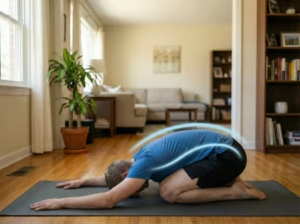
Height Recovery Impact: 86/100
Height Pillar: Spinal Compression
This restorative position helps unload your lower back and gently lengthen the spine after long periods of sitting or standing. By relaxing your hips toward your heels and reaching forward, you reduce compression through the lumbar area and calm overworked muscles. Used consistently, it supports a longer, more relaxed spinal posture so you can stand closer to your full natural height.
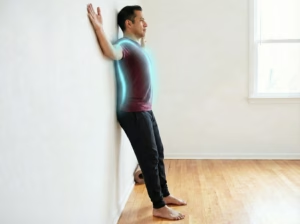
Height Recovery Impact: 77/100
Height Pillar: Postural Collapse
Wall Angels target the upper back and shoulders, areas that tighten and roll forward with screen time. Sliding your arms along the wall trains your back muscles to pull the shoulders down and back, opening the chest. This directly fights the hunched posture that makes you look shorter. Over time, better shoulder alignment supports a more vertical, elongated upper-body posture.
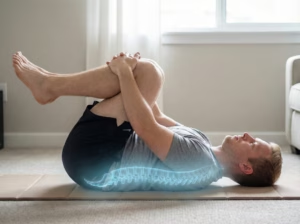
Height Recovery Impact: 88/100
Height Pillar: Spinal Compression
This exercise softly decompresses the lower back while improving mobility in the lumbar spine. Drawing your knees toward your chest and rocking gently helps release built-up tension from chairs, driving, and heavy lifting. That reduction in tightness and compression makes it easier for your spine to lengthen and stack properly, helping you maintain more of your real standing height throughout the day.
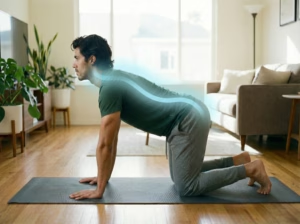
Height Recovery Impact: 92/100
Height Pillar: Spinal Compression
Cat-Cow moves your spine through controlled flexion and extension, loosening stiffness from daily posture habits. This improves segmental mobility, helping each part of your back move instead of staying locked and compressed. A more mobile spine can extend, stack, and decompress more easily, which directly supports standing taller and reclaiming height you lose from slouching and long hours in fixed positions.
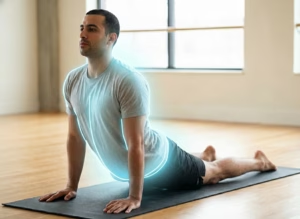
Height Recovery Impact: 78/100
Height Pillar: Postural Collapse
Cobra Stretch opens the front of your body and encourages healthy extension in the spine. By lifting your chest away from the floor, you counteract the rounded posture that makes you look shorter and more compressed. Done gently and consistently, it helps you access a more upright spinal position, supporting better posture and allowing you to express more of your true standing height.
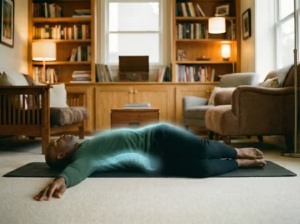
Height Recovery Impact: 79/100
Height Pillar: Spinal Compression
This twist targets stiffness through the lower and mid-back, helping each segment of your spine move more freely. By gently rotating, you reduce tightness that can lock the spine into a compressed position. Better spinal mobility makes it easier to sit and stand tall without strain. Over time, this supports a more upright posture and helps you hold onto more of your real height.
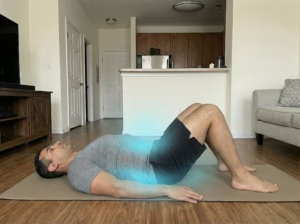
Height Recovery Impact: 82/100
Height Pillar: Pelvic Tilt & Back
This drill teaches you to control pelvic position, which directly affects lower-back curve and apparent height. By flattening the excessive arch in your lower back, you reduce “swayback” and bring the spine into a more neutral, elongated alignment. This improves posture efficiency and helps you avoid the shortened look that comes from an anteriorly tilted pelvis and overarched lumbar spine.
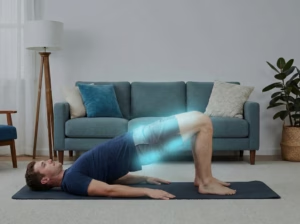
Height Recovery Impact: 70/100
Height Pillar: Pelvic Tilt & Back
Glute Bridges strengthen the muscles that pull your pelvis out of an exaggerated forward tilt. By driving through your heels and squeezing your glutes, you support a more neutral lower-back position and reduce chronic arching. That alignment makes it easier for the spine to stack tall rather than collapse. Over time, this helps you present and maintain a longer, more upright posture.
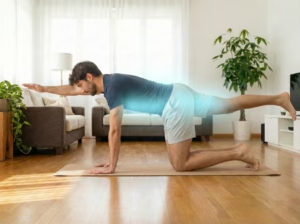
Height Recovery Impact: 72/100
Height Pillar: Pelvic Tilt & Back
Bird Dog builds core and hip stability while training your spine to stay long and controlled. Reaching opposite arm and leg forces your trunk muscles to support a neutral back position instead of collapsing or over-arching. This stability is key for holding good posture during walking, standing, and lifting, allowing you to maintain more of your recovered height without constant effort.
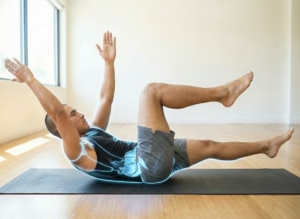
Height Recovery Impact: 71/100
Height Pillar: Pelvic Tilt & Back
Dead Bug trains deep core control while keeping your lower back in a neutral, non-arched position. By moving your arms and legs while the spine stays stable, you build the strength needed to support good posture in real life. This reduces the sagging or sway that shortens your silhouette, helping you stand closer to your full height through better trunk stability and alignment.
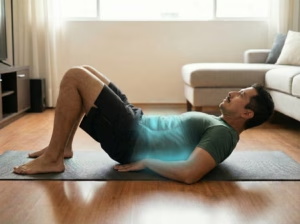
Height Recovery Impact: 68/100
Height Pillar: Pelvic Tilt & Back
The McGill Curl-Up strengthens your core without excessive spinal flexion, teaching you to brace while maintaining a neutral lower back. This helps protect against collapse and instability that can lead to chronic tightness and compression. A stronger, more stable trunk supports an upright posture, allowing your spine to stack tall and helping you maintain more of your true standing height.
Height Recovery Impact: 90/100
Height Pillar: Postural Collapse
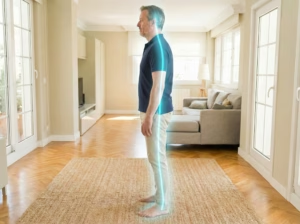
This standing drill helps you realign from head to heels without a wall. By stacking your ears over shoulders and hips, you correct common posture faults like rounded shoulders and forward head. It’s a quick way to “reboot” your position during the day. Used often, it helps you hold a taller, more confident posture and keeps you closer to your natural adult height.
Height Recovery Impact: 83/100
Height Pillar: Postural Collapse
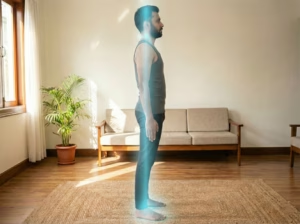
Mountain Pose trains full-body alignment in a simple standing position. By stacking your ankles, hips, ribcage, and head, you learn what “tall and neutral” actually feels like. This improves posture awareness in everyday life, reducing slouching and forward collapse. Practiced regularly, it helps you hold a longer, more efficient posture so you look and measure closer to your actual height.
Height Recovery Impact: 80/100
Height Pillar: Postural Collapse
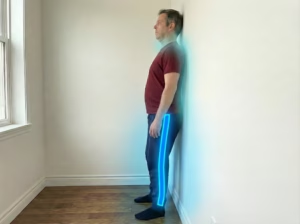
Chin Tucks against the wall correct forward head posture by training your neck to sit directly over your shoulders. Gently drawing your head back reduces the “tech neck” curve that shortens your visible height and strains the spine. Consistent practice helps reposition your head in a taller, more neutral alignment, making your overall posture look longer and more balanced.
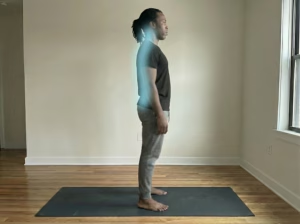
Height Recovery Impact: 67/100
Height Pillar: Postural Collapse
This variation strengthens the deep neck flexors while reinforcing proper head position. Starting from a chin tuck and adding a small lift teaches your neck to support a taller posture without relying on the wrong muscles. This improves control over forward head, reduces strain, and helps you carry your head in a position that keeps your overall posture—and apparent height—more fully expressed.
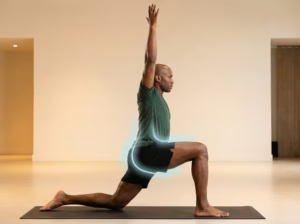
Height Recovery Impact: 81/100
Height Pillar: Pelvic Tilt & Back
This stretch targets the hip flexors, which often get tight from sitting and can pull the pelvis into an excessive forward tilt. By opening the front of the hip, you make it easier for your pelvis and lower back to return to a more neutral, lengthened alignment. That improved positioning supports a taller standing posture and helps you avoid the “compressed” look around the midsection.
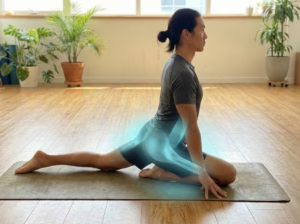
Height Recovery Impact: 66/100
Height Pillar: Pelvic Tilt & Back
Pigeon Pose opens the hips and glutes, areas that can lock the pelvis in poor alignment. By sinking into the stretch, you reduce tightness that pulls your spine out of a tall, neutral position. Improving hip rotation and glute flexibility makes it easier to stand upright without compensations, supporting a smoother posture line and helping you maintain more of your recovered height.
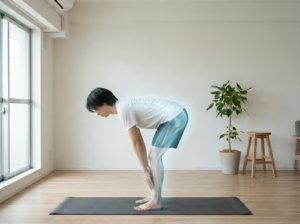
Height Recovery Impact: 65/100
Height Pillar: Leg & Hamstring
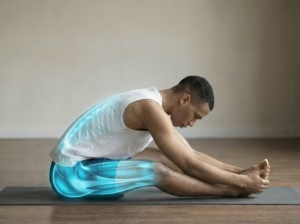
This move lengthens the hamstrings while teaching you to hinge from the hips with a neutral spine. Tight hamstrings often tug on the pelvis and lower back, contributing to poor posture and a shortened stance. By improving flexibility in this area, you reduce pulling forces that round your back. That makes it easier to stand taller and keep your spine long in daily activities.
Height Recovery Impact: 62/100
Height Pillar: Pelvic Tilt & Back
Butterfly Stretch targets the inner thighs and hips, which can restrict how your pelvis moves and sits. By gently pressing your knees toward the floor, you improve hip mobility and reduce tension that locks your lower body into a cramped position. Better hip freedom supports a more neutral pelvic tilt, helping your spine align taller and making it easier to hold a long posture.
Height Recovery Impact: 35/100
Height Pillar: Leg & Hamstring
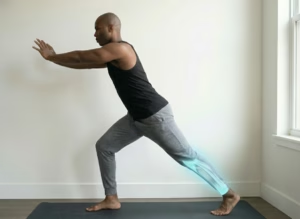
This stretch lengthens the calves and improves ankle mobility, both of which affect how you stand and move. Tight calves can tilt you forward and subtly disrupt your posture line. By opening this area, you allow your body weight to distribute more evenly over your feet, making it easier to stack your joints vertically and maintain a taller, more efficient standing position.
Height Recovery Impact: 38/100
Height Pillar: Leg & Hamstring
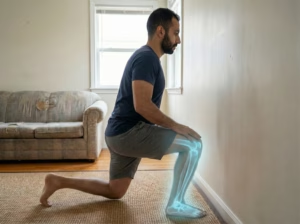
This exercise improves ankle dorsiflexion, which is key for squatting, walking, and standing without compensations further up the body. Limited ankle motion can force your knees, hips, and spine into awkward positions that shorten your posture. By freeing up the ankles, you support smoother movement and better alignment, which helps your entire posture line stay taller and more stable.
Height Recovery Impact: 33/100
Height Pillar: Pelvic Tilt & Back
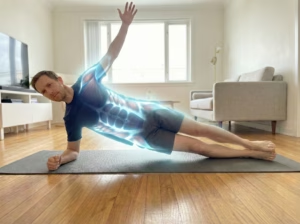
Side Plank trains lateral core stability, helping your spine stay upright instead of collapsing or leaning. Strong side-body muscles prevent one-sided sagging that can subtly shorten your posture and throw your alignment off. Holding this position teaches your trunk to support a tall, stacked spine under load. Over time, this stability helps you stand and move with a more elongated posture.
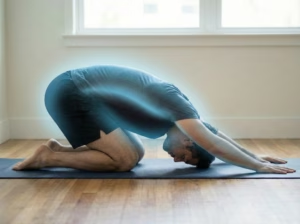
Height Recovery Impact: 89/100
Height Pillar: Spinal Compression
This variation adds extra reach through the upper back and lats while you’re in a decompressed position. Walking your hands forward lengthens the sides of your torso and helps open the area around the ribs and shoulders. That extra space supports a taller upper-body posture and reduces the tight, rounded feeling that makes you look shorter across the chest and mid-back.
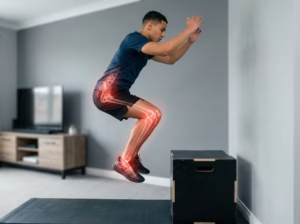
Height Recovery Impact: 88/100
Height Pillar: HGH Activation + Impact Loading
Box Jumps deliver explosive upward power followed by controlled, high-GRF landings (typically 4-6x bodyweight), providing strong mechanical stress to the legs, hips, and spine for osteogenic bone remodeling and density gains per Wolff's Law. This impact stimulates bone-building cells (osteoblasts), supporting BMD improvements in lower limbs and spine—especially beneficial during growth years for height potential. Combined with rapid force production, it also spikes HGH through metabolic demand for systemic anabolic support and recovery.
Height Recovery Impact: 90/100
Height Pillar: HGH Activation + Impact Loading
Burpees involve a full-body explosive jump at the end with significant landing impact, generating high GRFs across multiple sites (legs, core, spine). This repeated mechanical loading promotes bone adaptation and density accrual, as seen in plyometric protocols for youth bone health. The extreme metabolic stress and lactate from the high-intensity sequence also triggers dramatic HGH release, optimizing hormonal growth signaling alongside direct bone stimulus for maximal height expression.
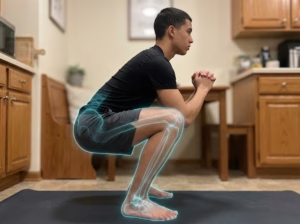
Height Recovery Impact: 75/100
Height Pillar: HGH Activation
The Deep Squat Hold (or Asian squat/ass-to-grass hold) builds lower-body mobility while maintaining tension in a static, deep position. Holding for extended periods creates isometric stress and mild metabolic buildup, stimulating moderate HGH release alongside improved hip/ankle mobility for better overall posture alignment. It's a foundational move that supports hormonal benefits while reducing compensatory tightness that could limit full height expression.
Height Recovery Impact: 82/100
Height Pillar: HGH Activation
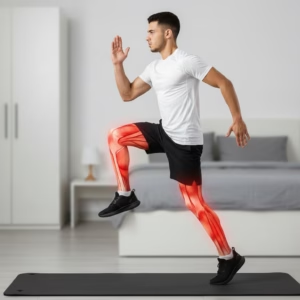
High Knees involve rapid marching or running in place with exaggerated knee lift, turning into a high-intensity cardio drill that elevates heart rate quickly. The explosive, repetitive leg drive generates significant lactate and metabolic stress, prompting strong HGH secretion. This exercise boosts cardiovascular fitness and hormonal response, contributing to better recovery and growth signaling for those seeking to maximize natural height potential.
Height Recovery Impact: 87/100
Height Pillar: HGH Activation + Impact Loading
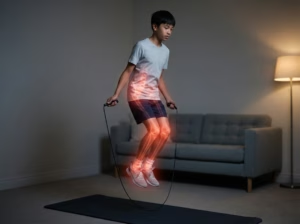
Jump Rope provides repetitive high-impact landings (GRFs ~3-5x bodyweight per skip, especially with faster paces or double-unders), creating consistent mechanical stress on lower limbs (calves, tibia, femurs) and heels for strong osteogenic effects like increased calcaneal/leg BMD in adolescents. Studies show rope skipping boosts bone density at impact sites during puberty. The rhythmic high-intensity nature also spikes HGH via metabolic demand, making it a top hybrid for bone remodeling + hormonal optimization to support height maximization.
Height Recovery Impact: 89/100
Height Pillar: HGH Activation + Impact Loading
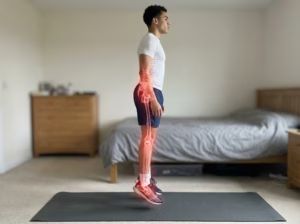
Jump Squats feature powerful vertical explosion with hard landings, producing high GRFs that load the legs, hips, and spine mechanically—ideal for stimulating bone formation and density gains in growing bones, as plyometric jumps show in youth research. The fast-twitch recruitment and stretch-shortening cycle deliver strong HGH surges for anabolic support, recovery, and systemic growth signaling while enhancing height potential through direct bone adaptation.
Height Recovery Impact: 70/100
Height Pillar: HGH Activation
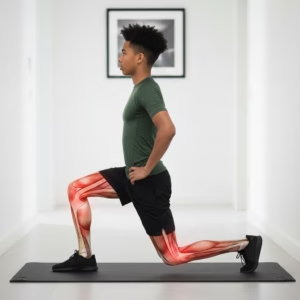
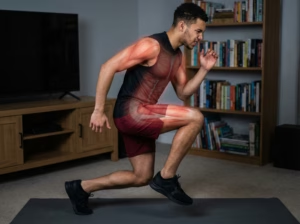
Lunges (walking, reverse, or jumping variations) target unilateral leg strength, balance, and hip mobility while allowing for dynamic loading. Adding jumps or speed turns them into a high-intensity move that boosts HGH through metabolic stress and muscle recruitment. Consistent practice strengthens the lower body for better posture support and contributes to natural hormonal surges that optimize growth and recovery.
Height Recovery Impact: 78/100
Height Pillar: HGH Activation
Mountain Climbers are a fast-paced, high-intensity core and cardio exercise involving rapid alternating knee drives in a plank position. The continuous explosive movement creates significant metabolic demand and lactate buildup, triggering strong HGH release. This drill also builds trunk stability, helping maintain spinal alignment while supporting the hormonal environment needed for maximal height recovery and expression.
Height Recovery Impact: 45/100
Height Pillar: Pelvic Tilt & Back
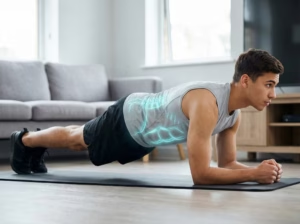
The classic Plank is an isometric core hold that builds deep trunk stability and endurance. It creates some mild metabolic stress in longer holds (potentially modest GH response), but its main value is reinforcing a neutral spine to prevent collapse, sagging, or anterior tilt that shortens your posture. This stability supports an upright alignment, allowing your spine to stack tall and helping you maintain more of your true standing height through better postural control—without major decompression or high GH spikes.
Height Recovery Impact: 92/100
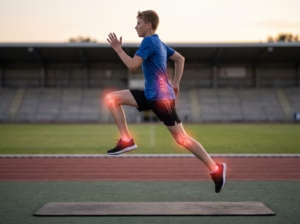
Height Pillar: HGH Activation
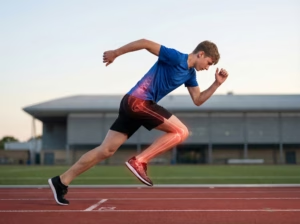
Sprints (short, all-out efforts like 20-60m dashes) are among the most potent HGH stimulators due to maximal intensity, rapid acceleration, and massive lactate production. High-intensity interval sprinting reliably spikes growth hormone far above baseline, supporting anabolic signaling, bone health, and tissue optimization. Ideal for those in growth phases aiming to maximize natural height through powerful hormonal response.
Height Recovery Impact: 84/100
Height Pillar: HGH Activation
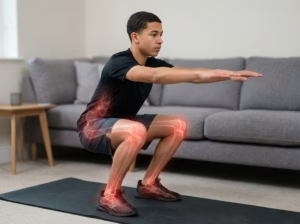
Squats (back, front, or bodyweight) are a foundational compound lift that heavily recruits the lower body and core. Heavy or high-volume sets push past lactate threshold, delivering strong HGH release for muscle repair and growth signaling. This exercise builds leg strength for better posture base while contributing to systemic hormonal benefits that enhance overall height potential.
Height Recovery Impact: 50/100
Height Pillar: Postural Collapse
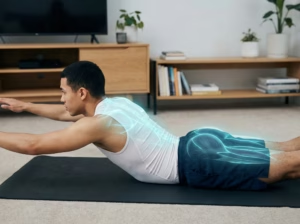
Superman Hold strengthens the posterior chain (lower back, glutes, hamstrings) by lying face-down and lifting arms/legs simultaneously. This isometric extension counters forward rounding and slouching, improving spinal alignment and upper-back strength for a taller, more confident posture. It builds mild metabolic stress (limited GH contribution), but its core benefit is fighting postural collapse to help you express more of your natural height daily, similar to Cobra Stretch—solid for posture, but not a high-impact or high-GH mover.